Verse-by-Verse Commentary & Explanation
Jeremiah 17:3
Verse:
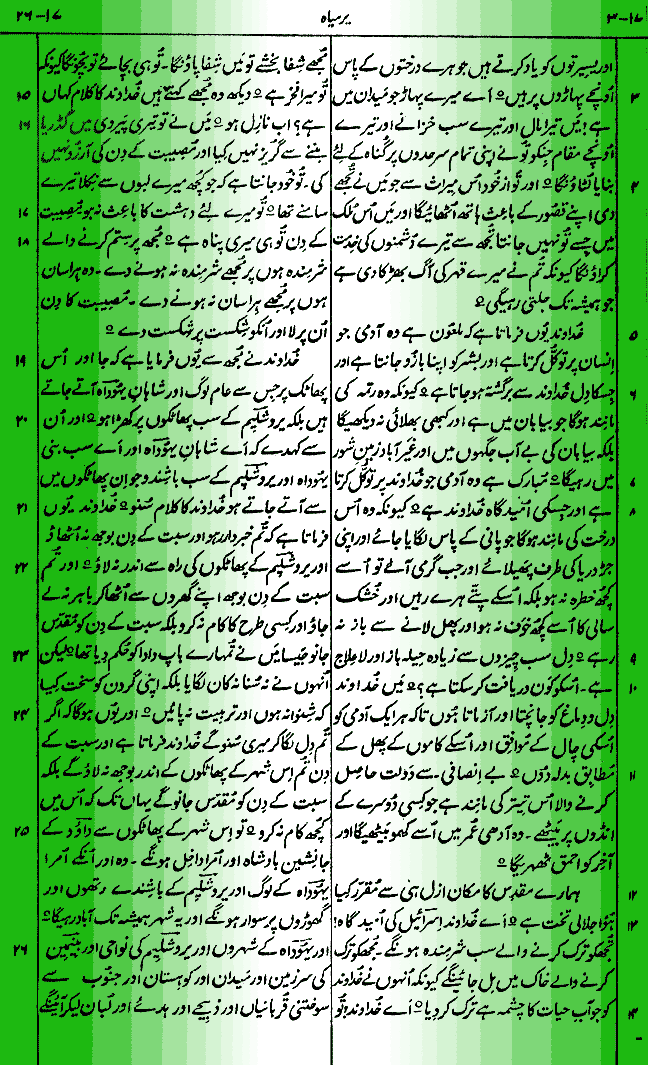
O my mountain in the field I will give thy substance and all thy treasures to the spoil and thy high places for sin throughout all thy borders
English Explanation
God addresses Jerusalem and Judah as His “mountain in the field.” Because the people turned to idolatry and set up pagan altars (“high places”) throughout their borders, God declares that their wealth, substance, and treasures will be plundered by invaders. Spiritual compromise always leads to material and emotional loss.
Urdu Explanation
خدا یروشلم اور یہوداہ کو میدان میں اپنا پہاڑ کہہ کر مخاطب کرتا ہے۔ چونکہ لوگوں نے بت پرستی کی اور اپنی سرحدوں میں بتوں کے اونچے مقام بنائے، اس لیے خدا فرماتا ہے کہ ان کی دولت، مال اور خزانے دشمن لوٹ لیں گے۔ روحانی گمراہی ہمیشہ مادی اور جذباتی نقصان کا سبب بنتی ہے۔
Jeremiah 17:4
Verse:
And thou even thyself shalt discontinue from thine heritage that I gave thee and I will cause thee to serve thine enemies in the land which thou knowest not for ye have kindled a fire in mine anger which shall burn for ever
English Explanation
This verse predicts the Babylonian exile. Because of their persistent rebellion, the Israelites would lose their inheritance (the Promised Land) and be forced into captivity to serve their enemies in an unfamiliar country. Their sins kindled God’s righteous wrath, resulting in long-lasting judgment.
Urdu Explanation
یہ آیت بابل کی اسیری کی پیشین گوئی کرتی ہے۔ ان کی مسلسل نافرمانی کی وجہ سے، بنی اسرائیل اپنی میراث (موعودہ زمین) سے محروم ہو جائیں گے اور انہیں ایک اجنبی ملک میں اپنے دشمنوں کی غلامی کرنی پڑے گی۔ ان کے گناہوں نے خدا کے غضب کی آگ کو بھڑکایا، جس کا نتیجہ طویل المیعاد عدالت کی صورت میں نکلا۔
Jeremiah 17:5
Verse:
Thus saith the LORD Cursed be the man that trusteth in man and maketh flesh his arm and whose heart departeth from the LORD
English Explanation
A foundational spiritual principle: putting ultimate reliance on human strength (“flesh”) or political alliances instead of God brings a curse. Relying on human capability distances the human heart from the true source of life and security.
Urdu Explanation
ایک بنیادی روحانی اصول: خدا کے بجائے انسانی طاقت یا سیاسی اتحادوں پر آخری بھروسہ رکھنا لعنت کا باعث بنتا ہے۔ انسانی صلاحیتوں پر بھروسہ کرنا انسان کے دل کو زندگی اور سلامتی کے سچے سرچشمے (خدا) سے دور کر دیتا ہے۔
Jeremiah 17:6
Verse:
For he shall be like the heath in the desert and shall not see when good cometh but shall inhabit the parched places in the wilderness in a salt land and not inhabited
English Explanation
Jeremiah uses vivid desert imagery to describe the person who trusts in man. Such an individual is like a stunted bush in a barren wilderness—isolated, dry, and unable to experience or recognize blessings even when they arrive.
Urdu Explanation
یرمیاہ انسان پر بھروسہ کرنے والے شخص کی حالت کو بیان کرنے کے لیے صحرا کے منظر کا استعمال کرتا ہے۔ ایسا انسان ویران جنگل میں ایک مرجھائی ہوئی جھاڑی کی مانند ہے—تنہا، خشک، اور برکات کو حاصل کرنے یا پہچاننے کے قابل نہیں رہتا، خواہ وہ برکات سامنے ہی کیوں نہ ہوں۔
Jeremiah 17:7
Verse:
Blessed is the man that trusteth in the LORD and whose hope the LORD is
English Explanation
In direct contrast to verse 5, this verse highlights the spiritual prosperity of those who anchor their confidence entirely in God. True blessing and peace come from making the Lord your ultimate hope.
Urdu Explanation
آیت ۵ کے بالکل برعکس، یہ آیت ان لوگوں کی روحانی خوشحالی کو ظاہر کرتی ہے جو اپنا پورا بھروسہ خدا پر رکھتے ہیں۔ سچی برکت اور امن خداوند کو اپنی آخری امید بنانے سے حاصل ہوتا ہے۔
Jeremiah 17:8
Verse:
For he shall be as a tree planted by the waters and that spreadeth out her roots by the river and shall not see when heat cometh but her leaf shall be green and shall not be careful in the year of drought neither shall cease from yielding fruit
English Explanation
The person who trusts in God is compared to a deeply rooted tree near a river. Even during seasons of intense heat or severe drought (representing life’s trials), this person remains spiritually vibrant, anxiety-free, and consistently productive.
Urdu Explanation
خدا پر بھروسہ کرنے والے شخص کو دریا کے پاس لگے ہوئے گہری جڑوں والے درخت سے تشبیہ دی گئی ہے۔ شدید گرمی یا قحط کے دنوں میں بھی (جو زندگی کی آزمائشوں کو ظاہر کرتے ہیں)، یہ شخص روحانی طور پر تروتازہ، بے خوف اور مسلسل پھلدار رہتا ہے۔
Jeremiah 17:9
Verse:
The heart is deceitful above all things and desperately wicked who can know it
English Explanation
One of the most famous verses in Jeremiah highlights the fallen nature of humanity. The human heart is prone to self-deception and hidden motives, making it impossible for a person to fully understand their own spiritual condition without divine insight.
Urdu Explanation
یرمیاہ کی مشہور ترین آیات میں سے ایک جو انسان کی گناہ آلود فطرت کو ظاہر کرتی ہے۔ انسانی دل خود فریبی اور چھپے ہوئے مقاصد کی طرف مائل ہے، جس کی وجہ سے انسان الٰہی بصیرت کے بغیر اپنی روحانی حالت کو پوری طرح نہیں سمجھ سکتا۔
Jeremiah 17:10
Verse:
I the LORD search the heart I try the reins even to give every man according to his ways and according to the fruit of his doings
English Explanation
While humans cannot understand the heart, God searches and evaluates it completely. He examines the deepest thoughts and hidden motives (“reins”) to reward or discipline every individual accurately based on their true actions and intentions.
Urdu Explanation
اگرچہ انسان دل کو نہیں سمجھ سکتا، لیکن خدا اس کی مکمل تلاش اور جانچ کرتا ہے۔ وہ گہرے خیالات اور پوشیدہ ارادوں کو پرکھتا ہے تاکہ ہر انسان کو اس کے حقیقی اعمال اور نیتوں کے مطابق جزا یا سزا دے سکے۔
Jeremiah 17:11
Verse:
As the partridge sitteth on eggs and hatcheth them not so he that getteth riches and not by right shall leave them in the midst of his days and at his end shall be a fool
English Explanation
Using a metaphor from nature, Jeremiah explains that gaining wealth through dishonest or unjust means is futile. Just as a bird sitting on eggs that are not her own will lose the chicks, an unjust wealthy person will lose their riches prematurely and die in regret.
Urdu Explanation
فطرت کے ایک استعارے کو استعمال کرتے ہوئے، یرمیاہ واضح کرتا ہے کہ بے ایمانی یا ناانصافی سے دولت حاصل کرنا فضول ہے۔ جس طرح ایک پرندہ ان انڈوں پر بیٹھتا ہے جو اس کے اپنے نہیں ہوتے اور بچے کھو دیتا ہے، اسی طرح ناجائز دولت کمانے والا شخص وقت سے پہلے اپنی دولت کھو بیٹھتا ہے اور آخر کار بے وقوف ٹھہرتا ہے۔
Jeremiah 17:12
Verse:
A glorious high throne from the beginning is the place of our sanctuary
English Explanation
Jeremiah shifts his focus to praise God’s eternal sovereign presence. The true sanctuary of God’s people is not just a physical temple in Jerusalem, but God’s majestic, heavenly throne established from eternity.
Urdu Explanation
یرمیاہ اپنی توجہ خدا کی ابدی حاکمیت کی حمد و ثنا کی طرف مبذول کرتا ہے۔ خدا کے لوگوں کی سچی پناہ گاہ صرف یروشلم کی مادی ہیکل نہیں ہے، بلکہ خدا کا وہ جلیل القدر آسمانی تخت ہے جو ازل سے قائم ہے۔
Jeremiah 17:13
Verse:
O LORD the hope of Israel all that forsake thee shall be ashamed and they that depart from me shall be written in the earth because they have forsaken the LORD the fountain of living waters
Explanation
Those who turn away from God—the only source of life-giving spiritual water—will experience public disgrace. Their names will be “written in the dust,” signifying temporary existence and ultimate oblivion, rather than eternal life.
Urdu Explanation
جو لوگ خدا سے منہ موڑ لیتے ہیں—جو زندگی بخش روحانی پانی کا واحد چشمہ ہے—وہ ذلت کا سامنا کریں گے۔ ان کے نام “مٹی پر لکھے” جائیں گے، جو ان کی عارضی حیثیت اور ابدی ہلاکت کی علامت ہے، نہ کہ ابدی زندگی کی۔
Jeremiah 17:14
Verse:
Heal me O LORD and I shall be healed save me and I shall be saved for thou art my praise
English Explanation
A personal prayer of vulnerability and faith by the prophet. Realizing the frailty of the human heart and the pressure of his ministry, Jeremiah asks God for definitive spiritual and emotional healing and deliverance.
Urdu Explanation
نبی کی طرف سے عاجزی اور ایمان پر مبنی ایک ذاتی دعا۔ انسانی دل کی کمزوری اور اپنی خدمت کے دباؤ کا احساس کرتے ہوئے، یرمیاہ خدا سے سچی روحانی اور جذباتی شفا اور نجات کا طالب ہے۔
Jeremiah 17:15
Verse:
Behold they say unto me Where is the word of the LORD let it come now
English Explanation
Jeremiah faces mockery from the people of Judah. Because his prophecies of judgment had not yet taken place, the critics skeptically challenged him to bring on the predicted disasters immediately.
Urdu Explanation
یرمیاہ کو یہوداہ کے لوگوں کے مذاق کا سامنا ہے۔ چونکہ اس کی عدالت کی پیشین گوئیاں ابھی پوری نہیں ہوئی تھیں، اس لیے ناقدین نے شک کا اظہار کرتے ہوئے اسے چیلنج کیا کہ وہ ان پیشین گوئیوں کو فوراً پورا کر کے دکھائے۔
Jeremiah 17:16
Verse:
As for me I have not hastened from being a pastor to follow thee neither have I desired the woeful day thou knowest that which came out of my lips was right before thee
English Explanation
The prophet defends his integrity before God. He reminds the Lord that he did not run away from his calling as a spiritual shepherd, nor did he take joy in announcing the coming day of destruction; he spoke only the truth instructed by God.
Urdu Explanation
نبی خدا کے سامنے اپنی دیانت داری کا دفاع کرتا ہے۔ وہ خداوند کو یاد دلاتا ہے کہ وہ ایک روحانی چرواہے کے طور پر اپنے بلاوے سے نہیں بھاگا، اور نہ ہی اسے تباہی کے آنے والے دن کا اعلان کرنے میں کوئی خوشی تھی؛ اس نے صرف وہی سچ بولا جو خدا کی طرف سے اسے سکھایا گیا تھا۔
Jeremiah 17:17
Verse:
Be not a terror unto me thou art my hope in the day of evil
English Explanation
Amidst persecution from his peers, Jeremiah prays that God would be a source of comfort rather than terror. When the day of disaster arrives, he needs God to be his secure refuge.
Urdu Explanation
اپنے لوگوں کی طرف سے ظلم و ستم کے درمیان، یرمیاہ دعا کرتا ہے کہ خدا اس کے لیے خوف کے بجائے تسلی کا باعث بنے۔ جب مصیبت کا دن آئے، تو اسے خدا کی ذات ایک محفوظ پناہ گاہ کے طور پر درکار ہے۔
Jeremiah 17:18
Verse:
Let them be confounded that persecute me but let not me be confounded let them be dismayed but let not me be dismayed bring upon them the day of evil and destroy them with double destruction
English Explanation
This is an imprecatory prayer where the prophet asks God to vindicate him. He requests that his persecutors face the shame, dismay, and judgment they intended for him, validating his identity as a true prophet.
Urdu Explanation
یہ ایک ایسی دعا ہے جہاں نبی خدا سے اپنے حق میں انصاف مانگتا ہے۔ وہ درخواست کرتا ہے کہ اس پر ظلم کرنے والوں کو اسی شرمندگی، مایوسی اور عدالت کا سامنا کرنا پڑے جو وہ اس کے لیے چاہتے تھے، تاکہ یہ ثابت ہو سکے کہ وہ ایک سچا نبی ہے۔
Jeremiah 17:19
Verse:
Thus said the LORD unto me Go and stand in the gate of the children of the people whereby the kings of Judah come in and by the which they go out and in all the gates of Jerusalem
English Explanation
God commands Jeremiah to deliver a public message at the most prominent locations—the main city gates used by royalty and citizens alike. This indicates that the message of the Covenant applies equally to everyone, from kings to commoners.
Urdu Explanation
خدا یرمیاہ کو حکم دیتا ہے کہ وہ سب سے نمایاں مقامات پر عوامی پیغام پہنچائے—یعنی شہر کے ان اہم دروازوں پر جنہیں شاہی خاندان اور عام شہری استعمال کرتے ہیں۔ یہ اس بات کی علامت ہے کہ عہد کا پیغام بادشاہوں سے لے کر عام لوگوں تک سب پر یکساں لاگو ہوتا ہے۔
Jeremiah 17:20
Verse:
And say unto them Hear ye the word of the LORD ye kings of Judah and all Judah and all the inhabitants of Jerusalem that enter in by these gates
English Explanation
Jeremiah calls for absolute attention from all segments of society entering the gates. True national reformation begins when leaders and citizens collectively listen to God’s word.
Urdu Explanation
یرمیاہ دروازوں سے داخل ہونے والے معاشرے کے تمام طبقات سے مکمل توجہ کا مطالبہ کرتا ہے۔ حقیقی قومی اصلاح تب ہی شروع ہوتی ہے جب رہنما اور شہری اجتماعی طور پر خدا کے کلام کو سنتے ہیں۔
Jeremiah 17:21
Verse:
Thus saith the LORD Take heed to yourselves and bear no burden on the sabbath day nor bring it in by the gates of Jerusalem
English Explanation
God gives a specific commandment regarding the Sabbath. The people are warned to protect their souls by halting their commercial operations and avoiding carrying heavy merchandise or secular burdens through the gates on this holy day.
Urdu Explanation
خدا سبت (سبت کے دن) کے حوالے سے ایک خاص حکم دیتا ہے۔ لوگوں کو متنبہ کیا گیا ہے کہ وہ اس مقدس دن پر اپنے تجارتی کاموں کو روک کر اور دروازوں سے بھاری تجارتی سامان لانے سے گریز کر کے اپنی جانوں کی حفاظت کریں۔
Jeremiah 17:22
Verse:
Neither carry forth a burden out of your houses on the sabbath day neither do ye any work but hallow ye the sabbath day as I commanded your fathers
English Explanation
The prohibition extends to inside their homes. The Sabbath was meant to be set apart (“hallowed”) as a day of rest and devotion, preserving the foundational spiritual covenant established during the time of Moses.
Urdu Explanation
یہ ممانعت ان کے گھروں کے اندر تک پھیلی ہوئی ہے۔ سبت کا مقصد اسے آرام اور عبادت کے دن کے طور پر الگ کرنا (“مقدس جاننا”) تھا، تاکہ موسیٰ کے زمانے میں قائم کیے گئے بنیادی روحانی عہد کو برقرار رکھا جا سکے۔
Jeremiah 17:23
Verse:
But they obeyed not neither inclined their ear but made their neck stiff that they might not hear nor receive instruction
English Explanation
This historical reflection highlights Israel’s persistent disobedience. They refused to listen, becoming stubborn (“stiff-necked”) and closing their minds to God’s regular instructions and corrections.
Urdu Explanation
یہ تاریخی جائزہ اسرائیل کی مستقل نافرمانی کو ظاہر کرتا ہے۔ انہوں نے سننے سے انکار کر دیا، سرکش (“سخت گردن”) بن گئے اور خدا کی باقاعدہ ہدایات اور اصلاح کے لیے اپنے ذہنوں کو بند کر دیا۔
Jeremiah 17:24
Verse:
And it shall come to pass if ye diligently hearken unto me saith the LORD to bring in no burden through the gates of this city on the sabbath day but hallow the sabbath day to do no work therein
English Explanation
God offers a conditional promise of restoration. If the community chooses to prioritize spiritual obedience and actively honor the Sabbath, God will show great mercy and turn their destiny around.
Urdu Explanation
خدا بحالی کا ایک مشروط وعدہ پیش کرتا ہے۔ اگر یہ معاشرہ روحانی فرمانبرداری کو ترجیح دینے اور فعال طور پر سبت کے دن کی تعظیم کرنے کا انتخاب کرتا ہے، تو خدا عظیم رحم ظاہر کرے گا اور ان کی تقدیر بدل دے گا۔
Jeremiah 17:25
Verse:
Then shall there enter into the gates of this city kings and princes sitting upon the throne of David riding in chariots and on horses they and their princes the men of Judah and the inhabitants of Jerusalem and this city shall remain for ever
English Explanation
If they honor the Sabbath, political stability and national security will be restored. The Davidic dynasty will flourish, the capital city of Jerusalem will remain strong, and the nation will enjoy enduring peace.
Urdu Explanation
اگر وہ سبت کی تعظیم کریں گے، تو سیاسی استحکام اور قومی سلامتی بحال ہو جائے گی۔ داؤد کی نسل ترقی کرے گی، دارالحکومت یروشلم مضبوط رہے گا، اور قوم مستقل امن سے لطف اندوز ہو گی۔
Jeremiah 17:26
Verse:
And they shall come from the cities of Judah and from the places about Jerusalem and from the land of Benjamin and from the plain and from the mountains and from the south bringing burnt offerings and sacrifices and meat offerings and incense and bringing sacrifices of praise unto the house of the LORD
English Explanation
Obedience would lead to widespread spiritual revival. People from all geographical regions would gather peacefully at the Temple to present various offerings and heartfelt sacrifices of praise, restoring the community’s relationship with God.
Urdu Explanation
فرمانبرداری وسیع پیمانے پر روحانی بیداری کا باعث بنے گی۔ تمام جغرافیائی خطوں کے لوگ ہیکل میں پرامن طور پر جمع ہوں گے تاکہ مختلف نذرانے اور دل سے شکرگزاری کی قربانیاں پیش کریں، جس سے خدا کے ساتھ اس قوم کا تعلق بحال ہو جائے گا۔