Verse-by-Verse Commentary & Explanation
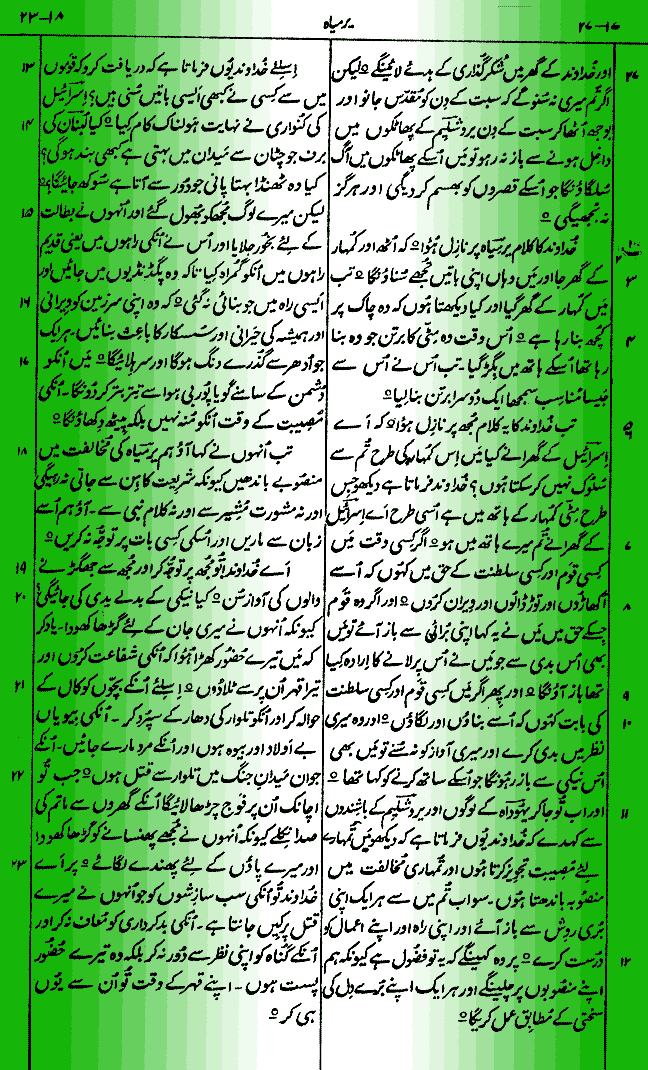
Jeremiah 17:27
Verse: But if ye will not hearken unto me to hallow the sabbath day and not to bear a burden even entering in at the gates of Jerusalem on the sabbath day then will I kindle a fire in the gates thereof and it shall devour the palaces of Jerusalem and it shall not be quenched
English Explanation: This verse acts as a bridge and a final warning regarding Judah’s obedience. God emphasizes the cultural and spiritual test of the Sabbath. Keeping the Sabbath holy was a sign of trusting God over material gain. Ignoring this command by treating it as a regular business day would bring judgment. The “unquenchable fire” symbolizes absolute destruction that human efforts cannot stop, a prophecy fulfilled when the Babylonians burned Jerusalem’s gates and palaces.
Urdu Explanation (اُردو تشریح): یہ آیت یہوداہ کے لوگوں کے لیے ایک آخری اور سخت انتباہ ہے۔ خدا سبت کے دن کی تقدیس کو اپنی فرمانبرداری کا ایک بڑا امتحان قرار دیتا ہے۔ سبت کے دن بوجھ اٹھانا اور کاروبار کرنا خدا پر بھروسہ نہ کرنے کی علامت تھا۔ خدا فرماتا ہے کہ اگر انہوں نے اس حکم کو معمولی جانا تو وہ یروشلم کے پھاٹکوں میں ایسی آگ لگائے گا جو وہاں کے محلوں کو خاکستر کر دے گی اور کوئی اسے بجھا نہیں پائے گا۔ یہ پیشگوئی نبوکدنضر کے حملے کی صورت میں پوری ہوئی۔
Jeremiah 18:1
Verse: The word which came to Jeremiah from the LORD saying
English Explanation: This verse marks the beginning of a fresh prophetic vision. God frequently uses tangible, real-world illustrations to teach deep spiritual truths. Here, Jeremiah is prepared to receive a visual analogy that represents God’s absolute sovereignty over nations and individuals.
Urdu Explanation (اُردو تشریح): یہ آیت ایک نئے نبوتی کلام کا آغاز ہے۔ خداوند اکثر اپنے نبیوں کو گہرے روحانی سچ سکھانے کے لیے روزمرہ کی زندگی کی مثالیں دیتا تھا۔ یہاں یرمیاہ کو ایک عملی مثال دیکھنے کے لیے تیار کیا جا رہا ہے جو خدا کی مطلق حاکمیت کو ظاہر کرتی ہے۔
Jeremiah 18:2
Verse: Arise and go down to the potter’s house and there I will cause thee to hear my words
English Explanation: God directs Jeremiah to visit a local craftsman’s workshop. Instead of just speaking to Jeremiah in private prayer, God wants him to witness a process. The potter’s house serves as a living laboratory where the character of God and the nature of humanity will be vividly illustrated.
Urdu Explanation (اُردو تشریح): خداوند یرمیاہ کو ایک کمہار کے گھر جانے کا حکم دیتا ہے۔ صرف خواب یا رویا میں بات کرنے کی بجائے، خدا چاہتا ہے کہ یرمیاہ اپنی آنکھوں سے ایک مادی عمل دیکھے۔ کمہار کا گھر ایک زندہ مثال بننے والا تھا جہاں خدا کی قدرت اور انسان کی حیثیت کو واضح کیا جانا تھا۔
Jeremiah 18:3
Verse: Then I went down to the potter’s house and behold he wrought a work on the wheels
English Explanation: Jeremiah obeys immediately. He observes the potter working at the stone wheels, shaping spinning lumps of mud into functional vessels. This imagery introduces the concept of active creation and intentional design; nothing happens by accident on the wheel.
Urdu Explanation (اُردو تشریح): یرمیاہ فوراً فرمانبرداری کرتا ہے اور کمہار کے گھر جاتا ہے۔ وہ دیکھتا ہے کہ کمہار چاک (پہیوں) پر مٹی رکھ کر اسے ایک خاص شکل دینے میں مصروف ہے۔ یہ منظر ظاہر کرتا ہے کہ تخلیق کا عمل مسلسل جاری ہے اور چاک پر موجود مٹی خود بخود نہیں بلکہ کمہار کے ارادے سے شکل اختیار کر رہی ہے۔
Jeremiah 18:4
Verse: And the vessel that he made of clay was marred in the hand of the potter so he made it again another vessel as seemed good to the potter to make it
English Explanation: While on the wheel, the clay develops a defect—not because of the potter’s lack of skill, but due to flaws within the clay itself (representing Israel’s stubbornness). Instead of throwing the ruined clay away, the patient potter crushes it back down and molds it into a completely new, useful vessel according to his own will.
Urdu Explanation (اُردو تشریح): چاک پر مٹی کا وہ برتن خراب ہو جاتا ہے۔ یہ خرابی کمہار کی کمزوری کی وجہ سے نہیں بلکہ مٹی کی اپنی خرابی (جو اسرائیل کی سرکشی کو ظاہر کرتی ہے) کی وجہ سے ہے۔ لیکن کمہار اس مٹی کو پھینکنے کی بجائے دوبارہ گوندھتا ہے اور اس سے ایک نیا اور کارآمد برتن بناتا ہے جیسا اسے اچھا معلوم ہوتا ہے۔ یہ خدا کے رحم اور اس کی حاکمیت کی بڑی تصویر ہے۔
Jeremiah 18:5
Verse: Then the word of the LORD came to me saying
English Explanation: Once the visual lesson is fully observed, God delivers the interpretation. The visual metaphor transitions directly into an authoritative divine message.
Urdu Explanation (اُردو تشریح): جب یرمیاہ اس مادی عمل کو پوری طرح دیکھ لیتا ہے، تو خداوند اس کا روحانی مطلب واضح کرنے کے لیے اپنا کلام نازل فرماتا ہے۔
Jeremiah 18:6
Verse: O house of Israel cannot I do with you as this potter saith the LORD Behold as the clay is in the potter’s hand so are ye in mine hand O house of Israel
English Explanation: God explicitly claims His sovereign rights over Israel. Just as the clay has no right to dictate to the potter, humanity cannot restrict God’s sovereign choices. Israel is entirely dependent on and vulnerable to God’s molding power.
Urdu Explanation (اُردو تشریح): خداوند کھل کر اسرائیل پر اپنے حقِ حاکمیت کا اعلان کرتا ہے۔ جیسے مٹی کو کمہار پر کوئی اعتراض کرنے کا حق نہیں ہوتا، ویسے ہی انسان خدا کے فیصلوں پر انگلی نہیں اٹھا سکتا۔ اسرائیل مکمل طور پر خدا کے رحم و کرم اور اس کے قدرت والے ہاتھوں میں ہے۔
Jeremiah 18:7
Verse: At what instant I shall speak concerning a nation and concerning a kingdom to pluck up and to pull down and to destroy it
English Explanation: God expands His sovereign scope beyond Israel to all nations of the world. He states that He holds the absolute power to decree the downfall, destruction, or uprooting of any global empire instantly based on His righteous standards.
Urdu Explanation (اُردو تشریح): خدا اپنے دائرہ کار کو صرف اسرائیل تک محدود نہیں رکھتا بلکہ دنیا کی تمام قوموں پر اپنی حاکمیت کا اعلان کرتا ہے۔ وہ فرماتا ہے کہ وہ کسی بھی قوم یا سلطنت کو اس کی بدکاری کی وجہ سے اکھاڑنے، گرانے اور نیست و نابود کرنے کا مکمل اختیار رکھتا ہے۔
Jeremiah 18:8
Verse: If that nation against whom I have pronounced turn from their evil I will repent of the evil that I thought to do unto them
English Explanation: This highlights the conditional nature of many biblical prophecies. God reveals His heart for mercy. If a nation sincerely repents and turns away from sin, God will “repent” (relent) from sending the promised judgment. God’s ultimate desire is restoration, not destruction.
Urdu Explanation (اُردو تشریح): یہ آیت خدا کے رحم والے دل کو ظاہر کرتی ہے۔ اگر کوئی قوم اپنی بدکاری سے سچے دل سے توبہ کر لے، تو خدا اس سزا کے فیصلے کو بدل دیتا ہے جو وہ نازل کرنے والا تھا۔ خدا کا مقصد ہلاکت نہیں بلکہ انسان کی اصلاح اور توبہ ہے۔
Jeremiah 18:9
Verse: And at what instant I shall speak concerning a nation and concerning a kingdom to build and to plant it
English Explanation: Conversely, God is also the source of all national blessings and prosperity. He has the authority to declare when a nation will grow, prosper, be established (“build”), and take deep root (“plant”).
Urdu Explanation (اُردو تشریح): اس کے برعکس، خدا ہی تمام قوموں کی ترقی اور خوشحالی کا سرچشمہ ہے۔ وہ جب چاہے کسی قوم کو سرفرازی عطا کر سکتا ہے، اسے قائم (تعمیر) کر سکتا ہے اور اسے جڑ پکڑنے (لگانے) کی برکت دے سکتا ہے۔
Jeremiah 18:10
Verse: If it do evil in my sight that it obey not my voice then I will repent of the good wherewith I said I would benefit them
English Explanation: Privilege demands responsibility. If a nation that was promised blessings turns toward corruption and willful disobedience, God will withhold those blessings. Past favors do not guarantee future protection if a people choose to walk in evil.
Urdu Explanation (اُردو تشریح): خدا کی برکتیں فرمانبرداری سے مشروط ہیں۔ اگر کوئی قوم برکت کا وعدہ پانے کے بعد سرکش ہو جائے اور خدا کی آواز نہ سنے، تو خدا اس بھلائی کے ارادے کو روک لیتا ہے۔ ماضی کے فضل مستقبل کے تحفظ کی ضمانت نہیں بن سکتے اگر لوگ گناہ کی راہ چن لیں۔
Jeremiah 18:11
Verse: Now therefore go to speak to the men of Judah and to the inhabitants of Jerusalem saying Thus saith the LORD Behold I frame evil against you and devise a device against you return ye now every one from his evil way and make your ways and your doings good
English Explanation: Applying the potter analogy directly to Judah, God warns them that He is currently “framing” (like a potter shaping clay) disaster as a consequence of their sins. However, this design can still be altered if the people immediately repent and reform their corrupt actions.
Urdu Explanation (اُردو تشریح): کمہار کی مثال کو یہوداہ پر لاگو کرتے ہوئے، خدا فرماتا ہے کہ وہ اس وقت ان کے گناہوں کی وجہ سے ان کے خلاف آفت کی تیاری کر رہا ہے۔ لیکن یہ آفت ٹل سکتی ہے اگر وہ فوراً اپنی بری راہوں سے باز آئیں اور اپنے اعمال درست کر لیں۔
Jeremiah 18:12
Verse: And they said There is no hope but we will walk after our own devices and we will every one do the imagination of his evil heart
English Explanation: The tragic response of the people of Judah. They reveal a heart hardened by stubborn apathy and fatalism, essentially saying, “Don’t waste your breath.” They consciously choose to follow their own desires and corrupt imaginations rather than submit to God’s molding hand.
Urdu Explanation (اُردو تشریح): یہ یہوداہ کے لوگوں کا انتہائی مایوس کن اور ہٹ دھرمی پر مبنی جواب ہے۔ وہ کہتے ہیں کہ اب کوئی امید نہیں بچی اور وہ اپنی ہی مرضی اور اپنے برے دل کے خیالات پر چلتے رہیں گے۔ انہوں نے خدا کے رحم کو رد کر کے اپنی ہلاکت خود چن لی۔
Jeremiah 18:13
Verse: Therefore thus saith the LORD Ask ye now among the heathen who hath heard such things the virgin of Israel hath done a very horrible thing
English Explanation: God expresses shock at Israel’s unnatural rebellion. Even pagan nations rarely abandon their false ancestral gods. Yet Israel, who was betrothed to the true God as a “virgin,” has committed an unprecedented, unnatural spiritual betrayal.
Urdu Explanation (اُردو تشریح): خداوند اسرائیل کی اس غیر فطری سرکشی پر حیرت کا اظہار کرتا ہے۔ غیر قومیں بھی اپنے جھوٹے معبودوں کو اتنی آسانی سے نہیں چھوڑتیں، لیکن اسرائیل نے، جو خدا کے حضور پاک دوشیزہ کی مانند تھی، اپنے سچے خدا کو چھوڑ کر ایک انتہائی ہولناک گناہ کیا ہے۔
Jeremiah 18:14
Verse: Will a man leave the snow of Lebanon which cometh from the rock of the field or shall the cold flowing waters that come from another place be forsaken
English Explanation: God uses nature to expose Judah’s foolishness. Mt. Lebanon’s snow always melts to provide a reliable, refreshing stream of cold water. Nature remains faithful to its laws, yet God’s chosen people have abandoned the ultimate, unending fountain of living water.
Urdu Explanation (اُردو تشریح): خدا فطرت کی مثال دے کر یہوداہ کی حماقت کو بے نقاب کرتا ہے۔ جیسے لبنان کی برف پگھل کر ہمیشہ ٹھنڈا اور تازہ پانی فراہم کرتی ہے اور قدرت اپنے قوانین کے وفادار رہتی ہے، ویسے ہی اسرائیل کو اپنے خدا کا وفادار رہنا چاہیے تھا، مگر انہوں نے زندگی کے چشمے کو چھوڑ دیا۔
Jeremiah 18:15
Verse: Because my people hath forgotten me they have burned incense to vanity and they have caused them to stumble in their ways from the ancient paths to walk in paths in a way not cast up
English Explanation: Judah swapped the foundational reality of God for “vanity” (worthless idols). This idolatry caused them to leave the reliable, well-engineered “ancient paths” of the law, wandering instead into broken, unpaved paths of self-destruction.
Urdu Explanation (اُردو تشریح): یہوداہ نے سچے خدا کو چھوڑ کر باطل (بتوں) کے لیے بخور جلایا۔ اس بت پرستی نے انہیں شریعت کی قائم کردہ “پرانی راہوں” سے بھٹکا دیا اور وہ ایسے کچے اور ناہموار راستوں پر چل پڑے جہاں سوائے ٹھوکر کھانے کے کچھ حاصل نہ تھا۔
Jeremiah 18:16
Verse: To make their land desolate and a perpetual hissing every one that passeth thereby shall be astonished and wag his head
English Explanation: The consequence of leaving the paved path is physical ruin. Their beloved land will become so shattered and empty that travelers passing by will hiss and wag their heads in sheer disbelief and mock pity at the extent of the devastation.
Urdu Explanation (اُردو تشریح): خدا کی راہوں کو چھوڑنے کا نتیجہ زمین کی بربادی کی صورت میں نکلے گا۔ ان کا ملک ایسا ویران ہو جائے گا کہ وہاں سے گزرنے والے عبرت کے مارے تالیاں بجائیں گے، سر ہلائیں گے اور ان کی حالت زار پر افسوس اور حیرت کا اظہار کریں گے۔
Jeremiah 18:17
Verse: I will scatter them as with an east wind before the enemy I will shew them the back and not the face in the day of their calamity
English Explanation: An “east wind” in the ancient Near East was a scorching, destructive desert wind. God uses this to describe how violently He will scatter them before their enemies. Furthermore, when they finally cry out in trouble, God will show them His back (judgment and withdrawal) instead of His face (favor and grace).
Urdu Explanation (اُردو تشریح): “مشرقی ہوا” ریگستان کی شدید جھلسانے والی ہوا ہوتی تھی۔ خدا فرماتا ہے کہ وہ ان کے دشمنوں کے ذریعے انہیں اسی طرح اکھاڑ پھینکے گا۔ اور جب ان پر مصیبت کا دن آئے گا، تو خدا ان کی طرف سے اپنا منہ پھیر لے گا (رحم کی بجائے سزا دے گا)۔
Jeremiah 18:18
Verse: Then said they Come and let us devise devices against Jeremiah for the law shall not perish from the priest nor counsel from the wise nor the word from the prophet Come and let us smite him with the tongue and let us not give heed to any of his words
English Explanation: Rather than repenting, the corrupt religious establishment plots against Jeremiah. They falsely reassure themselves that their religious institutions (priests, sages, and false prophets) are safe from doom. They decide to attack Jeremiah’s reputation verbally (“smite him with the tongue”) and completely ignore his warnings.
Urdu Explanation (اُردو تشریح): سچی توبہ کرنے کی بجائے، وہاں کے مذہبی پیشوا اور لوگ یرمیاہ کے خلاف سازشیں تیار کرتے ہیں۔ وہ خود کو جھوٹی تسلی دیتے ہیں کہ ہیکل، کاہن اور ان کے اپنے نبی محفوظ رہیں گے۔ وہ فیصلہ کرتے ہیں کہ یرمیاہ پر زبان سے حملے کریں، اسے بدنام کریں اور اس کی باتوں پر بالکل کان نہ دھریں۔
Jeremiah 18:19
Verse: Give heed to me O LORD and hearken to the voice of them that contend with me
English Explanation: Feeling the weight of loneliness and betrayal, Jeremiah turns away from his accusers and brings his case straight to God. He asks God to listen not just to his prayer, but to listen closely to the wicked plots his enemies are hatching against him.
Urdu Explanation (اُردو تشریح): جب یرمیاہ اپنوں کی طرف سے اس نفرت اور سازش کو دیکھتا ہے، تو وہ لوگوں سے بحث کرنے کی بجائے خدا کی طرف رجوع کرتا ہے۔ وہ دعا کرتا ہے کہ اے خداوند، تو میری سن اور دیکھ کہ میرے مخالفین میرے خلاف کیا باتیں کر رہے ہیں۔
Jeremiah 18:20
Verse: Shall evil be recompensed for good for they have digged a pit for my soul Remember that I stood before thee to speak good for them and to turn away thy wrath from them
English Explanation: Jeremiah expresses pain over their deep ingratitude. He had spent years interceding for Judah, begging God to withhold His anger from them. In return for his love and prayers, they are trying to destroy his life (“digged a pit for my soul”).
Urdu Explanation (اُردو تشریح): یرمیاہ ان کی احسان فراموشی پر رنجیدہ ہے۔ وہ خدا کو یاد دلاتا ہے کہ میں نے تو ہمیشہ ان کی بھلائی کے لیے تیرے حضور شفاعت کی تاکہ تیرا غضب ان پر سے ٹل جائے، لیکن بدلے میں یہ لوگ میری جان لینے کے لیے گڑھے کھود رہے ہیں۔ کیا بھلائی کا بدلہ برائی سے ملنا چاہیے؟
Jeremiah 18:21
Verse: Therefore deliver up their children to the famine and pour out their blood by the force of the sword and let their wives be bereaved of their children and be widows and let their men be put to death let their young men be slain by the sword in battle
English Explanation: This begins Jeremiah’s “imprecatory prayer.” Driven by a desire for divine justice against unrepentant wickedness, he relinquishes them to the grim realities of ancient warfare—famine, siege, and sword. Because they completely rejected God’s mercy, Jeremiah asks that judgment run its natural course without any further intercession.
Urdu Explanation (اُردو تشریح): یہاں سے یرمیاہ کی وہ دعا شروع ہوتی ہے جس میں وہ ان کے گناہوں کی وجہ سے ان پر عدالت کا طالب ہے۔ شدید مایوسی اور عدلِ الٰہی کی تڑپ میں، وہ دعا کرتا ہے کہ اب ان پر جنگ کی ہولناکیاں یعنی قحط اور تلوار نازل ہو۔ چونکہ انہوں نے خدا کے رحم کو یکسر مسترد کر دیا، اس لیے اب ان کی سرکشی کا پورا پھل انہیں ملے۔
Jeremiah 18:22
Verse: Let a cry be heard from their houses when thou shalt bring a troop suddenly upon them for they have digged a pit to take me and hid snares for my feet
English Explanation: Jeremiah prays for a sudden, unexpected invasion (the Babylonian army) to catch the conspirators off guard. He justifies this harsh request by reminding God that these people actively set traps and snares to ruin his prophetic ministry and end his life.
Urdu Explanation (اُردو تشریح): یرمیاہ دعا کرتا ہے کہ جب اچانک ان پر دشمن کی فوج حملہ کرے تو ان کے گھروں سے چیخ و پکار بلند ہو۔ وہ خدا کے سامنے واضح کرتا ہے کہ یہ سزا اس لیے جائز ہے کیونکہ ان لوگوں نے خدا کے نبی کو پھنسانے کے لیے خفیہ پھندے اور گڑھے تیار کیے تھے۔
Jeremiah 18:23
Verse: Yet LORD thou knowest all their counsel against me to slay me forgive not their iniquity neither blot out their sin from thy sight but let them be overthrown before thee deal thus with them in the time of thine anger
English Explanation: Jeremiah seals his petition by leaving the final verdict in God’s hands. He acknowledges that God sees the secret murderous plots of his enemies. He asks God to withhold forgiveness and allow the full measure of divine justice to overthrow them during the upcoming day of Babylonian judgment.
Urdu Explanation (اُردو تشریح): یرمیاہ اپنی فریاد کا اختتام سب کچھ خدا کے انصاف پر چھوڑتے ہوئے کرتا ہے۔ وہ جانتا ہے کہ خدا ان کی دلوں کی گہرائیوں اور قاتلانہ ارادوں سے واقف ہے۔ وہ التجا کرتا ہے کہ ان کی دانستہ سرکشی کو معاف نہ کیا جائے بلکہ جب خدا کے غضب کا وقت (بابل کا حملہ) آئے، تو ان کا پورا انصاف کیا جائے۔