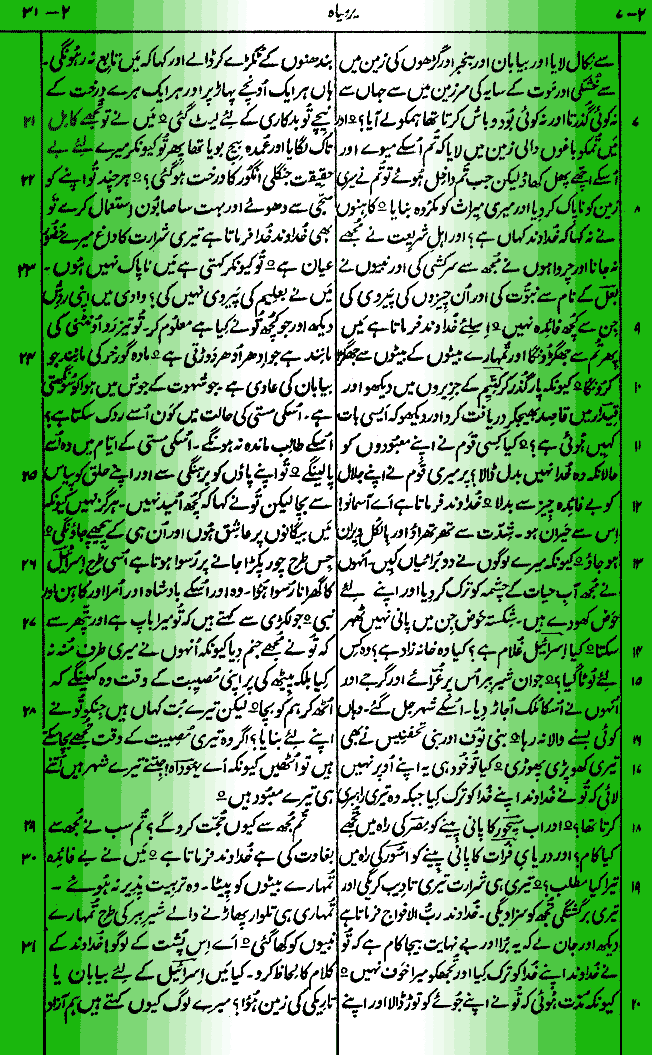
Verse-by-Verse Commentary
Jeremiah 2:7
Verse:
“And I brought you into a plentiful country to eat the fruit thereof and the goodness thereof but when ye entered ye defiled my land and made mine heritage an abomination”
Detailed Explanation (English)
God reminds Israel of His immense grace. He rescued them from Egypt and brought them into Canaan—a rich, fertile land flowing with milk and honey. Instead of showing gratitude, the people polluted the land by introducing pagan idol worship and practicing injustice. What God provided as a sacred inheritance was transformed into a spiritual abomination.
تفصیلی وضاحت (Urdu)
خدا بنی اسرائیل کو اپنے اس عظیم فضل کی یاد دلاتا ہے جس کے تحت اس نے انہیں مصر کی غلامی سے نکال کر کنعان کی زرخیز اور پھلدار سرزمین میں پہنچایا۔ لیکن شکرگزاری کا مظاہرہ کرنے کے بجائے، انہوں نے وہاں پہنچتے ہی بت پرستی اور گناہ کے کاموں کے ذریعے اس پاک سر زمین کو ناپاک کر دیا۔ جس جگہ کو خدا نے برکت اور وراثت کے طور پر دیا تھا، انہوں نے اسے اپنی بدکاریوں سے مکروہ بنا دیا۔
Jeremiah 2:8
Verse:
“The priests said not Where is the LORD and they that handle the law knew me not the pastors also transgressed against me and the prophets prophesied by Baal and walked after things that do not profit”
Detailed Explanation (English)
The spiritual collapse was top-down. The spiritual leaders completely failed their duties:
-
The Priests stopped seeking God’s presence.
-
The Legal Experts (handlers of the law) possessed no true, intimate knowledge of God.
-
The Pastors (rulers/shepherds) actively rebelled.
-
The Prophets spoke in the name of the false god Baal, chasing worthless idols that offered no help.
تفصیلی وضاحت (Urdu)
بنی اسرائیل کی روحانی گراوٹ کا آغاز ان کے رہنماؤں سے ہوا تھا۔ تمام مذہبی اور سیاسی پیشوا اپنے فرائض میں ناکام ہو چکے تھے:
-
کاہنوں نے خدا کی تلاش کرنا چھوڑ دی۔
-
شریعت کے عالم خدا کی حقیقی معرفت سے دور ہو گئے۔
-
چرواہے (حکمران) خدا کے خلاف گناہ کرنے لگے۔
-
انبیاء سچے خدا کے بجائے بال (بعل) دیوتا کے نام پر پیشگوئیاں کرنے لگے اور ان بے فائدہ بتوں کے پیچھے چل پڑے جو کسی کام کے نہ تھے۔
Jeremiah 2:9
Verse:
“Wherefore I will yet plead with you saith the LORD and with your children’s children will I plead”
Detailed Explanation (English)
The word “plead” here acts as a legal term, meaning to “bring a lawsuit” ($rib$ in Hebrew). God is entering into litigation against His people because of their covenant violations. Yet, this contains a note of patience; He is still dealing with them and their descendants through warnings before executing ultimate destruction.
تفصیلی وضاحت (Urdu)
یہاں “حجت لانے” یا مقدمہ کرنے سے مراد یہ ہے کہ خدا اپنے لوگوں کے خلاف عہد شکنی کی وجہ سے ایک قانونی دعویٰ دائر کر رہا ہے۔ تاہم، اس میں خدا کا صبر بھی نظر آتا ہے کہ وہ اچانک تباہ کرنے کے بجائے، ان کو اور ان کی آنے والی نسلوں کو بار بار خبردار کر رہا ہے تاکہ وہ باز آ جائیں۔
Jeremiah 2:10
Verse:
“For pass over the isles of Chittim and see and send unto Kedar and consider diligently and see if there be such a thing”
Detailed Explanation (English)
God challenges Israel to look at the world around them. Look west to Cyprus (Chittim) and east to the Arabian deserts (Kedar). He urges them to investigate whether any pagan nation has ever acted as foolishly as Israel.
تفصیلی وضاحت (Urdu)
خدا بنی اسرائیل کو چیلنج کرتا ہے کہ وہ اپنے اردگرد کی دنیا پر نظر ڈالیں۔ مغرب میں کِتّیم (قبرص) کے جزائر سے لے کر مشرق میں کیدار (عرب کے ریگستانوں) تک جا کر دیکھو اور اچھی طرح غور کرو کہ کیا کبھی کسی غیر قوم نے ایسی حماقت کی ہے جیسی تم نے کی ہے؟
Jeremiah 2:11
Verse:
“Hath a nation changed their gods which are yet no gods but my people have changed their glory for that which doth not profit”
Detailed Explanation (English)
Pagan nations stay completely loyal to their worthless, man-made gods. Yet, Israel, who possessed the living God—their true “glory”—willingly exchanged Him for useless, silent idols that could not provide salvation, protection, or profit.
تفصیلی وضاحت (Urdu)
بت پرست قومیں بھی اپنے جھوٹے اور بے جان معبودوں کے ساتھ وفادار رہتی ہیں اور انہیں نہیں بدلتیں۔ لیکن بنی اسرائیل نے اپنے سچے اور زندہ خدا کو—جو ان کا جلال اور فخر تھا—چھوڑ کر ان بے فائدہ بتوں کو اپنا لیا جو نہ سن سکتے ہیں اور نہ بچا سکتے ہیں۔
Jeremiah 2:12
Verse:
“Be astonished O ye heavens at this and be horribly afraid be ye very desolate saith the LORD”
Detailed Explanation (English)
The sin of Israel is so unnaturally monstrous that God calls upon the heavens to act as cosmic witnesses. The creation itself is commanded to shudder in horror, shock, and desolation over the sheer stupidity and wickedness of God’s chosen people.
تفصیلی وضاحت (Urdu)
بنی اسرائیل کا گناہ اس قدر غیر معمولی اور ہولناک ہے کہ خدا آسمان کو گواہ بنا کر پکارتا ہے۔ کائنات کو حکم دیا گیا ہے کہ وہ خدا کی برگزیدہ قوم کی اس حماقت اور سرکشی پر کانپ اٹھے، حیران ہو جائے اور خوف زدہ ہو جائے۔
Jeremiah 2:13
Verse:
“For my people have committed two evils they have forsaken me the fountain of living waters and hewed them out cisterns broken cisterns that can hold no water”
Detailed Explanation (English)
This is the core indictment of Jeremiah chapter 2. God highlights a double tragedy:
-
They abandoned God, who is a limitless, refreshing fountain of living water.
-
They worked tirelessly to carve out their own broken cisterns (alliances with foreign nations and pagan idols) which leak and fail to hold any water.
تفصیلی وضاحت (Urdu)
یہ آیت یرمیاہ کے پورے باب کا مرکزی نقطہ ہے۔ خدا ان کے دوہرے گناہ کی نشاندہی کرتا ہے:
-
انہوں نے خدا کو چھوڑ دیا جو زندہ پانی کا چشمہ ہے اور جو کبھی ختم نہیں ہوتا۔
-
انہوں نے اپنے لیے ایسے ٹوٹے ہوئے حوض (بت اور دنیاوی بیساکھیاں) بنا لیے جن میں پانی ٹھہر ہی نہیں سکتا اور جو مصیبت کے وقت پیاس بجھانے کے بالکل ناکارہ ہیں۔
Jeremiah 2:14
Verse:
“Is Israel a servant is he a homeborn slave why is he spoiled”
Detailed Explanation (English)
Israel was adopted as God’s firstborn son, designed for freedom and honor. They were never meant to be common slaves or plundered servants of foreign nations. Jeremiah asks rhetorically why they are now being plundered, showing that their current bondage is a direct result of turning away from God.
تفصیلی وضاحت (Urdu)
خدا نے اسرائیل کو اپنے بیٹے کی مانند آزاد اور معزز رہنے کے لیے چنا تھا، نہ کہ کسی کا غلام بننے کے لیے۔ یرمیاہ نبی یہاں یہ سوال اٹھاتے ہیں کہ پھر کیوں غیر قومیں انہیں لوٹ رہی ہیں؟ اس کا مطلب یہ ہے کہ خدا سے دوری نے انہیں غلامی کے دلدل میں دھکیل دیا ہے۔
Jeremiah 2:15
Verse:
“The young lions roared upon him and yelled and they made his land waste his cities are burned without inhabitant”
Detailed Explanation (English)
“Young lions” symbolise the aggressive invading foreign empires (like Assyria and Babylon). Because Israel lost divine protection, these nations attacked violently, burning down cities, destroying fields, and leaving the land desolate.
تفصیلی وضاحت (Urdu)
“جوان شیروں” سے مراد حملہ آور دشمن قومیں (جیسے اسور اور بابل) ہیں۔ چونکہ اسرائیل پر سے خدا کا حفاظتی ہاتھ ہٹ چکا تھا، اس لیے ان دشمنوں نے دھاڑتے ہوئے حملہ کیا، ان کے شہروں کو جلا دیا اور زمین کو ویران کر دیا۔
Jeremiah 2:16
Verse:
“Also the children of Noph and Tahapanes have broken the crown of thy head”
Detailed Explanation (English)
Noph (Memphis) and Tahapanes were key military and political cities in Egypt. Instead of acting as helpful allies, the Egyptians marched through and humiliated Israel, metaphorically “breaking the crown of their head” by stripping away their national sovereignty.
تفصیلی وضاحت (Urdu)
نوف (ممفس) اور تحفنیحس مصر کے بڑے شہر تھے۔ اسرائیل جن مصریوں سے مدد کی امید لگائے بیٹھا تھا، انہوں نے ہی ان پر چڑھائی کی اور ان کے “سر کا تاج توڑ دیا”، یعنی ان کی بادشاہت اور وقار کو خاک میں ملا دیا۔
Jeremiah 2:17
Verse:
“Hast thou not procured this unto thyself in that thou hast forsaken the LORD thy God when he led thee by the way”
Detailed Explanation (English)
Jeremiah explicitly points out the root cause of their misery. This tragedy is not a failure on God’s part; it is entirely self-inflicted. Israel chose to abandon the Lord precisely while He was leading them safely on the right path.
تفصیلی وضاحت (Urdu)
نبی صاف طور پر واضح کرتے ہیں کہ اس تباہی کا ذمہ دار کوئی اور نہیں بلکہ وہ خود ہیں۔ یہ خدا کی ناکامی نہیں، بلکہ ان کا اپنا کمایا ہوا نتیجہ ہے کیونکہ انہوں نے اس وقت خدا کا ساتھ چھوڑا جب وہ خود ان کی راہنمائی کر رہا تھا۔
Jeremiah 2:18
Verse:
“And now what hast thou to do in the way of Egypt to drink the waters of Sihor or what hast thou to do in the way of Assyria to drink the waters of the river”
Detailed Explanation (English)
God questions Israel’s foolish foreign policies. “Sihor” refers to the Nile (Egypt) and “the river” refers to the Euphrates (Assyria). Israel is running to foreign superpowers for survival instead of trusting God. Drinking their water means depending on pagan political allegiances.
تفصیلی وضاحت (Urdu)
خدا اسرائیل کی خارجہ پالیسی پر سوال اٹھاتا ہے۔ شیہور (دریائے نیل یعنی مصر) اور نہر (دریائے فرات یعنی اسور) کے پانی پینے سے مراد ان دنیاوی طاقتوں پر توکل کرنا ہے۔ خدا پوچھتا ہے کہ تمہیں ان مشرک ملکوں سے مدد مانگنے کی کیا ضرورت ہے جبکہ تمہارا خدا تمہارے ساتھ ہے؟
Jeremiah 2:19
Verse:
“Thine own wickedness shall correct thee and thy backslidings shall reprove thee know therefore and see that it is an evil thing and bitter that thou hast forsaken the LORD thy God and that my fear is not in thee saith the Lord GOD of hosts”
Detailed Explanation (English)
Sin brings its own inherent punishment. God doesn’t always have to actively strike them down; their own wicked decisions and political backslidings will naturally cause their downfall. They will learn the hard way that abandoning God is a bitter experience.
تفصیلی وضاحت (Urdu)
گناہ اپنے اندر خود سزا چھپائے ہوئے ہوتا ہے۔ خدا فرماتا ہے کہ تمہاری اپنی بدکاری اور گمراہی ہی تمہیں سزا دے گی۔ جب تم اپنی غلطیوں کے بھیانک نتائج بھگتو گے، تب تمہیں معلوم ہوگا کہ خدا کو چھوڑنا کتنا تلخ اور نقصان دہ سودا ہے۔
Jeremiah 2:20
Verse:
“For of old time I have broken thy yoke and burst thy bands and thou saidst I will not transgress when upon every high hill and under every green tree thou wanderest playing the harlot”
Detailed Explanation (English)
God historicizes His deliverance: He broke Egypt’s yoke off Israel’s neck. Israel promised loyalty, yet they immediately broke their word. They went up to every high hill and under every green tree (common locations for Canaanite fertility cults) to practice spiritual adultery through idol worship.
تفصیلی وضاحت (Urdu)
خدا فرماتا ہے کہ میں نے قدیم زمانے میں تمہارا جوا (مصر کی غلامی) توڑ دیا تھا اور تم نے عہد کیا تھا کہ تم نافرمانی نہیں کرو گے۔ لیکن تم نے اپنا وعدہ توڑ دیا اور ہر اونچے ٹیلے اور ہر ہرے درخت کے نیچے جا کر بت پرستی کی شکل میں روحانی زناکاری کا ارتکاب کیا۔
Jeremiah 2:21
Verse:
“Yet I had planted thee a noble vine wholly a right seed how then art thou turned into the degenerate plant of a strange vine unto me”
Detailed Explanation (English)
God compares Israel to a high-quality, pure choice vine ($sorek$) that He carefully planted. He asks how it is agriculturally or spiritually possible that they mutated into a wild, corrupt, and foreign vine producing toxic fruit.
تفصیلی وضاحت (Urdu)
خدا اسرائیل کی مثال ایک عمدہ اور خالص انگور کی بیل سے دیتا ہے جسے اس نے خود بڑی دیکھ بھال سے لگایا تھا۔ اب خدا سوال کرتا ہے کہ تم اس پاک نسل کے باوجود کیسے ایک جنگلی، بگڑی ہوئی اور اجنبی بیل میں تبدیل ہو گئے جو کڑوا پھل دیتی ہے؟
Jeremiah 2:22
Verse:
“For though thou wash thee with nitre and take thee much soap yet thine iniquity is marked before me saith the Lord GOD”
Detailed Explanation (English)
The stain of Israel’s sin is deep and indelible. “Nitre” (mineral lye) and strong soap cannot wash away their moral guilt. No amount of superficial, ritual cleansing or self-justification can hide their stained record from God’s eyes.
تفصیلی وضاحت (Urdu)
اسرائیل کے گناہ کا داغ اتنا گہرا ہے کہ وہ کسی انسانی طریقے سے صاف نہیں ہو سکتا۔ اگر تم صابن یا سجی (کیمیائی صابن) کا کثرت سے استعمال بھی کرو، تب بھی تمہاری بدکاری کا داغ خدا کی نظر میں صاف دکھائی دیتا رہے گا۔ گناہ صرف سچی توبہ سے دھلتا ہے، ظاہری صفائی سے نہیں۔
Jeremiah 2:23
Verse:
“How canst thou say I am not polluted I have not gone after Baalim see thy way in the valley know what thou hast done thou art a swift dromedary traversing her ways”
Detailed Explanation (English)
Israel tries to deny their guilt, claiming they are clean. God flatly rejects this lie, telling them to look at their tracks in the valley (likely the Hinnom Valley where child sacrifices occurred). He compares their frantic search for idols to a young, restless female camel ($dromedary$) running around erratically in heat.
تفصیلی وضاحت (Urdu)
اسرائیل ڈھٹائی سے یہ دعویٰ کرتا ہے کہ وہ ناپاک نہیں ہوئے اور انہوں نے بعل دیوتاؤں کی پوجا نہیں کی۔ خدا ان کے اس جھوٹ کو مسترد کرتے ہوئے فرماتا ہے کہ وادی (وادی ہنوم جہاں معصوم بچوں کی قربانی دی جاتی تھی) میں اپنے قدموں کے نشانات دیکھو۔ خدا ان کی بت پرستی کی تڑپ کو ایک تند و تیز اونٹنی سے تشبیہ دیتا ہے جو مدہوشی میں ادھر ادھر بھاگتی پھرتی ہے۔
Jeremiah 2:24
Verse:
“A wild ass used to the wilderness that snuffeth up the wind at her pleasure in her occasion who can turn her away all they that seek her will not weary themselves in her month they shall find her”
Detailed Explanation (English)
Continuing the animal metaphor, God describes Israel as a wild donkey in heat, sniffing the wind to catch the scent of a mate. In her breeding season, she is completely uncontrollable; anyone searching for her doesn’t need to tire themselves out because she will be easily found driven by her raw lust. Israel is similarly obsessed with false gods.
تفصیلی وضاحت (Urdu)
اس استعارے کو آگے بڑھاتے ہوئے، خدا اسرائیل کو جنگلی گدھی سے تشبیہ دیتا ہے جو اپنی مستی میں ہوا سونگھتی پھرتی ہے۔ اس حالت میں اسے قابو کرنا ناممکن ہوتا ہے۔ اس کے پیچھے بھاگنے والوں کو تھکنے کی ضرورت نہیں پڑتی کیونکہ وہ شہوت کی وجہ سے خود ہی مل جاتی ہے۔ اسی طرح اسرائیل بھی غیر معبودوں کے پیچھے پاگل ہو چکا ہے۔
Jeremiah 2:25
Verse:
“Withhold thy foot from being unshod and thy throat from thirst but thou saidst There is no hope no for I have loved strangers and after them will I go”
Detailed Explanation (English)
God warns Israel to stop running after idols until their shoes wear out and their throats go dry. But Israel stubbornly replies, “It’s no use! I love foreign gods, and I cannot stop following them.” They choose addiction to sin over spiritual restoration.
تفصیلی وضاحت (Urdu)
خدا اسرائیل کو نصیحت کرتا ہے کہ اپنے پاؤں کو ننگے ہونے سے اور اپنے گلے کو پیاسا ہونے سے بچاؤ (یعنی بتوں کے پیچھے بھاگنا بند کرو)۔ لیکن وہ آگے سے ضدی بن کر جواب دیتے ہیں کہ “اب کوئی فائدہ نہیں! مجھے غیر معبودوں سے محبت ہو گئی ہے اور میں انہی کے پیچھے چلوں گا۔” انہوں نے گناہ کی غلامی کو خود قبول کر لیا۔
Jeremiah 2:26
Verse:
“As the thief is ashamed when he is found so is the house of Israel ashamed they their kings their princes and their priests and their prophets”
Detailed Explanation (English)
Israel’s shame is not the godly sorrow of repentance; it is the embarrassment of a caught thief. Every segment of leadership—kings, princes, priests, and prophets—stands exposed and humiliated when their reliance on fake gods fails to protect them.
تفصیلی وضاحت (Urdu)
اسرائیل کی شرمندگی گناہوں پر سچی توبہ کی وجہ سے نہیں ہے، بلکہ بالکل اس چور جیسی ہے جو چوری کرتے ہوئے پکڑا جائے۔ جب ان کے جھوٹے معبود ناکام ہو جائیں گے، تو ان کے بادشاہ، شہزادے، کاہن اور انبیاء سب چور کی طرح رسوا ہوں گے۔
Jeremiah 2:27
Verse:
“Saying to a stock Thou art my father and to a stone Thou hast brought me forth for they have turned their back unto me and not their face but in the time of their trouble they will say Arise and save us”
Detailed Explanation (English)
They perform highly illogical worship, treating wooden poles ($stock$) and stone pillars as if they were their living creators. They completely turn their backs on the true Creator. Yet, the moment a military crisis or tragedy hits, they hypocritically cry out to the Lord, “Arise and save us!”
تفصیلی وضاحت (Urdu)
وہ ایسی حماقت کرتے ہیں کہ لکڑی کے کندوں اور پتھر کے ستونوں کو پکار کر کہتے ہیں کہ “تو میرا باپ ہے اور تو نے مجھے پیدا کیا”۔ انہوں نے سچے خدا کی طرف پیٹھ کر لی ہے۔ لیکن جیسے ہی ان پر کوئی مصیبت یا جنگ آتی ہے، وہ منافقانہ طور پر سچے خدا کو پکارتے ہیں کہ “اٹھ اور ہمیں بچا!”
Jeremiah 2:28
Verse:
“But where are thy gods that thou hast made thee let them arise if they can save thee in the time of thy trouble for according to the number of thy cities are thy gods O Judah”
Detailed Explanation (English)
God responds with sharp irony. He tells them to call upon the vast collection of homemade idols they built. Judah has manufactured as many individual local gods as they have cities. God challenges these useless statues to wake up and display their power if they can.
تفصیلی وضاحت (Urdu)
خدا یہاں طنز کا استعمال کرتے ہوئے فرماتا ہے کہ اب اپنے ان معبودوں کو کیوں نہیں پکارتے جو تم نے خود بنائے ہیں؟ یہوداہ کے جتنے شہر ہیں، اتنے ہی انہوں نے اپنے لیے الگ الگ دیوتا بنا رکھے ہیں۔ خدا چیلنج کرتا ہے کہ اگر ان بتوں میں طاقت ہے تو وہ مصیبت کے وقت اٹھیں اور تمہیں بچائیں۔
Jeremiah 2:29
Verse:
“Wherefore will ye plead with me ye all have transgressed against me saith the LORD”
Detailed Explanation (English)
Israel complains and argues with God about their misfortunes. God silences them by asking on what legal grounds they can possibly complain. Every single one of them has actively broken the covenant law. They have absolutely no right to blame God for their self-made suffering.
تفصیلی وضاحت (Urdu)
بنی اسرائیل اپنی تکالیف پر خدا سے شکوہ کرتے ہیں۔ خدا انہیں خاموش کرتے ہوئے فرماتا ہے کہ تم کس منہ سے مجھ سے بحث کرتے ہو؟ تم سب کے سب میرے خلاف گناہ گار ٹھہرے ہو۔ تمہیں اپنی بدحالی پر خدا کو قصوروار ٹھہرانے کا کوئی حق نہیں ہے۔
Jeremiah 2:30
Verse:
“In vain have I smitten your children they received no correction your own sword hath devoured your prophets like a destroying lion”
Detailed Explanation (English)
God’s past disciplinary judgements were a total failure because the people refused to learn lessons from them. Instead of correcting their paths, Israel became hostile and executed the righteous prophets sent to guide them back, acting like a ravenous, destructive lion.
تفصیلی وضاحت (Urdu)
خدا فرماتا ہے کہ میں نے ماضی میں تمہاری تنبیہ کے لیے جو سزائیں دیں وہ بے فائدہ رہیں کیونکہ تم نے ان سے کوئی سبق نہیں سیکھا۔ بلکہ الٹا تم نے خدا کی طرف بلانے والے سچے انبیاء کو اپنی ہی تلواروں سے ایسے قتل کر دیا جیسے کوئی پھاڑنے والا شیر ہو۔
Jeremiah 2:31
Verse:
“O generation see ye the word of the LORD Have I been a wilderness unto Israel a land of darkness wherefore say my people We are lords we will come no more unto thee”
Detailed Explanation (English)
God invites the current generation to look at his track record. Has He ever been a dry wilderness or a land of dark terror to them? No, He was always their provider and light. Yet, the people arrogantly claim, “We are independent rulers now; we have no need for God anymore.”
تفصیلی وضاحت (Urdu)
خدا اس دور کے لوگوں کو سوچنے کی دعوت دیتا ہے کہ کیا کبھی خدا ان کے لیے کوئی بنجر بیابان یا اندھیری سر زمین ثابت ہوا؟ یعنی کیا خدا نے کبھی ان کی ضرورتیں پوری کرنے میں کمی کی؟ ہرگز نہیں! لیکن اس کے باوجود لوگ گھمنڈ میں کہتے ہیں کہ “ہم خود مختار ہیں، اب ہمیں خدا کے پاس آنے کی کوئی ضرورت نہیں”۔
Summary Comparison Table
| Themes | Spiritual Failure | Human Misplaced Trust | Divine Consequence |
| Verses 7–13 | Abandoning the living water fountain. | Carving out leaky, broken cisterns. | Heavens shocked; corporate leadership collapse. |
| Verses 14–22 | Uncontrollable pagan idol worship. | Running to Egypt and Assyria for help. | Complete vulnerability to invading empires. |
| Verses 23–31 | Denying guilt while pursuing foreign gods. | Praying to wood and stone idols. | Desolation and unanswered prayers in crisis. |