Verse-by-Verse Commentary & Translation
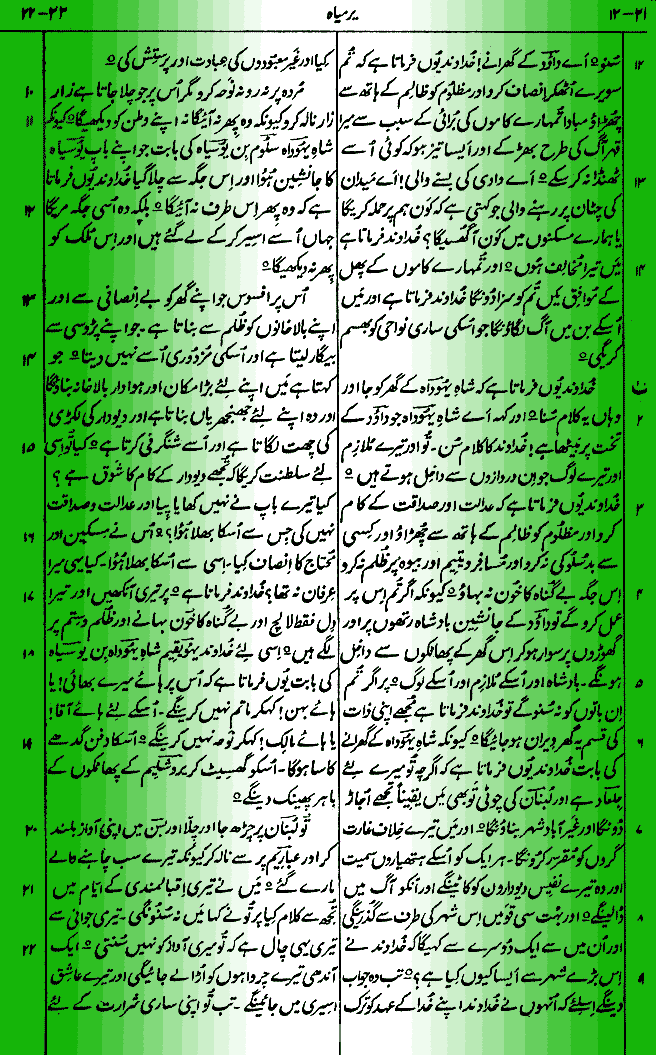
Jeremiah 21:11
Verse: And touching the house of the king of Judah say Hear ye the word of the LORD
English Explanation: The Prophet Jeremiah transitions his focus directly toward the royal court of Judah. The “house of the king” refers not just to the physical palace but to the entire royal dynasty and governing administration. God demands their absolute attention because leaders hold the highest accountability for a nation’s moral and spiritual direction.
Urdu Explanation (تفصیل): یہاں یرمیاہ نبی براہِ راست یہوداہ کے شاہی خاندان اور حکمران طبقے سے مخاطب ہیں۔ “بادشاہ کے گھرانے” سے مراد پورا شاہی نظام اور عدالت ہے۔ خدا ان کی توجہ اس لیے چاہتا ہے کیونکہ قوم کی اخلاقی اور روحانی حالت کی سب سے بڑی ذمہ داری حکمرانوں پر ہوتی ہے۔ خدا کا کلام سننے کا حکم ان کے لیے ایک حتمی تنبیہ ہے۔
Jeremiah 21:12
Verse: O house of David thus saith the LORD Execute judgment in the morning and deliver him that is spoiled out of the hand of the oppressor lest my fury go out like fire and burn that none can quench it because of the evil of your doings
English Explanation: God addresses the rulers as the “house of David,” reminding them of their covenant duties. “In the morning” signifies that justice must be their priority, dealt with promptly and daily. They are explicitly commanded to defend the exploited and stop oppressors. Failure to establish social justice will ignite God’s unquenchable wrath, which will burn through the kingdom like a wildfire due to their deeply rooted corruption.
Urdu Explanation (تفصیل): خدا حکمرانوں کو “داؤد کا گھرانہ” کہہ کر پکارتا ہے تاکہ انہیں ان کے عہد کی یاد دلائے۔ “صبح ہی کے وقت” انصاف کرنے کا مطلب یہ ہے کہ انصاف ان کی اولین ترجیح ہونی چاہیے۔ انہیں حکم دیا گیا ہے کہ وہ مظلوموں کو ظالموں کے ہاتھ سے چھڑائیں۔ اگر وہ معاشرتی انصاف قائم کرنے میں ناکام رہے تو خدا کا غضب آگ کی طرح بھڑک اٹھے گا جسے ان کی بدکاریوں کی وجہ سے کوئی بجھا نہیں پائے گا۔
Jeremiah 21:13
Verse: Behold I am against thee O inhabitant of the valley and rock of the plain saith the LORD which say Who shall come down against us? or who shall enter into our habitations?
English Explanation: Jerusalem was geographically blessed, surrounded by valleys and built on a mountainous fortress. The citizens and leaders developed a false sense of security, arrogantly believing no enemy could breach their natural defenses. God shatters this illusion by declaring that He is against them. No physical fortification can protect a people when God Himself becomes their adversary.
Urdu Explanation (تفصیل): یروشلم جغرافیائی طور پر وادیوں اور پہاڑوں کے درمیان ایک قدرتی قلعہ تھا۔ وہاں کے رہنے والے اور حکمران تکبر میں مبتلا تھے کہ کوئی دشمن ان پر غالب نہیں آ سکتا۔ خدا ان کے اس جھوٹے بھروسے کو یہ کہہ کر توڑتا ہے کہ “میں تمہارے خلاف ہوں”۔ جب خدا خود کسی کے خلاف ہو جائے تو کوئی دنیاوی قلعہ یا پہاڑ اسے بچا نہیں سکتا۔
Jeremiah 21:14
Verse: But I will punish you according to the fruit of your doings saith the LORD and I will kindle a fire in the forest thereof and it shall devour all things round about it
English Explanation: Divine justice operates on the principle of sowing and reaping; judgment will match the magnitude of their sins (“the fruit of your doings”). The “forest” is a metaphor for the densely packed, cedar-lined royal palaces and dense buildings of Jerusalem. God promises to ignite a destructive fire that will completely consume the city and its surrounding areas.
Urdu Explanation (تفصیل): خدا کا انصاف مکافاتِ عمل کے اصول پر مبنی ہے، یعنی انہیں ان کے اعمال کا پھل بھگتنا پڑے گا۔ یہاں “جنگل” سے مراد یروشلم کے شاہی محلات اور دیودار کی لکڑی سے بنی عالی شان عمارتیں ہیں۔ خدا فرماتا ہے کہ وہ اس جنگل (شہر) میں ایسی آگ لگائے گا جو اس کے ارد گرد کی ہر چیز کو خاکستر کر دے گی۔
Jeremiah 22:1
Verse: Thus saith the LORD Go down to the house of the king of Judah and speak there this word
English Explanation: Jeremiah is commanded by God to physically leave his usual stations and go down to the royal palace. This direct, confrontational approach shows the urgency of the message. The prophet is being sent straight to the seat of political power to deliver an uncompromising word of warning.
Urdu Explanation (تفصیل): خداوند یرمیاہ نبی کو حکم دیتا ہے کہ وہ خود بادشاہ کے محل میں جائیں۔ یہ اس بات کو ظاہر کرتا ہے کہ پیغام کتنا اہم اور فوری ہے۔ نبی کو براہِ راست سیاسی طاقت کے مرکز میں بھیجا جا رہا ہے تاکہ وہ بغیر کسی خوف کے خدا کا پیغام بادشاہ تک پہنچا سکیں۔
Jeremiah 22:2
Verse: And say Hear the word of the LORD O king of Judah that sittest upon the throne of David thou and thy servants and thy people that enter in by these gates
English Explanation: The audience is specified: the reigning King of Judah, his royal court (servants), and the citizens who frequent the palace gates for judicial matters. By mentioning the “throne of David,” God emphasizes that holding this office requires reflecting King David’s heart for God and righteousness—a standard the current leaders have failed to meet.
Urdu Explanation (تفصیل): اس پیغام کے مخاطب یہوداہ کا بادشاہ، اس کے درباری (خادم) اور وہ عام لوگ ہیں جو شاہی دروازوں سے اندر آتے جاتے ہیں۔ “داؤد کے تخت” کا ذکر کر کے خدا یاد دلاتا ہے کہ اس تخت پر بیٹھنے والے کے لیے ضروری ہے کہ وہ داؤد کی طرح خدا ترس اور عادل ہو، جس معیار پر موجودہ حکمران پورا نہیں اتر رہے تھے۔
Jeremiah 22:3
Verse: Thus saith the LORD Execute ye judgment and righteousness and deliver the spoiled out of the hand of the oppressor and do no wrong do no violence to the stranger the fatherless nor the widow neither shed innocent blood in this place
English Explanation: This verse outlines the foundational requirements for biblical leadership and governance. Rulers must practice active justice, protect vulnerable minorities (the immigrant/stranger), care for the defenseless (orphans and widows), and cease systemic violence and judicial corruption (shedding innocent blood). Godly leadership is judged by how it treats the weakest members of society.
Urdu Explanation (تفصیل): یہ آیت خدا کے نزدیک مثالی حکومت اور قیادت کے بنیادی اصول بیان کرتی ہے۔ حکمرانوں کو حکم ہے کہ وہ سچا انصاف کریں، کمزور اقلیتوں (مسافروں)، بے آسرا بچوں (یتیموں) اور بیواؤں کا تحفظ کریں اور مظلوم کو ظالم سے نجات دلائیں۔ خدا کے ہاں کسی بھی حکومت کی کامیابی کا معیار یہ ہے کہ وہ معاشرے کے سب سے کمزور طبقے کے ساتھ کیسا سلوک کرتی ہے۔
Jeremiah 22:4
Verse: For if ye do this thing indeed then shall there enter in by the gates of this house kings sitting upon the throne of David riding in chariots and on horses he and his servants and his people
English Explanation: God offers a conditional promise of restoration and stability. If the leadership repents and commits to radical justice, the Davidic dynasty will be preserved in grandeur, strength, and sovereign authority. The mention of chariots and horses symbolizes national security, prosperity, and dignity.
Urdu Explanation (تفصیل): خدا یہاں توبہ کی صورت میں بحالی کا وعدہ کرتا ہے۔ اگر حکمران سچے دل سے انصاف قائم کریں، تو داؤد کا شاہی گھراں قائم رہے گا اور بادشاہ پوری شان و شوکت، رتھوں اور گھوڑوں پر سوار ہو کر ان دروازوں سے داخل ہوں گے۔ رتھ اور گھوڑے ملکی سلامتی، خوشحالی اور وقار کی علامت ہیں۔
Jeremiah 22:5
Verse: But if ye will not hear these words I swear by myself saith the LORD that this house shall become a desolation
English Explanation: If the words of warning are ignored, doom is guaranteed. To show the absolute certainty of this judgment, God swears an oath by Himself, which is the highest possible pledge. The glorious royal house will not just face decline, but will become a complete ruin and a wasteland.
Urdu Explanation (تفصیل): لیکن اگر وہ اس کلام کو رد کر دیں گے، تو تباہی یقینی ہے۔ اس فیصلے کی قطعیت کو ظاہر کرنے کے لیے خدا اپنی ذات کی قسم کھاتا ہے، جو کہ کائنات کی سب سے بڑی قسم ہے۔ شاہی خاندان صرف زوال کا شکار نہیں ہوگا بلکہ یہ عالی شان محل مکمل طور پر ویران اور برباد کر دیا جائے گا۔
Jeremiah 22:6
Verse: For thus saith the LORD unto the king’s house of Judah Thou art Gilead unto me and the head of Lebanon yet surely I will make thee a wilderness and cities which are not inhabited
English Explanation: Gilead and Lebanon were famous for their lush forests, majestic cedar trees, and rich resources, symbolizing beauty and high value. God notes that while the royal house is as precious and magnificent to Him as these places, structural beauty will not save them. Because of their sin, God will transform this majestic kingdom into an uninhabitable, barren desert.
Urdu Explanation (تفصیل): جلعاد اور لبانان اپنے سرسبز جنگلات، عالی شان دیودار کے درختوں اور قدرتی حسن کی وجہ سے مشہور تھے، جو عظمت اور دولت کی علامت تھے۔ خدا فرماتا ہے کہ اگرچہ یہ شاہی گھرانہ میری نظر میں لبانان اور جلعاد کی طرح قیمتی ہے، لیکن ان کا یہ حسن انہیں بچا نہیں سکے گا۔ ان کے گناہوں کی وجہ سے خدا اس خوبصورت سلطنت کو ایک بنجر اور غیر آباد بیابان بنا دے گا۔
Jeremiah 22:7
Verse: And I will prepare destroyers against thee every one with his weapons and they shall cut down thy choice cedars and cast them into the fire
English Explanation: God takes ultimate responsibility for the incoming invading armies (specifically Babylon), calling them executioners that He has prepared. Just as loggers chop down fine trees, these invaders will destroy Judah’s finest assets, leaders, and palaces (the “choice cedars”) and burn them to the ground.
Urdu Explanation (تفصیل): خداوند فرماتا ہے کہ وہ خود حملہ آوروں (بابلی فوج) کو تباہی کے ہتھیاروں کے ساتھ تیار کرے گا۔ جس طرح لکڑہارے بہترین درختوں کو کاٹ دیتے ہیں، اسی طرح یہ تباہ کار یہوداہ کے معززین، رہنماؤں اور خوبصورت محلات (عمدہ دیودار) کو کاٹ کر آگ میں جھونک دیں گے۔
Jeremiah 22:8
Verse: And many nations shall pass by this city and they shall say every man to his neighbour Wherefore hath the LORD done thus unto this great city?
English Explanation: The downfall of Jerusalem would be so catastrophic that it would become a global spectacle. Foreign nations passing by the ruins would look at the immense devastation of this once-great city in absolute shock and wonder why the God of Israel allowed such total destruction to happen to His own city.
Urdu Explanation (تفصیل): یروشلم کی تباہی اتنی بھیانک ہوگی کہ یہ پوری دنیا کے لیے عبرت کا نشان بن جائے گی۔ جب دوسری قوموں کے لوگ اس عظیم شہر کے کھنڈرات کے پاس سے گزریں گے، تو وہ حیرت اور صدمے سے ایک دوسرے سے پوچھیں گے کہ خداوند نے اپنے ہی اس عظیم شہر کے ساتھ ایسا کیوں کیا؟
Jeremiah 22:9
Verse: Then they shall answer Because they have forsaken the covenant of the LORD their God and worshipped other gods and served them
English Explanation: The answer to the nations’ question highlights the cause: Spiritual adultery. The destruction was not due to a lack of military power, nor due to God’s weakness, but because the people intentionally broke their sacred covenant with God, abandoning Him to worship and serve pagan idols.
Urdu Explanation (تفصیل): اس سوال کا جواب بالکل واضح ہوگا: روحانی بے وفائی۔ یہ تباہی کسی فوجی کمزوری یا خدا کی ناتوانی کی وجہ سے نہیں ہوئی، بلکہ اس لیے ہوئی کیونکہ ان لوگوں نے اپنے خدا کے مقدس عہد کو توڑ دیا تھا، اور اسے چھوڑ کر غیر معبودوں کی پوجا اور بندگی شروع کر دی تھی۔
Jeremiah 22:10
Verse: Weep ye not for the dead neither bemoan him but weep sore for him that goeth away for he shall return no more nor see his native country
English Explanation: Jeremiah tells the people not to mourn for the righteous King Josiah who died in battle, as he is at peace. Instead, they should weep bitterly for his successor, King Jehoahaz (Shallum), who is being dragged off into exile by foreign captors. Living in permanent captivity, never to see one’s homeland again, is presented as a fate far worse than death.
Urdu Explanation (تفصیل): یرمیاہ نبی لوگوں سے کہتے ہیں کہ وہ نیک بادشاہ یوستیاہ کی موت پر ماتم نہ کریں، کیونکہ وہ امن سے وفات پا چکا ہے۔ اس کے بجائے، وہ اس کے بیٹے (شلوم/یہوآخز) کے لیے زار و قطار روئیں جسے دشمن قید کر کے لے جا رہے ہیں۔ ہمیشہ کی غلامی میں جینا اور اپنی وطن کی مٹی کو دوبارہ کبھی نہ دیکھ پانا، موت سے بھی بدتر سزا ہے۔
Jeremiah 22:11
Verse: For thus saith the LORD touching Shallum the son of Josiah king of Judah which reigned instead of Josiah his father which went forth out of this place He shall not return thither any more
English Explanation: This verse clarifies the identity of the exile mentioned in verse 10. Shallum (also known as Jehoahaz) took his father Josiah’s place on the throne but ruled for only three months before being deposed by Pharaoh Necho. God officially decrees that his departure from Jerusalem is permanent.
Urdu Explanation (تفصیل): یہ آیت پچھلی آیت میں مذکور قیدی کی شناخت واضح کرتی ہے۔ شلوم (جسے یہوآخز بھی کہا جاتا ہے) اپنے باپ یوستیاہ کی جگہ تخت پر بیٹھا لیکن فرعون نکو نے اسے صرف تین ماہ بعد معزول کر دیا۔ خدا کا یہ حتمی فیصلہ ہے کہ وہ یروشلم سے جانے کے بعد اب کبھی واپس نہیں لوٹ سکے گا۔
Jeremiah 22:12
Verse: But he shall die in the place whither they have led him captive and shall see this land no more
English Explanation: Reiterating the absolute finality of the sentence, God proclaims that Shallum will live out his days and eventually die as a prisoner in Egypt. This served as a chilling reminder to the surviving leadership that royal blood offers no immunity from divine judgment.
Urdu Explanation (تفصیل): اس سزا کی حتمی نوعیت پر زور دیتے ہوئے خدا فرماتا ہے کہ شلوم مصر میں ایک قیدی کی حیثیت سے اپنی زندگی گزارے گا اور وہیں مر جائے گا۔ یہ یہوداہ کے باقی ماندہ حکمرانوں کے لیے ایک ہلا دینے والی تنبیہ تھی کہ شاہی خاندان کا فرد ہونا انہیں خدا کے انصاف سے نہیں بچا سکتا۔
Jeremiah 22:13
Verse: Woe unto him that buildeth his house by unrighteousness and his chambers by wrong that useth his neighbour’s service without wages and giveth him not for his work
English Explanation: God pronounces a severe curse (“Woe”) upon King Jehoiakim, who expanded his luxurious palaces through injustice and forced labor. He exploited his own citizens, forcing them to build his grand estate without paying them salaries. God views the withholding of fair wages from workers as a grievous sin that compromises the integrity of leadership.
Urdu Explanation (تفصیل): خدا یہاں بادشاہ یہویاقیم پر شدید افسوس اور لعنت (“وائے ہو”) کا اعلان کرتا ہے، جس نے ناانصافی اور ظلم کے ذریعے اپنے محلات کو وسعت دی۔ اس نے اپنے ہی شہریوں سے بغیر مزدوری دیے بیگار لی اور ان کا استحصال کیا۔ محنت کشوں کی مزدوری روکنا خدا کے نزدیک ایک سنگین گناہ ہے جو حکمرانی کی بنیادوں کو کھوکھلا کر دیتا ہے۔
Jeremiah 22:14
Verse: That saith I will build me a wide house and large chambers and cutteth him out windows and it is cieled with cedar and painted with vermilion
English Explanation: This verse exposes the lavish, tone-deaf arrogance of Jehoiakim. While the nation was under deep economic distress and facing imminent military threats, the king focused entirely on his personal luxury—building oversized mansions, installing expensive cedar ceilings, and decorating them with premium red paint (vermilion).
Urdu Explanation (تفصیل): یہ آیت بادشاہ یہویاقیم کے تکبر اور عیش و عشرت کو بے نقاب کرتی ہے۔ جب قوم معاشی بحران اور بیرونی خطرات سے دوچار تھی، بادشاہ اپنی ذاتی آسائشوں میں مست تھا—وہ بڑے بڑے کمرے بنا رہا تھا، چھتوں پر قیمتی دیودار لگوا رہا تھا اور انہیں گہرے سرخ رنگ (شنگرف) سے سجا رہا تھا۔
Jeremiah 22:15
Verse: Shalt thou reign because thou closest thyself in cedar? did not thy father eat and drink and do judgment and justice and then it was well with him?
English Explanation: God confronts the king with a sharp question: Does building luxurious cedar palaces make someone a true king? True leadership is not about luxury but about governance. God points to Jehoiakim’s father, the righteous King Josiah, who lived a normal, balanced life (“eat and drink”) but focused his heart on upholding justice, which brought God’s blessing upon his reign.
Urdu Explanation (تفصیل): خدا بادشاہ سے ایک سخت سوال کرتا ہے: کیا دیودار کے محلات میں رہنے سے کوئی سچا بادشاہ بن جاتا ہے؟ سچی قیادت کا تعلق عیاشی سے نہیں بلکہ انصاف سے ہے۔ خدا یہویاقیم کے باپ، نیک بادشاہ یوستیاہ کی مثال دیتا ہے جس نے ایک عام اور متوازن زندگی گزاری لیکن اس کا اصل مقصد انصاف قائم کرنا تھا، جس کی وجہ سے اس کا دورِ حکومت بابرکت رہا۔
Jeremiah 22:16
Verse: He judged the cause of the poor and needy then it was well with him was not this to know me? saith the LORD
English Explanation: This is a profound theological statement: To defend the rights of the poor and needy is what it truly means to “know God.” True religion and knowledge of the Creator are not demonstrated through empty religious rituals or extravagant building projects, but through treating the marginalized with dignity and defending their legal and social causes.
Urdu Explanation (تفصیل): یہ ایک گہرا روحانی سچ ہے: غریبوں اور محتاجوں کا انصاف کرنا ہی حقیقت میں “خدا کو جاننا” ہے۔ خدا کی سچی پہچان اور بندگی کا ثبوت مذہبی رسومات یا شاندار محلات سے نہیں، بلکہ معاشرے کے پسے ہوئے لوگوں کو عزت دینے اور ان کے حقوق کا تحفظ کرنے سے ملتا ہے۔
Jeremiah 22:17
Verse: But thine eyes and thine heart are not but for thy covetousness and for to shed innocent blood and for oppression and for violence to do it
English Explanation: In stark contrast to his righteous father, Jehoiakim’s inner life is entirely corrupted. His eyes and heart are fixed solely on dishonest gain, greed, exploiting his citizens through violent oppression, and killing anyone who stands in his way. His leadership has become an engine of terror rather than a source of safety.
Urdu Explanation (تفصیل): اپنے نیک باپ کے بالکل برعکس، یہویاقیم کا دل اور دماغ مکمل طور پر کرپٹ ہو چکا تھا۔ اس کی نظریں اور اس کا دل صرف لالچ، بے گناہوں کا خون بہانے، اور ظلم و تشدد پر لگے ہوئے تھے۔ اس کی حکومت تحفظ فراہم کرنے کے بجائے عوام کے لیے خوف اور ظلم کا ذریعہ بن چکی تھی۔
Jeremiah 22:18
Verse: Therefore thus saith the LORD concerning Jehoiakim the son of Josiah king of Judah They shall not lament for him saying Ah my brother! or Ah sister! they shall not lament for him saying Ah lord! or Ah his glory!
English Explanation: Because of his brutal, self-serving reign, God decrees a terrifying sentence regarding Jehoiakim’s death. When he dies, there will be absolutely no national mourning. No family members will weep for him (“Ah my brother!”), nor will his subjects grieve his loss or respect his royal legacy. He will die unloved and unrespected.
Urdu Explanation (تفصیل): اس کے ظالمانہ اور خود غرضانہ دورِ حکومت کی وجہ سے، خدا یہویاقیم کی موت کے بارے میں ایک ہولناک فیصلہ سناتا ہے۔ جب وہ مرے گا، تو قوم میں کوئی اس کا ماتم نہیں کرے گا۔ نہ ہی خاندان کا کوئی فرد اس پر روئے گا اور نہ ہی رعایا اس کی موت پر افسوس کرے گی۔ وہ بغیر کسی عزت اور محبت کے مرے گا۔
Jeremiah 22:19
Verse: He shall be buried with the burial of an ass drawn and cast forth beyond the gates of Jerusalem
English Explanation: This is an ultimate expression of disgrace for an ancient Near Eastern ruler. Instead of receiving an honorable royal burial in the tombs of the kings, Jehoiakim’s corpse will be treated like a dead donkey—dragged through the dirt and thrown outside the city gates to rot in the elements.
Urdu Explanation (تفصیل): قدیم دور میں کسی بادشاہ کے لیے یہ سب سے بڑی ذلت کی بات تھی۔ شاہی مقبروں میں عزت کے ساتھ دفن ہونے کے بجائے، یہویاقیم کی لاش کے ساتھ ایک مردہ گدھے جیسا سلوک کیا جائے گا—اسے مٹی میں گھسیٹ کر یروشلم کے دروازوں سے باہر پھینک دیا جائے گا تاکہ وہ وہیں سڑ جائے۔
Jeremiah 22:20
Verse: Go up to Lebanon and cry and lift up thy voice in Bashan and cry from the passages for all thy lovers are destroyed
Explanation: God sarcastically commands Judah to run to the highest peaks (Lebanon and Bashan) and scream for help from her political allies (“lovers”), such as Egypt and Assyria. However, this cry is futile because God has already ensured that these foreign allies are crushed and powerless to rescue Judah from its impending Babylonian judgment.
Urdu Explanation (تفصیل): خدا طنزیہ طور پر یہوداہ کو حکم دیتا ہے کہ وہ پہاڑوں کی چوٹیوں (لبانان اور بسن) پر چڑھ کر اپنے سیاسی اتحادیوں (“یاروں” یعنی مصر وغیرہ) کو مدد کے لیے پکارے۔ لیکن یہ پکار بالکل بے سود ہے کیونکہ خدا نے ان تمام اتحادیوں کو پہلے ہی تباہ کر دیا ہے، اور وہ اب یہوداہ کو بابلی عذاب سے بچانے کے قابل نہیں ہیں۔
Jeremiah 22:21
Verse: I spake unto thee in thy prosperity but thou saidst I will not hear This hath been thy manner from thy youth that thou obeyedst not my voice
English Explanation: God diagnoses the root problem of the nation: pride fostered by prosperity. When things were going well, they flatly refused to listen to divine correction. God notes that this pattern of rebellion is not a new issue; stubborn disobedience has been Judah’s defining characteristic since its earliest days as a nation.
Urdu Explanation (تفصیل): خدا یہاں قوم کی اصل بیماری کی نشاندہی کرتا ہے: خوشحالی کا تکبر۔ جب ان کے حالات اچھے تھے، تو انہوں نے خدا کی نصیحت سننے سے صاف انکار کر دیا۔ خدا فرماتا ہے کہ یہ سرکشی کوئی نئی بات نہیں ہے، بلکہ اپنی جوانی (شروعات) ہی سے خدا کی بات نہ ماننا اس قوم کا شیوہ رہا ہے۔
Jeremiah 22:22
Verse: The wind shall eat up all thy pastors and thy lovers shall go into captivity surely then shalt thou be ashamed and confounded for all thy wickedness
English Explanation: The “pastors” (the spiritual and political leaders who were supposed to guide the nation) will be swept away instantly, as if scattered by a violent wind. Their foreign allies will be dragged away into exile. When all earthly safety nets vanish, Judah will finally be left completely exposed, humiliated, and deeply ashamed of its systemic wickedness.
Urdu Explanation (تفصیل): “چرواہے” (یعنی وہ سیاسی اور مذہبی رہنما جنہیں قوم کی رہنمائی کرنی تھی) تیز ہوا کے جھونکے کی طرح اڑا دیے جائیں گے، اور ان کے اتحادی قید میں چلے جائیں گے۔ جب زمین پر بھروسے کے تمام سہارے ختم ہو جائیں گے، تو یہوداہ اپنی تمام بدکاریوں کی وجہ سے شرمندہ، رسوا اور حیران رہ جائے گا۔
Summary Note for Teachers and Preachers
When utilizing this text for teaching, sermons, or content platforms, emphasize that God correlates true spiritual devotion directly with societal justice. The fall of David’s royal house serves as a permanent historical reminder that moral corruption and the exploitation of the poor eventually invite divine correction, regardless of past privileges or historical positions.