Verse-by-Verse Breakdown and Commentary
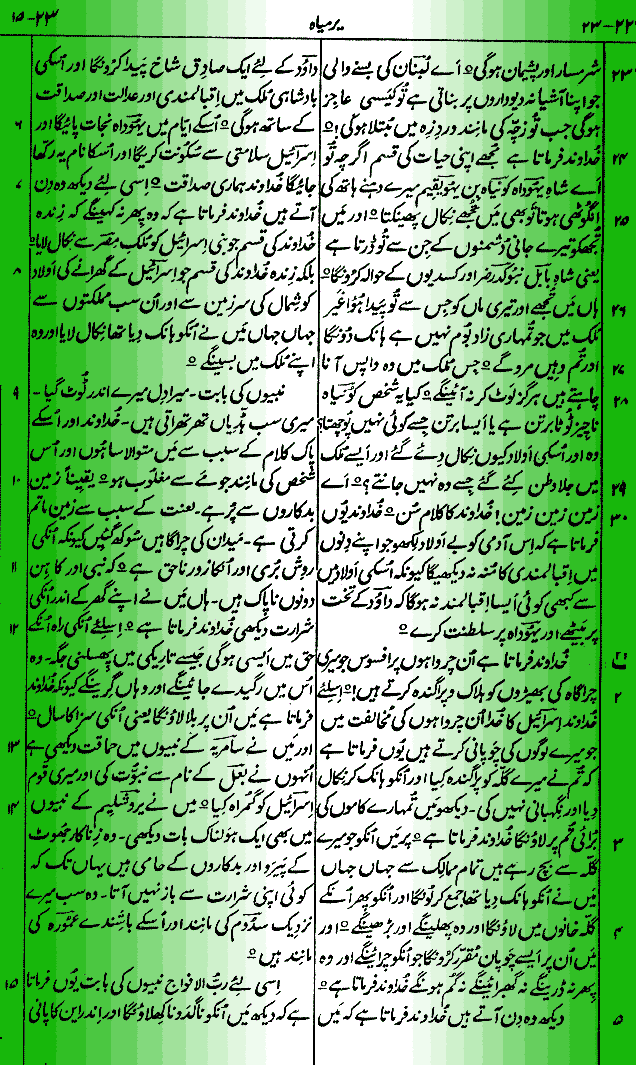
Jeremiah 22:23
Verse: O inhabitant of Lebanon that makest thy nest in the cedars how gracious shalt thou be when pangs come upon thee the pain as of a woman in travail!
English Explanation
This verse uses rich, sarcastic imagery. “Inhabitant of Lebanon” and “nest in the cedars” refer to the royal palace in Jerusalem, which was built using luxurious cedar wood imported from Lebanon. The elite of Judah felt secure and elevated, much like birds nested high in strong trees. However, God warns that their self-made security will shatter instantly when divine judgment hits, comparing their sudden terror to the agonizing, inescapable pains of a woman in labor.
Urdu Explanation
یہ آیت طنزیہ انداز میں یہوداہ کے حکمرانوں کی جھوٹی سیکیورٹی کو بے نقاب کرتی ہے۔ “لبنان کے باشندے” اور “دیودار کے درختوں میں گھونسلا بنانے” سے مراد یروشلم کا وہ شاہی محل ہے جو لبنان کی قیمتی لکڑی سے بنایا گیا تھا۔ وہاں کے عیاش حکمران خود کو بہت محفوظ سمجھتے تھے۔ لیکن خدا فرماتا ہے کہ جب اس کی عدالت نازل ہوگی تو ان کا یہ تکبر ختم ہو جائے گا اور وہ ایسے درد کا شکار ہوں گے جیسے زچگی کی تکلیف میں مبتلا عورت ہوتی ہے جس سے بچنا ممکن نہیں۔
Jeremiah 22:24
Verse: As I live saith the LORD though Coniah the son of Jehoiakim king of Judah were the signet upon my right hand yet would I pluck thee thence
English Explanation
God pronounces a severe personal judgment on King Coniah (also known as Jeconiah or Jehoiachin). A signet ring was a king’s most prized possession, used to sign official decrees and representing absolute authority and protection. God uses a powerful oath (“As I live”) to declare that even if Coniah were as precious to Him as a royal signet ring, God would still rip him off His hand due to his wickedness and rebellion.
Urdu Explanation
یہاں خدا شاہِ یہوداہ کونیاہ (جسے یہویاکین بھی کہا جاتا ہے) کے خلاف ایک سخت فیصلہ سناتا ہے۔ قدیم دور میں “مہر کی انگوٹھی” بادشاہ کا سب سے قیمتی اثاثہ ہوتی تھی جو اقتدار اور تحفظ کی علامت تھی۔ خدا اپنی حیات کی قسم کھا کر کہتا ہے کہ اگر کونیاہ میرے دائیں ہاتھ کی مہر بھی ہوتا تو بھی میں اس کی نافرمانی اور گناہوں کی وجہ سے اسے اپنے ہاتھ سے اتار پھینکتا۔
Jeremiah 22:25
Verse: And I will give thee into the hand of them that seek thy life and into the hand of them whose face thou fearest even into the hand of Nebuchadrezzar king of Babylon and into the hand of the Chaldeans
English Explanation
This verse shifts from symbolic imagery to terrifying reality. God explicitly names the source of Judah’s dread: King Nebuchadnezzar (Nebuchadrezzar) and the Babylonians (Chaldeans). Coniah’s political maneuvering and reliance on foreign alliances would fail completely. God Himself would hand the king over to the very enemies he feared most.
Urdu Explanation
اس آیت میں استعاروں کو چھوڑ کر حقیقت واضح کی گئی ہے۔ خدا صاف الفاظ میں یہوداہ کے خوف کی اصل وجہ بیان کرتا ہے یعنی بابل کا بادشاہ نبوکدنضر (نبوکد رِضر) اور کسدی۔ کونیاہ جن دشمنوں سے ڈرتا تھا اور جن سے بچنے کے لیے سیاسی چالیں چل رہا تھا خدا فرماتا ہے کہ میں خود تمہیں ان کے رحم و کرم پر چھوڑ دوں گا۔
Jeremiah 22:26
Verse: And I will cast thee out and thy mother that bare thee into another country where ye were not born and there shall ye die
English Explanation
This prophecy describes the historical Babylonian captivity. Coniah and his influential queen mother (Nehushta) were to be forcefully deported from their homeland to Babylon. It emphasizes the tragedy of exile: being uprooted from the promised land to die in a foreign, pagan nation where they had no heritage.
Urdu Explanation
یہ پیشگوئی تاریخی طور پر بابل کی اسیری کو بیان کرتی ہے۔ کونیاہ اور اس کی ماں (نحوشتا) کو ان کے وطن سے زبردستی نکال کر بابل بھیج دیا گیا۔ یہ جلاوطنی کے دکھ کو ظاہر کرتا ہے کہ انہیں موعودہ زمین (پاک سرزمین) سے دور ایک ایسے غیر ملک میں مرنا پڑے گا جہاں وہ پیدا بھی نہیں ہوئے تھے۔
Jeremiah 22:27
Verse: But to the land whereunto they desire to return thither shall they not return
English Explanation
The exiled royals would constantly long for Jerusalem, but God seals their fate with total finality. Their desire to return home would never be fulfilled. This highlights the absolute loss of privileges when God’s patience with unrepentant leadership runs out.
Urdu Explanation
جلاوطن ہونے کے بعد شاہی خاندان کے دل میں اپنے وطن یروشلم واپس آنے کی شدید تڑپ ہوگی۔ لیکن خدا حتمی طور پر فرما دیتا ہے کہ وہ کبھی واپس نہیں لوٹ سکیں گے۔ یہ آیت ظاہر کرتی ہے کہ جب خدا کی مہلت ختم ہو جائے تو نافرمان قیادت سے تمام مراعات ہمیشہ کے لیے چھن جاتی ہیں۔
Jeremiah 22:28
Verse: Is this man Coniah a despised broken idol? is he a vessel wherein is no pleasure? wherefore are they cast out he and his seed and are cast into a land which they know not?
English Explanation
Jeremiah asks rhetorical questions highlighting Coniah’s tragic downfall. The king who was supposed to be a majestic leader has become like a cheap, shattered clay pot that is completely useless and thrown into the garbage. He and his children are cast away into a strange land, showing that his lineage lost its royal glory.
Urdu Explanation
یرمیاہ نبی یہاں کچھ ایسے سوالات پوچھتے ہیں جو کونیاہ کے زوال کی عبرتناک تصویر کھینچتے ہیں۔ وہ بادشاہ جسے ایک عظیم رہنما ہونا چاہیے تھا اب مٹی کے ایک ٹوٹے ہوئے بے قیمت برتن کی مانند ہو چکا ہے جسے کچرے میں پھینک دیا جاتا ہے۔ وہ اور اس کی نسل ایک اجنبی ملک میں پھینک دیے گئے جہاں ان کی کوئی شاہی شان و شوکت باقی نہ رہی۔
Jeremiah 22:29
Verse: O earth earth earth hear the word of the LORD
English Explanation
The triple repetition of “earth” is a Hebrew literary device used for supreme emphasis and solemnity. It is a cosmic summons. God calls the entire world as a witness to the historic and undeniable decree He is about to make regarding the Davidic throne.
Urdu Explanation
عبرانی زبان میں کسی لفظ کو تین بار دہرانا (اے زمین! اے زمین! اے زمین!) انتہائی اہمیت اور گہرائی کو ظاہر کرتا ہے۔ خدا کائنات کی تمام مخلوق اور زمین کو گواہ بنا کر بلا رہا ہے تاکہ وہ اس تاریخی اور اٹل فیصلے کو سنیں جو وہ داؤد کے تخت کے حوالے سے سنانے والا ہے۔
Jeremiah 22:30
Verse: Thus saith the LORD Write ye this man childless a man that shall not prosper in his days for no man of his seed shall prosper sitting upon the throne of David and ruling any more in Judah
English Explanation
God commands that Coniah be recorded as “childless” in terms of royal succession. Though Coniah had physical children, none of them would ever successfully inherit the throne of David or rule over Judah. This verse represents the formal cutting off of Coniah’s direct bloodline from the kingship, a curse that finds its fascinating resolution and bypass in the genealogy of Jesus Christ (via Nathan’s line in Luke rather than Solomon’s line through Jeconiah in Matthew).
Urdu Explanation
خدا حکم دیتا ہے کہ کونیاہ کا نام شاہی تاریخ میں “بے اولاد” کے طور پر درج کیا جائے یعنی تخت کے وارث کے لحاظ سے اس کا کوئی جانشین نہ ہو۔ اگرچہ حقیقی زندگی میں اس کے بچے تھے لیکن اس کی نسل سے کوئی بھی شخص دوبارہ داؤد کے تخت پر بیٹھ کر یہوداہ پر حکومت نہ کر سکا۔ یہ کونیاہ کی نسل سے بادشاہت کا خاتمہ تھا (جس کا بائی پاس بعد میں یسوع مسیح کے نسب نامے میں نظر آتا ہے)۔
Chapter 23
Jeremiah 23:1
Verse: Woe be unto the pastors that destroy and scatter the sheep of my pasture! saith the LORD
English Explanation
Chapter 23 opens with a dramatic shift from individual kings to the leadership collective. “Pastors” (or shepherds) refers to the civil and spiritual leaders—kings, princes, and priests. Instead of protecting, guiding, and feeding the people (God’s flock), these wicked leaders exploited, misled, and scattered them, bringing God’s righteous wrath and “woe” upon themselves.
Urdu Explanation
باب 23 کا آغاز انفرادی بادشاہوں سے ہٹ کر مجموعی قیادت کے خلاف ملامت سے ہوتا ہے۔ “چرواہوں” سے مراد یہاں سیاسی اور روحانی رہنما (بادشاہ، شہزادے اور کاہن) ہیں۔ خدا کے لوگوں (بھیڑوں) کی حفاظت اور دیکھ بھال کرنے کے بجائے ان ظالم رہنماؤں نے عوام کا استحصال کیا اور انہیں منتشر کر دیا جس پر خدا ان کے لیے ہلاکت کا اعلان کرتا ہے۔
Jeremiah 23:2
Verse: Therefore thus saith the LORD God of Israel against the pastors that feed my people; Ye have scattered my flock and driven them away and have not visited them behold I will visit upon you the evil of your doings saith the LORD
English Explanation
God directly confronts the irresponsible leaders. He plays on the word “visit.” Because the leaders failed to “visit” (care for/look after) the flock, God promises that He will now “visit” (punish/hold accountable) the leaders for their evil deeds.
Urdu Explanation
خدا غیر ذمہ دار رہنماؤں کا سامنا کرتا ہے اور لفظ “خبر لینا” کو دو مختلف معنوں میں استعمال کرتا ہے۔ چونکہ ان رہنماؤں نے خدا کے گلے کی دیکھ بھال کے لیے ان کی “خبر نہیں لی” اس لیے اب خدا ان کے برے اعمال کے لیے ان کی ایسی “خبر لے گا” جو ان کی سزا کا باعث بنے گی۔
Jeremiah 23:3
Verse: And I will gather the remnant of my flock out of all countries whither I have driven them and will bring them again to their folds and they shall be fruitful and increase
English Explanation
Amidst judgments, God offers magnificent hope. Even though He allowed His flock to be scattered due to exile, God claims ownership over them (“my flock”). He promises to personally step in as the Ultimate Shepherd to gather the “remnant” (the survivors) back to their homeland, where they will experience restoration, growth, and multiplication.
Urdu Explanation
عدالت کے ان ہولناک احکامات کے درمیان خدا امید کی ایک خوبصورت کرن دکھاتا ہے۔ اگرچہ اسیری کے دوران بھیڑیں منتشر ہو گئیں لیکن خدا انہیں اب بھی “میرا گلہ” کہتا ہے۔ وہ وعدہ کرتا ہے کہ وہ خود حقیقی چرواہے کے طور پر آگے بڑھے گا اور بچے کھچے لوگوں (باقیماندہ) کو جمع کر کے واپس لائے گا جہاں وہ ایک بار پھر پھلیں پھولیں گے اور ان کی تعداد بڑھے گی۔
Jeremiah 23:4
Verse: And I will set up shepherds over them which shall feed them and they shall fear no more nor be dismayed neither shall they be lacking saith the LORD
English Explanation
God promises to replace the corrupt, self-serving leaders with godly, faithful “shepherds” who will genuinely care for the welfare of the people. Under this new leadership, the psychological trauma of the nation will be healed: fear, dismay, and spiritual/material lack will be completely eliminated.
Urdu Explanation
خدا وعدہ کرتا ہے کہ وہ پرانے فاسد اور خود غرض رہنماؤں کو ہٹا کر ایسے وفادار اور خدا ترس “چرواہے” مقرر کرے گا جو لوگوں کی حقیقی پروش کریں گے۔ اس نئی قیادت کے تحت قوم کا خوف اور مایوسی ختم ہو جائے گی اور وہ کبھی کسی چیز کے محتاج نہیں رہیں گے۔
Jeremiah 23:5
Verse: Behold the days come saith the LORD that I will raise unto David a righteous Branch and a King shall reign and prosper and shall execute judgment and justice in the earth
English Explanation
This is one of the premier Messianic prophecies in the Old Testament. God promises a future Descendant of David called the “righteous Branch.” Unlike the corrupt kings who brought ruin, this ultimate King will rule with perfect wisdom, prosperity, and absolute justice across the entire earth. Christians recognize this fulfilled in Jesus Christ.
Urdu Explanation
یہ عہدِ عتیق (پرانے عہد نامے) میں مسیحا کے بارے میں کی گئی سب سے عظیم پیشگوئیوں میں سے ایک ہے۔ خدا داؤد کی نسل سے ایک “راستباز شاخ” (مسیح) کو برپا کرنے کا وعدہ کرتا ہے۔ ان برے اور ناکام بادشاہوں کے برعکس یہ حتمی بادشاہ کامل حکمت اور سچائی کے ساتھ پوری زمین پر عدل و انصاف قائم کرے گا۔
Jeremiah 23:6
Verse: In his days Judah shall be saved and Israel shall dwell safely and this is his name whereby he shall be called THE LORD OUR RIGHTEOUSNESS
English Explanation
Under the reign of this Messianic King, true salvation, security, and reconciliation will come to both Judah and Israel. The King’s title is revealed as Yahweh Tsidkenu—”THE LORD OUR RIGHTEOUSNESS.” This highlights that humanity cannot achieve righteousness through self-effort; it is provided entirely by God through the Messiah.
Urdu Explanation
اس مسیحائی بادشاہ کے دورِ حکومت میں یہوداہ اور اسرائیل حقیقی نجات اور امن و امان پائیں گے۔ اس بادشاہ کا نام “خداوند ہماری راستبازی” (Yahweh Tsidkenu) رکھا جائے گا۔ یہ نام ظاہر کرتا ہے کہ انسان اپنی کوششوں سے راستباز نہیں بن سکتا بلکہ خدا خود مسیح کے وسیلے سے ہمیں اپنی راستبازی عطا کرتا ہے۔
Jeremiah 23:7
Verse: Therefore behold the days come saith the LORD that they shall no more say The LORD liveth which brought up the children of Israel out of the land of Egypt
English Explanation
The deliverance of Israel out of Egypt under Moses was historically the greatest demonstration of God’s power and the cornerstone of Jewish identity. However, God states that a future redemption will be so monumental that it will eclipse the memory of the Exodus.
Urdu Explanation
موسیٰ کے عہد میں بنی اسرائیل کا مصر کی غلامی سے آزاد ہونا تاریخ کا سب سے بڑا معجزہ اور ان کی پہچان تھا۔ لیکن خدا فرماتا ہے کہ مستقبل میں جو مخلصی اور نجات ملنے والی ہے وہ اتنی عظیم ہوگی کہ لوگ مصر سے نکلنے کے واقعے کو بھول کر اس نئی نجات کا تذکرہ کریں گے۔
Jeremiah 23:8
Verse: But The LORD liveth which brought up and which led the seed of the house of Israel out of the north country and from all countries whither I had driven them and they shall dwell in their own land
English Explanation
The new standard of praising God will be His gathering of His people from the “north country” (Babylon) and all global diasporas back into their ancestral land. This points to both the physical return from Babylon and the ultimate, global restoration of God’s people under the Messiah.
Urdu Explanation
اب خدا کی تمجید اس بات سے نہیں ہوگی کہ اس نے مصر سے نکالا بلکہ اس بات سے ہوگی کہ وہ اپنے لوگوں کو “شمالی ملک” (بابل) اور دنیا کے تمام ملکوں سے نکال کر واپس ان کے اپنے وطن میں لے آیا ہے۔ یہ جلاوطنی سے واپسی اور مسیح کے تحت ہونے والی عالمگیر بحالی دونوں کی طرف اشارہ ہے۔
Jeremiah 23:9
Verse: Mine heart within me is broken because of the prophets; all my bones shake; I am like a drunken man and like a man whom wine hath overcome because of the LORD and because of the words of his holiness
English Explanation
Jeremiah turns his focus to the false prophets. He is completely devastated, physically shaking and feeling disoriented like a drunkard. This state is not from alcohol but from the sheer weight of God’s holy words and the terrifying realization of how deeply the false prophets have insulted God’s holiness.
Urdu Explanation
یہاں سے یرمیاہ نبی اپنا رخ جھوٹے نبیوں کی طرف کرتے ہیں۔ وہ اندر سے ٹوٹ چکے ہیں اور ان کی ہڈیاں کانپ رہی ہیں۔ وہ خود کو ایک شرابی کی طرح مدہوش محسوس کرتے ہیں لیکن یہ مدہوشی مے کے باعث نہیں بلکہ خدا کے پاک کلام کے زبردست بوجھ اور اس ہولناک احساس کی وجہ سے ہے کہ جھوٹے نبیوں نے خدا کی پاکیزگی کی کتنی توہین کی ہے۔
Jeremiah 23:10
Verse: For the land is full of adulterers; for because of swearing the land mourneth; the pleasant places of the wilderness are dried up and their course is evil and their force is not right
English Explanation
The spiritual unfaithfulness of the leadership has manifested as literal and spiritual adultery throughout Judah. Because of continuous false swearing and covenant-breaking, a divine curse sits upon the environment—the land itself is in mourning and suffering from severe droughts. The power and influence of these leaders are weaponized for evil rather than good.
Urdu Explanation
رہنماؤں کی روحانی بے وفائی نے پورے ملک کو اخلاقی اور روحانی زناکاری میں مبتلا کر دیا ہے۔ جھوٹی قسموں اور عہد شکنی کی وجہ سے زمین پر خدا کی لعنت ہے جس سے خشک سالی پیدا ہو گئی ہے اور چراگاہیں سوکھ گئی ہیں۔ ان طاقتور لوگوں کی تمام تر دوڑ دھوپ اور طاقت اچھائی کے بجائے برائی پھیلانے میں لگی ہوئی ہے۔
Jeremiah 23:11
Verse: For both prophet and priest are profane; yea in my house have I found their wickedness saith the LORD
English Explanation
The degradation is total. The very individuals appointed to maintain holiness—the prophets and the priests—have become “profane” (secularized and ungodly). Worst of all, they brought their wickedness directly into “my house” (the Temple in Jerusalem), polluting the sacred space with pagan rituals and hypocritical lifestyles.
Urdu Explanation
اخلاقی گراوٹ اب آخری حد تک پہنچ چکی ہے۔ جن لوگوں کو پاکیزگی کا نمونہ ہونا چاہیے تھا—یعنی نبی اور کاہن—وہ خود ناپاک ہو چکے ہیں۔ سب سے زیادہ افسوسناک بات یہ ہے کہ انہوں نے اپنی بدکاری کو خدا کے گھر (یروشلم کے ہیکل) کے اندر پھیلا دیا ہے اور مقدس جگہ کو بت پرستی اور منافقت سے ناپاک کر دیا ہے۔
Jeremiah 23:12
Verse: Wherefore their way shall be unto them as slippery ways in the darkness they shall be driven on and fall therein for I will bring evil upon them even the year of their visitation saith the LORD
English Explanation
God pronounces a terrifying judgment on these corrupt spiritual guides. Since they led the people blindly, their own path will become like a pitch-black, slippery walkway. They will lose all footing, be pushed forward blindly by events, and crash into ruin when the scheduled “year of their visitation” (the exact time of God’s judgment) arrives.
Urdu Explanation
خدا ان فاسد روحانی رہنماؤں کے لیے ایک ہولناک انجام کا اعلان کرتا ہے۔ چونکہ انہوں نے لوگوں کو اندھیرے میں رکھا اس لیے ان کا اپنا راستہ اندھیرے میں ایک پھسلن والی جگہ کی طرح ہو جائے گا۔ وہ سنبھل نہیں پائیں گے بلکہ حالات کے تھپیڑوں سے آگے دھکیلے جائیں گے اور گر کر تباہ ہو جائیں گے جب خدا کی عدالت کا مقررہ وقت (ان کی سزا کا سال) آئے گا۔
Jeremiah 23:13
Verse: And I have seen folly in the prophets of Samaria; they prophesied in Baal and caused my people Israel to err
English Explanation
God looks back at history to set up a comparison. The prophets of Samaria (the northern kingdom of Israel) committed absolute folly by openly serving and prophesying in the name of the pagan god Baal, which led to the total destruction and captivity of the northern tribes.
Urdu Explanation
خدا تاریخ کا حوالہ دیتے ہوئے موازنہ کرتا ہے۔ سامریہ (اسرائیل کی شمالی سلطنت) کے نبیوں نے کھلم کھلا جھوٹے دیوتا “بعل” کے نام پر پیشگوئیاں کر کے بڑی حماقت کی تھی جس کی وجہ سے پوری شمالی سلطنت گمراہ ہوئی اور برباد ہو کر جلاوطن ہوئی۔
Jeremiah 23:14
Verse: I have seen also in the prophets of Jerusalem an horrible thing they commit adultery and walk in lies they strengthen also the hands of evildoers that none doth return from his wickedness they are all of them unto me as Sodom and the inhabitants thereof as Gomorrah
English Explanation
While Samaria was bad, God finds the prophets of Jerusalem (the southern kingdom of Judah) to be even worse. They claim to speak for Yahweh but live out double lives filled with adultery and lies. Worse yet, their reassuring false prophecies encourage evildoers to keep sinning without fear of judgment. Because of this structural hypocrisy, God views Jerusalem as no better than the infamously wicked cities of Sodom and Gomorrah.
Urdu Explanation
سامریہ کے نبی تو برے تھے ہی لیکن خدا فرماتا ہے کہ یروشلم (یہوداہ) کے نبیوں کا حال اس سے بھی زیادہ ہولناک ہے۔ وہ نام تو سچے خدا کا لیتے ہیں لیکن خود زناکاری اور جھوٹ میں زندگی گزارتے ہیں۔ اس سے بھی بڑھ کر وہ اپنی جھوٹی تسلیوں سے بدکاروں کے ہاتھ مضبوط کرتے ہیں تاکہ کوئی اپنے گناہ سے توبہ نہ کرے۔ خدا کی نظر میں یروشلم کے یہ لوگ سدوم اور عمورہ کے گنہگاروں جیسے ہو چکے ہیں۔
Jeremiah 23:15
Verse: Therefore thus saith the LORD of hosts concerning the prophets; Behold I will feed them with wormwood and make them drink the water of gall for from the prophets of Jerusalem is profaneness gone forth into all the land
English Explanation
Because the spiritual pollution originated from the leadership in Jerusalem and infected the entire country, God decrees an appropriately bitter punishment. “Wormwood” and “water of gall” are symbolic of extreme bitterness, poison, and deep sorrow. The very prophets who fed the people sweet, deceptive lies will be forced by God to consume the deadly bitter fruits of their deception.
Urdu Explanation
چونکہ گناہ اور ناپاکی کا یہ زہر یروشلم کے نبیوں کے ذریعے پوری زمین میں پھیلا ہے اس لیے رب الافواج ان کے لیے ایک انتہائی تلخ سزا کا حکم دیتا ہے۔ “ناگدونا” (افسنتین) اور “پِت کا پانی” شدید تلخی، زہر اور دکھ کی علامت ہیں۔ جن نبیوں نے لوگوں کو جھوٹی تسلیوں کے میٹھے زہر پلائے تھے اب خدا ان کو ان کے اپنے فریب کا تلخ اور زہریلا پھل چکھائے گا۔