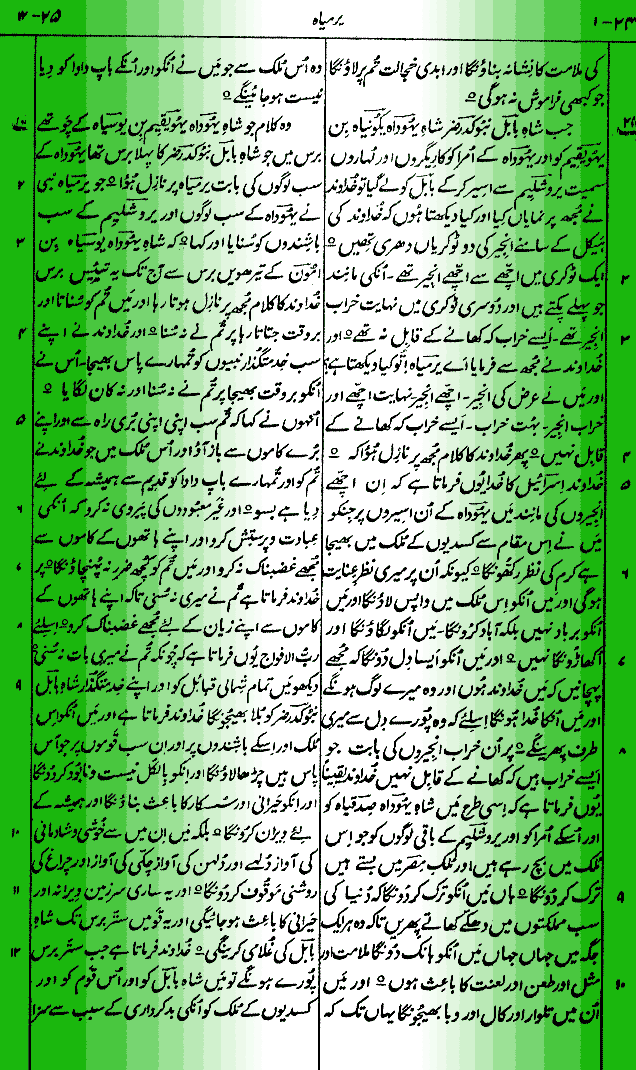
Chapter 24
Jeremiah 24:1
Verse: The LORD shewed me and behold two baskets of figs were set before the temple of the LORD after that Nebuchadrezzar king of Babylon had carried away captive Jeconiah the son of Jehoiakim king of Judah and the princes of Judah with the carpenters and smiths from Jerusalem and had brought them to Babylon.
English Explanation
This verse sets the historical and prophetic context for the vision. Following the surrender of King Jeconiah (also known as Jehoiachin), King Nebuchadnezzar of Babylon deported Judah’s elite, including royal officials, skilled craftsmen, and smiths. This left behind a weakened state under a puppet king. God provides Jeremiah with a visual sign—two baskets of figs placed directly in front of the Temple—to reveal the spiritual and political destinies of both the exiled people and those who remained.
Urdu Explanation (تفصیلی تفسیر)
یہ آیت اس رویا (Vision) کا تاریخی اور نبوتی پس منظر بیان کرتی ہے۔ جب یہوداہ کے بادشاہ یکونیاہ نے ہار مان لی، تو بابل کے بادشاہ نبوکدنضر نے وہاں کے اہم لوگوں، شہزادوں، کاریگروں اور لوہاروں کو قید کر کے بابل منتقل کر دیا۔ یروشلم میں صرف کمزور اور غریب لوگ ہی رہ گئے۔ اس نازک موڑ پر، خدا نے یرمیاہ نبی کو ہیکل کے سامنے انجیروں کی دو ٹوکریوں کی رویا دکھائی تاکہ وہ جلاوطن ہونے والوں اور پیچھے رہ جانے والوں کے روحانی مستقبل کا اعلان کر سکے۔
Jeremiah 24:2
Verse: One basket had very good figs even like the figs that are first ripe and the other basket had very naughty figs which could not be eaten they were so bad.
English Explanation
The vision contrasts two starkly different qualities of fruit. The first basket contains “very good figs,” comparable to early-harvest figs, which were highly prized for their sweetness and quality. The second basket contains “very naughty” (rotten, corrupt) figs that are completely inedible. This stark contrast serves as a divine metaphor for the two groups of Jewish people surviving under the Babylonian crisis.
Urdu Explanation (تفصیلی تفسیر)
اس آیت میں دو بالکل مختلف قسم کے پھلوں کا موازنہ کیا گیا ہے۔ پہلی ٹوکری میں “بہت اچھے انجیر” تھے، جو موسم کے پہلے پکے ہوئے پھل کی طرح عمدہ اور شیریں تھے۔ دوسری ٹوکری میں “انتہائی خراب اور گندے انجیر” تھے، جو سڑنے کی وجہ سے کھانے کے بالکل قابل نہیں تھے۔ یہ واضح فرق ان دو گروہوں کی روحانی حالت کو ظاہر کرتا ہے جو بابل کے حملے کے بعد الگ ہو چکے تھے۔
Jeremiah 24:3
Verse: Then said the LORD unto me What seest thou Jeremiah And I said Figs the good figs very good and the evil very evil that cannot be eaten they are so evil.
English Explanation
God engages Jeremiah directly by asking him what he observes. This pedagogical approach ensures the prophet acknowledges the stark, unambiguous reality of the vision. Jeremiah responds honestly, noting the extreme contrast: the good figs are excellent, while the bad figs are so thoroughly rotten that they are completely useless.
Urdu Explanation (تفصیلی تفسیر)
خداوند نے یرمیاہ سے گفتگو کرتے ہوئے پوچھا کہ “تمہیں کیا دکھائی دیتا ہے؟” یہ سوال نبی کی توجہ کو اس حقیقت کی طرف مبذول کرانے کے لیے تھا۔ یرمیاہ نے جواب دیا کہ اسے انجیر نظر آ رہے ہیں۔ اچھے انجیر بے حد اچھے ہیں اور خراب اتنے برے ہیں کہ کھائے نہیں جا سکتے۔ یہ اس بات کی تصدیق تھی کہ نیکی اور بدی، یا خدا کی فرمانبرداری اور نافرمانی کا فرق بالکل واضح ہے۔
Jeremiah 24:4
Verse: Again the word of the LORD came unto me saying
English Explanation
This structural verse highlights the divine source of the interpretation. Jeremiah does not rely on human wisdom or political analysis to decode the vision; instead, the Sovereign LORD directly reveals the prophetic meaning of the two baskets of figs.
Urdu Explanation (تفصیلی تفسیر)
یہ آیت ظاہر کرتی ہے کہ اس رویا کی تشریح کسی انسانی عقل یا سیاسی تجزیے پر مبنی نہیں تھی۔ خداوند کا کلام دوبارہ نازل ہوا تاکہ وہ خود اس تمثیل کا گہرا اور پوشیدہ روحانی مطلب اپنے نبی پر ظاہر کرے۔
Jeremiah 24:5
Verse: Thus saith the LORD the God of Israel Like these good figs so will I acknowledge them that are carried away captive of Judah whom I have sent out of this place into the land of the Chaldeans for their good.
English Explanation
Paradoxically, God identifies the exiled elite—those taken captive to Babylon—as the “good figs.” While human perspective viewed exile as a total tragedy and a sign of ultimate rejection, God reveals that He sent them away into the land of the Chaldeans (Babylonians) “for their good.” The exile was not intended to destroy them, but to preserve, discipline, and purify a remnant away from the rampant corruption of Jerusalem.
Urdu Explanation (تفصیلی تفسیر)
خداوند نے حیران کن طور پر بابل کی جلاوطنی میں جانے والے قیدیوں کو “اچھے انجیر” قرار دیا۔ انسانی سوچ کے مطابق جلاوطنی ایک عذاب اور تباہی تھی، لیکن خدا نے فرمایا کہ اس نے خود انہیں ان کی بھلائی کے لیے کلدانیوں (بابلیوں) کے ملک میں بھیجا ہے۔ یہ جلاوطنی انہیں تباہ کرنے کے لیے نہیں بلکہ یروشلم کے گناہوں اور بت پرستی سے دور رکھ کر ان کی اصلاح اور حفاظت کے لیے تھی۔
Jeremiah 24:6
Verse: For I will set mine eyes upon them for good and I will bring them again to this land and I will build them and not pull them down and I will plant them and not pluck them up.
English Explanation
God promises active preservation and restoration for the exiles. He will watch over them with favor (“set mine eyes upon them for good”). Furthermore, He guarantees a future return to the Promised Land. Using architectural and agricultural metaphors—building and planting rather than tearing down and uprooting—God asserts that the future of Israel lies firmly with this exiled remnant.
Urdu Explanation (تفصیلی تفسیر)
خدا نے جلاوطنوں سے وعدہ کیا کہ وہ ان پر اپنی فضل کی نظر رکھے گا اور انہیں دوبارہ اس سرزمیں پر واپس لائے گا۔ یہاں تعمیر کرنے اور پودا لگانے کے استعارے استعمال کیے گئے ہیں، جو اس بات کی علامت ہیں کہ خدا انہیں دوبارہ ایک مضبوط قوم بنائے گا، انہیں اکھاڑے گا نہیں اور نہ ہی مسمار کرے گا۔ اسرائیل کا مستقبل انہی لوگوں سے وابستہ تھا۔
Jeremiah 24:7
Verse: And I will give them an heart to know me that I am the LORD and they shall be my people and I will be their God for they shall return unto me with their whole heart.
English Explanation
This verse points forward to the spiritual transformation of the New Covenant. The ultimate purpose of the exile was spiritual renewal. God promises to sovereignly transform their inner desires, granting them a “heart to know me.” This establishes a true, reciprocal relationship where they will sincerely choose Him as their God, returning to Him with undivided devotion.
Urdu Explanation (تفصیلی تفسیر)
یہ آیت نئے عہد (New Covenant) کی روحانی تبدیلی کی طرف اشارہ کرتی ہے۔ جلاوطنی کا اصل مقصد دلوں کی پاکیزگی تھا۔ خدا نے وعدہ کیا کہ وہ انہیں ایسا دل دے گا جو رب کو پہچانے۔ اس کے نتیجے میں ان کا خدا کے ساتھ سچا تعلق قائم ہوگا، وہ اس کے فرمانبردار لوگ بنیں گے اور پورے دل سے خدا کی طرف رجوع کریں گے۔
Jeremiah 24:8
Verse: And as the evil figs which cannot be eaten they are so evil surely thus saith the LORD So will I give Zedekiah the king of Judah and his princes and the residue of Jerusalem that remain in this land and them that dwell in the land of Egypt
English Explanation
God now interprets the basket of rotten figs. They represent King Zedekiah, his court officials, the remaining citizens in Jerusalem, and those who fled to Egypt for political asylum. Though these people congratulated themselves on surviving the initial deportations and staying in the land, God views them as spiritually corrupt, rotting, and rejected.
Urdu Explanation (تفصیلی تفسیر)
اب خدا سڑے ہوئے انجیروں کی تشریح کرتا ہے۔ یہ بدعنوان انجیر یہوداہ کے نئے بادشاہ صدقیاہ، اس کے امراء، یروشلم میں باقی رہ جانے والے لوگوں اور مصر بھاگ جانے والوں کی علامت تھے۔ اگرچہ یہ لوگ خود کو خوش قسمت سمجھ رہے تھے کہ وہ جلاوطنی سے بچ گئے، لیکن خدا کی نظر میں وہ روحانی طور پر سڑ چکے تھے اور رد کیے جانے کے قابل تھے۔
Jeremiah 24:9
Verse: And I will deliver them to be removed into all the kingdoms of the earth for their hurt to be a reproach and a proverb a taunt and a curse in all places whither I shall drive them.
English Explanation
Because of their persistent rebellion and false sense of security, those who remained face horrific judgment. Instead of being preserved, they will be scattered across the nations as objects of mockery, scorn, and warning. They will become a historical proverb and a synonym for disaster wherever they are driven.
Urdu Explanation (تفصیلی تفسیر)
ان کی مسلسل نافرمانی اور جھوٹی خود اعتمادی کی وجہ سے ان پر سخت عدالت ہونی تھی۔ خدا نے فرمایا کہ وہ انہیں دنیا کی تمام سلطنتوں میں تتر بتر کر دے گا جہاں وہ ذلت، طعنہ زنی اور لعنت کا سبب بنیں گے۔ لوگ ان کی تباہی کو دیکھ کر عبرت پکڑیں گے اور وہ جہاں بھی جائیں گے، ذلیل و خوار ہوں گے۔
Jeremiah 24:10
Verse: And I will send the sword the famine and the pestilence among them till they be consumed from off the land that I gave unto them and to their fathers.
English Explanation
The judgment culminates in total devastation through the biblical triad of destruction: sword (warfare), famine (starvation), and pestilence (disease). This relentless judgment will continue until this unfaithful generation is completely wiped off the Promised Land—the very land originally gifted to their patriarchs.
Urdu Explanation (تفصیلی تفسیر)
اس باب کا اختتام ہولناک سزا پر ہوتا ہے۔ خدا ان پر تین بڑی آفتیں بھیجے گا: تلوار (جنگ)، کال (بھوک)، اور مری (وبائی بیماریاں)۔ یہ عذاب تب تک جاری رہے گا جب تک کہ یہ نافرمان نسل اس مقدس سرزمین سے مکمل طور پر ختم نہ ہو جائے جو خدا نے ان کے باپ دادا کو دی تھی۔
Chapter 25
Jeremiah 25:1
Verse: The word that came to Jeremiah concerning all the people of Judah in the fourth year of Jehoiakim the son of Josiah king of Judah that was the first year of Nebuchadrezzar king of Babylon
English Explanation
This verse provides a crucial chronological marker: 605 BC (the fourth year of Jehoiakim and the accession year of Nebuchadnezzar). This was a major geopolitical turning point in the ancient Near East, marked by the Battle of Carchemish, where Babylon established regional dominance over Egypt and Assyria. God’s word comes to Jeremiah precisely at this moment to clarify Judah’s fate under this new superpower.
Urdu Explanation (تفصیلی تفسیر)
یہ آیت ایک اہم تاریخی اور سیاسی موڑ کی نشان دہی کرتی ہے (تقریباً 605 قبل مسیح)۔ یہ یہوداہ کے بادشاہ یہویقیم کا چوتھا سال اور بابل کے بادشاہ نبوکدنضر کا پہلا سال تھا۔ اسی دور میں جنگِ کرکمیش کے بعد بابل دنیا کی سب سے بڑی طاقت بن کر ابھرا تھا۔ اس اہم وقت پر خدا کا کلام نازل ہوا تاکہ یہوداہ کے مستقبل کا فیصلہ سنایا جائے۔
Jeremiah 25:2
Verse: The which Jeremiah the prophet spake unto all the people of Judah and to all the inhabitants of Jerusalem saying
English Explanation
Jeremiah does not deliver this message in secret or exclusively to the royal court; he addresses the entire populace. It is a public, universal warning to every citizen of Judah and resident of Jerusalem, leaving no one with an excuse of ignorance regarding the incoming judgment.
Urdu Explanation (تفصیلی تفسیر)
یرمیاہ نبی نے یہ پیغام کسی چھپی ہوئی جگہ یا صرف شاہی دربار تک محدود نہیں رکھا۔ انہوں نے یہوداہ کے تمام لوگوں اور یروشلم کے تمام باشندوں کے سامنے کھلم کھلا اس کا اعلان کیا تاکہ ہر خاص و عام پر حجت تمام ہو جائے اور کوئی لا علمی کا بہانہ نہ بنا سکے۔
Jeremiah 25:3
Verse: From the thirteenth year of Josiah the son of Amon king of Judah even unto this day that is the three and twentieth year the word of the LORD hath come unto me and I have spoken unto you rising early and speaking but ye have not hearkened.
English Explanation
Jeremiah reflects on his 23-year prophetic ministry (from 627 BC to 605 BC). He describes his tireless efforts using the idiom “rising early and speaking,” signifying consistency, urgency, and passion. Despite over two decades of constant warning, the people flatly refused to listen or change their ways.
Urdu Explanation (تفصیلی تفسیر)
یرمیاہ اپنی 23 سالہ انتھک خدمت کا تذکرہ کرتے ہیں (یوسیاہ کے 13ویں سال سے لے کر اب تک)۔ انہوں نے “سویرے اٹھ کر” کلام سنانے کا محاورہ استعمال کیا، جس کا مطلب ہے کہ انہوں نے انتہائی سنجیدگی، تسلسل اور تڑپ کے ساتھ خدا کا پیغام پہنچایا۔ لیکن اس طویل عرصے کے باوجود، قوم نے خدا کی آواز پر کان نہ دھرے اور ضد پر اڑی رہی۔
Jeremiah 25:4
Verse: And the LORD hath sent unto you all his servants the prophets rising early and sending them but ye have not hearkened nor inclined your ear to hear.
English Explanation
Jeremiah was not a solitary voice; God had sent a succession of prophets (such as Isaiah, Micah, and Zephaniah) over generations with the same urgent appeal. God’s continuous sending of messengers highlights His immense patience and grace, yet the people deliberately closed their minds and hearts to the divine warnings.
Urdu Explanation (تفصیلی تفسیر)
یرمیاہ اکیلے نہیں تھے، بلکہ خدا نے نسل در نسل اپنے بہت سے دوسرے نبیوں (جیسے یسعیاہ، میکاہ اور صفنیاہ) کو بھیجا۔ خدا کا بار بار اپنے خادموں کو بھیجنا اس کے غیر معمولی صبر اور رحم کو ظاہر کرتا ہے۔ لیکن قوم نے نہ صرف ان کی بات کو رد کیا بلکہ سننے کے لیے اپنے کان تک مائل نہ کیے۔
Jeremiah 25:5
Verse: They said Turn ye again now every one from his evil way and from the evil of your doings and dwell in the land that the LORD hath given unto you and to your fathers for ever and ever
English Explanation
The core message of all the prophets was remarkably simple and consistent: repentance. They called the people to turn away from personal wickedness and corrupt deeds. The reward for this repentance was security—the right to remain permanently in the Promised Land that God had covenanted to their ancestors.
Urdu Explanation (تفصیلی تفسیر)
تمام نبیوں کے پیغام کا خلاصہ ایک ہی تھا: “توبہ کرو”۔ انہوں نے لوگوں کو پکارا کہ وہ اپنی بری راہوں اور گناہ آلود کاموں سے باز آ جائیں۔ اگر وہ توبہ کر لیتے، تو ان کا انعام یہ ہوتا کہ وہ اس برکت والی سرزمین پر ہمیشہ امن و امان کے ساتھ آباد رہتے جو خدا نے ان کے باپ دادا کو دی تھی۔
Jeremiah 25:6
Verse: And go not after other gods to serve them and to worship them and provoke me not to anger with the works of your hands and I will do you no hurt.
English Explanation
God explicitly warns against idolatry—worshipping gods made by human hands. Idolatry was a direct violation of the covenant and incited divine anger because it ruined the people spiritually. God assures them that if they simply remain faithful and abandon false worship, He will protect them from harm.
Urdu Explanation (تفصیلی تفسیر)
خدا نے انہیں خاص طور پر بت پرستی سے منع کیا—یعنی اپنے ہاتھوں سے بنائے ہوئے معبودوں کی پوجا کرنا۔ بت پرستی خدا کے عہد کی خلاف ورزی تھی جو اس کے غضب کو بھڑکاتی تھی۔ خدا نے واضح کیا کہ اگر وہ وفادار رہیں اور جھوٹے معبودوں کو چھوڑ دیں، تو وہ ان پر کوئی آفت نہیں لائے گا اور ان کی حفاظت کرے گا۔
Jeremiah 25:7
Verse: Yet ye have not hearkened unto me saith the LORD that ye might provoke me to anger with the works of your hands to your own hurt.
English Explanation
Despite God’s gracious terms, the people chose obstinate defiance. God notes that their continued idolatry and rebellion did not harm Him, but rather resulted in “their own hurt.” Sin is ultimately self-destructive; by provoking God’s anger, they sealed their own ruin.
Urdu Explanation (تفصیلی تفسیر)
خدا کے رحم دلانہ وعدوں کے باوجود، قوم نے سرکشی کا راستہ چنا۔ خدا فرماتا ہے کہ ان کی بت پرستی اور نافرمانی سے خدا کا کچھ نہیں بگڑا، بلکہ انہوں نے “اپنا ہی نقصان” کیا۔ گناہ انسان کو خود تباہ کرتا ہے؛ خدا کے غضب کو بھڑکا کر انہوں نے اپنی ہی بربادی کا انتظام کیا۔
Jeremiah 25:8
Verse: Therefore thus saith the LORD of hosts Because ye have not heard my words
English Explanation
This verse introduces the formal sentence of judgment. Because all warnings were ignored and the spiritual diagnosis revealed total unresponsiveness, the “LORD of hosts” (the God commanding heavenly armies) steps in to enforce the consequences of covenant disobedience.
Urdu Explanation (تفصیلی تفسیر)
یہ آیت باقاعدہ عدالتی فیصلے کی ابتدا کرتی ہے۔ چونکہ تمام تنبیہات کو نظر انداز کر دیا گیا تھا، اس لیے “رب الافواج” (لشکروں کا خدا) اب ان کی نافرمانی اور سرکشی کی سزا کا نفاذ کرنے والا ہے۔
Jeremiah 25:9
Verse: Behold I will send and take all the families of the north saith the LORD and Nebuchadrezzar the king of Babylon my servant and will bring them against this land and against the inhabitants thereof and against all these nations round about and will utterly destroy them and make them an astonishment and an hissing and perpetual desolations.
English Explanation
God announces an invading alliance from the north led by Nebuchadnezzar. Strikingly, God calls Nebuchadnezzar “my servant”—not because the Babylonian king worshipped Yahweh, but because he was an unwitting tool of divine judgment. This destruction will devastate not just Judah, but the surrounding nations, leaving the region ruined, mocked, and desolated.
Urdu Explanation (تفصیلی تفسیر)
خدا نے اعلان کیا کہ وہ شمال کی قوموں اور بابل کے بادشاہ نبوکدنضر کو بھیجے گا۔ یہاں خدا نے نبوکدنضر کو “میرا خادم” کہا ہے—اس لیے نہیں کہ وہ خدا کا پرستار تھا، بلکہ اس لیے کہ وہ خدا کے عدالتی منصوبے کو پورا کرنے کا ایک ذریعہ (Tool) تھا۔ یہ حملہ صرف یہوداہ پر نہیں بلکہ آس پاس کی تمام قوموں پر ہوگا، جو انہیں مستقل طور پر ویران اور عبرت کا نشان بنا دے گا۔
Jeremiah 25:10
Verse: Moreover I will take from them the voice of mirth and the voice of gladness the voice of the bridegroom and the voice of the bride the sound of the millstones and the light of the candle.
English Explanation
God describes the complete erasure of everyday human life and societal joy. The sounds of celebrations (weddings), economic activity (the grinding of millstones for daily bread), and domestic life (the light of a household candle) will entirely vanish. It depicts a haunting, silent wasteland.
Urdu Explanation (تفصیلی تفسیر)
خدا انسانی زندگی کی رونقوں کے مکمل خاتمے کی تصویر کشی کرتا ہے۔ خوشی اور شادمانی کی آوازیں، دولہا اور دلہن کے نغمے (شادیاں)، چکی کی آواز (روزمرہ کی معیشت اور روٹی)، اور چراغ کی روشنی (گھریلو زندگی) سب کچھ ختم ہو جائے گا۔ یہ ایک بھیانک اور خاموش ویرانی کا منظر ہے۔
Jeremiah 25:11
Verse: And this whole land shall be a desolation and an astonishment and these nations shall serve the king of Babylon seventy years.
English Explanation
This is one of the most famous milestone prophecies in the Old Testament. Jeremiah specifies the exact duration of the Babylonian hegemony: seventy years. For seven decades, the Land of Israel will lie fallow and ruined, and the people will live in subjugation to the Babylonian empire.
Urdu Explanation (تفصیلی تفسیر)
یہ پرانے عہد نامے کی سب سے مشہور اور اہم ترین پیشگوئیوں میں سے ایک ہے۔ یرمیاہ نبی نے بابل کی غلامی کی مدت کا واضح تعین کیا: “ستر (70) برس”۔ ستر سال تک یہوداہ کی زمین ویران رہے گی اور یہ قومیں بابل کے بادشاہ کی محکوم رہیں گی۔
Jeremiah 25:12
Verse: And it shall come to pass when seventy years are accomplished that I will punish the king of Babylon and that nation saith the LORD for their iniquity and the land of the Chaldeans and will make it perpetual desolations.
English Explanation
God’s justice is impartial. Although Babylon was utilized as an instrument of judgment against Judah, they are still morally accountable for their own pride and cruelty. God promises that once the 70 years are complete, Babylon itself will face definitive judgment and be reduced to lasting ruin, showing that God remains the ultimate Ruler of history.
Urdu Explanation (تفصیلی تفسیر)
خدا کا انصاف غیر جانبدار ہے۔ اگرچہ بابل کو یہوداہ کی سزا کے لیے استعمال کیا گیا تھا، لیکن وہ اپنے ظلم اور غرور کے لیے خود جوابدہ تھے۔ خدا نے وعدہ کیا کہ جب یہ 70 سال پورے ہو جائیں گے، تو وہ بابل کے بادشاہ اور کلدانیوں کے ملک کو ان کی بدکاری کی سزا دے گا اور اسے ہمیشہ کے لیے ویران کر دے گا۔ یہ ظاہر کرتا ہے کہ تاریخ کی اصل باگ ڈور صرف خدا کے ہاتھ میں ہے۔