Verse-by-Verse Commentary & Explanation
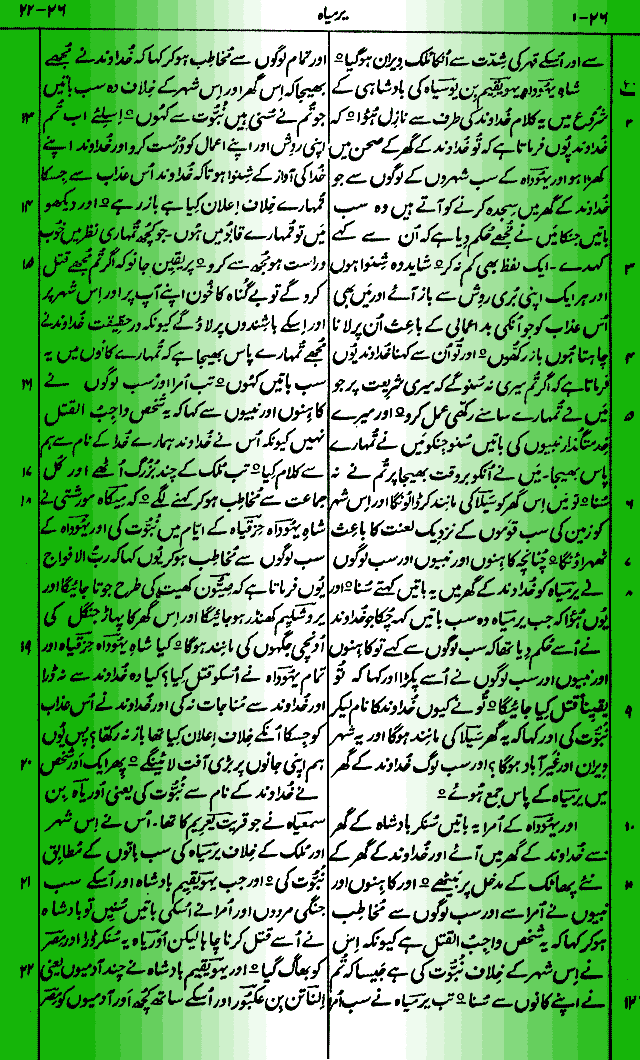
Jeremiah 26:1
-
Verse: In the beginning of the reign of Jehoiakim the son of Josiah king of Judah came this word from the LORD saying
-
English Explanation: This verse sets the historical and chronological framework for the chapter. It marks the transition of power in Judah. After the righteous King Josiah died, and following the brief three-month rule of Jehoahaz, the Egyptians placed Jehoiakim on the throne. Jehoiakim was a tyrannical and wicked king. God chooses this critical political juncture to deliver a foundational message, showing that God speaks directly into political and social realities.
-
Urdu Explanation: یہ آیت ہمیں اس پورے واقعے کا تاریخی پس منظر بتاتی ہے۔ یہ یہوداہ کے بادشاہ یوسیاہ کے بیٹے یہویقیم کی حکومت کا ابتدائی دور تھا۔ یوسیاہ ایک نیک بادشاہ تھا لیکن اس کی وفات کے بعد یہویقیم تخت پر بیٹھا جو کہ ایک ظالم اور بت پرست بادشاہ تھا۔ ایسے نازک اور سیاسی تبدیلیوں کے وقت خدا نے یرمیاہ نبی کو کلام دیا تاکہ وہ قوم کو خبردار کرے کہ سیاسی طاقتیں بدل سکتی ہیں لیکن خدا کا قانون نہیں بدلتا۔
Jeremiah 26:2
-
Verse: Thus saith the LORD Stand in the court of the LORD’s house and speak unto all the cities of Judah which come to worship in the LORD’s house all the words that I command thee to speak unto them diminish not a word
-
English Explanation: God commands Jeremiah to take a bold, public stand in the temple courtyard. This was the strategic center where people from all cities of Judah gathered for religious festivals. The instruction “diminish not a word” is highly critical; Jeremiah is forbidden from softening the harsh truth or watering down the message of judgment to please his audience or save his own life.
-
Urdu Explanation: خداوند نے یرمیاہ کو حکم دیا کہ وہ ہیکل (خدا کے گھر) کے صحن میں کھڑا ہو جائے جہاں تمام شہروں سے لوگ عبادت کے لیے جمع ہوتے تھے۔ خدا نے تاکید کی کہ “ایک لفظ بھی کم نہ کرنا”۔ اس کا مطلب یہ ہے کہ حق بات کو بغیر کسی خوف یا لگی لپٹی کے بالکل ویسے ہی بیان کیا جائے جیسے خدا نے حکم دیا ہے، چاہے سننے والوں کو وہ کتنا ہی ناگوار کیوں نہ گزرے۔
Jeremiah 26:3
-
Verse: If so be they will hearken and turn every man from his evil way that I may repent me of the evil which I purpose to do unto them because of the evil of their doings
-
English Explanation: This verse highlights the conditional nature of God’s prophecies of doom. God’s ultimate desire is not destruction, but restoration. If the people listen (“hearken”) and genuinely repent from their wicked lifestyle, God promises to change His planned course of judgment. The “repentance” of God here refers to a change in His actions based on a change in human behavior.
-
Urdu Explanation: اس آیت سے ظاہر ہوتا ہے کہ خدا کا اصل مقصد انسان کو ہلاک کرنا نہیں بلکہ اسے بچانا ہے۔ خدا فرماتا ہے کہ اگر وہ اپنی بری راہوں سے توبہ کر لیں، تو میں بھی اس سزا کا ارادہ بدل دوں گا جو ان کے برے اعمال کی وجہ سے میں ان پر لانے والا تھا۔ خدا کا رحم ہمیشہ اس کے غضب پر غالب آتا ہے، بشرطیکہ انسان سچے دل سے توبہ کرے۔
Jeremiah 26:4
-
Verse: And thou shalt say unto them Thus saith the LORD If ye will not hearken to me to walk in my law which I have set before you
-
English Explanation: Jeremiah is instructed to present a clear ultimatum. God demands two things: listening to His voice and actively walking in His law (the Torah). Righteousness is not just about listening to sermons; it requires an active lifestyle characterized by obedience to divine commandments.
-
Urdu Explanation: یرمیاہ کو حکم ملا کہ وہ قوم کو واضح الفاظ میں شرط سنا دے: “اگر تم میری بات نہ سنو گے اور میرے اس قانون (شریعت) پر نہ چلو گے جو میں نے تمہارے سامنے رکھا ہے”۔ یہ آیت ظاہر کرتی ہے کہ خدا کے ساتھ تعلق کا معیار صرف زبانی دعویٰ نہیں بلکہ عملی فرمانبرداری ہے۔
Jeremiah 26:5
-
Verse: To hearken to the words of my servants the prophets whom I sent unto you both rising up early and sending them but ye have not hearkened
-
English Explanation: The phrase “rising up early and sending them” is a Hebrew idiom denoting urgency, persistence, and continuous effort. God emphasizes that He did not leave the people without guidance; He continuously sent prophets to warn them, but the nation persistently rejected and ignored these divine messengers.
-
Urdu Explanation: خدا فرماتا ہے کہ اس نے اپنے خادموں (نبیوں) کو بار بار اور مسلسل (“صبح سویرے اٹھ کر”) ان کے پاس بھیجا تاکہ وہ راہِ راست پر آ جائیں۔ یہ خدا کے صبر اور محبت کی انتہا کو ظاہر کرتا ہے کہ اس نے کبھی امید نہیں چھوڑی، لیکن اس کے برعکس قوم مسلسل سرکشی اور نافرمانی کرتی رہی۔
Jeremiah 26:6
-
Verse: Then will I make this house like Shiloh and will make this city a curse to all the nations of the earth
-
English Explanation: Shiloh was the historical location where the Tabernacle and the Ark of the Covenant once rested, which was subsequently destroyed by the Philistines due to Israel’s wickedness. By threatening to make the Jerusalem Temple “like Shiloh,” God shatters the false security of the Jews who believed that God would never allow His own Temple to be destroyed.
-
Urdu Explanation: سیلوہ (Shiloh) وہ تاریخی جگہ تھی جہاں کسی زمانے میں خدا کا عہد کا صندوق اور خیمہِ اجتماع موجود تھا، لیکن بنی اسرائیل کی گناہوں کی وجہ سے خدا نے اسے تباہ ہونے دیا۔ اب خدا یروشلم کے ہیکل کے بارے میں فرما رہا ہے کہ اگر تم نے توبہ نہ کی تو اس عالی شان ہیکل کا حال بھی سیلوہ جیسا ہوگا اور یہ شہر دنیا کی تمام قوموں کے لیے ایک لعنت بن جائے گا۔
Jeremiah 26:7
-
Verse: So the priests and the prophets and all the people heard Jeremiah speaking these words in the house of the LORD
-
English Explanation: Jeremiah’s audience included the religious establishment (the institutional priests and professional, often false, prophets) as well as the common citizens. They all heard his radical sermon directly within the sacred precincts of the Temple.
-
Urdu Explanation: جب یرمیاہ نے خدا کے گھر میں یہ سخت کلام سنایا، تو وہاں موجود کاہنوں (مذہبی پیشواؤں)، جھوٹے نبیوں اور تمام عام لوگوں نے ان الفاظ کو براہِ راست سنا۔ یہ پیغام کسی پوشیدہ جگہ پر نہیں بلکہ سب کے سامنے سرِعام دیا گیا تھا۔
Jeremiah 26:8
-
Verse: Now it came to pass when Jeremiah had made an end of speaking all that the LORD had commanded him to speak unto all the people that the priests and the prophets and all the people took him saying Thou shalt surely die
-
English Explanation: As soon as Jeremiah finished delivering the divine message without omitting a word, the crowd turned into an angry mob. Ironically, it was the religious leaders (priests and prophets) who led the hostility, arresting him and demanding his execution for treason and blasphemy.
-
Urdu Explanation: جیسے ہی یرمیاہ اپنا کلام ختم کر چکا، تو وہاں موجود کاہن، نبی اور لوگ بھڑک اٹھے۔ انہوں نے یرمیاہ کو پکڑ لیا اور غصے میں شور مچانے لگے کہ “تو ضرور مارا جائے گا”۔ افسوسناک بات یہ تھی کہ مذہبی رہنما ہی سچے نبی کی جان کے دشمن بن گئے تھے۔
Jeremiah 26:9
-
Verse: Why hast thou prophesied in the name of the LORD saying This house shall be like Shiloh and this city shall be desolate without an inhabitant? And all the people were gathered against Jeremiah in the house of the LORD
-
English Explanation: The religious elite were deeply offended because Jeremiah dared to speak destruction against the holy city and temple in God’s name. They viewed his prophecy as a national curse and a direct attack on their religious stability. A massive, hostile crowd surrounded Jeremiah inside the Temple.
-
Urdu Explanation: انہوں نے یرمیاہ پر اعتراض کیا کہ تو نے خداوند کا نام لے کر یہ پیشگوئی کیوں کی کہ یہ ہیکل سیلوہ کی طرح برباد ہو جائے گا اور یہ شہر ویران ہو جائے گا؟ ان کا خیال تھا کہ ہیکل کبھی تباہ نہیں ہو سکتا۔ چنانچہ تمام لوگ ہیکل کے اندر ہی یرمیاہ کے خلاف متحد ہو کر جمع ہو گئے۔
Jeremiah 26:10
-
Verse: When the princes of Judah heard these things then they came up from the king’s house unto the house of the LORD and sat down in the entry of the new gate of the LORD’s house
-
English Explanation: Hearing the uproar in the temple, the royal court officials (the secular rulers or “princes”) rushed over from the palace to investigate. They established an official tribunal or court at the “new gate” of the Temple to hear the legal case against Jeremiah.
-
Urdu Explanation: جب یہوداہ کے امراء (شاہی افسران اور حکام) نے اس ہنگامے کی خبر سنی، تو وہ بادشاہ کے محل سے نکل کر خدا کے گھر آئے اور ہیکل کے “نئے پھاٹک” کے داخلے پر عدالت لگا کر بیٹھ گئے تاکہ اس معاملے کا قانونی فیصلہ کر سکیں۔
Jeremiah 26:11
-
Verse: Then spake the priests and the prophets unto the princes and to all the people saying This man is worthy to die for he hath prophesied against this city as ye have heard with your ears
-
English Explanation: The priests and false prophets act as the prosecutors. They state their official charge before the princes and the public, demanding the death penalty for Jeremiah. Their sole evidence is that Jeremiah spoke words predicting the downfall of Jerusalem, which they classified as treasonous.
-
Urdu Explanation: کاہنوں اور جھوٹے نبیوں نے ججوں (امراء) اور عوام کے سامنے سچے نبی پر مقدمہ چلاتے ہوئے کہا کہ “یہ شخص موت کے لائق ہے” کیونکہ اس نے ہمارے شہر کے خلاف پیشگوئی کی ہے، جسے تم سب نے اپنے کانوں سے سنا ہے۔ انہوں نے حب الوطنی کے نام پر غداری کا الزام لگا کر یرمیاہ کی موت کا مطالبہ کیا۔
Jeremiah 26:12
-
Verse: Then spake Jeremiah unto all the princes and to all the people saying The LORD sent me to prophesy against this house and against this city all the words that ye have heard
-
English Explanation: Facing a potential death sentence, Jeremiah delivers a calm and courageous defense. He does not deny his words; instead, he emphasizes his authority. He declares that he is simply an ambassador; the words belonged to Yahweh, who authorized and commanded the prophecy.
-
Urdu Explanation: یرمیاہ نے موت کے خوف کے بغیر، امراء اور عوام کے سامنے جرات مندانہ دفاع پیش کرتے ہوئے کہا: “خداوند ہی نے مجھے بھیجا ہے کہ میں اس گھر (ہیکل) اور اس شہر کے خلاف وہ سب باتیں کہوں جو تم نے سنی ہیں”۔ یرمیاہ نے واضح کیا کہ وہ اپنی طرف سے کچھ نہیں کہہ رہا بلکہ وہ صرف خدا کا قاصد ہے۔
Jeremiah 26:13
-
Verse: Therefore now amend your ways and your doings and obey the voice of the LORD your God and the LORD will repent him of the evil that he hath pronounced against you
-
English Explanation: Instead of begging for his life, Jeremiah uses his defense trial as another opportunity to preach repentance. He reiterates that the threat of destruction can still be averted if they amend their ways and submit to God’s voice.
-
Urdu Explanation: اپنی جان کی بھیک مانگنے کے بجائے، یرمیاہ نے عدالت میں کھڑے ہو کر دوبارہ توبہ کی منادی کی: “پس اب اپنی راہیں اور اپنے اعمال درست کرو اور خداوند اپنے خدا کی بات مانو، تو خداوند اس آفت سے باز رہے گا جس کا حکم اس نے تمہارے خلاف دیا ہے”۔
Jeremiah 26:14
-
Verse: As for me behold I am in your hand do with me as seemeth good and meet unto you
-
English Explanation: Jeremiah displays absolute submission and peace regarding his personal fate. He acknowledges that they have the physical power to execute him, and he leaves himself in their hands, unbothered by fear because his conscience is clear before God.
-
Urdu Explanation: یرمیاہ نے کمالِ توکل اور بہادری کا مظاہرہ کرتے ہوئے کہا: “جہاں تک میرا تعلق ہے، دیکھو، میں تمہارے ہاتھ میں ہوں؛ جو تمہیں اچھا اور مناسب لگے، میرے ساتھ کرو”۔ یہ ایک سچے مومن کی علامت ہے جو دنیاوی طاقتوں کے سامنے جھکنے کے بجائے خود کو خدا کے سپرد کر دیتا ہے۔
Jeremiah 26:15
-
Verse: But know ye for certain that if ye put me to death ye shall surely bring innocent blood upon yourselves and upon this city and upon the inhabitants thereof for of a truth the LORD hath sent me unto you to speak all these words in your ears
-
Explanation: While accepting his fate, Jeremiah gives a severe legal warning. If they execute him, they will be guilty of murdering an innocent divine messenger. This crime of shedding innocent blood would guarantee the complete, unavoidable destruction of Jerusalem and its inhabitants by God’s judgment.
-
Urdu Explanation: یرمیاہ نے انہیں خبردار کرتے ہوئے کہا کہ اگر تم نے مجھے قتل کیا، تو تم یقیناً اپنے آپ پر، اس شہر پر اور اس کے رہنے والوں پر “بے گناہ کے خون کا گناہ” لاؤ گے، کیونکہ سچ مچ خداوند ہی نے مجھے تمہارے پاس بھیجا ہے۔ معصوم کا خون بہانا قوم کی بربادی کو مزید یقینی بنا دے گا۔
Jeremiah 26:16
-
Verse: Then said the princes and all the people unto the priests and to the prophets This man is not worthy to die for he hath spoken to us in the name of the LORD our God
-
English Explanation: Jeremiah’s bold defense sways the judges (the princes) and the common people. They rule against the religious leaders, declaring Jeremiah “not worthy to die.” They recognize that speaking genuinely in the name of the Lord is a protected prophetic act, not a crime.
-
Urdu Explanation: یرمیاہ کی جرات دیکھ کر امراء اور عوام کا دل بدل گیا اور انہوں نے کاہنوں اور جھوٹے نبیوں کے خلاف فیصلہ سناتے ہوئے کہا: “یہ شخص موت کے لائق نہیں ہے، کیونکہ اس نے خداوند ہمارے خدا کے نام سے ہم سے کلام کیا ہے”۔ اس طرح سیاسی حکام نے مذہبی رہنماؤں کے غلط مطالبے کو مسترد کر دیا۔
Jeremiah 26:17
-
Verse: Then rose up certain of the elders of the land and spake to all the assembly of the people saying
-
English Explanation: To reinforce the ruling, certain respected local leaders (“elders”) stand up in the assembly. They introduce historical legal precedents from Israel’s past to justify why a true prophet must not be harmed.
-
Urdu Explanation: اس فیصلے کو مزید تقویت دینے کے لیے، ملک کے کچھ بزرگ (تجربہ کار اور معزز رہنما) مجمع کے سامنے کھڑے ہوئے تاکہ وہ ماضی کی تاریخ سے مثالیں دے کر لوگوں کو سمجھا سکیں کہ خدا کے نبیوں کے ساتھ کیا سلوک کرنا چاہیے۔
Jeremiah 26:18
-
Verse: Micah the Morasthite prophesied in the days of Hezekiah king of Judah and spake to all the people of Judah saying Thus saith the LORD of hosts Zion shall be plowed like a field and Jerusalem shall become heaps and the mountains of the house as the high places of a forest
-
English Explanation: The elders cite the historical precedent of Prophet Micah, who lived a century earlier. Micah had preached an identical message of doom against Jerusalem during the reign of godly King Hezekiah, warning that the holy mountain would be turned into a desolate forest.
-
Urdu Explanation: بزرگوں نے میکاہ نبی (Micah) کی مثال دی جو یہوداہ کے نیک بادشاہ حزقیاہ کے دور میں تھا۔ میکاہ نے بھی بالکل یہی پیشگوئی کی تھی کہ صیون (یروشلم) کھیت کی طرح جوتا جائے گا اور یہ شہر ملبے کا ڈھیر بن جائے گا۔ یعنی یرمیاہ کوئی نئی بات نہیں کہہ رہا تھا۔
Jeremiah 26:19
-
Verse: Did Hezekiah king of Judah and all Judah put him at all to death? did he not fear the LORD and besought the LORD and the LORD repented him of the evil which he had pronounced against them? Thus might we procure great evil against our souls
-
English Explanation: The elders highlight that King Hezekiah did not execute Micah. Instead, Hezekiah feared God, repented, and sought mercy, which led God to spare the city. The elders warn that killing Jeremiah would bring massive divine wrath upon themselves.
-
Urdu Explanation: بزرگوں نے دلیل دی کہ کیا بادشاہ حزقیاہ نے میکاہ نبی کو قتل کیا تھا؟ نہیں، بلکہ اس نے خدا کا خوف مانا، توبہ کی اور دعا کی، جس کی وجہ سے خدا نے سزا ٹال دی۔ اگر ہم یرمیاہ کو قتل کریں گے، تو ہم اپنی جانوں پر بہت بڑی آفت لائیں گے۔
Jeremiah 26:20
-
Verse: And there was also a man that prophesied in the name of the LORD Urijah the son of Shemaiah of Kirjathjearim who prophesied against this city and against this land according to all the words of Jeremiah
-
English Explanation: The text introduces a contemporary contrast to Micah’s story. Another prophet named Urijah preached the exact same message of impending doom as Jeremiah did during this same period.
-
Urdu Explanation: یہاں ایک اور ہم عصر واقعے کا ذکر ملتا ہے جہاں اوریاہ (Urijah) نامی ایک اور نبی نے بھی یروشلم کے خلاف بالکل ویسی ہی پیشگوئی کی تھی جیسی یرمیاہ نے کی تھی۔ یہ واقعہ ظاہر کرتا ہے کہ حالات کتنے کشیدہ تھے۔
Jeremiah 26:21
-
Verse: And when Jehoiakim the king with all his mighty men and all the princes heard his words the king sought to put him to death but when Urijah heard it he was afraid and fled and went into Egypt
-
English Explanation: Unlike the righteous King Hezekiah, the wicked King Jehoiakim reacted with murderous rage toward Urijah. Terrified for his life, Urijah fled the country and sought political asylum in neighboring Egypt.
-
Urdu Explanation: لیکن حزقیاہ کے برعکس، ظالم بادشاہ یہویقیم اور اس کے جرنیلوں نے جب اوریاہ کا کلام سنا، تو اسے مارنے کی کوشش کی۔ اوریاہ خوفزدہ ہو کر اپنی جان بچانے کے لیے مصر بھاگ گیا۔
Jeremiah 26:22
-
Verse: And Jehoiakim the king sent men into Egypt namely Elnathan the son of Achbor and certain men with him into Egypt
-
English Explanation: King Jehoiakim’s wrath was so intense that he refused to let the matter rest. He dispatched a high-level diplomatic extraction team led by Elnathan to extradite Urijah from Egypt, proving how dangerous the political environment was for true prophets like Jeremiah.
-
Urdu Explanation: بادشاہ یہویقیم کا غصہ اتنا شدید تھا کہ اس نے اپنے خاص آدمیوں (الناتن) کو مصر بھیجا تاکہ وہ اوریاہ کو وہاں سے گرفتار کر کے واپس لائیں۔ یہ واقعہ یہ دکھاتا ہے کہ یرمیاہ اس وقت کتنے بڑے خطرے میں گھرا ہوا تھا اور خدا کس طرح اس کی حفاظت فرما رہا تھا۔