Verse-by-Verse Commentary and Explanation
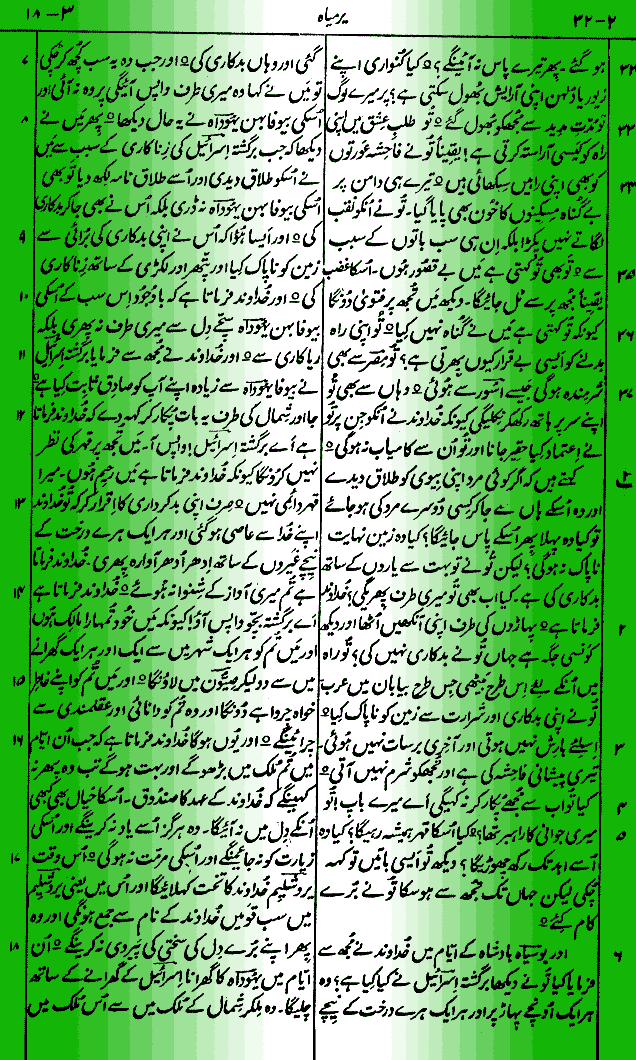
Jeremiah 2:32
Verse: Can a maid forget her ornaments or a bride her attire? yet my people have forgotten me days without number.
English Explanation
God uses the vivid imagery of a young woman or a bride to highlight the unnatural behavior of His people. It is culturally unthinkable for a bride to forget her wedding attire or jewelry on her wedding day because those items represent her identity and joy. Yet, Israel had completely forgotten their Creator—their ultimate beauty and glory—not just for a moment, but for countless days without any remorse.
Urdu Explanation
اُردو تشریح: خداوند یہاں ایک کنواری یا دلہن کی مثال دے کر اپنے لوگوں کے غیر فطری رویے کو ظاہر کرتا ہے۔ کسی دلہن کے لیے یہ ناممکن ہے کہ وہ اپنی شادی کے دن اپنے زیورات یا لباس کو بھول جائے کیونکہ یہ چیزیں اس کی پہچان اور خوشی ہوتی ہیں۔ لیکن بنی اسرائیل اپنے خالق کو (جو ان کا حقیقی جلال ہے) چند دنوں کے لیے نہیں بلکہ لا تعداد دنوں سے بھولے ہوئے ہیں۔
Jeremiah 2:33
Verse: Why trimmest thou thy way to seek love? therefore hast thou also taught the wicked ones thy ways.
English Explanation
Here, Israel is depicted as a wayward individual skillfully planning and adjusting her paths to chase after false, pagan gods and worldly alliances (seeking “love”). They became so proficient in these corrupted ways that they actually outdid and instructed hardened, wicked nations in the art of sin.
Urdu Explanation
اُردو تشریح: یہاں اسرائیل کی تشبیہ ایک ایسی گمراہ عورت سے دی گئی ہے جو باطل معبودوں اور دنیاوی اتحادوں کی محبت حاصل کرنے کے لیے بڑی مہارت سے اپنے راستے سنوارتی ہے۔ وہ گناہ کے کاموں میں اس حد تک ماہر ہو چکے تھے کہ انہوں نے دیگر بدکار قوموں کو بھی گناہ کے طریقے سکھا دیے۔
Jeremiah 2:34
Verse: Also in thy skirts is found the blood of the souls of the poor innocents I have not found it by secret search but upon all these.
English Explanation
The spiritual unfaithfulness of the nation manifested in physical violence and systemic injustice. The leadership and populace were guilty of exploiting and murdering the poor and innocent. God notes that this crime is not hidden in secret; the evidence is glaringly obvious, stained openly upon their clothing (“skirts”) for everyone to see.
Urdu Explanation
اُردو تشریح: قوم کی روحانی بے وفائی نے جسمانی تشدد اور ناانصافی کی شکل اختیار کر لی تھی۔ حکمران اور عام لوگ غریبوں اور بے گناہوں پر ظلم کرنے اور ان کا خون بہانے کے مجرم تھے۔ خدا فرماتا ہے کہ یہ گناہ کسی پوشیدہ جگہ پر نہیں چھپا ہوا بلکہ ان کے دامن پر اس کے واضح داغ ہیں جو سب کو نظر آ رہے ہیں۔
Jeremiah 2:35
Verse: Yet thou sayest Because I am innocent surely his anger shall turn from me. Behold I will plead with thee because thou sayest I have not sinned.
English Explanation
Despite overwhelming evidence of their corruption, the people maintained a delusion of self-righteousness, claiming they were innocent and expecting God’s anger to pass. Because they stubbornly refused to admit their faults and falsely claimed, “I have not sinned,” God promises to bring them to trial and execute judgment.
Urdu Explanation
اُ窥و تشریح: اپنی بدکاری کے واضح ثبوتوں کے باوجود لوگ خود پسندی کے دھوکے میں مبتلا تھے اور دعویٰ کرتے تھے کہ وہ بے گناہ ہیں اور خدا کا غضب ان پر سے ٹل جائے گا۔ چونکہ وہ اپنی غلطیوں کا اعتراف کرنے سے انکار کرتے تھے، اس لیے خدا فرماتا ہے کہ وہ ان کے ساتھ عدالت کرے گا کیونکہ وہ کہتے ہیں کہ انہوں نے گناہ نہیں کیا۔
Jeremiah 2:36
Verse: Why gaddest thou about so much to change thy way? thou also shalt be ashamed of Egypt as thou wast ashamed of Assyria.
English Explanation
God rebukes Israel for constantly running around (“gadding about”) shifting political alliances, looking to foreign empires for protection rather than trusting Him. They had previously looked to Assyria and were deeply disappointed and humiliated; God warns that their new political reliance on Egypt will end in the exact same shame.
Urdu Explanation
اُردو تشریح: خدا اسرائیل کو جھڑکتا ہے کہ وہ خدا پر بھروسہ کرنے کے بجائے تحفظ کے لیے غیر ملکی سلطنتوں کی طرف بھاگتے پھرتے ہیں اور اپنے سیاسی گٹھ جوڑ بدلتے رہتے ہیں۔ ماضی میں انہوں نے اسور (Assyria) پر بھروسہ کیا اور شرمندگی اٹھائی؛ اب خدا خبردار کرتا ہے کہ مصر پر ان کا نیا سیاسی بھروسہ بھی انہیں اسی طرح شرمسار کرے گا۔
Jeremiah 2:37
Verse: Yea thou shalt go forth from him and thine hands upon thine head for the LORD hath rejected thy confidences and thou shalt not prosper in them.
English Explanation
Putting one’s hands on the head was a cultural posture of deep grief, despair, and captivity. God declares that Israel will leave their political allies as shattered captives. Because the Lord has rejected the worldly powers Israel put its confidence in, those alliances will completely fail to bring them security or prosperity.
Urdu Explanation
اُردو تشریح: سر پر ہاتھ رکھنا گہرے غم، مایوسی اور غلامی کی علامت تھا۔ خدا فرماتا ہے کہ اسرائیل اپنے سیاسی اتحادیوں کے پاس سے ایک لاچار قیدی بن کر نکلے گا۔ چونکہ خداوند نے ان دنیاوی طاقتوں کو رد کر دیا ہے جن پر اسرائیل تکیہ کیے ہوئے تھا، اس لیے یہ اتحاد انہیں کبھی خوشحالی یا تحفظ نہیں دے سکیں گے۔
Chapter 3
Jeremiah 3:1
Verse: They say If a man put away his wife and she go from him and become another man’s shall he return unto her again? shall not that land be greatly polluted? but thou hast played the harlot with many lovers yet return again to me saith the LORD.
English Explanation
God references Mosaic law (Deuteronomy 24:1-4), which states that a divorced woman who marries another man cannot return to her first husband, as it would defile the land. Yet, despite Israel behaving like an unfaithful wife with countless spiritual “lovers” (idols), God breaks human expectations by offering incredible grace, inviting them: “yet return again to me.”
Urdu Explanation
اُردو تشریح: خدا شریعتِ موسیٰ کا حوالہ دیتا ہے جس کے مطابق اگر کوئی طلاق یافتہ عورت دوسرے مرد سے شادی کر لے تو وہ اپنے پہلے شوہر کے پاس واپس نہیں آ سکتی کیونکہ اس سے زمین ناپاک ہو جاتی ہے۔ لیکن اس کے باوجود کہ اسرائیل نے بے شمار باطل معبودوں کے ساتھ روحانی بدکاری کی، خدا انسانی سوچ سے بڑھ کر فضل کا مظاہرہ کرتے ہوئے فرماتا ہے: “تو بھی میری طرف واپس لوٹ آ۔”
Jeremiah 3:2
Verse: Lift up thine eyes unto the high places and see where thou hast not been lien with. In the ways hast thou sat for them as the Arabian in the wilderness and thou hast polluted the land with thy whoredoms and with thy wickedness.
English Explanation
The “high places” were the hilltops where pagan fertility rituals took place. God challenges Israel to look around and find a single spiritual site where they haven’t committed idolatry. They waited eagerly for false gods like a nomad/bandit waiting in ambush in the desert, completely defiling the spiritual purity of the Promised Land.
Urdu Explanation
اُردو تشریح: “اونچے مقام” وہ پہاڑیاں تھیں جہاں غیر قوموں کے بتوں کی پوجا کی جاتی تھی۔ خدا اسرائیل کو چیلنج کرتا ہے کہ وہ نظر اٹھا کر دیکھے کہ کون سی ایسی جگہ ہے جہاں انہوں نے بت پرستی نہیں کی۔ وہ باطل معبودوں کے لیے راستوں پر یوں گھات لگا کر بیٹھتے تھے جیسے صحرا میں کوئی عرب ڈاکو بیٹھتا ہے، اور انہوں نے اپنی بدکاری سے اس پاک سرزمین کو ناپاک کر دیا۔
Jeremiah 3:3
Verse: Therefore the showers have been withholden and there hath been no latter rain and thou hadst a whore’s forehead thou refusedst to be ashamed.
English Explanation
In accordance with covenant curses, God withheld the vital spring rains (“latter rain”) to get Israel’s attention through drought. However, instead of humbling themselves, the people developed a “whore’s forehead”—a metaphor for utter stubbornness and a complete refusal to feel shame or guilt for their actions.
Urdu Explanation
اُردو تشریح: عہد کی شرائط کے مطابق، خدا نے اسرائیل کی توجہ حاصل کرنے کے لیے بارشوں (آخری بارش) کو روک دیا تاکہ وہ قحط کے ذریعے توبہ کریں۔ لیکن خاکساری اختیار کرنے کے بجائے لوگوں کی پیشانی ایک بے حیا عورت کی مانند سخت ہو گئی، یعنی انہوں نے اپنے گناہوں پر شرمندہ ہونے سے صاف انکار کر دیا۔
Jeremiah 3:4
Verse: Wilt thou not from this time cry unto me My father thou art the guide of my youth?
English Explanation
God exposes the superficiality of Israel’s prayers. When times get tough, they try to use sentimental words, calling God “My Father” and “the guide of my youth.” God points out that these are empty, manipulative words spoken only to escape trouble, rather than expressions of genuine, deep-hearted repentance.
Urdu Explanation
اُردو تشریح: خدا اسرائیل کی دعاؤں کی سطحیت کو بے نقاب کرتا ہے۔ جب حالات خراب ہوتے ہیں تو وہ خدا کو راضی کرنے کے لیے جذباتی الفاظ استعمال کرتے ہیں جیسے “اے میرے باپ، تو میری جوانی کا رہنما ہے”۔ خدا ظاہر کرتا ہے کہ یہ محض کھوکھلے الفاظ ہیں جو صرف مصیبت سے بچنے کے لیے کہے جا رہے ہیں، ان میں سچی توبہ شامل نہیں ہے۔
Jeremiah 3:5
Verse: Will he reserve his anger for ever? will he keep it to the end? Behold thou hast spoken and done evil things as thou couldest.
English Explanation
The people presumption was that God would eventually just get over His anger. They thought they could talk smoothly to God while simultaneously doing as much evil as they possibly could. Their actions completely contradicted their religious words.
Urdu Explanation
اُردو تشریح: لوگوں کا یہ گمان تھا کہ خدا کا غضب خود بخود ختم ہو جائے گا۔ انہوں نے سوچا کہ وہ ایک طرف خدا سے میٹھی باتیں کریں گے اور دوسری طرف جتنی ہو سکے بدکاری کرتے رہیں گے۔ ان کے اعمال ان کے مذہبی الفاظ کے بالکل برعکس تھے۔
Jeremiah 3:6
Verse: The LORD said also unto me in the days of Josiah the king Hast thou seen that which backsliding Israel hath done? she is gone up upon every high mountain and under every green tree and there hath played the harlot.
English Explanation
Set during King Josiah’s reign, God speaks to Jeremiah regarding the Northern Kingdom of Israel (which had already fallen to Assyria years earlier). Israel’s historical sin was widespread idolatry; they chased after false gods on every mountain and under every green tree (common sites for pagan shrines).
Urdu Explanation
اُردو تشریح: یہ کلام بادشاہ یوسیاہ کے دور کا ہے۔ خدا یرمیاہ سے اسرائیل کی شمالی سلطنت کے بارے میں بات کرتا ہے (جو پہلے ہی اسور کی غلامی میں جا چکی تھی)۔ اسرائیل کا تاریخی گناہ بت پرستی تھا؛ انہوں نے ہر اونچے پہاڑ اور ہر ہرے درخت کے نیچے (جہاں بتوں کے آستانے تھے) جا کر روحانی بدکاری کی۔
Jeremiah 3:7
Verse: And I said after she had done all these things Turn thou unto me. But she returned not. And her treacherous sister Judah saw it.
English Explanation
Even after Israel committed massive spiritual adultery, God extended opportunities for her to return, but she refused. The Southern Kingdom of Judah watched all of this happen—they witnessed Northern Israel’s sin, stubbornness, and eventual judgment—yet they failed to learn the lesson.
Urdu Explanation
اُردو تشریح: اسرائیل کی اس تمام روحانی بدکاری کے بعد بھی خدا نے اسے واپس لوٹنے کا موقع دیا، لیکن اس نے انکار کر دیا۔ یہ سب کچھ یہوداہ کی جنوبی سلطنت دیکھ رہی تھی۔ انہوں نے اسرائیل کا گناہ، اس کی ضد اور اس پر آنے والی عدالت کا مشاہدہ کیا، لیکن پھر بھی کوئی سبق حاصل نہ کیا۔
Jeremiah 3:8
Verse: And I saw when for all the causes whereby backsliding Israel committed adultery I had put her away and given her a bill of divorce yet her treacherous sister Judah feared not but went and played the harlot also.
English Explanation
God explains that Northern Israel’s exile was effectively a divine “bill of divorce” due to her persistent idolatry. Amazingly, seeing her sister nation utterly destroyed and exiled did not cause Judah to fear God. Instead, Judah boldly walked down the exact same path of spiritual unfaithfulness.
Urdu Explanation
اُردو تشریح: خدا وضاحت کرتا ہے کہ شمالی اسرائیل کی جلاوطنی دراصل اس کی مسلسل بت پرستی کی وجہ سے ایک الٰہی “طلاق نامہ” تھا۔ حیران کن بات یہ ہے کہ اپنی بہن (اسرائیل) کی بربادی اور جلاوطنی دیکھ کر بھی یہوداہ کے دل میں خدا کا خوف پیدا نہیں ہوا، بلکہ وہ بھی اسی روحانی بدکاری کی راہ پر چل پڑی۔
Jeremiah 3:9
Verse: And it came to pass through the lightness of her whoredom that she defiled the land and committed adultery with stones and with stocks.
English Explanation
Judah treated her spiritual unfaithfulness very casually (“lightness”), completely unfazed by the severity of sin. She polluted the land by physically bowing down to idols made of stone and wood (“stocks”), treating dead materials as objects of worship.
Urdu Explanation
اُردو تشریح: یہوداہ نے اپنی روحانی بدکاری کو بہت معمولی بات جانا اور گناہ کی سنگینی کا ذرا بھی احساس نہ کیا۔ اس نے پتھر اور لکڑی سے بنے ہوئے بتوں کی پوجا کر کے ملک کو ناپاک کر دیا اور بے جان چیزوں کو معبود بنا لیا۔
Jeremiah 3:10
Verse: And yet for all this her treacherous sister Judah hath not turned unto me with her whole heart but feignedly saith the LORD.
English Explanation
Even when Judah attempted religious reforms (such as those under King Josiah), it was mostly superficial and done for outward appearance (“feignedly”). God looks at the inner reality and notes that their hearts were not genuinely turned toward Him; it was a fake repentance.
Urdu Explanation
اُ窥و تشریح: جب یہوداہ نے مذہبی اصلاحات کی کوشش بھی کی (جیسے بادشاہ یوسیاہ کے دور میں ہوا)، تو وہ زیادہ تر ظاہری اور دکھاوے کی حد تک تھی۔ خدا دل کی حالت کو دیکھتا ہے اور فرماتا ہے کہ وہ سچے دل سے میری طرف نہیں لوٹے بلکہ انہوں نے صرف مکھاری یا دکھاوا کیا۔
Jeremiah 3:11
Verse: And the LORD said unto me The backsliding Israel hath justified herself more than treacherous Judah.
English Explanation
This is a shocking comparative statement. God says that open, backsliding Israel is “more justified” than treacherous Judah. Why? Because Northern Israel was openly sinful, whereas Judah practiced hypocrisy—pretending to be righteous while copying Israel’s sins despite knowing the consequences. Hypocrisy is viewed here as a deeper treachery.
Urdu Explanation
اُردو تشریح: یہ ایک چونکا دینے والا موازنہ ہے۔ خدا فرماتا ہے کہ گمراہ اسرائیل، دغا باز یہوداہ سے زیادہ راستباز ٹھہری۔ کیوں؟ کیونکہ شمالی اسرائیل کھل کر گناہ کر رہا تھا، جبکہ یہوداہ منافقت کر رہی تھی—وہ راستبازی کا ناٹک کر رہی تھی جبکہ انجام کو جانتے ہوئے بھی اسرائیل کے گناہوں کی نقل کر رہی تھی۔ یہاں منافقت کو زیادہ بڑا گناہ قرار دیا گیا ہے۔
Jeremiah 3:12
Verse: Go and proclaim these words toward the north and say Return thou backsliding Israel saith the LORD and I will not cause mine anger to fall upon you for I am merciful saith the LORD and I will not keep anger for ever.
English Explanation
The prophet is told to preach toward the north, where the captives of Israel had been exiled. Despite their historic rebellion, God offers a beautiful message of restoration based entirely on His character: “for I am merciful.” If they return, His anger will not remain upon them forever.
Urdu Explanation
اُردو تشریح: نبی کو حکم دیا گیا ہے کہ وہ شمال کی طرف منہ کر کے منادی کرے جہاں اسرائیل کے قیدی جلاوطن تھے۔ ان کی تاریخی بغاوت کے باوجود، خدا اپنی ذات کی بنیاد پر بحالی کا ایک خوبصورت پیغام دیتا ہے: “کیونکہ میں رحیم ہوں”۔ اگر وہ واپس لوٹیں گے تو اس کا غضب ان پر ہمیشہ نہیں رہے گا۔
Jeremiah 3:13
Verse: Only acknowledge thine iniquity that thou hast transgressed against the LORD thy God and hast scattered thy ways to the strangers under every green tree and ye have not obeyed my voice saith the LORD.
English Explanation
God’s requirement for restoration is simple yet profound: true confession. They must honestly acknowledge their guilt, admit their spiritual adultery with pagan foreigners (“strangers”) under pagan shrines, and recognize that they disobeyed His voice. Healing begins with an unreserved admission of sin.
Urdu Explanation
اُردو تشریح: بحالی کے لیے خدا کی شرط سادہ لیکن گہری ہے: سچا اعتراف۔ انہیں ایمانداری سے اپنے گناہ کا اعتراف کرنا ہوگا کہ انہوں نے خدا کے خلاف گناہ کیا، غیروں کے ساتھ بت پرستی کی، اور خدا کی آواز کو نہ سنا۔ شفا کا آغاز گناہ کے کھل کر اعتراف کرنے سے ہوتا ہے۔
Jeremiah 3:14
Verse: Turn O backsliding children saith the LORD for I am married unto you and I will take you one of a city and two of a family and I will bring you to Zion.
English Explanation
God uses tender covenant language here, identifying Himself as their husband: “for I am married unto you.” He promises a sovereign, personalized gathering of a faithful remnant. Even if only one person from a city or two from an entire clan repent, God will individually rescue them and bring them back home to Zion (Jerusalem).
Urdu Explanation
اُردو تشریح: خدا یہاں محبت بھرا خاندانی اور ازدواجی رشتہ ظاہر کرتے ہوئے فرماتا ہے: “کیونکہ میں تمہارا شوہر ہوں”۔ وہ ایک وفادار باقی ماندہ گروہ کو جمع کرنے کا وعدہ کرتا ہے۔ اگر کسی شہر سے ایک اور کسی کنبے سے دو لوگ بھی توبہ کریں گے، تو خدا ان کو انفرادی طور پر بچا کر صیون (یروشلم) واپس لائے گا۔
Jeremiah 3:15
Verse: And I will give you pastors according to mine heart which shall feed you with knowledge and understanding.
English Explanation
Instead of corrupt, self-serving political and religious leaders who led the nation to ruin, God promises a future blessing of spiritual leaders (“pastors” or shepherds) who share His own heart. These leaders will care for the flock by nourishing them with true knowledge and godly wisdom.
Urdu Explanation
اُردو تشریح: ان بدعنوان اور خود غرض لیڈروں کے برعکس جنہوں نے قوم کو تباہ کیا، خدا مستقبل میں ایسے چرواہے (راہنما) دینے کا وعدہ کرتا ہے جو خدا کے اپنے دل کے مطابق ہوں گے۔ یہ رہنما خدا کے لوگوں کی حقیقی علم اور حکمت کے ساتھ پرورش کریں گے۔
Jeremiah 3:16
Verse: And it shall come to pass when ye be multiplied and increased in the land in those days saith the LORD they shall say no more The ark of the covenant of the LORD neither shall it come to mind neither shall they remember it neither shall they visit it neither shall that be done any more.
English Explanation
This is a monumental prophecy looking forward to the New Covenant era. The Ark of the Covenant was the absolute center of Old Testament worship, representing God’s localized presence. Jeremiah prophesies a time when God’s presence will be so universally available and internal that the physical Ark will not even be missed, remembered, or rebuilt.
Urdu Explanation
اُردو تشریح: یہ ایک عظیم الشان پیشین گوئی ہے جو نئے عہد کے دور کی طرف اشارہ کرتی ہے۔ پرانے عہد نامے میں “عہد کا صندوق” عبادت کا مرکز تھا جو خدا کی حضوری کو ظاہر کرتا تھا۔ یرمیاہ ایک ایسے وقت کی پیشین گوئی کرتا ہے جب خدا کی حضوری اتنی عام اور اندرونی ہوگی کہ ظاہری صندوق کی نہ تو یاد آئے گی اور نہ ہی اسے دوبارہ بنانے کی ضرورت پڑے گی۔
Jeremiah 3:17
Verse: At that time they shall call Jerusalem the throne of the LORD and all the nations shall be gathered unto it to the name of the LORD to Jerusalem neither shall they walk any more after the imagination of their evil heart.
English Explanation
In this prophetic future, the entire city of Jerusalem will be known as God’s throne, symbolizing His direct rule over His people. Furthermore, the gospel blessing will expand beyond Israel to include all Gentiles (“all the nations”), who will abandon their stubborn, evil inclinations to worship the true Lord.
Urdu Explanation
اُردو تشریح: مستقبل کی اس پیشین گوئی میں پورا یروشلم شہر خدا کا تخت کہلائے گا، جو اس کی براہ راست بادشاہی کو ظاہر کرتا ہے۔ مزید یہ کہ برکت صرف اسرائیل تک محدود نہیں رہے گی بلکہ تمام غیر قومیں اس میں شامل ہوں گی اور اپنے برے دل کے خیالات کو چھوڑ کر سچے خدا کی عبادت کے لیے جمع ہوں گی۔
Jeremiah 3:18
Verse: In those days the house of Judah shall walk with the house of Israel and they shall come together out of the land of the north to the land that I have given for an inheritance unto your fathers.
Explanation
This final verse envisions the ultimate reconciliation of God’s fractured people. The long-standing, historic division between the Northern Kingdom (Israel) and Southern Kingdom (Judah) will be permanently healed. United in heart, they will return together from exile to inherit the land promised centuries before to Abraham, Isaac, and Jacob.
Urdu Explanation
اُردو تشریح: یہ آخری آیت خدا کے لوگوں کے درمیان حتمی ملاپ کو ظاہر کرتی ہے۔ شمالی سلطنت (اسرائیل) اور جنوبی سلطنت (یہوداہ) کے درمیان جو پرانی تاریخی تقسیم چلی آ رہی تھی، وہ ہمیشہ کے لیے ختم ہو جائے گی۔ وہ متحد ہو کر جلاوطنی سے واپس لوٹیں گے اور اسی سرزمین کے وارث بنیں گے جو صدیوں پہلے ان کے باپ دادا (ابراہام، اضحاق اور یعقوب) سے وعدہ کی گئی تھی۔