Verse-by-Verse Commentary and Explanation
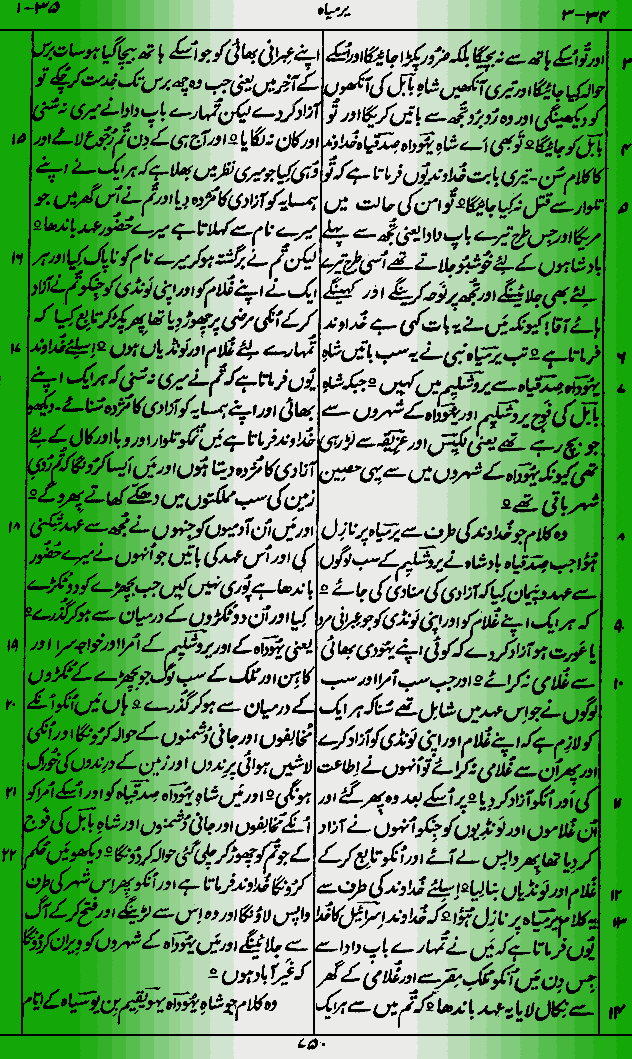
Jeremiah 34:3
Verse (Cleaned text):
And thou shalt not escape out of his hand but shalt surely be taken and delivered into his hand and thine eyes shall behold the eyes of the king of Babylon and he shall speak with thee mouth to mouth and thou shalt go to Babylon
English Explanation
This verse is a direct, sobering prophecy directed at King Zedekiah of Judah by the prophet Jeremiah. God declares that escape from the incoming Babylonian army is completely impossible. Zedekiah will be captured and physically brought before King Nebuchadnezzar. The phrase “thine eyes shall behold the eyes of the king of Babylon” carries a heavy, ironic weight; historically, shortly after this face-to-face confrontation, Nebuchadnezzar blinded Zedekiah. It serves as a stark reminder that running from God’s ordained consequences for sin and political rebellion is futile.
Urdu Explanation (تفصیلی وضاحت)
یہ آیت یہوداہ کے بادشاہ صدقیاہ کے لیے یرمیاہ نبی کے ذریعے ایک سخت اور واضح پیشن گوئی ہے۔ خدا فرماتا ہے کہ بابل کی فوج سے بچ نکلنا اب بالکل ناممکن ہے۔ صدقیاہ کو قید کر کے بابل کے بادشاہ نبوکدنضر کے سامنے پیش کیا جائے گا۔ “تیری آنکھیں بابل کے بادشاہ کی آنکھوں کو دیکھیں گی” کا جملہ تاریخی طور پر ایک گہرا اور دردناک پس منظر رکھتا ہے، کیونکہ اس آمنے سامنے کی ملاقات کے فوراً بعد نبوکدنضر نے صدقیاہ کو اندھا کر دیا تھا۔ یہ آیت یہ سکھاتی ہے کہ خدا کی نافرمانی اور گناہ کے عبرتناک انجام سے بھاگنا ناممکن ہے۔
Jeremiah 34:4
Verse (Cleaned text):
Yet hear the word of the LORD O Zedekiah king of Judah Thus saith the LORD of thee Thou shalt not die by the sword
English Explanation
Even in the midst of harsh judgment, God extends a measure of mercy to King Zedekiah. He is commanded to listen to the divine decree: he will not suffer a violent, bloody death on the battlefield or via immediate execution by the sword. This highlights God’s sovereignty over the exact manner of human destiny, showing that even captives remain under His specific decrees.
Urdu Explanation (تفصیلی وضاحت)
شدید ترین عدالت اور سزا کے اعلان کے باوجود، خدا یہاں بادشاہ صدقیاہ پر ایک حد تک رحم کا مظاہرہ کرتا ہے۔ اسے حکم دیا جاتا ہے کہ وہ خدا کا کلام سنے: وہ جنگ کے میدان میں تلوار سے یا فوری قتل کے ذریعے نہیں مارا جائے گا۔ یہ آیت ظاہر کرتی ہے کہ انسان کی زندگی اور موت کے طریقے پر صرف اور صرف خدا کا اختیار ہے، اور قید و بند کی حالت میں بھی حالات خدا کے قابو سے باہر نہیں ہوتے۔
Jeremiah 34:5
Verse (Cleaned text):
But thou shalt die in peace and with the burnings of thy fathers the former kings which were before thee so shall they burn odours for thee and they will lament thee saying Ah lord for I have pronounced the word saith the LORD
English Explanation
God promises Zedekiah that he will die a natural death (“in peace”) while in exile, rather than being executed. Furthermore, despite losing his kingdom, he will receive an honorable royal funeral similar to his ancestors, complete with the traditional burning of spices and formal mourning. God seals this promise with His absolute authority (“for I have pronounced the word”).
Urdu Explanation (تفصیلی وضاحت)
خدا صدقیاہ سے وعدہ کرتا ہے کہ وہ جلاوطنی کے دوران ایک قدرتی موت مرے گا (“سلامتی کے ساتھ مرے گا”) نہ کہ اسے قتل کیا جائے گا۔ مزید یہ کہ، اپنی بادشاہت کھو دینے کے باوجود، اسے اپنے آباؤ اجداد کی طرح ایک شاہی جنازے کی عزت دی جائے گی، جس میں خوشبوئیں جلائی جائیں گی اور روایتی طور پر ماتم کیا جائے گا۔ خدا اپنے مطلق اختیار کے ساتھ اس وعدے پر مہر لگاتا ہے کہ “یہ میرا ہی فرمایا ہوا کلام ہے”۔
Jeremiah 34:6
Verse (Cleaned text):
Then Jeremiah the prophet spake all these words unto Zedekiah king of Judah in Jerusalem
English Explanation
This verse records the faithfulness of Jeremiah as a prophet. Delivering a message of captivity and national defeat to a reigning monarch in the capital city of Jerusalem required immense spiritual courage. Jeremiah did not alter or soften God’s words to please the king.
Urdu Explanation (تفصیلی وضاحت)
یہ آیت یرمیاہ نبی کی وفاداری اور دلیری کو ظاہر کرتی ہے۔ یروشلم جیسے دارالحکومت میں موجودہ بادشاہ کے سامنے جلاوطنی اور شکست کا پیغام پہنچانا ایک انتہائی مشکل کام تھا جس کے لیے بے پناہ ایمانداری اور شجاعت کی ضرورت تھی۔ یرمیاہ نے بادشاہ کو خوش کرنے کے لیے خدا کے کلام میں کوئی تبدیلی یا نرمی نہیں کی۔
Jeremiah 34:7
Verse (Cleaned text):
When the king of Babylon’s army fought against Jerusalem and against all the cities of Judah that were left against Lachish and against Azekah for these defenced cities remained of the cities of Judah
English Explanation
This verse establishes the historical setting. The Babylonian siege was already underway. Only Jerusalem and two other heavily fortified cities, Lachish and Azekah, were left standing against the Babylonian onslaught. This grim reality underscored the urgency and accuracy of Jeremiah’s prophetic warnings.
Urdu Explanation (تفصیلی وضاحت)
یہ آیت اس دور کے تاریخی حالات کو واضح کرتی ہے۔ بابل کی فوج کا محاصرہ شروع ہو چکا تھا اور یہوداہ کے مضبوط شہروں میں سے صرف یروشلم، لکیس اور عزیقہ ہی باقی رہ گئے تھے جو بابل کے حملے کا مقابلہ کر رہے تھے۔ یہ سنگین صورتحال اس بات کا ثبوت تھی کہ یرمیاہ کی پیش گوئیاں کتنی سچی اور وقت کی ضرورت تھیں۔
Jeremiah 34:8
Verse (Cleaned text):
This is the word that came unto Jeremiah from the LORD after that the king Zedekiah had made a covenant with all the people which were at Jerusalem to proclaim liberty unto them
English Explanation
The narrative shifts to expose the moral failure of Judah’s leadership. Under the pressure of the Babylonian siege, King Zedekiah made a formal covenant with the citizens of Jerusalem to proclaim “liberty” to their servants, attempting to align outwardly with God’s law during a time of crisis.
Urdu Explanation (تفصیلی وضاحت)
یہاں سے کلام کا رخ یہوداہ کے رہنماؤں کی اخلاقی گراوٹ کو ظاہر کرتا ہے۔ بابل کے محاصرے کے دباؤ میں آکر، بادشاہ صدقیاہ نے یروشلم کے لوگوں کے ساتھ ایک باقاعدہ عہد کیا کہ وہ اپنے غلاموں کو “آزادی” دیں گے، تاکہ وہ بحران کے وقت خدا کی شریعت کے مطابق نظر آ سکیں۔
Jeremiah 34:9
Verse (Cleaned text):
That every man should let his manservant and every man his maidservant being an Hebrew or an Hebrewess go free that none should serve himself of them to wit of a Jew his brother
English Explanation
According to the Mosaic Law (Exodus 21, Deuteronomy 15), Hebrew servants were to be released after six years of service. This covenant aimed to enforce that forgotten law, ensuring that no Jewish person kept their fellow brother or sister in lifelong bondage.
Urdu Explanation (تفصیلی وضاحت)
موسیٰ کی شریعت (خروج 21، استثنا 15) کے مطابق، عبرانی غلاموں کو چھ سال کی خدمت کے بعد آزاد کرنا لازمی تھا۔ اس عہد کا مقصد اسی بھلائے ہوئے قانون پر عمل درآمد کرنا تھا تاکہ کوئی بھی یہودی اپنے ہی کسی بھائی یا بہن کو عمر بھر غلامی میں نہ رکھے۔
Jeremiah 34:10
Verse (Cleaned text):
Now when all the princes and all the people which had entered into the covenant heard that every one should let his manservant and every one his maidservant go free that none should serve themselves of them any more then they obeyed and let them go
English Explanation
Initially, the princes and the wealthy citizens complied with the covenant. Out of fear of the surrounding enemy and the desire for divine intervention, they formally released their male and female Hebrew servants.
Urdu Explanation (تفصیلی وضاحت)
شروع میں، امراء اور امیر شہریوں نے اس عہد کی پاسداری کی۔ دشمن کے خوف اور خدا کی مدد حاصل کرنے کی خواہش کے تحت، انہوں نے عارضی طور پر اپنے عبرانی غلاموں اور لونڈیوں کو آزاد کر دیا۔
Jeremiah 34:11
Verse (Cleaned text):
But afterward they turned and caused the servants and the handmaids whom they had let go free to return and brought them into subjection for servants and for handmaids
English Explanation
This verse highlights human deceitfulness. Once the immediate military pressure was temporarily relieved (historically, when the Egyptian army advanced and the Babylonians temporarily lifted the siege), the wealthy elite broke their holy vow, recaptured their freed servants, and forced them back into slavery.
Urdu Explanation (تفصیلی وضاحت)
یہ آیت انسان کی مکاری اور بدلتی نیت کو ظاہر کرتی ہے۔ جیسے ہی بابل کا عارضی دباؤ کم ہوا (جب مصری فوج کی آمد کی وجہ سے بابلیوں نے کچھ دیر کے لیے محاصرہ اٹھا لیا)، امیروں نے اپنا پاک عہد توڑ دیا اور آزاد کیے گئے غلاموں کو دوبارہ زبردستی اپنی غلامی میں لے آئے۔
Jeremiah 34:12
Verse (Cleaned text):
Therefore the word of the LORD came to Jeremiah from the LORD saying
English Explanation
Because of this blatant betrayal, hypocrisy, and exploitation of the poor, God directly intervenes again by sending a fresh word of judgment through Jeremiah.
Urdu Explanation (تفصیلی وضاحت)
اس کھلی عہد شکنی، منافقت اور غریبوں کے استحصال کی وجہ سے، خدا کا غضب بھڑک اٹھا اور اس نے یرمیاہ نبی کے ذریعے دوبارہ اپنا کلام نازل فرمایا۔
Jeremiah 34:13
Verse (Cleaned text):
Thus saith the LORD the God of Israel I made a covenant with your fathers in the day that I brought them forth out of the land of Egypt out of the house of bondmen saying
English Explanation
God reminds the people of their roots. He reminds them that Israel’s entire identity is based on being delivered from slavery in Egypt. Because God graciously freed them from the “house of bondmen,” they were expected to treat their own brethren with the same liberating grace.
Urdu Explanation (تفصیلی وضاحت)
خدا بنی اسرائیل کو ان کی اصل یاد دلاتا ہے کہ ان کی پوری تاریخ اور پہچان مصر کی غلامی سے آزادی پر مبنی ہے۔ چونکہ خدا نے انہیں فضل کر کے غلامی کے گھر سے نکالا تھا، اس لیے ان سے یہ توقع تھی کہ وہ اپنے بھائیوں کے ساتھ بھی اسی رحم اور آزادی کا سلوک کریں۔
Jeremiah 34:14
Verse (Cleaned text):
At the end of seven years let ye go every man his brother an Hebrew which hath been sold unto thee and when he hath served thee six years thou shalt let him go free from thee but your fathers hearkened not unto me neither inclined their ear
English Explanation
God quotes the original command regarding the Sabbatical release of servants. He points out a generational pattern of rebellion: their ancestors had already failed to listen to this law, establishing a long history of systemic disobedience.
Urdu Explanation (تفصیلی وضاحت)
خدا شریعت کے اس اصل حکم کا ذکر کرتا ہے جس کے تحت غلاموں کو ساتویں سال آزاد کرنا تھا۔ وہ ان کے آباؤ اجداد کی نافرمانی کا ذکر کرتے ہوئے فرماتا ہے کہ انہوں نے بھی اس قانون پر کان نہ دھرا، جس سے معلوم ہوتا ہے کہ ان میں نافرمانی کی جڑیں کتنی پرانی تھیں۔
Jeremiah 34:15
Verse (Cleaned text):
And ye were now turned and had done right in my sight in proclaiming liberty every man to his neighbour and ye had made a covenant before me in the house which is called by my name
English Explanation
God acknowledges that the current generation had briefly repented and done what was right by making a covenant in His Temple. This made their subsequent betrayal even worse because it was done after a formal, holy vow in God’s presence.
Urdu Explanation (تفصیلی وضاحت)
خدا اس بات کو تسلیم کرتا ہے کہ موجودہ نسل نے کچھ دیر کے لیے توبہ کی تھی اور ہیکل میں عہد کر کے اچھا کام کیا تھا۔ لیکن ان کا بعد میں مکر جانا اس لیے زیادہ بھیانک گناہ بن گیا کیونکہ انہوں نے خدا کے حضور باقاعدہ قسم کھانے کے بعد عہد شکنی کی تھی۔
Jeremiah 34:16
Verse (Cleaned text):
But ye turned and polluted my name and caused every man his servant and every man his handmaid whom ye had set at liberty at their pleasure to return and brought them into subjection to be unto you for servants and for handmaids
English Explanation
By reversing their decision, the people “polluted” or profaned God’s holy name. Breaking a covenant made in His Temple made God look like a partner to their lies. They treated their fellow human beings like property, revoking the liberty they had legally granted.
Urdu Explanation (تفصیلی وضاحت)
اپنے فیصلے سے مکر جانے کے باعث ان لوگوں نے خدا کے پاک نام کی بے حرمتی کی اور اسے “ناپاک” کیا۔ خدا کے گھر میں کھائی گئی قسم کو توڑنے سے انہوں نے دنیا کو یہ تاثر دیا جیسے خدا ان کے جھوٹ میں شریک ہو۔ انہوں نے انسانوں کو دوبارہ مالِ غنیمت کی طرح استعمال کیا اور ان کی آزادی چھین لی۔
Jeremiah 34:17
Verse (Cleaned text):
Therefore thus saith the LORD Ye have not hearkened unto me in proclaiming liberty every one to his brother and every man to his neighbour behold I proclaim a liberty for you saith the LORD to the sword to the pestilence and to the famine and I will make you to be removed into all the kingdoms of the earth
English Explanation
In a terrifying display of divine irony, God proclaims a unique kind of “liberty” for the covenant-breakers. Since they refused to grant liberty to their brothers, God grants them “liberty” to be destroyed by war (the sword), disease (pestilence), and starvation (famine). They will become an object of horror among all kingdoms.
Urdu Explanation (تفصیلی وضاحت)
خدا یہاں ایک عبرتناک اور غضبناک جملہ استعمال کرتا ہے۔ وہ فرماتا ہے کہ چونکہ تم نے اپنے بھائیوں کو آزادی نہیں دی، اس لیے اب میں تمہارے لیے ایک خاص قسم کی “آزادی” کا اعلان کرتا ہوں: یعنی تمہیں تلوار (جنگ)، وبا اور قحط کے حوالے کرنے کی آزادی۔ وہ دنیا کی تمام سلطنتوں کے لیے عبرت کا نشان بن جائیں گے۔
Jeremiah 34:18
Verse (Cleaned text):
And I will give the men that have transgressed my covenant which have not performed the words of the covenant which they had made before me when they cut the calf in twain and passed between the parts thereof
English Explanation
This refers to an ancient Near Eastern covenant ritual where an animal was cut in half, and the covenanting parties walked between the pieces. This act symbolized: “May it be done to me as it was done to this animal if I break this promise.” God holds them strictly to the gruesome terms of their own self-imprecating oath.
Urdu Explanation (تفصیلی وضاحت)
یہ آیت قدیم دور کے ایک رسمی عہد کی طرف اشارہ کرتی ہے جہاں بچھڑے کے دو ٹکڑے کیے جاتے تھے اور عہد کرنے والے ان ٹکڑوں کے درمیان سے گزرتے تھے۔ اس کا مطلب یہ ہوتا تھا کہ “اگر میں یہ عہد توڑوں تو میرا حشر بھی اس جانور جیسا ہو”۔ خدا انہیں اب اسی عبرتناک انجام کی یاد دلا رہا ہے جس کی انہوں نے خود قسم کھائی تھی۔
Jeremiah 34:19
Verse (Cleaned text):
The princes of Judah and the princes of Jerusalem the eunuchs and the priests and all the people of the land which passed between the parts of the calf
English Explanation
God identifies the guilty parties specifically, ensuring no one escapes responsibility. From the highest political leaders (princes) and spiritual guides (priests) to the ordinary citizens—everyone who participated in the fake covenant ritual will face the identical judgment.
Urdu Explanation (تفصیلی وضاحت)
خدا یہاں مجرموں کی نشاندہی کرتا ہے تاکہ کوئی بھی سزا سے بچ نہ سکے۔ اعلیٰ سیاسی رہنماؤں (امراء)، شاہی ملازمین، اور کاہنوں (مذہبی پیشواؤں) سے لے کر عام عوام تک—ہر وہ شخص جس نے اس جھوٹے عہد میں حصہ لیا تھا، اب سزا کا حقدار ہے۔
Jeremiah 34:20
Verse (Cleaned text):
I will even give them into the hand of their enemies and into the hand of them that seek their life and their dead bodies shall be for meat unto the fowls of the heaven and to the beasts of the earth
English Explanation
The punishment matches the ancient covenant curse. Because they treated the covenant like dead matter, they themselves will die violently. Their bodies will not receive an honorable burial, but will instead be abandoned to scavengers—birds and wild beasts.
Urdu Explanation (تفصیلی وضاحت)
یہ سزا اس قدیم عہد کی لعنت کے عین مطابق ہے۔ چونکہ انہوں نے اپنے وعدے کو پامال کیا، اس لیے وہ خود دشمن کے ہاتھوں ہلاک ہوں گے۔ ان کی لاشوں کو دفن نصیب نہیں ہوگا بلکہ انہیں کھلے آسمان تلے پرندوں اور جنگلی درندوں کی خوراک بننے کے لیے چھوڑ دیا جائے گا۔
Jeremiah 34:21
Verse (Cleaned text):
And Zedekiah king of Judah and his princes will I give into the hand of their enemies and into the hand of them that seek their life and into the hand of the king of Babylon’s army which are gone up from you
English Explanation
The Babylonian army had temporarily withdrawn from Jerusalem to face the Egyptians. The elites thought they were safe. However, God promises that the invading army will return, and neither King Zedekiah nor his leadership team will escape their grasp.
Urdu Explanation (تفصیلی وضاحت)
بابل کی فوج عارضی طور پر مصریوں کا مقابلہ کرنے کے لیے پیچھے ہٹ گئی تھی، جس پر یہوداہ کے امراء سمجھے کہ وہ بچ گئے ہیں۔ لیکن خدا فرماتا ہے کہ وہ حملہ آور فوج دوبارہ واپس آئے گی اور نہ ہی بادشاہ صدقیاہ اور نہ ہی اس کے درباری ان کے چنگل سے بچ پائیں گے۔
Jeremiah 34:22
Verse (Cleaned text):
Behold I will command saith the LORD and cause them to return to this city and they shall fight against it and take it and burn it with fire and I will make the cities of Judah a desolation without an inhabitant
English Explanation
God reveals that He is the supreme strategist behind geopolitical movements. He will command the Babylonian army to return to Jerusalem. They will conquer it, burn it to the ground, and turn the thriving towns of Judah into an empty, unpopulated wasteland.
Urdu Explanation (تفصیلی وضاحت)
خدا ظاہر کرتا ہے کہ دنیا کی تمام فوجوں اور سلطنتوں کی نقل و حرکت کے پیچھے اصل حکم اسی کا ہوتا ہے۔ وہ بابل کی فوج کو واپس آنے کا حکم دے گا، وہ شہر پر غالب آئیں گے، اسے آگ لگا دیں گے، اور یہوداہ کے تمام اباد شہروں کو ایسا ویران کر دیں گے کہ وہاں کوئی رہنے والا باقی نہ رہے گا۔
Jeremiah 35:1
Verse (Cleaned text):
The word which came unto Jeremiah from the LORD in the days of Jehoiakim the son of Josiah king of Judah saying
English Explanation
This verse marks a chronological shift back in time to the reign of King Jehoiakim (who ruled before King Zedekiah). God introduces a new message to highlight Judah’s disobedience by contrasting them with the Rechabites, a group famous for their absolute obedience to their ancestor’s commands. It sets up a moral comparison to shame Judah’s faithlessness.
Urdu Explanation (تفصیلی وضاحت)
یہ آیت تاریخ میں تھوڑا پیچھے لے جاتی ہے، یعنی بادشاہ یہویقیم کے دور میں (جو صدقیاہ سے پہلے بادشاہ تھا)۔ یہاں سے خدا ایک نئی مثال پیش کرتا ہے جہاں وہ ریکابیوں (Rechabites) کی وفاداری کا مقابلہ یہوداہ کی نافرمانی سے کرتا ہے۔ ریکابی اپنے آباؤ اجداد کے احکام کے پکے تھے، جبکہ یہوداہ اپنے زندہ خدا کے احکام کو بار بار توڑتا تھا۔ یہ آیت ایک اخلاقی موازنہ شروع کرتی ہے تاکہ یہوداہ کو ان کی بے وفائی پر شرمندہ کیا جا سکے۔