Verse-by-Verse Commentary & Explanation
Jeremiah 35:2
Verse: Go unto the house of the Rechabites and speak unto them and bring them into the house of the LORD into one of the chambers and give them wine to drink
English Explanation
God instructs Jeremiah to act out a living parable. He is told to invite the Rechabites—a nomadic community known for their strict, traditional lifestyle—into a public chamber of the Holy Temple and offer them wine. This wasn’t an attempt to make them sin, but rather a divine test to demonstrate their unshakable loyalty to their ancestral vows, which would later serve as a sharp rebuke to the unfaithful people of Judah.
Urdu Explanation
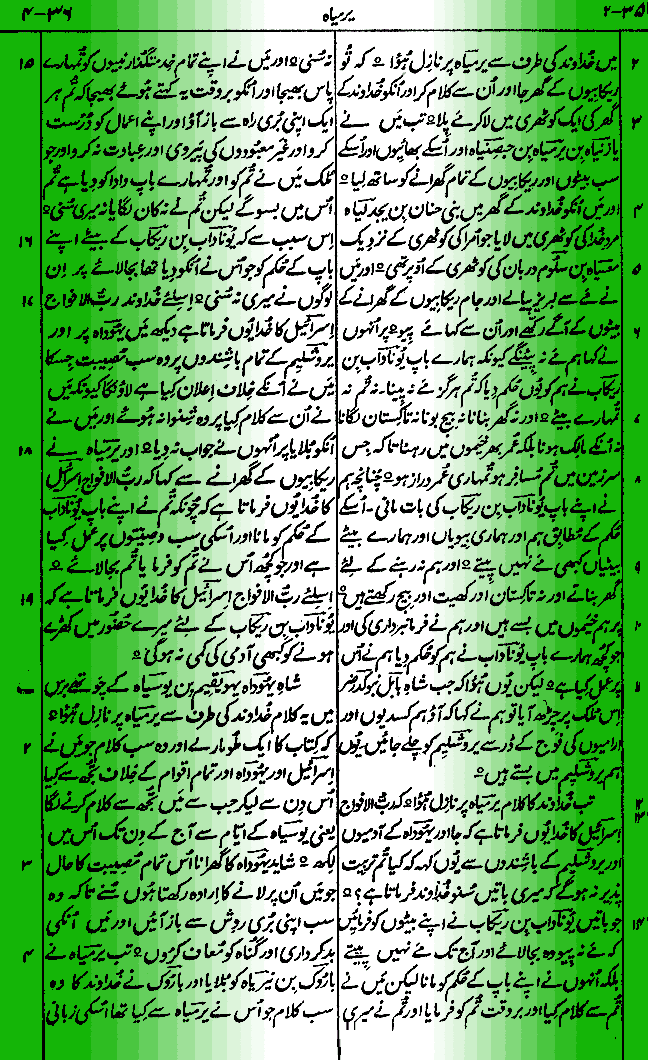
اردو تشریح: یہاں خدا یرمیاہ نبی کو ایک عملی مثال قائم کرنے کا حکم دیتا ہے۔ انہیں ہدایت دی گئی کہ وہ رَکابیوں کے خاندان کو (جو اپنے خاص روایتی اور سخت طرزِ زندگی کی وجہ سے جانے جاتے تھے) ہیکل کے ایک کمرے میں لائیں اور انہیں شراب پینے کے لیے دیں۔ یہ کوئی گناہ کی ترغیب نہیں تھی بلکہ ایک الٰہی امتحان تھا تاکہ ان کی اپنے آباؤ اجداد کے عہد کے ساتھ وفاداری کو ظاہر کیا جائے، جو کہ بعد میں یہوداہ کی نافرمان قوم کے لیے ایک بڑی ملامت بننے والا تھا۔
Jeremiah 35:3
Verse: Then I took Jaazaniah the son of Jeremiah the son of Habaziniah and his brethren and all his sons and the whole house of the Rechabites
English Explanation
Jeremiah obeys the divine command promptly. He gathers the leadership and the entire community of the Rechabites present in the city, including their leader Jaazaniah. By bringing the whole clan together, the test becomes an official, public demonstration rather than a private encounter.
Urdu Explanation
اردو تشریح: یرمیاہ نبی نے فوراً خدا کے حکم کی تعمیل کی۔ انہوں نے رَکابیوں کے رہنما یازنیاہ اور ان کے تمام بھائیوں، بیٹوں اور پورے خاندان کو اکٹھا کیا۔ سب کو ایک ساتھ لانے کا مقصد یہ تھا کہ یہ عمل ایک نجی معاملہ نہ رہے بلکہ پوری قوم کے سامنے ایک باقاعدہ اور عوامی گواہی بن جائے۔
Jeremiah 35:4
Verse: And I brought them into the house of the LORD into the chamber of the sons of Hanan the son of Igdaliah a man of God which was by the chamber of the princes which was above the chamber of Maaseiah the son of Shallum the keeper of the door
English Explanation
The details of the location emphasize the significance of the event. Jeremiah brings them to a prominent chamber within the Temple complex, associated with influential spiritual leaders (“a man of God”) and royal officials (“chamber of the princes”). The mention of the doorkeeper underscores that this meeting was highly visible to the Temple authorities.
Urdu Explanation
اردو تشریح: اس آیت میں جگہ کی تفصیل اس واقعے کی اہمیت کو ظاہر کرتی ہے۔ یرمیاہ انہیں ہیکل کے ایک ایسے نمایاں کمرے میں لے گئے جو روحانی رہنماؤں اور شاہی عہدیداروں کے حجروں کے قریب تھا۔ ہیکل کے دربانی کا ذکر یہ ظاہر کرتا ہے کہ یہ ملاقات ہیکل کی اعلیٰ انتظامیہ اور تمام لوگوں کی نظروں کے سامنے ہو رہی تھی۔
Jeremiah 35:5
Verse: And I set before the sons of the house of the Rechabites pots full of wine and cups and I said unto them Drink ye wine
English Explanation
Jeremiah sets out large pitchers of wine and cups, openly inviting them to drink. This creates a moment of direct testing. The pressure to drink was immense, not only because it was offered by a recognized prophet of God, but also because it took place inside the holy Temple itself.
Urdu Explanation
اردو تشریح: یرمیاہ نے رَکابیوں کے سامنے شراب سے بھرے مٹکے اور پیالے رکھ دیے اور انہیں پینے کی دعوت دی۔ یہ ان کے لیے ایک براہِ راست امتحان کا لمحہ تھا۔ ان پر پینے کے لیے ایک بڑا اخلاقی دباؤ تھا، کیونکہ یہ دعوت خدا کے ایک مانے ہوئے نبی کی طرف سے اور خود مقدس ہیکل کے اندر دی جا رہی تھی۔
Jeremiah 35:6
Verse: But they said We will drink no wine for Jonadab the son of Rechab our father commanded us saying Ye shall drink no wine neither ye nor your sons for ever
English Explanation
The Rechabites immediately and respectfully decline. They cite the commandment of their ancestor Jonadab (Jonadab had lived nearly 250 years prior). Their loyalty to a centuries-old human commandment is steadfast; they refuse to compromise on the principles passed down through generations.
Urdu Explanation
اردو تشریح: رَکابیوں نے فوری اور انتہائی احترام کے ساتھ شراب پینے سے انکار کر دیا۔ انہوں نے اپنے بزرگ یوناداب کے حکم کا حوالہ دیا (جو ان سے تقریباً ڈھائی سو سال پہلے گزر چکے تھے)۔ ایک انسان کے صدیوں پرانے حکم کے لیے ان کی یہ وفاداری غیر متزلزل تھی، اور انہوں نے نسل در نسل منتقل ہونے والے اصولوں پر سمجھوتہ کرنے سے صاف انکار کر دیا۔
Jeremiah 35:7
Verse: Neither shall ye build house nor sow seed nor plant vineyard nor have any but all your days ye shall dwell in tents that ye may live many days in the land where ye be strangers
English Explanation
This verse details the nomadic life rules established by Jonadab. To preserve their distinct identity and remain free from the corrupting cultural influences of Canaanite society, they were forbidden from building permanent houses, farming, or planting vineyards. They were to live as nomadic pilgrims in tents.
Urdu Explanation
اردو تشریح: اس آیت میں ان قوانین کی تفصیل ہے جو یوناداب نے اپنے خاندان کے لیے طے کیے تھے۔ اپنی منفرد پہچان برقرار رکھنے اور اردگرد کے معاشرے کے بگاڑ سے بچنے کے لیے، انہیں مستقل مکانات بنانے، کھیتی باڑی کرنے یا انگور کے باغ لگانے سے منع کیا گیا تھا۔ انہیں ہمیشہ خیموں میں مسافروں کی طرح رہنا تھا۔
Jeremiah 35:8
Verse: Thus have we obeyed the voice of Jonadab the son of Rechab our father in all that he hath charged us to drink no wine all our days we our wives our sons nor our daughters
English Explanation
The Rechabites confidently state their record of complete obedience. This lifestyle was not followed partially; it was fully embraced by the entire community—men, women, and children—for generations. They protected their commitment as a collective family unit.
Urdu Explanation
اردو تشریح: رَکابیوں نے پورے یقین کے ساتھ اپنی کامل فرمانبرداری کا اقرار کیا۔ یہ طرزِ زندگی ادھورا نہیں تھا، بلکہ ان کے پورے خاندان—مردوں، عورتوں اور بچوں—نے نسلوں سے اسے دل سے اپنایا ہوا تھا۔ انہوں نے ایک خاندان کے طور پر مل کر اس عہد کی حفاظت کی تھی۔
Jeremiah 35:9
Verse: Nor to build houses for us to dwell in neither have we vineyard nor field nor seed
English Explanation
They reiterate their refusal to accumulate permanent, material possessions. By avoiding fields, vineyards, and real estate, they deliberately chose a life of simplicity and dependence, avoiding the temptations of wealth and luxury that had driven the rest of Israel away from God.
Urdu Explanation
اردو تشریح: وہ دوبارہ اس بات کا اعادہ کرتے ہیں کہ انہوں نے کبھی مستقل جائیداد یا مادی چیزیں جمع نہیں کیں۔ کھیتوں، باغوں اور مکانات سے دور رہ کر، انہوں نے جان بوجھ کر سادگی کی زندگی چنی، تاکہ وہ ان دنیاوی آسائشوں اور لالچ سے بچ سکیں جنہوں نے باقی بنی اسرائیل کو خدا سے دور کر دیا تھا۔
Jeremiah 35:10
Verse: But we have dwelt in tents and have obeyed and done according to all that Jonadab our father commanded us
English Explanation
Summing up their history, they confirm that they have successfully lived in tents and adhered to every instruction left by Jonadab. Their lifestyle stood as a living monument of discipline, honoring their earthly father with absolute devotion.
Urdu Explanation
اردو تشریح: اپنی تاریخ کا خلاصہ کرتے ہوئے، وہ تصدیق کرتے ہیں کہ وہ خیموں میں ہی آباد رہے اور یوناداب کے ہر حکم پر سختی سے عمل کیا۔ ان کا یہ طرزِ زندگی نظم و ضبط کا ایک زندہ نمونہ تھا، جس میں انہوں نے اپنے دنیاوی باپ کی وصیت کا پورا احترام کیا۔
Jeremiah 35:11
Verse: But it came to pass when Nebuchadrezzar king of Babylon came up into the land that we said Come and let us go to Jerusalem for fear of the army of the Chaldeans and for fear of the army of the Syrians so we dwell at Jerusalem
English Explanation
The Rechabites explain why they are currently inside the walled city of Jerusalem, despite their vow to live in open fields. The invading Babylonian (Chaldean) and Syrian armies forced them to seek temporary refuge behind Jerusalem’s walls for survival. They adapted their location out of necessity, but kept their lifestyle vows intact.
Urdu Explanation
اردو تشریح: رَکابیوں نے وضاحت کی کہ کھلے میدانوں میں رہنے کے عہد کے باوجود وہ اس وقت یروشلم کے شہر پناہ کے اندر کیوں موجود ہیں۔ بابل (کسدیوں) اور شام کے حملہ آور لشکروں کے خوف کی وجہ سے وہ اپنی جان بچانے کے لیے وقتی طور پر یہاں پناہ لینے پر مجبور ہوئے۔ انہوں نے ضرورت کے تحت جگہ تو بدلی، مگر اپنے اصول اور عہد نہیں بدلے۔
Jeremiah 35:12
Verse: Then came the word of the LORD unto Jeremiah saying
English Explanation
With the Rechabites’ faithfulness clearly displayed before the onlookers, God now speaks to Jeremiah. The object lesson is complete, and God is about to apply its powerful spiritual message to the citizens of Judah.
Urdu Explanation
اردو تشریح: جب رَکابیوں کی وفاداری سب کے سامنے ثابت ہو گئی، تب خدا کا کلام یرمیاہ پر نازل ہوا۔ عملی سبق مکمل ہو چکا تھا، اور اب خدا اس مثال کے ذریعے یہوداہ کے لوگوں کو ایک گہرا روحانی پیغام دینے والا تھا۔
Jeremiah 35:13
Verse: Thus saith the LORD of hosts the God of Israel Go and tell the men of Judah and the inhabitants of Jerusalem Will ye not receive instruction to hearken to my words saith the LORD
English Explanation
The Almighty issues a direct challenge to Judah. He asks them why they cannot learn a lesson from the Rechabites. If a nomadic clan can listen to a deceased human ancestor, why does the chosen nation refuse to listen to the living, eternal Creator of the universe?
Urdu Explanation
اردو تشریح: رب الافواج، اسرائیل کا خدا، یہوداہ کو ایک براہِ راست چیلنج دیتا ہے۔ وہ ان سے پوچھتا ہے کہ وہ رَکابیوں کی اس مثال سے سبق کیوں نہیں سیکھتے؟ اگر ایک عام قبیلہ اپنے ایک فانی آباؤ اجداد کی بات مان سکتا ہے، تو یہ چنی ہوئی قوم کائنات کے زندہ اور ابدی خالق کے کلام کو سننے اور ماننے سے کیوں انکار کرتی ہے؟
Jeremiah 35:14
Verse: The words of Jonadab the son of Rechab that he commanded his sons not to drink wine are performed for unto this day they drink none but obey their father’s commandment notwithstanding I have spoken unto you rising early and speaking but ye hearkened not unto me
English Explanation
God highlights the painful contrast. Jonadab’s commands have been kept for centuries without fail. On the other hand, God Himself has spoken to Judah repeatedly, urgently (“rising early and speaking”), yet His own people have consistently ignored Him.
Urdu Explanation
اردو تشریح: خدا یہاں ایک دردناک موازنہ پیش کرتا ہے۔ یوناداب کے احکامات پر تو صدیاں گزرنے کے بعد بھی عمل کیا جا رہا ہے، لیکن دوسری طرف، خود خدا نے یہوداہ سے بار بار اور بڑی تاکید کے ساتھ (“سویرے اٹھ کر”) کلام کیا، مگر اس کی اپنی قوم نے مسلسل اس کی بات کو ان سنی کر دیا۔
Jeremiah 35:15
Verse: I have sent also unto you all my servants the prophets rising up early and sending them saying Return ye now every man from his evil way and amend your doings and go not after other gods to serve them and ye shall dwell in the land which I have given to you and to your fathers but ye have not inclined your ear nor hearkened unto me
English Explanation
God details His persistent love and warnings. He sent countless prophets urging Judah to repent, turn from idolatry, and reform their behavior so they could safely remain in the Promised Land. Despite these persistent divine warnings, the nation remained stubborn and closed their ears.
Urdu Explanation
اردو تشریح: خدا اپنی مسلسل محبت اور تنبیہ کا ذکر کرتا ہے۔ اس نے لگاتار اپنے نبیوں کو بھیجا جنہوں نے یہوداہ کو تاکید کی کہ وہ اپنی بری راہوں اور بت پرستی سے باز آئیں تاکہ وہ اس موعودہ زمین پر سلامتی سے رہ سکیں۔ ان تمام الٰہی تنبیہات کے باوجود، قوم ضدی بنی رہی اور اپنے کان بند کر لیے۔
Jeremiah 35:16
Verse: Because the sons of Jonadab the son of Rechab have performed the commandment of their father which he commanded them but this people hath not hearkened unto me
English Explanation
God restates the core indictment. The obedience of the Rechabites acts as a legal witness against Judah. A human father’s memory was honored perfectly, but the Heavenly Father’s explicit commands were treated with utter contempt.
Urdu Explanation
اردو تشریح: خدا جرم کو دوبارہ واضح کرتا ہے۔ رَکابیوں کی فرمانبرداری یہوداہ کے خلاف ایک قانونی گواہی بن گئی۔ ایک دنیاوی باپ کی وصیت کا پورا پاس رکھا گیا، لیکن آسمانی باپ کے واضح احکامات کو یکسر نظر انداز اور حقیر جانا گیا۔
Jeremiah 35:17
Verse: Therefore thus saith the LORD God of hosts the God of Israel Behold I will bring upon Judah and upon all the inhabitants of Jerusalem all the evil that I have pronounced against them because I have spoken unto them but they have not heard and I have called unto them but they have not answered
English Explanation
Because of Judah’s persistent refusal to listen, divine judgment becomes inevitable. God announces that all the warnings of disaster, exile, and destruction previously spoken through the prophets will now come to pass. Rebellion yields tragic consequences.
Urdu Explanation
اردو تشریح: یہوداہ کے مسلسل انکار کی وجہ سے اب الٰہی عدالت اور سزا ناگزیر ہو چکی ہے۔ خدا اعلان کرتا ہے کہ تباہی اور جلاوطنی کی جتنی بھی وعیدیں نبیوں کے ذریعے کی گئی تھیں، وہ اب پوری ہوں گی، کیونکہ جب خدا نے آواز دی تو انہوں نے کوئی جواب نہ دیا۔
Jeremiah 35:18
Verse: And Jeremiah said unto the house of the Rechabites Thus saith the LORD of hosts the God of Israel Because ye have obeyed the commandment of Jonadab your father and kept all his precepts and done according unto all that he hath commanded you
English Explanation
Turning away from Judah, Jeremiah addresses the faithful Rechabites. God acknowledges their loyalty and takes note of their unwavering integrity in keeping their generational principles.
Urdu Explanation
اردو تشریح: یہوداہ سے رُخ موڑ کر، یرمیاہ اب وفادار رَکابیوں سے مخاطب ہوتے ہیں۔ خدا ان کی وفاداری کو سراہتا ہے اور اس بات کو قبول کرتا ہے کہ انہوں نے اپنے خاندانی اصولوں اور عہد کی حفاظت بڑی دیانت داری سے کی ہے۔
Jeremiah 35:19
Verse: Therefore thus saith the LORD of hosts the God of Israel Jonadab the son of Rechab shall not want a man to stand before me for ever
English Explanation
God rewards the Rechabites with a historic blessing: their lineage will survive perpetually, and they will always have a representative to “stand before” God—a phrase often signifying spiritual service, favor, and survival. True faithfulness to integrity is always honored by the Lord.
Urdu Explanation
اردو تشریح: خدا رَکابیوں کو ایک تاریخی برکت سے نوازتا ہے کہ یوناداب کی نسل ہمیشہ قائم رہے گی اور خدا کے حضور کھڑے رہنے (یعنی اس کی حضوری اور خدمت میں رہنے) کے لیے ان کا کوئی نہ کوئی وارث ہمیشہ موجود رہے گا۔ دیانت داری اور وفاداری کو خدا ہمیشہ عزت بخشتا ہے۔
Jeremiah 36:1
Verse: And it came to pass in the fourth year of Jehoiakim the son of Josiah king of Judah that this word came unto Jeremiah from the LORD saying
English Explanation
The timeline shifts back slightly to the critical fourth year of King Jehoiakim’s reign. This was a crucial political turning point when Babylon was rising as a dominant world power, making God’s warnings incredibly urgent.
Urdu Explanation
اردو تشریح: یہاں وقت کا رخ بدلتا ہے اور بادشاہ یہویقیم کے دورِ حکومت کے چوتھے سال کا ذکر آتا ہے۔ یہ ایک انتہائی نازک دور تھا جب بابل دنیا کی ایک بڑی طاقت بن کر ابھر رہا تھا، جس کی وجہ سے خدا کے کلام اور تنبیہ کی اہمیت اور زیادہ بڑھ گئی تھی۔
Jeremiah 36:2
Verse: Take thee a roll of a book and write therein all the words that I have spoken unto thee against Israel and against Judah and against all the nations from the day I spake unto thee from the days of Josiah even unto this day
English Explanation
God commands Jeremiah to compile over twenty years of spoken prophecies into a permanent written scroll. This compilation included warnings against Israel, Judah, and neighboring nations, creating a comprehensive written record of God’s messages from the time of King Josiah down to the present day.
Urdu Explanation
اردو تشریح: خدا نے یرمیاہ کو حکم دیا کہ وہ بیس سال سے زائد عرصے کی تمام نبوتوں کو ایک طومار (کتاب کے سکرول) پر قلمبند کریں۔ اس میں اسرائیل، یہوداہ اور دیگر قوموں کے خلاف دی گئی تمام تنبیہات شامل تھیں، تاکہ یوسیاہ بادشاہ کے وقت سے لے کر اب تک کے خدا کے پیغامات کا ایک مستقل تحریری ریکارڈ موجود رہے۔
Jeremiah 36:3
Verse: It may be that the house of Judah will hear all the evil which I purpose to do unto them that they may return every man from his evil way that I may forgive their iniquity and their sin
English Explanation
This verse beautifully highlights God’s gracious heart. The purpose of writing down the judgments was not to condemn, but to offer a final opportunity for repentance. God desired that hearing the collective weight of these prophecies would shock Judah into turning away from evil so He could forgive them.
Urdu Explanation
اردو تشریح: یہ آیت خدا کے فضل اور اس کے شفیق دل کو ظاہر کرتی ہے۔ ان سزاؤں کو تحریر کرنے کا مقصد قوم کو ہلاک کرنا نہیں بلکہ توبہ کا ایک آخری موقع دینا تھا۔ خدا کی یہ خواہش تھی کہ جب یہوداہ کے لوگ ان تمام نبوتوں کو ایک ساتھ سنیں گے، تو شاید ان کے دل نرم ہو جائیں، وہ اپنی بری راہوں سے رجوع کریں اور خدا ان کے گناہوں کو معاف کر سکے۔
Jeremiah 36:4
Verse: Then Jeremiah called Baruch the son of Neriah and Baruch wrote from the mouth of Jeremiah all the words of the LORD which he had spoken unto him upon a roll of a book
English Explanation
Since Jeremiah was restricted from going to the Temple himself at this time, he called upon his dedicated scribe, Baruch. Jeremiah dictated the words exactly as received from God, and Baruch meticulously transcribed them onto the scroll, preparing the written Word to be read aloud to the nation.
Urdu Explanation
اردو تشریح: چونکہ اس وقت یرمیاہ پر ہیکل میں جانے کی پابندی تھی، اس لیے انہوں نے اپنے وفادار کاتب (لکھاری) باروک کو بلایا۔ یرمیاہ خدا کے پیغامات زبان سے بولتے گئے اور باروک نے انہیں بڑی احتیاط کے ساتھ طومار پر لکھا۔ اس طرح خدا کا تحریری کلام قوم کے سامنے پڑھے جانے کے لیے تیار کیا گیا۔