Verse-by-Verse Commentary and Explanation
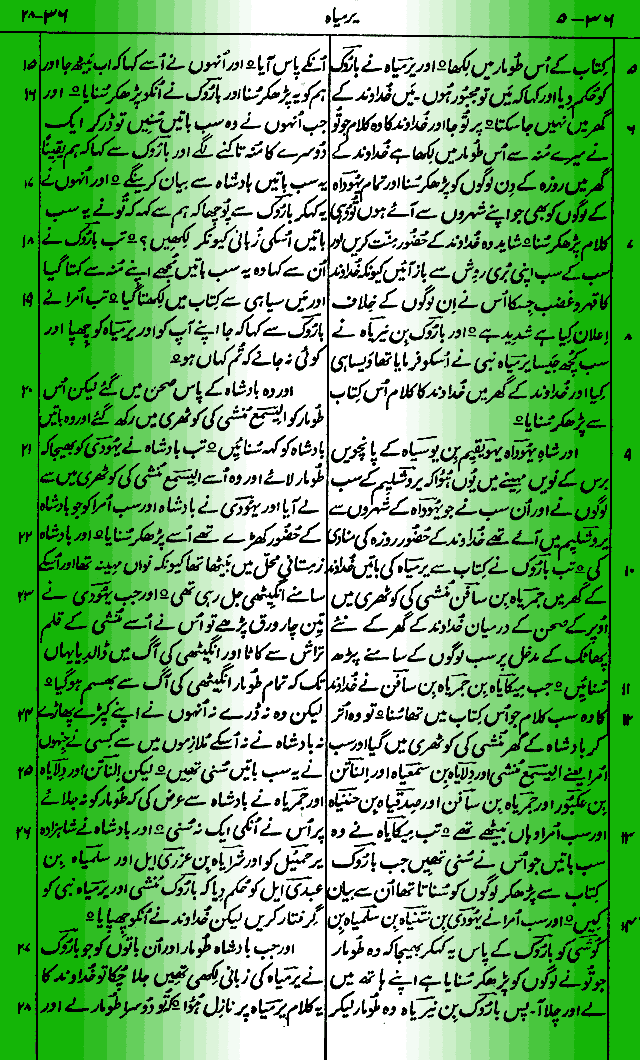
Jeremiah 36:5
Verse: And Jeremiah commanded Baruch saying I am shut up I cannot go into the house of the LORD
English Explanation
Jeremiah was restricted from entering the temple area, likely due to a ban by King Jehoiakim or the religious authorities who were angered by his previous prophecies of judgment. Because he was physically “shut up” or barred, he had to rely on his faithful scribe, Baruch, to deliver God’s urgent message to the people. This highlights that while God’s servants can be chained or restricted, the Word of God cannot be bound.
Urdu Explanation
یرمیاہ نبی ہیکل کے احاطے میں جانے سے قاصر تھے کیونکہ بادشاہ یہویاقیم یا مذہبی رہنماؤں نے ان پر پابندی لگا رکھی تھی۔ چونکہ وہ خود وہاں نہیں جا سکتے تھے، انہوں نے اپنے وفادار کاتب باروک کو خدا کا پیغام لوگوں تک پہنچانے کا حکم دیا۔ یہ آیت ظاہر کرتی ہے کہ انسانوں کو تو روکا جا سکتا ہے لیکن خدا کے کلام کو نہیں روکا جا سکتا۔
Jeremiah 36:6
Verse: Therefore go thou and read in the roll which thou hast written from my mouth the words of the LORD in the ears of the people in the LORD’s house upon the fasting day and also thou shalt read them in the ears of all Judah that come out of their cities
English Explanation
Jeremiah instructs Baruch to take the scroll, which contained the dictated words of God, and read it publicly in the temple. He strategically chooses a “fasting day” because that was a time when people from all across Judah would gather in Jerusalem. This timing ensured maximum reach for the message, offering a collective opportunity for the nation to hear God’s warnings.
Urdu Explanation
یرمیاہ نے باروک کو ہدایت کی کہ وہ اس طومار (سکول) کو لے کر ہیکل میں جائیں اور روزہ کے دن لوگوں کے سامنے پڑھ کر سنائیں۔ روزے کا دن اس لیے چنا گیا کیونکہ اس دن پورے یہوداہ سے لوگ یروشلم میں جمع ہوتے تھے۔ اس طرح خدا کا پیغام زیادہ سے زیادہ لوگوں تک پہنچ سکتا تھا۔
Jeremiah 36:7
Verse: It may be they will present their supplication before the LORD and will return every one from his evil way for great is the anger and the fury that the LORD hath pronounced against this people
English Explanation
The ultimate purpose of God’s warning was not destruction, but repentance. Jeremiah expresses a hopeful “it may be”—showing that God always leaves room for mercy if people turn away from their wicked paths. The verse emphasizes that while God’s anger against sin is immense, His desire for people to seek forgiveness is even greater.
Urdu Explanation
خدا کے اس پیغام کا مقصد تباہی نہیں بلکہ توبہ تھا۔ یرمیاہ امید ظاہر کرتے ہیں کہ شاید لوگ اپنی بدکاریوں سے باز آ جائیں اور خدا کے حضور گریہ و زاری کریں۔ یہ آیت ظاہر کرتی ہے کہ اگرچہ گناہ پر خدا کا غضب شدید ہے، لیکن وہ ہمیشہ رحم اور توبہ کا موقع دیتا ہے۔
Jeremiah 36:8
Verse: And Baruch the son of Neriah did according to all that Jeremiah the prophet commanded him reading in the book the words of the LORD in the LORD’s house
English Explanation
This verse showcases the obedience, loyalty, and courage of Baruch. Delivering a message of judgment in a highly hostile political climate was dangerous. Yet, Baruch obeyed the prophet’s instructions completely, demonstrating his reverence for the Word of the Lord.
Urdu Explanation
یہ آیت باروک کی وفاداری، فرمانبرداری اور دلیری کو ظاہر کرتی ہے۔ اس دور کے سیاسی ماحول میں ہیکل میں جا کر عدالت کا پیغام سنانا خطرناک تھا۔ لیکن باروک نے یرمیاہ کے حکم کے مطابق خدا کے کلام کو ہیکل میں پڑھ کر سنایا۔
Jeremiah 36:9
Verse: And it came to pass in the fifth year of Jehoiakim the son of Josiah king of Judah in the ninth month that they proclaimed a fast before the LORD to all the people in Jerusalem and to all the people that came from the cities of Judah unto Jerusalem
English Explanation
This provides the precise historical context. The fast was proclaimed in the ninth month (late autumn/winter) of King Jehoiakim’s fifth year. Such fasts were typically called during times of national crisis—in this case, likely due to the looming threat of the Babylonian empire under Nebuchadnezzar.
Urdu Explanation
یہ آیت اس واقعے کا تاریخی پس منظر بتاتی ہے۔ یہویاقیم بادشاہ کے پانچویں سال کے نویں مہینے میں یہ روزہ رکھا گیا۔ ایسے روزے عام طور پر قومی بحران یا کسی بڑی مصیبت (جیسے بابل کا حملہ) کے خوف کے وقت رکھے جاتے تھے تاکہ خدا کی مدد حاصل کی جا سکے۔
Jeremiah 36:10
Verse: Then read Baruch in the book the words of Jeremiah in the house of the LORD in the chamber of Gemariah the son of Shaphan the scribe in the higher court at the entry of the new gate of the LORD’s house in the ears of all the people
English Explanation
Baruch positioned himself at a prominent and highly visible location: the chamber of Gemariah, located by the New Gate of the upper court. This allowed his voice to carry down to the crowds gathered below, fulfilling Jeremiah’s command to make the word audible to all attendees.
Urdu Explanation
باروک نے ہیکل کے ایک اہم اور نمایاں مقام یعنی گمریہ کے کمرے سے پیغام پڑھا جو نئے پھاٹک کے پاس تھا۔ اس اونچی جگہ سے پڑھنے کا مقصد یہ تھا کہ ہیکل میں جمع تمام لوگ خدا کا کلام صاف طور پر سن سکیں۔
Jeremiah 36:11
Verse: When Michaiah the son of Gemariah the son of Shaphan had heard out of the book all the words of the LORD
English Explanation
Michaiah, a young man from a prominent family of royal scribes, listened intently to the reading. Recognizing the divine authority and gravity of the judgments being prophesied, he realized that this message needed to be communicated directly to the royal court and the princes.
Urdu Explanation
میکایاہ نے، جو کاتبوں کے ایک معزز خاندان سے تھا، باروک کے پڑھے ہوئے الفاظ کو غور سے سنا۔ وہ سمجھ گیا کہ یہ کوئی معمولی کلام نہیں بلکہ خدا کی طرف سے آنے والی شدید عدالت کی پیشگوئی ہے، جسے شاہی خاندان تک پہنچانا ضروری ہے۔
Jeremiah 36:12
Verse: Then he went down into the king’s house into the scribe’s chamber and lo all the princes sat there even Elishama the scribe and Delaiah the son of Shemaiah and Elnathan the son of Achbor and Gemariah the son of Shaphan and Zedekiah the son of Hananiah and all the princes
English Explanation
Michaiah went directly to the royal palace where the kingdom’s chief officials and princes were holding a council. The names mentioned represent the ruling political elite of Judah at the time. Michaiah brought the report of the scroll to this powerful gathering.
Urdu Explanation
میکایاہ سیدھا بادشاہ کے محل میں گیا جہاں تمام شاہی حکام اور عمرہ جمع تھے۔ یہاں مذکورہ نام یہوداہ کی سیاسی قیادت کو ظاہر کرتے ہیں۔ میکایاہ نے اس اہم اجلاس میں جا کر طومار کے بارے میں اطلاع دی۔
Jeremiah 36:13
Verse: Then Michaiah declared unto them all the words that he had heard when Baruch read the book in the ears of the people
English Explanation
Michaiah provided an official report of what Baruch had read to the masses. He didn’t just summarize it; he recounted the words accurately, causing the princes to realize the immense gravity of the situation.
Urdu Explanation
میکایاہ نے ان تمام شاہی اہلکاروں کے سامنے وہ باتیں تفصیل سے بیان کیں جو اس نے باروک کی زبان سے سنی تھیں۔ اس کی اس رپورٹ نے تمام ارکان کو چونکا دیا اور وہ معاملے کی سنگینی کو سمجھ گئے۔
Jeremiah 36:14
Verse: Therefore all the princes sent Jehudi the son of Nethaniah the son of Shelemiah the son of Cushi unto Baruch saying Take in thine hand the roll wherein thou hast read in the ears of the people and come So Baruch the son of Neriah took the roll in his hand and came unto them
English Explanation
Intrigued and concerned, the princes sent an official messenger, Jehudi, to summon Baruch along with the scroll. Baruch showed immense courage once again by obeying the summons and walking straight into a den of powerful political figures with a highly controversial document.
Urdu Explanation
شاہی ارکان نے معاملے کی تصدیق کے لیے یہودی نامی قاصد کو بھیجا تاکہ وہ باروک کو طومار سمیت حاضر کرے۔ باروک نے ایک بار پھر بہادری کا مظاہرہ کیا اور وہ طومار ہاتھ میں لیے ان کے سامنے حاضر ہو گیا۔
Jeremiah 36:15
Verse: And they said unto him Sit down now and read it in our ears So Baruch read it in their ears
English Explanation
The princes treated Baruch with a degree of respect initially, offering him a seat. They desired to hear the prophecy firsthand. Baruch, unphased by the elite audience, read the exact words of divine judgment to the leadership of Judah.
Urdu Explanation
شاہی اہلکاروں نے ابتدا میں باروک کا احترام کیا اور اسے بیٹھنے کو کہا۔ وہ خود خدا کا کلام سننا چاہتے تھے۔ باروک نے بغیر کسی خوف کے ان تمام رہنماؤں کے سامنے خدا کا کلام پڑھنا شروع کر دیا۔
Jeremiah 36:16
Verse: Now it came to pass when they had heard all the words they were afraid both one and other and said unto Baruch We will surely tell the king of all these words
English Explanation
Unlike the arrogant reaction that King Jehoiakim would later display, these princes were deeply shaken and terrified by the severity of God’s warnings. Knowing the political ramifications and the moral duty involved, they declared that they must inform the king.
Urdu Explanation
جب ان رہنماؤں نے کلام سنا تو وہ خوفزدہ ہو گئے۔ بادشاہ یہویاقیم کے برعکس ان کے دلوں میں خدا کا خوف پیدا ہوا اور انہوں نے فیصلہ کیا کہ وہ یہ باتیں بادشاہ کے علم میں ضرور لائیں گے۔
Jeremiah 36:17
Verse: And they asked Baruch saying Tell us now How didst thou write all these words at his mouth
English Explanation
The princes wanted to verify the authenticity of the scroll. They asked about the methodology of its production to confirm whether these were truly the inspired words given to Jeremiah or if Baruch had authored them himself.
Urdu Explanation
وہ اس بات کی تصدیق کرنا چاہتے تھے کہ یہ کلام واقعی خدا کی طرف سے یرمیاہ پر نازل ہوا ہے یا باروک نے خود سے لکھا ہے۔ اس لیے انہوں نے باروک سے اس کی لکھائی کے طریقے کے بارے میں پوچھا۔
Jeremiah 36:18
Verse: Then Baruch answered them He pronounced all these words unto me with his mouth and I wrote them with ink in the book
English Explanation
Baruch confirms the process of divine inspiration and dictation: Jeremiah spoke the words as they were given to him by God, and Baruch served strictly as the scribe, recording them faithfully with ink on parchment. This emphasizes the accuracy and divine authority of the text.
Urdu Explanation
باروک نے صاف لفظوں میں جواب دیا کہ یرمیاہ اپنی زبان سے الفاظ بولتے جاتے تھے اور میں انہیں سیاہی سے طومار پر لکھتا جاتا تھا۔ یہ بات ثابت کرتی ہے کہ یہ کلام کسی انسانی سوچ کا نتیجہ نہیں بلکہ الہی الہام تھا۔
Jeremiah 36:19
Verse: Then said the princes unto Baruch Go hide thee thou and Jeremiah and let no man know where ye be
English Explanation
Knowing King Jehoiakim’s volatile, ruthless nature and his hatred for prophetic correction, the friendly princes warned Baruch to go into hiding immediately with Jeremiah. They knew the king’s reaction would likely be violent and murderous.
Urdu Explanation
شاہی ارکان بادشاہ یہویاقیم کے غصیلا اور ظالمانہ مزاج سے واقف تھے۔ وہ جانتے تھے کہ بادشاہ یہ سن کر غصے میں آ جائے گا، اس لیے انہوں نے ہمدردی کے طور پر باروک سے کہا کہ وہ اور یرمیاہ فوراً کسی خفیہ جگہ پر چھپ جائیں۔
Jeremiah 36:20
Verse: And they went in to the king into the court but they laid up the roll in the chamber of Elishama the scribe and told all the words in the ears of the king
English Explanation
The princes left the scroll in a secure place (Elishama’s chamber) to protect it before approaching the king. They went into the royal courtyard and verbally reported the contents of the prophecy to King Jehoiakim, testing his initial reaction.
Urdu Explanation
شاہی ارکان نے طومار کو حفاظت کے لیے الیشمع کاتب کے کمرے میں رکھ دیا اور خود بادشاہ کے پاس دربار میں گئے۔ انہوں نے زبانی طور پر اس پیشگوئی کا خلاصہ بادشاہ کو سنایا تاکہ اس کا ردعمل دیکھ سکیں۔
Jeremiah 36:21
Verse: So the king sent Jehudi to fetch the roll and he took it out of Elishama the scribe’s chamber And Jehudi read it in the ears of the king and in the ears of all the princes which stood beside the king
English Explanation
The king demanded to see the actual scroll and sent Jehudi to retrieve it. Once brought, Jehudi read the scroll aloud to Jehoiakim and the surrounding assembly of political leaders, setting the stage for one of the most defiant acts in biblical history.
Urdu Explanation
بادشاہ نے طومار کو خود سننے کی خواہش کی اور یہودی کو اسے لانے کے لیے بھیجا۔ جب طومار لایا گیا تو یہودی نے اسے بادشاہ اور وہاں موجود تمام درباریوں کے سامنے پڑھنا شروع کیا۔
Jeremiah 36:22
Verse: Now the king sat in the winterhouse in the ninth month and there was a fire on the hearth burning before him
English Explanation
The setting is vivid: it was winter (the ninth month), and King Jehoiakim was sitting comfortably in his winter apartments next to a brazier or hearth fire. This atmospheric detail contrasts the physical warmth and luxury of the palace with the spiritual coldness of the king’s heart.
Urdu Explanation
یہ سردیوں کا موسم تھا اور بادشاہ اپنے سرما کے محل میں آگ کے سامنے بیٹھا ہوا تھا۔ یہ منظر بادشاہ کی مادی آسائشوں اور اس کے دل کی روحانی سرد مہر اور سختی کے درمیان واضح فرق کو ظاہر کرتا ہے۔
Jeremiah 36:23
Verse: And it came to pass that when Jehudi had read three or four leaves he cut it with the penknife and cast it into the fire that was on the hearth until all the roll was consumed in the fire that was on the hearth
English Explanation
In a shocking display of arrogance and contempt for God, Jehoiakim would listen to a few columns (“leaves”) of the scroll, slice them off with a scribe’s knife, and systematically throw them into the fire. He repeated this until the entire Word of God was reduced to ashes, mistakenly believing that destroying the parchment would destroy the prophecy itself.
Urdu Explanation
یہ آیت بادشاہ کی شدید سرکشی کو ظاہر کرتی ہے۔ جیسے ہی یہودی طومار کے تین یا چار صفحے پڑھتا، بادشاہ کاتب کے چاقو سے اتنے حصے کو کاٹ کر آگ میں ڈال دیتا۔ اس نے ایسا تب تک کیا جب تک پورا طومار جل کر راکھ نہ ہو گیا۔ وہ سمجھتا تھا کہ کاغذ جلانے سے خدا کا حکم بدل جائے گا۔
Jeremiah 36:24
Verse: Yet they were not afraid nor rent their garments neither the king nor any of his servants that heard all these words
English Explanation
This verse notes the total lack of conviction or healthy fear of God among the king and his immediate servants. Tearing one’s clothes was a traditional sign of deep grief and repentance; their failure to do so demonstrated their complete hardness of heart and spiritual blindness.
Urdu Explanation
خدا کا کلام جلانے کے باوجود نہ تو بادشاہ ڈرا اور نہ ہی اس کے خادموں نے اپنے کپڑے پھاڑے۔ کپڑے پھاڑنا توبہ اور دکھ کی علامت ہوتا تھا۔ ان کا ایسا نہ کرنا ان کے دلوں کی سختی اور روحانی اندھے پن کی دلیل تھی۔
Jeremiah 36:25
Verse: Nevertheless Elnathan and Delaiah and Gemariah had made intercession to the king that he would not burn the roll but he would not hear them
English Explanation
Not everyone in the court was completely hardened. A few princes (Elnathan, Delaiah, and Gemariah) courageously pleaded with the king not to burn the scroll. However, Jehoiakim completely ignored their pleas, showing his absolute commitment to rebellion against God.
Urdu Explanation
دربار میں موجود تمام لوگ ایک جیسے نہیں تھے۔ کچھ ارکان (الناتھن، دلایاہ اور گمریہ) نے بادشاہ سے منّت کی کہ وہ طومار کو نہ جلائے، لیکن سرکش بادشاہ نے ان کی ایک نہ سنی۔
Jeremiah 36:26
Verse: But the king commanded Jerahmeel the son of Hammelech and Seraiah the son of Azriel and Shelemiah the son of Abdeel to take Baruch the scribe and Jeremiah the prophet but the LORD hid them
English Explanation
Frustrated by the message, the king ordered the immediate arrest of Jeremiah and Baruch. However, human plans are nothing compared to divine protection. The phrase “but the LORD hid them” emphasizes God’s sovereign care over His faithful messengers; no weapon formed against them could prosper.
Urdu Explanation
غصے میں آ کر بادشاہ نے یرمیاہ اور باروک کو گرفتار کرنے کا حکم دیا۔ لیکن انسان کی تدبیر خدا کی حفاظت کے سامنے ہیچ ہے۔ کلام پاک کہتا ہے کہ “خداوند نے انہیں چھپا دیا”۔ خدا نے اپنے خادموں کو بادشاہ کے شر سے محفوظ رکھا۔
Jeremiah 36:27
Verse: Then the word of the LORD came to Jeremiah after that the king had burned the roll and the words which Baruch wrote at the mouth of Jeremiah saying
English Explanation
Man can burn the paper, but he cannot destroy the eternal Word of God. As soon as the king destroyed the physical copy, God immediately initiated its restoration. This verse reminds believers that truth cannot be extinguished by political decrees or physical destruction.
Urdu Explanation
انسان کلام کے کاغذ کو تو جلا سکتا ہے لیکن خدا کے ابدی کلام کو ختم نہیں کر سکتا۔ جیسے ہی بادشاہ نے طومار جلایا، خدا نے اسے دوبارہ لکھنے کا حکم دے دیا۔ یہ ظاہر کرتا ہے کہ سچائی کو مٹایا نہیں جا سکتا۔
Jeremiah 36:28
Verse: Take thee again another roll and write in it all the former words that were in the first roll which Jehoiakim the king of Judah hath burned
English Explanation
God commands Jeremiah to get a brand new scroll and replicate the entire contents of the original document. Jehoiakim’s rebellion achieved absolutely nothing except adding to his own judgment. God’s Word remains steady, enduring, and bound to be fulfilled regardless of human opposition.
Urdu Explanation
خدا نے یرمیاہ کو حکم دیا کہ ایک نیا طومار لو اور وہ تمام باتیں دوبارہ لکھو جو پہلے طومار میں تھیں جسے شاہِ یہوداہ نے جلایا تھا۔ یہویاقیم کی سرکشی سے خدا کا کلام ختم نہیں ہوا، بلکہ اس نے اپنے لیے مزید سخت عدالت کا فیصلہ لکھوا لیا۔
Summary Table: Key Spiritual Lessons
| Character | Action | Spiritual Significance |
| Jeremiah | Dictated God’s message despite restrictions | Faithful endurance in ministry. |
| Baruch | Courageously read the scroll in public | Boldness to speak truth to power. |
| The Princes | Feared the message, hid the prophets | Remnants of conscience in a corrupt system. |
| King Jehoiakim | Cut and burned the holy scroll | Utter rebellion and spiritual blindness. |
| God | Protected His servants, rewrote the scroll | Sovereign preservation of Scripture. |