Verse-by-Verse Commentary & Explanation
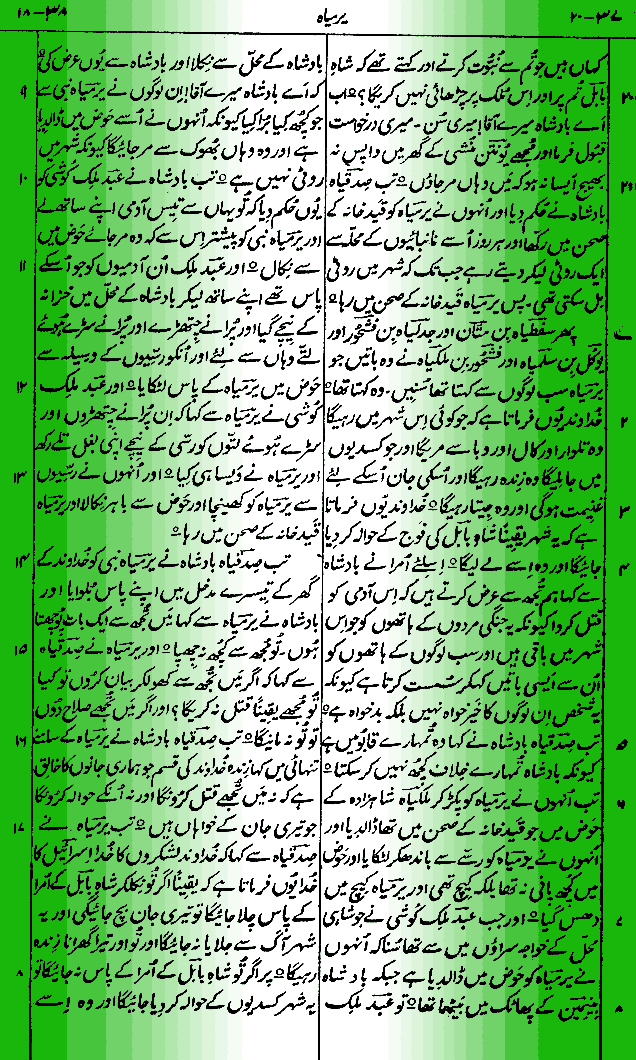
Jeremiah 37:20
Verse: Therefore hear now I pray thee O my lord the king let my supplication I pray thee be accepted before thee that thou cause me not to return to the house of Jonathan the scribe lest I die there
-
Detailed Explanation (English): In this verse, Prophet Jeremiah makes a desperate and humble appeal directly to King Zedekiah. Jeremiah had been unjustly imprisoned in the house of Jonathan the scribe, where conditions were harsh, abusive, and life-threatening. Recognizing the political instability and the king’s secret desire for his counsel, Jeremiah begs for royal mercy. He explicitly states that sending him back to that specific dungeon would result in his death, highlighting the severe physical toll of his initial imprisonment.
-
تفصیلی وضاحت (Urdu): اس آیت میں یرمیاہ نبی بادشاہ صدقیاہ سے ایک عاجزانہ اور دردناک اپیل کرتے ہیں۔ یرمیاہ کو یوآنتان منشی کے گھر میں بنائے گئے قید خانے میں رکھا گیا تھا جہاں کے حالات انتہائی سخت، ظالمانہ اور جان لیوا تھے۔ یہ جانتے ہوئے کہ بادشاہ خفیہ طور پر ان سے رہنمائی چاہتا ہے، یرمیاہ رحم کی درخواست کرتے ہیں۔ وہ صاف کہتے ہیں کہ اگر انہیں دوبارہ اس قید خانے میں بھیجا گیا تو وہ وہاں مر جائیں گے، جو ظاہر کرتا ہے کہ ان پر وہاں کتنا شدید ظلم ہو رہا تھا۔
Jeremiah 37:21
Verse: Then Zedekiah the king commanded that they should commit Jeremiah into the court of the prison and that they should give him daily a piece of bread out of the bakers’ street until all the bread in the city were spent Thus Jeremiah remained in the court of the prison
-
Detailed Explanation (English): King Zedekiah grants Jeremiah’s request to not return to Jonathan’s house, showing a degree of respect or fear toward the prophet. He orders Jeremiah to be moved to the more favorable “court of the prison” located within the royal palace complex. Additionally, despite the looming famine caused by the Babylonian siege, the king ensures that Jeremiah receives a daily ration of bread. This verse illustrates God’s providential care for His prophet through an earthly ruler, keeping him alive even as the city’s food supplies dwindled.
-
تفصیلی وضاحت (Urdu): بادشاہ صدقیاہ نے یرمیاہ کی درخواست قبول کر لی، جو نبی کے لیے اس کے دل میں موجود احترام یا خوف کو ظاہر کرتا ہے۔ اس نے حکم دیا کہ یرمیاہ کو شاہی محل کے “قید خانے کے صحن” میں منتقل کر دیا جائے جو کہ پہلے کی نسبت بہتر جگہ تھی۔ اس کے علاوہ، بابلی محاصرے کی وجہ سے شہر میں قحط کے باوجود، بادشاہ نے روزانہ یرمیاہ کے لیے نانبائیوں کے بازار سے ایک روٹی کا ٹکڑا مقرر کیا۔ یہ آیت ظاہر کرتی ہے کہ خدا کس طرح ایک دنیاوی بادشاہ کے ذریعے اپنے نبی کی حفاظت اور رزق کا انتظام کرتا ہے۔
Jeremiah 38:1
Verse: Then Shephatiah the son of Mattan and Gedaliah the son of Pashur and Jucal the son of Shelemiah and Pashur the son of Malchiah heard the words that Jeremiah had spoken unto all the people saying
-
Detailed Explanation (English): This verse introduces four powerful Judean princes and officials who opposed Jeremiah. As Jeremiah continued to preach God’s message from the court of the prison, his words reached the ears of these influential leaders. These men represent the corrupt political elite of Jerusalem who viewed Jeremiah’s prophecies not as divine warnings, but as politically subversive rhetoric that threatened national morale during the Babylonian siege.
-
تفصیلی وضاحت (Urdu): یہ آیت یہوداہ کے چار طاقتور امراء اور عہدیداروں کا تعارف کراتی ہے جو یرمیاہ کے سخت مخالف تھے۔ جب یرمیاہ قید خانے کے صحن سے خدا کا پیغام لوگوں کو سناتے رہے، تو ان کی باتیں ان بااثر رہنماؤں تک پہنچ گئیں۔ یہ لوگ یروشلم کے اس بدعنوان سیاسی طبقے کی نمائندگی کرتے تھے جو یرمیاہ کی پیشگوئیوں کو الٰہی انتباہ کے بجائے غداری اور بابلی محاصرے کے دوران فوج کے حوصلے پست کرنے کی کوشش سمجھتے تھے۔
Jeremiah 38:2
Verse: Thus saith the LORD He that remaineth in this city shall die by the sword by the famine and by the pestilence but he that goeth forth to the Chaldeans shall live for he shall have his life for a prey and shall live
-
Detailed Explanation (English): Jeremiah delivers a stark, uncompromising message from God. He presents the citizens of Jerusalem with a choice between life and death. Remaining in the city meant facing certain death through warfare (the sword), starvation (famine), or disease (pestilence). The only way to survive was surrender to the Chaldeans (Babbyterians). The phrase “life for a prey” is an idiom meaning that survival itself would be their ultimate prize or spoil of war.
-
تفصیلی وضاحت (Urdu): یرمیاہ خدا کی طرف سے ایک واضح اور سخت پیغام پہنچاتے ہیں۔ وہ یروشلم کے شہریوں کے سامنے زندگی اور موت کا انتخاب رکھتے ہیں۔ شہر میں رہنے کا مطلب تلوار (جنگ)، قحط (بھوک) یا مری (بیماری) کے ہاتھوں یقینی موت تھا۔ بچنے کا واحد راستہ کلدانیوں (بابلیوں) کے سامنے ہتھیار ڈالنا تھا۔ “اپنی جان غنیمت کے طور پر پانا” ایک محاورہ ہے جس کا مطلب یہ ہے کہ اس تباہی میں صرف زندہ بچ جانا ہی ان کا سب سے بڑا انعام ہوگا۔
Jeremiah 38:3
Verse: Thus saith the LORD This city shall surely be given into the hand of the king of Babylon’s army which shall take it
-
Detailed Explanation (English): Jeremiah reiterates the absolute certainty of God’s judgment. He states unequivocally that Jerusalem will fall to King Nebuchadnezzar’s army. This message fundamentally contradicted the propaganda of the false prophets and royal officials who claimed that God would miraculously save the city. Jeremiah’s message stressed that Jerusalem’s sins had sealed its fate, and military resistance was entirely futile.
-
تفصیلی وضاحت (Urdu): یرمیاہ خدا کے انصاف اور فیصلے کے حتمی ہونے کا اعادہ کرتے ہیں۔ وہ بلا جھجھک کہتے ہیں کہ یہ شہر یقیناً شاہِ بابل کی فوج کے قبضے میں چلا جائے گا۔ یہ پیغام جھوٹے نبیوں اور شاہی عہدیداروں کے اس دعوے کے بالکل برعکس تھا کہ خدا معجزانہ طور پر شہر کو بچا لے گا۔ یرمیاہ کے پیغام نے واضح کیا کہ یروشلم کے گناہوں کی وجہ سے اس کا مقدر طے ہو چکا ہے اور فوجی مزاحمت بالکل بے سود ہے۔
Jeremiah 38:4
Verse: Therefore the princes said unto the king We beseech thee let this man be put to death for thus he weakeneth the hands of the men of war that remain in this city and the hands of all the people in speaking such words unto them for this man seeketh not the welfare of this people but the hurt
-
Detailed Explanation (English): Enraged by Jeremiah’s prophecies, the princes approach King Zedekiah and demand the prophet’s execution. They accuse him of treason, arguing that his message demoralizes the soldiers (“weakeneth the hands of the men of war”) and the remaining citizens. From a purely secular, military perspective, their assessment was logical, but they completely ignored the spiritual reality that Jeremiah was speaking the word of God. They falsely claim he desires the people’s harm rather than their welfare.
-
تفصیلی وضاحت (Urdu): یرمیاہ کی پیشگوئیوں سے مشتعل ہو کر، امراء بادشاہ صدقیاہ کے پاس گئے اور نبی کو سزائے موت دینے کا مطالبہ کیا۔ انہوں نے ان پر غداری کا الزام لگایا اور دلیل دی کہ ان کے پیغامات فوجیوں اور شہریوں کے حوصلے پست کر رہے ہیں۔ خالص سیکیورٹی اور فوجی نقطہ نظر سے ان کا اعتراض منطقی تھا، لیکن انہوں نے اس روحانی حقیقت کو یکسر نظر انداز کر دیا کہ یرمیاہ خدا کا کلام سنا رہے تھے۔ انہوں نے جھوٹا دعویٰ کیا کہ یہ شخص قوم کی بہتری نہیں بلکہ نقصان چاہتا ہے۔
Jeremiah 38:5
Verse: Then Zedekiah the king said Behold he is in your hand for the king is not he that can do any thing against you
-
Detailed Explanation (English): This verse exposes King Zedekiah’s profound political weakness, lack of moral courage, and spineless leadership. Instead of protecting a prophet of God or asserting his royal authority, he completely surrenders Jeremiah to the hostile princes. His statement, “the king is not he that can do anything against you,” reveals that he was a puppet ruler dominated by his own nobility, prioritizing his political survival over divine justice.
-
تفصیلی وضاحت (Urdu): یہ آیت بادشاہ صدقیاہ کی شدید سیاسی کمزوری، اخلاقی جرات کی کمی اور بزدلانہ قیادت کو بے نقاب کرتی ہے۔ خدا کے نبی کی حفاظت کرنے یا اپنی شاہی طاقت کا استعمال کرنے کے بجائے، وہ یرمیاہ کو پوری طرح دشمن امراء کے حوالے کر دیتا ہے۔ اس کا یہ کہنا کہ “بادشاہ تمہارے خلاف کچھ نہیں کر سکتا” ظاہر کرتا ہے کہ وہ اپنے ہی امراء کے ہاتھوں میں کٹھ پتلی تھا اور اپنی سیاسی بقا کو انصاف پر ترجیح دے رہا تھا۔
Jeremiah 38:6
Verse: Then took they Jeremiah and cast him into the dungeon of Malchiah the son of Hammelech that was in the court of the prison and they let down Jeremiah with cords And in the dungeon there was no water but mire so Jeremiah sunk in the mire
-
Detailed Explanation (English): Authorized by the king, the princes throw Jeremiah into a deep, subterranean cistern belonging to Malchiah. Because it was deep, they had to lower him down with ropes. The cistern had no drinking water left due to the drought and siege, but its bottom was filled with thick, suffocating mud (“mire”). Jeremiah sank into this filth, a state designed to cause a slow, agonizing death by starvation, dehydration, or suffocation, away from public view.
-
تفصیلی وضاحت (Urdu): بادشاہ کی اجازت پا کر، امراء نے یرمیاہ کو ملکیاہ کے گہرے زیرِ زمین حوض (کنویں) میں پھینک دیا۔ چونکہ وہ بہت گہرا تھا، اس لیے انہوں نے اسے رسیوں کے ذریعے نیچے اتارا۔ خشک سالی اور محاصرے کی وجہ سے اس حوض میں پینے کا پانی تو نہیں تھا، لیکن اس کی تہہ گہری اور دم گھٹنے والی کیچڑ سے بھری ہوئی تھی۔ یرمیاہ اس کیچڑ میں دھنس گئے، یہ ایک ایسی عبرتناک سزا تھی جس کا مقصد انہیں عوام کی نظروں سے دور بھوک، پیاس یا دم گھٹنے سے تڑپا تڑپا کر مارنا تھا۔
Jeremiah 38:7
Verse: Now when Ebed-melech the Ethiopian one of the eunuchs which was in the king’s house heard that they had put Jeremiah in the dungeon the king then sitting in the gate of Benjamin
-
Detailed Explanation (English): An unexpected hero emerges in the narrative: Ebed-melech, an Ethiopian official/eunuch serving in the royal palace. While the elite of Judah sought to destroy God’s prophet, a foreign servant recognized the injustice. He learns of Jeremiah’s plight while King Zedekiah is holding court or inspecting defenses at the Gate of Benjamin, a public place where petitions could be brought to the monarch.
-
تفصیلی وضاحت (Urdu): اس کہانی میں ایک غیر متوقع ہیرو سامنے آتا ہے: عبدملک جو شاہی محل میں خدمات انجام دینے والا ایک حبشی خادم (خواجہ سرا) تھا۔ جہاں یہوداہ کے امراء خدا کے نبی کو ہلاک کرنا چاہتے تھے، وہاں اس غیر ملکی خادم نے اس ناانصافی کو محسوس کیا۔ اسے یرمیاہ کی حالتِ زار کا علم اس وقت ہوا جب بادشاہ صدقیاہ بنیمین کے پھاٹک پر دربار لگائے بیٹھا تھا، جو کہ ایک عوامی جگہ تھی جہاں بادشاہ سے فریاد کی جا سکتی تھی۔
Jeremiah 38:8
Verse: Ebed-melech went forth out of the king’s house and spake to the king saying
-
Detailed Explanation (English): Ebed-melech acts with immense courage and urgency. Leaving the safety of the palace, he goes directly to the public gate to confront the king. In doing so, he openly opposes the decisions of the powerful princes who had cast Jeremiah into the dungeon, risking his own position, status, and life to intercede for the prophet of God.
-
تفصیلی وضاحت (Urdu): عبدملک انتہائی جرات اور مستعدی کا مظاہرہ کرتا ہے۔ محل کے محفوظ ماحول کو چھوڑ کر، وہ بادشاہ سے بات کرنے کے لیے براہِ راست عوامی پھاٹک کی طرف جاتا ہے۔ ایسا کر کے، اس نے کھلے عام ان طاقتور امراء کے فیصلے کی مخالفت کی جنہوں نے یرمیاہ کو کنویں میں پھینکا تھا، اور خدا کے نبی کی سفارش کے لیے اپنے عہدے، مرتبے اور جان کو خطرے میں ڈالا۔
Jeremiah 38:9
Verse: My lord the king these men have done evil in all that they have done to Jeremiah the prophet whom they have cast into the dungeon and he is like to die for hunger in the place where he is for there is no more bread in the city
-
Detailed Explanation (English): Ebed-melech does not mince words; he boldly accuses the princes of doing “evil” in the sight of God and the law. He reports the brutal reality to the king: Jeremiah will starve to death in that muddy pit, especially since the entire city is critically low on food. Ebed-melech forces the weak king to confront the deadly consequences of his passive political compliance.
-
تفصیلی وضاحت (Urdu): عبدملک نے لگی لپٹی بغیر صاف الفاظ میں امراء پر خدا اور قانون کی نظر میں “برائی” یا ظلم کرنے کا الزام لگایا۔ اس نے بادشاہ کو تلخ حقیقت سے آگاہ کیا کہ یرمیاہ اس کیچڑ والے گڑھے میں بھوک سے مر جائیں گے، خاص طور پر جب پورے شہر میں خوراک کی شدید قلت ہے۔ عبدملک نے کمزور بادشاہ کو اس کے بزدلانہ فیصلے کے بھیانک نتائج کا سامنا کرنے پر مجبور کیا۔
Jeremiah 38:10
Verse: Then the king commanded Ebed-melech the Ethiopian saying Take from hence thirty men with thee and take up Jeremiah the prophet out of the dungeon before he die
-
Detailed Explanation (English): Influenced by Ebed-melech’s bold appeal, King Zedekiah reverses his stance once again, demonstrating his highly impressionable and volatile nature. He commands Ebed-melech to take thirty men with him to rescue Jeremiah immediately. The large number of men (thirty) was likely granted to ensure sufficient physical strength to pull Jeremiah out and to provide military protection against any interference from the hostile princes.
-
تفصیلی وضاحت (Urdu): عبدملک کی دلیرانہ فریاد سے متاثر ہو کر، بادشاہ صدقیاہ نے ایک بار پھر اپنا فیصلہ بدل دیا، جو اس کی متزلزل طبیعت کو ظاہر کرتا ہے۔ اس نے عبدملک کو حکم دیا کہ اپنے ساتھ تیس آدمی لے جائے اور یرمیاہ نبی کو مرنے سے پہلے اس گڑھے سے نکالے۔ تیس آدمیوں کی بڑی تعداد کا حکم غالباً اس لیے دیا گیا تھا تاکہ یرمیاہ کو نکالنے کے لیے کافی افرادی قوت موجود ہو اور مخالف امراء کی طرف سے کسی بھی مزاحمت کا مقابلہ کیا جا سکے۔
Jeremiah 38:11
Verse: So Ebed-melech took the men with him and went into the house of the king under the treasury and took thence old cast clouts and old rotten rags and let them down by cords into the dungeon to Jeremiah
-
Detailed Explanation (English): Ebed-melech displays great empathy and practicality. Before rushing to the cistern, he visits a storage room beneath the palace treasury to gather old clothes and worn-out rags. He lowers these down to Jeremiah using ropes. This shows that Ebed-melech was not just executing an order, but genuinely cared about minimizing the physical trauma and pain Jeremiah would experience during the rescue.
-
تفصیلی وضاحت (Urdu): عبدملک نے گہری ہمدردی اور عملی حکمت کا مظاہرہ کیا۔ حوض کی طرف بھاگنے سے پہلے، وہ شاہی خزانے کے نیچے بنے ایک گودام میں گیا اور وہاں سے پرانے، پھٹے پرانے کپڑے اور چتھڑے جمع کیے۔ اس نے انہیں رسیوں کے ذریعے نیچے یرمیاہ کے پاس اتارا۔ یہ ظاہر کرتا ہے کہ عبدملک صرف حکم کی تعمیل نہیں کر رہا تھا، بلکہ وہ دل سے چاہتا تھا کہ نجات کے عمل کے دوران یرمیاہ کو کم سے کم تکلیف پہنچے۔
Jeremiah 38:12
Verse: And Ebed-melech the Ethiopian said unto Jeremiah Put now these old cast clouts and rotten rags under thine armholes under the cords And Jeremiah did so
-
Detailed Explanation (English): Ebed-melech instructs Jeremiah to place the soft rags under his armpits where the ropes would bind him. Because Jeremiah was weakened by starvation and sinking in thick mud, the rough ropes would have cut deeply into his flesh under the immense tension of being pulled up. Jeremiah follows the instructions, showing the cooperative efforts of God’s servants in times of crisis.
-
تفصیلی وضاحت (Urdu): عبدملک نے یرمیاہ کو ہدایت کی کہ وہ ان نرم چتھڑوں کو اپنی بغلوں کے نیچے رسیوں کے دباؤ والی جگہ پر رکھ لیں۔ چونکہ یرمیاہ بھوک سے کمزور ہو چکے تھے اور کیچڑ میں دھنسے ہوئے تھے، اس لیے اوپر کھینچتے وقت رسیوں کی رگڑ سے ان کا گوشت کٹ سکتا تھا۔ یرمیاہ نے ویسا ہی کیا، جو مشکل وقت میں خدا کے خادموں کے باہمی تعاون کو ظاہر کرتا ہے۔
Jeremiah 38:13
Verse: So they drew up Jeremiah with cords and took him up out of the dungeon and Jeremiah remained in the court of the prison
-
Detailed Explanation (English): Using the ropes and rags, the men successfully hoist Jeremiah out of the deep mud and up into the open air, saving his life. However, he is not set completely free; he is returned to his previous location in the “court of the prison.” While he remains a political prisoner, he is spared from the horrific death of the cistern, remaining under royal protection.
-
تفصیلی وضاحت (Urdu): رسیوں اور کپڑوں کی مدد سے، ان لوگوں نے کامیابی کے ساتھ یرمیاہ کو گہری کیچڑ سے باہر نکالا اور ان کی جان بچائی۔ تاہم، انہیں مکمل طور پر آزاد نہیں کیا گیا بلکہ واپس “قید خانے کے صحن” میں منتقل کر دیا گیا۔ اگرچہ وہ اب بھی ایک سیاسی قیدی تھے، لیکن وہ اس گڑھے کی ہولناک موت سے بچ گئے اور شاہی تحفظ میں رہے۔
Jeremiah 38:14
Verse: Then Zedekiah the king sent and took Jeremiah the prophet unto him into the third entry that is in the house of the LORD and the king said unto Jeremiah I will ask thee a thing hide nothing from me
-
Detailed Explanation (English): Driven by desperation as the Babylonian siege intensifies, King Zedekiah arranges a highly confidential meeting with Jeremiah. They meet at the “third entry” of the temple, a private passageway between the palace and the house of the Lord. The king desperately seeks a word of hope from God but fears his own princes, leading him to demand absolute honesty from Jeremiah (“hide nothing from me”).
-
تفصیلی وضاحت (Urdu): جیسے جیسے بابلی محاصرہ سخت ہوتا گیا، مایوسی کا شکار ہو کر بادشاہ صدقیاہ نے یرمیاہ کے ساتھ ایک انتہائی خفیہ ملاقات کا بندوبست کیا۔ انہوں نے ہیکل کے “تیسرے پھاٹک” پر ملاقات کی، جو محل اور خدا کے گھر کے درمیان ایک نجی راستہ تھا۔ بادشاہ خدا کی طرف سے امید کی کسی کرن کا منتظر تھا لیکن اپنے ہی امراء سے ڈرتا بھی تھا، اس لیے اس نے یرمیاہ سے مکمل سچائی کا مطالبہ کیا (“مجھ سے کچھ نہ چھپانا”)۔
Jeremiah 38:15
Verse: Then Jeremiah said unto Zedekiah If I declare it unto thee wilt thou not surely put me to death and if I give thee counsel wilt thou not hearken unto me
-
Detailed Explanation (English): Jeremiah responds with understandable caution and realism. He presents the king with two dilemmas based on past experience: first, if he tells the truth (which is judgment), the king might execute him out of anger or political pressure; second, even if he offers divine counsel on how to save his life, the king lacks the courage to actually obey it. Jeremiah seeks to test the king’s genuine commitment before speaking.
-
تفصیلی وضاحت (Urdu): یرمیاہ نے ماضی کے تجربات کی روشنی میں انتہائی احتیاط اور حقیقت پسندی کے ساتھ جواب دیا۔ انہوں نے بادشاہ کے سامنے دو خدشات رکھے: پہلا یہ کہ اگر وہ سچ بتائیں گے (جو کہ عذاب کی خبر ہے)، تو بادشاہ غصے یا سیاسی دباؤ میں آکر انہیں مار سکتا ہے؛ دوسرا یہ کہ اگر وہ جان بچانے کا خدائی مشورہ دیں بھی، تو بادشاہ میں اس پر عمل کرنے کی ہمت نہیں ہوگی۔ یرمیاہ بولنے سے پہلے بادشاہ کی نیت پرکھنا چاہتے تھے۔
Jeremiah 38:16
Verse: So Zedekiah the king sware secretly unto Jeremiah saying As the LORD liveth that made us this soul I will not put thee to death neither will I give thee into the hand of these men that seek thy life
-
Detailed Explanation (English): King Zedekiah provides a solemn, secret oath to reassure the prophet. Swearing by the living God who gives life to mankind, the king promises two things: he will not personally execute Jeremiah, nor will he hand him back over to the murderous princes who want him dead. While the oath protects Jeremiah’s physical safety, the fact that it had to be done “secretly” underscores the king’s profound fear of his own court.
-
تفصیلی وضاحت (Urdu): بادشاہ صدقیاہ نے نبی کو یقین دلانے کے لیے خفیہ طور پر ایک سخت قسم کھائی۔ زندہ خدا کی قسم کھاتے ہوئے جس نے انسان کو زندگی بخشی، بادشاہ نے دو وعدے کیے: وہ خود یرمیاہ کو قتل نہیں کرے گا، اور نہ ہی انہیں دوبارہ ان قاتل امراء کے حوالے کرے گا جو ان کی جان کے درپے ہیں۔ اگرچہ یہ قسم یرمیاہ کی حفاظت کی ضمانت تھی، لیکن اس کا “خفیہ” ہونا یہ ثابت کرتا ہے کہ بادشاہ اپنے درباریوں سے کتنا خوفزدہ تھا۔
Jeremiah 38:17
Verse: Then said Jeremiah unto Zedekiah Thus saith the LORD the God of hosts the God of Israel If thou wilt assuredly go forth unto the king of Babylon’s princes then thy soul shall live and this city shall not be burned with fire and thou shalt live and thine house
-
Detailed Explanation (English): With his safety guaranteed by the oath, Jeremiah delivers God’s merciful alternative. Speaking on behalf of the “God of hosts” (God of armies), Jeremiah offers unconditional survival if Zedekiah surrenders to Babylon. If the king goes out to surrender, three things will happen: Zedekiah’s life will be spared, the city of Jerusalem will not be burned down, and his royal family will survive. It is a profound message of grace amidst judgment.
-
تفصیلی وضاحت (Urdu): قسم کے ذریعے اپنی حفاظت کا یقین ہونے کے بعد، یرمیاہ نے خدا کا رحم دلانہ پیغام پہنچایا۔ “لشکروں کے خدا” کی طرف سے بات کرتے ہوئے، یرمیاہ نے بابل کے سامنے ہتھیار ڈالنے کی صورت میں بقا کی پیشکش کی۔ اگر بادشاہ ہتھیار ڈالنے کے لیے باہر نکل جاتا ہے، تو تین چیزیں ہوں گی: صدقیاہ کی جان بچ جائے گی، یروشلم شہر کو آگ سے نہیں جلایا جائے گا، اور اس کا خاندان بھی زندہ رہے گا۔ یہ عذاب کے درمیان خدا کے رحم کا ایک گہرا پیغام تھا۔
Jeremiah 38:18
Verse: But if thou wilt not go forth to the king of Babylon’s princes then shall this city be given into the hand of the Chaldeans and they shall burn it with fire and thou shalt not escape out of their hand
-
Detailed Explanation (English): Jeremiah presents the devastating alternative if the king refuses to obey God’s word. If Zedekiah chooses pride, fear of his princes, or military rebellion over divine surrender, complete catastrophe will follow. The city of Jerusalem will fall to the Chaldeans, they will reduce it to ashes with fire, and Zedekiah himself will fail to escape capture. History records that Zedekiah disobeyed, leading exactly to this grim outcome.
-
تفصیلی وضاحت (Urdu): یرمیاہ نے وہ خوفناک نتیجہ پیش کیا جو بادشاہ کی طرف سے خدا کے کلام کی نافرمانی کی صورت میں نکلنا تھا۔ اگر صدقیاہ نے غرور، اپنے امراء کے خوف یا فوجی سرکشی کو ترجیح دی، تو مکمل تباہی آئے گی۔ یروشلم شہر کلدانیوں کے قبضے میں چلا جائے گا، وہ اسے آگ لگا کر راکھ کر دیں گے، اور صدقیاہ خود بھی ان کی گرفت سے بچ کر بھاگ نہیں سکے گا۔ تاریخ گواہ ہے کہ صدقیاہ نے نافرمانی کی اور بالکل یہی عبرتناک انجام ہوا۔