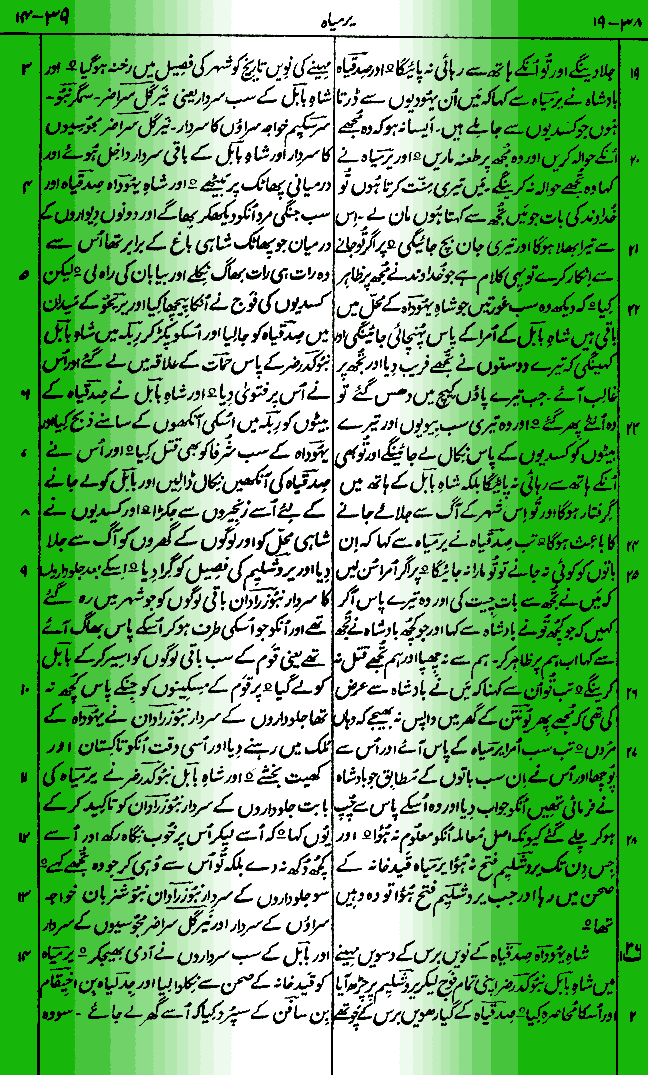
Unified Commentary: Jeremiah 38:19 – 39:14
Jeremiah 38:19
Verse: “And Zedekiah the king said unto Jeremiah I am afraid of the Jews that are fallen to the Chaldeans lest they deliver me into their hand and they mock me.”
-
English Explanation: King Zedekiah confesses his deepest anxiety to Jeremiah. He is not just afraid of the Babylonians (Chaldeans), but specifically fears the Jewish defectors who had already surrendered. He dreads being handed over to them and subjected to humiliation and mockery. This highlights his weak leadership, as he is more concerned with his personal pride and public reputation than obeying God’s explicit commands.
-
Urdu Explanation: بادشاہ صدقیاہ یرمیاہ سے اپنے اصل خوف کا اعتراف کرتا ہے۔ وہ نہ صرف بابلیوں سے ڈرتا ہے بلکہ اسے ان یہودی مفروروں کا خوف ہے جو پہلے ہی ہتھیار ڈال چکے ہیں۔ وہ ڈرتا ہے کہ کہیں اسے ان کے حوالے نہ کر دیا جائے اور وہ اس کا مذاق اڑائیں۔ یہ اس کی کمزور قیادت کو ظاہر کرتا ہے، جہاں وہ خدا کی فرمانبرداری کے بجائے اپنی عزتِ نفس اور لوگوں کے طعنوں کی زیادہ فکر کر رہا ہے۔
Jeremiah 38:20
Verse: “But Jeremiah said They shall not deliver thee. Obey I beseech thee the voice of the LORD which I speak unto thee so it shall be well unto thee and thy soul shall live.”
-
English Explanation: Jeremiah offers a reassuring yet firm response. He promises that if the king surrenders to Babylon, God will protect him from the defectors. Jeremiah pleads with him to listen to the voice of the Lord. True security and life lay in divine obedience, not in political maneuvering or fear of human judgment.
-
Urdu Explanation: یرمیاہ بادشاہ کو تسلی اور دوٹوک جواب دیتا ہے۔ وہ وعدہ کرتا ہے کہ اگر بادشاہ بابلیوں کے سامنے ہتھیار ڈال دے گا، تو خدا اسے مفرور یہودیوں کے طعنوں سے بچائے گا۔ یرمیاہ اس سے التجا کرتا ہے کہ وہ رب کی آواز کو سنیں۔ اصل حفاظت اور زندگی خدا کی فرمانبرداری میں تھی، نہ کہ انسانی خوف یا سیاسی چالوں میں۔
Jeremiah 38:21
Verse: “But if thou refuse to go forth this is the word that the LORD hath shewed me”
-
English Explanation: Prophet Jeremiah warns the king about the alternative scenario. If Zedekiah lets fear dictate his actions and refuses to surrender, a specific prophetic vision of disaster given by God will come to pass. The prophet stands as a faithful messenger, presenting a clear crossroad between life through obedience and destruction through rebellion.
-
Urdu Explanation: یرمیاہ نبی بادشاہ کو متبادل صورتحال کے بارے میں خبردار کرتا ہے۔ اگر صدقیاہ خوف کی وجہ سے ہتھیار ڈالنے سے انکار کرتا ہے، تو خدا کی طرف سے دی گئی تباہی کی وہ خاص رویا پوری ہو جائے گی۔ نبی ایک وفادار پیغام رسان کے طور پر کھڑا ہے، جو اطاعت کے ذریعے زندگی اور سرکشی کے ذریعے بربادی کے درمیان واضح فرق پیش کر رہا ہے۔
Jeremiah 38:22
Verse: “And behold all the women that are left in the king of Judah’s house shall be brought forth to the king of Babylon’s princes and those women shall say Thy friends have set thee on and have prevailed against thee thy feet are sunk in the mire and they are turned away back.”
-
English Explanation: Jeremiah describes a humiliating consequence of disobedience. The women of the royal palace will be captured by the Babylonian princes. In captivity, these women will mock Zedekiah, singing a song about how his “friends” (his advisors and false prophets) misled him, pushed him into a trap where his feet sank in the mud, and then abandoned him when trouble arrived.
-
Urdu Explanation: یرمیاہ نافرمانی کے ایک ذلت آمیز انجام کا ذکر کرتا ہے۔ شاہی محل کی عورتوں کو بابلی شہزادے قیدی بنا لیں گے۔ وہ عورتیں قید میں صدقیاہ کا مذاق اڑائیں گی اور کہیں گی کہ تیرے “دوستوں” (مشیروں اور جھوٹے نبیوں) نے تجھے بہکایا، تجھے دلدل میں دھکیل دیا، اور جب مصیبت آئی تو تجھے اکیلا چھوڑ کر بھاگ گئے۔
Jeremiah 38:23
Verse: “So they shall bring out all thy wives and thy children to the Chaldeans and thou shalt not escape out of their hand but shalt be taken by the hand of the king of Babylon and thou shalt cause this city to be burned with fire.”
-
English Explanation: This verse delivers a devastating personal and national blow to Zedekiah. If he refuses to surrender, his immediate family (wives and children) will be captured. He will not escape, and his personal stubbornness will be the direct cause of the absolute destruction and burning of the holy city of Jerusalem.
-
Urdu Explanation: یہ آیت صدقیاہ کے لیے ذاتی اور قومی سطح پر ایک ہلاکت خیز دھچکا ہے۔ اگر وہ ہتھیار ڈالنے سے انکار کرے گا تو اس کی بیویاں اور بچے قید کر لیے جائیں گے۔ وہ خود بھی نہیں بچ سکے گا، اور اس کی ضد یروشلم کے مقدس شہر کے جلائے جانے اور مکمل بربادی کا سبب بنے گی۔
Jeremiah 38:24
Verse: “Then said Zedekiah unto Jeremiah Let no man know of these words and thou shalt not die.”
-
English Explanation: Instead of repenting or acting on God’s warning, Zedekiah operates out of fear of his political nobles. He swears Jeremiah to absolute secrecy regarding their conversation, threatening that the prophet’s life could be at risk if the princes find out what was discussed. Zedekiah prioritizes maintaining his political image over saving his nation.
-
Urdu Explanation: خدا کی تنبیہ پر توبہ کرنے یا عمل کرنے کے بجائے، صدقیاہ اپنے امرا اور سرداروں کے خوف سے کام لیتا ہے۔ وہ یرمیاہ کو اس گفتگو کو مکمل طور پر خفیہ رکھنے کا حکم دیتا ہے اور کہتا ہے کہ اگر شہزادوں کو پتا چل گیا تو نبی کی جان خطرے میں پڑ سکتی ہے۔ صدقیاہ ملک کو بچانے پر اپنی سیاسی ساکھ کو ترجیح دیتا ہے۔
Jeremiah 38:25
Verse: “But if the princes hear that I have talked with thee and they come unto thee and say unto thee Declare unto us now what thou hast said unto the king hide it not from us and we will not put thee to death also what the king said unto thee”
-
English Explanation: Zedekiah anticipates the suspicion of his officials. He details a scenario where the powerful princes interrogate Jeremiah, demanding a full disclosure of the private meeting under the false pretense of offering him safety. The king knows he does not have total control over his own court.
-
Urdu Explanation: صدقیاہ اپنے عہدیداروں کے شک کا اندازہ لگا لیتا ہے۔ وہ ایک ایسی صورتحال بیان کرتا ہے جہاں طاقتور شہزادے یرمیاہ سے پچھ گچھ کریں گے اور اس کی جان بخشی کا جھوٹا دلاسا دے کر شاہی ملاقات کا احوال جاننا چاہیں گے۔ بادشاہ جانتا ہے کہ اس کا اپنے دربار پر مکمل کنٹرول نہیں ہے۔
Jeremiah 38:26
Verse: “Then thou shalt say unto them I presented my supplication before the king that he would not cause me to return to Jonathan’s house to die there.”
-
English Explanation: Zedekiah provides Jeremiah with a cover story. He instructs the prophet to tell the princes that he was merely begging the king not to send him back to the horrific prison of Jonathan’s house. While this was technically true from a previous encounter, it was used here to conceal the divine message of surrender.
-
Urdu Explanation: صدقیاہ یرمیاہ کو بات چھپانے کے لیے ایک بہانہ بتاتا ہے۔ وہ نبی کو ہدایت کرتا ہے کہ شہزادوں سے کہنا کہ وہ صرف بادشاہ سے التجا کر رہا تھا کہ اسے دوبارہ یونتن کے قید خانے میں نہ بھیجا جائے جہاں اس کی موت واقع ہو جائے۔ اگرچہ یہ بات پچھلی ایک ملاقات کے لحاظ سے سچ تھی، لیکن یہاں اس کا استعمال ہتھیار ڈالنے کے خدائی پیغام کو چھپانے کے لیے کیا گیا۔
Jeremiah 38:27
Verse: “Then came all the princes unto Jeremiah and asked him and he told them according to all these words that the king had commanded. So they left off speaking with him for the matter was not perceived.”
-
English Explanation: The king’s fears come true; the princes interrogate Jeremiah. Jeremiah sticks to the partial truth permitted by the king, protecting both the king’s request and his own safety. Since no one overheard the actual prophecy of surrender, the princes drop the matter, leaving Jeremiah unharmed.
-
Urdu Explanation: بادشاہ کا خوف سچ ثابت ہوتا ہے اور شہزادے یرمیاہ سے پوچھ گچھ کرتے ہیں۔ یرمیاہ بادشاہ کی بتائی ہوئی بات پر قائم رہتا ہے، جس سے بادشاہ کا راز بھی محفوظ رہتا ہے اور اس کی اپنی جان بھی بچ جاتی ہے۔ چونکہ کسی نے اصل گفتگو کو نہیں سنا تھا، اس لیے شہزادوں نے بات وہیں چھوڑ دی اور یرمیاہ کو کوئی نقصان نہیں پہنچایا۔
Jeremiah 38:28
Verse: “So Jeremiah abode in the court of the prison until the day that Jerusalem was taken and he was there when Jerusalem was taken.”
-
English Explanation: Jeremiah remains confined to the courtyard of the guard, a prisoner in his own land for speaking the truth. He stays there until the inevitable day of judgment arrives. The verse highlights his physical presence during the horrific fall of Jerusalem, validating every word of prophecy he spoke.
-
Urdu Explanation: یرمیاہ سچ بولنے کی پاداش میں اپنے ہی ملک میں قیدی بن کر شاہی عدالت کے قید خانے کے صحن میں رہتا ہے۔ وہ اس وقت تک وہیں رہتا ہے جب تک کہ عدالت کا وہ ناگزیر دن نہیں آ جاتا۔ یہ آیت یروشلم کی عبرتناک تباہی کے وقت اس کی موجودگی کو ظاہر کرتی ہے، جو اس کی کہی ہوئی ہر پیشگوئی کی سچائی کی تصدیق کرتی ہے۔
Jeremiah 39:1
Verse: “In the ninth year of Zedekiah king of Judah in the tenth month came Nebuchadrezzar king of Babylon and all his army against Jerusalem and they besieged it.”
-
English Explanation: Chapter 39 marks the historical fulfillment of Jeremiah’s prophecies. The narrative shifts to the precise timeline of the siege. In the ninth year of Zedekiah’s reign, King Nebuchadnezzar surrounds Jerusalem with a massive army, cutting off resources and initiating a grueling siege.
-
Urdu Explanation: باب 39 یرمیاہ کی پیشگوئیوں کی تاریخی تکمیل کو ظاہر کرتا ہے۔ یہاں سے کہانی محاصرے کے مروجہ وقت کی طرف منتقل ہوتی ہے۔ صدقیاہ کی بادشاہی کے نویں سال میں، شاہِ بابل نبوکدنضر ایک بہت بڑے لشکر کے ساتھ یروشلم کا گھیراؤ کر لیتا ہے، جس سے شہر کی آمد و رفت اور رسد بند ہو جاتی ہے۔
Jeremiah 39:2
Verse: “And in the eleventh year of Zedekiah in the fourth month the ninth day of the month the city was broken up.”
-
English Explanation: After nearly two years of starvation and misery under the siege, the defense of Jerusalem crumbles. On the ninth day of the fourth month, in the eleventh year of Zedekiah’s reign, the Babylonian army breaches the walls of the city, bringing an end to Judah’s independence.
-
Urdu Explanation: محاصرے کے دوران تقریباً دو سال کی بھوک اور بدحالی کے بعد، یروشلم کی دفاعی دیواریں جواب دے جاتی ہیں۔ صدقیاہ کی بادشاہی کے گیارہویں سال کے چوتھے مہینے کے نویں دن، بابل کی فوج شہر کی دیواریں توڑ کر اندر داخل ہو جاتی ہے، اور یوں یہوداہ کی آزادی کا خاتمہ ہوتا ہے۔
Jeremiah 39:3
Verse: “And all the princes of the king of Babylon came in and sat in the middle gate even Nergal-sharezer Samgar-nebo Sarsechim Rab-saris Nergal-sharezer Rabmag with all the residue of the princes of the king of Babylon.”
-
English Explanation: The victorious Babylonian military commanders enter the city and set up their administrative seat at the Middle Gate. This act signifies total conquest and judicial control over Jerusalem. The naming of specific high-ranking officials confirms the historical precision of the biblical account.
-
Urdu Explanation: فاتح بابلی فوجی کمانڈر شہر میں داخل ہوتے ہیں اور “درمیانی پھاٹک” (Middle Gate) پر اپنا انتظام سنبھال لیتے ہیں۔ یہ عمل یروشلم پر مکمل فتح اور عدالتی کنٹرول کی علامت ہے۔ اعلیٰ عہدیداروں کے ناموں کی تفصیل بائبل کے اس بیان کی تاریخی صداقت کی تصدیق کرتی ہے۔
Jeremiah 39:4
Verse: “And it came to pass that when Zedekiah the king of Judah saw them and all the men of war then they fled and went forth out of the city by night by the way of the king’s garden by the gate betwixt the two walls and he went out the way of the plain.”
-
English Explanation: Seeing the enemy commanders take control, King Zedekiah and his soldiers panic. Breaking his previous bravado, the king attempts a cowardly night escape through the royal gardens and a hidden gate between two walls, heading toward the Jordan Valley (the plain).
-
Urdu Explanation: دشمن کے کمانڈروں کو شہر پر قابض دیکھ کر، بادشاہ صدقیاہ اور اس کے جنگجو خوفزدہ ہو جاتے ہیں۔ اپنی پچھلی تمام بہادری کو بھول کر، بادشاہ شاہی باغوں اور دو دیواروں کے درمیان چھپے ہوئے پھاٹک سے رات کے اندھیرے میں بزدلانہ فرار کی کوشش کرتا ہے اور میدانِ اریحا کی طرف بھاگ نکلتا ہے۔
Jeremiah 39:5
Verse: “But the Chaldeans’ army pursued after them and overtook Zedekiah in the plains of Jericho and when they had taken him they brought him up to Nebuchadnezzar king of Babylon to Riblah in the land of Hamath where he gave judgment upon him.”
-
English Explanation: God’s word cannot be outrun. The Babylonian army pursues the fleeing king and captures him in the plains of Jericho. He is brought to King Nebuchadnezzar at Riblah, where Zedekiah faces formal military and political judgment for violating his oath of allegiance.
-
Urdu Explanation: خدا کے کلام سے بھاگا نہیں جا سکتا۔ بابل کی فوج بھاگتے ہوئے بادشاہ کا پیچھا کرتی ہے اور اسے اریحا کے میدانوں میں پکڑ لیتی ہے۔ اسے ربلا میں شاہِ بابل نبوکدنضر کے سامنے پیش کیا جاتا ہے، جہاں صدقیاہ کو وفاداری کے عہد کی خلاف ورزی کرنے پر فوجی اور سیاسی عدالت کا سامنا کرنا پڑتا ہے۔
Jeremiah 39:6
Verse: “Then the king of Babylon slew the sons of Zedekiah in Riblah before his eyes also the king of Babylon slew all the nobles of Judah.”
-
English Explanation: A brutal punishment is executed. Nebuchadnezzar forces Zedekiah to watch the execution of his own sons and the execution of all the ruling nobles of Judah who had advised him to rebel against Babylon. This was exactly what Jeremiah had warned would happen.
-
Urdu Explanation: ایک عبرتناک اور وحشیانہ سزا دی جاتی ہے۔ نبوکدنضر صدقیاہ کو مجبور کرتا ہے کہ وہ اپنی آنکھوں سے اپنے بیٹوں اور یہوداہ کے ان تمام امرا کا قتل دیکھے جنہوں نے اسے بابل کے خلاف بغاوت کا مشورہ دیا تھا۔ یہ بالکل وہی تھا جس کی یرمیاہ نے پہلے ہی وارننگ دی تھی۔
Jeremiah 39:7
Verse: “Moreover he put out Zedekiah’s eyes and bound him with chains to carry him to Babylon.”
-
English Explanation: To ensure the slaughter of his sons was the absolute last thing Zedekiah would ever see, Nebuchadnezzar blinds him. He is then bound in heavy bronze chains and taken away to Babylon as a trophy of war, living out his days in dark captivity.
-
Urdu Explanation: اس بات کو یقینی بنانے کے لیے کہ بیٹوں کا قتل ہی وہ آخری منظر ہو جو صدقیاہ نے دیکھا تھا، نبوکدنضر اس کی آنکھیں نکال دیتا ہے۔ اس کے بعد اسے بھاری زنجیروں میں جکڑ کر جنگی قیدی کے طور پر بابل لے جایا جاتا ہے، جہاں وہ اپنی باقی زندگی اندھیری قید میں گزارتا ہے۔
Jeremiah 39:8
Verse: “And the Chaldeans burned the king’s house and the houses of the people with fire and brake down the walls of Jerusalem.”
-
English Explanation: The destruction of the capital city is completed. The Babylonian army burns the royal palace, incinerates the homes of the citizens, and demolishes the protective walls of Jerusalem, leaving the city defenseless and ruined.
-
Urdu Explanation: دارالحکومت کی تباہی مکمل ہو جاتی ہے۔ بابل کی فوج شاہی محل کو آگ لگا دیتی ہے، شہریوں کے گھروں کو جلا کر راکھ کر دیتی ہے، اور یروشلم کی حفاظتی دیواروں کو مسمار کر دیتی ہے، جس سے شہر بالکل بے یار و مددگار اور کھنڈر بن جاتا ہے۔
Jeremiah 39:9
Verse: “Then Nebuzar-adan the captain of the guard carried away captive into Babylon the remnant of the people that remained in the city and those that fell away that fell to him with the rest of the people that remained.”
-
English Explanation: Nebuzar-adan, the Babylonian executioner and captain, oversees the mass deportation. He gathers the surviving citizens of Jerusalem, including those who had earlier defected to the Babylonians, and marches them away into captivity in Babylon.
-
Urdu Explanation: نبو زردان، جو جلادوں اور محافظوں کا کپتان تھا، لوگوں کو قیدی بنا کر لے جانے کی نگرانی کرتا ہے۔ وہ یروشلم کے بچ جانے والے شہریوں کو، بشمول ان لوگوں کے جنہوں نے پہلے ہتھیار ڈال دیے تھے، اکٹھا کرتا ہے اور انہیں بابل کی اسیرانی میں لے جاتا ہے۔
Jeremiah 39:10
Verse: “But Nebuzar-adan the captain of the guard left of the poor of the people which had nothing in the land of Judah and gave them vineyards and fields at the same time.”
-
English Explanation: In a twist of poetic justice, the poorest class of society—those who owned nothing and were marginalized by the corrupt nobles—are left behind. The Babylonians grant them ownership of the abandoned vineyards and fields, changing their socioeconomic status overnight.
-
Urdu Explanation: معاشرتی انصاف کی ایک انوکھی مثال میں، معاشرے کے غریب ترین طبقے کو—جن کے پاس کچھ نہیں تھا اور جنہیں ظالم امرا نے پسماندہ کر رکھا تھا—وہیں چھوڑ دیا جاتا ہے۔ بابلی انہیں چھوڑی ہوئی زمینیں اور انگور کے باغ دے دیتے ہیں، جس سے ان کی حالتِ زار راتوں رات بدل جاتی ہے۔
Jeremiah 39:11
Verse: “Now Nebuchadrezzar king of Babylon gave charge concerning Jeremiah to Nebuzar-adan the captain of the guard saying”
-
English Explanation: Amid the absolute destruction, God remembers His faithful prophet. King Nebuchadnezzar himself issues a specific royal decree regarding Jeremiah’s safety, passing the command directly down to his top general. Jeremiah’s reputation for preaching submission to Babylon had reached the pagan king.
-
Urdu Explanation: اس مکمل بربادی کے درمیان، خدا اپنے وفادار نبی کو یاد رکھتا ہے۔ شاہِ بابل نبوکدنضر خود یرمیاہ کی حفاظت کے حوالے سے ایک خاص شاہی فرمان جاری کرتا ہے اور اپنے سب سے بڑے جنرل کو حکم دیتا ہے۔ بابل کے سامنے ہتھیار ڈالنے کی تبلیغ کرنے کی وجہ سے یرمیاہ کی شہرت اس غیر قوم کے بادشاہ تک پہنچ چکی تھی۔
Jeremiah 39:12
Verse: “Take him and look well to him and do him no harm but do unto him even as he shall say unto thee.”
-
English Explanation: The Babylonian captain is commanded to provide total protection and VIP treatment to Jeremiah. He is told not to harm the prophet and to grant him whatever request he makes, highlighting how God can turn an enemy king into a protector for His servants.
-
Urdu Explanation: بابل کے کپتان کو حکم دیا جاتا ہے کہ وہ یرمیاہ کو مکمل تحفظ فراہم کرے اور اس کا خاص خیال رکھے۔ اسے تاکید کی جاتی ہے کہ وہ نبی کو کوئی نقصان نہ پہنچائے اور وہ جو کچھ مانگے اسے دیا جائے، جو یہ ظاہر کرتا ہے کہ خدا کس طرح اپنے خادموں کی حفاظت کے لیے دشمن بادشاہ کو بھی استعمال کر سکتا ہے۔
Jeremiah 39:13
Verse: “So Nebuzar-adan the captain of the guard sent and Nebushasban Rab-saris and Nergal-sharezer Rabmag and all the king of Babylon’s princes”
-
English Explanation: Following the king’s explicit orders, a high-ranking delegation of Babylonian military commanders and political officials is dispatched to personally oversee the release and relocation of the prophet Jeremiah.
-
Urdu Explanation: بادشاہ کے واضح احکامات پر عمل کرتے ہوئے، بابلی فوجی کمانڈروں اور سیاسی عہدیداروں کا ایک اعلیٰ سطحی وفد بھیجا جاتا ہے تاکہ وہ ذاتی طور پر یرمیاہ نبی کی رہائی اور ان کی دیکھ بھال کی نگرانی کرے۔
Jeremiah 39:14
Verse: “Even they sent and took Jeremiah out of the court of the prison and committed him unto Gedaliah the son of Ahikam the son of Shaphan that he should carry him home so he dwelt among the people.”
-
English Explanation: Jeremiah is officially liberated from the prison courtyard where he spent the final days of the siege. He is handed over to Gedaliah (the newly appointed governor of Judah), who ensures his safety and allows him to live freely among the remnant of his people, fulfilling God’s promise of protection.
-
Urdu Explanation: یرمیاہ کو باضابطہ طور پر اس قید خانے کے صحن سے رہا کر دیا جاتا ہے جہاں اس نے محاصرے کے آخری دن گزارے تھے۔ اسے جدلیاہ (یہوداہ کے نئے مقرر کردہ گورنر) کے سپرد کیا جاتا ہے، جو اس کی حفاظت کا ضامن بنتا ہے اور اسے اپنے باقی ماندہ لوگوں کے درمیان آزادی سے رہنے کی اجازت دیتا ہے، جس سے خدا کا حفاظت کا وعدہ پورا ہوتا ہے۔