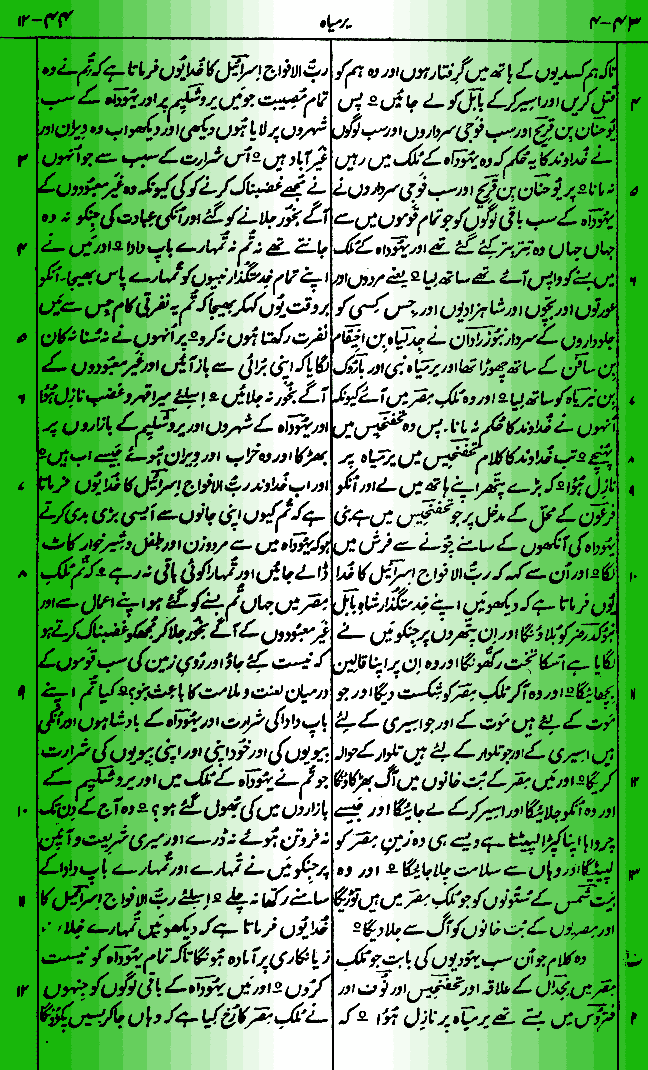
Verse-by-Verse Commentary (Jeremiah 43:4–13)
Jeremiah 43:4
Verse: So Johanan the son of Kareah and all the captains of the forces and all the people obeyed not the voice of the LORD to dwell in the land of Judah
English Explanation
This verse marks a critical turning point of rebellion. Despite seeking God’s guidance through the prophet Jeremiah in previous verses, Johanan, the military leaders, and the remaining Jews openly defy the divine command. God had explicitly told them to stay in Judah, promising them protection and revival. By refusing to obey, they choose reliance on human strategy over faith in divine sovereignty, sealing their own tragic fate.
Urdu Explanation (اُردو تفسیر)
یہ آیت سرکشی اور نافرمانی کا ایک اہم موڑ ہے۔ اگرچہ انہوں نے پہلے یرمیاہ نبی کے ذریعے خدا کی ہدایت مانگی تھی، لیکن یوحنان، فوجی رہنماؤں اور باقی ماندہ یہودیوں نے خدا کے حکم کی کھلم کھلا نافرمانی کی۔ خدا نے انہیں واضح طور پر یہوداہ میں رہنے کا حکم دیا تھا اور تحفظ کا وعدہ کیا تھا۔ خدا کی حاکمیت پر ایمان لانے کے بجائے، انہوں نے انسانی حکمت عملی پر بھروسہ کیا اور اپنی تباہی کا راستہ خود چنا۔
Jeremiah 43:5
Verse: But Johanan the son of Kareah and all the captains of the forces took all the remnant of Judah that were returned from all nations whither they had been driven to dwell in the land of Judah
English Explanation
Johanan and his commanders do not just disobey individually; they take control of the entire vulnerable remnant of Judah. This included refugees who had previously fled to neighboring countries during the Babylonian invasion but had recently returned hoping to rebuild their lives in their homeland. They are now uprooted once again, forced into an illicit exodus.
Urdu Explanation (اُردو تفسیر)
یوحنان اور اس کے جرنیلوں نے نہ صرف خود نافرمانی کی بلکہ یہوداہ کے تمام باقی ماندہ کمزور لوگوں کو اپنے ساتھ لے لیا۔ اس میں وہ پناہ گزین بھی شامل تھے جو بابل کے حملے کے دوران پڑوسی ممالک میں بھاگ گئے تھے لیکن حال ہی میں اپنے وطن میں دوبارہ زندگی شروع کرنے کی امید کے ساتھ واپس آئے تھے۔ انہیں اب ایک بار پھر زبردستی اپنے وطن سے نکال دیا گیا۔
Jeremiah 43:6
Verse: Even men and women and children and the king’s daughters and every person that Nebuzar-adan the captain of the guard had left with Gedaliah the son of Ahikam the son of Shaphan and Jeremiah the prophet and Baruch the son of Neriah
English Explanation
The text meticulously lists the composition of the group to show that no one was spared from this forced migration. It included vulnerable women, children, royal princesses, and even those whom Nebuchadnezzar’s captain had specifically left under Gedaliah’s care. Crucially, they force Jeremiah the prophet and his scribe Baruch to go with them, effectively kidnapping God’s mouthpiece to accompany them in their rebellion.
Urdu Explanation (اُردو تفسیر)
اس آیت میں تفصیل سے بتایا گیا ہے کہ اس زبردستی ہجرت سے کوئی بھی محفوظ نہ رہا۔ اس میں مرد، عورتیں، بچے، شاہی بیٹیاں اور وہ تمام لوگ شامل تھے جنہیں نبوکدنضر کے کپتان نے جدلیاہ کی نگرانی میں چھوڑا تھا۔ سب سے اہم بات یہ ہے کہ انہوں نے یرمیاہ نبی اور ان کے کاتب باروک کو بھی اپنے ساتھ جانے پر مجبور کیا، یعنی انہوں نے اپنی نافرمانی کے سفر میں خدا کے نبی کو بھی زبردستی شامل کر لیا۔
Jeremiah 43:7
Verse: So they came into the land of Egypt for they obeyed not the voice of the LORD thus came they even to Tahpanhes
English Explanation
The destination of their rebellion is Egypt, specifically the frontier city of Tahpanhes. Egypt historically symbolized slavery and spiritual bondage for Israel. By returning there, the remnant reverses the Exodus, turning their backs on the Promised Land. The phrase “for they obeyed not” emphasizes that this journey was fueled entirely by spiritual defiance.
Urdu Explanation (اُردو تفسیر)
ان کی نافرمانی کی منزل مصر تھی، خاص طور پر سرحد پر واقع شہر تحفنحیس۔ اسرائیل کی تاریخ میں مصر ہمیشہ غلامی اور روحانی تاریکی کی علامت رہا ہے۔ وہاں واپس جا کر، انہوں نے گویا ہجرتِ مصر (Exodus) کے الہیٰ سفر کو الٹ دیا اور موعودہ زمین کو چھوڑ دیا۔ یہ ظاہر کرتا ہے کہ ان کا یہ سفر مکمل طور پر خدا کی مرضی کے خلاف تھا۔
Jeremiah 43:8
Verse: Then came the word of the LORD unto Jeremiah in Tahpanhes saying
English Explanation
Even in a pagan land and among rebellious people, God’s word cannot be silenced or chained. Jeremiah, despite being carried away against his will, receives a fresh revelation from God right inside Egypt. This proves that God’s presence and prophetic judgment follow His people wherever they go; physical relocation cannot hide anyone from God.
Urdu Explanation (اُردو تفسیر)
ایک غیر معبودوں کی سرزمین اور نافرمان لوگوں کے درمیان بھی خدا کے کلام کو خاموش نہیں کیا جا سکا۔ یرمیاہ کو، ان کی مرضی کے خلاف لے جائے جانے کے باوجود، مصر کے اندر ہی خدا کی طرف سے ایک نیا پیغام ملا۔ یہ ثابت کرتا ہے کہ خدا کی موجودگی اور اس کی عدالت انسان کے پیچھے جاتی ہے؛ جگہ بدلنے سے کوئی خدا سے چھپ نہیں سکتا۔
Jeremiah 43:9
Verse: Take great stones in thine hand and hide them in the clay in the brickkiln which is at the entry of Pharaoh’s house in Tahpanhes in the sight of the men of Judah
English Explanation
God commands Jeremiah to perform a prophetic sign. He is to bury large stones in the mortar or clay of the brick terrace near the entrance of Pharaoh’s palace. This public action was done directly “in the sight of the men of Judah” so they could not claim ignorance of the warning. The stones would serve as a foundation for a future historical event.
Urdu Explanation (اُردو تفسیر)
خدا نے یرمیاہ کو ایک تمثیلی اور علامتی کام کرنے کا حکم دیا۔ انہیں تحفنحیس میں فرعون کے محل کے داخلے کے پاس اینٹوں کے بھٹے یا مٹی کے گارے میں بڑے پتھر چھپانے تھے۔ یہ کام یہوداہ کے لوگوں کے سامنے علانیہ کیا گیا تاکہ وہ لاعلمی کا بہانہ نہ بنا سکیں۔ یہ پتھر مستقبل میں ہونے والے ایک تاریخی واقعے کی بنیاد بننے والے تھے۔
Jeremiah 43:10
Verse: And say unto them Thus saith the LORD of hosts the God of Israel Behold I will send and take Nebuchadrezzar the king of Babylon my servant and will set his throne upon these stones that I have hid and he shall spread his royal pavilion over them
English Explanation
The meaning of the buried stones is revealed. The very enemy the Jews fled to Egypt to escape—Nebuchadnezzar—would be brought by God to Egypt. God remarkably calls the pagan King Nebuchadnezzar “my servant,” meaning an instrument used by God to execute judgment. The Babylonian king would erect his throne directly over the hidden stones, proving that fleeing to Egypt was entirely futile.
Urdu Explanation (اُردو تفسیر)
چھپائے گئے پتھروں کا مقصد اب واضح کیا گیا۔ جس دشمن (نبوکدنضر) سے بچنے کے لیے یہودی مصر بھاگے تھے، خدا اسی کو مصر میں لے آئے گا۔ خدا نے حیرت انگیز طور پر بابل کے بادشاہ کو “میرا خادم” کہا، جس کا مطلب ہے کہ وہ خدا کی عدالت کو نافذ کرنے کا ایک ذریعہ تھا۔ بابل کا بادشاہ اپنا تخت انہی پتھروں پر لگائے گا، جس سے یہ ثابت ہوا کہ مصر بھاگنا سراسر بے سود تھا۔
Jeremiah 43:11
Verse: And when he cometh he shall smite the land of Egypt and deliver such as are for death to death and such as are for captivity to captivity and such as are for the sword to the sword
English Explanation
When Nebuchadnezzar invades, Egypt will offer no protection to the Jewish refugees. The judgment will be thorough and multi-faceted: disease/pestilence (“death”), exile (“captivity”), and warfare (“the sword”). Everyone will meet the exact fate assigned to them by divine decree. Safety is found only in the will of God, not in geographical locations.
Urdu Explanation (اُردو تفسیر)
جب نبوکدنضر حملہ کرے گا تو مصر یہودیوں کو کوئی تحفظ نہیں دے سکے گا۔ یہ عدالت مکمل اور مختلف صورتوں میں ہوگی: یعنی وبائی بیماری (موت)، جلاوطنی (اسریٰ)، اور جنگ (تلوار)۔ ہر شخص اسی انجام کو پہنچے گا جو اس کے لیے مقدر ہو چکا ہے۔ حفاظت صرف خدا کی مرضی میں ہے، کسی جغرافیائی جگہ پر نہیں۔
Jeremiah 43:12
Verse: And I will kindle a fire in the houses of the gods of Egypt and he shall burn them and carry them away captives and he shall array himself with the land of Egypt as a shepherd putteth on his garment and he shall go forth from thence in peace
English Explanation
The judgment extends to Egypt’s religious architecture. The false gods of Egypt, which the remnant hoped would protect them, will be utterly powerless. Nebuchadnezzar will burn their temples and loot their idols. The metaphor of a shepherd putting on a garment effortlessly depicts how easily the Babylonian king will conquer, despoil, and clean out the wealth of Egypt before leaving victoriously.
Urdu Explanation (اُردو تفسیر)
خدا کی عدالت مصر کے معبودوں اور مندروں تک پھیلے گی۔ مصر کے جھوٹے معبود، جن سے یہوداہ کے لوگ تحفظ کی امید لگائے بیٹھے تھے، بالکل بے بس ثابت ہوں گے۔ نبوکدنضر ان کے مندروں کو آگ لگا دے گا اور ان کے بتوں کو لوٹ لے گا۔ چرواہے کی طرف سے کپڑا اوڑھنے کی تشبیہ یہ ظاہر کرتی ہے کہ بابل کا بادشاہ کتنی آسانی سے مصر کو فتح کرے گا اور وہاں سے فاتح بن کر نکلے گا۔
Jeremiah 43:13
Verse: He shall break also the images of Beth-shemesh that is in the land of Egypt and the houses of the gods of the Egyptians shall he burn with fire
English Explanation
Beth-shemesh (meaning “House of the Sun,” historically known as Heliopolis) was the center of Egyptian sun-god worship. God promises the total destruction of these religious obelisks and pillars. This verse reinforces the ultimate theological truth: God’s judgment exposes the complete emptiness and helplessness of idolatry.
Urdu Explanation (اُردو تفسیر)
بیت شمس (جس کا مطلب ہے “سورج کا گھر”، جسے ہیلیو پولس بھی کہا جاتا ہے) مصر میں سورج دیوتا کی پوجا کا مرکز تھا۔ خدا ان مذہبی ستونوں اور بتوں کی مکمل تباہی کا وعدہ کرتا ہے۔ یہ آیت اس عظیم سچائی کو ظاہر کرتی ہے کہ خدا کی عدالت بت پرستی کے کھوکھلے پن اور بے بسی کو دنیا کے سامنے عیاں کر دیتی ہے۔
Verse-by-Verse Commentary (Jeremiah 44:1–12)
Jeremiah 44:1
Verse: The word that came to Jeremiah concerning all the Jews which dwell in the land of Egypt which dwell at Migdol and at Tahpanhes and and at Noph and in the country of Pathros saying
English Explanation
Chapter 44 takes place sometime later. The Jewish remnant has now scattered and settled throughout various regions of Egypt, from Migdol and Tahpanhes in the north to Noph (Memphis) and Pathros (Upper/Southern Egypt). God addresses them collectively through Jeremiah, showing that despite their geographical dispersion across Egypt, they remain under His watchful eye and accountability.
Urdu Explanation (اُردو تفسیر)
باب 44 کچھ عرصے بعد کے واقعات کو بیان کرتا ہے۔ یہوداہ کے باقی ماندہ لوگ اب مصر کے مختلف علاقوں میں آباد ہو چکے تھے، شمال میں مجدول اور تحفنحیس سے لے کر نوف (ممفس) اور پتروس (بالائی مصر) تک۔ خدا نے یرمیاہ کے ذریعے ان سب سے خطاب کیا، جس سے یہ ظاہر ہوتا ہے کہ مصر میں پھیل جانے کے باوجود وہ خدا کی نظر اور اس کے انصاف کے دائرے میں ہی تھے۔
Jeremiah 44:2
Verse: Thus saith the LORD of hosts the God of Israel Ye have seen all the evil that I have brought upon Jerusalem and upon all the cities of Judah and behold this day they are a desolation and no man dwelleth therein
English Explanation
God begins His address by reminding the refugees of recent history. They were eyewitnesses to the horrific destruction of Jerusalem and Judah by the Babylonians. The ruins of their homeland stand as undeniable historical proof of what happens when God’s warnings are ignored. God appeals to their firsthand experience to warn them against repeating the same mistakes.
Urdu Explanation (اُردو تفسیر)
خدا اپنے کلام کا آغاز ان پناہ گزینوں کو حالیہ تاریخ یاد دلا کر کرتا ہے۔ وہ خود اپنی آنکھوں سے یروشلم اور یہوداہ کی ہولناک تباہی دیکھ چکے تھے۔ ان کے وطن کے کھنڈرات اس بات کا واضح ثبوت تھے کہ جب خدا کی تنبیہ کو نظر انداز کیا جائے تو کیا انجام ہوتا ہے۔ خدا ان کے اپنے مشاہدے کو بطور دلیل استعمال کرتا ہے۔
Jeremiah 44:3
Verse: Because of their wickedness which they have committed to provoke me to anger in that they went to burn incense and to serve other gods whom they knew not neither they ye nor your fathers
English Explanation
God explicitly diagnoses the cause of Jerusalem’s fall: wickedness characterized by idolatry. Fleeing Jews might have blamed political errors or military weakness, but God corrects that narrative. It was their spiritual adultery—burning incense to foreign deities who had no historical relationship or power to help them—that provoked His holy anger.
Urdu Explanation (اُردو تفسیر)
خدا واضح طور پر یروشلم کی تباہی کی اصل وجہ بتاتا ہے: یعنی بت پرستی اور بدکاری۔ بھاگے ہوئے یہودی شاید اس تباہی کا ذمہ دار سیاسی غلطیوں یا فوجی کمزوری کو ٹھہراتے، لیکن خدا نے ان کی اس سوچ کو درست کیا۔ یہ ان کی روحانی بے وفائی تھی—یعنی ان غیر معبودوں کے آگے بخور جلانا جن کا کوئی وجود یا طاقت نہیں تھی—جس نے خدا کے غضب کو بھڑکایا۔
Jeremiah 44:4
Verse: Howbeit I sent unto you all my servants the prophets rising early and sending them saying Oh do not this abominable thing that I hate
English Explanation
This verse highlights God’s immense patience and grace. God did not catch them off guard; He persistently sent “all my servants the prophets.” The anthropomorphic phrase “rising early and sending them” indicates urgency, diligence, and repeated divine warnings. God’s plea was direct and passionate: stop doing this detestable thing that hurts the relationship between God and His people.
Urdu Explanation (اُردو تفسیر)
یہ آیت خدا کے بے پناہ صبر اور فضل کو ظاہر کرتی ہے۔ خدا نے انہیں اچانک سزا نہیں دی؛ بلکہ اس نے مسلسل “اپنے تمام خادموں یعنی نبیوں” کو بھیجا۔ “صبح سویرے اٹھ کر بھیجنے” کا استعارہ خدا کی مسلسل کوششوں اور بار بار دی جانے والی تنبیہ کو ظاہر کرتا ہے۔ خدا کی التجا بالکل واضح تھی: اس مکروہ کام سے باز آ جاؤ جس سے خدا نفرت کرتا ہے۔
Jeremiah 44:5
Verse: But they hearkened not nor inclined their ear to turn from their wickedness to burn no incense unto other gods
English Explanation
Despite continuous warnings, the people chose willful deafness. They did not just fail to listen; they actively refused to “incline their ear” (stubbornly turning away) and showed no repentance. They continued their idolatrous practices, proving that their rebellion was entrenched and habitual.
Urdu Explanation (اُردو تفسیر)
مسلسل تنبیہ کے باوجود، لوگوں نے جان بوجھ کر کان بند کر لیے۔ انہوں نے نہ صرف سننے سے انکار کیا، بلکہ توبہ کرنے کی کوئی نیت نہ دکھائی۔ وہ مسلسل غیر معبودوں کے لیے بخور جلاتے رہے، جس سے ثابت ہوتا ہے کہ ان کی سرکشی ان کی عادت بن چکی تھی۔
Jeremiah 44:6
Verse: Wherefore my fury and mine anger was poured forth and was kindled in the cities of Judah and in the streets of Jerusalem and they are wasted and desolate as at this day
English Explanation
Because repentance was refused, judgment became inevitable. God’s wrath is described as something poured out like liquid fire, consuming Judah and Jerusalem. The current state of ruin (“as at this day”) stands as a living testament to the tragic but fair consequences of persistent and unrepented sin.
Urdu Explanation (اُردو تفسیر)
چونکہ انہوں نے توبہ کرنے سے انکار کیا، اس لیے سزا ناگزیر ہو گئی۔ خدا کے غضب کو ایک بھڑکتی ہوئی آگ کی طرح بیان کیا گیا ہے جس نے یہوداہ اور یروشلم کو اپنی لپیٹ میں لے لیا۔ ان کا اجڑا ہوا حال (“جیسا کہ آج کے دن ہے”) اس بات کی گواہی تھا کہ گناہ پر قائم رہنے کا انجام کتنا ہولناک ہوتا ہے۔
Jeremiah 44:7
Verse: Therefore now thus saith the LORD the God of hosts the God of Israel Wherefore commit ye this great evil against your souls to cut off from you man and woman child and suckling out of Judah to leave you none to remain
English Explanation
God addresses the current generation in Egypt. He asks a piercing question: Why are you continuing down a path that destroys your own souls? By practicing idolatry in Egypt, they are risking the absolute extinction of the remnant of Judah—men, women, children, and infants alike—leaving no survivors to inherit future promises.
Urdu Explanation (اُردو تفسیر)
خدا اب مصر میں موجود نسل سے مخاطب ہے۔ وہ ایک چبتا ہوا سوال پوچھتا ہے: تم کیوں ایسے راستے پر چل رہے ہو جو تمہاری اپنی جانوں کی بربادی کا باعث ہے؟ مصر میں بت پرستی کر کے، وہ یہوداہ کے بچے کھچے خاندانوں، مردوں، عورتوں اور معصوم بچوں کو مٹانے کا خطرہ مول لے رہے تھے، جس سے مستقبل کی بحالی کے لیے کوئی بھی باقی نہ بچتا۔
Jeremiah 44:8
Verse: In that ye provoke me unto wrath with the works of your hands burning incense unto other gods in the land of Egypt whither ye be gone to dwell that ye might cut yourselves off and that ye might be a curse and a reproach among all the nations of the earth
Explanation
Instead of learning from the destruction of Jerusalem, the remnant repeated the exact same sins in Egypt. They built idols with the “works of your hands” and worshiped Egyptian deities. God warns that the spiritual consequence of this stubbornness is self-destruction (“cut yourselves off”) and becoming an object of mockery (“a curse and a reproach”) worldwide.
Urdu Explanation (اُردو تفسیر)
یروشلم کی تباہی سے سبق سیکھنے کے بجائے، باقی ماندہ لوگوں نے مصر میں جا کر بھی وہی پرانے گناہ دہرائے۔ انہوں نے اپنے ہاتھوں سے بت بنائے اور مصری معبودوں کی پوجا کی۔ خدا خبردار کرتا ہے کہ اس ضد کا نتیجہ خود ان کی اپنی بربادی ہوگا، اور وہ دنیا کی تمام قوموں کے سامنے ایک عبرت کا نشان اور تماشا بن جائیں گے۔
Jeremiah 44:9
Verse: Have ye forgotten the wickedness of your fathers and the wickedness of the kings of Judah and the wickedness of their wives and your own wickedness and the wickedness of your wives which they have committed in the land of Judah and in the streets of Jerusalem
English Explanation
Jeremiah highlights historical amnesia. He asks if they have already forgotten the long line of corruption that ruined their nation: the sins of their ancestors, kings, queens, and their own past sins back home. Spiritual blindness often starts with forgetting the lessons of past divine judgments.
Urdu Explanation (اُردو تفسیر)
یرمیاہ ان کی اخلاقی اور روحانی فراموشی کی نشاندہی کرتا ہے۔ وہ پوچھتا ہے کہ کیا تم اتنی جلدی اپنے باپ دادا، بادشاہوں، ملکہوں اور اپنے ماضی کے گناہوں کو بھول گئے ہو جنہوں نے تمہارے وطن کو برباد کیا؟ روحانی اندھیرا اکثر خدا کے ماضی کے فیصلوں اور عبرتوں کو بھول جانے سے شروع ہوتا ہے۔
Jeremiah 44:10
Verse: They are not humbled even unto this day neither have they feared nor walked in my law nor in my statutes that I set before you and before your fathers
English Explanation
Despite losing their temple, country, and freedom, the people’s hearts remain hard. They show zero humility, no healthy fear of God, and total disregard for His laws. True repentance requires a broken heart, but the remnant retained their prideful rebellion even as refugees in a foreign territory.
Urdu Explanation (اُردو تفسیر)
اپنی ہیکل، ملک اور آزادی کھونے کے باوجود ان کے دل سخت رہے۔ ان میں نہ تو کوئی عاجزی تھی، نہ خدا کا خوف، اور نہ ہی خدا کے قوانین کی کوئی پرواہ تھی۔ سچی توبہ کے لیے دل کا ٹوٹنا ضروری ہے، لیکن یہ لوگ پردیس میں پناہ گزین ہونے کے باوجود اپنی مغرورانہ سرکشی پر قائم رہے۔
Jeremiah 44:11
Verse: Therefore thus saith the LORD of hosts the God of Israel Behold I will set my face against you for evil and to cut off all Judah
English Explanation
Because of their unyielding pride, God issues a final verdict. To have God “set his face against you” is the most terrifying position to be in. Instead of looking upon them with favor and grace, God turns His absolute sovereign focus toward their judgment and elimination from Judah’s lineage.
Urdu Explanation (اُردو تفسیر)
ان کے غیر لچکدار غرور کی وجہ سے، خدا نے اپنا آخری فیصلہ سنایا۔ خدا کا کسی کے خلاف “اپنا منہ کرنا” سب سے خوفناک ترین صورتحال ہے۔ فضل اور کرم کی نظر کرنے کے بجائے، خدا نے اپنی توجہ ان کی عدالت اور ان کے خاتمے پر مرکوز کر دی تاکہ یہوداہ کے اس سرکش گروہ کا نام و نشان مٹ جائے۔
Jeremiah 44:12
Verse: And I will take the remnant of Judah that have set their faces to go into the land of Egypt to sojourn there and they shall all be consumed and fall in the land of Egypt they shall even be consumed by the sword and by the famine they shall die from the least even unto the greatest by the sword and by the famine and they shall be an execration and an astonishment and a curse and a reproach
English Explanation
This verse details the tragic end of those who defiantly chose Egypt over God’s path. Since they “set their faces” to migrate to Egypt, God “sets his face” to judge them there. No one will escape based on status; from the least important to the greatest leader, they will fall by famine and war. They will die in the foreign land they trusted, becoming an object of horror, cursing, and ultimate shame.
Urdu Explanation (اُردو تفسیر)
یہ آیت ان لوگوں کے دردناک انجام کی تفصیل بتاتی ہے جنہوں نے خدا کے راستے کے مقابلے میں مصر جانے کی ضد کی تھی۔ چونکہ انہوں نے مصر جانے کے لیے “اپنے منہ کیے” (پختہ ارادہ کیا)، خدا نے بھی وہاں ان کی عدالت کے لیے اپنا رخ کر لیا۔ مرتبے کی بنیاد پر کوئی نہیں بچے گا؛ چھوٹے سے لے کر بڑے تک سب جنگ اور قحط کا شکار ہوں گے۔ وہ اسی بیگانے ملک میں مریں گے جس پر انہوں نے بھروسہ کیا تھا، اور دوسروں کے لیے بددعا، خوف اور رسوائی کا باعث بنیں گے۔