[bible_app_na
Commentary on Jeremiah Chapter 4 (Verses 19-31)
Jeremiah 4:19
-
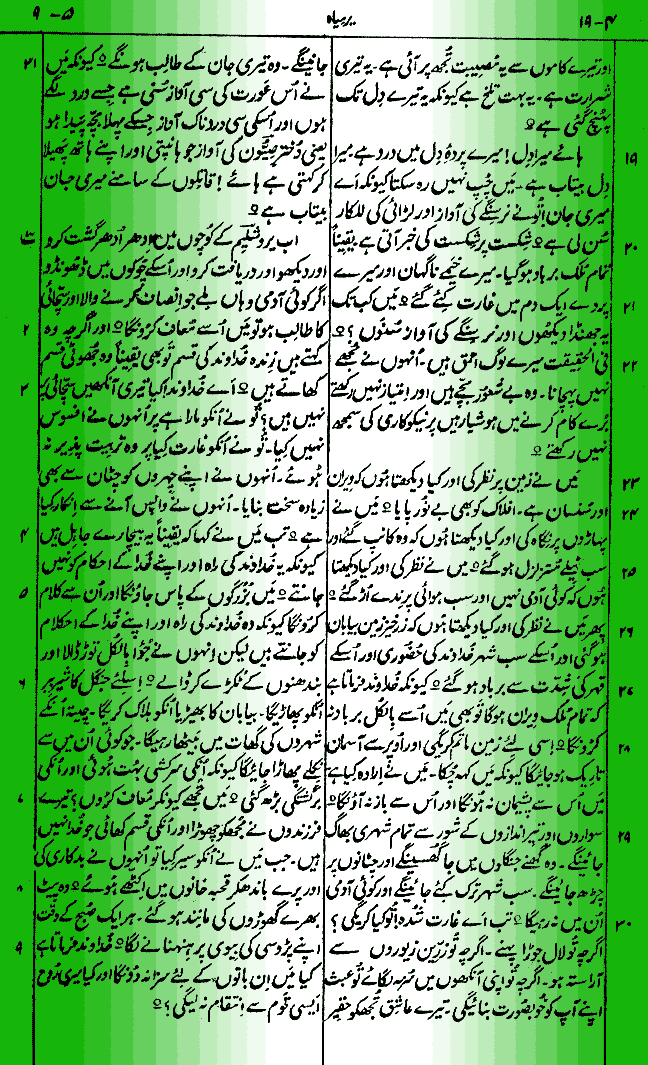
Verse: My bowels my bowels! I am pained at my very heart my heart maketh a noise in me I cannot hold my peace because thou hast heard O my soul the sound of the trumpet the alarm of war
-
English Explanation: In this verse, the prophet Jeremiah expresses intense physical and emotional agony over the impending destruction of his nation. He is deeply troubled, hearing the spiritual and prophetic alarm of war before it physically manifests. It highlights a true spiritual leader’s grief over the consequences of sin.
-
Urdu Explanation: اس آیت میں یرمیاہ نبی اپنے وطن کی تباہی پر شدید جسمانی اور ذہنی تکلیف کا اظہار کر رہے ہیں۔ وہ جنگ کے نقارے کی آواز اپنے دل میں محسوس کر رہے ہیں۔ یہ ایک سچے رہنما کے دکھ کو ظاہر کرتا ہے جو اپنی قوم کی گمراہی اور آنے والے عذاب پر تڑپ رہا ہے۔
Jeremiah 4:20
-
Verse: Destruction upon destruction is cried for the whole land is spoiled suddenly are my tents spoiled and my curtains in a moment
-
English Explanation: This verse describes the rapid and overwhelming nature of the incoming judgment. The devastation comes in waves (“destruction upon destruction”), showing that the security measures and temporary dwellings (“tents and curtains”) of the people offer zero protection against divine judgment.
-
Urdu Explanation: یہاں تباہی کی شدت اور تیزی کا ذکر ہے۔ عذاب اچانک اور پے در پے آئے گا جس سے لوگوں کے عارضی ٹھکانے (خیمے اور پردے) ایک ہی لمحے میں برباد ہو جائیں گے۔ یہ ظاہر کرتا ہے کہ انسانی تدبیریں خدا کے غضب کے سامنے بے سود ہیں۔
Jeremiah 4:21
-
Verse: How long shall I see the standard and hear the sound of the trumpet?
-
English Explanation: Jeremiah asks a desperate question about the duration of this suffering. The “standard” refers to the military battle flag. The verse captures the exhaustion of witnessing ongoing warfare and the psychological toll of a constant state of alarm.
-
Urdu Explanation: نبی مایوسی اور دکھ کے عالم میں پوچھتے ہیں کہ یہ جنگ اور تباہی کب تک جاری رہے گی؟ ‘جھنڈا’ اور ‘نرسنگے کی آواز’ مسلسل جنگ کی علامت ہیں جو ذہنی اور روحانی تھکن کو ظاہر کرتی ہیں۔
Jeremiah 4:22
-
Verse: For my people is foolish they have not known me they are sottish children and they have none understanding they are wise to do evil but to do good they have no knowledge
-
English Explanation: God speaks directly here, calling His people foolish and spiritually ignorant. He notes a tragic irony: the people are highly skilled, clever, and creative when it comes to committing sin (“wise to do evil”), but they are completely clueless and helpless when it comes to doing what is right.
-
Urdu Explanation: یہاں خدا خود فرماتا ہے کہ اس کے لوگ نادان ہیں کیونکہ وہ اپنے خالق کو نہیں جانتے۔ وہ گناہ اور برائی کرنے میں تو بہت چالاک اور عقلمند ہیں لیکن نیکی اور بھلائی کے کاموں کی انہیں کوئی سمجھ یا علم نہیں ہے۔
Jeremiah 4:23
-
Verse: I beheld the earth and lo it was without form and void and the heavens and they had no light
-
English Explanation: The prophet uses imagery that mirrors the pre-creation chaos of Genesis. The phrase “without form and void” implies that the judgment is so severe it feels like uncreation—as if the order of the world is collapsing into darkness.
-
Urdu Explanation: نبی ایک بھیانک منظر دیکھتے ہیں جو کائنات کی تخلیق سے پہلے کی بے ترتیبی اور اندھیرے کی یاد دلاتا ہے۔ عذاب اس قدر شدید ہے کہ ایسا لگتا ہے جیسے زمین اور آسمان اپنی خوبصورتی اور روشنی کھو چکے ہیں۔
Jeremiah 4:24
-
Verse: I beheld the mountains and lo they trembled and all the hills moved lightly
-
Explanation in English: This verse uses seismic metaphors to showcase the weight of divine anger. Even the most stable, unshakeable structures of the earth—the mountains and hills—shake and tremble before the power of the Almighty.
-
Urdu Explanation: اس آیت میں استعارے کے طور پر پہاڑوں کے کانپنے کا ذکر ہے۔ یعنی زمین کی مضبوط ترین چیزیں بھی خدا کے جلال اور غضب کے سامنے قائم نہیں رہ سکتیں اور کانپ اٹھتی ہیں۔
Jeremiah 4:25
-
Verse: I beheld and lo there was no man and all the birds of the heavens were fled
-
English Explanation: This passage describes utter desolation. The judgment leaves the land completely barren; human activity stops entirely, and even nature (represented by the birds fleeing) abandons the land due to the harsh environmental consequences of war.
-
Urdu Explanation: یہاں مکمل تنہائی اور ویرانی کا نقشہ کھینچا گیا ہے۔ انسان تو دور کی بات پرندے بھی اس زمین کو چھوڑ کر جا چکے ہیں جو اس بات کی علامت ہے کہ زندگی کے تمام آثار ختم ہو چکے ہیں۔
Jeremiah 4:26
-
Verse: I beheld and lo the fruitful place was a wilderness and all the cities thereof were broken down at the presence of the LORD and by his fierce anger
-
English Explanation: The once-prosperous and fertile lands are transformed into a desert. This physical destruction of thriving cities is directly attributed to the “fierce anger” of God, emphasizing that it is a spiritual consequence of national disobedience.
-
Urdu Explanation: وہ جگہیں جو کبھی زرخیز اور ہری بھری تھیں اب ریگستان بن چکی ہیں اور شہر تباہ ہو گئے ہیں۔ یہ سب کچھ خدا کے شدید غضب کی وجہ سے ہوا ہے جو نافرمانی کا نتیجہ ہے۔
Jeremiah 4:27
-
Verse: For thus hath the LORD said The whole land shall be desolate yet will I not make a full end
-
English Explanation: While this verse affirms the certainty of total desolation, it contains a crucial spark of mercy: “yet will I not make a full end.” God promises that despite the severity of the judgment, He will preserve a remnant and will not completely annihilate His people.
-
Urdu Explanation: اگرچہ خدا مٹی میں ملانے کا حکم دیتا ہے لیکن اس آیت میں رحم کی ایک جھلک بھی ہے جہاں خدا کہتا ہے کہ “میں اسے پوری طرح ختم نہیں کروں گا”۔ یعنی سزا کے باوجود ایک بقایا حصہ بچا لیا جائے گا۔
Jeremiah 4:28
-
Verse: For this shall the earth mourn and the heavens above be black because I have spoken it I have purposed it and will not repent neither will I turn back from it
-
English Explanation: Creation itself is depicted as mourning the tragedy. God emphasizes the finality of His decree; because the people refused to repent, the judgment is now fixed, irreversible, and certain to occur.
-
Urdu Explanation: کائنات کو اس تباہی پر ماتم کرتے ہوئے دکھایا گیا ہے۔ خدا واضح کرتا ہے کہ چونکہ توبہ کا وقت گزر چکا ہے اس لیے اب یہ فیصلہ اٹل ہے اور بدلا نہیں جائے گا۔
Jeremiah 4:29
-
Verse: The whole city shall flee for the noise of the horsemen and bowmen they shall go into thickets and climb up upon the rocks every city shall be forsaken and not a man dwell therein
-
English Explanation: This details the chaotic retreat of the population. As invading armies advance, citizens abandon their homes to hide in bushes and caves. The urban areas are completely emptied out, shifting from centers of civilization to ghost towns.
-
Urdu Explanation: حملہ آور فوج کے خوف سے لوگ اپنے گھر بار چھوڑ کر جھاڑیوں اور چٹانوں میں چھپنے کے لیے بھاگیں گے۔ شہر بالکل خالی ہو جائیں گے اور وہاں کوئی رہنے والا باقی نہیں رہے گا۔
Jeremiah 4:30
-
Verse: And when thou art spoiled what wilt thou do? Though thou clothest thyself with crimson though thou deckest thee with ornaments of gold though thou rentest thy face with painting in vain shalt thou make thyself fair thy lovers will despise thee they will seek thy life
-
English Explanation: God exposes the vanity of the nation’s political alliances. Jerusalem is personified as a woman trying to seduce foreign nations (“lovers”) for protection using fine clothes and makeup. God warns that these political allies will turn on her and seek her destruction instead.
-
Urdu Explanation: یہاں یروشلم کو ایک ایسی عورت سے تشبیہ دی گئی ہے جو ہار سنگھار کر کے اپنے یاروں (دوسرے ملکوں) کو راضی کرنے کی کوشش کرتی ہے۔ خدا فرماتا ہے کہ یہ سیاسی اتحاد بے سود ہوں گے اور وہی اتحادی اس کی جان کے دشمن بن جائیں گے۔
Jeremiah 4:31
-
Verse: For I have heard a voice as of a woman in travail and the anguish as of her that bringeth forth her first child the voice of the daughter of Zion that bewaileth herself that spreadeth her hands saying Woe is me now! for my soul is wearied because of murderers
-
English Explanation: The chapter concludes with a painful image of childbirth agony, representing the helpless suffering of Jerusalem (“daughter of Zion”). Instead of bringing forth new life, her cries are over the loss of life caused by the invading forces.
-
Urdu Explanation: باب کا اختتام ایک عورت کے وضع حمل کے درد کی تشبیہ پر ہوتا ہے۔ یروشلم کی بیٹی درد سے تڑپ رہی ہے اور ہاتھ پھیلا کر دہائی دے رہی ہے کہ وہ قاتلوں کے ہاتھوں بے بس اور تھک چکی ہے۔
Commentary on Jeremiah Chapter 5 (Verses 1-9)
Jeremiah 5:1
-
Verse: Run ye to and fro through the streets of Jerusalem and see now and know and seek in the broad places thereof if ye can find a man if there be any that executeth judgment that seeketh the truth and I will pardon it
-
English Explanation: Reminiscent of Abraham’s plea for Sodom, God challenges anyone to find just one righteous person in Jerusalem who practices justice and seeks truth. If even one is found, God offers to pardon the entire city, showing how deeply rooted the corruption has become.
-
Urdu Explanation: خدا چیلنج کرتا ہے کہ اگر یروشلم کی گلیوں میں ایک بھی ایسا شخص مل جائے جو سچائی اور انصاف کا طالب ہو تو وہ پورے شہر کو معاف کر دے گا۔ یہ ظاہر کرتا ہے کہ اخلاقی زوال کس حد تک پہنچ چکا تھا۔
Jeremiah 5:2
-
Verse: And though they say The LORD liveth surely they swear falsely
-
English Explanation: The people still use religious language and take oaths in God’s name (“The LORD liveth”), but it is empty hypocrisy. Their lifestyle contradicts their confessions, making their spiritual declarations fraudulent and false.
-
Urdu Explanation: لوگ زبان سے تو خدا کا نام لیتے ہیں اور قسمیں کھاتے ہیں لیکن ان کا یہ عمل محض منافقت ہے۔ ان کے دل خدا سے دور ہیں اور ان کی قسمیں جھوٹی ہیں۔
Jeremiah 5:3
-
Verse: O LORD are not thine eyes upon the truth? thou hast stricken them but they have not grieved thou hast consumed them but they have refused to receive correction they have made their faces harder than a rock they have refused to return
-
English Explanation: Jeremiah speaks to God, noting that divine discipline was meant to guide the people back to truth. However, instead of softening their hearts and repenting, the people hardened their attitudes (“harder than a rock”) and stubbornly refused to change.
-
Urdu Explanation: نبی خدا سے عرض کرتے ہیں کہ سزا کا مقصد لوگوں کو سیدھے راستے پر لانا تھا لیکن انہوں نے اصلاح قبول کرنے سے انکار کر دیا۔ انہوں نے اپنے دلوں کو چٹان کی طرح سخت کر لیا ہے اور توبہ کرنے پر تیار نہیں ہیں۔
Jeremiah 5:4
-
Verse: Therefore I said Surely these are poor they are foolish for they know not the way of the LORD nor the judgment of their God
-
English Explanation: Jeremiah initially tries to excuse the sinful behavior of the common people, reasoning that perhaps they are uneducated, poor, and simply do not know better or understand God’s laws and expectations.
-
Urdu Explanation: یرمیاہ نبی ابتدا میں غریب اور عام لوگوں کا بہانہ تلاش کرتے ہیں کہ شاید یہ لوگ ان پڑھ اور نادان ہیں اس لیے خدا کی شریعت اور احکام سے واقف نہیں ہیں۔
Jeremiah 5:5
-
Verse: I will get me unto the great men and will speak unto them for they have known the way of the LORD and the judgment of their God but these have altogether broken the yoke and burst the bonds
-
English Explanation: The prophet decides to address the elite leaders, priests, and nobility, assuming they would know God’s laws. Tragically, he finds that the leaders are even worse; they have deliberately broken free from God’s moral boundaries (“broken the yoke”).
-
Urdu Explanation: نبی سوچتے ہیں کہ وہ بڑے اور معزز لوگوں کے پاس جائیں گے کیونکہ وہ تو خدا کے قوانین جانتے ہوں گے۔ لیکن وہاں پہنچ کر پتہ چلتا ہے کہ امیروں اور رہنماؤں نے تو جان بوجھ کر خدا کی اطاعت کا جوا اپنے کندھوں سے اتار پھینکا ہے۔
Jeremiah 5:6
-
Verse: Wherefore a lion out of the forest shall slay them and a wolf of the evenings shall spoil them a leopard shall watch over their cities every one that goeth out thence shall be torn in pieces because their transgressions are many and their backslidings are increased
-
English Explanation: Because of widespread corruption across all social classes, judgment is described using wild predators (lion, wolf, leopard). This metaphor signifies that leaving the safety of God’s protection exposes the nation to destructive foreign empires.
-
Urdu Explanation: چونکہ ہر طبقہ گناہ میں ملوث ہے اس لیے ان پر جنگلی درندوں (شیر بھیڑیے اور چیتے) کی مانند عذاب آئے گا۔ یہ اس بات کی علامت ہے کہ خدا کی پناہ سے باہر نکلنے کا انجام تباہی ہے۔
Jeremiah 5:7
-
Verse: How shall I pardon thee for this? thy children have forsaken me and sworn by them that are no gods when I had fed them to the full they then committed adultery and assembled themselves by troops in the harlots’ houses
-
English Explanation: God asks a rhetorical question regarding justice. Despite receiving physical abundance and blessings (“fed them to the full”), the people responded with idolatry and immorality, turning away from their Provider to worship false gods.
-
Urdu Explanation: خدا فرماتا ہے کہ ایسی حالت میں معافی کیسے ممکن ہے؟ جب خدا نے انہیں ہر نعمت سے نوازا تو انہوں نے شکرگزاری کی بجائے بت پرستی اور اخلاقی برائیوں کا راستہ چنا۔
Jeremiah 5:8
-
Verse: They were as fed horses in the morning every one neighed after his neighbour’s wife
-
English Explanation: This verse uses a vivid animalistic metaphor to describe the unrestrained lust and moral degradation of the society. The people are compared to well-fed, undisciplined horses who lack self-control and actively pursue adultery.
-
Urdu Explanation: یہاں ان کی اخلاقی گراوٹ کو بے لگام گھوڑوں سے تشبیہ دی گئی ہے جو شہوت میں اندھے ہو کر اپنے پڑوسی کی بیوی پر بری نظر رکھتے ہیں۔ یہ معاشرے کی اخلاقی تباہی کی انتہا ہے۔
Jeremiah 5:9
-
Verse: Shall I not visit for these things? saith the LORD and shall not my soul be avenged on such a nation as this?
-
English Explanation: The passage concludes with a definitive declaration of divine justice. A holy God cannot ignore systemic injustice, hypocrisy, and immorality; He must step in to correct and judge a nation that behaves this way.
-
Urdu Explanation: آخر میں خدا فرماتا ہے کہ کیا وہ ان کرتوتوں کی سزا نہ دے؟ ایک پاک اور عادل خدا ایسے گناہوں اور ناانصافیوں کو کبھی نظر انداز نہیں کر سکتا اور اس کا عدل نافذ ہو کر رہے گا۔
v]