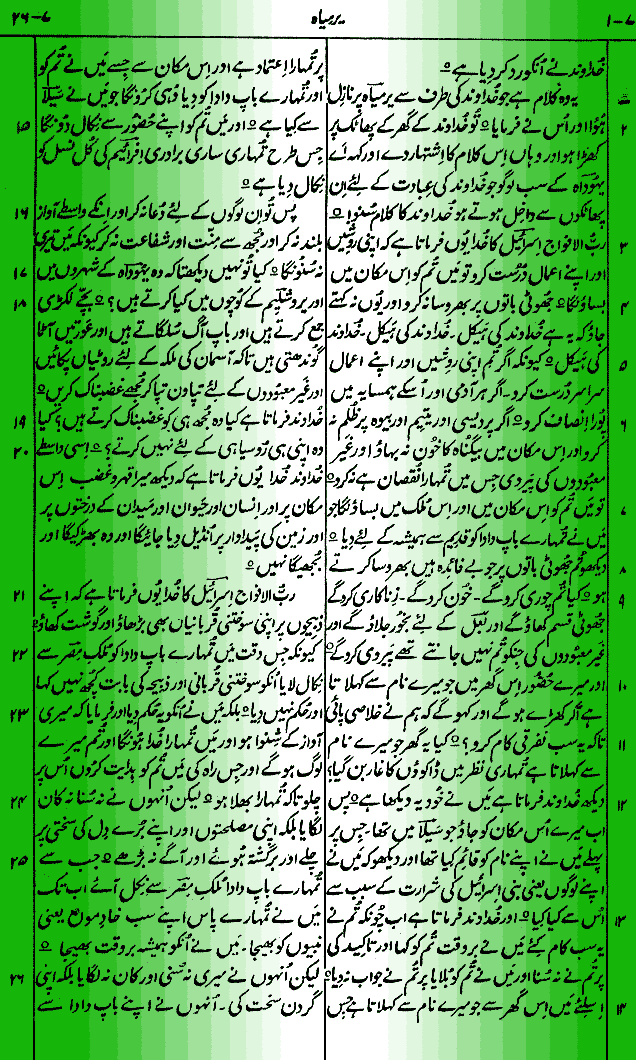
Verse-by-Verse Commentary (Jeremiah 7:1–26)
Jeremiah 7:1
Verse: The word that came to Jeremiah from the LORD saying
English Explanation: This introductory verse establishes the divine authority of the message. This is not Jeremiah’s personal opinion or political analysis; it is the literal, sovereign word of God given directly to the prophet. It marks the beginning of what theologians call the “Temple Sermon,” one of the most critical confrontations in biblical history.
Urdu Explanation (تفصیل): یہ تعارفی آیت اس پیغام کے الٰہی اختیار کو ظاہر کرتی ہے۔ یہ یرمیاہ نبی کی ذاتی رائے یا سیاسی تجزیہ نہیں ہے، بلکہ یہ خدا کا حقیقی اور خود مختار کلام ہے جو براہِ راست نبی پر نازل ہوا۔ یہیں سے بائبل کی تاریخ کے ایک اہم ترین خطاب کا آغاز ہوتا ہے جسے “ہیکل کا خطبہ” کہا جاتا ہے۔
Jeremiah 7:2
Verse: Stand in the gate of the LORD’s house and proclaim there this word and say Hear the word of the LORD all ye of Judah that enter in at these gates to worship the LORD
English Explanation: God commands Jeremiah to stand at the very entrance of the Temple in Jerusalem. This was a highly public and strategic location. Jeremiah is told to address the worshipers who feel secure in their religious rituals, challenging them to listen to what God actually requires rather than just going through the motions of worship.
Urdu Explanation (تفصیل): خدا یرمیاہ کو یروشلم کے ہیکل کے عین دروازے پر کھڑے ہونے کا حکم دیتا ہے۔ یہ ایک انتہائی عوامی اور سٹریٹجک جگہ تھی۔ یرمیاہ کو حکم دیا گیا ہے کہ وہ ان عبادت گزاروں سے مخاطب ہوں جو اپنی مذہبی رسومات میں خود کو محفوظ سمجھتے ہیں، اور انہیں چیلنج کریں کہ وہ صرف ظاہری رسومات ادا کرنے کے بجائے اس بات پر کان دھریں کہ خدا واقعی ان سے کیا چاہتا ہے۔
Jeremiah 7:3
Verse: Thus saith the LORD of hosts the God of Israel Amend your ways and your doings and I will cause you to dwell in this place
English Explanation: God offers a conditional promise of protection. The title “LORD of hosts” emphasizes His supreme power. The core message is a call for genuine repentance: if the people completely change their lifestyles (“ways”) and specific actions (“doings”), God will allow them to remain safely in their promised land.
Urdu Explanation (تفصیل): خدا یہاں تحفظ کا ایک مشروط وعدہ پیش کرتا ہے۔ “رب الافواج” (لشکروں کا خدا) کا لقب اس کی اعلیٰ ترین قدرت کو ظاہر کرتا ہے۔ پیغام کا بنیادی مقصد سچی توبہ کی دعوت ہے: اگر لوگ اپنی طرزِ زندگی (“راہیں”) اور اپنے مخصوص اعمال (“کام”) کو مکمل طور پر درست کر لیں، تو خدا انہیں ان کی موعودہ زمین میں سلامتی سے رہنے دے گا۔
Jeremiah 7:4
Verse: Trust ye not in lying words saying The temple of the LORD The temple of the LORD The temple of the LORD are these
English Explanation: The people were using the Temple as a superstitious good luck charm. They repeated “The temple of the LORD” like a magical chant, believing God would never allow His own dwelling place to be destroyed, regardless of how wickedly they behaved. Jeremiah explicitly calls these beliefs “lying words.”
Urdu Explanation (تفصیل): لوگ ہیکل کو ایک وہمی تعویذ یا خوش قسمتی کی علامت کے طور پر استعمال کر رہے تھے۔ وہ ایک جادوئی کلمے کی طرح “خداوند کی ہیکل، خداوند کی ہیکل، خداوند کی ہیکل” کی رٹ لگا رہے تھے، ان کا ماننا تھا کہ خدا اپنے رہنے کی جگہ کو کبھی تباہ نہیں ہونے دے گا، چاہے ان کے اعمال کتنے ہی برے کیوں نہ ہوں۔ یرمیاہ واضح طور پر ان عقائد کو “جھوٹی باتیں” قرار دیتا ہے۔
Jeremiah 7:5
Verse: For if ye throughly amend your ways and your doings if ye throughly execute judgment between a man and his neighbour
English Explanation: True repentance cannot be superficial; it must be thorough. God demands social justice and ethical integrity. A righteous society is proven by how honestly and fairly people treat one another in daily interactions and legal disputes.
Urdu Explanation (تفصیل): سچی توبہ سطحی نہیں ہو سکتی، اسے مکمل اور گہرا ہونا چاہیے۔ خدا سماجی انصاف اور اخلاقی دیانتداری کا تقاضا کرتا ہے۔ ایک راستباز معاشرے کا ثبوت اس بات سے ملتا ہے کہ لوگ روزمرہ کے معاملات اور قانونی تنازعات میں ایک دوسرے کے ساتھ کتنی ایمانداری اور انصاف سے پیش آتے ہیں۔
Jeremiah 7:6
Verse: If ye oppress not the stranger the fatherless and the widow and shed not innocent blood in this place neither walk after other gods to your hurt
English Explanation: God identifies the ultimate test of a society’s morality: how it treats its most vulnerable members (foreigners, orphans, and widows). True faith rejects the exploitation of the weak, forbids violence against the innocent, and demands absolute loyalty to God instead of self-destructive idolatry.
Urdu Explanation (تفصیل): خدا کسی بھی معاشرے کے اخلاق کا حتمی امتحان بیان کرتا ہے: وہ اپنے سب سے کمزور طبقات (مسافروں، یتیموں اور بیواؤں) کے ساتھ کیسا سلوک کرتا ہے۔ سچا ایمان کمزوروں کے استحصال کو مسترد کرتا ہے، معصوموں کے خلاف تشدد سے روکتا ہے، اور خود کو تباہ کرنے والی بت پرستی کے بجائے خدا کے ساتھ مکمل وفاداری کا تقاضا کرتا ہے۔
Jeremiah 7:7
Verse: Then will I cause you to dwell in this place in the land that I gave to your fathers for ever and ever
English Explanation: If the conditions of justice and faithfulness mentioned in verses 5 and 6 are met, God promises permanent residency in the promised land. The covenant security of Israel was always tied directly to their moral and spiritual obedience.
Urdu Explanation (تفصیل): اگر آیت ۵ اور ۶ میں بیان کردہ انصاف اور وفاداری کی شرائط پوری ہو جائیں، تو خدا موعودہ زمین میں مستقل سکونت کا وعدہ کرتا ہے۔ اسرائیل کا عہد اور ان کا تحفظ ہمیشہ ان کی اخلاقی اور روحانی فرمانبرداری سے وابستہ تھا۔
Jeremiah 7:8
Verse: Behold ye trust in lying words that cannot profit
English Explanation: Jeremiah repeats the warning against spiritual deception. He emphasizes that relying on empty religious rituals and false theology provides a false sense of security that will ultimately yield zero benefit when judgment arrives.
Urdu Explanation (تفصیل): یرمیاہ روحانی دھوکے کے خلاف انتباہ کو دہراتا ہے۔ وہ اس بات پر زور دیتا ہے کہ خالی مذہبی رسومات اور جھوٹے عقائد پر بھروسہ کرنا ایک فرضی تحفظ فراہم کرتا ہے، جس کا انجامِ کار عدالت کے وقت کوئی فائدہ نہیں ہوگا۔
Jeremiah 7:9
Verse: Will ye steal murder and commit adultery and swear falsely and burn incense unto Baal and walk after other gods whom ye know not
English Explanation: The prophet lists blatant violations of the Ten Commandments. The people were actively engaging in theft, murder, infidelity, perjury, and pagan idol worship (Baal), completely breaking their covenant with God while expecting His blessings.
Urdu Explanation (تفصیل): نبی دس احکام کی صریح خلاف ورزیوں کی فہرست پیش کرتا ہے۔ لوگ چوری، قتل، زنا کاری، جھوٹی گواہی، اور بت پرستی (بعل دیوتا کی پوجا) میں سرگرم تھے، یعنی خدا کے ساتھ اپنے عہد کو پوری طرح توڑ رہے تھے اور پھر بھی اس کی برکات کے طلبگار تھے۔
Jeremiah 7:10
Verse: And come and stand before me in this house which is called by my name and say We are delivered to do all these abominations
English Explanation: This highlights extreme hypocrisy. The people would commit terrible sins throughout the week and then stand in the Temple, thinking that performing religious rituals “delivered” or excused them to go right back out and sin again. They treated God’s grace as a license to evil.
Urdu Explanation (تفصیل): یہ شدید منافقت کو ظاہر کرتا ہے۔ لوگ پورا ہفتہ خوفناک گناہ کرتے اور پھر ہیکل میں آ کر کھڑے ہو جاتے، یہ سوچ کر کہ مذہبی رسومات کی ادائیگی نے انہیں “نجات” دے دی ہے یا دوبارہ گناہ کرنے کی چھوٹ دے دی ہے۔ وہ خدا کے فضل کو گناہ کرنے کا لائسنس سمجھتے تھے۔
Jeremiah 7:11
Verse: Is this house which is called by my name become a den of robbers in your eyes Behold even I have seen it saith the LORD
English Explanation: The Temple had become a hiding place for spiritual criminals—a “den of robbers” where thieves ran for cover after committing crimes. Jesus famously quoted this exact verse when cleansing the Temple. God declares that He sees right through their shallow games.
Urdu Explanation (تفصیل): ہیکل روحانی مجرموں کے چھپنے کی جگہ بن چکا تھا—ایک “ڈاکوؤں کی کھوہ” جہاں چور گناہ کرنے کے بعد پناہ لیتے تھے۔ یسوع مسیح نے ہیکل کی صفائی کرتے وقت اسی آیت کا حوالہ دیا تھا۔ خدا فرماتا ہے کہ وہ ان کے اس کھوکھلے کھیل کو اچھی طرح دیکھ رہا ہے۔
Jeremiah 7:12
Verse: But go ye now unto my place which was in Shiloh where I set my name at the first and see what I did to it for the wickedness of my people Israel
English Explanation: God gives a historical reality check. Shiloh was the original location of the Tabernacle and the Ark of the Covenant during the time of the Judges. Because of Israel’s wickedness, God allowed Shiloh to be utterly destroyed by the Philistines. God warns Jerusalem that it is not immune to the same fate.
Urdu Explanation (تفصیل): خدا تاریخ سے ایک عبرت ناک مثال پیش کرتا ہے۔ قاضیوں کے دور میں شیلوہ وہ جگہ تھی جہاں سب سے پہلے خیمہِ اجتماع اور عہد کا صندوق رکھا گیا تھا۔ اسرائیل کی بدکاری کی وجہ سے، خدا نے فلستیوں کے ہاتھوں شیلوہ کو مکمل طور پر تباہ ہونے دیا۔ خدا یروشلم کو خبردار کرتا ہے کہ وہ بھی اس انجام سے محفوظ نہیں ہے۔
Jeremiah 7:13
Verse: And now because ye have done all these works saith the LORD and I spake unto you rising up early and speaking but ye heard not and I called you but ye answered not
English Explanation: The phrase “rising up early and speaking” is an idiom showing God’s intense, persistent, and urgent efforts to reach His people through the prophets. Despite His constant warnings and invitations, the people completely ignored Him.
Urdu Explanation (تفصیل): محاورہ “صُبح سویرے اٹھ کر بولنا” خدا کی اس شدید، مستقل اور فوری کوشش کو ظاہر کرتا ہے جو وہ اپنے انبیاء کے ذریعے اپنے لوگوں تک پہنچانے کے لیے کر رہا تھا۔ اس کی مسلسل تنبیہ اور پکار کے باوجود، لوگوں نے اسے بالکل نظر انداز کر دیا۔
Jeremiah 7:14
Verse: Therefore will I do unto this house which is called by my name wherein ye trust and unto the place which I gave to you and to your fathers as I have done to Shiloh
English Explanation: Because of their persistent refusal to listen, God sentences the Temple to destruction. The physical building they worshiped and trusted in more than God Himself would face the exact same catastrophic ruin that befell Shiloh.
Urdu Explanation (تفصیل): ان کی مسلسل نافرمانی کی وجہ سے، خدا ہیکل کی تباہی کا فیصلہ سناتا ہے۔ جس مادی عمارت کی وہ خدا سے زیادہ پرستش اور اس پر بھروسہ کرتے تھے، اس کا انجام بھی بالکل شیلوہ جیسا عبرت ناک ہوگا۔
Jeremiah 7:15
Verse: And I will cast you out of my sight as I have cast out all your brethren even the whole seed of Ephraim
English Explanation: “Ephraim” refers to the Northern Kingdom of Israel, which had already been conquered and exiled by Assyria over a century earlier due to their idolatry. God warns the Southern Kingdom of Judah that they will suffer the exact same exile and rejection.
Urdu Explanation (تفصیل): “افراہیم” سے مراد اسرائیل کی شمالی سلطنت ہے، جسے ایک صدی سے زیادہ پہلے اس کی بت پرستی کی وجہ سے اسور نے فتح کر کے جلاوطن کر دیا تھا۔ خدا یہوداہ کی جنوبی سلطنت کو خبردار کرتا ہے کہ انہیں بھی اسی طرح ملک بدر اور رد کر دیا جائے گا۔
Jeremiah 7:16
Verse: Therefore pray not thou for this people neither lift up cry nor prayer for them neither make intercession to me for I will not hear thee
English Explanation: This is a terrifying turning point. God commands Jeremiah to stop praying or interceding for the nation. The people have crossed a line of stubborn rebellion where judgment is now inevitable, and even the prayers of a righteous prophet will not change God’s mind.
Urdu Explanation (تفصیل): یہ ایک ہولناک موڑ ہے۔ خدا یرمیاہ کو حکم دیتا ہے کہ وہ اس قوم کے لیے دعا یا شفاعت کرنا بند کر دے۔ لوگ سرکشی کی اس حد کو پار کر چکے ہیں جہاں اب عدالت ناگزیر ہے، اور ایک راستباز نبی کی دعائیں بھی اب خدا کے فیصلے کو نہیں بدل سکتیں۔
Jeremiah 7:17
Verse: Seest thou not what they do in the cities of Judah and in the streets of Jerusalem
English Explanation: God points out the blatant and visible nature of their sins. Their idolatry was not happening in secret or hidden corners; it was occurring openly in public city squares and throughout the very streets of Jerusalem.
Urdu Explanation (تفصیل): خدا ان کے گناہوں کے کھلے عام اور واضح ہونے کی طرف اشارہ کرتا ہے۔ ان کی بت پرستی کسی پوشیدہ کونے یا خفیہ جگہ پر نہیں ہو رہی تھی، بلکہ یہ کھلم کھلا شہر کے چوکوں اور یروشلم کی گلیوں میں ہو رہی تھی۔
Jeremiah 7:18
Verse: The children gather wood and the fathers kindle the fire and the women knead their dough to make cakes to the queen of heaven and to pour out drink offerings unto other gods that they may provoke me to anger
English Explanation: Idolatry had become a multi-generational family project. Children, fathers, and mothers all worked together to worship the “queen of heaven” (a pagan goddess, likely Ishtar). Their collective energy was completely invested in false worship that directly insulted the true God.
Urdu Explanation (تفصیل): بت پرستی ایک خاندانی منصوبہ بن چکی تھی جس میں نسل در نسل سب شامل تھے۔ بچے، باپ اور مائیں سب مل کر “آسمان کی ملکہ” (ایک باطل دیوی، ممکنہ طور پر اشترود) کی پوجا کے لیے کام کر رہے تھے۔ ان کی پوری خاندانی توانائی اس جھوٹی عبادت میں لگی ہوئی تھی جو سچے خدا کی توہین کا باعث تھی۔
Jeremiah 7:19
Verse: Do they provoke me to anger saith the LORD do they not provoke themselves to the confusion of their own faces
English Explanation: God asks a rhetorical question. Their sins do not diminish God’s eternal sovereign state, nor can they truly hurt Him. Instead, by provoking God, they are actually destroying themselves, leading to their own ultimate public shame and confusion.
Urdu Explanation (تفصیل): خدا ایک فصیح سوال پوچھتا ہے۔ ان کے گناہ خدا کی ابدی حاکمیت کو کم نہیں کرتے اور نہ ہی اسے کوئی نقصان پہنچا سکتے ہیں۔ اس کے بجائے، خدا کو غصہ دلا کر وہ دراصل خود کو تباہ کر رہے ہیں، جس کا نتیجہ ان کی اپنی ہی رسوائی اور شرمندگی کی صورت میں نکلے گا۔
Jeremiah 7:20
Verse: Therefore thus saith the Lord GOD Behold mine anger and my fury shall be poured out upon this place upon man and upon beast and upon the trees of the field and upon the fruit of the ground and it shall burn and shall not be quenched
English Explanation: God’s dynamic judgment is described as an unquenchable fire. This holy wrath will affect the entire ecosystem—humans, animals, vegetation, and agriculture. The destruction will be total and absolute because of their refusal to repent.
Urdu Explanation (تفصیل): خدا کی شدید عدالت کو ایک نہ بجھنے والی آگ سے تشبیہ دی گئی ہے۔ یہ الٰہی غضب پورے ماحول پر اثر انداز ہوگا—انسانوں، جانوروں، درختوں اور زمین کی پیداوار پر۔ توبہ سے انکار کی وجہ سے یہ تباہی مکمل اور حتمی ہوگی۔
Jeremiah 7:21
Verse: Thus saith the LORD of hosts the God of Israel Put your burnt offerings unto your sacrifices and eat flesh
English Explanation: God uses biting irony. In a proper sacrifice, “burnt offerings” were entirely consumed by fire for God, while “sacrifices” were partly eaten by the worshipers. God tells them they might as well just grill and eat all the meat themselves, because their rituals are completely meaningless to Him without a holy lifestyle.
Urdu Explanation (تفصیل): خدا یہاں طنز کا استعمال کرتا ہے۔ عام قربانیوں میں “سوختنی قربانیاں” مکمل طور پر خدا کے لیے آگ میں جلائی جاتی تھیں، جبکہ دیگر قربانیوں کا کچھ حصہ عبادت گزار خود کھاتے تھے۔ خدا ان سے کہتا ہے کہ وہ تمام گوشت خود ہی پکا کر کھا لیں، کیونکہ پاکیزہ زندگی کے بغیر ان کی یہ رسومات خدا کے نزدیک بالکل بے معنی ہیں۔
Jeremiah 7:22
Verse: For I spake not unto your fathers nor commanded them in the day that I brought them out of the land of Egypt concerning burnt offerings or sacrifices
English Explanation: God clarifies the original focus of His covenant. When Israel was delivered from Egypt, the initial commands at Mount Sinai focused on moral obedience and relationship, not the mechanics of animal sacrifices. Sacrifices were designed to restore a broken relationship, not substitute for obedience.
Urdu Explanation (تفصیل): خدا اپنے عہد کے اصل مقصد کو واضح کرتا ہے۔ جب اسرائیل کو مصر سے مخلصی ملی، تو کوہِ سینا پر ابتدائی احکام کا محور اخلاقی فرمانبرداری اور تعلق تھا، نہ کہ جانوروں کی قربانیوں کی ظاہری رسم۔ قربانیاں ٹوٹے ہوئے تعلق کو بحال کرنے کے لیے تھیں، فرمانبرداری کے متبادل کے طور پر نہیں۔
Jeremiah 7:23
Verse: But this thing commanded I them saying Obey my voice and I will be your God and ye shall be my people and walk ye in all the ways that I have commanded you that it may be well unto you
English Explanation: This is the heartbeat of God’s covenant: “Obey my voice.” God’s ultimate desire has always been a reciprocal, loving relationship where His people follow His guidance so that they can experience true spiritual and physical prosperity.
Urdu Explanation (تفصیل): یہ خدا کے عہد کی اصل روح ہے: “میری آواز سنو” (میری فرمانبرداری کرو)۔ خدا کی اولین خواہش ہمیشہ سے ایک باہمی، محبت پر مبنی تعلق رہا ہے جہاں اس کے لوگ اس کی ہدایات پر عمل کریں تاکہ وہ حقیقی روحانی اور جسمانی خوشحالی کا تجربہ کر سکیں۔
Jeremiah 7:24
Verse: But they hearkened not nor inclined their ear but walked in the counsels and in the imagination of their evil heart and went backward and not forward
English Explanation: Instead of moving forward into blessing, Israel regressed. They refused to listen, chose to follow their own corrupt instincts, and pursued their own desires. This self-reliance caused them to slide backward into spiritual darkness.
Urdu Explanation (تفصیل): برکت کی طرف آگے بڑھنے کے بجائے، اسرائیل پیچھے کی طرف ہٹ گیا۔ انہوں نے سننے سے انکار کر دیا، اپنے برے دل کے منصوبوں پر چلنے کا انتخاب کیا، اور اپنی خواہشات کے پیچھے چلے۔ اس خود پسندی نے انہیں روحانی تاریکی میں دھکیل دیا۔
Jeremiah 7:25
Verse: Since the day that your fathers came forth out of the land of Egypt unto this day I have even sent unto you all my servants the prophets daily rising up early and sending them
English Explanation: God highlights His incredible patience. For centuries—from the Exodus until Jeremiah’s time—God consistently and relentlessly sent prophets to warn, guide, and call His people back to Him, demonstrating His profound grace.
Urdu Explanation (تفصیل): خدا اپنے حیرت انگیز صبر کو اجاگر کرتا ہے۔ صدیوں تک—خروجِ مصر سے لے کر یرمیاہ کے دور تک—خدا نے اپنے لوگوں کو خبردار کرنے، ان کی رہنمائی کرنے اور انہیں اپنی طرف واپس بلانے کے لیے مسلسل اور انتھک انبیاء بھیجے، جو اس کے گہرے فضل کا ثبوت ہے۔
Jeremiah 7:26
Verse: Yet they hearkened not unto me nor inclined their ear but hardened their neck they did worse than their fathers
English Explanation: Despite generations of divine prophets, the current generation reached a tipping point of stubbornness. They “hardened their neck” (a metaphor for stubborn resistance like a rebellious ox) and committed even greater sins than previous generations, fully setting the stage for imminent judgment.
Urdu Explanation (تفصیل): الٰہی انبیاء کی نسلوں کے باوجود، موجودہ نسل ضد اور سرکشی کی آخری حد تک پہنچ گئی۔ انہوں نے “اپنی گردن کو سخت کیا” (ایک سرکش بیل کی طرح جو حکم نہیں مانتا) اور پچھلی نسلوں سے بھی بڑھ کر گناہ کیے، جس سے ان پر فوری عدالت کا آنا یقینی ہو گیا۔