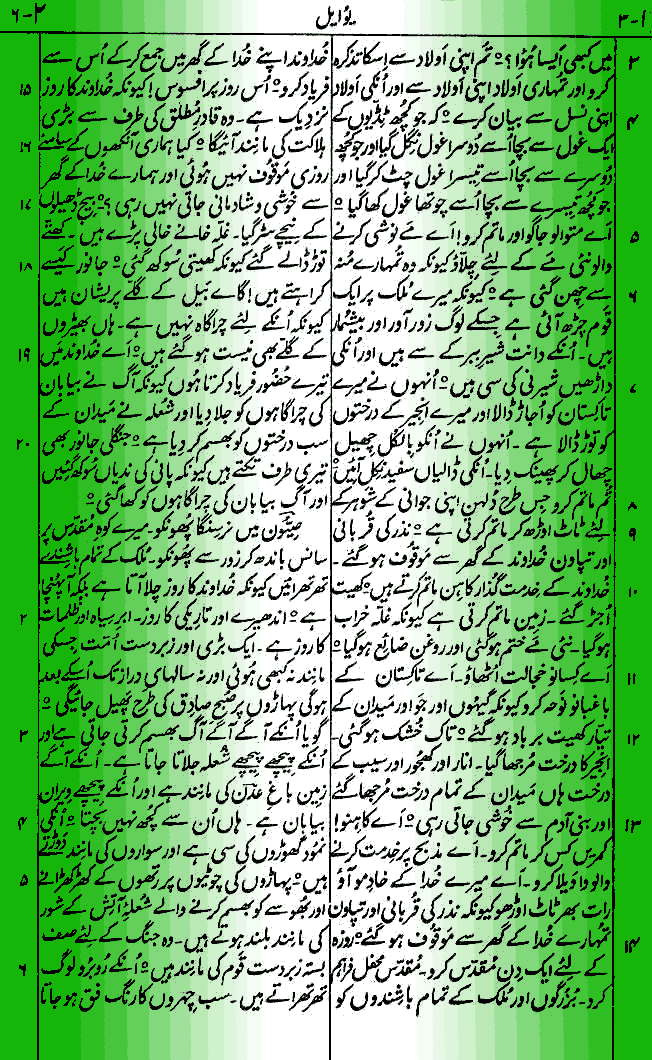
Verse-by-Verse Commentary (Joel 1:3 – Joel 2:6)
Joel 1:3
Verse: Tell ye your children of it and let your children tell their children and their children another generation
English Explanation: The prophet Joel emphasizes the unprecedented nature of the impending judgment. The calamity is so severe that it must be preserved in the collective memory of the nation, passed down through generations as a perpetual warning about the consequences of spiritual complacency and sin.
Urdu Explanation (اُردو تشریح): نبی یوایل اس آنے والی عدالت کی غیر معمولی نوعیت پر زور دیتا ہے۔ یہ مصیبت اتنی شدید ہے کہ اسے قوم کی یادداشت میں ہمیشہ کے لیے محفوظ رہنا چاہیے، تاکہ آنے والی نسلیں گناہ اور روحانی غفلت کے ہولناک نتائج سے واقف رہ سکیں۔
Joel 1:4
Verse: That which the palmerworm hath left hath the locust eaten and that which the locust hath left hath the cankerworm eaten and that which the cankerworm hath left hath the caterpiller eaten
English Explanation: This verse describes total economic and agricultural devastation. Whether interpreted as four successive waves of different locust species or distinct stages of a locust’s lifecycle, the message is clear: what one wave of destruction spares, the next completely consumes, leaving absolutely nothing behind.
Urdu Explanation (اُردو تشریح): یہ آیت مکمل معاشی اور زرعی تباہی کو بیان کرتی ہے۔ ٹڈی دل کی مختلف اقسام یا ان کے بڑھنے کے مختلف مراحل یکے بعد دیگرے حملہ آور ہوتے ہیں۔ پیغام واضح ہے: جو کچھ تباہی کی ایک لہر سے بچتا ہے، دوسری اسے مکمل طور پر چٹ کر جاتی ہے، جس سے کچھ باقی نہیں بچتا۔
Joel 1:5
Verse: Awake ye drunkards and weep and howl all ye drinkers of wine because of the new wine for it is cut off from your mouth
English Explanation: Joel calls out those who live in self-indulgence and spiritual stupor. The “drunkards” are shaken awake not by choice, but by the reality that the luxury and wine they depend on for comfort have been completely wiped out by the plague.
Urdu Explanation (اُردو تشریح): یوایل ان لوگوں کو للکارتا ہے جو عیش و عشرت اور روحانی غفلت کی زندگی گزار رہے ہیں۔ اِن “شرابیوں” کو زبردستی جگایا جا رہا ہے کیونکہ وہ شراب اور عیاشی جس پر وہ تکیہ کیے ہوئے تھے، اس آفت کی وجہ سے مکمل طور پر ختم ہو چکی ہے۔
Joel 1:6
Verse: For a nation is come up upon my land strong and without number whose teeth are the teeth of a lion and he hath the cheek teeth of a great lion
English Explanation: The locust swarm is metaphorically described as an invading, unstoppable army (“a nation”). Their destructive chewing power is compared to the terrifying, bone-crushing teeth and jaws of a mature lion, signifying absolute destruction of the landscape.
Urdu Explanation (اُردو تشریح): ٹڈی دل کے اس گروہ کو استعاراتی طور پر ایک حملہ آور، ناقابلِ تسخیر فوج (“ایک قوم”) کے طور پر بیان کیا گیا ہے۔ ان کے چبانے کی تباہ کن صلاحیت کو ببر شیر کے خوفناک اور ہڈیوں کو چبا دینے والے دانتوں سے تشبیہ دی گئی ہے، جو زمین کی مکمل بربادی کی علامت ہے۔
Joel 1:7
Verse: He hath laid my vine waste and barked my fig tree he hath made it clean bare and cast it away the branches thereof are made white
English Explanation: Vines and fig trees were symbols of peace, prosperity, and God’s blessing in Israel. The locusts have stripped them down to the bare, white wood, showing that the economic and spiritual lifeblood of the nation has been utterly ruined.
Urdu Explanation (اُردو تشریح): انگور کے باغات اور انجیر کے درخت اسرائیل میں امن، خوشحالی اور خدا کی برکت کی علامت تھے۔ ٹڈیوں نے انہیں چھلکے سے محروم کر کے اندر کی سفید لکڑی تک نمایاں کر دی ہے، جو اس بات کی علامت ہے کہ قوم کی معاشی اور روحانی زندگی تباہ ہو چکی ہے۔
Joel 1:8
Verse: Lament like a virgin girded with sackcloth for the husband of her youth
English Explanation: The nation is urged to mourn with the deepest imaginable grief. The imagery of a young virgin mourning the sudden death of her betrothed (“husband of her youth”) highlights a raw, tragic, and life-shattering sorrow.
Urdu Explanation (اُردو تشریح): قوم کو شدید ترین غم کے ساتھ ماتم کرنے کی تاکید کی گئی ہے۔ ایک ایسی کنواری کا تصور پیش کیا گیا ہے جو اپنے جوانی کے شوہر (منگیتر) کی اچانک موت پر ٹاٹ اوڑھ کر روتی ہے، جو کہ ایک گہرے اور زندگی کو ہلا دینے والے صدمے کو ظاہر کرتا ہے۔
Joel 1:9
Verse: The meat offering and the drink offering is cut off from the house of the LORD the priests the LORD’s ministers mourn
English Explanation: Because the crops and vineyards are destroyed, the daily grain and drink offerings cannot be provided. This signifies a breakdown in the covenant relationship and communication between God and His people, causing the priests to grieve deeply.
Urdu Explanation (اُردو تشریح): فصلوں اور انگور کے باغات کی تباہی کی وجہ سے، ہیکل میں روزانہ دی جانے والی نظر اور تپاون کی قربانیاں بند ہو گئی ہیں۔ یہ خدا اور اس کے لوگوں کے درمیان عہدوپیمان اور تعلق کے منقطع ہونے کو ظاہر کرتا ہے، جس سے کاہن سخت غمگین ہیں۔
Joel 1:10
Verse: The field is wasted the land mourneth for the corn is wasted the new wine is dried up the oil languisheth
English Explanation: The basic staples of ancient Near Eastern life—grain, wine, and oil—are completely gone. The prophet personifies the earth itself as mourning over the barren, lifeless state of the agricultural landscape.
Urdu Explanation (اُردو تشریح): قدیم دور کی زندگی کی بنیادی ضرورتیں یعنی اناج، مے اور تیل مکمل طور پر ختم ہو چکے ہیں۔ نبی یہاں زمین کی ایسی منظر کشی کرتا ہے جیسے خود زمین بھی اس بنجر اور بے جان حالت پر ماتم کر رہی ہو۔
Joel 1:11
Verse: Be ye ashamed O ye husbandmen howl O ye vinedressers for the wheat and for the barley because the harvest of the field is perished
English Explanation: Farmers and vinedressers, who rely directly on the soil for survival and identity, are called to despair. Their hard work has yielded absolutely nothing, leaving them helpless and ashamed in the face of total agricultural failure.
Urdu Explanation (اُردو تشریح): کسان اور باغبان، جن کی بقا اور پہچان کا انحصار زمین پر ہے، انہیں مایوسی اور رونے کی دعوت دی گئی ہے۔ ان کی سخت محنت کا کوئی نتیجہ نہیں نکلا، اور وہ اس مکمل زرعی ناکامی کے سامنے بے بس اور شرمندہ کھڑے ہیں۔
Joel 1:12
Verse: The vine is dried up and the fig tree languisheth the pomegranate tree the palm tree also and the apple tree even all the trees of the field are withered because joy is withered away from the sons of men
English Explanation: Every variety of fruit-bearing tree has dried up, leaving no food or sweetness in the land. Joel links this natural desolation directly to human emotion: because the physical blessings are gone, the spiritual and emotional joy of humanity has withered away as well.
Urdu Explanation (اُردو تشریح): ہر قسم کے پھل دار درخت سوکھ چکے ہیں، جس سے زمین میں کوئی مٹھاس یا خوراک باقی نہیں رہی۔ یوایل اس قدرتی تباہی کو انسانی جذبات سے جوڑتا ہے: چونکہ جسمانی برکات ختم ہو چکی ہیں، اس لیے انسانوں کی دلی خوشی اور شادمانی بھی مرجھا گئی ہے۔
Joel 1:13
Verse: Gird yourselves and lament ye priests howl ye ministers of the altar come lie all night in sackcloth ye ministers of my God for the meat offering and the drink offering is withholden from the house of your God
English Explanation: The religious leaders are instructed to lead by example in deep repentance. They are to wear sackcloth and spend nights in weeping at the altar, acknowledging that the cessation of offerings points to a severe spiritual crisis.
Urdu Explanation (اُردو تشریح): مذہبی رہنماؤں (کاہنوں) کو حکم دیا گیا ہے کہ وہ سچی توبہ میں لوگوں کی رہنمائی کریں۔ انہیں ٹاٹ اوڑھنے اور قربان گاہ کے پاس راتیں روتے ہوئے گزارنے کا کہا گیا ہے، کیونکہ قربانیوں کا بند ہونا ایک شدید روحانی بحران کی نشاندہی کرتا ہے۔
Joel 1:14
Verse: Sanctify ye a fast call a solemn assembly gather the elders and all the inhabitants of the land into the house of the LORD your God and cry unto the LORD
English Explanation: The community is called to corporate action. This is not a private issue; every leader, elder, and citizen must gather in the temple to fast, pray, and cry out collectively to God for mercy and deliverance.
Urdu Explanation (اُردو تشریح): پوری قوم کو مل کر ایک قدم اٹھانے کی دعوت دی گئی ہے۔ یہ کوئی نجی معاملہ نہیں ہے؛ ہر رہنما، بزرگ اور عام شہری کو ہیکل میں جمع ہو کر روزہ رکھنا، دعا کرنی اور خدا سے رحم اور نجات کے لیے گریہ و زاری کرنی ہوگی۔
Joel 1:15
Verse: Alas for the day! for the day of the LORD is at hand and as a destruction from the Almighty shall it come
English Explanation: Joel points to the ultimate theological reality behind the physical plague: the “Day of the Lord.” This is a day of divine judgment, where God intervenes to punish sin, arriving with the unstoppable, sovereign power of El Shaddai (the Almighty).
Urdu Explanation (اُردو تشریح): یوایل اس جسمانی آفت کے پیچھے چھپی حتمی روحانی حقیقت یعنی “خداوند کے دن” کی طرف اشارہ کرتا ہے۔ یہ الٰہی عدالت کا دن ہے، جہاں خدا گناہ کی سزا دینے کے لیے خود مداخلت کرتا ہے، اور یہ قادرِ مطلق کی طرف سے بربادی بن کر ناگزیر طور پر آئے گا۔
Joel 1:16
Verse: Is not the meat cut off before our eyes yea joy and gladness from the house of our God?
English Explanation: The people are forced to witness the starvation of their land firsthand. Along with the physical food, the joy, fellowship, and celebration that normally characterized worship in the temple have vanished.
Urdu Explanation (اُردو تشریح): لوگوں کو اپنی آنکھوں کے سامنے اپنی زمین کو بھوک سے مرتے ہوئے دیکھنے پر مجبور کیا گیا ہے۔ جسمانی خوراک کے ساتھ ساتھ، وہ خوشی اور شادمانی بھی غائب ہو گئی ہے جو عام طور پر ہیکل میں عبادت اور رفاقت کا خاصہ ہوتی تھی۔
Joel 1:17
Verse: The seed is rotten under their clods the garners are laid desolate the barns are broken down for the corn is withered
English Explanation: Even the future is compromised; the seeds planted in the soil have shriveled and died before they could sprout. Storage facilities and barns fall into disrepair because there is no harvest left to protect or store.
Urdu Explanation (اُردو تشریح): یہاں تک کہ مستقبل بھی داؤ پر لگ گیا ہے؛ مٹی میں بوئے گئے بیج اگنے سے پہلے ہی سڑ چکے ہیں۔ اناج کے گودام اور کھتیان ویران اور ٹوٹ پھوٹ کا شکار ہیں کیونکہ سنبھالنے یا ذخیرہ کرنے کے لیے کوئی فصل ہی نہیں بچی۔
Joel 1:18
Verse: How do the beasts groan! the herds of cattle are perplexed because they have no pasture yea the flocks of sheep are made desolate
English Explanation: The consequences of human sin spill over into creation. Innocent animals are left wandering, confused, and groaning in hunger because the fields and pastures have been entirely stripped bare by the disaster.
Urdu Explanation (اُردو تشریح): انسانی گناہ کے نتائج پوری مخلوقات پر اثر انداز ہو رہے ہیں۔ معصوم جانور چارے کی تلاش میں بھٹک رہے ہیں، پریشان ہیں اور بھوک سے کراہ رہے ہیں کیونکہ کھیت اور چراگاہیں اس آفت کی وجہ سے مکمل طور پر صاف ہو چکی ہیں۔
Joel 1:19
Verse: O LORD to thee will I cry for the fire hath devoured the pastures of the wilderness and the flame hath burned all the trees of the field
English Explanation: Seeing the helplessness around him, the prophet takes the role of an intercessor. He turns directly to God in prayer, describing the accompanying drought as a raging “fire” that has consumed the wilderness and scorched the remaining vegetation.
Urdu Explanation (اُردو تشریح): اپنے اردگرد بے بسی دیکھ کر، نبی ایک شفیع کا کردار ادا کرتا ہے۔ وہ دعا میں براہِ راست خدا کی طرف رجوع کرتا ہے، اور اس شدید خشک سالی کو ایک بھڑکتی ہوئی “آگ” سے تشبیہ دیتا ہے جس نے بیابان اور بچے کچھے درختوں کو جھلسا کر رکھ دیا ہے۔
Joel 1:20
Verse: The beasts of the field cry also unto thee for the rivers of waters are dried up and the fire hath devoured the pastures of the wilderness
English Explanation: Even the wild animals, driven by pure survival instinct, are depicted as crying out to the Creator. The water sources have evaporated completely, leaving the entire ecosystem in a desperate state of mortal peril.
Urdu Explanation (اُردو تشریح): حتیٰ کہ جنگلی جانور بھی، اپنی بقا کی جبلت کے تحت، خالق کے آگے چلاتے ہوئے دکھائی دیتے ہیں۔ پانی کے چشمی اور ندیاں مکمل طور پر سوکھ چکے ہیں، جس سے پورا ماحولیاتی نظام موت کے منہ میں جا پہنچا ہے۔
Chapter 2
Joel 2:1
Verse: Blow ye the trumpet in Zion and sound an alarm in my holy mountain let all the inhabitants of the land tremble for the day of the LORD cometh for it is nigh at hand
English Explanation: The shofar (trumpet) is blown in Jerusalem, not for a festival, but as a desperate warning of imminent military or supernatural invasion. The Day of the Lord is no longer a distant theological concept; it is arriving immediately, and fear is the only natural human response.
Urdu Explanation (اُردو تشریح): یروشلم (صیون) میں نرسنگا کسی تہوار کے لیے نہیں، بلکہ ایک آنے والے فوجی یا غیبی حملے کی ہنگامی وارننگ کے طور پر پھونکا جا رہا ہے۔ خداوند کا دن اب کوئی دور کا تصور نہیں رہا؛ یہ بالکل قریب آ پہنچا ہے، اور خوف اس پر انسان کا قدرتی ردعمل ہے۔
Joel 2:2
Verse: A day of darkness and of gloominess a day of clouds and of thick darkness as the morning spread upon the mountains a great people and a strong there hath not been ever the like neither shall be any more after it even to the years of many generations
English Explanation: The Day of the Lord is characterized by terrifying darkness and thick clouds, symbolizing God’s heavy judgment and hidden presence. The approaching invading force is so massive and historically unprecedented that it darkens the horizon like an ominous dawn.
Urdu Explanation (اُردو تشریح): خداوند کے دن کی خصوصیت ہولناک اندھیرا اور گہرے بادل ہیں، جو خدا کی شدید عدالت اور اس کی ہیبت ناک موجودگی کی علامت ہیں۔ آنے والی حملہ آور فوج اتنی بڑی اور تاریخ میں بے مثال ہے کہ وہ افق پر ایک تاریک صبح کی طرح چھا جاتی ہے۔
Joel 2:3
Verse: A fire devoureth before them and behind them a flame burneth the land is as the garden of Eden before them and behind them a desolate wilderness yea and nothing shall escape them
English Explanation: The speed and finality of this judgment are total. Ahead of the invading army, the land is lush, beautiful, and fertile like Eden; behind them, it is transformed instantly into a charred, lifeless desert, leaving no survivors or hidden remnants.
Urdu Explanation (اُردو تشریح): اس عدالت کی رفتار اور سنگینی مطلق ہے۔ اس لشکر کے آگے آگے زمین باغِ عدن کی طرح سرسبز، خوبصورت اور زرخیز ہے؛ لیکن ان کے گزر جانے کے بعد وہی زمین جلتے ہوئے بیابان میں بدل جاتی ہے، جہاں کوئی بھی چیز تباہی سے نہیں بچ پاتی۔
Joel 2:4
Verse: The appearance of them is as the appearance of horses and as horsemen so shall they run
English Explanation: The locusts (or invading warriors) move with terrifying speed, discipline, and power. Looking closely at the head of a locust, it resembles a horse, reinforcing the prophetic imagery of an unstoppable, charging cavalry unit.
Urdu Explanation (اُردو تشریح): ٹڈیاں (یا حملہ آور جنگجو) خوفناک رفتار، نظم و ضبط اور طاقت کے ساتھ حرکت کرتے ہیں۔ ٹڈی کے سر کی بناوٹ گھوڑے سے مشابہت رکھتی ہے، جو ایک ناقابلِ تسخیر اور تیزی سے بڑھتے ہوئے سواروں کے لشکر کے اس نبوتی تصور کو مزید واضح کرتی ہے۔
Joel 2:5
Verse: Like the noise of chariots on the tops of mountains shall they leap like the noise of a flame of fire that devoureth the stubble as a strong people set in battle array
English Explanation: The prophet describes the terrifying sound of the approaching judgment. The collective noise of millions of insects or marching troops sounds like roaring war chariots crossing mountains or a crackling wildfire consuming dry wheat, organized perfectly like an army deployed for battle.
Urdu Explanation (اُردو تشریح): نبی اس آنے والی عدالت کی ہولناک آواز کو بیان کرتا ہے۔ لاکھوں حشرات یا مارچ کرتے ہوئے فوجیوں کی مشترکہ آواز ایسی لگتی ہے جیسے پہاڑوں پر جنگی رتھ گرج رہے ہوں یا سوکھی گھاس پھوس کو بھڑکتی ہوئی آگ چٹ کر رہی ہو، جو جنگ کے لیے صف آرا ایک طاقتور فوج کی طرح منظم ہیں۔
Joel 2:6
Verse: Before their face the people shall be much pained all faces shall gather blackness
English Explanation: As this terrifying force arrives, absolute panic and physical dread seize the population. The phrase “gather blackness” represents the draining of color from people’s faces due to pure, unadulterated terror and helplessness.
Urdu Explanation (اُردو تشریح): جیسے ہی یہ خوفناک قوت پہنچتی ہے، عوام پر شدید ہراس اور خوف طاری ہو جاتا ہے۔ چہروں کا “سیاہ پڑ جانا” اس شدید خوف اور بے بسی کو ظاہر کرتا ہے جس سے لوگوں کے چہروں کی ہوائیاں اڑ جاتی ہیں اور رنگت زرد یا تیرہ ہو جاتی ہے۔