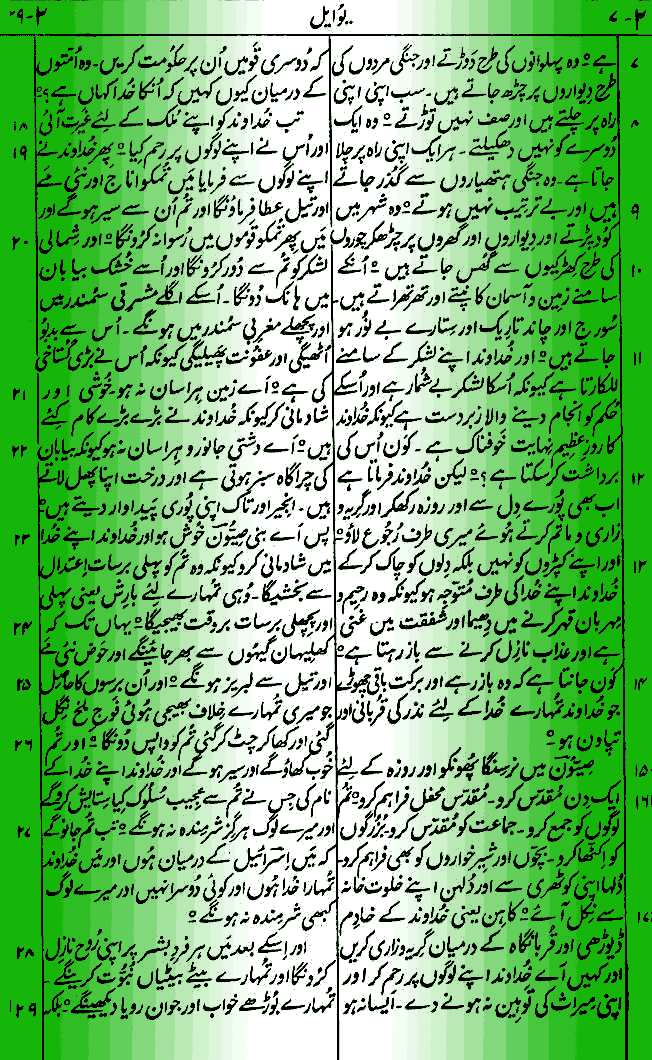
Verse-by-Verse Commentary (Joel 2:7–29)
Joel 2:7
Verse: They shall run like mighty men they shall climb the wall like men of war and they shall march every one on his ways and they shall not break their ranks
-
English Explanation: This verse illustrates the terrifying precision, discipline, and unstoppable nature of the invading locust army (or a literal enemy army acting under divine judgment). They move with the coordination of elite warriors. No obstacle, not even high city walls, can slow them down. They maintain perfect formation, symbolizing that God’s judgments are highly organized and cannot be easily disrupted or escaped by human defenses.
-
Urdu Explanation (تفصیل): یہ آیت ٹڈی دل کے لشکر (یا الٰہی عدالت کے تحت حملہ آور فوج) کے خوفناک نظم و ضبط اور بے پناہ طاقت کو بیان کرتی ہے۔ وہ تجربہ کار جنگجوؤں کی طرح آگے بڑھتے ہیں۔ کوئی بھی رکاوٹ، یہاں تک کہ شہر کی اونچی دیواریں بھی ان کا راستہ نہیں روک سکتیں ۔ وہ اپنی صفوں کو برقرار رکھتے ہیں، جو اس بات کی علامت ہے کہ خدا کی عدالتیں انتہائی منظم ہوتی ہیں اور انسانی تدبیریں ان کے سامنے نہیں ٹک سکتیں۔
Joel 2:8
Verse: Neither shall one thrust another they shall walk every one in his path and when they fall upon the sword they shall not be wounded
-
English Explanation: The prophetic description highlights total unity and invulnerability. The invaders do not crowd, jostle, or get in each other’s way; each follows a precise path. Human weapons are useless against them; even if they fall upon swords or spears, they break through without taking casualties. This signifies that when God sends a judgment, human military might is completely ineffective at stopping it.
-
Urdu Explanation (تفصیل): یہ نبوت کامل اتحاد اور ناقابل تسخیر ہونے کو ظاہر کرتی ہے۔ حملہ آور ایک دوسرے کو دھکا نہیں دیتے اور نہ ہی ایک دوسرے کے راستے میں رکاوٹ بنتے ہیں؛ ہر کوئی اپنے متعین راستے پر چلتا ہے۔ انسانی ہتھیار ان کے خلاف بیکار ہیں؛ اگر وہ تلواروں پر بھی گریں تو زخمی نہیں ہوتے۔ یہ ظاہر کرتا ہے کہ جب خدا کی عدالت نازل ہوتی ہے، تو انسانی عسکری طاقت اسے روکنے میں مکمل طور پر ناکام ہو جاتی ہے۔
Joel 2:9
Verse: They shall run to and fro in the city they shall run upon the wall they shall climb up upon the houses they shall enter in at the windows like a thief
-
English Explanation: The verse emphasizes the invasive and pervasive nature of the judgment. The locusts swarm everywhere—over walls, onto roofs, and straight through windows. Like a thief, they enter silently and destructively into private spaces. There is no privacy, safety, or refuge from this plague; it penetrates the most secure human strongholds.
-
Urdu Explanation (تفصیل): یہ آیت اس عذاب کے ہر جگہ پھیل جانے اور ہر چیز کو گھیر لینے کی نوعیت پر زور دیتی ہے۔ ٹڈی دل ہر طرف دوڑتے ہیں—دیواروں پر چڑھتے ہیں، چھتوں پر پہنچ جاتے ہیں، اور کھڑکیوں کے راستے گھروں میں داخل ہو جاتے ہیں۔ چور کی طرح، وہ خاموشی سے اور تباہ کن انداز میں نجی جگہوں میں گھس جاتے ہیں۔ اس عذاب سے بچنے کے لیے کوئی محفوظ جگہ یا پناہ گاہ نہیں ہے؛ یہ انسان کے محفوظ ترین ٹھکانوں میں بھی داخل ہو جاتا ہے۔
Joel 2:10
Verse: The earth shall quake before them the heavens shall tremble the sun and the moon shall be dark and the stars shall withdraw their shining
-
English Explanation: Joel uses apocalyptic language to signify cosmic upheaval. The sheer volume of the swarm blots out the sun, moon, and stars, plunging the land into darkness. This physical darkness mirrors the spiritual and psychological dread of “The Day of the Lord.” Nature itself convulses in fear under the weight of divine judgment.
-
Urdu Explanation (تفصیل): یوایل یہاں کائناتی اتھل پتھل کو ظاہر کرنے کے لیے تمثیلی زبان استعمال کرتا ہے۔ ٹڈی دل کی اتنی بھاری تعداد سورج، چاند اور ستاروں کو چھپا دیتی ہے، جس سے زمین پر اندھیرا چھا جاتا ہے۔ یہ مادی اندھیرا “خداوند کے دن” کے روحانی اور نفسیاتی خوف کی عکاسی کرتا ہے۔ الٰہی عدالت کے بوجھ تلے قدرت خود خوف سے کانپ اٹھتی ہے۔
Joel 2:11
Verse: And the LORD shall utter his voice before his army for his camp is very great for he is strong that executeth his word for the day of the LORD is great and very terrible and who can abide it
-
English Explanation: This is the climax of the first section. The locusts/invaders are revealed to be God’s own army, executing His sovereign word. God is leading them, and His voice thunders at their head. The Day of the Lord is framed as an overwhelming, terrifying event of accountability. The rhetorical question “who can abide it?” underscores that no human can stand against God’s judgment without His mercy.
-
Urdu Explanation (تفصیل): یہ پہلے حصے کا عروج ہے۔ یہاں یہ انکشاف ہوا ہے کہ یہ ٹڈی دل/حملہ آور اصل میں خدا کا اپنا لشکر ہیں، جو اس کے خودمختار کلام پر عمل کر رہے ہیں۔ خدا خود ان کی قیادت کر رہا ہے اور اس کی آواز ان کے آگے گرج رہی ہے۔ خداوند کا دن احتساب کا ایک زبردست اور خوفناک دن ہے۔ یہ سوال کہ “کون اس کی تاب لا سکتا ہے؟” اس بات پر زور دیتا ہے کہ خدا کے رحم کے بغیر کوئی بھی انسان اس کی عدالت کے سامنے کھڑا نہیں رہ سکتا۔
Joel 2:12
Verse: Therefore also now saith the LORD turn ye even to me with all your heart and with fasting and with weeping and with mourning
-
English Explanation: Despite the terrifying judgment, God offers a window of grace. The phrase “Therefore also now” signifies that it is never too late to repent. God does not just want outward religious rituals; He demands a complete turning of the heart back to Him. This inward repentance is to be accompanied by genuine expressions of grief over sin, such as fasting, weeping, and mourning.
-
Urdu Explanation (تفصیل): خوفناک عدالت کے باوجود، خدا فضل اور رحم کا دروازہ کھولتا ہے۔ “تو بھی اب… خداوند فرماتا ہے” کا جملہ ظاہر کرتا ہے کہ توبہ کے لیے کبھی دیر نہیں ہوتی۔ خدا صرف ظاہری مذہبی رسومات نہیں چاہتا؛ وہ اپنی طرف دل کی مکمل تبدیلی کا تقاضا کرتا ہے۔ اس دلی توبہ کے ساتھ گناہ پر سچے دکھ کا اظہار ہونا چاہیے، جیسے روزہ رکھنا، رونا اور ماتم کرنا۔
Joel 2:13
Verse: And rend your heart and not your garments and turn unto the LORD your God for he is gracious and merciful slow to anger and of great kindness and repenteth him of the evil
-
English Explanation: In ancient Near Eastern culture, tearing one’s clothes was a sign of deep grief. God commands the people to “rend your heart, and not your garments”—He desires sincere, broken-hearted repentance over superficial, theatrical displays of sorrow. The motivation for this return is God’s beautiful character: He is inherently gracious, compassionate, patient, loving, and eager to relent from punishment when His people turn back to Him.
-
Urdu Explanation (تفصیل): قدیم دور میں اپنے کپڑے پھاڑنا گہرے دکھ کی علامت ہوتا تھا۔ خدا لوگوں کو حکم دیتا ہے کہ “اپنے دلوں کو پھاڑو نہ کہ اپنے کپڑوں کو”—وہ دکھاوے کے غم کے بجائے سچی اور دلی توبہ چاہتا ہے۔ اس توبہ کی اصل وجہ خدا کی رحیم صفت ہے: وہ فضل کرنے والا، مہربان، غصے میں دھیما، شفقت میں غنی ہے، اور جب اس کے لوگ رجوع کرتے ہیں تو وہ عذاب ٹالنے پر راضی ہو جاتا ہے۔
Joel 2:14
Verse: Who knoweth if he will return and repent and leave a blessing behind him even a meat offering and a drink offering unto the LORD your God
-
English Explanation: Joel acknowledges that while God is merciful, human beings cannot presume upon or manipulate His sovereignty (“Who knoweth if he will return…”). True repentance leaves the outcome to God’s grace. The hoped-for “blessing” is the restoration of the land’s agricultural fertility, allowing the people to once again bring grain and drink offerings to the temple, restoring their fellowship with God.
-
Urdu Explanation (تفصیل): یوایل تسلیم کرتا ہے کہ اگرچہ خدا مہربان ہے، لیکن انسان اس کی خودمختاری پر زبردستی یا پہلے سے دعویٰ نہیں کر سکتا (“کیا معلوم کہ وہ پھر کر پچھتائے…”)۔ سچی توبہ معاملہ خدا کے فضل پر چھوڑ دیتی ہے۔ جس “برکت” کی امید کی جا رہی ہے وہ زمین کی زرخیزی کی بحالی ہے، تاکہ لوگ ایک بار پھر ہیکل میں نذرانے اور تپاون لا سکیں اور خدا کے ساتھ ان کی رفاقت بحال ہو سکے۔
Joel 2:15
Verse: Blow the trumpet in Zion sanctify a fast call a solemn assembly
-
English Explanation: The trumpet (shofar) in Israel was blown to warn of war or to gather the community for sacred occasions. Here, it is a communal call to corporate repentance. The crisis is so large that it cannot be handled individually; the entire nation must set aside time, declare a holy fast, and gather together before God.
-
Urdu Explanation (تفصیل): اسرائیل میں نرسنگا (شوفر) جنگ کی وارننگ دینے یا مقدس مواقع کے لیے برادری کو اکٹھا کرنے کے لیے بجایا جاتا تھا۔ یہاں، یہ اجتماعی توبہ کے لیے ایک پکار ہے۔ بحران اتنا بڑا ہے کہ اس سے انفرادی طور پر نہیں نمٹا جا سکتا؛ پوری قوم کو وقت نکالنا، روزہ رکھنا اور خدا کے حضور اکٹھے ہونا پڑے گا۔
Joel 2:16
Verse: Gather the people sanctify the congregation assemble the elders gather the children and those that suck the breasts let the bridegroom go forth of his chamber and the bride out of her closet
-
English Explanation: This verse emphasizes the total inclusivity of the assembly. No one is exempt from the call to seek God. The elderly, infants, and even newlyweds—who were traditionally exempt from military and civic duties under Mosaic law—must interrupt their joy to join this urgent assembly of repentance.
-
Urdu Explanation (تفصیل): یہ آیت اس اجتماع میں سب کی شمولیت پر زور دیتی ہے۔ خدا کی حضور آنے کی اس پکار سے کوئی بھی مستثنیٰ نہیں ہے۔ بزرگ، شیر خوار بچے، اور یہاں تک کہ نئے شادی شدہ جوڑے—جنہیں عام طور پر موسوی شریعت کے تحت جنگی یا شہری فرائض سے چھوٹ حاصل ہوتی تھی—انہیں بھی توبہ کے اس ہنگامی اجتماع میں شامل ہونے کے لیے اپنی خوشیاں روکنی ہوں گی۔
Joel 2:17
Verse: Let the priests the ministers of the LORD weep between the porch and the altar and let them say Spare thy people O LORD and give not thine heritage to reproach that the heathen should rule over them wherefore should they say among the people Where is their God
-
English Explanation: The spiritual leaders (priests) are called to lead by example, weeping and interceding between the temple porch and the altar. Their prayer is centered not on selfish comfort, but on God’s reputation. If Israel is destroyed, pagan nations will mock God, asking “Where is their God?” They appeal to God’s covenant love to spare His heritage for His own glory.
-
Urdu Explanation (تفصیل): روحانی رہنماؤں (کاہنوں) کو نمونہ بننے کی دعوت دی گئی ہے، جو ہیکل کے ڈیوڑھی اور قربان گاہ کے درمیان روتے ہوئے شفاعت کریں۔ ان کی دعا اپنے ذاتی آرام کے لیے نہیں بلکہ خدا کے نام اور جلال کے لیے ہے۔ اگر اسرائیل تباہ ہو گیا تو غیر اقوام خدا کا مذاق اڑائیں گی کہ “ان کا خدا کہاں ہے؟” وہ خدا سے التجا کرتے ہیں کہ وہ اپنے عہد کی محبت کی خاطر اپنی میراث پر رحم کرے۔
Joel 2:18
Verse: Then will the LORD be jealous for his land and pity his people
-
English Explanation: This marks the dramatic turning point of the chapter. When the people genuinely repent as commanded, God’s attitude shifts from judgment to restoration. His “jealousy” here is a holy, protective passion for His land and people, leading Him to show profound compassion and pity.
-
Urdu Explanation (تفصیل): یہ آیت اس باب کا ایک بڑا موڑ ہے۔ جب لوگ حکم کے مطابق سچے دل سے توبہ کرتے ہیں، تو خدا کا رویہ عدالت سے بدل کر بحالی کی طرف آ جاتا ہے۔ یہاں خدا کی “غیرت” اس کی زمین اور لوگوں کے لیے ایک پاک، حفاظتی محبت ہے، جو اسے گہرے رحم اور ترس کھانے پر ابھارتی ہے۔
Joel 2:19
Verse: Yea the LORD will answer and say unto his people Behold I will send you corn and wine and oil and ye shall be satisfied therewith and I will no more make you a reproach among the heathen
-
English Explanation: God promises a tangible, material reversal of the agricultural curse. The locusts had destroyed the grain, wine, and oil, but God promises to restore them in abundance so the people will be fully satisfied. Furthermore, He will erase their shame, ensuring that they are no longer an object of mockery among pagan nations.
-
Urdu Explanation (تفصیل): خدا زمین کی زرخیزی کی بحالی کا ٹھوس وعدہ کرتا ہے۔ ٹڈی دل نے اناج، مے اور تیل کو تباہ کر دیا تھا، لیکن خدا وعدہ کرتا ہے کہ وہ انہیں کثرت سے بحال کرے گا تاکہ لوگ پوری طرح آسودہ ہو جائیں۔ مزید برآں، وہ ان کی رسوائی کو دور کرے گا، تاکہ غیر اقوام میں اب ان کا مذاق نہ اڑایا جائے۔
Joel 2:20
Verse: But I will remove far off from you the northern army and will drive him into a land barren and desolate with his face toward the east sea and his hinder part toward the utmost sea and his stink shall come up and his ill savour shall come up because he hath done great things
-
English Explanation: God promises to completely eliminate the threatening invader (referred to here as the “northern army,” a common direction from which Israel’s invaders came). God will drive this army into the desert and the seas (the Dead Sea and the Mediterranean), where they will perish. The foul smell of their decaying bodies will be a testament to their absolute defeat because they pridefully tried to destroy God’s heritage.
-
Urdu Explanation (تفصیل): خدا اس خوفناک حملہ آور لشکر کو (جسے یہاں “شمالی لشکر” کہا گیا ہے، کیونکہ اسرائیل پر زیادہ تر حملے اسی سمت سے ہوتے تھے) مکمل طور پر دور کرنے کا وعدہ کرتا ہے۔ خدا اس لشکر کو بیابان اور سمندروں (بحیرہ مردار اور بحیرہ روم) کی طرف دھکیل دے گا، جہاں وہ ہلاک ہو جائیں گے۔ ان کی سڑتی ہوئی لاشوں کی بدبو ان کی عبرتناک شکست کا ثبوت ہوگی کیونکہ انہوں نے غرور میں آ کر خدا کی میراث کو تباہ کرنے کی کوشش کی تھی۔
Joel 2:21
Verse: Fear not O land be glad and rejoice for the LORD will do great things
-
English Explanation: The tone shifts beautifully from terror to joy. The very land that was groaning under the plague is now told to cast away fear, be glad, and rejoice. The reason for this joy is a direct contrast to the enemy’s prideful actions in the previous verse: now, it is the LORD who will do “great things” in saving and restoring the land.
-
Urdu Explanation (تفصیل): یہاں کلام کا لہجہ خوف سے بدل کر خوشی میں تبدیل ہو جاتا ہے۔ وہ زمین جو عذاب کے بوجھ تلے کراہ رہی تھی، اب اسے خوف چھوڑنے، خوش ہونے اور جشن منانے کو کہا جا رہا ہے۔ اس خوشی کی وجہ پچھلی آیت میں دشمن کے تکبر کے برعکس ہے: اب یہ خداوند ہے جو زمین کو بچانے اور بحال کرنے کے لیے “بڑے بڑے کام” کرے گا۔
Joel 2:22
Verse: Be not afraid ye beasts of the field for the pastures of the wilderness do spring for the tree beareth her fruit the fig tree and the vine do yield their strength
-
English Explanation: In Joel 1, the wild animals were crying out in hunger. Here, God directly reassures them. The barren pastures are turning green again, and the trees, including figs and grapevines, are producing fruit at full strength. This shows God’s comprehensive care for all of creation, not just mankind.
-
Urdu Explanation (تفصیل): یوایل کے پہلے باب میں، جنگلی جانور بھوک سے ہاہاکار کر رہے تھے۔ یہاں، خدا انہیں براہ راست تسلی دیتا ہے۔ ویران چراگاہیں پھر سے ہری ہو رہی ہیں، اور درخت، بشمول انجیر اور انگور کے تاک، اپنی پوری طاقت کے ساتھ پھل لا رہے ہیں۔ یہ انسانوں کے ساتھ ساتھ تمام مخلوقات کے لیے خدا کی وسیع دیکھ بھال کو ظاہر کرتا ہے۔
Joel 2:23
Verse: Be glad then ye children of Zion and rejoice in the LORD your God for he hath given you the former rain moderately and he will cause to come down for you the rain the former rain and the latter rain in the first month
-
English Explanation: The people (“children of Zion”) are urged to find their joy not just in the crops, but in the Provider—the LORD their God. He sends the essential autumn (former) and spring (latter) rains, which are crucial for Middle Eastern agriculture. Receiving both rains in due season is a definitive sign of restored divine favor and covenant faithfulness.
-
Urdu Explanation (تفصیل): لوگوں (“صیون کے فرزندوں”) پر زور دیا گیا ہے کہ وہ اپنی خوشی صرف فصلوں میں نہیں، بلکہ فصلیں دینے والے—خداوند اپنے خدا میں تلاش کریں۔ وہ خزاں (پہلی) اور بہار (پچھلی) کی ضروری بارشیں بھیجتا ہے، جو مشرق وسطیٰ کی زراعت کے لیے انتہائی اہم ہیں۔ مناسب وقت پر دونوں بارشوں کا ہونا الٰہی فضل اور عہد کی وفاداری کی بحالی کی قطعی نشانی ہے۔
Joel 2:24
Verse: And the floors shall be full of wheat and the fats shall overflow with wine and oil
-
English Explanation: This verse describes the physical result of God’s blessings and the timely rains. The threshing floors, which were once empty and dusty, will be piled high with wheat. The vats used for pressing grapes and olives will overflow with fresh wine and oil, signifying abundance, prosperity, and joy replacing poverty.
-
Urdu Explanation (تفصیل): یہ آیت خدا کی برکات اور بروقت بارشوں کے مادی نتیجے کو بیان کرتی ہے۔ کھلیان، جو کبھی خالی اور گرد آلود تھے، اب گندم سے بھر جائیں گے۔ انگور اور زیتون نچوڑنے کے حوض نئی مے اور تیل سے ابل پڑیں گے، جو اس بات کی علامت ہے کہ اب غربت کی جگہ کثرت، خوشحالی اور خوشی نے لے لی ہے۔
Joel 2:25
Verse: And I will restore to you the years that the locust hath eaten the cankerworm and the caterpiller and the palmerworm my great army which I sent among you
-
English Explanation: This is one of the most famous promises of restoration in the Bible. God promises to make up for the time and resources lost during the multi-stage locust plague (“my great army”). God has the power to restore what seemed permanently lost or wasted due to judgment, bringing supernatural abundance out of past devastation.
-
Urdu Explanation (تفصیل): یہ بائبل مقدس میں بحالی کے مشہور ترین وعدوں میں سے ایک ہے۔ خدا اس وقت اور وسائل کی تلافی کرنے کا وعدہ کرتا ہے جو ٹڈی دل کے مختلف اقسام کے عذاب (“میرا بڑا لشکر”) کی وجہ سے ضائع ہو گئے تھے۔ خدا کے پاس یہ طاقت ہے کہ وہ اس نقصان کو بحال کرے جو ماضی کی تباہی کی وجہ سے مستقل طور پر ضائع ہو چکا نظر آتا تھا۔
Joel 2:26
Verse: And ye shall eat in plenty and be satisfied and praise the name of the LORD your God that hath dealt wondrously with you and my people shall never be ashamed
-
English Explanation: The cycle of starvation is completely broken. The people will eat and be fully satisfied, leading them to worship and praise God for His miraculous intervention. The verse ends with a comforting covenant guarantee: “my people shall never be ashamed.” Their public reproach among the nations is permanently removed.
-
Urdu Explanation (تفصیل): بھوک کا دور اب مکمل طور پر ختم ہو چکا ہے۔ لوگ کھائیں گے اور پوری طرح آسودہ ہوں گے، جس کے نتیجے میں وہ خدا کے معجزانہ کاموں کے لیے اس کی شکرگزاری اور ستائش کریں گے۔ یہ آیت عہد کی ایک تسلی بخش ضمانت کے ساتھ ختم ہوتی ہے: “میری امت کبھی شرمندہ نہ ہوگی۔” غیر قوموں میں ان کی رسوائی مستقل طور پر دور کر دی گئی ہے۔
Joel 2:27
Verse: And ye shall know that I am in the midst of Israel and that I am the LORD your God and none else and my people shall never be ashamed
-
English Explanation: The ultimate goal of both God’s judgment and His blessing is relationship and recognition. The physical restoration serves to prove that God is actively present (“in the midst”) of His people, that He is the only true God, and that Israel enjoys a unique relationship with Him. The promise against shame is repeated for ultimate emphasis.
-
Urdu Explanation (تفصیل): خدا کی عدالت اور اس کی برکت دونوں کا حتمی مقصد رشتہ اور پہچان ہے۔ مادی بحالی اس بات کو ثابت کرتی ہے کہ خدا اپنے لوگوں کے “درمیان” موجود ہے، وہی واحد سچا خدا ہے، اور اسرائیل کا اس کے ساتھ ایک خاص رشتہ ہے۔ شرمندگی سے بچنے کے وعدے کو تاکید کے لیے دوبارہ دہرایا گیا ہے۔
Joel 2:28
Verse: And it shall come to pass afterward that I will pour out my spirit upon all flesh and your sons and your daughters shall prophesy your old men shall dream dreams your young men shall see visions
-
English Explanation: This verse transitions from physical restoration to an incredible spiritual blessing. In the Old Testament, the Holy Spirit was usually given to specific individuals (prophets, kings, priests) for specific tasks. Here, God promises to “pour out” His Spirit generously on “all flesh,” breaking down barriers of gender and age. Sons, daughters, the young, and the old will experience intimate prophetic revelation. (This was famously quoted by Peter in Acts 2 on the Day of Pentecost).
-
Urdu Explanation (تفصیل): یہ آیت مادی بحالی سے ایک عظیم روحانی برکت کی طرف منتقل ہوتی ہے۔ پرانے عہد نامے میں، روح القدس عام طور پر مخصوص کاموں کے لیے مخصوص لوگوں (انبیاء، بادشاہوں، کاہنوں) کو دیا جاتا تھا۔ یہاں، خدا وعدہ کرتا ہے کہ وہ اپنے روح کو “تمام انسانوں” پر کثرت سے “انڈیلے گا”، جس سے جنس اور عمر کی رکاوٹیں ختم ہو جائیں گی۔ بیٹے، بیٹیاں، جوان اور بوڑھے سب خدا کی پاک حضوری اور رویا پائیں گے۔ (عیدِ پنطیکوست کے دن اعمال باب 2 میں پطرس نے اسی آیت کا حوالہ دیا تھا)۔
Joel 2:29
Verse: And also upon the servants and upon the handmaids in those days will I pour out my spirit
-
English Explanation: God expands the scope of His spiritual outpouring even further by breaking down social and economic barriers. In the ancient world, servants and handmaids occupied the lowest societal ranks and had few rights. God declares that His Holy Spirit is not reserved for the elite or wealthy; even social outcasts and servants will receive the same spiritual standing and divine empowerment.
-
Urdu Explanation (تفصیل): خدا سماجی اور معاشی رکاوٹوں کو ختم کر کے اپنے روح کے نزول کے دائرے کو مزید وسیع کرتا ہے۔ قدیم دنیا میں، غلاموں اور لَونڈیوں کا درجہ معاشرے میں سب سے نچلا ہوتا تھا اور ان کے حقوق بہت کم تھے۔ خدا اعلان کرتا ہے کہ اس کا روح القدس صرف اشرافیہ یا امیروں کے لیے مخصوص نہیں ہے؛ بلکہ خادموں اور لونڈیوں کو بھی وہی روحانی مقام اور الٰہی قوت عطا کی جائے گی۔