Verse-by-Verse Commentary & Explanation
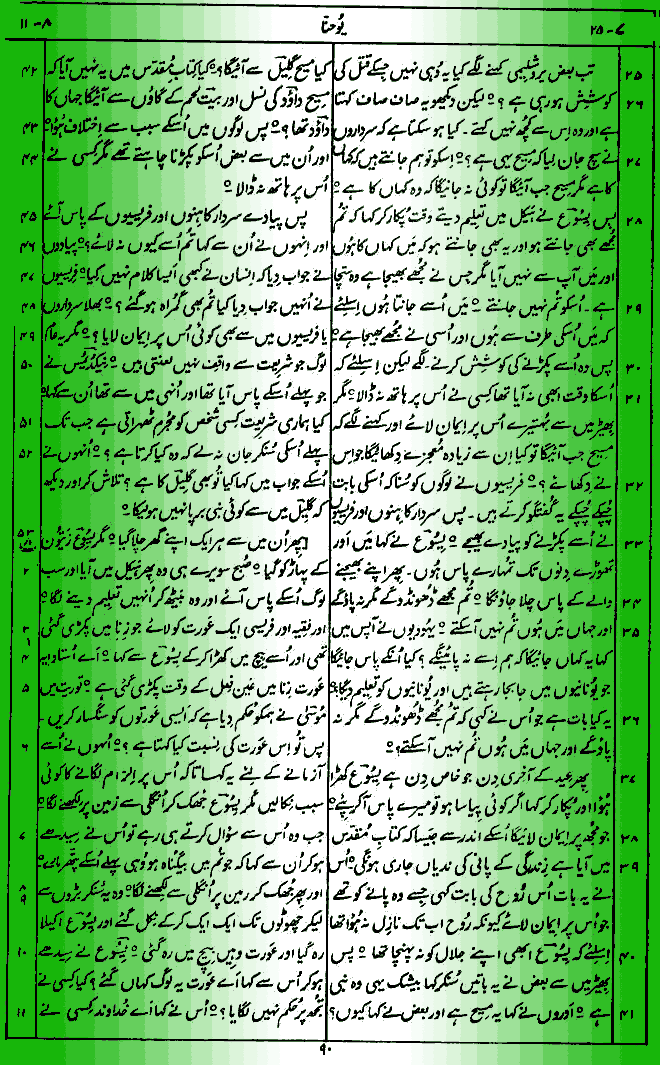
John 7:25
Verse: Then said some of them of Jerusalem Is not this he whom they seek to kill?
-
English Explanation: The residents of Jerusalem, who were well aware of the religious elite’s animosity toward Jesus, express surprise. They know there is a plot against His life, making His public appearance highly unusual and dangerous.
-
Urdu Explanation: یروشلم کے کچھ لوگ جو کہ مذہبی رہنماؤں کی یسوع کے خلاف دشمنی سے واقف تھے حیرانگی کا اظہار کرتے ہیں۔ وہ جانتے تھے کہ یسوع کو مارنے کا منصوبہ بنایا گیا ہے اسی لیے ان کا یوں سرعام سامنے آنا لوگوں کے لیے حیران کن تھا۔
John 7:26
Verse: But lo he speaketh boldly and they say nothing unto him. Do the rulers know indeed that this is the very Christ?
-
English Explanation: Jesus is teaching openly without hesitation. The crowd wonders if the authorities’ silence means they have secretly accepted Him as the Messiah (Christ), creating a sense of confusion among the spectators.
-
Urdu Explanation: یسوع بغیر کسی خوف کے کھلم کھلا تعلیم دے رہے ہیں۔ ہجوم یہ سوچنے پر مجبور ہو جاتا ہے کہ کیا حکمرانوں کی خاموشی کا مطلب یہ ہے کہ انہوں نے اندرونی طور پر یسوع کو مسیح تسلیم کر لیا ہے۔
John 7:27
Verse: Howbeit we know this man whence he is but when Christ cometh no man knoweth whence he is.
-
English Explanation: The people are held back by popular traditions. They knew Jesus grew up in Nazareth, but a common belief of that era held that the Messiah would appear mysteriously, without anyone knowing His origin.
-
Urdu Explanation: لوگ اپنی روایات کی وجہ سے الجھن کا شکار ہیں۔ وہ جانتے تھے کہ یسوع ناصرت کے رہنے والے ہیں جبکہ اس وقت کا ایک عام عقیدہ یہ تھا کہ جب مسیح آئے گا تو کوئی نہیں جانے گا کہ وہ کہاں سے آیا ہے۔
John 7:28
Verse: Then cried Jesus in the temple as he taught saying Ye both know me and ye know whence I am and I am not come of myself but he that sent me is true whom ye know not.
-
English Explanation: Jesus addresses their superficial knowledge. While they know His earthly origin, they are completely blind to His divine origin. He emphasizes that He did not come on His own authority, but was sent by the true God, whom they do not truly know.
-
Urdu Explanation: یسوع ان کے ظاہری علم کا جواب دیتے ہیں۔ وہ فرماتے ہیں کہ اگرچہ تم میرے دنیاوی پس منظر کو جانتے ہو لیکن میری الٰہی حقیقت سے ناواقف ہو۔ وہ اس بات پر زور دیتے ہیں کہ وہ خود سے نہیں آئے بلکہ سچے خدا کی طرف سے بھیجے گئے ہیں جسے لوگ نہیں جانتے۔
John 7:29
Verse: But I know him for I am from him and he hath sent me.
-
English Explanation: Jesus claims a unique, intimate relationship with God the Father. His authority rests on His divine origin and His heavenly mission as the envoy of God.
-
Urdu Explanation: یسوع خدا باپ کے ساتھ اپنے منفرد اور قریبی تعلق کا دعویٰ کرتے ہیں۔ ان کا اختیار ان کے الٰہی آغاز اور خدا کے بھیجے ہوئے مسیحا ہونے پر قائم ہے۔
John 7:30
Verse: Then they sought to take him but no man laid hands on him because his hour was not yet come.
-
English Explanation: His claims anger the authorities, prompting them to try to arrest Him. However, divine providence shields Him because the appointed time for His sacrifice (the crucifixion) had not yet arrived.
-
Urdu Explanation: یسوع کے اس دعوے نے حکام کو غصہ دلایا اور انہوں نے انہیں گرفتار کرنے کی کوشش کی۔ لیکن خدا کی حکمت نے انہیں محفوظ رکھا کیونکہ ان کی قربانی (صلیب) کا مقررہ وقت ابھی نہیں آیا تھا۔
John 7:31
Verse: And many of the people believed on him and said When Christ cometh will he do more miracles than these which this man hath done?
-
English Explanation: Despite the opposition, Jesus’ signs perform their intended purpose. Many among the crowd put their faith in Him, reasoning that no future Messiah could possibly exceed the miraculous signs Jesus had already performed.
-
Urdu Explanation: مخالفت کے باوجود یسوع کے معجزات نے اپنا اثر دکھایا۔ ہجوم میں سے بہت سے لوگوں نے ان پر ایمان لایا کیونکہ ان کا ماننا تھا کہ آنے والا مسیح بھی اس سے بڑھ کر معجزات نہیں کر سکے گا۔
John 7:32
Verse: The Pharisees heard that the people murmured such things concerning him and the Pharisees and the chief priests sent officers to take him.
-
English Explanation: Alarmed by the growing belief among the common people, the Pharisees and chief priests take decisive action. They dispatch temple guards to arrest Jesus to stop the spreading belief.
-
Urdu Explanation: عام لوگوں میں بڑھتے ہوئے ایمان کو دیکھ کر فریسی اور اعلیٰ کاہن خوفزدہ ہو گئے۔ انہوں نے اس سلسلے کو روکنے کے لیے ہیکل کے پہرے داروں کو روانہ کیا تاکہ یسوع کو گرفتار کیا جا سکے۔
John 7:33
Verse: Then said Jesus unto them Yet a little while am I with you and then I go unto him that sent me.
-
English Explanation: Knowing that guards are present to arrest Him, Jesus declares that His time on earth is short. His departure will not be caused by their arrest, but by His return to the Father who sent Him.
-
Urdu Explanation: یہ جانتے ہوئے کہ پہرے دار گرفتاری کے لیے موجود ہیں یسوع فرماتے ہیں کہ ان کا وقت زمین پر کم ہے۔ ان کی روانگی گرفتاری کی وجہ سے نہیں بلکہ خدا باپ کے پاس واپس لوٹنے کی وجہ سے ہوگی۔
John 7:34
Verse: Ye shall seek me and shall not find me and where I am thither ye cannot come.
-
English Explanation: Jesus warns His opponents that a day will come when they will look for deliverance or the Messiah, but will not find it. Because of their unbelief, they cannot enter the heavenly realm where He is going.
-
Urdu Explanation: یسوع اپنے مخالفین کو خبردار کرتے ہیں کہ ایک وقت آئے گا جب وہ نجات دہندہ کو ڈھونڈیں گے لیکن پا نہ سکیں گے۔ ان کے کفر کی وجہ سے وہ اس آسمانی مقام پر نہیں آ سکیں گے جہاں یسوع جا رہے ہیں۔
John 7:35
Verse: Then said the Jews among themselves Whither will he go that we shall not find him? will he go unto the dispersed among the Gentiles and teach the Gentiles?
-
English Explanation: The listeners completely misunderstand His spiritual message. They interpret His words literally, wondering if He plans to leave Judea to preach to Greek-speaking Jews scattered across the Gentile world.
-
Urdu Explanation: سننے والے ان کے روحانی پیغام کو مکمل طور پر سمجھنے میں ناکام رہے۔ انہوں نے لفظی مطلب لیا اور سوچنے لگے کہ کیا وہ یہودیہ چھوڑ کر غیر قوموں میں بکھرے ہوئے یہودیوں اور یونانیوں کو تعلیم دینے جا رہے ہیں۔
John 7:36
Verse: What manner of saying is this that he said Ye shall seek me and shall not find me and where I am thither ye cannot come?
-
English Explanation: The people remain perplexed by Jesus’ declaration. They repeat His words, unable to grasp the concepts of His death, resurrection, and ascension to heaven.
-
Urdu Explanation: لوگ یسوع کے اس کلام پر حیران اور پریشان رہے۔ وہ ان کی موت، جی اٹھنے اور آسمان پر اٹھائے جانے کے گہرے روحانی مفہوم کو سمجھنے سے قاصر تھے۔
John 7:37
Verse: In the last day that great day of the feast Jesus stood and cried saying If any man thirst let him come unto me and drink.
-
English Explanation: On the final day of the Feast of Tabernacles—right when the traditional water-pouring ceremony occurs—Jesus stands up and offers spiritual satisfaction to anyone experiencing spiritual thirst.
-
Urdu Explanation: عیدِ خیام کے آخری اور بڑے دن—جب پانی بہانے کی روایتی رسم ہو رہی تھی—یسوع کھڑے ہوئے اور پکار کر کہا کہ جو کوئی روحانی طور پر پیاسا ہے وہ میرے پاس آئے اور پیے۔
John 7:38
Verse: He that believeth on me as the scripture hath said out of his belly shall flow rivers of living water.
-
English Explanation: True faith in Jesus results in an internal, abundant, and overflowing source of spiritual life, symbolized by rivers of living water that refresh both the believer and those around them.
-
Urdu Explanation: یسوع پر سچا ایمان لانے کے نتیجے میں انسان کے اندر روحانی زندگی کا ایک نہ ختم ہونے والا چشمہ پھوٹ پڑتا ہے، جسے زندگی کے پانی کی ندیوں سے تشبیہ دی گئی ہے۔
John 7:39
Verse: (But this spake he of the Spirit which they that believe on him should receive for the Holy Ghost was not yet given because that Jesus was not yet glorified.)
-
English Explanation: John provides an explanatory note: the “living water” represents the Holy Spirit. This gift would be poured out in its fullness only after Jesus completed His mission through His death, resurrection, and ascension (glorification).
-
Urdu Explanation: یوحنا وضاحت کرتے ہیں کہ “زندگی کا پانی” دراصل روح القدس کی علامت ہے۔ یہ نعمت یسوع کے جلال پانے (موت، جی اٹھنے اور صعودِ آسمانی) کے بعد ہی مومنین کو عطا کی جانی تھی۔
John 7:40
Verse: Many of the people therefore when they heard this saying said Of a truth this is the Prophet.
-
English Explanation: Hearing His profound invitation, many conclude that Jesus is “the Prophet” foretold by Moses in Deuteronomy 18:15, expected to appear before or alongside the Messiah.
-
Urdu Explanation: یسوع کی یہ پر اثر باتیں سن کر بہت سے لوگوں نے کہا کہ یقیناً یہ وہی “نبی” ہے جس کی پیشگوئی موسیٰ نے استثنا کی کتاب میں کی تھی۔
John 7:41
Verse: Others said This is the Christ. But some said Shall Christ come out of Galilee?
-
English Explanation: The crowd splits over His identity. While some recognize Him directly as the Christ (Messiah), skeptics object based on His upbringing in Galilee, believing the Messiah could not come from there.
-
Urdu Explanation: لوگوں میں ان کی پہچان کو لے کر اختلاف پیدا ہو گیا۔ کچھ نے انہیں مسیح مانا جبکہ بعض نے اعتراض کیا کہ کیا مسیح گلیل سے آ سکتا ہے؟
John 7:42
Verse: Hath not the scripture said That Christ cometh of the seed of David and out of the town of Bethlehem where David was?
-
English Explanation: The critics correctly point out that prophecies state the Messiah must be a descendant of David born in Bethlehem. Ironically, they are unaware that Jesus actually fulfilled these conditions perfectly.
-
Urdu Explanation: معترضین نے بالکل ٹھیک کہا کہ پاک کلام کے مطابق مسیح داؤد کی نسل سے بیت لحم میں پیدا ہوگا جہاں داؤد رہتا تھا۔ مگر وہ اس حقیقت سے ناواقف تھے کہ یسوع کی پیدائش وہیں ہوئی تھی۔
John 7:43
Verse: So there was a division among the people because of him.
-
English Explanation: Jesus remains a figure of evaluation; His presence and teachings force a division among the crowd, splitting them into believers and skeptics.
-
Urdu Explanation: یسوع کی شخصیت اور تعلیمات کی وجہ سے لوگوں کے درمیان ایک واضح تقسیم اور اختلاف پیدا ہو گیا، کچھ ایمان لائے اور کچھ ان کے خلاف ہو گئے۔
John 7:44
Verse: And some of them would have taken him but no man laid hands on him.
-
English Explanation: Some in the crowd desired to arrest Him right then and there, but once again, God’s unseen restraint prevented anyone from touching Him.
-
Urdu Explanation: ان میں سے کچھ لوگ انہیں اسی وقت گرفتار کرنا چاہتے تھے لیکن خدا کے غیبی ہاتھ نے انہیں روکے رکھا اور کوئی ان پر ہاتھ نہ ڈال سکا۔
John 7:45
Verse: Then came the officers to the chief priests and Pharisees and they said unto them Why have ye not brought him?
-
English Explanation: The temple guards sent in verse 32 return empty-handed. The religious leaders demand to know why they failed to execute their orders.
-
Urdu Explanation: ہیکل کے پہرے دار جنہیں گرفتار کرنے کے لیے بھیجا گیا تھا، خالی ہاتھ واپس لوٹ آئے۔ مذہبی رہنماؤں نے ناراضگی سے پوچھا کہ تم اسے کیوں نہیں لائے؟
John 7:46
Verse: The officers answered Never man spake like this man.
-
English Explanation: Even the guards are deeply moved by Jesus’ speech and authoritative teaching. They admit that His words carried a divine weight unlike any human speaker they had ever encountered.
-
Urdu Explanation: پہرے دار بھی یسوع کے کلام اور ان کی تعلیم کے رعب سے متاثر ہوئے بغیر نہ رہ سکے۔ انہوں نے اعتراف کیا کہ جیسا یہ انسان کلام کرتا ہے ویسا کبھی کسی انسان نے نہیں کیا۔
John 7:47
Verse: Then answered them the Pharisees Are ye also deceived?
-
English Explanation: The Pharisees respond with arrogance and contempt, mocking the officers for allowing themselves to be persuaded by Jesus’ message.
-
Urdu Explanation: فریسیوں نے تکبر اور حقارت سے جواب دیا کہ کیا تم بھی گمراہ ہو گئے ہو اور اس کے بہلاوے میں آ گئے ہو؟
John 7:48
Verse: Have any of the rulers or of the Pharisees believed on him?
-
English Explanation: The elite argue using false authority, asserting that since none of the educated leaders or Pharisees have accepted Him, the common people should not either.
-
Urdu Explanation: مذہبی اشرافیہ نے دلیل دی کہ چونکہ کسی بڑے حاکم یا فریسی نے ان پر ایمان نہیں لایا، اس لیے عام لوگوں کو بھی ان کی پیروی نہیں کرنی چاہیے۔
John 7:49
Verse: But this people who knoweth not the law are cursed.
-
English Explanation: The Pharisees express total disdain for the general population, viewing them as uneducated in religious law and therefore spiritually blind and accursed.
-
Urdu Explanation: فریسیوں نے عام عوام کے لیے شدید نفرت کا اظہار کیا، ان کا خیال تھا کہ یہ لوگ شریعت سے ناواقف ہیں اس لیے ملعون اور گمراہ ہیں۔
John 7:50
Verse: Nicodemus saith unto them (he that came to Jesus by night being one of them)
-
English Explanation: Nicodemus, the Pharisee who had previously visited Jesus in secret (John 3), steps forward within the council, showing courage despite the hostile environment.
-
Urdu Explanation: نِکدیمس، جو کہ خود ایک فریسی تھا اور اس سے پہلے رات کے وقت خفیہ طور پر یسوع سے ملنے آیا تھا، کونسل کے سامنے ہمت کر کے کھڑا ہوا۔
John 7:51
Verse: Doth our law judge any man before it hear him and know what he doeth?
-
English Explanation: Nicodemus appeals directly to the Mosaic Law, reminding them that the law demands a fair hearing and factual investigation before a person can be condemned.
-
Urdu Explanation: نِکدیمس نے شریعت کا حوالہ دیتے ہوئے انہیں یاد دلایا کہ ہمارا قانون کسی بھی شخص کو سنیں اور اس کے عمل کی تحقیق کیے بغیر سزا دینے کی اجازت نہیں دیتا۔
John 7:52
Verse: They answered and said unto him Art thou also of Galilee? Search and look for out of Galilee ariseth no prophet.
-
English Explanation: The council dismisses Nicodemus with insults, accusing him of regional bias. In their anger, they make a historically inaccurate claim that Galilee produces no prophets (overlooking Jonah and Nahum).
-
Urdu Explanation: کونسل کے ارکان نے نِکدیمس کا تمسخر اڑایا اور غصے میں آ کر تاریخی غلط بیانی کی کہ گلیل سے کوئی نبی نہیں اٹھتا (جبکہ یونس اور ناحوم کا تعلق گلیل سے ہی تھا)۔
John 7:53
Verse: And every man went unto his own house.
-
English Explanation: Defeated by Nicodemus’ legal point and unable to proceed legally against Jesus, the meeting breaks up, and everyone goes home.
-
Urdu Explanation: نِکدیمس کے قانونی نکتے کے سامنے لاجواب ہو کر کونسل کا مجمع ختم ہو گیا اور ہر شخص اپنے اپنے گھر لوٹ گیا۔
John 8:1
Verse: Jesus went unto the mount of Olives.
-
English Explanation: While others go to the comfort of their homes, Jesus retreats to the Mount of Olives, a frequent place for Him to pray and rest in isolation.
-
Urdu Explanation: جہاں باقی سب اپنے گھروں کو چلے گئے، یسوع زیتون کے پہاڑ پر تشریف لے گئے، جو ان کی دعا اور تنہائی میں وقت گزارنے کی پسندیدہ جگہ تھی۔
John 8:2
Verse: And early in the morning he came again into the temple and all the people came unto him and he sat down and taught them.
-
English Explanation: At dawn, Jesus returns to the temple. His commitment to teaching draws a large crowd, and He adopts the traditional posture of a rabbi—sitting down to instruct them.
-
Urdu Explanation: صبح سویرے یسوع دوبارہ ہیکل میں آئے۔ لوگ ان کی تعلیمات سننے کے لیے جمع ہوئے اور وہ روایتی استاد کی طرح بیٹھ کر انہیں سکھانے لگے۔
John 8:3
Verse: And the scribes and Pharisees brought unto him a woman taken in adultery and when they had set her in the midst
-
English Explanation: The religious leaders interrupt the teaching by presenting a woman caught in the act of adultery, putting her on public display to use her as a tool against Jesus.
-
Urdu Explanation: مذہبی رہنماؤں نے ایک عورت کو جو زنا میں پکڑی گئی تھی، مجمع کے بیچ میں کھڑا کر دیا تاکہ اس معاملے کو یسوع کو پھنسانے کے لیے استعمال کر سکیں۔
John 8:4
Verse: They say unto him Master this woman was taken in adultery in the very act.
-
English Explanation: They state the facts of the case directly, addressing Jesus as “Master” (Teacher) with insincere respect to set up their theological trap.
-
Urdu Explanation: انہوں نے یسوع کو منافقانہ احترام کے ساتھ “استاد” کہہ کر مخاطب کیا اور مقدمہ پیش کیا کہ یہ عورت عین زنا کاری کے وقت پکڑی گئی ہے۔
John 8:5
Verse: Now Moses in the law commanded us that such should be stoned but what sayest thou?
-
English Explanation: They reference the law of Moses regarding capital punishment for adultery, forcing Jesus into a dilemma: condemn her and risk breaking Roman law, or spare her and violate Mosaic law.
-
Urdu Explanation: انہوں نے موسیٰ کی شریعت کا حوالہ دیا جس کے مطابق ایسی عورت کو سنگسار کیا جانا چاہیے، اور یسوع سے پوچھا کہ آپ کا کیا حکم ہے تاکہ وہ انہیں قانون یا شریعت کے جال میں پھنسا سکیں۔
John 8:6
Verse: This they said tempting him that they might have to accuse him. But Jesus stooped down and with his finger wrote on the ground as though he heard them not.
-
English Explanation: John highlights their malicious motive. Instead of answering immediately, Jesus bends down and writes in the dust, displaying absolute composure and refusing to engage with their trap on their terms.
-
Urdu Explanation: یوحنا ان کے برے ارادوں کو ظاہر کرتے ہیں۔ یسوع نے فوراً جواب دینے کے بجائے نیچے جھک کر انگلی سے زمین پر لکھنا شروع کر دیا، گویا انہوں نے ان کی بات سنی ہی نہ ہو۔
John 8:7
Verse: So when they continued asking him he lifted up himself and said unto them He that is without sin among you let him first cast a stone at her.
-
English Explanation: As they persist, Jesus delivers a masterstroke of wisdom. He does not dismiss the law, but turns the moral spotlight back onto the accusers, demanding that only someone entirely sinless throw the first stone.
-
Urdu Explanation: جب وہ مسلسل پوچھتے رہے تو یسوع نے کمالِ حکمت سے جواب دیا۔ انہوں نے شریعت کو مسترد نہیں کیا بلکہ معترضین کے ضمیر کو جھنجھوڑا کہ تم میں سے جو گناہ سے پاک ہو وہی پہلا پتھر مارے۔
John 8:8
Verse: And again he stooped down and wrote on the ground.
-
English Explanation: After shifting the moral burden back to them, Jesus returns to writing on the ground, giving them space and time to reflect silently on their own hidden sins.
-
Urdu Explanation: یہ کہنے کے بعد یسوع دوبارہ نیچے جھکے اور زمین پر لکھنے لگے تاکہ ان لوگوں کو اپنے گناہوں پر غور کرنے کا موقع ملے۔
John 8:9
Verse: And they which heard it being convicted by their own conscience went out one by one beginning at the eldest even unto the last and Jesus was left alone and the woman standing in the midst.
-
English Explanation: Stricken by their own consciences, the accusers depart quietly, starting with the oldest, who had the most years of sin to recall. Eventually, only Jesus and the woman remain.
-
Urdu Explanation: اپنے ضمیر کی ملامت سن کر وہ لوگ ایک ایک کر کے وہاں سے چلے گئے، شروعات بڑے بوڑھوں سے ہوئی۔ آخر کار وہاں صرف یسوع اور مجمع کے بیچ کھڑی وہ عورت رہ گئی۔
John 8:10
Verse: When Jesus had lifted up himself and saw none but the woman he said unto her Woman where are those thine accusers? hath no man condemned thee?
-
English Explanation: Standing up, Jesus addresses the woman directly with dignity. He asks where her accusers went, noting that not a single one stayed behind to execute the condemnation.
-
Urdu Explanation: یسوع نے سیدھے کھڑے ہو کر اس عورت سے عزت کے ساتھ بات کی اور پوچھا کہ تمہارے فریادی کہاں گئے؟ کیا کسی نے تم پر سزا کا حکم نہ دیا؟
John 8:11
Verse: She said No man Lord. And Jesus said unto her Neither do I condemn thee go and sin no more.
-
English Explanation: The woman acknowledges that no one is left. As the only sinless person present, Jesus holds the right to condemn her, but chooses instead to extend mercy and grace, combined with a firm command to leave her life of sin behind.
-
Urdu Explanation: عورت نے جواب دیا کہ اے خداوند کسی نے نہیں۔ یسوع نے فرمایا کہ میں بھی تجھ پر سزا کا حکم نہیں دیتا، جا اور پھر گناہ نہ کرنا۔ انہوں نے اسے معافی دی اور پاک زندگی گزارنے کی ہدایت کی۔