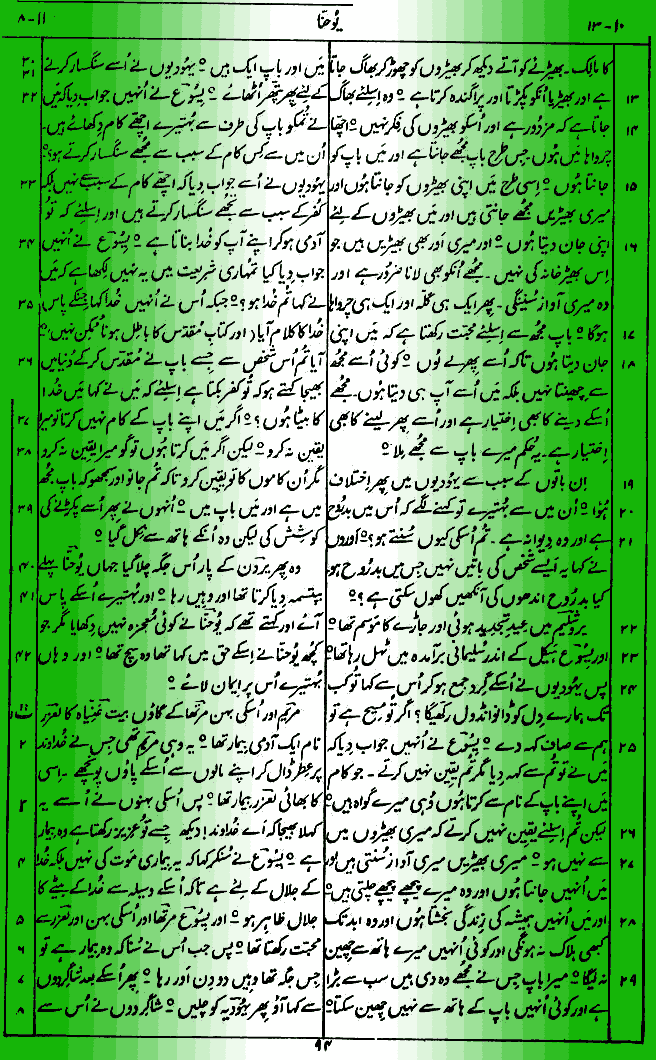
Verse-by-Verse Commentary (John 10:13 – John 11:8)
John 10:13
Verse: The hireling fleeth because he is an hireling and careth not for the sheep
-
English Explanation: Jesus contrasts His divine devotion with the self-serving nature of false spiritual leaders (the “hirelings”). A hired hand works purely for material gain, lacks a personal bond with the flock, and abandons them when danger arises. This highlights the vulnerability of believers under leaders who lack a genuine, sacrificial calling.
-
Urdu Explanation: عیسیٰ علیہ السلام یہاں اپنے خدائی لگاؤ کا موازنہ خود غرض روحانی رہنماؤں (مزدوروں) سے کر رہے ہیں۔ ایک مزدور صرف مادی فائدے کے لیے کام کرتا ہے، اس کا بھیڑوں سے کوئی ذاتی تعلق نہیں ہوتا، اور خطرے کے وقت وہ انہیں چھوڑ کر بھاگ جاتا ہے۔ یہ اس بات کو واضح کرتا ہے کہ وہ ایماندار کتنے بے بس ہوتے ہیں جن کے رہنماؤں میں سچی قربانی کا جذبہ نہیں ہوتا۔
John 10:14
Verse: I am the good shepherd and know my sheep and am known of mine
-
English Explanation: Christ declares Himself as the ultimate caregiver. The relationship between Jesus and His followers is built on profound, intimate, mutual knowledge. He recognizes each believer by name, and true believers instinctively recognize His authority, love, and character.
-
Urdu Explanation: مسیح خود کو حقیقی نگہبان اور اچھا چرواہا ظاہر کرتے ہیں۔ عیسیٰ اور ان کے پیروکاروں کے درمیان تعلق گہرے، باہمی اور دلی علم پر مبنی ہے۔ وہ ہر ایماندار کو نام سے جانتے ہیں، اور سچے ایماندار فطری طور پر ان کے اختیار، محبت اور کردار کو پہچانتے ہیں۔
John 10:15
Verse: As the Father knoweth me even so know I the Father and I lay down my life for the sheep
-
English Explanation: The depth of Christ’s relationship with His believers is modeled after the perfect, eternal fellowship between God the Father and the Son. Furthermore, Jesus establishes that His upcoming death is entirely voluntary—a supreme sacrifice born out of love to secure salvation for His flock.
-
Urdu Explanation: اپنے ایمانداروں کے ساتھ مسیح کے تعلق کی گہرائی خدا باپ اور بیٹے کے درمیان کامل اور ابدی تعلق کی مانند ہے۔ مزید برآں، عیسیٰ یہ واضح کرتے ہیں کہ ان کی آنے والی موت مکمل طور پر اختیاری ہے—ایک ایسی عظیم قربانی جو انہوں نے اپنی بھیڑوں کی نجات کے لیے محبت کی خاطر دی۔
John 10:16
Verse: And other sheep I have which are not of this fold them also I must bring and they shall hear my voice and there shall be one fold and one shepherd
-
English Explanation: This is a powerful prophetic declaration regarding the inclusion of the Gentiles (non-Jewish believers) into God’s kingdom. Christ reveals that His mission transcends cultural and national boundaries, uniting all believers globally into a single, unified spiritual body under His singular leadership.
-
Urdu Explanation: یہ غیر قوموں (غیر یہودی ایمانداروں) کو خدا کی بادشاہی میں شامل کرنے کے بارے میں ایک طاقتور پیشگوئی ہے۔ مسیح ظاہر کرتے ہیں کہ ان کا مشن ثقافتی اور قومی حدود سے بالاتر ہے، جو دنیا بھر کے تمام ایمانداروں کو ان کی واحد قیادت میں ایک روحانی بدن میں متحد کرتا ہے۔
John 10:17
Verse: Therefore doth my Father love me because I lay down my life that I might take it again
-
English Explanation: The Father’s love for the Son is perfectly aligned with the Son’s obedience. Jesus’ mission does not end at the cross; the sacrifice is meaningful because it leads directly to the Resurrection. He surrenders His life with the absolute assurance and authority of reclaiming it.
-
Urdu Explanation: بیٹے کے لیے باپ کی محبت، بیٹے کی فرمانبرداری کے ساتھ کامل ہم آہنگی میں ہے۔ عیسیٰ کا مشن صلیب پر ختم نہیں ہوتا؛ یہ قربانی اس لیے بامقصد ہے کیونکہ یہ سیدھی قیامت (دوبارہ زندہ ہونے) کی طرف لے جاتی ہے۔ وہ اپنی جان اس کامل یقین اور اختیار کے ساتھ دیتے ہیں کہ وہ اسے دوبارہ حاصل کریں گے۔
John 10:18
Verse: No man taketh it from me but I lay it down of myself I have power to lay it down and I have power to take it again This commandment have I received of my Father
-
English Explanation: Jesus asserts His absolute sovereignty over life and death. His crucifixion was not a tragic accident or a defeat by earthly powers, but a divine script executed by His own choice and authorized by God the Father. He holds the unique divine prerogative of both death and resurrection.
-
Urdu Explanation: عیسیٰ زندگی اور موت پر اپنے مطلق اختیار کا دعویٰ کرتے ہیں۔ ان کا مصلوب ہونا کوئی حادثہ یا دنیاوی طاقتوں کی شکست نہیں تھی، بلکہ ایک خدائی منصوبہ تھا جو ان کی اپنی مرضی سے اور خدا باپ کے حکم سے پورا ہوا۔ ان کے پاس موت اور دوبارہ زندہ ہونے دونوں کا انوکھا خدائی اختیار ہے۔
John 10:19
Verse: There was a division therefore again among the Jews for these sayings
-
English Explanation: Christ’s radical claims about His identity and relationship with God act as a spiritual filter. Instead of bringing a false peace, His absolute truth splits the crowd, forcing everyone to choose where they stand regarding His authority.
-
Urdu Explanation: اپنی پہچان اور خدا کے ساتھ اپنے تعلق کے بارے میں مسیح کے انقلابی دعوے ایک روحانی فلٹر کا کام کرتے ہیں۔ جھوٹی امن قائم کرنے کے بجائے، ان کا مطلق سچ ہجوم کو تقسیم کر دیتا ہے، جس سے ہر کوئی ان کے اختیار کے بارے میں اپنا موقف چننے پر مجبور ہو جاتا ہے۔
John 10:20
Verse: And many of them said He hath a devil and is mad why hear ye him
-
English Explanation: Skeptics and critics resort to ad hominem attacks, dismissing Jesus’ profound spiritual authority as demonic possession or mental instability. This reaction represents the ultimate blindness of the human heart when confronted with divine truth.
-
Urdu Explanation: شکوک و شبہات رکھنے والے اور ناقدین عیسیٰ کے گہرے روحانی اختیار کو بدروح کا اثر یا دماغی توازن کی خرابی قرار دے کر مسترد کرتے ہیں۔ یہ ردعمل خدائی سچائی کے سامنے انسانی دل کے اندھے پن کو ظاہر کرتا ہے۔
John 10:21
Verse: Others said These are not the words of him that hath a devil Can a devil open the eyes of the blind
-
English Explanation: A faction of the crowd uses logic and empirical evidence to counter the critics. They point out that neither Jesus’ coherent, profound teachings nor His miraculous healings (such as restoring sight to the blind) align with the destructive, chaotic nature of demons.
-
Urdu Explanation: ہجوم کا ایک حصہ ناقدین کا مقابلہ کرنے کے لیے منطق اور واضح شواہد کا استعمال کرتا ہے۔ وہ اشارہ کرتے ہیں کہ نہ تو عیسیٰ کی گہری تعلیمات اور نہ ہی ان کے معجزات (جیسے اندھوں کو بینائی دینا) بدروحوں کی تباہ کن اور افراتفری والی فطرت سے میل کھاتے ہیں۔
John 10:22
Verse: And it was at Jerusalem the feast of the dedication and it was winter
-
English Explanation: The narrator provides crucial historical and seasonal context. The “Feast of Dedication” (Hanukkah) commemorates the reclamation and rededication of the Second Temple. The mention of winter mirrors the cold, hostile atmosphere Jesus faced from the religious establishment.
-
Urdu Explanation: یہاں تاریخی اور موسمی پس منظر بیان کیا گیا ہے۔ “عیدِ تجدید” (حنوکاہ) دوسرے ہیکل کی آزادی اور اسے دوبارہ خدا کے لیے وقف کرنے کی یاد میں منائی جاتی ہے۔ سردیوں کا ذکر اس سرد اور مخالفانہ ماحول کی عکاسی کرتا ہے جس کا سامنا عیسیٰ کو مذہبی رہنماؤں کی طرف سے تھا۔
John 10:23
Verse: And Jesus walked in the temple in Solomon’s porch
-
English Explanation: Solomon’s Porch was a covered colonnade on the eastern side of the Temple, providing shelter from the harsh winter winds. Walking in this highly public area shows that Jesus did not hide His teachings; He openly offered truth in the center of Jewish worship.
-
Urdu Explanation: سلیمان کا برآمدہ ہیکل کے مشرقی جانب ایک چھت والا راستہ تھا، جو سردیوں کی تیز ہواؤں سے پناہ فراہم کرتا تھا۔ اس عوامی جگہ پر عیسیٰ کا چلنا پھرنا ظاہر کرتا ہے کہ انہوں نے اپنی تعلیمات کو چھپایا نہیں؛ انہوں نے یہودی عبادت گاہ کے مرکز میں کھل کر سچائی پیش کی۔
John 10:24
Verse: Then came the Jews round about him and said unto him How long dost thou make us to doubt If thou be the Christ tell us plainly
-
English Explanation: The religious authorities encircle Jesus, demanding a blunt, political declaration of His Messiahship. However, their question is insincere; they are not seeking truth to believe it, but are trying to trap Him into making a statement they can use to accuse Him of sedition or blasphemy.
-
Urdu Explanation: مذہبی حکام عیسیٰ کو گھیر لیتے ہیں اور ان سے مسیح ہونے کا صاف اور واضح اعلان مانگتے ہیں۔ تاہم، ان کا یہ سوال مخلصانہ نہیں ہے؛ وہ ایمان لانے کے لیے سچائی تلاش نہیں کر رہے، بلکہ انہیں ایک ایسے جال میں پھنسانا چاہتے ہیں جس سے ان پر کفر یا بغاوت کا الزام لگایا جا سکے۔
John 10:25
Verse: Jesus answered them I told you and ye believed not the works that I do in my Father’s name they bear witness of me
-
English Explanation: Jesus exposes their hypocrisy. He notes that words alone are not the issue, as He has already declared His identity through both His speech and His miraculous acts. His miracles, performed in perfect alignment with the Father’s will, serve as undeniable verification of His identity.
-
Urdu Explanation: عیسیٰ ان کی منافقت کو بے نقاب کرتے ہیں۔ وہ فرماتے ہیں کہ مسئلہ صرف الفاظ کا نہیں ہے، کیونکہ وہ پہلے ہی اپنے کلام اور معجزات دونوں کے ذریعے اپنی پہچان ظاہر کر چکے ہیں۔ ان کے معجزات، جو باپ کی مرضی کے مطابق دکھائے گئے، ان کی پہچان کی ناقابل تردید گواہی ہیں۔
John 10:26
Verse: But ye believe not because ye are not of my sheep as I said unto you
-
English Explanation: Jesus identifies the root cause of their skepticism: it is a spiritual condition, not a lack of evidence. They remain blind to His identity because they do not belong to His flock and refuse to submit to His divine authority.
-
Urdu Explanation: عیسیٰ ان کے شک کی اصل وجہ بتاتے ہیں: یہ ایک روحانی حالت ہے، شواہد کی کمی نہیں۔ وہ ان کی پہچان سے اس لیے اندھے ہیں کیونکہ وہ ان کی بھیڑوں میں سے نہیں ہیں اور ان کے خدائی اختیار کے سامنے جھکنے سے انکار کرتے ہیں۔
John 10:27
Verse: My sheep hear my voice and I know them and they follow me
-
English Explanation: This verse outlines the three-fold mark of a true believer: active listening (tuning into Christ’s truth), intimate recognition by Christ (being known by Him), and practical obedience (following His footsteps and teachings).
-
Urdu Explanation: یہ آیت ایک سچے ایماندار کی تین بڑی نشانیاں بیان کرتی ہے: دھیان سے سننا (مسیح کی سچائی پر کان دھرنا)، مسیح کی طرف سے دلی پہچان (ان کا ہمیں جاننا)، اور عملی فرمانبرداری (ان کے نقشِ قدم اور تعلیمات پر چلنا)۔
John 10:28
Verse: And I give unto them eternal life and they shall never perish neither shall any man pluck them out of my hand
-
English Explanation: Christ promises absolute spiritual security to His followers. The gift of eternal life is immediate and everlasting, protected by the sovereign power of Jesus. No external force, cosmic power, or human adversary can break the believer’s bond of salvation.
-
Urdu Explanation: مسیح اپنے پیروکاروں کو کامل روحانی تحفظ کا وعدہ دیتے ہیں۔ ابدی زندگی کا تحفہ فوری اور ہمیشہ قائم رہنے والا ہے، جس کی حفاظت عیسیٰ کے قادرِ مطلق اختیار سے ہوتی ہے۔ کوئی بھی بیرونی طاقت، کائناتی قوت، یا انسانی دشمن ایماندار کی نجات کے اس رشتے کو توڑ نہیں سکتا۔
John 10:29
Verse: My Father which gave them me is greater than all and no man is able to pluck them out of my Father’s hand
-
English Explanation: To reinforce this guarantee of salvation, Jesus points to the supreme authority of God the Father. Believers are double-held: secured simultaneously in the hand of the Son and the hand of the Father, emphasizing absolute divine preservation.
-
Urdu Explanation: نجات کی اس ضمانت کو مزید مضبوط کرنے کے لیے، عیسیٰ خدا باپ کے اعلیٰ ترین اختیار کی طرف اشارہ کرتے ہیں۔ ایماندار دوہرے تحفظ میں ہیں: وہ ایک ہی وقت میں بیٹے کے ہاتھ اور باپ کے ہاتھ میں محفوظ ہیں، جو کامل خدائی تحفظ کو ظاہر کرتا ہے۔
John 10:30
Verse: I and my Father are one
-
English Explanation: A foundational milestone for Christian theology. Jesus claims complete unity of essence, purpose, nature, and power with God the Father. This is an explicit declaration of His divinity, establishing that to see and know Jesus is to see and know God.
-
Urdu Explanation: مسیحی الہیات کے لیے ایک بنیادی اور اہم ترین آیت۔ عیسیٰ خدا باپ کے ساتھ ذات، مقصد، فطرت اور قدرت میں مکمل اتحاد کا دعویٰ کرتے ہیں۔ یہ ان کی الہٰیت (خدا ہونے) کا واضح اعلان ہے، جو یہ ثابت کرتا ہے کہ عیسیٰ کو دیکھنا اور جاننا خدا کو دیکھنا اور جاننا ہے۔
John 10:31
Verse: Then the Jews took up stones again to stone him
-
English Explanation: The religious listeners instantly grasp the weight of Jesus’ claim to divinity. Under Mosaic law, making oneself equal to God was considered blasphemy, punishable by stoning. Their violent reaction proves they understood exactly what He meant.
-
Urdu Explanation: مروجہ مذہبی رہنما عیسیٰ کے خدائی دعوے کے وزن کو فوراً سمجھ جاتے ہیں۔ موسوی شریعت کے تحت، اپنے آپ کو خدا کے برابر ٹھہرانا کفر (توہینِ خدا) سمجھا جاتا تھا، جس کی سزا سنگسار کرنا تھی۔ ان کا یہ پرتشدد ردعمل ثابت کرتا ہے کہ وہ اچھی طرح سمجھ گئے تھے کہ عیسیٰ کا کیا مطلب تھا۔
John 10:32
Verse: Jesus answered them Many good works have I shewed you from my Father for which of those works do ye stone me
-
English Explanation: Jesus meets their anger with calm, ironic reason. He points to His extensive history of compassionate acts—healing the sick, feeding the hungry—and challenges them to identify which of these divinely ordained deeds warrants capital punishment.
-
Urdu Explanation: عیسیٰ ان کے غصے کا جواب پرسکون اور مدلل انداز میں دیتے ہیں۔ وہ اپنے ہمدردانہ کاموں کی طویل تاریخ (بیماروں کو شفا دینا، بھوکوں کو کھانا کھلانا) کی طرف اشارہ کرتے ہیں اور انہیں چیلنج کرتے ہیں کہ وہ بتائیں کہ ان خدائی کاموں میں سے کون سا کام موت کی سزا کے لائق ہے۔
John 10:33
Verse: The Jews answered him saying For a good work we stone thee not but for blasphemy and because that thou being a man makest thyself God
-
English Explanation: The critics clarify their position. They acknowledge His good deeds but reject His divine identity. From their strictly human perspective, Jesus is merely a mortal man committing ultimate blasphemy by claiming to be God Himself.
-
Urdu Explanation: ناقدین اپنا موقف واضح کرتے ہیں۔ وہ ان کے اچھے کاموں کا اعتراف تو کرتے ہیں لیکن ان کی خدائی پہچان کو مسترد کرتے ہیں۔ ان کے صرف انسانی نظریے کے مطابق، عیسیٰ محض ایک فانی انسان ہیں جو خود کو خدا کہہ کر سنگین کفر کے مرتکب ہو رہے ہیں۔
John 10:34
Verse: Jesus answered them Is it not written in your law I said Ye are gods
-
English Explanation: Jesus quotes Psalm 82:6 to dismantle their theological argument. In the Old Testament scriptures, human judges and rulers appointed by God were occasionally referred to using the word elohim (gods/mighty rulers) because they represented divine justice on earth.
-
Urdu Explanation: عیسیٰ ان کے مذہبی استدلال کو رد کرنے کے لیے زبور 82:6 کا حوالہ دیتے ہیں۔ پرانے عہد نامے کے صحیفوں میں، خدا کی طرف سے مقرر کردہ انسانی منصفوں اور حکمرانوں کو بعض اوقات لفظ ‘ایلوہیم’ (حاکم/خداوندان) سے پکارا گیا تھا کیونکہ وہ زمین پر خدائی انصاف کی نمائندگی کرتے تھے۔
John 10:35
Verse: If he called them gods unto whom the word of God came and the scripture cannot be broken
-
English Explanation: Jesus builds an a fortiori (from the lesser to the greater) argument. He establishes the absolute, infallible authority of the Scriptures (“the scripture cannot be broken”) and notes that God Himself applied a divine title to flawed human leaders who merely received His word.
-
Urdu Explanation: عیسیٰ ایک منطقی دلیل قائم کرتے ہیں۔ وہ صحیفوں کے مطلق اور غیر متبدل اختیار کو قائم کرتے ہیں (“اور پاک نوشتہ ٹل نہیں سکتا”) اور کہتے ہیں کہ خود خدا نے ان ناقص انسانی رہنماؤں کے لیے ایک بڑا لقب استعمال کیا جنہوں نے صرف اس کا کلام حاصل کیا تھا۔
John 10:36
Verse: Say ye of him whom the Father hath sanctified and sent into the world Thou blasphemest because I said I am the Son of God
-
English Explanation: If flawed humans could bear that title, how much more fitting is it for Jesus—the one whom the Father uniquely set apart, consecrated, and sent into the world? He argues that His claim to be the Son of God is completely justified and consistent with scripture.
-
Urdu Explanation: اگر ناقص انسانوں کے لیے وہ لفظ استعمال ہو سکتا تھا، تو عیسیٰ کے لیے یہ کتنا زیادہ موزوں ہے—جنہیں باپ نے منفرد طور پر پاک کیا، مخصوص کیا اور دنیا میں بھیجا؟ وہ دلیل دیتے ہیں کہ ان کا خدا کا بیٹا ہونے کا دعویٰ بالکل سچا اور پاک نوشتوں کے عین مطابق ہے۔
John 10:37
Verse: If I do not the works of my Father believe me not
-
English Explanation: Jesus invites objective, empirical evaluation. He does not ask for blind faith; if His life and actions do not accurately reflect the character, holiness, and miraculous power of God the Father, they are free to reject Him.
-
Urdu Explanation: عیسیٰ کھلے اور واضح جائزے کی دعوت دیتے ہیں۔ وہ اندھے ایمان کا مطالبہ نہیں کر رہے؛ اگر ان کی زندگی اور کام خدا باپ کے کردار، پاکیزگی اور معجزاتی قدرت کی عکاسی نہیں کرتے، تو وہ انہیں مسترد کرنے میں آزاد ہیں۔
John 10:38
Verse: But if I do though ye believe not me believe the works that ye may know and believe that the Father is in me and I in him
-
English Explanation: Even if they struggle to trust His words initially, Jesus urges them to look at the undeniable evidence of His miracles. The supernatural works serve as absolute proof of the divine mutual indwelling—that the Father and Son exist in absolute, inseparable unity.
-
Urdu Explanation: اگر وہ شروع میں ان کے الفاظ پر یقین نہیں بھی کر پاتے، تو عیسیٰ ان پر زور دیتے ہیں کہ وہ ان کے معجزات کے ناقابل تردید ثبوتوں کو دیکھیں۔ یہ مافوق الفطرت کام اس بات کا پکا ثبوت ہیں کہ باپ اور بیٹا ایک کامل اور اٹوٹ اتحاد میں قائم ہیں۔
John 10:39
Verse: Therefore they sought again to take him but he escaped out of their hand
-
English Explanation: Unable to counter His masterful scriptural logic, the critics revert to hostility and attempt to arrest Him. However, because His divinely appointed hour had not yet arrived, Jesus effortlessly evades their grasp through divine providence.
-
Urdu Explanation: ان کی بہترین کلامی منطق کا جواب دینے میں ناکام ہو کر، ناقدین دوبارہ دشمنی پر اتر آتے ہیں اور انہیں گرفتار کرنے کی کوشش کرتے ہیں۔ تاہم، چونکہ ان کا خدائی وقت ابھی نہیں آیا تھا، عیسیٰ خدائی حکمت کے تحت آسانی سے ان کے چنگل سے نکل جاتے ہیں۔
John 10:40
Verse: And went away again beyond Jordan into the place where John at first baptized and there he abode
-
English Explanation: Jesus withdraws from the volatile environment of Jerusalem and retreats to the region beyond the Jordan River. This location is deeply symbolic, marking a return to the roots of His public ministry where John the Baptist originally pointed Him out as the Messiah.
-
Urdu Explanation: عیسیٰ یروشلم کے کشیدہ ماحول سے پیچھے ہٹ جاتے ہیں اور دریائے یردن کے پار چلے جاتے ہیں۔ یہ جگہ گہری علامتی اہمیت رکھتی ہے، جو ان کی عوامی وزارت کے آغاز کی یاد دلاتی ہے جہاں یوحنا بپتسمہ دینے والے نے اصل میں ان کے مسیح ہونے کی گواہی دی تھی۔
John 10:41
Verse: And many resorted unto him and said John did no miracle but all things that John spake of this man were true
-
English Explanation: In contrast to the hostile elite in Jerusalem, the common people flock to Jesus in the wilderness. They recognize that while John the Baptist performed no supernatural signs, his prophetic testimony about Jesus was entirely accurate, leading them to truth.
-
Urdu Explanation: یروشلم کے مخالف طبقے کے برعکس، عام لوگ بیابان میں عیسیٰ کے پاس جمع ہوتے ہیں۔ وہ تسلیم کرتے ہیں کہ اگرچہ یوحنا بپتسمہ دینے والے نے کوئی معجزہ نہیں دکھایا، لیکن عیسیٰ کے بارے میں ان کی نبوتی گواہی بالکل سچی تھی، جو انہیں سچائی کی طرف لے گئی۔
John 10:42
Verse: And many believed on him there
-
English Explanation: The ultimate spiritual harvest of Jesus’ temporary withdrawal. Free from the oppressive, biased influence of the Jerusalem Pharisees, open-hearted seekers evaluate the truth and place their enduring faith in Christ.
-
Urdu Explanation: یہ عیسیٰ کے عارضی طور پر پیچھے ہٹنے کا آخری روحانی نتیجہ ہے۔ یروشلم کے فریسیوں کے ظالمانہ اور متعصبانہ اثر سے دور، صاف دل تلاش کرنے والے سچائی کو پرکھتے ہیں اور مسیح پر سچا ایمان لاتے ہیں۔
Chapter 11
John 11:1
Verse: Now a certain man was sick named Lazarus of Bethany the town of Mary and her sister Martha
-
English Explanation: The narrative transitions to a pivotal event: the illness of Lazarus. The author meticulously identifies the location (Bethany) and introduces his family, Mary and Martha, setting the stage for one of Christ’s greatest displays of divine power over death.
-
Urdu Explanation: یہاں سے کلام ایک اہم واقعے کی طرف مڑتا ہے: یعنی لعزر کی بیماری۔ مصنف احتیاط سے جگہ (بیت عنیاہ) کی نشاندہی کرتا ہے اور اس کے خاندان، مریم اور مرتھا کا تعارف کراتا ہے، جو موت پر مسیح کی سب سے بڑی خدائی قدرت کے ظہور کا پیش خیمہ بنتا ہے۔
John 11:2
Verse: It was that Mary which anointed the Lord with ointment and wiped his feet with her hair whose brother Lazarus was sick
-
English Explanation: The author includes a parenthetical note pointing to Mary’s famous act of devotion (which takes place later in the chronology of the narrative). This serves to highlight the deep, affectionate emotional bond and mutual love between this family and Jesus.
-
Urdu Explanation: مصنف مریم کے عقیدت کے اس مشہور عمل کا ذکر کرتا ہے (جو کہانی میں آگے چل کر ہوتا ہے)۔ یہ اس خاندان اور عیسیٰ کے درمیان گہرے، جذباتی اور محبت کے رشتے کو واضح کرنے کے لیے ہے۔
John 11:3
Verse: Therefore his sisters sent unto him saying Lord behold he whom thou lovest is sick
-
Explanation (English): Mary and Martha send an urgent message to Jesus, appealing directly to His deep love for Lazarus. They do not demand a specific action or command Him to come; they simply present the need to Him in absolute trust, knowing His love will compel Him to respond.
-
Explanation (Urdu): مریم اور مرتھا عیسیٰ کو ایک ضروری پیغام بھیجتی ہیں، اور لعزر کے لیے ان کی گہری محبت کا واسطہ دیتی ہیں۔ وہ کسی خاص معجزے کا مطالبہ نہیں کرتیں اور نہ ہی انہیں آنے کا حکم دیتی ہیں؛ وہ کامل بھروسے کے ساتھ صرف اپنی ضرورت ان کے سامنے رکھتی ہیں، یہ جانتے ہوئے کہ ان کی محبت انہیں جواب دینے پر مائل کرے گی۔
John 11:4
Verse: When Jesus heard that he said This sickness is not unto death but for the glory of God that the Son of God might be glorified thereby
-
English Explanation: Jesus redefines the ultimate outcome of the situation from a divine perspective. The ultimate purpose of Lazarus’ crisis is not permanent tragedy or final physical death, but an intentional opportunity to reveal God’s absolute sovereignty and manifest the divine glory of the Son.
-
Urdu Explanation: عیسیٰ خدائی نقطہ نظر سے اس صورتحال کے حتمی نتیجے کی نئی تعریف کرتے ہیں۔ لعزر کے اس بحران کا آخری مقصد کوئی دائمی سانحہ یا آخری جسمانی موت نہیں ہے، بلکہ خدا کے مطلق اختیار کو ظاہر کرنے اور بیٹے کے خدائی جلال کو عیاں کرنے کا ایک خاص موقع ہے۔
John 11:5
Verse: Now Jesus loved Martha and her sister and Lazarus
-
English Explanation: The gospel writer explicitly reaffirms Jesus’ profound love for each member of this family. This ensures that His subsequent actions and intentional delays are understood as part of a deeper divine plan, rather than indifference or lack of care.
-
Urdu Explanation: انجیل کا مصنف اس خاندان کے ہر فرد کے لیے عیسیٰ کی گہری محبت کی کھل کر تصدیق کرتا ہے۔ یہ اس بات کو یقینی بنانے کے لیے ہے کہ ان کے بعد کے اقدامات اور جان بوجھ کر کی جانے والی تاخیر کو کسی لاپرواہی کے بجائے ایک گہرے خدائی منصوبے کے حصے کے طور پر سمجھا جائے۔
John 11:6
Verse: When he had heard therefore that he was sick he abode two days still in the same place where he was
-
English Explanation: A profound paradox of faith. Upon hearing the news, Jesus purposefully waits two more days. This delay is not out of neglect, but to allow the situation to become completely irreversible by human standards, ensuring that the upcoming miracle leaves no room for doubt.
-
Urdu Explanation: ایمان کا ایک گہرا راز۔ یہ خبر سننے کے بعد، عیسیٰ جان بوجھ کر اسی جگہ دو دن اور ٹھہرتے ہیں۔ یہ تاخیر کسی غفلت کی وجہ سے نہیں تھی، بلکہ صورتحال کو انسانی معیار کے مطابق مکمل طور پر ناممکن بنانا تھا، تاکہ آنے والے معجزے میں شک کی کوئی گنجائش نہ رہے۔
John 11:7
Verse: Then after that saith he to his disciples Let us go into Judaea again
-
English Explanation: Once the perfect timing of the divine plan aligns, Jesus initiates the journey. He commands His disciples to return to Judea—the very region where hostile religious factions had recently plotted His death.
-
Urdu Explanation: جب خدائی منصوبے کا کامل وقت آ جاتا ہے، تو عیسیٰ سفر کا آغاز کرتے ہیں۔ وہ اپنے شاگردوں کو یہودیہ واپس جانے کا حکم دیتے ہیں—یہ وہی علاقہ ہے جہاں مخالف مذہبی گروہوں نے حال ہی میں ان کو قتل کرنے کی سازش کی تھی۔
John 11:8
Verse: His disciples say unto him Master the Jews of late sought to stone thee and goest thou thither again
-
English Explanation: The disciples react with genuine anxiety and confusion. They remind Jesus of the immediate, deadly threat of stoning they had just escaped in Jerusalem. From a purely human perspective, returning to Judea appeared to be an unnecessary and dangerous risk.
-
Urdu Explanation: شاگرد حقیقی خوف اور الجھن کے ساتھ ردعمل ظاہر کرتے ہیں۔ وہ عیسیٰ کو سنگسار کیے جانے کے اس فوری اور مہلک خطرے کی یاد دلاتے ہیں جس سے وہ ابھی یروشلم میں بچے تھے۔ محض ایک انسانی نقطہ نظر سے، یہودیہ واپس جانا ایک غیر ضروری اور خطرناک اقدام معلوم ہوتا تھا۔