Chapter 11
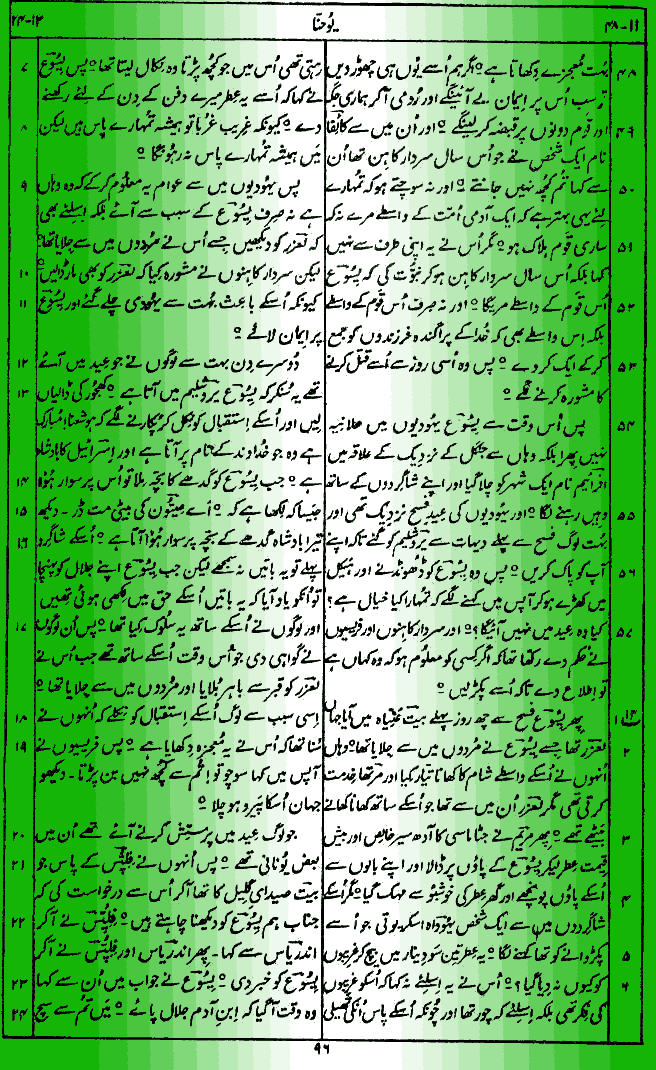
John 11:48
Verse: If we let him thus alone all men will believe on him and the Romans shall come and take away both our place and nation
English Explanation
The religious leaders (the Sanhedrin) were in a state of panic after Jesus raised Lazarus from the dead. They were not concerned about the truth of Jesus’ messiahship; rather, they were terrified of losing their political status, religious authority, and power. They feared that a massive popular movement following Jesus would trigger a violent crackdown by the Roman Empire, leading to the destruction of Jerusalem (their “place”) and the dissolution of the Jewish nation.
Urdu Explanation (تفصیلی وضاحت)
مذہبی رہنما (سنہدرن) عیسیٰ علیہ السلام کی طرف سے لعزر کو مردوں میں سے زندہ کرنے کے بعد شدید خوف اور افراتفری کا شکار تھے۔ انہیں اس بات کی فکر نہیں تھی کہ عیسیٰ سچے مسیحا ہیں یا نہیں، بلکہ انہیں اپنی سیاسی طاقت، مذہبی اجارہ داری اور مرتبے کے چھن جانے کا ڈر تھا۔ انہیں خوف تھا کہ اگر لوگ بڑی تعداد میں عیسیٰ کے پیروکار بن گئے تو رومی حکومت اسے ایک بغاوت سمجھے گی اور ان کی مذہبی جگہ (یروشلم کا ہیکل) اور پوری قوم کو تہس نہس کر دے گی۔
John 11:49
Verse: And one of them named Caiaphas being the high priest that same year said unto them Ye know nothing at all
English Explanation
Caiaphas, who served as the Jewish High Priest during that momentous year, spoke to the council with arrogance and condescension. He dismissed the hand-wringing and debates of the other leaders by telling them they lacked insight and failed to see the obvious political solution to their problem.
Urdu Explanation (تفصیلی وضاحت)
قیافا، جو اس مخصوص اور تاریخی سال یہودیوں کا اعلیٰ کاہن (سردار کاہن) تھا، نے کونسل کے دیگر ارکان سے انتہائی تکبر اور حقارت آمیز انداز میں بات کی۔ اس نے ان کی بحث اور پریشانی کو فضول قرار دیتے ہوئے کہا کہ تم لوگ کچھ نہیں جانتے اور اس معاملے کے واضح سیاسی حل کو دیکھنے سے قاصر ہو۔
John 11:50
Verse: Nor consider that it is expedient for us that one man should die for the people and that the whole nation perish not
English Explanation
Caiaphas presented a cold, calculated political argument. From a purely pragmatic standpoint, he argued that it was far better to execute one innocent man (Jesus) to protect their own positions and maintain peace with Rome, rather than risk the destruction of the entire Jewish nation. It was a philosophy of political convenience over moral justice.
Urdu Explanation (تفصیلی وضاحت)
قیافا نے ایک سرد اور مصلحت پسندانہ سیاسی دلیل پیش کی۔ اس نے کہا کہ ہمارے لیے یہ زیادہ فائدہ مند ہے کہ پوری قوم کی تباہی کا خطرہ مول لینے کے بجائے، ایک آدمی (عیسیٰ) کو قتل کر دیا جائے تاکہ رومی حکومت کے ساتھ امن قائم رہے اور ان کا اقتدار بچ سکے۔ یہ اخلاقی انصاف کے بجائے سیاسی فائدے کو ترجیح دینے کی سوچ تھی۔
John 11:51
Verse: And this spake he not of himself but being high priest that year he prophesied that Jesus should die for that nation
English Explanation
The Apostle John points out a divine irony here. Caiaphas thought he was merely making a ruthless political statement, but because he held the sacred office of High Priest, God used his mouth to utter a profound spiritual prophecy. Unknowingly, Caiaphas predicted the substitutionary atonement—that Jesus would literally die as a sacrificial substitute for the nation.
Urdu Explanation (تفصیلی وضاحت)
یوحنا رسول یہاں ایک گہرے الٰہی راز کی طرف اشارہ کرتے ہیں۔ قیافا سمجھ رہا تھا کہ وہ ایک سفاکانہ سیاسی فیصلہ سنا رہا ہے، لیکن چونکہ وہ اس سال سردار کاہن کے مقدس عہدے پر فائز تھا، خدا نے اس کی زبان سے ایک گہری روحانی پیشگوئی کروائی۔ قیافا نے نادانستہ طور پر عیسیٰ کی کفارہ دینے والی موت کی پیشگوئی کر دی کہ عیسیٰ واقعی قوم کی نجات کے لیے اپنی جان قربان کریں گے۔
John 11:52
Verse: And not for that nation only but that also he should gather together in one the children of God that were scattered abroad
English Explanation
John expands on the spiritual meaning of Caiaphas’s prophecy. Jesus’ sacrificial death was not limited to the Jewish nation alone. His mission was global: to redeem, unite, and gather into one spiritual family all of God’s chosen children scattered across the world, including Gentiles who would believe in Him.
Urdu Explanation (تفصیلی وضاحت)
یوحنا قیافا کی پیشگوئی کے روحانی مفہوم کو مزید واضح کرتے ہیں۔ عیسیٰ کی قربانی صرف یہودی قوم تک محدود نہیں تھی۔ ان کا مشن عالمگیر تھا—تاکہ دنیا بھر میں بکھرے ہوئے خدا کے فرزندوں (بشمول غیر قوموں کے جو ایمان لانے والے تھے) کو نجات دلائیں اور انہیں ایک روحانی خاندان میں اکٹھا کریں۔
John 11:53
Verse: Then from that day forth they took counsel together for to put him to death
English Explanation
This verse marks a critical turning point in the Gospel narrative. The raising of Lazarus was the final straw. From this day forward, the Sanhedrin stopped debating whether they should stop Jesus; instead, they officially plotted and looked for the best opportunity how to execute Him.
Urdu Explanation (تفصیلی وضاحت)
یہ آیت انجیل کے بیان میں ایک انتہائی اہم موڑ ہے۔ لعزر کو زندہ کرنا آخری حد ثابت ہوا۔ اس دن کے بعد سے، سنہدرن نے اس بات پر بحث کرنا بند کر دی کہ عیسیٰ کو روکا جائے یا نہیں؛ بلکہ انہوں نے باضابطہ طور پر یہ منصوبہ بنانا شروع کر دیا کہ ان کو قتل کیسے کیا جائے۔
John 11:54
Verse: Jesus therefore walked no more openly among the Jews but went thence unto a country near to the wilderness into a city called Ephraim and there continued with his disciples
English Explanation
Knowing that His hour had not yet fully arrived, Jesus strategically withdrew from public ministry in Jerusalem. He retreated to a secluded town called Ephraim, near the wilderness, where He spent quiet, focused time preparing His disciples for the climactic events of the upcoming Passover.
Urdu Explanation (تفصیلی وضاحت)
یہ جانتے ہوئے کہ ان کا مقررہ وقت ابھی پوری طرح نہیں آیا، عیسیٰ نے یروشلم میں عوامی منادی ترک کر دی۔ وہ صحرا کے قریب افراہیم نامی ایک الگ تھلگ شہر میں چلے گئے، جہاں انہوں نے اپنے شاگردوں کے ساتھ خاموشی سے وقت گزارا تاکہ انہیں آنے والی عیدِ فسح کے عظیم واقعات کے لیے تیار کر سکیں۔
John 11:55
Verse: And the Jews’ passover was nigh at hand and many went out of the country up to Jerusalem before the passover to purify themselves
English Explanation
As the annual feast of Passover approached, massive crowds from all over the rural regions traveled up to Jerusalem. They arrived days early to undergo ceremonial purification rituals required by Jewish law to ensure they were ritually clean before participating in the holy festival.
Urdu Explanation (تفصیلی وضاحت)
جب یہودیوں کی عیدِ فسح کا سالانہ تہوار قریب آیا، تو دیہی علاقوں سے لوگوں کے بڑے ہجوم یروشلم کی طرف روانہ ہوئے۔ وہ عید شروع ہونے سے کئی دن پہلے پہنچ گئے تاکہ شریعت کے مطابق اپنے آپ کو پاک کرنے کی رسمیں پوری کر سکیں اور عید میں شرکت کے قابل ہو جائیں۔
John 11:56
Verse: Then sought they for Jesus and spake among themselves as they stood in the temple What think ye that he will not come to the feast
English Explanation
The atmosphere in Jerusalem was filled with intense anticipation and speculation. People standing in the temple courts were actively looking for Jesus, whispering and debating among themselves whether He would dare to show His face at the feast given the open hostility of the religious elite.
Urdu Explanation (تفصیلی وضاحت)
یروشلم کا ماحول شدید انتظار اور قیاس آرائیوں سے بھرا ہوا تھا۔ ہیکل کے صحنوں میں کھڑے لوگ عیسیٰ کو ڈھونڈ رہے تھے اور آپس میں کنایہ کر رہے تھے کہ مذہبی رہنماؤں کی کھلی دشمنی کے باوجود کیا وہ اس عید پر آنے کی جرات کریں گے یا نہیں؟
John 11:57
Verse: Now both the chief priests and the Pharisees had given a commandment that if any man knew where he were he should shew it that they might take him
English Explanation
The religious authorities had turned Jerusalem into a hostile police state regarding Jesus. They issued an official decree demanding that anyone with information about Jesus’ whereabouts must immediately report it, turning the populace into informants so they could arrest Him quietly.
Urdu Explanation (تفصیلی وضاحت)
مذہبی حکام نے عیسیٰ کے خلاف سخت احکامات جاری کر رکھے تھے۔ انہوں نے ایک باضابطہ فرمان جاری کیا کہ اگر کسی کو بھی عیسیٰ کے ٹھکانے کا علم ہو، تو وہ فوری طور پر اطلاع دے، تاکہ وہ عیسیٰ کو خاموشی سے گرفتار کر سکیں۔
Chapter 12
John 12:1
Verse: Then Jesus six days before the passover came to Bethany where Lazarus was which had been dead whom he raised from the dead
English Explanation
Exactly six days before the Passover lamb was to be sacrificed, Jesus returned to the center of the tension. He arrived in Bethany, the home of Lazarus. This setting serves as a powerful reminder of Jesus’ power over death, serving as a prelude to His own upcoming death and resurrection.
Urdu Explanation (تفصیلی وضاحت)
عیدِ فسح سے ٹھیک چھ دن پہلے، عیسیٰ واپس اسی علاقے میں آئے جہاں شدید تناؤ تھا۔ وہ بیت عنیاہ پہنچے، جو لعزر کا گھر تھا جسے انہوں نے مردوں میں سے زندہ کیا تھا۔ یہ منظر عیسیٰ کی موت پر قدرت کی یاد دہانی تھا اور ان کی اپنی موت اور جی اٹھنے کا پیش خیمہ تھا۔
John 12:2
Verse: There they made him a supper and Martha served but Lazarus was one of them that sat at the table with him
English Explanation
A dinner was hosted in Jesus’ honor to celebrate His presence and the miracle of Lazarus. True to her character, Martha expressed her devotion through active service, while Lazarus sat openly at the table—a living, breathing testament to the resurrecting power of Christ.
Urdu Explanation (تفصیلی وضاحت)
عیسیٰ کے اعزاز میں ایک ضیافت کا اہتمام کیا گیا تاکہ ان کی آمد اور لعزر کے معجزے کا جشن منایا جائے۔ مارتھا نے حسبِ عادت خدمت کر کے اپنی عقیدت کا اظہار کیا، جبکہ لعزر میز پر ان کے ساتھ بیٹھا تھا—جو مسیح کی زندہ کرنے والی قدرت کا ایک جیتا جاگتا ثبوت تھا۔
John 12:3
Verse: Then took Mary a pound of ointment of spikenard very costly and anointed the feet of Jesus and wiped his feet with her hair and the house was filled with the odour of the ointment
English Explanation
In an act of extravagant, sacrificial worship, Mary took a very expensive jar of pure nard (worth a year’s wages) and poured it on Jesus’ feet, breaking cultural norms by wiping His feet with her loosened hair. The fragrance filling the house symbolizes the beauty of self-sacrificing love and devotion.
Urdu Explanation (تفصیلی وضاحت)
مریم نے عقیدت اور پرستش کا ایک بے مثال نمونہ پیش کرتے ہوئے خالص جٹاماسی (ایک انتہائی قیمتی عطر جو سال بھر کی کمائی کے برابر تھا) کا ایک پاؤنڈ لیا اور اسے عیسیٰ کے پاؤں پر ملا، اور اپنے بالوں سے ان کے پاؤں پونجھے۔ عطر کی خوشبو سے سارا گھر مہک اٹھا، جو کہ محبت اور قربانی کی خوبصورتی کی علامت ہے۔
John 12:4
Verse: Then saith one of his disciples Judas Iscariot Simon’s son which should betray him
English Explanation
Judas Iscariot interjected, breaking the beautiful moment with criticism. John intentionally highlights Judas’ identity as the one who would eventually betray Jesus, setting up a stark contrast between Mary’s genuine devotion and Judas’ hidden, treacherous motives.
Urdu Explanation (تفصیلی وضاحت)
یہوداہ اسکریوتی نے اس خوبصورت اور پاکیزہ منظر میں دخل اندازی کرتے ہوئے تنقید کی۔ یوحنا رسول نے جان بوجھ کر یہاں یہوداہ کی شناخت اس شخص کے طور پر کروائی جو آگے چل کر عیسیٰ کے ساتھ غداری کرنے والا تھا، تاکہ مریم کی سچی عقیدت اور یہوداہ کے منافقانہ عزائم کا موازنہ کیا جا سکے۔
John 12:5
Verse: Why was not this ointment sold for three hundred pence and given to the poor
English Explanation
Judas masked his greed with a veil of social justice and charity. He argued that the perfume was wasted and should have been sold for three hundred denarii (a working man’s annual wage) to fund relief programs for the poor, appealing to common sense but lacking spiritual insight.
Urdu Explanation (تفصیلی وضاحت)
یہوداہ نے اپنے لالچ کو غریب پروری اور خیرات کے لبادے میں چھپانے کی کوشش کی۔ اس نے دلیل دی کہ یہ قیمتی عطر ضائع کر دیا گیا، اسے تو تین سو دینار (ایک مزدور کی سال بھر کی مزدوری) میں بیچ کر غریبوں میں بانٹ دینا چاہیے تھا، تاکہ بظاہر ہمدردی نظر آئے۔
John 12:6
Verse: This he said not that he cared for the poor but because he was a thief and had the bag and bare what was put therein
English Explanation
John exposes Judas’ true, ugly motive. Judas did not care about the poor at all. As the treasurer of the ministry, he was a thief who routinely stole money from the communal money bag. He wanted the perfume sold simply so he could embezzle the proceeds.
Urdu Explanation (تفصیلی وضاحت)
یوحنا یہاں یہوداہ کے اصل اور بھیانک مقصد کو بے نقاب کرتے ہیں۔ یہوداہ کو غریبوں کی کوئی پرواہ نہیں تھی۔ وہ شاگردوں کے چندے کے تھیلے کا انچارج تھا اور ایک چور تھا جو اس میں سے پیسے چراتا رہتا تھا۔ وہ عطر کو صرف اس لیے بیچنا چاہتا تھا تاکہ رقم اس کے ہاتھ لگے اور وہ اسے ہڑپ کر سکے۔
John 12:7
Verse: Then said Jesus Let her alone against the day of my burying hath she kept this
English Explanation
Jesus defended Mary against Judas’ harsh criticism. He revealed the prophetic significance of her act, stating that she had kept this ointment to prepare His body for burial. Mary, perhaps instinctively, understood what the disciples refused to accept—that Jesus was about to die.
Urdu Explanation (تفصیلی وضاحت)
عیسیٰ نے یہوداہ کی تنقید کے سامنے مریم کا دفاع کیا۔ انہوں نے مریم کے اس عمل کی پیشگوئیانہ اہمیت کو ظاہر کرتے ہوئے کہا کہ اس نے یہ عطر میرے کفن دفن کے دن کے لیے بچا رکھا تھا۔ مریم، شاید لاشعوری طور پر، اس حقیقت کو سمجھ گئی تھی جسے شاگرد قبول کرنے کو تیار نہیں تھے—کہ عیسیٰ جلد مرنے والے ہیں۔
John 12:8
Verse: For the poor always ye have with you but me ye have not always
English Explanation
Jesus does not dismiss ministry to the poor, which is a constant duty based on Deuteronomy 15:11. Instead, He highlights the unique urgency of the moment. The opportunity to minister to Jesus physically on earth was rapidly closing, making Mary’s timely devotion uniquely beautiful.
Urdu Explanation (تفصیلی وضاحت)
عیسیٰ غریبوں کی مدد کرنے سے منع نہیں کر رہے، کیونکہ غریب ہمیشہ دنیا میں رہیں گے اور ان کی مدد کرنا ایک مستقل فرض ہے۔ بلکہ وہ اس وقت کی انفرادیت اور اہمیت کو واضح کر رہے ہیں۔ زمین پر عیسیٰ کی جسمانی موجودگی کا وقت ختم ہو رہا تھا، اس لیے مریم کا یہ عمل اس وقت کے لحاظ سے بالکل درست اور قیمتی تھا۔
John 12:9
Verse: Much people of the Jews therefore knew that he was there and they came not for Jesus’ sake only but that they might see Lazarus also whom he had raised from the dead
English Explanation
Word spread quickly that Jesus was back in Bethany. A large crowd of curious Jews flocked to the town, not only to see Jesus but also to catch a glimpse of Lazarus—the living proof of Jesus’ miraculous, life-giving authority.
Urdu Explanation (تفصیلی وضاحت)
یہ خبر تیزی سے پھیل گئی کہ عیسیٰ بیت عنیاہ میں ہیں۔ یہودیوں کا ایک بڑا ہجوم وہاں جمع ہوا، نہ صرف عیسیٰ کو دیکھنے کے لیے بلکہ لعزر کو بھی دیکھنے کے لیے، جو عیسیٰ کی زندگی دینے والی معجزاتی قدرت کا زندہ ثبوت بن چکا تھا۔
John 12:10
Verse: But the chief priests consulted that they might put Lazarus also to death
English Explanation
The spiritual blindness and malice of the chief priests reached a shocking low point. They plotted to murder Lazarus as well. Lazarus had committed no crime; his only “offense” was being alive, making him an undeniable piece of evidence that validated Jesus.
Urdu Explanation (تفصیلی وضاحت)
سردار کاہنوں کی روحانی اندھیرا اور حسد اپنی انتہا کو پہنچ گیا۔ انہوں نے نہ صرف عیسیٰ بلکہ لعزر کو بھی قتل کرنے کا منصوبہ بنایا۔ لعزر کا کوئی قصور نہیں تھا؛ اس کا واحد “جرم” یہ تھا کہ وہ زندہ تھا اور عیسیٰ کی سچائی کی ایک ایسی گواہی تھا جسے وہ جھٹلا نہیں سکتے تھے۔
John 12:11
Verse: Because that by reason of him many of the Jews went away and believed on Jesus
English Explanation
The religious elite wanted Lazarus dead because he was highly effective advertising for Jesus. Because of Lazarus’ resurrection, many Jews were abandoning their traditional loyalty to the religious establishment and putting their faith in Jesus as the Messiah.
Urdu Explanation (تفصیلی وضاحت)
مذہبی رہنما لعزر کو اس لیے ختم کرنا چاہتے تھے کیونکہ اس کی وجہ سے بہت سے یہودی ان کی پیروی چھوڑ کر عیسیٰ پر ایمان لا رہے تھے۔ لعزر کا زندہ ہونا لوگوں کے ایمان لانے کا ایک بڑا سبب بن رہا تھا جس سے رہنماؤں کا وقار خطرے میں تھا۔
John 12:12
Verse: On the next day much people that were come to the feast when they heard that Jesus was coming to Jerusalem
English Explanation
The following day, the massive crowds who had gathered in Jerusalem for Passover heard that Jesus was finally making His way into the holy city. The excitement reached a fever pitch as people prepared a royal welcome.
Urdu Explanation (تفصیلی وضاحت)
اگلے دن، عیدِ فسح کے لیے یروشلم میں جمع ہونے والے لوگوں کے بڑے ہجوم کو پتہ چلا کہ عیسیٰ بالاخر مقدس شہر کی طرف آ رہے ہیں۔ لوگوں کا جوش و خروش عروج پر پہنچ گیا اور انہوں نے ان کے شاہانہ استقبال کی تیاریاں شروع کر دیں۔
John 12:13
Verse: Took branches of palm trees and went forth to meet him and cried Hosanna Blessed is the King of Israel that cometh in the name of the Lord
English Explanation
The crowd greeted Jesus with nationalistic and messianic fervor. Waving palm branches (symbols of Jewish nationalism and victory), they shouted “Hosanna” (meaning “Save us now!”) and quoted Psalm 118, openly declaring Him to be the promised King of Israel.
Urdu Explanation (تفصیلی وضاحت)
ہجوم نے عیسیٰ کا استقبال بڑے جوش اور عقیدت کے ساتھ کیا۔ کھجور کی ڈالیاں (جو فتح اور آزادی کی علامت تھیں) لہراتے ہوئے، انہوں نے نعرہ لگایا “ہوشعنا” (جس کا مطلب ہے ‘اب نجات دے’) اور زبور 118 کی آیتیں پڑھیں، جس سے انہوں نے کھلم کھلا عیسیٰ کو اسرائیل کا موعودہ بادشاہ تسلیم کیا۔
John 12:14
Verse: And Jesus when he had found a young ass sat thereon as it is written
English Explanation
Instead of entering like a conquering general on a warhorse, Jesus deliberately rode into the city on a young donkey. This conscious choice fulfilled prophecy and redefined the nature of His kingship—He came in peace and humility, not military conquest.
Urdu Explanation (تفصیلی وضاحت)
ایک فاتح جرنیل کی طرح جنگی گھوڑے پر سوار ہونے کے بجائے، عیسیٰ جان بوجھ کر ایک گدھے کے بچے پر سوار ہو کر شہر میں داخل ہوئے۔ یہ انتخاب پرانے عہد نامے کی پیشگوئی کو پورا کرنے اور اپنی بادشاہت کی نوعیت کو ظاہر کرنے کے لیے تھا—وہ امن اور حلم کے ساتھ آئے تھے، نہ کہ جنگی فتح کے ساتھ۔
John 12:15
Verse: Fear not daughter of Sion behold thy King cometh sitting on an ass’s colt
English Explanation
This verse quotes Zechariah 9:9. “Daughter of Zion” refers to the people of Jerusalem. The prophecy reassured them that their King was coming not to bring judgment or military terror upon them, but to bring salvation in gentleness.
Urdu Explanation (تفصیلی وضاحت)
یہ آیت زکریا 9:9 کی پیشگوئی کا حوالہ دیتی ہے۔ “صیون کی بیٹی” سے مراد یروشلم کے لوگ ہیں۔ اس پیشگوئی نے انہیں تسلی دی کہ ان کا بادشاہ ان پر ظلم یا جنگی دہشت پھیلانے نہیں، بلکہ عاجزی کے ساتھ نجات لانے آ رہا ہے۔
John 12:16
Verse: These things understood not his disciples at the first but when Jesus was glorified then remembered they that these things were written of him and that they had done these things unto him
English Explanation
Even Jesus’ closest disciples did not understand the prophetic magnitude of what was happening at the time. It was only after Jesus was crucified, resurrected, and glorified that the Holy Spirit opened their minds to connect the Scriptures with the events they had witnessed.
Urdu Explanation (تفصیلی وضاحت)
یہاں تک کہ عیسیٰ کے قریبی شاگرد بھی اس وقت ان واقعات کی پیشگوئیانہ اہمیت کو نہ سمجھ سکے۔ لیکن جب عیسیٰ مصلوب ہوئے، جی اٹھے اور جلال پا گئے، تب پاک روح نے ان کے ذہن کھولے اور انہیں یاد دلایا کہ یہ سب کچھ پاک کلام کے مطابق ہوا تھا۔
John 12:17
Verse: The people therefore that was with him when he called Lazarus out of his grave and raised him from the dead bare record
English Explanation
The momentum behind the Triumphal Entry was driven by eyewitness testimony. The people who were actually present in Bethany when Jesus raised Lazarus kept spreading the word, testifying to others about this astonishing miracle.
Urdu Explanation (تفصیلی وضاحت)
یروشلم میں عیسیٰ کے شاندار استقبال کے پیچھے عینی شاہدین کی گواہی تھی۔ وہ لوگ جو بیت عنیاہ میں موجود تھے جب عیسیٰ نے لعزر کو قبر سے پکار کر زندہ کیا تھا، وہ لگاتار دوسروں کو اس حیرت انگیز معجزے کے بارے میں بتا رہے تھے اور گواہی دے رہے تھے۔
John 12:18
Verse: For this cause the people also met him for that they heard that he had done this miracle
English Explanation
The primary reason the massive crowds poured out of Jerusalem to meet Jesus was the astonishing news of Lazarus’ resurrection. A miracle of that magnitude convinced the masses that Jesus was worth seeing and potentially the long-awaited deliverer.
Urdu Explanation (تفصیلی وضاحت)
یروشلم سے لوگوں کے اتنے بڑے ہجوم کے باہر نکل کر عیسیٰ سے ملنے کی بنیادی وجہ لعزر کے زندہ ہونے کی سنسنی خیز خبر تھی۔ اتنے بڑے معجزے نے عوام کو یقین دلا دیا تھا کہ عیسیٰ ہی وہ نجات دہندہ ہیں جن کا صدیوں سے انتظار تھا۔
John 12:19
Verse: The Pharisees therefore said among themselves Perceive ye how ye prevail nothing behold the world is gone after him
English Explanation
The Pharisees watched the Triumphal Entry in utter despair and frustration. They admitted to one another that their schemes to stop Jesus had failed completely. In their exasperation, they exaggerated, saying, “the world is gone after him,” recognizing they were losing control.
Urdu Explanation (تفصیلی وضاحت)
فریسیوں نے عیسیٰ کے اس استقبال کو شدید مایوسی اور بے بسی کے ساتھ دیکھا۔ انہوں نے آپس میں اعتراف کیا کہ عیسیٰ کو روکنے کی ان کی تمام تدبیریں ناکام ہو چکی ہیں۔ انہوں نے گھبراہٹ میں کہا، “دیکھو، ساری دنیا اس کے پیچھے چلی گئی ہے،” جس سے ظاہر ہوتا تھا کہ وہ اپنا کنٹرول کھو رہے تھے۔
John 12:20
Verse: And there were certain Greeks among them that came up to worship at the feast
English Explanation
John introduces a crucial shift. Some Greeks (Gentiles who feared God) had traveled to Jerusalem to worship during the Passover. Their arrival signifies that Jesus’ message and drawing power were extending beyond ethnic Jewish borders to the wider world.
Urdu Explanation (تفصیلی وضاحت)
یوحنا یہاں ایک اہم موڑ متعارف کراتے ہیں۔ کچھ یونانی (غیر قوموں کے لوگ جو خدا کا خوف رکھتے تھے) عیدِ فسح پر عبادت کے لیے یروشلم آئے تھے۔ ان کی آمد اس بات کی علامت تھی کہ عیسیٰ کا پیغام اور ان کی کشش اب صرف یہودیوں تک محدود نہیں رہی بلکہ غیر قوموں تک پھیل رہی تھی۔
John 12:21
Verse: The same came therefore to Philip which was of Bethsaida of Galilee and desired him saying Sir we would see Jesus
English Explanation
These Greeks approached Philip, likely because he had a Greek name and was from Galilee, a region with a large Gentile population. With great respect, they voiced their sincere desire to have a private audience with Jesus, saying, “Sir, we would see Jesus.”
Urdu Explanation (تفصیلی وضاحت)
ان یونانیوں نے فلپس سے رابطہ کیا، شاید اس لیے کہ فلپس کا نام یونانی تھا اور وہ جلیل سے تھے جہاں غیر قوموں کی بڑی آبادی تھی۔ انہوں نے بڑے احترام کے ساتھ عیسیٰ سے ملنے کی خواہش ظاہر کی اور کہا، “جناب، ہم عیسیٰ کو دیکھنا چاہتے ہیں۔”
John 12:22
Verse: Philip cometh and telleth Andrew and again Andrew and Philip tell Jesus
English Explanation
Philip was hesitant to bring Gentiles directly to Jesus, so he consulted Andrew, who was known for bringing people to Christ. Together, the two disciples approached Jesus to inform Him of the Greeks’ request, marking a historic moment in His ministry.
Urdu Explanation (تفصیلی وضاحت)
فلپس غیر قوموں کے لوگوں کو براہِ راست عیسیٰ کے پاس لے جانے میں کچھ ہچکچائے، اس لیے انہوں نے اندرياس سے مشورہ کیا، جو لوگوں کو مسیح کے پاس لانے کے لیے مشہور تھے۔ پھر ان دونوں شاگردوں نے مل کر عیسیٰ کو ان یونانیوں کی خواہش کے بارے میں بتایا۔
John 12:23
Verse: And Jesus answered them saying The hour is come that the Son of man should be glorified
English Explanation
When Jesus heard that Gentiles were seeking Him, He declared that “the hour is come.” Throughout His ministry, He had said His hour had not yet come. The seeking of the Gentiles was the ultimate sign that it was time for Him to go to the cross, be resurrected, and enter His glory.
Urdu Explanation (تفصیلی وضاحت)
جب عیسیٰ نے سنا کہ غیر قوموں کے لوگ ان کی تلاش میں ہیں، تو انہوں نے اعلان کیا کہ “وہ گھڑی آ پہنچی ہے۔” اپنی پوری وزارت کے دوران وہ فرماتے رہے تھے کہ ان کا وقت ابھی نہیں آیا۔ لیکن غیر قوموں کا ان کی طرف رجوع کرنا اس بات کی حتمی نشانی تھا کہ اب ان کا صلیب پر جانے، جی اٹھنے اور جلال پانے کا وقت آ گیا ہے۔
John 12:24
Verse: Verily verily I say unto you Except a corn of wheat fall into the ground and die it abideth alone but if it die it bringeth forth much fruit
English Explanation
Jesus uses a beautiful law of nature to explain the necessity of His death. A grain of wheat remains a single, isolated seed unless it is buried in the ground and dies. Only through its “death” can it release life to produce a massive harvest. Similarly, Jesus had to die to bring eternal life to millions across the globe.
Urdu Explanation (تفصیلی وضاحت)
عیسیٰ اپنی موت کی ضرورت کو سمجھانے کے لیے قدرت کا ایک خوبصورت اصول استعمال کرتے ہیں۔ گیہوں (گندم) کا دانہ جب تک زمین میں گر کر مر نہیں جاتا، اکیلا ہی رہتا ہے۔ لیکن جب وہ “مر” جاتا ہے، تو اس سے نئی زندگی پھوٹتی ہے اور بہت سا پھل پیدا ہوتا ہے۔ اسی طرح، عیسیٰ کو بھی مرنا تھا تاکہ دنیا بھر کے لاکھوں لوگوں کو ابدی زندگی مل سکے۔