Verse-by-Verse Commentary and Explanation
John 2:10
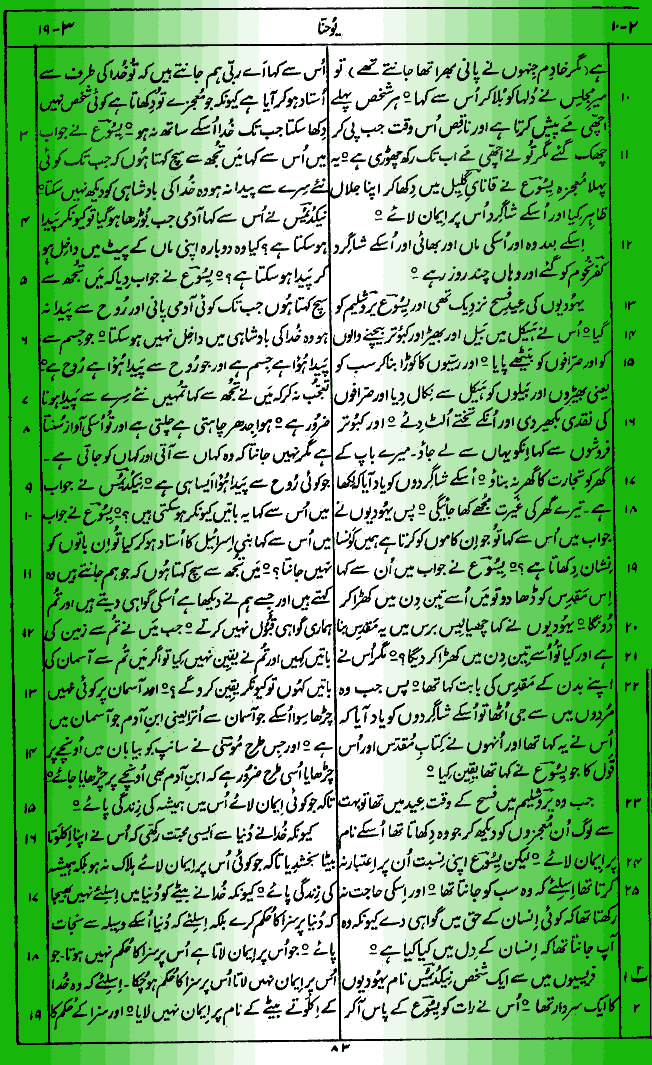
Verse: And saith unto him Every man at the beginning doth set forth good wine and when men have well drunk then that which is worse but thou hast kept the good wine until now
-
English Explanation: This verse highlights the master of the feast’s astonishment at the superior quality of the wine provided by Jesus. In ancient times, hosts typically served their best wine first, reserving inferior wine for later when guests’ senses were dulled. Christ’s miracle reverses the worldly order. Spiritually, this signifies that while the world offers its best pleasures first—leading eventually to emptiness—God reserves His ultimate joy, grace, and perfection for the climax of our spiritual journey.
-
Urdu Explanation: یہ آیت میرِ مہمانی کی حیرت کو ظاہر کرتی ہے جو یسوع کے معجزے سے بنی بہترین مے پر پاتا ہے۔ دنیا کا یہ رواج ہے کہ وہ پہلے اچھی چیز پیش کرتی ہے اور بعد میں ناقص۔ لیکن یہاں الہیٰ نظام ظاہر ہوتا ہے کہ خدا اپنے بندوں کے لیے بہترین چیز آخر کے لیے بچا کر رکھتا ہے۔ یہ اس بات کی علامت ہے کہ دنیاوی خوشیاں عارضی ہیں جبکہ مسیح کی دی ہوئی برکت اور خوشی ابدی اور لاجواب ہے۔
John 2:11
Verse: This beginning of miracles did Jesus in Cana of Galilee and manifested forth his glory and his disciples believed on him
-
English Explanation: Turning water into wine was Jesus’ inaugural miracle (sign), serving a purpose far beyond social courtesy. It publicly manifested His divine authority and glory as the Creator. The immediate spiritual impact was the confirmation and strengthening of His disciples’ faith. It marks the transition from Jesus being seen merely as a teacher to being recognized as the Son of God.
-
Urdu Explanation: یہ گلیل کے قانا میں یسوع کا پہلا معجزہ تھا جس نے اس کے الہیٰ جلال کو ظاہر کیا۔ اس معجزے کا مقصد صرف ضرورت پوری کرنا نہیں بلکہ یہ ثابت کرنا تھا کہ کائنات کے عناصر پر اس کا اختیار ہے۔ اس کے نتیجے میں شاگردوں کا ایمان اس پر پختہ ہو گیا اور انہوں نے اسے عام استاد کے بجائے خدا کا بیٹا تسلیم کیا۔
John 2:12
Verse: After this he went down to Capernaum he and his mother and his brethren and his disciples and they continued there not many days
-
English Explanation: This verse functions as a geographical and narrative transition. Jesus moves from the private family setting of a wedding in Cana to Capernaum, which would later become the central hub for His Galilean ministry. The mention of His family alongside His disciples demonstrates the overlapping of His earthly relations and His growing spiritual community.
-
Urdu Explanation: یہ آیت ایک جغرافیائی تبدیلی کو ظاہر کرتی ہے۔ قانا کے خاندانی ماحول سے نکل کر یسوع کفرناحوم گئے جو بعد میں ان کی خدمت کا ایک بڑا مرکز بنا۔ ان کے ساتھ ان کی والدہ، بھائی اور شاگرد بھی تھے، جو ان کے دنیاوی اور روحانی خاندان کے ملاپ کو ظاہر کرتا ہے۔
John 2:13
Verse: And the Jews’ passover was at hand and Jesus went up to Jerusalem
-
English Explanation: The Passover was the foundational Jewish festival commemorating Israel’s liberation from Egypt. By journeying to Jerusalem, Jesus fulfills His covenant responsibilities as an observant Jew. Strategically, it brings His ministry directly to the religious and political heart of the nation during a season when hundreds of thousands of pilgrims were present.
-
Urdu Explanation: عیدِ فسح یہودیوں کا سب سے بڑا تہوار تھا جو مصر سے ان کی آزادی کی یادگار تھا۔ یسوع کا یروشلم جانا ان کے شرعی فرائض کی ادائیگی کو ظاہر کرتا ہے۔ یہ قدم اس لیے بھی اہم تھا تاکہ وہ قوم کے مذہبی مرکز میں لاکھوں زائرین کے سامنے خدا کے کلام کی منادی کر سکیں۔
John 2:14
Verse: And found in the temple those that sold oxen and sheep and doves and the changers of money sitting
-
English Explanation: Upon entering the Temple’s outer Court of the Gentiles, Jesus discovers it transformed into a chaotic marketplace. Merchants were selling sacrificial animals at inflated prices, and money changers were converting secular currency into sanctuary shekels for profit. This secular commercialism desecrated a space designated specifically for nations to worship and pray.
-
Urdu Explanation: ہیکل کے بیرونی صحن میں یسوع نے دیکھا کہ عبادت گاہ کو ایک منڈی بنا دیا گیا ہے۔ وہاں قربانی کے جانور مہنگے داموں بیچے جا رہے تھے اور صراف اپنے فائدے کے لیے سکوں کا تبادلہ کر رہے تھے۔ اس تجارتی ماحول نے اس پاک جگہ کی بے حرمتی کی تھی جو غیر قوموں کی دعا کے لیے مخصوص تھی۔
John 2:15
Verse: And when he had made a scourge of small cords he drove them all out of the temple and the sheep and the oxen and poured out the changers’ money and overthrew the tables
-
English Explanation: Jesus responds to the corruption with calculated, righteous anger. Crafting a whip of cords, He forcefully expels the merchants and livestock, overturning the tables of the corrupt money changers. This bold action underscores His divine authority over the Temple and His intolerance for systemic spiritual exploitation and hypocritical worship.
-
Urdu Explanation: یسوع نے اس بدعنوانی کے خلاف پاک غصے کا اظہار کیا۔ انہوں نے رسیوں کا کوڑا بنا کر ان تاجروں اور جانوروں کو ہیکل سے باہر نکال دیا اور صرافوں کے میز الٹ دیے۔ یہ قدم ظاہر کرتا ہے کہ خدا منافقت اور دینداری کے نام پر معاشی استحصال کو ہرگز برداشت نہیں کرتا۔
John 2:16
Verse: And said unto them that sold doves Take these things hence make not my Father’s house an house of merchandise
-
English Explanation: Jesus addresses the dove sellers directly, ordering them to clear out. By explicitly calling the Temple “my Father’s house,” Jesus declares His unique, intimate relationship with God as His literal Son. He rebukes them for reducing a divine sanctuary of prayer into a profit-driven house of trade.
-
Urdu Explanation: کبوتر بیچنے والوں سے یسوع نے کہا کہ ان چیزوں کو یہاں سے لے جاؤ۔ ہیکل کو “میرے باپ کا گھر” کہہ کر انہوں نے خدا کے ساتھ اپنے منفرد اور براہِ راست رشتے کا اعلان کیا۔ انہوں نے واضح کیا کہ عبادت گاہ کو کاروبار کا ذریعہ نہیں بنانا چاہیے۔
John 2:17
Verse: And his disciples remembered that it was written The zeal of thine house hath eaten me up
-
English Explanation: Observing Jesus’ radical actions, the disciples recall the prophetic words of Psalm 69:9. This realization links Jesus’ actions directly to Messianic prophecy. His consuming passion for the purity of God’s house and honor outweighs any concerns for His personal safety or social comfort.
-
Urdu Explanation: یسوع کے اس جرات مندانہ عمل کو دیکھ کر شاگردوں کو زبور 69:9 کی پیشگوئی یاد آئی کہ “تیرے گھر کی غیرت مجھے کھا گئی۔” یہ آیت ثابت کرتی ہے کہ یسوع کا ہر عمل کلامِ مقدس کے عین مطابق تھا اور خدا کے گھر کی پاکیزگی ان کے لیے سب سے مقدم تھی۔
John 2:18
Verse: Then answered the Jews and said unto him What sign shewest thou unto us seeing that thou doest these things
-
English Explanation: The religious authorities do not deny the corruption Jesus exposed, but they demand a supernatural credential or “sign” to justify His disruptive actions. They challenge His right to police the Temple courts, seeking a miraculous display to prove He operates under divine mandate.
-
Urdu Explanation: یہودی رہنماؤں نے اس بدعنوانی کا انکار تو نہیں کیا لیکن انہوں نے یسوع کے اس اختیار پر سوال اٹھایا۔ انہوں نے مانگا کہ وہ کوئی معجزہ یا “نشان” دکھائیں جس سے یہ ثابت ہو کہ انہیں ہیکل میں صفائی کرنے کا الہیٰ اختیار حاصل ہے۔
John 2:19
Verse: Jesus answered and said unto them Destroy this temple and in three days I will raise it up
-
English Explanation: Jesus responds with a cryptic riddle. Instead of performing a superficial miracle on command, He points to the ultimate ultimate sign of His authority: His own resurrection. He challenges them, knowing they would eventually seek His death, declaring that when they destroy His body, He will raise it back to life in three days.
-
Urdu Explanation: یسوع نے ایک گہرے جواب کے ساتھ فرمایا کہ اس ہیکل کو ڈہا دو تو میں اسے تین دن میں کھڑا کر دوں گا۔ وہ کسی وقتی معجزے کے بجائے اپنی موت اور جی اٹھنے کے سب سے بڑے نشان کی طرف اشارہ کر رہے تھے، جو ان کے اختیار کی حتمی دلیل تھی۔
John 2:20
Verse: Then said the Jews Forty and six years was this temple in building and wilt thou rear it up in three days
-
Explanation: The religious leaders interpret Jesus completely literally, thinking only of Herod’s massive stone temple construction project, which had been underway for forty-six years. Blinded by materialism, they mock the impossibility of rebuilding such a monumental physical structure in a mere seventy-two hours.
-
Urdu Explanation: یہودی رہنماؤں نے یسوع کی بات کو مادی معنوں میں لیا۔ انہوں نے ہیرودیس کی اس عظیم الشان عمارت کا سوچا جسے بنتے ہوئے چھیالیس برس ہو چکے تھے۔ وہ روحانی سچائی سے اندھے تھے، اس لیے انہوں نے مذاق اڑایا کہ جو کام دہائیوں میں ہوا وہ تین دن میں کیسے ہو سکتا ہے۔
John 2:21
Verse: But he spake of the temple of his body
-
English Explanation: The author clarifies the spiritual reality behind Jesus’ words. The physical Temple made of stone was merely a shadow; Jesus’ physical body was the ultimate, living tabernacle where God truly dwelt among humanity. His upcoming death and resurrection would establish a new temple not made with human hands.
-
Urdu Explanation: یوحنا یہاں واضح کرتا ہے کہ یسوع پتھروں کی ہیکل کی نہیں بلکہ اپنے بدن کی ہیکل کی بات کر رہے تھے۔ پرانی ہیکل صرف ایک سایہ تھی، جبکہ مسیح کا بدن حقیقی عبادت گاہ تھا جہاں خدا انسانوں کے درمیان سکونت پذیر تھا۔
John 2:22
Verse: When therefore he was risen from the dead his disciples remembered that he had said this unto them and they believed the scripture and the word which Jesus had said
-
English Explanation: The true spiritual meaning of Jesus’ words remained obscured until after His resurrection. Once Christ conquered death, the Holy Spirit brought these words back to the disciples’ memory, solidifying their absolute faith in Old Testament prophecies and Jesus’ direct teachings as unified, infallible truth.
-
Urdu Explanation: شاگرد بھی اس بات کو یسوع کے جی اٹھنے کے بعد ہی پوری طرح سمجھ پائے۔ جب مسیح مردوں میں سے جی اٹھے، تو شاگردوں کو یہ کلام یاد آیا اور ان کا ایمان پرانے عہد نامے کے صحائف اور یسوع کی باتوں پر مہر کی طرح پختہ ہو گیا۔
John 2:23
Verse: Now when he was in Jerusalem at the passover in the feast day many believed in his name when they saw the miracles which he did
-
English Explanation: During the Passover feast, Jesus performed various unrecorded public miracles, resulting in a surge of people professing faith in Him. However, this type of faith was superficial, sparked primarily by the visual excitement of supernatural wonders rather than genuine, repentant surrender to His lordship.
-
Urdu Explanation: عید کے دوران یسوع نے یروشلم میں کئی معجزات دکھائے جنہیں دیکھ کر بہت سے لوگ ایمان لائے۔ لیکن یہ ایمان سطحی تھا، جو صرف معجزات کی سنسنی خیزی پر مبنی تھا نہ کہ دل کی حقیقی تبدیلی اور گناہوں سے توبہ پر۔
John 2:24
Verse: But Jesus did not commit himself unto them because he knew all men
-
English Explanation: Knowing the fickle and superficial nature of human devotion, Jesus did not trust Himself or His mission to the adoring crowds. He refused to let public opinion dictate His path, knowing that the same voices shouting praises could easily turn into cries for His crucifixion.
-
Urdu Explanation: انسان کے بدلتے ہوئے مزاج اور سطحی جوش کو جانتے ہوئے یسوع نے خود کو ان کے حوالے نہ کیا اور نہ ہی ان پر بھروسہ کیا۔ وہ جانتے تھے کہ جو ہجوم آج نعرے لگا رہا ہے، وہ کل مخالفت بھی کر سکتا ہے۔
John 2:25
Verse: And needed not that any should testify of man for he knew what was in man
-
English Explanation: This verse emphasizes Jesus’ divine omniscience. He did not require psychological assessments or human counsel to understand human nature or hidden motives. He possessed direct, penetrating insight into the absolute depths of every human heart, seeing both its corruption and its unspoken needs.
-
Urdu Explanation: یہ آیت یسوع کے غیب داں اور دلوں کے حال جاننے والے اختیار کو ظاہر کرتی ہے۔ انہیں کسی انسان کی گواہی یا رائے کی ضرورت نہیں تھی کیونکہ وہ ہر انسان کے دل کی گہرائیوں، نیتوں اور ان کی فطرت سے پوری طرح واقف تھے۔
Chapter 3
John 3:1
Verse: There was a man of the Pharisees named Nicodemus a ruler of the Jews
-
English Explanation: Nicodemus is introduced with specific credentials: he is a Pharisee (the strict religious elite) and a member of the Sanhedrin (the ruling council of the Jews). He represents the highest echelons of Jewish theology, law, and morality, setting up a monumental dialogue between traditional religion and true spiritual rebirth.
-
Urdu Explanation: یہاں نیکدیمس کا تعارف کرایا گیا ہے جو فریسیوں میں سے تھا اور یہودیوں کا سردار (اعلیٰ کونسل کا رکن) تھا۔ وہ اپنے وقت کا ایک بڑا عالم اور مذہبی رہنما تھا، جو روایتی مذہب اور حقیقی روحانی تبدیلی کے درمیان ہونے والی گفتگو کا آغاز ہے۔
John 3:2
Verse: The same came to Jesus by night and said unto him Rabbi we know that thou art a teacher come from God for no man can do these miracles that thou doest except God be with him
-
English Explanation: Nicodemus approaches Jesus under the cover of night, likely out of fear of losing status among his peers. Addressing Jesus respectfully as “Rabbi,” he acknowledges that Jesus’ miracles are undeniable proof of divine endorsement. However, his understanding is limited; he sees Jesus merely as a divinely backed teacher rather than the Messiah.
-
Urdu Explanation: نیکدیمس رات کے وقت یسوع کے پاس آیا، غالباً اپنے مرتبے اور ساتھیوں کے خوف کی وجہ سے۔ اس نے یسوع کو “ربی” (استاد) کہہ کر پکارا اور مانا کہ یہ معجزات خدا کی تائید کے بغیر ممکن نہیں۔ لیکن اس کی نظر میں یسوع اب بھی صرف ایک استاد تھے، خدا کے بیٹے یا مسیح نہیں۔
John 3:3
Verse: Jesus answered and said unto him Verily verily I say unto thee Except a man be born again he cannot see the kingdom of God
-
English Explanation: Jesus cuts through Nicodemus’ polite pleasantries with an absolute spiritual mandate. Using the emphatic formula “Verily, verily” (Amen, Amen), He declares that academic knowledge or religious lineage is useless without being “born again” (regenerated from above). Spiritual rebirth is the non-negotiable prerequisite to perceiving or experiencing God’s kingdom.
-
Urdu Explanation: یسوع نے نیکدیمس کی رسمی گفتگو کو کاٹتے ہوئے ایک بنیادی سچائی بیان کی۔ انہوں نے فرمایا کہ “جب تک کوئی نئے سرے سے پیدا نہ ہو وہ خدا کی بادشاہی کو دیکھ نہیں سکتا۔” انہوں نے واضح کیا کہ مذہبی علم یا خاندانی پس منظر کافی نہیں، بلکہ دل اور روح کی نئی پیدائش لازمی ہے۔
John 3:4
Verse: Nicodemus saith unto him How can a man be born when he is old can he enter the second time into his mother’s womb and be born
-
English Explanation: Thinking completely within the boundaries of physical biology, Nicodemus is bewildered. He asks how an adult can realistically repeat the physical birth process. His question illustrates how difficult it is for a mind trained in rigid human traditionalism to grasp supernatural, heavenly paradigms.
-
Urdu Explanation: نیکدیمس یسوع کی بات کو مادی اور جسمانی معنوں میں لے کر الجھ گیا۔ اس نے پوچھا کہ ایک بوڑھا آدمی دوبارہ ماں کے پیٹ میں جا کر کیسے پیدا ہو سکتا ہے؟ یہ سوال ظاہر کرتا ہے کہ مادی سوچ رکھنے والا انسان الہیٰ اور روحانی باتوں کو آسانی سے نہیں سمجھ پاتا۔
John 3:5
Verse: Jesus answered Verily verily I say unto thee Except a man be born of water and of the Spirit he cannot enter into the kingdom of God
-
English Explanation: Jesus clarifies that the necessary rebirth is dual-faceted: born of “water” (symbolizing cleansing from sin, often linked to repentance or baptism) and of the “Spirit” (the supernatural transformation by the Holy Spirit). Entrance into the kingdom requires inner spiritual cleansing and a brand-new source of spiritual life.
-
Urdu Explanation: یسوع نے وضاحت کی کہ نئی پیدائش سے مراد پانی اور روح سے پیدا ہونا ہے۔ پانی گناہوں سے پاکیزگی (توبہ/بپتسمہ) کو ظاہر کرتا ہے اور روح روحِ پاک کی طرف سے دی جانے والی نئی زندگی کو۔ خدا کی بادشاہی میں داخلے کے لیے یہ اندرونی تبدیلی ناگزیر ہے۔
John 3:6
Verse: That which is born of the flesh is flesh and that which is born of the Spirit is spirit
-
English Explanation: Jesus establishes an absolute distinction between two realms of existence. Natural human birth produces only frail, sinful flesh. Only the Holy Spirit can generate living human spirit. You cannot evolve or work fleshly human nature into spiritual life; it requires a distinct, divine creation.
-
Urdu Explanation: یسوع نے دو مختلف حالتوں کے فرق کو واضح کیا: جو جسم سے پیدا ہوا ہے وہ جسم ہے اور جو روح سے پیدا ہوا ہے وہ روح ہے۔ انسانی کوشش یا جسمانی پیدائش کبھی بھی انسان کو روحانی زندگی نہیں دے سکتی؛ اس کے لیے روحِ مقدس کی تخلیق ضروری ہے۔
John 3:7
Verse: Marvel not that I said unto thee Ye must be born again
-
English Explanation: Jesus commands Nicodemus not to stay trapped in astonished disbelief. Rebirth should not be viewed as an optional, bizarre concept for extreme sinners, but as a universal, mandatory necessity for every single human being—including highly moral, elite religious teachers.
-
Urdu Explanation: یسوع نے نیکدیمس سے فرمایا کہ اس بات پر تعجب نہ کر۔ انہوں نے واضح کیا کہ نئے سرے سے پیدا ہونا کوئی اختیاری بات یا صرف گناہگاروں کے لیے نہیں، بلکہ ہر انسان کے لیے، بشمول بڑے بڑے مذہبی علماء کے، ایک لازمی حکم ہے۔
John 3:8
Verse: The wind bloweth where it listeth and thou hearest the sound thereof but canst not tell whence it cometh and whither it goeth so is every one that is born of the Spirit
-
English Explanation: Using a brilliant wordplay (where the Greek word Pneuma means both wind and spirit), Jesus explains the sovereignty of the Holy Spirit. Just like the wind, the Spirit’s movements are invisible and sovereign, beyond human control or prediction. Yet, the distinct effects of the Spirit’s transforming power are clearly visible in a changed life.
-
Urdu Explanation: یسوع نے ہوا کی مثال سے روحِ مقدس کے کام کو سمجھایا۔ جیسے ہوا اپنی مرضی سے چلتی ہے، آپ اس کی آواز سنتے ہیں لیکن یہ نہیں جانتے کہ کہاں سے آئی اور کہاں کو جائے گی، اسی طرح روح سے پیدا ہونے والا شخص ہے—اس کی تبدیلی پوشیدہ الہیٰ کام ہے لیکن اس کے اثرات واضح نظر آتے ہیں۔
John 3:9
Verse: Nicodemus answered and said unto him How can these things be
-
English Explanation: Despite Jesus’ clear analogies, Nicodemus remains stuck in profound theological confusion. His question exposes the deep limitations of human logic and legalistic religious practice when confronted with the raw reality of sovereign grace and supernatural regeneration.
-
Urdu Explanation: یسوع کی اتنی خوبصورت مثالوں کے باوجود نیکدیمس اب بھی شدید الجھن کا شکار تھا۔ اس کا یہ سوال کہ “یہ باتیں کیونکر ہو سکتی ہیں؟” ظاہر کرتا ہے کہ محض انسانی عقل اور رسومات کے ذریعے خدا کے فضل اور معجزاتی کاموں کو نہیں سمجھا جا سکتا۔
John 3:10
Verse: Jesus answered and said unto him Art thou a master of Israel and knowest not these things
-
English Explanation: Jesus delivers a gentle yet piercing rebuke. As an acclaimed “master” (prominent theologian) of Israel, Nicodemus should have anticipated the concept of spiritual renewal from Old Testament scriptures (such as Ezekiel 36’s promise of a new heart and spirit). His ignorance highlights the spiritual blindness of the nation’s religious leadership.
-
Urdu Explanation: یسوع نے اسے ایک نرم مگر گہرا جھٹکا دیا کہ “تو اسرائیل کا استاد ہو کر بھی ان باتوں کو نہیں جانتا؟” انہوں نے یاد دلایا کہ پرانے عہد نامے (جیسے حزقی ایل 36) میں دل کی تبدیلی کا وعدہ موجود تھا، اور ایک بڑے عالم کو اس سچائی سے ناواقف نہیں ہونا چاہیے تھا۔
John 3:11
Verse: Verily verily I say unto thee We speak that we do know and testify that we have seen and ye receive not our witness
-
English Explanation: Jesus contrasts the speculative, blind theology of the Pharisees with the absolute, firsthand certainty of His own divine ministry. He speaks from intimate, personal knowledge of heavenly realities, yet the proud religious status quo systematically rejects this verified testimony.
-
Urdu Explanation: یسوع نے فرمایا کہ ہم جو جانتے ہیں وہ کہتے ہیں اور جو دیکھا ہے اس کی گواہی دیتے ہیں۔ وہ اپنی اور خدا کی طرف سے براہِ راست سچائی پیش کر رہے تھے، لیکن قوم کے مغرور رہنما اس سچی اور لائیو گواہی کو قبول کرنے سے انکاری تھے۔
John 3:12
Verse: If I have told you earthly things and ye believe not how shall ye believe if I tell you of heavenly things
-
English Explanation: Jesus sets up a logical dilemma. He had used tangible, earthly illustrations (like biological birth and the blowing wind) to explain basic spiritual entrance requirements, and they still failed to believe. How then could they possibly comprehend deeper, unillustrated cosmic mysteries regarding the inner workings of heaven?
-
Urdu Explanation: یسوع نے ایک منطقی سوال اٹھایا کہ جب میں نے تمہیں زمین کی مثالیں دے کر بات سمجھائی اور تم نے یقین نہ کیا، تو اگر میں آسمان کے گہرے بھیدوں اور پوشیدہ سچائیوں کو بیان کروں گا تو تم کس طرح یقین کرو گے؟
John 3:13
Verse: And no man hath ascended up to heaven but he that came down from heaven even the Son of man which is in heaven
-
English Explanation: Jesus declares His ultimate credentials as the authoritative source of heavenly truth. No mere human teacher has climbed into heaven to bring back divine knowledge. Jesus alone is qualified because He is the Incarnate Word who descended from heaven, maintaining uninterrupted union with God even while physically walking the earth.
-
Urdu Explanation: یسوع نے اپنے آسمانی اختیار کا اعلان کرتے ہوئے فرمایا کہ کوئی انسان آسمان پر نہیں چڑھا سوائے اس کے جو آسمان سے اترا یعنی ابنِ آدم۔ صرف وہی آسمانی باتوں کو بیان کرنے کا مجاز ہے کیونکہ وہ خود آسمان سے آیا اور زمین پر ہوتے ہوئے بھی اپنے باپ کے ساتھ جڑا ہوا ہے۔
John 3:14
Verse: And as Moses lifted up the serpent in the wilderness even so must the Son of man be lifted up
-
English Explanation: Jesus points Nicodemus to a famous historical event in Numbers 21. When dying of venomous snakebites, the Israelites looked upon a bronze serpent lifted up on a pole by Moses and were healed. Jesus prophesies that He, too, must be “lifted up” on the cross to provide a remedy for the deadly venom of human sin.
-
Urdu Explanation: یسوع نے گنتی 21 باب کے ایک واقعے کا حوالہ دیا کہ جس طرح موسیٰ نے بیابان میں سانپ کو اونچے پول پر اٹھایا تھا تاکہ ڈسے ہوئے لوگ اسے دیکھ کر بچ سکیں، اسی طرح ابنِ آدم (مسیح) کا بھی صلیب پر اٹھایا جانا ضروری ہے تاکہ گناہ کے زہر کا علاج ہو سکے۔
John 3:15
Verse: That whosoever believeth in him should not perish but have eternal life
-
English Explanation: This verse reveals the divine purpose behind Jesus being lifted up on the cross. Just as the Israelites simply had to look at the bronze serpent to live, any human being who casts a gaze of saving faith upon Jesus will be rescued from spiritual destruction and receive the gift of eternal life.
-
Urdu Explanation: اس آیت میں صلیب کا مقصد بیان ہوا ہے کہ جس طرح بنی اسرائیل نے صرف سانپ کی طرف دیکھ کر زندگی پائی، اسی طرح جو کوئی بھی ایمان کی نظر سے یسوع پر بھروسہ کرے گا، وہ روحانی ہلاکت سے بچ جائے گا اور ابدی زندگی پائے گا۔
John 3:16
Verse: For God so loved the world that he gave his only begotten Son that whosoever believeth in him should not perish but have everlasting life
-
English Explanation: Often called the heart of the Bible, this verse summarizes the entire gospel. The foundational motivation for salvation is God’s sacrificial love for a broken world. The ultimate expression of that love was volunteering His unique, beloved Son to die, offering an open invitation that guarantees immunity from hell and the possession of eternal life to anyone who genuinely believes.
-
Urdu Explanation: یہ پوری انجیل کا نچوڑ ہے کہ “خدا نے دنیا سے ایسی محبت رکھی کہ اس نے اپنا اکلوتا بیٹا بخش دیا تاکہ جو کوئی اس پر ایمان لائے ہلاک نہ ہو بلکہ ہمیشہ کی زندگی پائے۔” خدا کی اس عظیم محبت کا ثبوت اس کے بیٹے کی قربانی ہے، جو ہر ایک کو نجات کی دعوت دیتی ہے۔
John 3:17
Verse: For God sent not his Son into the world to condemn the world but that the world through him might be saved
-
English Explanation: Jesus clarifies the primary intent behind His first coming. He did not arrive clad in judgment to condemn a world already broken by sin. His mission was a divine rescue operation, establishing a pathway of grace whereby humanity could be reconciled and saved from impending doom through Him.
-
Urdu Explanation: یسوع نے اپنی پہلی آمد کا اصل مقصد واضح کیا۔ خدا نے اپنے بیٹے کو دنیا پر سزا کا حکم سنانے کے لیے نہیں بھیجا، بلکہ یہ ایک آسمانی بچاؤ مہم تھی تاکہ گرائے ہوئے انسان اس کے وسیلے سے مخلصی اور نجات پا سکیں۔
John 3:18
Verse: He that believeth on him is not condemned but he that believeth not is condemned already because he hath not believed in the name of the only begotten Son of God
-
English Explanation: This verse highlights the stark dividing line of humanity: faith in Christ. The believer is completely exonerated and freed from final condemnation. Conversely, the unbeliever does not wait for a future sentence; they exist in a state of active condemnation right now because they have actively rejected the only rescue remedy God provided through His Son.
-
Urdu Explanation: یہ آیت واضح کرتی ہے کہ جو مسیح پر ایمان لاتا ہے اس پر سزا کا حکم نہیں ہوتا۔ لیکن جو ایمان نہیں لاتا وہ مجرم ٹھہر چکا ہے، کیونکہ اس نے خدا کے اکلوتے بیٹے کے نام پر یقین کرنے سے انکار کر کے نجات کے واحد راستے کو ٹھکرا دیا ہے۔
John 3:19
Verse: And this is the condemnation that light is come into the world and men loved darkness rather than light because their deeds were evil
-
English Explanation: Jesus explains the underlying psychology of unbelief and condemnation. True moral light (Jesus) entered the world, but humans willfully preferred the spiritual darkness. This preference is driven by a desire to hide their evil deeds and maintain their autonomous lifestyles, turning unbelief into a moral choice rather than an intellectual misunderstanding.
-
Urdu Explanation: یسوع نے بے ایمانی اور سزا کی اصل وجہ بیان کی کہ حقیقی نور (مسیح) دنیا میں آیا، لیکن انسانوں نے نور کے بجائے اندھیرے کو زیادہ پسند کیا۔ اس کی وجہ یہ تھی کہ ان کے کام برے تھے اور وہ اپنے گناہوں کو چھپانا اور اسی حالت میں رہنا چاہتے تھے، جو ان کے اپنے انتخاب کا نتیجہ ہے۔