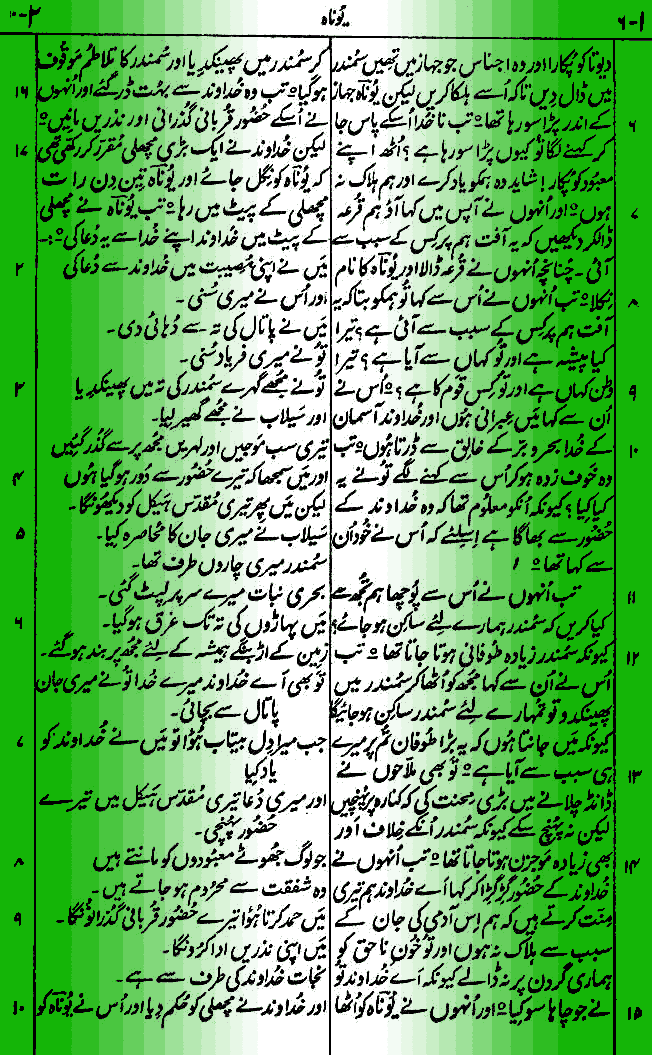
Jonah Chapter 1: The Storm and Divine Judgment
Jonah 1:6
Verse: So the shipmaster came to him and said unto him What meanest thou O sleeper? arise call upon thy God if so be that God will think upon us that we perish not
English Explanation
The shipmaster (captain) finds Jonah fast asleep in the hold of the ship despite the raging tempest. It is a striking irony: a pagan captain has to awake a prophet of the Living God to pray. The captain urges Jonah to call upon his deity, hoping that out of all the gods being invoked by the crew, Jonah’s God might show mercy and save them from impending death.
Urdu Explanation (اردو وضاحت)
جہاز کا کپتان یونسؑ کے پاس آیا اور اسے گہری نیند سوتے ہوئے پا کر حیران ہوا۔ ایک غیر قوم کے کپتان کا خدا کے نبی کو بیدار کرنا اور اسے دُعا کی تلقین کرنا ایک گہرا سبق ہے۔ کپتان نے یونسؑ سے کہا کہ وہ اپنے خدا کو پکارے تاکہ شاید وہ ان پر رحم کرے اور وہ سب ہلاک ہونے سے بچ جائیں۔ یہ آیت انسان کی غفلت اور مصیبت میں الٰہی مدد کی تلاش کو ظاہر کرتی ہے۔
Jonah 1:7
Verse: And they said every one to his fellow Come and let us cast lots that we may know for whose cause this evil is upon us So they cast lots and the lot fell upon Jonah
English Explanation
Recognizing that this was no ordinary storm but a supernatural manifestation of divine anger, the sailors decide to cast lots to identify the culprit. In the ancient Near East, casting lots was seen as a way to discern the will of the divine. God sovereignly directed the outcome, and the lot unmistakably fell upon Jonah.
Urdu Explanation (اردو وضاحت)
ملاحوں کو اندازہ ہو گیا تھا کہ یہ کوئی عام طوفان نہیں بلکہ کسی غیبی غضب کا نتیجہ ہے۔ انہوں نے فیصلہ کیا کہ قرعہ اندازی کی جائے تاکہ معلوم ہو سکے کہ کس کی بدعمالی کی وجہ سے یہ مصیبت آئی ہے۔ جب انہوں نے قرعہ ڈالا تو خدا کی حکمت کے مطابق قرعہ یونسؑ کے نام نکلا، جس سے ان کا گناہ سب کے سامنے ظاہر ہو گیا۔
Jonah 1:8
Verse: Then said they unto him Tell us we pray thee for whose cause this evil is upon us What is thine occupation? and whence comest thou? what is thy country? and of what people art thou?
English Explanation
Once the lot identifies Jonah, the crew interrogates him with rapid-fire questions. They want to know his background, his line of work, his homeland, and his nationality to understand what kind of offense could have triggered such immense cosmic wrath from the gods.
Urdu Explanation (اردو وضاحت)
قرعہ یونسؑ کے نام نکلنے پر ملاحوں نے ان سے سوالات کی بوچھاڑ کر دی۔ انہوں نے پوچھا کہ وہ کون ہے، کیا کام کرتا ہے، کہاں سے آیا ہے، اس کا ملک کون سا ہے اور وہ کس قوم سے تعلق رکھتا ہے۔ وہ جاننا چاہتے تھے کہ اس نے ایسا کیا گناہ کیا ہے جس کی وجہ سے سب کی جان خطرے میں پڑ گئی۔
Jonah 1:9
Verse: And he said unto them I am an Hebrew and I fear the LORD the God of heaven which hath made the sea and the dry land
English Explanation
Jonah answers boldly, identifying himself as a Hebrew. He proclaims his allegiance to Yahweh (the LORD), identifying Him not as a mere localized deity, but as the supreme “God of heaven” who created both the sea (which is currently raging) and the dry land. This confession strikes terror into the hearts of the seafaring pagans.
Urdu Explanation (اردو وضاحت)
یونسؑ نے جواب دیا کہ میں ایک عبرانی ہوں اور میں آسمان کے خدا “خداوند” سے ڈرتا ہوں جس نے سمندر اور خشک زمین کو پیدا کیا۔ اس اقرار سے یونسؑ نے واضح کیا کہ ان کا خدا کوئی معمولی یا مقامی دیوتا نہیں بلکہ کائنات کا خالق ہے، جس کے قابو میں وہ سمندر بھی ہے جو اس وقت طوفانی شکل اختیار کر چکا تھا۔
Jonah 1:10
Verse: Then were the men exceedingly afraid and said unto him Why hast thou done this? For the men knew that he fled from the presence of the LORD because he had told them
English Explanation
Upon hearing that Jonah was fleeing from the Almighty Creator of the universe, the sailors are gripped with immense fear. They realize the gravity of his rebellion. Their question, “Why hast thou done this?”, is an expression of absolute bewilderment that someone would attempt to run away from a God who owns the sea and the dry land.
Urdu Explanation (اردو وضاحت)
یہ سن کر ملاح شدید خوفزدہ ہو گئے کیونکہ وہ سمجھ گئے کہ یونسؑ کائنات کے مالک خدا کے حضور سے بھاگ رہا ہے۔ انہوں نے حیرت اور خوف سے پوچھا، “تو نے ایسا کیوں کیا؟” انہیں معلوم ہو چکا تھا کہ یہ طوفان یونسؑ کی نافرمانی اور فرار کی کوشش کی وجہ سے ہی آیا ہے۔
Jonah 1:11
Verse: Then said they unto him What shall we do unto thee that the sea may be calm unto us? for the sea wrought and was tempestuous
English Explanation
As the storm grows progressively worse, the sailors turn to Jonah for a solution. Since he is the prophet of the God causing the storm, they acknowledge that only Jonah knows how to appease His anger and restore calm to the raging waters.
Urdu Explanation (اردو وضاحت)
طوفان کی شدت لمحہ بہ لمحہ بڑھتی جا رہی تھی۔ ملاحوں نے مایوسی اور بے بسی کی حالت میں یونسؑ سے پوچھا، “ہم تیرے ساتھ کیا کریں کہ سمندر ہمارے لیے تھم جائے؟” وہ جانتے تھے کہ اس طوفان کو روکنے کا طریقہ صرف وہی خدا کا بندہ بتا سکتا ہے جس کی وجہ سے یہ شروع ہوا تھا۔
Jonah 1:12
Verse: And he said unto them Take me up and cast me forth into the sea so shall the sea be calm unto you for I know that for my sake this great tempest is upon you
English Explanation
Jonah confesses his guilt completely and offers a sacrificial solution. He instructs them to throw him overboard. He acknowledges that he is the sole reason for the life-threatening tempest, choosing to face God’s judgment directly rather than allowing innocent men to perish because of his disobedience.
Urdu Explanation (اردو وضاحت)
یونسؑ نے اپنی غلطی کا مکمل اعتراف کرتے ہوئے کہا، “مجھے اٹھا کر سمندر میں پھینک دو، تو سمندر تمہارے لیے تھم جائے گا۔” انہوں نے تسلیم کیا کہ یہ عظیم طوفان صرف ان کی وجہ سے آیا ہے، اور وہ دوسروں کی جان بچانے کے لیے خود کو خدا کے انصاف کے سپرد کرنے پر تیار ہو گئے۔
Jonah 1:13
Verse: Nevertheless the men rowed hard to bring it to the land but they could not for the sea wrought and was tempestuous against them
English Explanation
Showing remarkable compassion and respect for human life, the pagan sailors initially refuse to throw Jonah into the sea. Instead, they strain at the oars, expending every ounce of energy to row back to shore. However, their human efforts are futile against the divine decree; the storm only grows wilder.
Urdu Explanation (اردو وضاحت)
ان غیر قوم ملاحوں نے رحم دلی کا مظاہرہ کیا اور یونسؑ کو فوراً سمندر میں پھینکنے کے بجائے اپنی پوری طاقت سے کشتی کو کنارے لگانے کی کوشش کی۔ لیکن انسانی کوششیں خدا کے حکم کے سامنے بے سود ثابت ہوئیں، اور سمندر ان کے خلاف مزید سرکش اور طوفانی ہوتا چلا گیا۔
Jonah 1:14
Verse: Wherefore they cried unto the LORD and said We beseech thee O LORD we beseech thee let us not perish for this man’s life and lay not upon us innocent blood for thou O LORD hast done as it pleased thee
English Explanation
Realizing they have no choice, the sailors pray directly to Yahweh—the God of Jonah. They beg for mercy, asking that they not be held guilty of murder for throwing God’s prophet overboard. They acknowledge God’s absolute sovereignty, recognizing that the entire sequence of events is unfolding according to His divine will.
Urdu Explanation (اردو وضاحت)
جب ملاحوں کے پاس کوئی چارہ نہ رہا، تو انہوں نے یونسؑ کے خدا “خداوند” سے دُعا کی اور گڑگڑا کر کہا کہ اے خداوند، ہمیں اس آدمی کی جان کے بدلے ہلاک نہ کرنا اور ہمیں بے گناہ کے خون کا مجرم نہ ٹھہرانا۔ انہوں نے تسلیم کیا کہ جو کچھ ہو رہا ہے وہ خدا کی مرضی اور اس کے خودمختار منصوبے کے مطابق ہو رہا ہے۔
Jonah 1:15
Verse: So they took up Jonah and cast him forth into the sea and the sea ceased from her raging
English Explanation
With heavy hearts, the sailors lift Jonah and cast him into the turbulent waters. The effect is instantaneous: the raging sea immediately becomes completely calm. This sudden transformation serves as an undeniable proof to the crew of the absolute power of Jonah’s God.
Urdu Explanation (اردو وضاحت)
بالآخر انہوں نے یونسؑ کو اٹھایا اور سمندر میں پھینک دیا۔ جیسے ہی یونسؑ پانی میں گرے، طوفانی سمندر فوراً تھم گیا اور ہر طرف سکون چھا گیا۔ اس معجزے نے ثابت کر دیا کہ سمندر واقعی اسی خدا کے اختیار میں ہے جس کا ذکر یونسؑ نے کیا تھا۔
Jonah 1:16
Verse: Then the men feared the LORD exceedingly and offered a sacrifice unto the LORD and made vows
English Explanation
Witnessing the immediate calming of the sea, the sailors are struck with profound, holy awe. Their fear shifts from the fear of the storm to the fear of Yahweh. They worship Him by offering sacrifices and making sacred vows, transforming from pagans into believers in the true God.
Urdu Explanation (اردو وضاحت)
سمندر کو یکدم ساکن دیکھ کر وہ ملاح خداوند سے شدید خوفزدہ ہو گئے (ان کے دلوں میں خدا کا جلال بیٹھ گیا)۔ انہوں نے سچے خدا کے حضور قربانی پیش کی اور منتیں مانیں۔ اس طرح، اس واقعے کے ذریعے غیر قوم ملاح سچے خدا پر ایمان لے آئے۔
Jonah 1:17
Verse: Now the LORD had prepared a great fish to swallow up Jonah And Jonah was in the belly of the fish three days and three nights
English Explanation
Though Jonah was thrown into the sea to die, God’s mercy provides a miraculous means of preservation. God commands a “great fish” to swallow Jonah, not to destroy him, but to rescue him. Jonah remains alive inside the belly of the fish for three days and three nights—a period that Jesus Christ later uses as a prophetic sign of His own burial and resurrection (Matthew 12:40).
Urdu Explanation (اردو وضاحت)
اگرچہ یونسؑ کو مرنے کے لیے سمندر میں پھینکا گیا تھا، لیکن خداوند نے ان کی حفاظت کے لیے ایک بڑی مچھلی کو مقرر کر رکھا تھا جس نے انہیں نگل لیا۔ یونسؑ تین دن اور تین رات مچھلی کے پیٹ میں رہے۔ یہ واقعہ سزا کا نہیں بلکہ خدا کے رحم اور بقا کا معجزہ تھا، جسے بعد میں حضرت عیسیٰؑ نے اپنی موت اور جی اٹھنے کی نشانی کے طور پر پیش کیا۔
Horizontal Separation
Jonah Chapter 2: Jonah’s Prayer and Deliverance
Jonah 2:1
Verse: Then Jonah prayed unto the LORD his God out of the fish’s belly
English Explanation
Inside the dark, claustrophobic environment of the fish’s belly, Jonah comes to his senses. Stripped of his rebellion and facing his utter helplessness, he turns back to the relationship he tried to run from, crying out in prayer to Yahweh, “his God.”
Urdu Explanation (اردو وضاحت)
مچھلی کے پیٹ کے اندھیرے اور ہولناک ماحول میں یونسؑ کو اپنی خطاکاری کا احساس ہوا۔ اپنی بے بسی کی انتہا پر، انہوں نے اسی خدا کی طرف رجوع کیا جس سے وہ بھاگ رہے تھے اور مچھلی کے پیٹ میں سے اپنے خدا کے حضور دُعا کرنے لگے۔
Jonah 2:2
Verse: And said I cried by reason of mine affliction unto the LORD and he heard me out of the belly of hell cried I and thou heardest my voice
English Explanation
Jonah reflects on his desperate cry from the depths of his distress, which he poetically compares to the “belly of hell” (Sheol, the realm of the dead). Even from the lowest, most unreachable place imaginable, God heard his voice. This verse underscores that no place is too deep or dark for God’s mercy to reach.
Urdu Explanation (اردو وضاحت)
یونسؑ نے کہا کہ میں نے اپنی مصیبت کی حالت میں خداوند کو پکارا اور اس نے میری دُعا سنی۔ انہوں نے مچھلی کے پیٹ کو موت کی وادی یا “پاتال” (جہنم کے پیٹ) سے تشبیہ دی، جہاں سے دی گئی پکار کو بھی خدا نے سنا اور ان کی آواز کا جواب دیا۔ یہ ظاہر کرتا ہے کہ خدا کی رحمت ہر اندھیرے کونے تک پہنچ سکتی ہے۔
Jonah 2:3
Verse: For thou hadst cast me into the deep in the midst of the seas and the floods compassed me about all thy billows and thy waves passed over me
English Explanation
Jonah recognizes that although the sailors threw him overboard, it was ultimately God’s sovereign hand executing judgment (“thou hadst cast me”). He describes the terrifying experience of being engulfed by currents, with God’s overwhelming waves and billows breaking over him.
Urdu Explanation (اردو وضاحت)
یونسؑ نے اعتراف کیا کہ اگرچہ ملاحوں نے انہیں پھینکا تھا، لیکن اصل میں یہ خدا کا ہی فیصلہ تھا جس نے انہیں سمندر کی گہرائیوں میں ڈالا۔ انہوں نے اس ہولناک منظر کو بیان کیا جہاں پانی کے ریلوں اور خدا کی لہروں نے انہیں چاروں طرف سے گھیر لیا تھا اور وہ لہریں ان کے اوپر سے گزر رہی تھیں۔
Jonah 2:4
Verse: Then I said I am cast out of thy sight yet I will look again toward thy holy temple
English Explanation
In his descent, Jonah felt a profound spiritual despair, believing he was permanently banished from God’s presence and favor. Yet, in a magnificent turn of faith, he resolves not to give up hope. He declares that he will look once again toward God’s holy temple, symbolizing his return to true worship and faith.
Urdu Explanation (اردو وضاحت)
پانی میں ڈوبتے ہوئے ایک لمحے کے لیے یونسؑ کو لگا کہ وہ خدا کی نظروں سے دور (مردود) ہو چکے ہیں اور اب بچنے کی کوئی امید نہیں۔ لیکن ایمان کی مضبوطی دیکھئے کہ انہوں نے مایوس ہونے کے بجائے کہا، “پھر بھی میں تیرے مقدس ہیکل کی طرف دوبارہ نظر کروں گا۔” یہ ان کی توبہ اور امید کی علامت تھی۔
Jonah 2:5
Verse: The waters compassed me about even to the soul the depth closed me round about the weeds were wrapped about my head
English Explanation
This verse provides a vivid, suffocating description of near-drowning. The waters surrounded Jonah to the point of taking his life; the abyss enclosed him, and seaweeds wrapped tightly around his head as he sank into the ocean depths before being swallowed.
Urdu Explanation (اردو وضاحت)
اس آیت میں ڈوبنے کی انتہائی تکلیف دہ اور حقیقی منظر کشی کی گئی ہے۔ پانی نے یونسؑ کی جان تک کو گھیر لیا تھا، سمندر کی گہرائی نے انہیں اپنے قابو میں لے لیا تھا اور سمندری گھاس ان کے سر پر لپٹ گئی تھی۔ یہ موت کے بالکل قریب پہنچ جانے کی حالت تھی۔
Jonah 2:6
Verse: I went down to the bottoms of the mountains the earth with her bars was about me for ever yet hast thou brought up my life from corruption O LORD my God
English Explanation
Jonah sank to the absolute foundations of the earth—the underwater roots of the mountains. He felt imprisoned forever by the gates of the underworld. But just as death seemed final, God intervened. Yahweh snatched Jonah’s life away from “corruption” (the pit of destruction) and brought him up alive.
Urdu Explanation (اردو وضاحت)
یونسؑ سمندر کے نیچے موجود پہاڑوں کی جڑوں تک نیچے چلے گئے، جہاں انہیں لگا کہ زمین کے دروازے ان پر ہمیشہ کے لیے بند ہو چکے ہیں اور واپسی کا کوئی راستہ نہیں۔ لیکن عین اسی وقت، خداوند ان کے خدا نے ان کی جان کو ہلاکت کے گڑھے سے نکال لیا اور نیا جیون بخشا۔
Jonah 2:7
Verse: When my soul fainted within me I remembered the LORD and my prayer came in unto thee into thine holy temple
English Explanation
As Jonah’s life was slipping away and his soul grew faint, his final conscious thought was to remember the LORD. This turning of his heart in the final moments resulted in a prayer that ascended from the depths of the ocean straight into God’s heavenly, holy temple.
Urdu Explanation (اردو وضاحت)
جب یونسؑ کی جان نکلنے کے قریب تھی اور ان پر بے ہوشی طاری ہو رہی تھی، تب انہوں نے اپنے آخری لمحات میں خداوند کو یاد کیا۔ ان کے دل کی یہ پکار سمندر کی اتھاہ گہرائیوں کو چیرتی ہوئی سیدھی خدا کے پاک ہیکل (حضور) تک پہنچ گئی۔
Jonah 2:8
Verse: They that observe lying vanities forsake their own mercy
English Explanation
Jonah reflects on a vital spiritual truth: those who cling to worthless idols, false gods, or self-reliance (“lying vanities”) turn away from the genuine grace, steadfast love, and mercy that God desires to give them. Jonah realized his own attempt to run away was a form of pursuing a lying vanity.
Urdu Explanation (اردو وضاحت)
یونسؑ نے ایک عظیم روحانی حقیقت کا ذکر کیا کہ جو لوگ باطل معبودوں، بتوں یا جھوٹی امیدوں (بے فائدہ چیزوں) پر بھروسہ کرتے ہیں، وہ اپنے ہی اوپر ہونے والے الٰہی رحم اور فضل کو خود سے دور کر دیتے ہیں۔ یونسؑ کو سمجھ آگئی تھی کہ خدا کے حکم سے بھاگنا سراسر باطل پرستی کی مانند تھا۔
Jonah 2:9
Verse: But I will sacrifice unto thee with the voice of thanksgiving I will pay that that I have vowed Salvation is of the LORD
English Explanation
In contrast to idolaters, Jonah vows to return to the true God with sacrifices of genuine thanksgiving. He repents of his disobedience and promises to fulfill his prophetic calling. He concludes his magnificent prayer with the central theme of the entire book: “Salvation is of the LORD”—deliverance is entirely a work of God’s sovereign grace.
Urdu Explanation (اردو وضاحت)
باطل پرستوں کے برعکس، یونسؑ نے عہد کیا کہ وہ شکرگزاری کی آواز کے ساتھ خدا کے حضور قربانی پیش کریں گے اور جو منتیں انہوں نے مانی ہیں، انہیں پورا کریں گے۔ انہوں نے اپنے اس ایمان کے ساتھ دُعا کا اختتام کیا کہ “نجات خداوند کی طرف سے ہے”—یعنی بچانا اور فضل کرنا صرف خدا ہی کے اختیار میں ہے۔
Jonah 2:10
Verse: And the LORD spake unto the fish and it vomited out Jonah upon the dry land
English Explanation
Having brought Jonah to a place of true repentance and submission, God speaks to the great fish. In absolute obedience to its Creator, the creature delivers Jonah safely by vomiting him onto dry land. Jonah is given a literal resurrection and a second chance to fulfill his divine mission.
Urdu Explanation (اردو وضاحت)
جب یونسؑ کی توبہ اور ایمان مکمل ہو گیا، تو خداوند نے مچھلی کو حکم دیا۔ اپنے خالق کے حکم کی تعمیل کرتے ہوئے، مچھلی نے یونسؑ کو صحیح سلامت خشک زمین پر اگل دیا۔ یہ آیت خدا کی قدرت اور انسان کو توبہ کے بعد ملنے والے دوسرے موقع کو ظاہر کرتی ہے۔