Chapter 3
Jonah 3:1
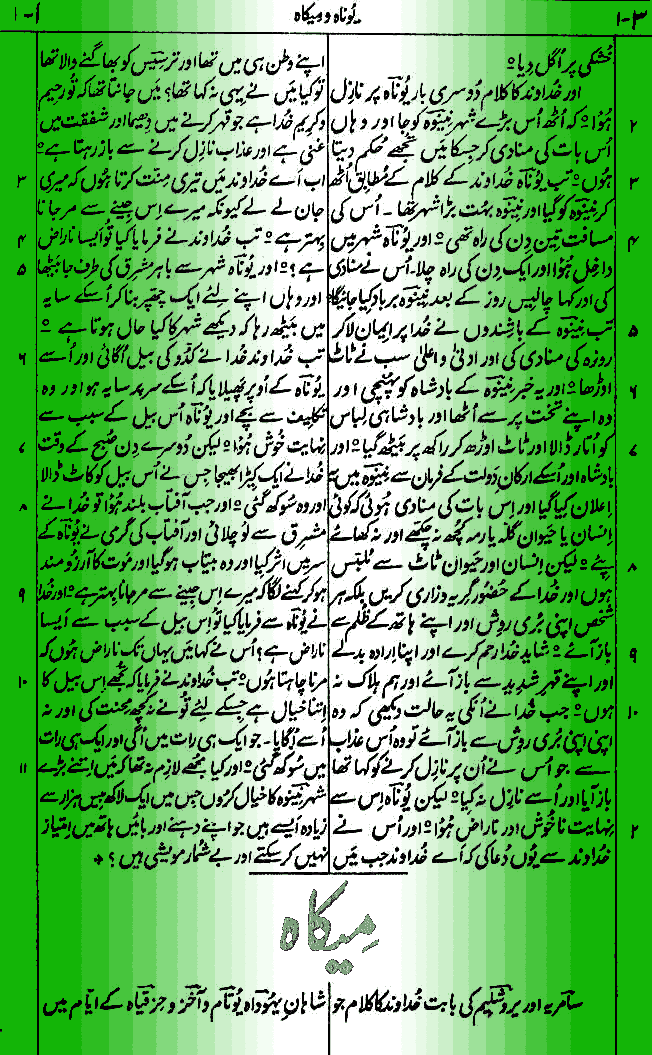
Verse: And the word of the LORD came unto Jonah the second time saying
-
English Explanation: This verse highlights the incredible grace of God. After Jonah’s initial rebellion and his time inside the great fish, God does not disqualify him permanently. He gives Jonah a second chance, demonstrating that failure does not mean the end of God’s calling on your life.
-
Urdu Explanation: یہ آیت خدا کے فضل اور رحم کو ظاہر کرتی ہے۔ یونس کی نافرمانی اور مچھلی کے پیٹ میں رہنے کے بعد، خدا نے اسے رد نہیں کیا۔ بلکہ خدا نے اسے دوسرا موقع دیا، جو یہ سکھاتا ہے کہ انسان کی ناکامی خدا کے منصوبے کا خاتمہ نہیں ہے۔
Jonah 3:2
Verse: Arise go unto Nineveh that great city and preach unto it the preaching that I bid thee
-
English Explanation: God repeats His original command but adds a specific instruction: preach only what God tells him to say. Nineveh was a powerful, vast, and wicked capital city, yet Jonah is sent there not with his own opinions, but as a direct mouthpiece of Yahweh.
-
Urdu Explanation: خدا نے اپنے پہلے حکم کو دہرایا لیکن ایک خاص ہدایت کے ساتھ کہ صرف وہی منادی کرو جو میں کہتا ہوں۔ نینوہ ایک بہت بڑا اور طاقتور شہر تھا، لیکن یونس کو وہاں اپنی مرضی نہیں بلکہ خدا کا خالص پیغام لے کر جانا تھا۔
Jonah 3:3
Verse: So Jonah arose and went unto Nineveh according to the word of the LORD Now Nineveh was an exceeding great city of three days’ journey
-
English Explanation: This time, Jonah obeys. The text notes that Nineveh was an “exceeding great city,” requiring a three-day journey to walk through or encompass its greater metropolitan area, emphasizing the massive scale of the task before him.
-
Urdu Explanation: اس بار یونس نے فرمانبرداری کی۔ آیت میں نینوہ کو ایک بہت بڑا شہر بتایا گیا ہے جس کا چکر لگانے یا اس کے مختلف حصوں تک پہنچنے کے لیے تین دن کا سفر درکار تھا، جو اس کام کی وسعت کو ظاہر کرتا ہے۔
Jonah 3:4
Verse: And Jonah began to enter into the city a day’s journey and he cried and said Yet forty days and Nineveh shall be overthrown
-
English Explanation: Jonah walks a day’s journey into the city and delivers a stark, unconditional warning: in forty days, total destruction will fall upon Nineveh. The phrase “overthrown” mimics the language used for Sodom and Gomorrah.
-
Urdu Explanation: یونس شہر میں ایک دن کا سفر طے کرتا ہے اور ایک سیدھی اور سخت وارننگ دیتا ہے کہ چالیس دن کے بعد نینوہ تباہ کر دیا جائے گا۔ یہ لفظ “تباہ” سدوم اور عمورہ کی بربادی کی یاد دلاتا ہے۔
Jonah 3:5
Verse: So the people of Nineveh believed God and proclaimed a fast and put on sackcloth from the greatest of them even to the least of them
-
English Explanation: Surprisingly, the pagan inhabitants of Nineveh instantly believe God’s message. Their faith leads to immediate action: corporate fasting and wearing sackcloth (a traditional sign of deep mourning and humility) across all social classes.
-
Urdu Explanation: حیرت انگیز طور پر نینوہ کے غیر قوم لوگوں نے خدا کے پیغام پر فوراً یقین کر لیا۔ ان کا ایمان ان کے عمل سے ظاہر ہوا؛ سب نے روزہ رکھا اور ٹاٹ اوڑھ لیا جو کہ گہرے دکھ اور عاجزی کی علامت ہے۔
Jonah 3:6
Verse: For word came unto the king of Nineveh and he arose from his throne and he laid his robe from him and covered him with sackcloth and sat in ashes
-
English Explanation: The spiritual revival reaches the very top of government. The king of Nineveh steps down from his throne, strips off his royal garments, wears sackcloth, and sits in ashes—a powerful historical display of absolute submission and repentance.
-
Urdu Explanation: یہ روحانی بیداری حکومت کے اعلیٰ ترین طبقے تک پہنچ گئی۔ نینوہ کا بادشاہ اپنے تخت سے اترا، شاہی لباس اتارا، ٹاٹ اوڑھا اور راکھ پر بیٹھ گیا—جو کہ مکمل توبہ اور عاجزی کا ثبوت ہے۔
Jonah 3:7
Verse: And he caused it to be proclaimed and published through Nineveh by the decree of the king and his nobles saying Let neither man nor beast herd nor flock taste any thing let them not feed nor drink water
-
English Explanation: The king formalizes the repentance into a royal decree. The fast is so radical and urgent that even the domestic animals, herds, and flocks are forbidden from eating or drinking water, creating an atmosphere of total communal desperation.
-
Urdu Explanation: بادشاہ نے اس توبہ کو ایک سرکاری فرمان بنا دیا۔ یہ روزہ اتنا سخت تھا کہ انسانوں کے ساتھ ساتھ جانوروں اور مویشیوں کے بھی کچھ کھانے یا پانی پینے پر پابندی لگا دی گئی تاکہ ہر طرف عاجزی کا ماحول ہو۔
Jonah 3:8
Verse: But let man and beast be covered with sackcloth and cry mightily unto God yea let them turn every one from his evil way and from the violence that is in their hands
-
English Explanation: The decree demands more than just external rituals; it demands true ethical reform. The people must pray urgently (“cry mightily”) and actively turn away from their evil actions and institutional violence.
-
Urdu Explanation: فرمان میں صرف ظاہری رسم و رواج پر زور نہیں دیا گیا بلکہ حقیقی اخلاقی تبدیلی کا مطالبہ کیا گیا۔ لوگوں کو خدا کے آگے گڑگڑانے اور اپنے برے طریقوں اور ظلم و تشدد کو چھوڑنے کا حکم دیا گیا۔
Jonah 3:9
Verse: Who can tell if God will turn and repent and turn away from his fierce anger that we perish not
-
English Explanation: The king recognizes that Nineveh has no right to demand forgiveness. They throwing themselves completely on God’s sovereignty and grace, hoping that their genuine repentance might cause God to relent from His anger.
-
Urdu Explanation: بادشاہ جانتا تھا کہ نینوہ کا معافی پر کوئی حق نہیں ہے۔ وہ اپنے آپ کو خدا کے رحم و کرم پر چھوڑتے ہیں کہ شاید ان کی سچی توبہ دیکھ کر خدا اپنا غصہ تھام لے اور انہیں ہلاک نہ کرے۔
Jonah 3:10
Verse: And God saw their works that they turned from their evil way and God repented of the evil that he had said that he would do unto them and he did it not
-
English Explanation: God responds to their transformation. Seeing that they actively turned from evil, God “repents” (changes His course of action from judgment to mercy). It reveals that God’s prophecies of judgment are often conditional invitations to repent.
-
Urdu Explanation: خدا نے ان کے اعمال کو دیکھا کہ وہ برائی سے باز آ گئے۔ چنانچہ خدا نے اپنا ارادہ بدل دیا (عدالت کے بجائے رحم کا فیصلہ کیا)۔ یہ ظاہر کرتا ہے کہ خدا کی عدالت کی پیش گوئیاں اکثر توبہ کی دعوت ہوتی ہیں۔
Chapter 4
Jonah 4:1
Verse: But it displeased Jonah exceedingly and he was very angry
-
English Explanation: Instead of rejoicing over the greatest revival in history, Jonah is furious. His nationalistic pride and hatred for the Assyrians make him resentful that his enemies received the mercy of God.
-
Urdu Explanation: تاریخ کی سب سے بڑی روحانی بیداری پر خوش ہونے کے بجائے، یونس شدید غصے میں آ گیا۔ اس کی قومپرستی اور اسوریوں سے نفرت نے اسے اس بات پر ناراض کر دیا کہ اس کے دشمنوں پر خدا کا رحم کیوں ہوا۔
Jonah 4:2
Verse: And he prayed unto the LORD and said I pray thee O LORD was not this my saying when I was yet in my country Therefore I fled before unto Tarshish for I knew that thou art a gracious God and merciful slow to anger and of great kindness and repentest thee of the evil
-
English Explanation: Jonah finally admits why he originally ran away to Tarshish. He knew God’s character—that God is compassionate, patient, loving, and quick to forgive. Jonah ran away because he wanted Nineveh to be destroyed, fearing God would save them.
-
Urdu Explanation: یونس نے آخر کار اعتراف کیا کہ وہ ترشیش کیوں بھاگا تھا۔ وہ خدا کی فطرت سے واقف تھا کہ خدا رحیم، مہربان، غصہ کرنے میں دھیما اور معاف کرنے والا ہے۔ وہ بھاگا کیونکہ وہ چاہتا تھا کہ نینوہ تباہ ہو جائے اور اسے ڈر تھا کہ خدا انہیں بچا لے گا۔
Jonah 4:3
Verse: Therefore now O LORD take I beseech thee my life from me for it is better for me to die than to live
-
English Explanation: Jonah is so deeply deeply bitter that his enemies were spared that he asks God to take his life. For him, living in a world where God shows mercy to ruthless enemies like the Assyrians is worse than death.
-
Urdu Explanation: یونس اپنے دشمنوں کے بچ جانے پر اس قدر تلخ ہو چکا تھا کہ اس نے خدا سے اپنی موت مانگ لی۔ اس کے لیے ایسی دنیا میں جینا جہاں خدا اسوریوں جیسے ظالم دشمنوں پر رحم کرے، موت سے بدتر تھا۔
Jonah 4:4
Verse: Then said the LORD Doest thou well to be angry
-
English Explanation: God responds not with anger, but with a gentle yet piercing question. He challenges Jonah to examine his own heart and question whether he has any legitimate, moral right to be angry at divine mercy.
-
Urdu Explanation: خدا نے غصے سے نہیں بلکہ ایک نرم مگر گہرے سوال کے ساتھ جواب دیا۔ اس نے یونس کو اپنے دل کا جائزہ لینے اور یہ سوچنے پر مجبور کیا کہ کیا اسے خدا کے رحم پر غصہ کرنے کا کوئی حق ہے۔
Jonah 4:5
Verse: So Jonah went out of the city and sat on the east side of the city and there made him a booth and sat under it in the shadow till he might see what would become of the city
-
English Explanation: Refusing to accept the situation, Jonah leaves the city and builds a temporary shelter (booth) on the eastern hills. He sits there waiting and hoping that Nineveh might still mess up and face destruction.
-
Urdu Explanation: صورتحال کو قبول کرنے سے انکار کرتے ہوئے، یونس شہر سے باہر چلا گیا اور مشرقی پہاڑیوں پر ایک عارضی جھونپڑی بنائی۔ وہ وہاں بیٹھ کر انتظار کرنے لگا کہ شاید نینوہ اب بھی کوئی غلطی کرے اور تباہ ہو جائے۔
Jonah 4:6
Verse: And the LORD God prepared a gourd and made it to come up over Jonah that it might be a shadow over his head to deliver him from his grief So Jonah was exceeding glad of the gourd
-
English Explanation: God uses an object lesson. He causes a fast-growing plant (gourd) to grow over Jonah to provide physical shade and comfort from his distress. Jonah loves the plant because it benefits him personally, showing his self-centered focus.
-
Urdu Explanation: خدا نے یونس کو ایک عملی سبق سکھایا۔ اس نے ایک پودا اگایا تاکہ یونس کو سایہ اور راحت ملے۔ یونس اس پودے سے بہت خوش ہوا کیونکہ اس سے اس کا ذاتی فائدہ ہو رہا تھا، جو اس کی خود غرضی کو ظاہر کرتا ہے۔
Jonah 4:7
Verse: But God prepared a worm when the morning rose the next day and it smote the gourd that it withered
-
English Explanation: Just as God “prepared” the great fish and the plant, He now appoints a tiny worm to destroy the plant. The rapid withering of the plant leaves Jonah completely exposed, setting up the ultimate moral lesson.
-
Urdu Explanation: جیسے خدا نے مچھلی اور پودے کا انتظام کیا تھا، ویسے ہی اس نے ایک چھوٹے کیڑے کو بھیجا جس نے پودے کو ختم کر دیا۔ پودے کے سوکھنے سے یونس ایک بار پھر سخت دھوپ میں آگیا۔
Jonah 4:8
Verse: And it came to pass when the sun did arise that God prepared a vehement east wind and the sun beat upon the head of Jonah that he fainted and wished in himself to die and said It is better for me to die than to live
-
English Explanation: God sends a scorching, hot desert wind coupled with intense sunshine. Physically exhausted and emotionally drained, Jonah falls into deep despair again, preferring death over his current circumstances.
-
Urdu Explanation: خدا نے صحرا کی جھلسانے والی گرم ہوا اور تیز دھوپ بھیجی۔ جسمانی اور ذہنی طور پر تھک کر یونس دوبارہ مایوسی میں ڈوب گیا اور اپنی موجودہ حالت پر موت کو زندگی پر ترجیح دینے لگا۔
Jonah 4:9
Verse: And God said to Jonah Doest thou well to be angry for the gourd And he said I do well to be angry even unto death
-
English Explanation: God asks Jonah a second time if his anger is justified—this time specifically about the dead plant. Jonah stubbornly responds with intense anger, claiming he has every right to be furious enough to die.
-
Urdu Explanation: خدا نے یونس سے دوسری بار پوچھا کہ کیا اس کا غصہ جائز ہے—اس بار پودے کے بارے میں۔ یونس نے ضد کے ساتھ جواب دیا کہ میرا غصہ بالکل جائز ہے، یہاں تک کہ میں مرنے کے لیے تیار ہوں۔
Jonah 4:10
Verse: Then said the LORD Thou hast had pity on the gourd for the which thou hast not laboured neither madest it grow which came up in a night and perished in a night
-
English Explanation: God delivers the punchline of the book. He points out Jonah’s hypocrisy: Jonah is weeping over a short-lived plant that he didn’t plant, water, or nurture. He cared for the plant only because it served his own comfort.
-
Urdu Explanation: خدا نے یہاں اصل سبق سکھایا اور یونس کی منافقت کو بے نقاب کیا: یونس ایک ایسے پودے کے لیے رو رہا تھا جس کے لیے نہ اس نے محنت کی، نہ اسے اگایا۔ وہ صرف اس لیے اس کی پرواہ کر رہا تھا کیونکہ وہ اس کے اپنے فائدے کے لیے تھا۔
Jonah 4:11
Verse: And should not I spare Nineveh that great city wherein are more than sixscore thousand persons that cannot discern between their right hand and their left hand and also much cattle
-
English Explanation: The book ends abruptly with a profound question. If Jonah can mourn for a plant, shouldn’t God care for a massive city of 120,000 innocent children (who don’t know their right hand from their left) and many innocent animals? God reveals that His heart beats for all humanity, shattering religious and nationalistic biases.
-
Urdu Explanation: یہ کتاب ایک گہرے سوال پر ختم ہوتی ہے۔ اگر یونس ایک پودے کے لیے افسردہ ہو سکتا ہے، تو کیا خدا کو اتنے بڑے شہر کی پرواہ نہیں کرنی چاہیے جس میں 120,000 سے زیادہ معصوم بچے (جو دائیں اور بائیں ہاتھ میں فرق نہیں کر سکتے) اور بے شمار مویشی موجود ہیں؟ خدا ظاہر کرتا ہے کہ وہ پوری انسانیت سے محبت کرتا ہے اور تمام تعصبات کو رد کرتا ہے۔