Verses & Explanations
Joshua 8:26
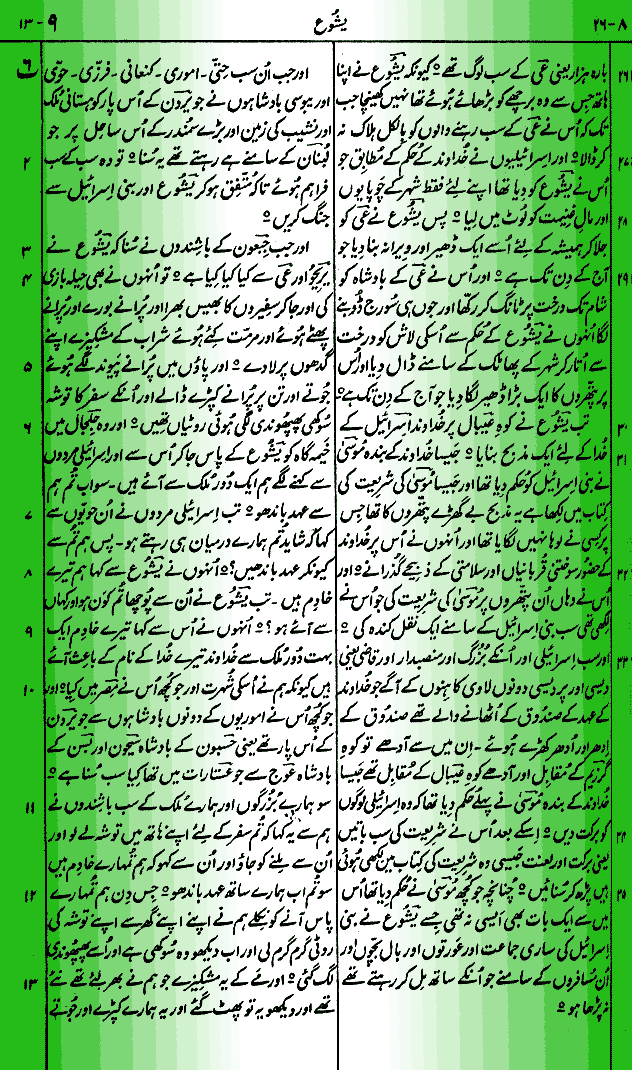
Verse: For Joshua drew not his hand back wherewith he stretched out the spear until he had utterly destroyed all the inhabitants of Ai
-
English Explanation: This verse symbolizes Joshua’s unwavering determination and obedience to God. Much like Moses held up his staff during the battle against Amalek, Joshua kept his spear extended as a signal of God’s authority and presence until the victory was absolute.
-
Urdu Explanation: یہ آیت یشوع کے غیر متزلزل عزم اور خدا کی فرمانبرداری کی علامت ہے۔ جس طرح موسیٰ نے عمالیقیوں کے خلاف جنگ کے دوران اپنا عصا بلند رکھا تھا، یشوع نے اپنی برچھی کو اس وقت تک تانے رکھا جب تک کہ مکمل فتح حاصل نہ ہوگئی۔
Joshua 8:27
Verse: Only the cattle and the spoil of that city Israel took for a prey unto themselves according unto the word of the LORD which he commanded Joshua
-
English Explanation: Unlike the battle of Jericho where everything was devoted to destruction, God allowed the Israelites to keep the livestock and goods of Ai. This shows that God provides for His people’s needs when they follow His specific timing and instructions.
-
Urdu Explanation: یریحو کے برعکس جہاں سب کچھ تباہ کر دیا گیا تھا، یہاں خدا نے بنی اسرائیل کو جانور اور مالِ غنیمت رکھنے کی اجازت دی۔ یہ ظاہر کرتا ہے کہ جب ہم خدا کے حکم اور وقت کی پابندی کرتے ہیں تو وہ ہماری ضرورتیں پوری کرتا ہے۔
Joshua 8:28
Verse: And Joshua burnt Ai and made it an heap for ever even a desolation unto this day
-
English Explanation: The total destruction of Ai served as a permanent testimony of God’s judgment against wickedness. The term “unto this day” refers to the time the book was written, noting the ruins were still visible.
-
Urdu Explanation: عی کی مکمل تباہی شرارت کے خلاف خدا کے انصاف کی ایک مستقل گواہی تھی۔ “آج کے دن تک” سے مراد وہ وقت ہے جب یہ کتاب لکھی گئی تھی، یعنی وہ کھنڈرات تب بھی موجود تھے۔
Joshua 8:29
Verse: And the king of Ai he hanged on a tree until eventide and as soon as the sun was down Joshua commanded that they should take his carcase down from the tree and cast it at the entering of the gate of the city and raise thereon a great heap of stones that remaineth unto this day
-
English Explanation: The execution of the king was a formal act of judgment. Following Mosaic Law (Deuteronomy 21:23), the body was removed at sunset to avoid defiling the land. The heap of stones served as a memorial of the victory.
-
Urdu Explanation: بادشاہ کی موت ایک رسمی عدالتی فیصلہ تھا۔ موسوی قانون کے مطابق، زمین کو ناپاک ہونے سے بچانے کے لیے سورج غروب ہوتے ہی لاش کو اتار لیا گیا۔ پتھروں کا ڈھیر فتح کی یادگار کے طور پر بنایا گیا۔
Joshua 8:30
Verse: Then Joshua built an altar unto the LORD God of Israel in mount Ebal
-
English Explanation: Immediately after the military victory, Joshua prioritized spiritual worship. Mount Ebal was the designated place for the altar of “curses,” reminding the people of the consequences of disobedience.
-
Urdu Explanation: فوجی فتح کے فوراً بعد، یشوع نے روحانی عبادت کو ترجیح دی۔ کوہِ عیبال وہ جگہ تھی جہاں نافرمانی کے نتائج (لعنت) کو یاد دلانے کے لیے قربان گاہ بنائی گئی تھی۔
Joshua 8:31
Verse: As Moses the servant of the LORD commanded the children of Israel as it is written in the book of the law of Moses an altar of whole stones over which no man hath lift up any iron and they offered thereon burnt offerings unto the LORD and sacrificed peace offerings
-
English Explanation: The altar was built using natural, uncut stones. Using iron tools was forbidden, symbolizing that human effort cannot “improve” or decorate God’s provision for atonement.
-
Urdu Explanation: قربان گاہ قدرتی اور غیر تراشیدہ پتھروں سے بنائی گئی تھی۔ لوہے کے اوزاروں کا استعمال ممنوع تھا، جو اس بات کی علامت ہے کہ انسانی کوششیں خدا کے کفارے کے انتظام کو مزید بہتر یا آراستہ نہیں کر سکتیں۔
Joshua 8:32
Verse: And he wrote there upon the stones a copy of the law of Moses which he wrote in the presence of the children of Israel
-
English Explanation: Joshua inscribed the Law onto plastered stones so the people would always have the divine standard of living before their eyes as they settled the land.
-
Urdu Explanation: یشوع نے پتھروں پر موسوی شریعت کو نقش کیا تاکہ جب لوگ اس زمین پر آباد ہوں تو ان کے سامنے زندگی گزارنے کا الہی معیار ہمیشہ موجود رہے۔
Joshua 8:33
Verse: And all Israel and their elders and officers and their judges stood on this side the ark and on that side before the priests the Levites which bare the ark of the covenant of the LORD as well the stranger as he that was born among them half of them over against mount Gerizim and half of them over against mount Ebal as Moses the servant of the LORD had commanded before that they should bless the people of Israel
-
English Explanation: The nation was split between two mountains: Gerizim (Blessings) and Ebal (Cursings). This powerful visual and auditory ceremony reinforced the covenant between God and His people, including foreign residents (strangers).
-
Urdu Explanation: قوم کو دو پہاڑوں کے درمیان تقسیم کیا گیا تھا: جرزیم (برکات) اور عیبال (لعنت)۔ اس تقریب نے خدا اور اس کے لوگوں کے درمیان عہد کو مضبوط کیا، جس میں پردیسی بھی شامل تھے۔
Joshua 8:34
Verse: And afterward he read all the words of the law the blessings and cursings according to all that is written in the book of the law
-
English Explanation: Faithfulness requires knowing the Word. Joshua ensured every detail of the Law was communicated so the people understood the choices before them.
-
Urdu Explanation: وفاداری کے لیے کلام کا جاننا ضروری ہے۔ یشوع نے اس بات کو یقینی بنایا کہ شریعت کی ہر تفصیل سنائی جائے تاکہ لوگ اپنے سامنے موجود انتخاب کو سمجھ سکیں۔
Joshua 8:35
Verse: There was not a word of all that Moses commanded which Joshua read not before all the congregation of Israel with the women and the little ones and the strangers that were conversant among them
-
English Explanation: This underscores the inclusivity of the covenant. Men, women, children, and foreigners were all responsible for hearing and obeying God’s Word.
-
Urdu Explanation: یہ آیت عہد کی ہمہ گیریت پر زور دیتی ہے۔ مرد، عورتیں، بچے اور پردیسی سبھی خدا کے کلام کو سننے اور اس پر عمل کرنے کے ذمہ دار تھے۔
Chapter 9
Joshua 9:1
Verse: And it came to pass when all the kings which were on this side Jordan in the hills and in the valleys and in all the coasts of the great sea over against Lebanon the Hittite and the Amorite the Canaanite the Perizzite the Hivite and the Jebusite heard thereof
-
English Explanation: News of Israel’s victories spread fear throughout Canaan. Various tribes and kingdoms began to realize that Israel was a threat that could no longer be ignored.
-
Urdu Explanation: اسرائیل کی فتوحات کی خبریں پورے کنعان میں پھیل گئیں۔ مختلف قبائل اور بادشاہتوں کو احساس ہونے لگا کہ اسرائیل ایک ایسا خطرہ ہے جسے اب نظر انداز نہیں کیا جا سکتا۔
Joshua 9:2
Verse: That they gathered themselves together to fight with Joshua and with Israel with one accord
-
English Explanation: Common fear led to an uncommon alliance. These pagan nations, often at odds with each other, united for the sole purpose of destroying Israel.
-
Urdu Explanation: مشترکہ خوف نے ایک غیر معمولی اتحاد کو جنم دیا۔ یہ مشرک قومیں، جو اکثر ایک دوسرے کے خلاف رہتی تھیں، اسرائیل کو تباہ کرنے کے واحد مقصد کے لیے متحد ہو گئیں۔
Joshua 9:3
Verse: And when the inhabitants of Gibeon heard what Joshua had done unto Jericho and to Ai
-
English Explanation: While other kings prepared for war, the Gibeonites recognized that direct combat was futile and chose a different path: deception.
-
Urdu Explanation: جب دوسرے بادشاہ جنگ کی تیاری کر رہے تھے، جبعونیوں نے محسوس کیا کہ براہ راست لڑائی بے سود ہے اور انہوں نے ایک الگ راستہ چنا: یعنی دھوکہ دہی۔
Joshua 9:4
Verse: They did work wilily and went and made as if they had been ambassadors and took old sacks upon their asses and wine bottles old and rent and bound up
-
English Explanation: The Gibeonites used “wiles” or craftiness. They intentionally made themselves look like travelers from a distant land to trick Israel into a peace treaty.
-
Urdu Explanation: جبعونیوں نے چالاکی سے کام لیا۔ انہوں نے جان بوجھ کر اپنے آپ کو دور دراز ملک کے مسافروں کے طور پر ظاہر کیا تاکہ اسرائیل کو امن معاہدے کے لیے دھوکہ دے سکیں۔
Joshua 9:5
Verse: And old shoes and clouted upon their feet and old garments upon them and all the bread of their provision was dry and mouldy
-
English Explanation: Every detail of their appearance—worn-out shoes, patched clothes, and moldy bread—was designed to provide “physical evidence” for their lie.
-
Urdu Explanation: ان کی ظاہری شکل کا ہر حصہ—پٹے ہوئے جوتے، پیوند لگے کپڑے اور پھپھوندی لگی روٹی—ان کے جھوٹ کو سچ ثابت کرنے کے لیے ڈیزائن کیا گیا تھا۔
Joshua 9:6
Verse: And they went to Joshua unto the camp at Gilgal and said unto him and to the men of Israel We be come from a far country now therefore make ye a league with us
-
English Explanation: They approached Joshua at the base camp in Gilgal, asking for a formal covenant. This was a strategic move to ensure their survival against the invading Israelites.
-
Urdu Explanation: وہ جلجال کے کیمپ میں یشوع کے پاس آئے اور ایک رسمی عہد کا مطالبہ کیا۔ یہ ان کی بقا کے لیے ایک تزویراتی اقدام تھا۔
Joshua 9:7
Verse: And the men of Israel said unto the Hivites Peradventure ye dwell among us and how shall we make a league with you
-
English Explanation: The Israelites initially showed healthy skepticism. They knew they were forbidden from making treaties with local Canaanite tribes.
-
Urdu Explanation: بنی اسرائیل نے شروع میں شک کا اظہار کیا۔ وہ جانتے تھے کہ انہیں مقامی کنعانی قبائل کے ساتھ معاہدہ کرنے سے منع کیا گیا ہے۔
Joshua 9:8
Verse: And they said unto Joshua We are thy servants And Joshua said unto them Who are ye and from whence come ye
-
English Explanation: Joshua questions them directly. The Gibeonites respond with humility (“We are thy servants”) to lower the Israelites’ guard.
-
Urdu Explanation: یشوع نے ان سے براہ راست سوال کیا۔ جبعونیوں نے عاجزی سے جواب دیا (“ہم آپ کے خادم ہیں”) تاکہ بنی اسرائیل کی چوکسی کو کم کیا جا سکے۔
Joshua 9:9
Verse: And they said unto him From a very far country thy servants are come because of the name of the LORD thy God for we have heard the fame of him and all that he did in Egypt
-
English Explanation: They used religious language to sound convincing. By mentioning Egypt (events from 40 years prior) but omitting the recent fall of Jericho and Ai, they made their “long journey” story more believable.
-
Urdu Explanation: انہوں نے قائل کرنے کے لیے مذہبی زبان کا استعمال کیا۔ مصر کے واقعات کا ذکر کر کے (جو 40 سال پہلے ہوئے تھے) اور حال ہی میں یریحو اور عی کی فتح کو چھوڑ کر، انہوں نے اپنے “طویل سفر” کی کہانی کو قابل یقین بنایا۔
Joshua 9:10
Verse: And all that he did to the two kings of the Amorites that were beyond Jordan to Sihon king of Heshbon and to Og king of Bashan which was at Ashtaroth
-
English Explanation: They continued to cite old news as their motivation, acting as if they hadn’t heard the latest news of what happened just a few miles away.
-
Urdu Explanation: انہوں نے اپنی ترغیب کے طور پر پرانی خبروں کا حوالہ دینا جاری رکھا، جیسے کہ انہوں نے ان تازہ ترین واقعات کے بارے میں کچھ نہیں سنا جو چند میل کے فاصلے پر ہوئے تھے۔
Joshua 9:11
Verse: Wherefore our elders and all the inhabitants of our country spake to us saying Take victuals with you for the journey and go to meet them and say unto them We are your servants therefore now make ye a league with us
-
English Explanation: They framed their deception as a national mission approved by their elders, seeking a “league” or an alliance for protection.
-
Urdu Explanation: انہوں نے اپنے دھوکے کو ایک قومی مشن کے طور پر پیش کیا جسے ان کے بزرگوں کی منظوری حاصل تھی، تاکہ وہ تحفظ کے لیے اتحاد حاصل کر سکیں۔
Joshua 9:12
Verse: This our bread we took hot for our provision out of our houses on the day we came forth to go unto you but now behold it is dry and it is mouldy
-
English Explanation: They point to the moldy bread as “proof” of the duration of their travel.
-
Urdu Explanation: وہ اپنے سفر کے دورانیے کے “ثبوت” کے طور پر پھپھوندی لگی روٹی کی طرف اشارہ کرتے ہیں۔
Joshua 9:13
Verse: And these bottles of wine which we filled were new and behold they be rent and these our garments and our shoes are become old by reason of the very long journey
-
English Explanation: They continue to present their tattered clothing and wine skins as evidence.
-
Urdu Explanation: وہ اپنے پھٹے ہوئے کپڑوں اور مشکیزوں کو بطور ثبوت پیش کرنا جاری رکھتے ہیں۔
Joshua 9:14
Verse: And the men took of their victuals and asked not counsel at the mouth of the LORD
-
English Explanation: This is the critical turning point. The Israelites relied on their own senses and logic (tasting the bread) rather than seeking God’s guidance through prayer or the Urim and Thummim. This serves as a warning against making decisions based solely on outward appearances.
-
Urdu Explanation: یہ ایک اہم موڑ ہے۔ بنی اسرائیل نے دعا یا خدا کی رہنمائی حاصل کرنے کے بجائے اپنے حواس اور منطق (روٹی چکھنے) پر بھروسہ کیا۔ یہ صرف ظاہری شکل کی بنیاد پر فیصلے کرنے کے خلاف ایک انتباہ ہے۔