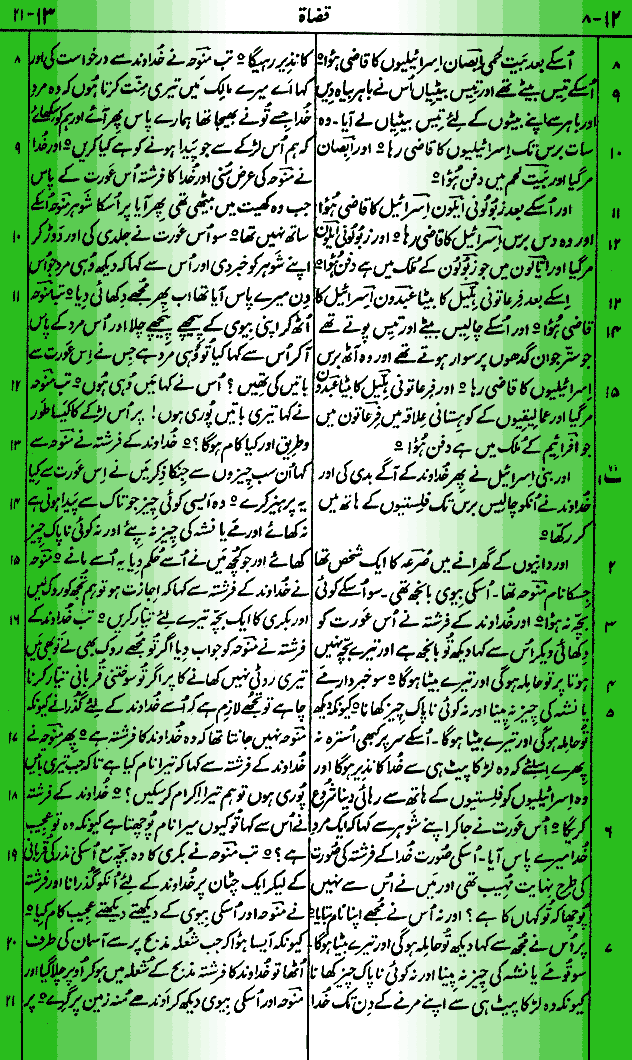
Judges Chapter 12: Verses 8–15
Verse 8 Scripture: And after him Ibzan of Bethlehem judged Israel English Explanation: Following the leadership of Jephthah, Ibzan from the town of Bethlehem took over as the judge. His leadership represents a period of civil administration and regional influence. Urdu Explanation: یفتاح کے بعد بیت لحم کے ابضان نے اسرائیل کی عدالت کی۔ اس کی قیادت علاقائی اثر و رسوخ اور نظم و ضبط کے دور کی نشاندہی کرتی ہے۔
Verse 9 Scripture: And he had thirty sons and thirty daughters whom he sent abroad and took in thirty daughters from abroad for his sons And he judged Israel seven years English Explanation: Ibzan utilized his large family to build political alliances through marriage, sending his daughters out and bringing in daughters-in-law. He led Israel for seven years. Urdu Explanation: ابضان کے تیس بیٹے اور تیس بیٹیاں تھیں۔ اس نے اپنی بیٹیوں کی شادیاں باہر کیں اور اپنے بیٹوں کے لیے باہر سے تیس لڑکیاں لایا۔ اس نے سات برس تک اسرائیل کی عدالت کی۔
Verse 10 Scripture: Then died Ibzan and was buried at Bethlehem English Explanation: After his short seven-year tenure, Ibzan passed away and was laid to rest in his hometown of Bethlehem. Urdu Explanation: ابضان وفات پا گیا اور اسے بیت لحم میں دفن کیا گیا۔
Verse 11 Scripture: And after him Elon a Zebulonite judged Israel and he judged Israel ten years English Explanation: Elon, hailing from the tribe of Zebulun, succeeded Ibzan. He provided a decade of stability for the nation of Israel. Urdu Explanation: اس کے بعد زبولونی ایلون نے دس برس تک اسرائیل کی عدالت کی۔ اس نے قوم کو دس سال تک استحکام فراہم کیا۔
Verse 12 Scripture: And Elon the Zebulonite died and was buried in Aijalon in the country of Zebulun English Explanation: Upon his death, Elon was buried in Aijalon, a territory belonging to his own tribe, Zebulun. Urdu Explanation: ایلون زبولونی وفات پا گیا اور زبولون کے ملک ایجلون میں دفن ہوا۔
Verse 13 Scripture: And after him Abdon the son of Hillel a Pirathonite judged Israel English Explanation: Abdon, the son of Hillel, became the next judge. He was from Pirathon, located in the territory of Ephraim. Urdu Explanation: اس کے بعد ہلیل کے بیٹے عبدون پیراتونی نے اسرائیل کی عدالت کی۔ اس کا تعلق افرائیم کے علاقے پیراتون سے تھا۔
Verse 14 Scripture: And he had forty sons and thirty nephews that rode on threescore and ten ass colts and he judged Israel eight years English Explanation: Abdon’s wealth and status are highlighted by his large family and the fact that they all rode on young donkeys (a sign of nobility). He judged for eight years. Urdu Explanation: عبدون کے چالیس بیٹے اور تیس پوتے تھے جو ستر گدھوں پر سوار ہوتے تھے (جو اس وقت شرافت کی علامت تھا)۔ اس نے آٹھ برس تک عدالت کی۔
Verse 15 Scripture: And Abdon the son of Hillel the Pirathonite died and was buried in Pirathon in the land of Ephraim in the mount of the Amalekites English Explanation: Abdon died and was buried in his ancestral land in Ephraim, specifically in the mountainous region associated with the Amalekites. Urdu Explanation: ہلیل کا بیٹا عبدون پیراتونی فوت ہوا اور افرائیم کے ملک میں عمالیقیوں کے پہاڑ پیراتون میں دفن ہوا۔
Judges Chapter 13: Verses 1–21
Verse 1 Scripture: And the children of Israel did evil again in the sight of the LORD and the LORD delivered them into the hand of the Philistines forty years English Explanation: Israel returned to idolatry, leading to a long period of oppression (40 years) under the Philistines as a divine consequence. Urdu Explanation: بنی اسرائیل نے خداوند کی نظر میں پھر بدی کی جس کی وجہ سے خداوند نے انہیں چالیس برس تک فلسطینیوں کے قبضے میں رہنے دیا۔
Verse 2 Scripture: And there was a certain man of Zorah of the family of the Danites whose name was Manoah and his wife was barren and bare not English Explanation: The story shifts to Manoah from the tribe of Dan. His wife was unable to conceive, a situation often used in the Bible to precede a divine miracle. Urdu Explanation: صرعہ کا ایک شخص منوح نامی تھا جس کا تعلق دان کے قبیلے سے تھا۔ اس کی بیوی بانجھ تھی اور اس کے ہاں کوئی اولاد نہ تھی۔
Verse 3 Scripture: And the angel of the LORD appeared unto the woman and said unto her Behold now thou art barren and bearest not but thou shalt conceive and bear a son English Explanation: A divine messenger appears to Manoah’s wife, announcing that despite her barrenness, she would give birth to a son. Urdu Explanation: خداوند کے فرشتے نے اس عورت پر ظاہر ہو کر کہا کہ تو بانجھ ہے لیکن اب تو حاملہ ہوگی اور تیرے بیٹا پیدا ہوگا۔
Verse 4 Scripture: Now therefore beware I pray thee and drink not wine nor strong drink and eat not any unclean thing English Explanation: The mother is given specific dietary restrictions to maintain holiness, as the child is set apart for God. Urdu Explanation: اب ہوشیار رہنا کہ نہ مے پینا نہ کوئی نشہ آور چیز اور نہ ہی کوئی ناپاک چیز کھانا۔
Verse 5 Scripture: For lo thou shalt conceive and bear a son and no razor shall come on his head for the child shall be a Nazarite unto God from the womb and he shall begin to deliver Israel out of the hand of the Philistines English Explanation: The child (Samson) was to be a Nazarite from birth. His long hair was a sign of his vow, and his mission was to begin the liberation of Israel. Urdu Explanation: کیونکہ تو حاملہ ہوگی اور تیرے بیٹا ہوگا جس کے سر پر استرا کبھی نہ چلے گا کیونکہ وہ بچہ پیٹ ہی سے خدا کا نذیر ہوگا اور وہی اسرائیل کو فلسطینیوں سے چھڑانا شروع کرے گا۔
Verse 6 Scripture: Then the woman came and told her husband saying A man of God came unto me and his countenance was like the countenance of an angel of God very terrible but I asked him not whence he was neither told he me his name English Explanation: She describes the messenger to her husband as “awesome” or “fearsome,” noting his divine appearance though she did not know his origin. Urdu Explanation: اس عورت نے اپنے شوہر کو بتایا کہ ایک مردِ خدا میرے پاس آیا جس کا چہرہ خدا کے فرشتے کی مانند ہیبت ناک تھا لیکن میں نے اس کا نام و نشان نہیں پوچھا۔
Verse 7 Scripture: But he said unto me Behold thou shalt conceive and bear a son and now drink no wine nor strong drink neither eat any unclean thing for the child shall be a Nazarite to God from the womb to the day of his death English Explanation: She repeats the instructions regarding the child’s lifelong dedication to God as a Nazarite. Urdu Explanation: اس نے مجھے بتایا کہ میں حاملہ ہوں گی اور میرا بیٹا ہوگا جو اپنی پیدائش سے لے کر موت تک خدا کا نذیر رہے گا۔
Verse 8 Scripture: Then Manoah intreated the LORD and said O my Lord let the man of God which thou didst send come again unto us and teach us what we shall do unto the child that shall be born English Explanation: Manoah prays for guidance, asking God to send the messenger back to teach them how to raise the special child. Urdu Explanation: منوح نے خداوند سے دعا کی کہ وہ مردِ خدا دوبارہ آئے تاکہ ہمیں سکھائے کہ ہمیں اس پیدا ہونے والے بچے کے ساتھ کیا کرنا چاہیے۔
Verse 9 Scripture: And God hearkened to the voice of Manoah and the angel of God came again unto the woman as she sat in the field but Manoah her husband was not with her English Explanation: God answers the prayer; the angel reappears to the woman while she is alone in the field. Urdu Explanation: خدا نے منوح کی دعا سنی اور خدا کا فرشتہ دوبارہ اس عورت کے پاس آیا جب وہ کھیت میں اکیلی بیٹھی تھی۔
Verse 10 Scripture: And the woman made haste and ran and shewed her husband and said unto him Behold the man hath appeared unto me that came unto me the other day English Explanation: She quickly runs to fetch her husband so he can witness and speak with the divine messenger. Urdu Explanation: وہ عورت جلدی سے اپنے شوہر کے پاس دوڑی اور کہا کہ دیکھو وہی آدمی پھر ظاہر ہوا ہے جو اس دن آیا تھا۔
Verse 11 Scripture: And Manoah arose and went after his wife and came to the man and said unto him Art thou the man that spakest unto the woman And he said I am English Explanation: Manoah meets the messenger and confirms that this is the same individual who spoke to his wife. Urdu Explanation: منوح اٹھ کر اپنی بیوی کے پیچھے گیا اور اس شخص سے پوچھا کہ کیا تو وہی ہے جس نے اس عورت سے بات کی تھی؟ اس نے کہا ہاں میں وہی ہوں۔
Verse 12 Scripture: And Manoah said Now let thy words come to pass How shall we order the child and how shall we do unto him English Explanation: Manoah asks for specific instructions on the child’s upbringing and lifestyle. Urdu Explanation: منوح نے کہا جب تیری بات پوری ہو جائے تو ہمیں بتا کہ اس بچے کی پرورش اور تربیت کیسے کی جائے؟
Verse 13 Scripture: And the angel of the LORD said unto Manoah Of all that I said unto the woman let her beware English Explanation: The angel reiterates that the primary focus must be on following the instructions already given to the mother. Urdu Explanation: خداوند کے فرشتے نے منوح سے کہا کہ ان تمام باتوں کا خیال رکھا جائے جو میں نے اس عورت کو بتائی ہیں۔
Verse 14 Scripture: She may not eat of any thing that cometh of the vine neither let her drink wine or strong drink nor eat any unclean thing all that I commanded her let her observe English Explanation: The angel confirms the strict Nazarite prohibitions regarding grapes, alcohol, and unclean foods. Urdu Explanation: وہ انگور کی بیل کی کوئی چیز نہ کھائے نہ مے پیے اور نہ کوئی ناپاک چیز کھائے۔
Verse 15 Scripture: And Manoah said unto the angel of the LORD I pray thee let us detain thee until we shall have made ready a kid for thee English Explanation: Showing hospitality, Manoah asks the messenger to stay so they can prepare a meal (a young goat) for him. Urdu Explanation: منوح نے فرشتے سے کہا کہ ذرا ٹھہر جا تاکہ ہم تیرے لیے بکری کا ایک بچہ تیار کریں۔
Verse 16 Scripture: And the angel of the LORD said unto Manoah Though thou detain me I will not eat of thy bread and if thou wilt offer a burnt offering thou must offer it unto the LORD For Manoah knew not that he was an angel of the LORD English Explanation: The angel declines the food, directing Manoah to offer a sacrifice to God instead. Manoah still does not realize he is speaking to a supernatural being. Urdu Explanation: فرشتے نے کہا کہ اگرچہ میں ٹھہر جاؤں پر تیرا کھانا نہیں کھاؤں گا لیکن اگر تو سوختنی قربانی گزراننا چاہے تو اسے خداوند کے لیے چڑھا۔ منوح نہیں جانتا تھا کہ وہ خداوند کا فرشتہ ہے۔
Verse 17 Scripture: And Manoah said unto the angel of the LORD What is thy name that when thy sayings come to pass we may do thee honour English Explanation: Manoah asks for the messenger’s name so they can credit him and honor him once the prophecy is fulfilled. Urdu Explanation: منوح نے پوچھا کہ تیرا نام کیا ہے تاکہ جب تیری بات پوری ہو تو ہم تیری عزت کریں۔
Verse 18 Scripture: And the angel of the LORD said unto him Why askest thou thus after my name seeing it is secret English Explanation: The angel replies that his name is “Wonderful” or “Secret”—too profound for human understanding. Urdu Explanation: فرشتے نے کہا تو میرا نام کیوں پوچھتا ہے؟ میرا نام تو “عجیب” (پوشیدہ) ہے۔
Verse 19 Scripture: So Manoah took a kid with a meat offering and offered it upon a rock unto the LORD and the angel did wondrously and Manoah and his wife looked on English Explanation: Manoah offers the sacrifice on a rock. As they watched, the angel performed a miraculous sign. Urdu Explanation: چنانچہ منوح نے بکری کا بچہ اور نذرانہ لے کر چٹان پر خداوند کے لیے چڑھایا اور فرشتے نے منوح اور اس کی بیوی کے سامنے ایک عجیب کام کیا۔
Verse 20 Scripture: For it came to pass when the flame went up toward heaven from off the altar that the angel of the LORD ascended in the flame of the altar And Manoah and his wife looked on it and fell on their faces to the ground English Explanation: As the fire rose from the altar, the angel ascended to heaven within the flame. Terrified and humbled, Manoah and his wife fell to the ground. Urdu Explanation: جب قربان گاہ سے شعلہ آسمان کی طرف اٹھا تو خداوند کا فرشتہ اسی شعلے میں ہو کر اوپر چلا گیا۔ یہ دیکھ کر منوح اور اس کی بیوی زمین پر سجدہ ریز ہو گئے۔
Verse 21 Scripture: But the angel of the LORD did no more appear to Manoah and to his wife Then Manoah knew that he was an angel of the LORD English Explanation: The angel did not appear again, and it was only at this moment that Manoah fully realized they had encountered a divine being. Urdu Explanation: اس کے بعد وہ فرشتہ منوح اور اس کی بیوی کو پھر نظر نہ آیا۔ تب منوح کو یقین ہو گیا کہ وہ خداوند کا فرشتہ تھا۔