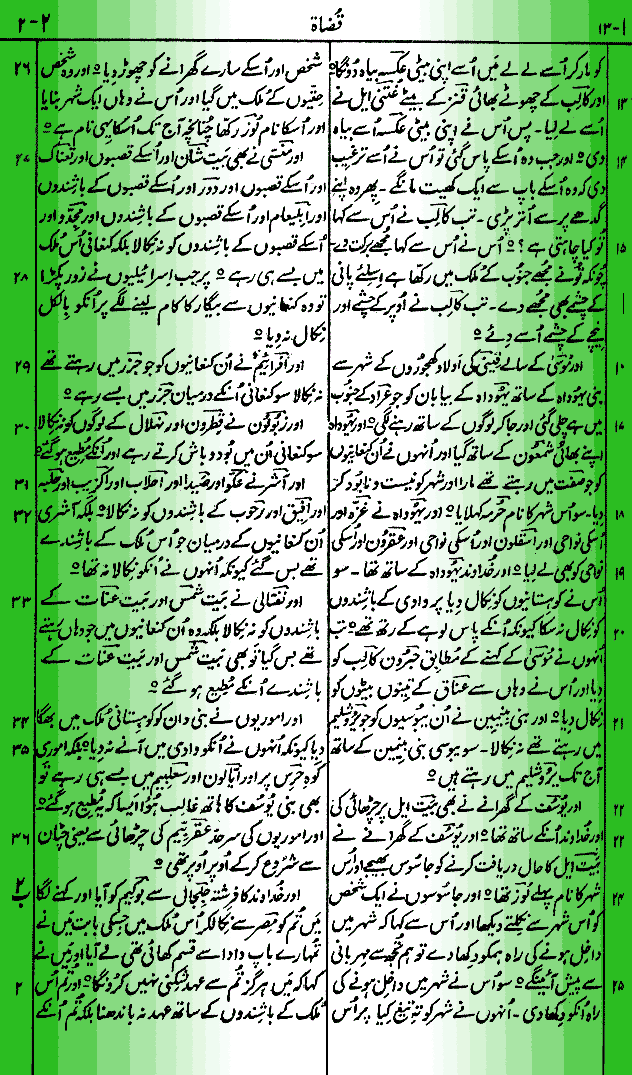
Verse-by-Verse Commentary (Judges 1:13 – 2:2)
Judges 1:13
Verse: And Othniel the son of Kenaz Caleb’s younger brother took it and he gave him Achsah his daughter to wife
-
English Explanation: This verse highlights the bravery of Othniel who becomes the first judge of Israel. Caleb offers his daughter’s hand in marriage as a reward for capturing the stronghold of Debir showing that leadership and courage were highly valued in the early days of the conquest.
-
Urdu Explanation: اس آیت میں عتنی ایل کی بہادری کا ذکر ہے جو اسرائیل کا پہلا قاضی بنا۔ کالب نے اپنی بیٹی اخصہ کا ہاتھ اس شخص کو دینے کا وعدہ کیا تھا جو دبیر کے قلعے کو فتح کرے گا۔ یہ ظاہر کرتا ہے کہ اس وقت بہادری اور خدا پر بھروسے کو کتنا اہم سمجھا جاتا تھا۔
Judges 1:14
Verse: And it came to pass when she came to him that she moved him to ask of her father a field and she lighted from off her ass and Caleb said unto her What wilt thou
-
English Explanation: Achsah is portrayed as a proactive and wise woman. Recognizing that land without resources is difficult to manage she prepares to ask her father for an additional inheritance showing the importance of foresight.
-
Urdu Explanation: اخصہ ایک دور اندیش خاتون کے طور پر نظر آتی ہیں۔ جب وہ اپنے شوہر کے پاس آئی تو اس نے اسے مشورہ دیا کہ وہ اپنے باپ سے ایک کھیت مانگے۔ جب وہ کالب سے ملنے پہنچی تو وہ اپنے گدھے سے نیچے اتری جس پر کالب نے اس سے اس کی خواہش پوچھی۔
Judges 1:15
Verse: And she said unto him Give me a blessing for thou hast given me a south land give me also springs of water And Caleb gave her the upper springs and the nether springs
-
English Explanation: Achsah asks for “springs of water” because the southern land (Negev) was dry. Caleb generously grants her both upper and lower springs ensuring her family’s prosperity. This symbolizes God’s willingness to give abundant blessings when we ask.
-
Urdu Explanation: اخصہ نے اپنے باپ سے کہا کہ مجھے ایک برکت دے کیونکہ تو نے مجھے جنوبی (خشک) زمین دی ہے اس لیے مجھے پانی کے چشمے بھی دے۔ کالب نے اسے اوپر اور نیچے دونوں کے چشمے دے دیے۔ یہ خدا کی فراخدلی کی علامت ہے کہ وہ مانگنے پر کثرت سے عطا کرتا ہے۔
Judges 1:16
Verse: And the children of the Kenite Moses’ father in law went up out of the city of palm trees with the children of Judah into the wilderness of Judah which lieth in the south of Arad and they went and dwelt among the people
-
English Explanation: The Kenites (descendants of Moses’ father-in-law Jethro) maintained a friendly relationship with Israel. They moved from Jericho (City of Palm Trees) to the southern wilderness of Judah integrating with the people.
-
Urdu Explanation: قینی جو موسیٰ کے سسر کی نسل سے تھے وہ کھجوروں کے شہر (یریکو) سے نکل کر یہوداہ کے قبیلے کے ساتھ اراد کے جنوب میں بیابان میں جا بسے۔ انہوں نے اسرائیلیوں کے ساتھ مل کر رہنا پسند کیا۔
Judges 1:17
Verse: And Judah went with Simeon his brother and they slew the Canaanites that inhabited Zephath and utterly destroyed it And the name of the city was called Hormah
-
English Explanation: Unity is emphasized here as the tribes of Judah and Simeon cooperate. They fulfill the “ban” (herem) by destroying Zephath renamed Hormah which means “destruction.“
-
Urdu Explanation: یہوداہ اور شمعون کے قبیلوں نے مل کر صفات کے باشندوں کو شکست دی اور اسے مکمل طور پر تباہ کر دیا۔ اسی مناسبت سے اس شہر کا نام “حرمہ” رکھا گیا جس کا مطلب “تباہی” ہے۔
Judges 1:18
Verse: Also Judah took Gaza with the coast thereof and Askelon with the coast thereof and Ekron with the coast thereof
-
English Explanation: Judah initially had success against the Philistine strongholds on the coast. However this victory was temporary as they struggled to maintain control over these coastal regions later.
-
Urdu Explanation: یہوداہ نے غزہ عسقلان اور عقرون کے ساحلی علاقوں پر قبضہ کر لیا۔ یہ شروع میں حاصل ہونے والی بڑی کامیابیاں تھیں لیکن بعد میں ان علاقوں پر قبضہ برقرار رکھنا مشکل ہو گیا۔
Judges 1:19
Verse: And the LORD was with Judah and he drave out the inhabitants of the mountain but could not drive out the inhabitants of the valley because they had chariots of iron
-
English Explanation: While God gave them victory in the hills the Israelites feared the iron chariots of the valley dwellers. This reflects a lapse in faith as God’s power is greater than any technology.
-
Urdu Explanation: خدا یہوداہ کے ساتھ تھا اس لیے انہوں نے پہاڑی علاقوں کو فتح کر لیا۔ لیکن وہ میدان کے باشندوں کو نہ نکال سکے کیونکہ ان کے پاس لوہے کے رتھ تھے۔ یہ ان کی کمزوری نہیں بلکہ ایمان کی کمی کو ظاہر کرتا ہے۔
Judges 1:20
Verse: And they gave Hebron unto Caleb as Moses said and he expelled thence the three sons of Anak
-
English Explanation: Caleb receives Hebron as promised. He successfully drives out the giants (sons of Anak) proving that faith can overcome even the most intimidating enemies.
-
Urdu Explanation: کالب کو اس کے وعدے کے مطابق ہیبرون کا علاقہ دیا گیا اور اس نے وہاں سے عناق کے تینوں بیٹوں (دیو قامت لوگوں) کو نکال باہر کیا جو اس کے مضبوط ایمان کی دلیل ہے۔
Judges 1:21
Verse: And the children of Benjamin did not drive out the Jebusites that inhabited Jerusalem but the Jebusites dwell with the children of Benjamin in Jerusalem unto this day
-
English Explanation: The failure of the tribe of Benjamin to fully conquer Jerusalem marks the beginning of a pattern of compromise that would trouble Israel for generations.
-
Urdu Explanation: بنجمن کے قبیلے نے یروشلم سے یبوسیوں کو نہیں نکالا۔ اس سمجھوتے کی وجہ سے یبوسی اسرائیلیوں کے ساتھ وہاں بسے رہے جو بعد میں ان کے لیے مسائل کا سبب بنا۔
Judges 1:22-26
Verse (Summary): The house of Joseph captures Bethel (formerly Luz) with the help of a local informant who is spared but goes on to build another city named Luz.
-
English Explanation: This section shows a tactical victory for the house of Joseph. However the fact that the informant built a new “Luz” in Hittite territory suggests that the Canaanite influence was relocated rather than eliminated.
-
Urdu Explanation: یوسف کے گھرانے نے بیت ایل (لوز) کو فتح کیا۔ انہوں نے ایک مقامی مخبر کی مدد لی اور اسے چھوڑ دیا۔ اس شخص نے جا کر حِتیوں کے ملک میں ایک اور شہر لوز بسایا جس کا مطلب ہے کہ کنعانی اثر و رسوخ مکمل طور پر ختم نہیں ہوا تھا۔
Judges 1:27-33
Verse (Summary): Manasseh Ephraim Zebulun Asher and Naphtali fail to drive out the inhabitants of their allotted lands and instead put them to tribute.
-
English Explanation: These verses document a systematic failure. Instead of following God’s command to clear the land the tribes chose economic gain (tribute/taxes) over spiritual purity allowing pagan influences to remain.
-
Urdu Explanation: منسی افرائیم زبولون آشر اور نفتالی کے قبیلے اپنے علاقوں سے کنعانیوں کو نکالنے میں ناکام رہے۔ انہوں نے روحانی پاکیزگی پر معاشی فائدے کو ترجیح دی اور انہیں جزیہ دینے پر لگا دیا جو کہ خدا کے حکم کی خلاف ورزی تھی۔
Judges 1:34-36
Verse (Summary): The Amorites force the Danites into the mountains and the house of Joseph eventually makes them tributaries.
-
English Explanation: The tribe of Dan suffered the most losing their valley lands to the Amorites. It shows the consequences of failing to rely fully on God’s strength.
-
Urdu Explanation: اموریوں نے دان کے قبیلے کو پہاڑوں میں رہنے پر مجبور کر دیا۔ اگرچہ یوسف کے گھرانے نے بعد میں انہیں مغلوب کر لیا لیکن یہ صورتحال اسرائیلیوں کی کمزوری کو ظاہر کرتی ہے۔
Chapter 2
Judges 2:1
Verse: And an angel of the LORD came up from Gilgal to Bochim and said I made you to go up out of Egypt and have brought you unto the land which I sware unto your fathers and I said I will never break my covenant with you
-
English Explanation: The “Angel of the Lord” (often interpreted as a pre-incarnate appearance of Christ) reminds Israel of God’s faithfulness. God kept His promise to bring them out of Egypt but they failed their part.
-
Urdu Explanation: خداوند کا فرشتہ جلجال سے بوکیم آیا اور کہا کہ میں تمہیں مصر سے نکال لایا اور اس زمین میں پہنچایا جس کا وعدہ میں نے تمہارے باپ دادا سے کیا تھا۔ خدا نے اپنا عہد کبھی نہیں توڑا۔
Judges 2:2
Verse: And ye shall make no league with the inhabitants of this land ye shall throw down their altars but ye have not obeyed my voice why have ye done this
-
English Explanation: This is a direct rebuke. Israel compromised by making treaties and leaving pagan altars standing. God asks “Why?”—a question highlighting their irrational disobedience despite His miracles.
-
Urdu Explanation: خدا نے حکم دیا تھا کہ ان لوگوں سے کوئی معاہدہ نہ کرنا اور ان کے بت خانوں کو گرا دینا۔ لیکن اسرائیلیوں نے نافرمانی کی۔ خدا نے ان سے پوچھا کہ “تم نے ایسا کیوں کیا؟” یعنی معجزات دیکھنے کے باوجود تم کیوں بھٹک گئے۔