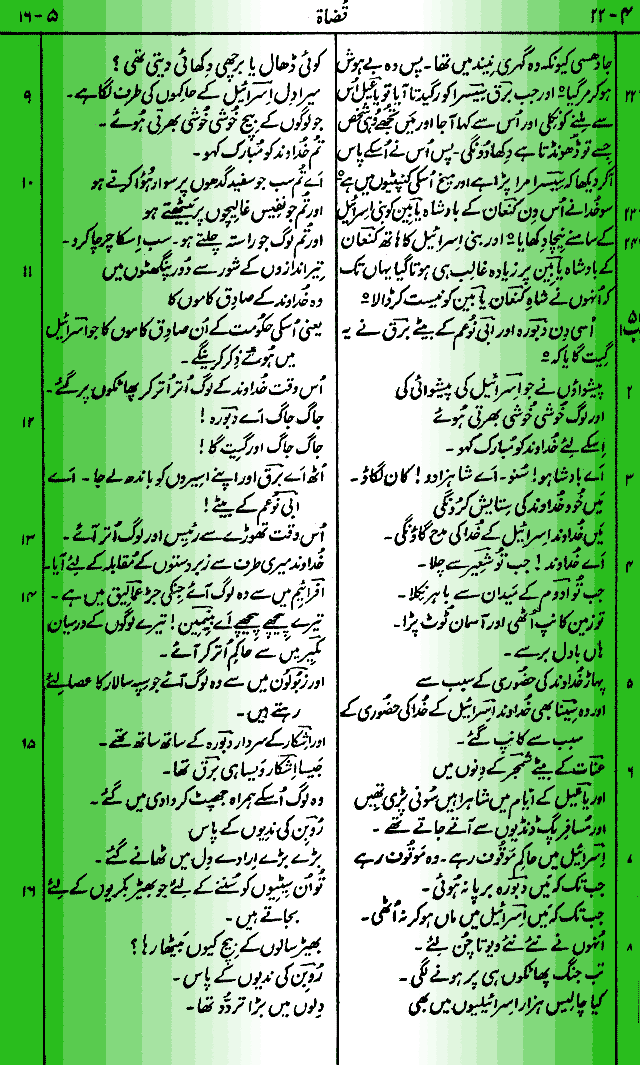
Judges 4:22 – 4:24: The Final Victory
Verse 4:22
And behold as Barak pursued Sisera Jael came out to meet him and said unto him Come and I will shew thee the man whom thou seekest And when he came into her tent behold Sisera lay dead and the nail was in his temples
-
English Explanation: This verse marks the climax of the military pursuit. Barak, the commander of Israel’s army, arrives looking for his enemy, only to find that a woman, Jael, has already secured the victory. This fulfills Deborah’s earlier prophecy that the honor of the day would go to a woman.
-
Urdu Explanation: یہ آیت فوجی تعاقب کے عروج کو ظاہر کرتی ہے۔ برق جو اسرائیلی فوج کا سردار تھا سیسرا کی تلاش میں وہاں پہنچا لیکن اسے معلوم ہوا کہ ایک عورت (یاعیل) نے پہلے ہی فتح حاصل کر لی ہے۔ یہ دبورہ کی اس پیشن گوئی کی تکمیل تھی کہ اس جنگ کی عزت ایک عورت کے حصے میں آئے گی۔
Verse 4:23
So God subdued on that day Jabin the king of Canaan before the children of Israel
-
English Explanation: The text shifts focus from the human actors (Jael and Barak) to the divine. It clarifies that while people fought, it was God who ultimately crushed the power of the Canaanite King Jabin.
-
Urdu Explanation: یہاں کلامِ پاک انسانی کوششوں سے توجہ ہٹا کر خدا کی قدرت پر مرکوز کرتا ہے۔ یہ واضح کیا گیا ہے کہ اگرچہ لوگ لڑ رہے تھے لیکن اصل میں یہ خدا ہی تھا جس نے کنعانی بادشاہ یابین کو مغلوب کیا۔
Verse 4:24
And the hand of the children of Israel prospered and prevailed against Jabin the king of Canaan until they had destroyed Jabin king of Canaan
-
English Explanation: This victory wasn’t just a single battle; it was the start of a sustained campaign. The Israelites continued to grow stronger until the entire Canaanite oppression under Jabin was eradicated.
-
Urdu Explanation: یہ فتح محض ایک جنگ تک محدود نہیں تھی بلکہ یہ ایک مسلسل مہم کا آغاز تھا۔ بنی اسرائیل اس وقت تک طاقتور ہوتے رہے جب تک انہوں نے کنعانی بادشاہ یابین کے ظلم کا مکمل خاتمہ نہیں کر دیا۔
Judges 5:1 – 5:16: The Song of Deborah
Verse 5:1
Then sang Deborah and Barak the son of Abinoam on that day saying
-
English Explanation: Victory leads to worship. Deborah and Barak compose a song to commemorate God’s deliverance, ensuring the history of the miracle is preserved for future generations.
-
Urdu Explanation: فتح کے بعد عبادت اور شکرگزاری کا وقت آیا۔ دبورہ اور برق نے خدا کی نجات کی یاد میں ایک گیت گایا تاکہ آنے والی نسلیں اس معجزے کو یاد رکھیں۔
Verse 5:2
Praise ye the LORD for the avenging of Israel when the people willingly offered themselves
-
English Explanation: Two things are praised: God’s justice in avenging His people and the willingness of the volunteers who stepped up to fight.
-
Urdu Explanation: اس آیت میں دو باتوں کی تعریف کی گئی ہے: ایک خدا کا انصاف جس نے اپنے لوگوں کا بدلہ لیا اور دوسرا ان لوگوں کی آمادگی جنہوں نے اپنی مرضی سے جنگ میں حصہ لیا۔
Verse 5:3
Hear O ye kings give ear O ye princes I even I will sing unto the LORD I will sing praise to the LORD God of Israel
-
English Explanation: Deborah calls upon the surrounding pagan kings and rulers to witness her testimony. She boldly declares that her praise is reserved for the God of Israel alone.
-
Urdu Explanation: دبورہ اردگرد کے مشرک بادشاہوں اور شہزادوں کو گواہی دینے کے لیے پکارتی ہے۔ وہ دلیری سے اعلان کرتی ہے کہ اس کی حمد و ثنا صرف اسرائیل کے خدا کے لیے ہے۔
Verse 5:4
LORD when thou wentest out of Seir when thou marchedst out of the field of Edom the earth trembled and the heavens dropped the clouds also dropped water
-
English Explanation: Poetic language describes God’s arrival as a storm. When God moved to help His people, the very elements of nature responded in awe.
-
Urdu Explanation: شاعرانہ انداز میں خدا کی آمد کو ایک طوفان سے تشبیہ دی گئی ہے۔ جب خدا اپنے لوگوں کی مدد کے لیے نکلا تو زمین و آسمان اور بادل اس کی قدرت سے لرز اٹھے۔
Verse 5:5
The mountains melted from before the LORD even that Sinai from before the LORD God of Israel
-
English Explanation: The power of God is compared to the experience at Mount Sinai. No earthly obstacle, even a mountain, can stand before Him.
-
Urdu Explanation: خدا کی قدرت کا موازنہ کوہِ سینا کے تجربے سے کیا گیا ہے۔ کوئی بھی دنیاوی رکاوٹ، یہاں تک کہ پہاڑ بھی اس کے سامنے نہیں ٹھہر سکتے۔
Verse 5:6
In the days of Shamgar the son of Anath in the days of Jael the highways were unoccupied and the travellers walked through byways
-
English Explanation: This describes the state of Israel before the victory. Oppression was so heavy that the main roads were too dangerous to use, forcing people to hide in back paths.
-
Urdu Explanation: یہ فتح سے پہلے اسرائیل کی حالت کو بیان کرتا ہے۔ ظلم اتنا زیادہ تھا کہ شاہراہیں غیر محفوظ تھیں اور مسافروں کو چھپ کر تنگ راستوں سے گزرنا پڑتا تھا۔
Verse 5:7
The inhabitants of the villages ceased they ceased in Israel until that I Deborah arose that I arose a mother in Israel
-
English Explanation: Civil life had collapsed until Deborah rose up. She describes herself as a “mother,” implying she cared for the nation’s spiritual and physical safety.
-
Urdu Explanation: دبورہ کے اٹھنے سے پہلے دیہاتی زندگی ختم ہو چکی تھی۔ وہ خود کو “اسرائیل کی ماں” کہتی ہے، جس کا مطلب ہے کہ اس نے قوم کی روحانی اور جسمانی حفاظت کا ذمہ لیا۔
Verse 5:8
They chose new gods then was war in the gates was there a shield or spear seen among forty thousand in Israel?
-
English Explanation: This highlights the cause of their trouble: idolatry. Because they abandoned God, they became defenseless against their enemies.
-
Urdu Explanation: یہ ان کی مصیبت کی وجہ بتاتی ہے: بت پرستی۔ چونکہ انہوں نے خدا کو چھوڑ دیا تھا، اس لیے وہ اپنے دشمنوں کے سامنے بے بس ہو گئے تھے۔
Verse 5:9
My heart is toward the governors of Israel that offered themselves willingly among the people Bless ye the LORD
-
English Explanation: Deborah expresses her love and respect for the leaders who did not hesitate to lead their people into battle.
-
Urdu Explanation: دبورہ ان سرداروں کے لیے اپنی محبت اور احترام کا اظہار کرتی ہے جنہوں نے عوام کی قیادت کرنے میں ہچکچاہٹ محسوس نہیں کی۔
Verse 5:10
Speak ye that ride on white asses ye that sit in judgment and walk by the way
-
English Explanation: She calls on people from all social classes—the rich (on white asses), the judges, and the common travelers—to speak of God’s goodness.
-
Urdu Explanation: وہ تمام طبقات کے لوگوں کو پکارتی ہے—چاہے وہ امیر ہوں، قاضی ہوں یا عام مسافر—کہ وہ خدا کی نیکی کا چرچا کریں۔
Verse 5:11
They that are delivered from the noise of archers in the places of drawing water there shall they rehearse the righteous acts of the LORD even the righteous acts toward the inhabitants of his villages in Israel then shall the people of the LORD go down to the gates
-
English Explanation: Now that the enemy archers are gone, people can gather peacefully at the wells to share stories of how God saved them.
-
Urdu Explanation: اب جبکہ دشمن کے تیر انداز ختم ہو چکے ہیں، لوگ کنوؤں پر سکون سے جمع ہو کر خدا کے نجات بخش کاموں کا ذکر کر سکتے ہیں۔
Verse 5:12
Awake awake Deborah awake awake utter a song arise Barak and lead thy captivity captive thou son of Abinoam
-
English Explanation: A self-exhortation to keep praising God and a command to Barak to display the spoils of victory and the captives.
-
Urdu Explanation: یہ خود کو خدا کی حمد جاری رکھنے کی ترغیب ہے اور برق کو حکم ہے کہ وہ فتح کی علامات اور قیدیوں کو سامنے لائے۔
Verse 5:13
Then he made him that remaineth have dominion over the nobles among the people the LORD made me have dominion over the mighty
-
English Explanation: This emphasizes that even a small remnant of faithful people, empowered by God, can rule over powerful oppressors.
-
Urdu Explanation: یہ اس بات پر زور دیتا ہے کہ وفادار لوگوں کا ایک چھوٹا سا گروہ بھی، اگر خدا کی قدرت ان کے ساتھ ہو، طاقتور ظالموں پر غالب آ سکتا ہے۔
Verse 5:14
Out of Ephraim was there a root of them against Amalek after thee Benjamin among thy people out of Machir came down governors and out of Zebulun they that handle the pen of the writer
-
English Explanation: This lists the tribes that joined the fight, showing unity between soldiers, leaders, and even those who were scribes or writers.
-
Urdu Explanation: یہ ان قبائل کی فہرست ہے جو جنگ میں شامل ہوئے، جو سپاہیوں، رہنماؤں اور یہاں تک کہ لکھنے والوں کے درمیان اتحاد کو ظاہر کرتی ہے۔
Verse 5:15
And the princes of Issachar were with Deborah even Issachar and also Barak he was sent on foot into the valley For the divisions of Reuben there were great thoughts of heart
-
English Explanation: While Issachar fought bravely, the tribe of Reuben is criticized for their indecision—they thought a lot but did nothing.
-
Urdu Explanation: جہاں اشکار نے بہادری سے مقابلہ کیا، وہیں روبن کے قبیلے پر تنقید کی گئی کہ انہوں نے صرف سوچا لیکن عملی طور پر کچھ نہیں کیا۔
Verse 5:16
Why abodest thou among the sheepfolds to hear the bleatings of the flocks For the divisions of Reuben there were great searchings of heart
-
English Explanation: Deborah asks Reuben why they stayed with their sheep instead of joining the war. Their “searching of heart” resulted in cowardice rather than action.
-
Urdu Explanation: دبورہ روبن سے پوچھتی ہے کہ وہ جنگ میں شامل ہونے کے بجائے اپنی بھیڑوں کے پاس کیوں رہے؟ ان کی “دل کی تلاش” نے انہیں عمل کے بجائے بزدلی کی طرف مائل کیا۔