Verse-by-Verse Commentary & Explanation
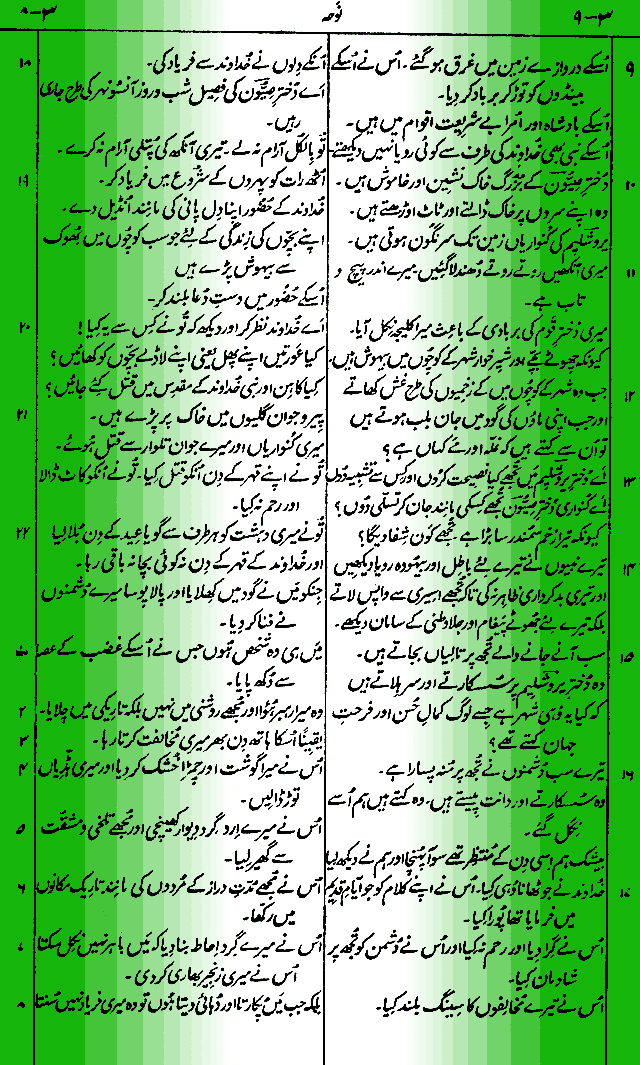
Verse 2:9
Verse text: Her gates are sunk into the ground he hath destroyed and broken her bars her king and her princes are among the Gentiles the law is no more her prophets also find no vision from the LORD
English Explanation
This verse paints a vivid picture of the total political, structural, and spiritual collapse of Jerusalem. The sinking of the gates and broken bars symbolize the absolute destruction of the city’s defenses, rendering it vulnerable and defeated. Furthermore, the deportation of the king and princes among the Gentiles highlights the end of Davidic political autonomy. Most devastatingly, the spiritual lifeline is severed: the law is no longer active, and prophets receive no revelations or visions from God, signifying divine silence in the wake of judgment.
Urdu Explanation
یہ آیت یروشلم کی مکمل سیاسی، ساختی اور روحانی تباہی کی عکاسی کرتی ہے۔ پھاٹکوں کا زمین میں دھنس جانا اور تعزیری سلاخوں کا ٹوٹ جانا شہر کی دفاعی نظام کی مکمل بربادی کو ظاہر کرتا ہے۔ بادشاہ اور شہزادوں کا غیر قوموں (غلامی) میں چلے جانا داؤد کی نسل کی سیاسی خودمختاری کے خاتمے کی علامت ہے۔ سب سے بڑھ کر، روحانی تعلق بھی منقطع ہو چکا ہے: اب شریعت پر عمل پیرا ہونے کا کوئی ذریعہ نہیں رہا، اور انبیاء کو خداوند کی طرف سے کوئی رویا یا پیغام نہیں مل رہا، جو کہ الٰہی خاموشی کو ظاہر کرتا ہے۔
Verse 2:10
Verse text: The elders of the daughter of Zion sit upon the ground and keep silence they have cast up dust upon their heads they have girded themselves with sackcloth the virgins of Jerusalem hang down their heads to the ground
English Explanation
The societal order is completely upended as the respected elders, who once sat in places of honor and judgment, now sit on the ground in stunned silence. Throwing dust on their heads and wearing sackcloth are ancient Near Eastern expressions of deep mourning, repentance, and utter despair. Similarly, the young virgins, who represent the future and joy of the city, bow their heads to the earth in shame and sorrow, indicating that no generation or social class is spared from the grief.
Urdu Explanation
معاشرتی نظام مکمل طور پر تہہ و بالا ہو چکا ہے۔ وہ معزز بزرگ جو کبھی عدالت اور عزت کی جگہوں پر بیٹھتے تھے، اب زمین پر خاموش بیٹھے ہیں۔ اپنے سروں پر خاک ڈالنا اور ٹاٹ اوڑھنا قدیم دور میں گہرے ماتم، توبہ اور شدید مایوسی کا اظہار تھا۔ اسی طرح، یروشلم کی کنواریاں، جو شہر کے مستقبل اور خوشی کی علامت تھیں، شرمندگی اور غم سے اپنے سر زمین کی طرف جھکائے ہوئے ہیں، جس سے ظاہر ہوتا ہے کہ کوئی بھی نسل اس دکھ سے محفوظ نہیں رہی۔
Verse 2:11
Verse text: Mine eyes do fail with tears my bowels are troubled my liver is poured upon the earth for the destruction of the daughter of my people because the children and the sucklings swoon in the streets of the city
English Explanation
The writer expresses immense, visceral grief over the plight of Jerusalem. The physical descriptions—eyes failing from crying, inner turmoil (“bowels troubled”), and the liver being poured out—are emotional idioms representing absolute heartbreak and physical exhaustion from weeping. The primary catalyst for this profound sorrow is the unbearable sight of innocent children and infants fainting from starvation and dehydration in the public squares of the besieged city.
Urdu Explanation
مصنف یروشلم کی حالت زار پر اپنے شدید اور دلی دکھ کا اظہار کرتا ہے۔ جسمانی کیفیات—جیسے آنسوؤں کی وجہ سے آنکھوں کا جواب دے جانا، اندرونی بے چینی، اور جگر کا زمین پر پانی ہو جانا—شدید ترین صدمے اور جسمانی نڈھال ہونے کو ظاہر کرتی ہیں۔ اس گہرے دکھ کی سب سے بڑی وجہ محاصرے کے شکار شہر کی گلیوں میں معصوم بچوں اور دودھ پیتے شیر خواروں کا بھوک اور پیاس کی وجہ سے بے ہوش ہو کر گرنا ہے۔
Verse 2:12
Verse text: They say to their mothers Where is corn and wine when they swooned as the wounded in the streets of the city when their soul was poured out into their mothers’ bosom
English Explanation
This verse captures a deeply heartbreaking scene where starving children cry out to their mothers for basic sustenance (“corn and wine”). The mothers are completely helpless to save them. The verse compares the fainting children to mortally wounded soldiers dying in the streets, tragically drawing their final breaths (“their soul was poured out”) while being cradled in their mothers’ arms.
Urdu Explanation
یہ آیت ایک انتہائی دلدوز منظر کشی کرتی ہے جہاں بھوکے بچے اپنی ماؤں سے بنیادی خوراک (“اناج اور مے”) مانگتے ہیں۔ مائیں انہیں بچانے میں بالکل بے بس ہیں۔ اس آیت میں بچوں کے بے ہوش ہونے کو گلیوں میں زخمی سپاہیوں کے دم توڑنے سے تشبیہ دی گئی ہے، جو اپنی ماؤں کی گود میں تڑپتے ہوئے اپنی آخری سانسیں لیتے ہیں۔
Verse 2:13
Verse text: What thing shall I take to witness for thee what thing shall I liken to thee O daughter of Jerusalem what shall I equal to thee that I may comfort thee O virgin daughter of Zion for thy breach is great like the sea who can heal thee
English Explanation
The prophet searches for a historical parallel or analogy to help comfort Jerusalem but finds none; her catastrophe is unprecedented. He describes the ruin (“breach”) of the city as vast and overwhelming like the sea, implying that human intervention is useless. The rhetorical question, “who can heal thee?” underscores the reality that only divine intervention can restore a calamity of this magnitude.
Urdu Explanation
نبی یروشلم کو تسلی دینے کے لیے تاریخ سے کوئی مثال یا تشبیہ تلاش کرنے کی کوشش کرتا ہے لیکن اسے کچھ نہیں ملتا؛ یہ آفت بے مثال ہے۔ وہ شہر کی تباہی (“شکست”) کو سمندر کی طرح وسیع اور بے پناہ قرار دیتا ہے، جس کا مطلب ہے کہ انسانی مدد یہاں بے سود ہے۔ یہ سوال کہ “تجھ کو کون شفا دے سکتا ہے؟” اس حقیقت پر زور دیتا ہے کہ اتنی بڑی آفت کو صرف خدا ہی ٹھیک کر سکتا ہے۔
Verse 2:14
Verse text: Thy prophets have seen vain and foolish things for thee and they have not discovered thine iniquity to turn away thy captivity but have seen for thee false burdens and causes of banishment
English Explanation
Here, the blame is placed on the false prophets who misled the people before the exile. Instead of exposing the people’s sins (“discovered thine iniquity”) so they could repent and avoid captivity, these prophets preached empty, flattering illusions and false security. Their spiritual negligence and deceptive messages actively contributed to the nation’s ultimate banishment and ruin.
Urdu Explanation
یہاں سارا ملبہ ان جھوٹے انبیاء پر ڈالا گیا ہے جنہوں نے جلاوطنی سے پہلے لوگوں کو گمراہ کیا تھا۔ لوگوں کے گناہوں کو بے نقاب کرنے کے بجائے، تاکہ وہ توبہ کرتے اور اس گرفتاری سے بچ جاتے، ان انبیاء نے جھوٹی، خوشامدی باتیں اور خیالی امن کی باتیں کہیں۔ ان کی روحانی غفلت اور گمراہ کن پیغامات ملک کی حتمی جلاوطنی اور بربادی کا سبب بنے۔
Verse 2:15
Verse text: All that pass by clap their hands at thee they hiss and wag their head at the daughter of Jerusalem saying Is this the city that men call The perfection of beauty The joy of the whole earth
English Explanation
Jerusalem becomes an object of intense mockery and scorn among international onlookers. Passersby clap their hands, hiss, and wag their heads—all cultural gestures of contempt and derision. They mockingly contrast Jerusalem’s current state of absolute ruin with her former reputation as “the perfection of beauty” and “the joy of the whole earth,” highlighting her drastic fall from glory.
Urdu Explanation
یروشلم بین الاقوامی تماشائیوں کے لیے شدید تمسخر اور حقارت کا نشان بن گیا ہے۔ وہاں سے گزرنے والے تالیاں بجاتے ہیں، سسکاریاں بھرتے ہیں اور اپنے سر ہلاتے ہیں—یہ سب اس دور میں حقارت اور ملامت کے اشارے تھے۔ وہ طنزاً یروشلم کی موجودہ تباہ حال حالت کا موازنہ اس کی سابقہ شہرت سے کرتے ہیں جب اسے “حسن کا کمال” اور “ساری زمین کی خوشی” کہا جاتا تھا، جو اس کے زوال کی سنگینی کو ظاہر کرتا ہے۔
Verse 2:16
Verse text: All thine enemies have opened their mouth against thee they hiss and gnash the teeth they say We have swallowed her up certainly this is the day that we looked for we have found we have seen it
English Explanation
The city’s adversaries exult openly in her defeat. Opening their mouths, hissing, and gnashing their teeth display malicious triumph and predatory satisfaction. They boast about completely “swallowing up” Jerusalem, celebrating that the long-awaited day of her destruction, which they had hoped for, has finally arrived through their conquest.
Urdu Explanation
شہر کے دشمن اس کی شکست پر کھل کر جشن منا رہے ہیں۔ اپنے منہ کھولنا، سسکاریاں بھرنا، اور دانت پیسنا ان کی بدنیتی پر مبنی فتح اور حریفانہ تسکین کو ظاہر کرتا ہے۔ وہ یروشلم کو مکمل طور پر “نگل جانے” کا دعویٰ کرتے ہیں، اور اس بات پر خوشیاں منا رہے ہیں کہ ان کی بربادی کا وہ دن جس کا وہ انتظار کر رہے تھے، بالاآخر آ گیا ہے۔
Verse 2:17
Verse text: The LORD hath done that which he had devised he hath fulfilled his word that he had commanded in the days of old he hath thrown down and hath not pitied and he hath caused thine enemy to rejoice over thee he hath set up the horn of thine adversaries
English Explanation
This verse shifts the theological focus from human agency to divine sovereignty. The destruction of Jerusalem was not a random geopolitical failure, but the fulfillment of God’s long-standing warnings regarding covenant unfaithfulness. The Lord executed the judgment He had purposed long ago, pulling down the city without pity, allowing enemies to rejoice, and increasing the strength (“horn”) of her adversaries as a tool of discipline.
Urdu Explanation
یہ آیت الٰہی خودمختاری پر توجہ مرکوز کرتی ہے۔ یروشلم کی تباہی کوئی حادثاتی سیاسی ناکامی نہیں تھی، بلکہ یہ عہد کی نافرمانی کے خلاف خدا کی دیرینہ انتباہات کا پورا ہونا تھا۔ خداوند نے اس فیصلے کو نافذ کیا جس کا اس نے بہت پہلے ارادہ کیا تھا، اس نے بغیر رحم کیے شہر کو گرا دیا، دشمنوں کو خوش ہونے کا موقع دیا، اور ان کے مخالفین کی طاقت (“سینگ”) کو بلند کیا۔
Verse 2:18
Verse text: Their heart cried unto the Lord O wall of the daughter of Zion let tears run down like a river day and night give thyself no rest let not the apple of thine eye cease
English Explanation
In despair, the internal cry of the people is directed to God. Personifying the defenses of the city, the writer implores the “wall of the daughter of Zion” to weep continually like a river day and night. The call to give oneself no rest and to let the “apple of thine eye” (the pupil) never stop weeping signifies the need for unceasing, desperate lamentation and intercession.
Urdu Explanation
مایوسی کے عالم میں، لوگوں کے دلوں کی پکار خدا کی طرف اٹھتی ہے۔ شہر کی فصیلوں کو مخاطب کرتے ہوئے، مصنف صیہون کی بیٹی کی دیوار سے التجا کرتا ہے کہ وہ دن رات دریا کی طرح آنسو بہائے۔ اپنے آپ کو آرام نہ دینے اور آنکھ کی پتلی کو رونے سے نہ روکنے کا مطلب یہ ہے کہ اب مسلسل اور گریہ و زاری کے ساتھ التجا کرنے کا وقت ہے۔
Verse 2:19
Verse text: Arise cry out in the night in the beginning of the watches pour out thine heart like water before the face of the Lord lift up thy hands toward him for the life of thy young children that faint for hunger in the top of every street
English Explanation
An urgent exhortation to persistent, sleepless prayer throughout the night watches. The people are urged to pour out their raw emotions (“heart like water”) before God and to lift their hands in desperate petition. The driving motivation for this intense intercession is the survival of their young children, who are dying of starvation on every street corner.
Urdu Explanation
یہ رات کے پہروں میں مسلسل اور بیدار رہ کر دعا کرنے کی ایک فوری تاکید ہے۔ لوگوں پر زور دیا گیا ہے کہ وہ اپنے دل کے جذبات کو پانی کی طرح خدا کے سامنے بہا دیں اور گریہ و زاری میں اپنے ہاتھ اٹھائیں۔ اس شدید التجا کا سب سے بڑا محرک ان کے چھوٹے بچوں کی زندگی بچانا ہے، جو ہر گلی کے موڑ پر بھوک سے دم توڑ رہے ہیں۔
Verse 2:20
Verse text: Behold O LORD and consider to whom thou hast done this Shall the women eat their fruit and children of a span long shall the priest and the prophet be slain in the sanctuary of the Lord
English Explanation
The writer appeals directly to God, asking Him to look closely at the depth of the tragedy hitting His covenant people. The verse highlights the horrifying realities of the famine, where desperate mothers resort to cannibalism, eating their own infants (“children of a span long”). It also underscores the complete breakdown of religious sanctity, as both priests and prophets are slaughtered right inside the Lord’s holy sanctuary.
Urdu Explanation
مصنف براہِ راست خدا سے اپیل کرتا ہے کہ وہ اپنے عہد کے لوگوں پر آنے والی اس آفت کی ہولناکی کو دیکھے۔ یہ آیت قحط کی اس ہولناک حقیقت کو ظاہر کرتی ہے جہاں مجبور مائیں اپنے ہی شیر خوار بچوں کو کھانے پر مجبور ہو گئیں، اور یہ مذہبی تقدس کی پامالی کو بھی ظاہر کرتا ہے کیونکہ کاہن اور نبی خود خداوند کے مقدس مکان (ہیکل) کے اندر قتل کیے گئے۔
Verse 2:21
Verse text: The young and the old lie on the ground in the streets my virgins and my young men are fallen by the sword thou hast slain them in the day of thine anger thou hast killed and not pitied
English Explanation
The streets of Jerusalem are depicted as a vast graveyard where indiscriminate death has leveled all societal distinctions. The elderly, children, young men, and virgins lie dead together, taken either by famine or the enemy’s sword. The theological interpretation is clear: this slaughter is the manifestation of the day of the Lord’s anger, executed without pity due to persistent rebellion.
Urdu Explanation
یروشلم کی گلیاں ایک وسیع قبرستان کی مانند دکھائی گئی ہیں جہاں موت نے ہر عمر کے فرق کو مٹا دیا ہے۔ بوڑھے، بچے، جوان اور کنواریاں سب ایک ساتھ مردہ حالت میں پڑے ہیں، جو یا تو قحط کا شکار ہوئے یا تلوار کا۔ اس کی الٰہی تشریح واضح ہے: یہ قتل عام خداوند کے غضب کے دن کا اظہار ہے، جو ان کی مسلسل سرکشی کی وجہ سے بغیر رحم کے نازل ہوا۔
Verse 2:22
Verse text: Thou hast called as in a solemn day my terrors round about so that in the day of the LORD’s anger none escaped nor remained those that I have swaddled and brought up hath mine enemy consumed
English Explanation
In a bitter twist of irony, the writer notes that just as God used to summon the people for joyous holy feasts (“a solemn day”), He has now summoned terrors and destruction from every side. The day of wrath resulted in total elimination—none escaped or survived. The verse ends with a poignant lament: the very children the community nurtured and raised (“swaddled”) have been completely consumed by the enemy.
Urdu Explanation
ایک تلخ طنز کے ساتھ، مصنف کہتا ہے کہ جس طرح خدا ماضی میں لوگوں کو مقدس عیدوں کے خوشی کے دن کے لیے جمع کرتا تھا، اب اس نے چاروں طرف سے دہشت اور تباہی کو جمع کر لیا ہے۔ غضب کے اس دن کا نتیجہ مکمل خاتمے کی صورت میں نکلا—کوئی نہ بچ سکا اور نہ زندہ رہا۔ آیت کا اختتام ایک گہرے دکھ کے ساتھ ہوتا ہے کہ جن بچوں کو پیار سے پالا پوسا گیا تھا، دشمن نے انہیں بالکل نیست و نابود کر دیا۔
Verse 3:1
Verse text: I am the man that hath seen affliction by the rod of his wrath
English Explanation
As Chapter 3 opens, the literary style shifts to an individual lament. The speaker acts as a representative voice for the suffering nation. He identifies himself as someone who has intimately experienced deep suffering and pain, recognizing that this hardship comes directly from the “rod of his wrath”—meaning God’s disciplinary judgment against Israel.
Urdu Explanation
تیسرے باب کے آغاز کے ساتھ ہی، کلام کا انداز ایک انفرادی مرثیے میں بدل جاتا ہے۔ بولنے والا پوری دکھی قوم کے نمائندے کے طور پر بات کرتا ہے۔ وہ اپنی پہچان ایک ایسے شخص کے طور پر کرواتا ہے جس نے ذاتی طور پر شدید دکھ جھیلا ہے، اور وہ یہ تسلیم کرتا ہے کہ یہ مصیبت براہِ راست خدا کے “غضب کے عصا” (تعزیری لاٹھی) کی طرف سے آئی ہے۔
Verse 3:2
Verse text: He hath led me and brought me into darkness but not into light
English Explanation
The speaker describes a profound spiritual and emotional disorientation. Instead of guiding His servant toward peace, life, and clarity (“light”), God has deliberately led him into a state of despair, confusion, and judgment, metaphorically described here as “darkness.”
Urdu Explanation
یہاں مصنف گہری روحانی اور ذہنی بے چینی کا ذکر کرتا ہے۔ اپنے خادم کو امن، زندگی اور روشنی کی طرف لے جانے کے بجائے، خدا نے اسے جان بوجھ کر مایوسی اور عدالت کی حالت میں پہنچا دیا ہے، جسے یہاں استعاراتی طور پر “اندھیرے” سے تشبیہ دی گئی ہے۔
Verse 3:3
Verse text: Surely against me is he turned he turneth his hand against me all the day
English Explanation
The speaker feels singled out for divine opposition. God, who was once recognized as Israel’s defender and protector, now behaves like an active adversary. This unrelenting pressure is continuous, felt “all the day,” leaving no room for relief or comfort.
Urdu Explanation
مصنف محسوس کرتا ہے کہ جیسے وہ خدا کی مخالفت کا خاص نشانہ بن گیا ہے۔ خدا، جو کبھی اسرائیل کا حامی اور مددگار تھا، اب ایک مخالف کی طرح لگ رہا ہے۔ یہ مسلسل دباؤ ہر وقت قائم رہتا ہے، جس سے سکون یا تسلی کی کوئی گنجائش باقی نہیں رہتی۔
Verse 3:4
Verse text: My flesh and my skin hath he made old he hath broken my bones
English Explanation
The intense psychological and spiritual trauma has taken a heavy physical toll on the speaker. He describes his body as prematurely aged, with withered skin and flesh. The phrase “broken my bones” is a poetic metaphor representing a complete shattering of his inner strength and structural stability under the weight of divine judgment.
Urdu Explanation
شدید ذہنی اور روحانی صدمے نے مصنف کے جسم پر گہرا اثر ڈالا ہے۔ وہ اپنے جسم کو وقت سے پہلے بوڑھا، اور کھال کو مرجھایا ہوا بیان کرتا ہے۔ “میری ہڈیوں کو توڑ ڈالا” ایک شاعرانہ استعارہ ہے جو الٰہی فیصلے کے بوجھ تلے اس کی اندرونی طاقت اور ہمت کے مکمل ٹوٹ جانے کو ظاہر کرتا ہے۔
Verse 3:5
Verse text: He hath builded against me and compassed me with gall and travail
English Explanation
Using military imagery, the speaker views God as a besieging army building walls and ramparts around him. He is completely trapped and surrounded, not by safety, but by “gall” (bitterness/poison) and “travail” (hard labor/exhausting sorrow), highlighting the inescapable nature of his misery.
Urdu Explanation
فوجی استعارات کا استعمال کرتے ہوئے، مصنف خدا کو ایک محاصرہ کرنے والے لشکر کی طرح دیکھتا ہے جس نے اس کے گرد دیواریں کھڑی کر دی ہیں۔ وہ مکمل طور پر گھِر چکا ہے، لیکن تحفظ سے نہیں بلکہ “پِت اور مشقت” (کڑواہٹ اور تھکا دینے والے دکھ) سے، جو اس کی مصیبت کے ناگزیر ہونے کو ظاہر کرتا ہے۔
Verse 3:6
Verse text: He hath set me in dark places as they that be dead of old
Explanation
The speaker describes a state of total existential isolation and deep depression. Being placed in “dark places” like those who have been “dead of old” indicates that he feels completely forgotten, buried alive, and cut off from the land of the living and the active presence of God.
Urdu Explanation
مصنف مکمل تنہائی اور شدید مایوسی کی حالت کا ذکر کرتا ہے۔ اپنے آپ کو ان لوگوں کی طرح “تاریک مقامات” میں پانا جو “مدت سے مر چکے ہیں” اس بات کو ظاہر کرتا ہے کہ وہ خود کو بالکل فراموش کردہ، جیتا جاگتا دفن، اور زندوں کی زمین اور خدا کے قرب سے کٹا ہوا محسوس کرتا ہے۔
Verse 3:7
Verse text: He hath hedged me about that I cannot get out he hath made my chain heavy
English Explanation
This verse reinforces the theme of confinement and captivity. The speaker is enclosed by a heavy stone wall (“hedged me about”) with no avenue for escape. Furthermore, the metaphor of a “heavy chain” emphasizes that his freedom is completely restricted, and the emotional and spiritual burdens he carries are unbearably heavy.
Urdu Explanation
یہ آیت قید اور بے بسی کے مضمون کو مزید واضح کرتی ہے۔ مصنف کو ایک ایسی باڑ یا دیوار میں بند کر دیا گیا ہے جہاں سے فرار کا کوئی راستہ نہیں ہے۔ مزید برآں، “بھاری زنجیر” کا استعارہ یہ ظاہر کرتا ہے کہ اس کی آزادی سلب ہو چکی ہے، اور جو جذباتی و روحانی بوجھ وہ اٹھائے ہوئے ہے وہ حد سے زیادہ وزنی ہے۔
Verse 3:8
Verse text: Also when I cry and shout he shutteth out my prayer
English Explanation
Perhaps the most painful aspect of the speaker’s suffering is spiritual abandonment. Even when he raises his voice in desperate, loud cries for help (“cry and shout”), God intentionally blocks out his petitions. The closed heaven and rejected prayers signify temporary alienation from God’s mercy during this period of severe judgment.
Urdu Explanation
شاید مصنف کی تکلیف کا سب سے تکلیف دہ پہلو یہ روحانی تنہائی ہے۔ جب وہ مدد کے لیے اپنی آواز بلند کرتا ہے اور گریہ و زاری کرتا ہے، تب بھی خدا اس کی دعاؤں کے آگے دیوار کھڑی کر دیتا ہے۔ بند آسمان اور دعاؤں کا مسترد ہونا اس سخت آزمائش اور عدالت کے وقت خدا کی رحمت سے عارضی دوری کو ظاہر کرتا ہے۔