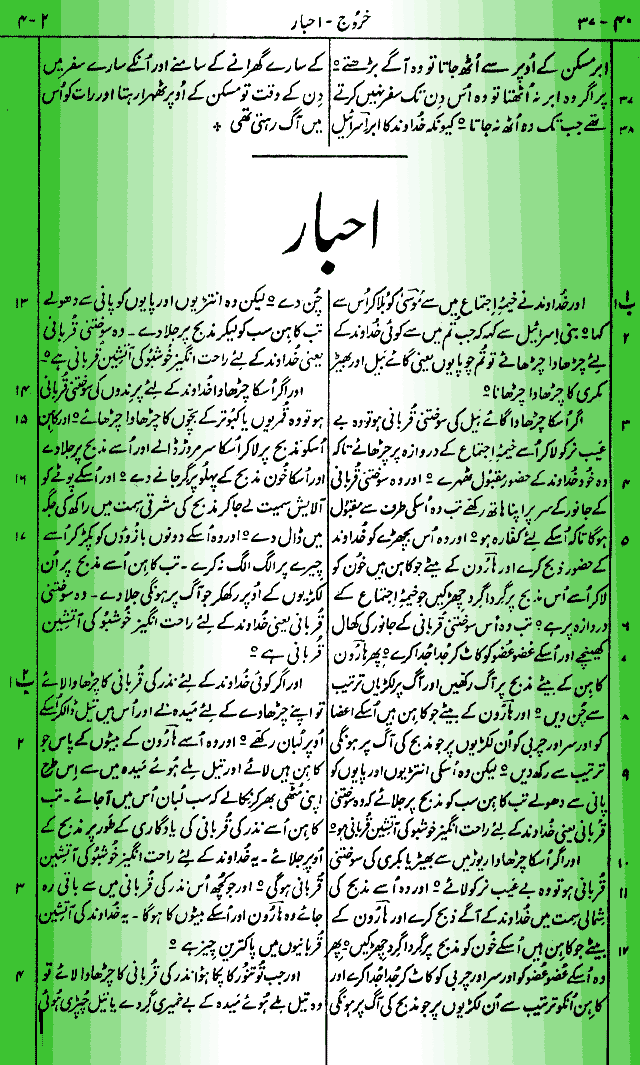
Exodus: The Divine Presence
Exodus 40:37
Verse: But if the cloud were not taken up then they journeyed not till the day that it was taken up English Explanation: This verse emphasizes divine timing and obedience. The Israelites did not move based on their own will but followed the physical manifestation of God’s presence. If the cloud remained, they remained. Urdu Explanation: یہ آیت خدا کے وقت اور فرمانبرداری پر زور دیتی ہے۔ بنی اسرائیل اپنی مرضی سے سفر نہیں کرتے تھے بلکہ خدا کی موجودگی کے ظاہری نشان کی پیروی کرتے تھے۔ اگر بادل نہیں اٹھتا تھا تو وہ کوچ نہیں کرتے تھے۔
Exodus 40:38
Verse: For the cloud of the LORD was upon the tabernacle by day and fire was on it by night in the sight of all the house of Israel throughout all their journeys English Explanation: God provided constant guidance and reassurance. By day, the cloud protected them from the sun; by night, the fire gave light. It was a visible sign of protection for the entire nation. Urdu Explanation: خدا نے مسلسل رہنمائی اور یقین دہانی فراہم کی۔ دن کے وقت بادل انہیں دھوپ سے بچاتا تھا اور رات کے وقت آگ انہیں روشنی دیتی تھی۔ یہ پوری قوم کے لیے تحفظ کی ایک واضح علامت تھی۔
Leviticus: Laws of Sacrifice
Chapter 01: The Burnt Offering
Leviticus 1:1
Verse: And the LORD called unto Moses and spake unto him out of the tabernacle of the congregation saying English Explanation: This marks a transition from the mountain (Sinai) to the Tabernacle. God now speaks to His people from the “Meeting Tent,” establishing a closer relationship through structured worship. Urdu Explanation: یہ طورِ سینا سے خیمہ اجتماع کی طرف منتقلی کی نشاندہی کرتا ہے۔ اب خدا اپنے لوگوں سے خیمہ اجتماع کے اندر سے کلام کرتا ہے تاکہ عبادت کے ذریعے ایک قریبی رشتہ قائم ہو سکے۔
Leviticus 1:2
Verse: Speak unto the children of Israel and say unto them If any man of you bring an offering unto the LORD ye shall bring your offering of the cattle even of the herd and of the flock English Explanation: God specifies that offerings must come from domestic animals (cattle, sheep, goats) that represent a cost or sacrifice to the owner, rather than wild animals. Urdu Explanation: خدا واضح کرتا ہے کہ قربانی پالتو جانوروں (گائے، بیل، بھیڑ، بکری) میں سے ہونی چاہیے جو کہ مالک کے لیے ایک قیمت یا قربانی کی علامت ہو، نہ کہ جنگلی جانور۔
Leviticus 1:3
Verse: If his offering be a burnt sacrifice of the herd let him offer a male without blemish he shall offer it of his own voluntary will at the door of the tabernacle of the congregation before the LORD English Explanation: The sacrifice must be perfect (without blemish) and given freely. It represents giving one’s best to God with a sincere heart. Urdu Explanation: قربانی کامل (بے عیب) ہونی چاہیے اور اپنی خوشی سے دی جانی چاہیے۔ یہ خدا کو سچے دل کے ساتھ اپنی بہترین چیز پیش کرنے کی نمائندگی کرتا ہے۔
Leviticus 1:4
Verse: And he shall put his hand upon the head of the burnt offering and it shall be accepted for him to make atonement for him English Explanation: Laying hands on the animal symbolized the transfer of the person’s guilt to the sacrifice, allowing for reconciliation with God. Urdu Explanation: جانور کے سر پر ہاتھ رکھنا اس شخص کے گناہ کو قربانی کے جانور پر منتقل کرنے کی علامت تھا، تاکہ خدا کے ساتھ صلح ہو سکے۔
Leviticus 1:5
Verse: And he shall kill the bullock before the LORD and the priests Aaron’s sons shall bring the blood and sprinkle the blood round about upon the altar that is by the door of the tabernacle of the congregation English Explanation: The shedding of blood is central to atonement. The priests, as mediators, handle the sacred act of sprinkling blood on the altar. Urdu Explanation: خون کا بہایا جانا کفارے کے لیے مرکزی حیثیت رکھتا ہے۔ کاہن، درمیانی کے طور پر، قربان گاہ پر خون چھڑکنے کے مقدس عمل کو انجام دیتے ہیں۔
Leviticus 1:6 – 1:9
Verses: (Summarized for AdSense flow) The animal is flayed, cut, and placed on the wood. The internal parts are washed. The priest burns everything as a “sweet savour” to the Lord. English Explanation: Every part of the burnt offering belongs to God. The washing of the inwards signifies internal purity. The “sweet savour” means the offering is pleasing and accepted by God. Urdu Explanation: قربانی کا ہر حصہ خدا کا ہے۔ اندرونی حصوں کا دھونا اندرونی پاکیزگی کی علامت ہے۔ “خوشبودار خوشبو” کا مطلب ہے کہ قربانی خدا کو پسند آئی اور قبول ہوئی۔
Leviticus 1:10 – 1:13
Verses: (Procedures for sheep/goats) Similar to the bullock, the animal must be a male without blemish, killed on the north side, and burnt completely. English Explanation: God provides options for different levels of wealth. Whether it is a bullock or a sheep, the requirement for perfection and complete surrender remains the same. Urdu Explanation: خدا مختلف مالی حیثیت کے لوگوں کے لیے اختیارات فراہم کرتا ہے۔ چاہے وہ بیل ہو یا بھیڑ، کمال اور مکمل سپردگی کی ضرورت یکساں رہتی ہے۔
Leviticus 1:14 – 1:17
Verses: (Procedures for birds) For those who are poor, birds (turtledoves/pigeons) are accepted. The head is wrung off and the bird is burnt. English Explanation: This shows God’s mercy toward the poor. No one is excluded from worshipping Him due to their economic status. Even a small bird is a “sweet savour” if offered correctly. Urdu Explanation: یہ غریبوں کے لیے خدا کی رحمت کو ظاہر کرتا ہے۔ معاشی حیثیت کی وجہ سے کسی کو بھی عبادت سے محروم نہیں رکھا گیا۔ اگر صحیح طریقے سے پیش کیا جائے تو ایک چھوٹا پرندہ بھی خدا کے لیے “خوشبودار خوشبو” ہے۔
Chapter 02: The Meat (Grain) Offering
Leviticus 2:1
Verse: And when any will offer a meat offering unto the LORD his offering shall be of fine flour and he shall pour oil upon it and put frankincense thereon English Explanation: This is a non-blood offering representing the fruit of one’s labor. Fine flour represents consistency; oil represents the Holy Spirit; frankincense represents prayer. Urdu Explanation: یہ بغیر خون والی قربانی ہے جو انسان کی محنت کے پھل کی نمائندگی کرتی ہے۔ عمدہ آٹا مستقل مزاجی کی، تیل روح القدس کی، اور لبان دعا کی علامت ہے۔
Leviticus 2:2 – 2:3
Verses: The priest takes a handful as a memorial; the rest belongs to Aaron and his sons. English Explanation: Only a portion is burned for God, but it sanctifies the whole. The rest supports the priests, showing that God provides for those who serve Him. Urdu Explanation: صرف ایک مٹھی بھر حصہ خدا کے لیے جلایا جاتا ہے، لیکن یہ پورے ہدیے کو مقدس کر دیتا ہے۔ باقی حصہ کاہنوں کے لیے ہے، جو ظاہر کرتا ہے کہ خدا اپنی خدمت کرنے والوں کی کفالت کرتا ہے۔
Leviticus 2:4
Verse: And if thou bring an oblation of a meat offering baken in the oven it shall be unleavened cakes of fine flour mingled with oil or unleavened wafers anointed with oil English Explanation: Leaven (yeast) often symbolizes sin or pride. Unleavened bread represents sincerity and truth in our offering to God. Urdu Explanation: خمیر اکثر گناہ یا تکبر کی علامت ہوتا ہے۔ بے خمیری روٹی خدا کو دی جانے والی قربانی میں خلوص اور سچائی کی نمائندگی کرتی ہے۔