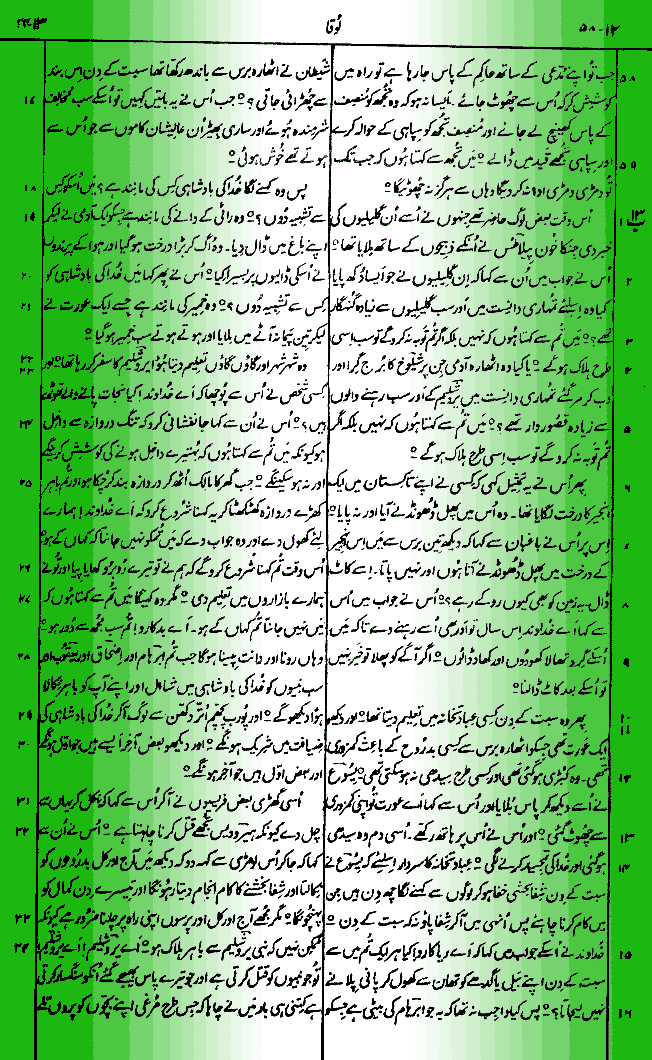
Luke Chapter 13: Verse-by-Verse Commentary & Explanation
Luke 13:1
-
Verse: There were present at that season some that told him of the Galilaeans whose blood Pilate had mingled with their sacrifices
-
English Explanation: This verse introduces a historical incident brought to Jesus by the crowd. Pontius Pilate, the Roman governor, had executed certain Galilean worshippers right inside the temple courts, mixing their actual blood with the blood of their sacrificial animals. The people bringing this news were subtly implying that these victims must have suffered such a horrific fate because they committed some hidden, terrible sins, reflecting the common mindset of the time that suffering is always a direct punishment for personal sin.
-
Urdu Explanation: اس آیت میں ایک تاریخی واقعے کا ذکر ہے جو لوگوں نے یسوع کو بتایا۔ روما کے گورنر پنطس پیلاطس نے کچھ گلیلی زائرین کو ہیکل میں عبادت کے دوران قتل کروا دیا تھا جس سے ان کا خون ان کی قربانیوں کے خون کے ساتھ مل گیا۔ لوگ یہ خبر اس سوچ کے ساتھ لائے تھے کہ شاید ان گلیلیوں نے کوئی بڑا گناہ کیا تھا جس کی وجہ سے ان پر یہ عبرتناک عذاب نازل ہوا کیونکہ اس دور میں لوگ ہر مصیبت کو ذاتی گناہ کا نتیجہ سمجھتے تھے۔
Luke 13:2
-
Verse: And Jesus answering said unto them Suppose ye that these Galilaeans were sinners above all the Galilaeans because they suffered such things
-
English Explanation: Jesus immediately confronts their flawed theological assumption. He asks them directly whether they truly believe these specific Galileans were morally worse than any other people living in Galilee just because they experienced a violent, tragic death. He challenges the self-righteous assumption that those who avoid tragedy are somehow holier than those who face it.
-
Urdu Explanation: یسوع نے فوراً ان کی اس غلط سوچ کو چیلنج کیا۔ انہوں نے پوچھا کہ کیا تم یہ سمجھتے ہو کہ وہ گلیلی جن پر یہ مصیبت آئی وہ گلیل کے باقی تمام لوگوں سے بڑے گنہگار تھے؟ یسوع یہاں واضح کر رہے ہیں کہ کسی پر اچانک آنے والی مصیبت اس بات کی دلیل نہیں ہوتی کہ وہ شخص دوسروں سے زیادہ گنہگار ہے۔
Luke 13:3
-
Verse: I tell you Nay but except ye repent ye shall all likewise perish
-
English Explanation: Jesus explicitly corrects the misconception with a firm “No”. Instead of focusing on the sins of the victims, Jesus shifts the focus back to His listeners. He delivers a universal warning: everyone is a sinner in need of divine forgiveness, and unless they personally repent of their sins, they will experience a similar catastrophic spiritual destruction.
-
Urdu Explanation: یسوع نے صاف الفاظ میں کہا “نہیں۔” انہوں نے مرنے والوں کے گناہوں کا فیصلہ کرنے کے بجائے سننے والوں کو اپنی فکر کرنے کی دعوت دی۔ انہوں نے خبردار کیا کہ اگر تم توبہ نہیں کرو گے تو تم سب بھی اسی طرح ہلاک ہو جاؤ گے۔ یہ جسمانی موت سے زیادہ روحانی ہلاکت اور ابدی عدالت کی طرف اشارہ ہے۔
Luke 13:4
-
Verse: Or those eighteen upon whom the tower in Siloam fell and slew them think ye that they were sinners above all men that dwelt in Jerusalem
-
English Explanation: To reinforce His point, Jesus brings up another recent, well-known tragedy that did not involve human malice but a sudden structural accident. A tower in the district of Siloam collapsed, killing eighteen individuals. Jesus asks if these victims were worse offenders or debtors to God than anyone else living comfortably in Jerusalem.
-
Urdu Explanation: اپنی بات کو مزید واضح کرنے کے لیے یسوع نے ایک اور حالیہ حادثے کی مثال دی جو کسی انسانی ظلم کا نہیں بلکہ ایک حادثہ تھا۔ سلوام کا برج گرنے سے اٹھارہ افراد دب کر مر گئے تھے۔ یسوع نے پوچھا کہ کیا تم یہ سوچتے ہو کہ وہ لوگ یروشلیم کے باقی تمام باشندوں سے زیادہ قصوروار یا گنہگار تھے؟
Luke 13:5
-
Verse: I tell you Nay but except ye repent ye shall all likewise perish
-
Explanation (English): Jesus repeats His urgent warning verbatim for emphasis. Tragedy is not a metric to judge another person’s standing with God; rather, it is a reminder of the fragility of human life and the absolute necessity of urgent, personal repentance before it is too late.
-
Urdu Explanation: یسوع نے اپنی بات پر زور دینے کے لیے انہی الفاظ کو دوبارہ دہرایا کہ “نہیں۔ لیکن اگر تم توبہ نہ کرو گے تو تم سب بھی اسی طرح ہلاک ہو جاؤ گے۔” حادثات ہمیں دوسروں کا فیصلہ کرنے کا نہیں بلکہ اپنی زندگیوں کو خدا کے حضور درست کرنے کا موقع فراہم کرتے ہیں۔
Luke 13:6
-
Verse: He spake also this parable A certain man had a fig tree planted in his vineyard and he came and sought fruit thereon and found none
-
English Explanation: To illustrate the urgency of repentance and God’s expectations, Jesus shares the parable of the barren fig tree. The owner of the vineyard represents God, and the fig tree represents the nation of Israel (and by extension, any individual believer). The owner expects the tree to produce fruit—which symbolizes righteousness, justice, and repentance—but finds it completely empty.
-
Urdu Explanation: توبہ کی اہمیت اور خدا کے انتظار کو سمجھانے کے لیے یسوع نے بانجھ انجیر کے درخت کی تمثیل سنائی۔ ایک شخص (جو خدا کی علامت ہے) نے اپنے انگور کے باغ میں انجیر کا درخت لگایا۔ وہ اس امید پر آیا کہ درخت پھل لائے گا (جو کہ راستبازی اور توبہ کی علامت ہے) لیکن اسے کوئی پھل نہ ملا۔
Luke 13:7
-
Verse: Then said he unto the dresser of his vineyard Behold these three years I come seeking fruit on this fig tree and find none cut it down why cumbereth it the ground
-
English Explanation: The owner expresses his righteous frustration to the gardener. For three consecutive years, he has checked on this tree and received nothing in return. Because it is failing its purpose and actively draining nutrients from the soil that other plants could use, he orders it to be chopped down. This represents God’s judgment on spiritual fruitlessness.
-
Urdu Explanation: باغ کے مالک نے مالی سے اپنی مایوسی کا اظہار کرتے ہوئے کہا کہ میں تین سال سے اس درخت پر پھل ڈھونڈنے آ رہا ہوں مگر کچھ نہیں ملتا۔ اسے کاٹ ڈال کیونکہ یہ بلاوجہ زمین کو بھی گھیر رہا ہے اور اس کی غذائیت ضائع کر رہا ہے۔ یہ خدا کی طرف سے بے ثمر زندگیوں پر آنے والی عدالت کو ظاہر کرتا ہے۔
Luke 13:8
-
Verse: And he answering said unto him Lord let it alone this year also till I shall dig about it and dung it
-
English Explanation: The dresser of the vineyard, acting as an intercessor (representing Jesus’ grace and intercession), pleads for mercy and patience. He asks for just one more year, promising to give the tree special, intensive care—loosening the soil around its roots and applying fertilizer to stimulate growth.
-
Urdu Explanation: باغ کے مالی نے (جو یسوع کی شفاعت اور فضل کو ظاہر کرتا ہے) رحم کی درخواست کی اور مہلت مانگی۔ اس نے کہا کہ مالک اسے اس سال بھی رہنے دے تاکہ میں اس کے گرد تھاولا بناؤں اور کھاد ڈالوں تاکہ اسے پھل لانے کا آخری موقع مل سکے۔
Luke 13:9
-
Verse: And if it bear fruit well and if not then after that thou shalt cut it down
-
English Explanation: The gardener agrees that God’s grace has a timeframe. If the extra care results in fruit, the tree is saved. If it remains stubborn and barren despite the renewed effort, then it will face destruction. This teaches that God is immensely patient, but His mercy must not be taken for granted, as judgment will eventually arrive.
-
Urdu Explanation: مالی نے حتمی فیصلہ مالک پر چھوڑتے ہوئے کہا کہ اگر یہ اگلی بار پھل لائے تو بہت اچھا اور اگر پھر بھی پھل نہ لائے تو اسے کاٹ دینا۔ یہ ظاہر کرتا ہے کہ خدا کا فضل اور صبر بے انتہا ہے لیکن توبہ کے لیے ملا ہوا وقت محدود ہے؛ اگر انسان پھر بھی نہ بدلے تو عدالت یقینی ہے۔
Luke 13:10
-
Verse: And he was teaching in one of the synagogues on the sabbath
-
English Explanation: The setting changes to a Jewish synagogue during the holy day of rest, the Sabbath. Jesus is fulfilling His ministry as a teacher, utilizing the community space to instruct people in the true meaning of God’s law.
-
Urdu Explanation: یہاں سے منظر بدلتا ہے اور یسوع سبت کے مقدس دن (آرام کے دن) ایک عبادت گاہ میں تعلیم دے رہے ہیں۔ وہ خدا کے کلام کی حقیقی روح سکھانے کے لیے اس مذہبی اجتماع کا استعمال کر رہے تھے۔
Luke 13:11
-
Verse: And behold there was a woman which had a spirit of infirmity eighteen years and was bowed together and could in no wise lift up herself
-
English Explanation: Luke introduces a severely afflicted woman who had been suffering from a physical deformity caused by a demonic spirit of sickness for eighteen long years. She was completely bent over at the waist, unable to stand up straight or look upward, symbolizing long-term, inescapable suffering.
-
Urdu Explanation: یہاں ایک بیمار عورت کا ذکر آتا ہے جو اٹھارہ سال سے ایک کمزوری کی روح (بیمار کرنے والی بدروح) کی وجہ سے شدید معذور تھی۔ وہ اس حد تک جھکی ہوئی تھی کہ اپنے آپ کو بالکل سیدھا نہیں کر سکتی تھی، جو طویل اور بے بسی کی تکلیف کو ظاہر کرتا ہے۔
Luke 13:12
-
Verse: And when Jesus saw her he called her to him and said unto her Woman thou art loosed from thine infirmity
-
English Explanation: Driven by pure compassion, Jesus does not wait for her to ask for healing. He notices her, calls her out from the crowd, and pronounces her freedom with divine authority, declaring that she is liberated from the spiritual and physical bondage that had trapped her.
-
Urdu Explanation: یسوع نے کمالِ شفقت سے کام لیتے ہوئے اس عورت کے مانگنے کا انتظار بھی نہیں کیا۔ انہوں نے اسے دیکھا، اپنے پاس بلایا اور الٰہی اختیار کے ساتھ اعلان کیا “اے عورت، تو اپنی بیماری سے چھوٹ گئی۔” انہوں نے اسے اس طویل بندھن سے آزاد کر دیا۔
Luke 13:13
-
Verse: And he laid his hands on her and immediately she was made straight and glorified God
-
English Explanation: Jesus touches her physically, conveying immediate healing power. Instantly, her spine straightens out for the first time in nearly two decades. In overwhelming gratitude and joy, her immediate response is to praise and glorify God, recognizing the miraculous source of her healing.
-
Urdu Explanation: یسوع نے اپنے ہاتھ اس پر رکھے۔ فوری طور پر ان کی شفائیہ قدرت نے اثر کیا اور وہ عورت جو بیس سال سے جھکی ہوئی تھی، بالکل سیدھی کھڑی ہو گئی۔ اس نے اس معجزے پر خدا کا شکر ادا کیا اور اس کی تمجید کرنے لگی۔
Luke 13:14
-
Verse: And the ruler of the synagogue answered with indignation because that Jesus had healed on the sabbath day and said unto the people There are six days in which men ought to work in them therefore come and be healed and not on the sabbath day
-
English Explanation: Instead of rejoicing at this wonderful miracle, the leader of the synagogue reacts with intense legalistic anger because the healing took place on the Sabbath. Too cowardly to confront Jesus directly, he scolds the crowd, telling them there are six normal working days to seek healing, treating Jesus’ miracle as unlawful manual labor.
-
Urdu Explanation: اس عظیم معجزے پر خوش ہونے کے بجائے، عبادت گاہ کا سردار شدید غصے میں آ گیا کیونکہ یہ شفا سبت کے دن ملی تھی۔ اس میں اتنی ہمت نہیں تھی کہ یسوع سے براہِ راست بات کرے، اس لیے اس نے ہجوم کو ڈانٹتے ہوئے کہا کہ کام کرنے کے لیے چھ دن مقرر ہیں، ان میں آ کر شفا پاؤ، سبت کے دن نہ آؤ۔ اس نے شفا دینے کو ایک عام دنیاوی کام قرار دیا۔
Luke 13:15
-
Verse: The Lord then answered him and said Thou hypocrite doth not each one of you on the sabbath loose his ox or his ass from the stall and lead him away to watering
-
English Explanation: Jesus confronts the synagogue leader directly and calls him a hypocrite. He exposes their double standards by noting that any religious Jew would readily untie their livestock (an ox or a donkey) on the Sabbath and lead them out to drink water to prevent their animals from suffering.
-
Urdu Explanation: خداوند یسوع نے اسے سخت جواب دیا اور اسے “ریاکار” کہا۔ انہوں نے ان کے دہرے معیار کو بے نقاب کرتے ہوئے کہا کہ کیا تم میں سے ہر شخص سبت کے دن اپنے بیل یا گدھے کو تھان سے کھول کر پانی پلانے نہیں لے جاتا تاکہ جانور پیاسا نہ رہے؟
Luke 13:16
-
Verse: And ought not this woman being a daughter of Abraham whom Satan hath bound lo these eighteen years be loosed from this bond on the sabbath day
-
English Explanation: Jesus delivers a powerful argument: if animals deserve relief from thirst on the Sabbath, how much more does a human being—a descendant of Abraham and a covenant member—deserve to be liberated from an eighteen-year-old bondage imposed by Satan? The Sabbath is actually the perfect day for restoration and liberation.
-
Urdu Explanation: یسوع نے ایک لاجواب دلیل دی کہ اگر سبت کے دن جانوروں کو پیاس سے راحت دینا جائز ہے، تو پھر ابراہام کی اس بیٹی کو، جسے شیطان نے اٹھارہ سال سے جکڑ رکھا تھا، کیا سبت کے دن اس بندھن سے آزاد نہیں کرنا چاہیے تھا؟ سبت کا دن تو آزادی اور بحالی کا بہترین دن ہے۔
Luke 13:17
-
Verse: And when he had said these things all his adversaries were ashamed and all the people rejoiced for all the glorious things that were done by him
-
English Explanation: Jesus’ brilliant logic totally silences and humiliates His legalistic opponents. Meanwhile, the ordinary people, who were witness to His immense compassion and raw divine power, break out into celebration, rejoicing at all the miraculous deeds Jesus was performing.
-
Urdu Explanation: جب یسوع نے یہ باتیں کہیں تو ان کے تمام مخالفین شرمندہ ہو گئے اور ان کے پاس کوئی جواب نہ رہا۔ دوسری طرف، عام لوگ یسوع کی قدرت اور ان کے ہاتھوں ہونے والے شاندار معجزات کو دیکھ کر خوشی منا رہے تھے۔
Luke 13:18
-
Verse: Then said he Unto what is the kingdom of God like and whereunto shall I resemble it
-
English Explanation: Following His victory over the religious establishment, Jesus uses the momentum to teach about the nature of the Kingdom of God. He poses a rhetorical question to prompt His audience to imagine how God’s spiritual kingdom expands in the world.
-
Urdu Explanation: مذہبی رہنماؤں پر اخلاقی فتح پانے کے بعد، یسوع نے خدا کی بادشاہی کی نوعیت کے بارے میں سکھانا شروع کیا۔ انہوں نے سامعین کو سوچنے پر ابھارنے کے لیے ایک سوال کیا کہ خدا کی بادشاہی کس چیز کی مانند ہے اور میں اس کی تشبیہ کس سے دوں؟
Luke 13:19
-
Verse: It is like a grain of mustard seed which a man took and cast into his garden and it grew and waxed a great tree and the fowls of the air lodged in the branches of it
-
English Explanation: Jesus compares the Kingdom of God to a tiny mustard seed. Though it starts incredibly small and unnoticed, when planted, it grows exponentially until it becomes a massive tree that provides shelter and safety for birds. This signifies that the Kingdom of God started small with Jesus and a few disciples but would grow to encompass the whole world, offering shelter to all nations.
-
Urdu Explanation: یسوع نے خدا کی بادشاہی کو رائی کے چھوٹے سے دانے سے تشبیہ دی۔ اگرچہ یہ دانہ بہت چھوٹا اور معمولی لگتا ہے، لیکن جب اسے باغ میں بویا گیا تو وہ بڑھ کر ایک بڑا درخت بن گیا اور پرندوں نے اس کی ڈالیوں میں آشیانے بنائے۔ یہ ظاہر کرتا ہے کہ خدا کی بادشاہی کا آغاز چھوٹے پیمانے پر ہوا لیکن یہ پھیل کر پوری دنیا کو پناہ دے گی۔
Luke 13:20
-
Verse: And again he said Whereunto shall I liken the kingdom of God
-
English Explanation: Jesus asks a second rhetorical question, offering another everyday analogy to ensure His audience completely grasps the internal and transformative power of God’s spiritual kingdom.
-
Urdu Explanation: یسوع نے ایک بار پھر وہی سوال دہرایا تاکہ روزمرہ کی زندگی سے ایک اور مثال دے کر خدا کی بادشاہی کی اندرونی اور تبدیلی لانے والی طاقت کو اچھی طرح سمجھا سکیں۔
Luke 13:21
-
Verse: It is like leaven which a woman took and hid in three measures of meal till the whole was leavened
-
English Explanation: He compares the Kingdom to leaven (yeast) mixed into a large amount of flour. Although the yeast is invisible once mixed in, it works silently and completely transforms the entire batch of dough from the inside out. Similarly, the Kingdom of God works quietly within hearts to transform societies and individual lives thoroughly.
-
Urdu Explanation: انہوں نے فرمایا کہ وہ خمیر کی مانند ہے جسے کسی عورت نے لے کر تین پیمانے آٹے میں ملا دیا اور دیکھتے ہی دیکھتے وہ سارا آٹا خمیر ہو گیا۔ جیسے خمیر چھپ کر کام کرتا ہے مگر پورے آٹے کو بدل دیتا ہے، ویسے ہی خدا کی بادشاہی انسان کے اندر خاموشی سے کام کر کے پوری زندگی کو بدل دیتی ہے۔
Luke 13:22
-
Verse: And he went through the cities and villages teaching and journeying toward Jerusalem
-
English Explanation: Luke reminds the reader of the overarching geographic and prophetic direction of Jesus’ ministry. He is traveling determinedly toward Jerusalem—the place where He knows He will face rejection, crucifixion, and ultimate resurrection—while stopping to teach in every town and village along the way.
-
Urdu Explanation: لوقا یہاں یسوع کے سفر کے رخ کو یاد دلاتے ہیں کہ وہ تعلیم دیتے ہوئے اور یروشلیم کی طرف بڑھتے ہوئے مختلف شہروں اور گاوّں سے گزر رہے تھے۔ یروشلیم وہ جگہ تھی جہاں انہوں نے اپنے مشن کو پورا کرنا تھا یعنی مصلوب ہونا اور جی اٹھنا تھا۔
Luke 13:23
-
Verse: Then said one unto him Lord are there few that be saved And he said unto them
-
English Explanation: An anonymous traveler asks Jesus a popular theological question of that era: “Will only a small number of people be saved?” Instead of satisfying their curiosity with numbers or percentages, Jesus turns the question into a direct, practical challenge for everyone listening.
-
Urdu Explanation: راستے میں ایک شخص نے یسوع سے اس دور کا ایک مشہور مذہبی سوال پوچھا “اے خداوند، کیا نجات پانے والے تھوڑے ہیں؟” یسوع نے اعداد و شمار بتا کر اس کی تجسس پسندی کو پورا نہیں کیا، بلکہ اس بات کو ہر سننے والے کے لیے ایک عملی چیلنج بنا دیا۔
Luke 13:24
-
Verse: Strive to enter in at the strait gate for many I say unto you will seek to enter in and shall not be able
-
English Explanation: Jesus commands them to “strive” (which in Greek implies agonizing effort or wrestling) to enter through the narrow gate of salvation. He warns that many will desire or try to enter on their own terms when it is convenient for them, but they will fail because they lack genuine repentance and faith.
-
Urdu Explanation: یسوع نے فرمایا کہ “تنگ دروازے سے داخل ہونے کی جان فشانی (سخت کوشش) کرو۔” انہوں نے خبردار کیا کہ بہت سے لوگ اپنی مرضی اور آسانی کے مطابق داخل ہونے کی کوشش کریں گے لیکن داخل نہ ہو سکیں گے کیونکہ سچی توبہ کے بغیر نجات ممکن نہیں۔
Luke 13:25
-
Verse: When once the master of the house is risen up and hath shut to the door and ye begin to stand without and to knock at the door saying Lord Lord open unto us and he shall answer and say unto you I know you not whence ye are
-
English Explanation: Jesus gives a chilling warning about the finality of judgment. He compares God to a homeowner who eventually closes and locks the front door when time runs out. Those left outside will knock urgently, calling Him “Lord,” but the master will reject them, declaring that He does not recognize them or know their origins because they had no real relationship with Him.
-
Urdu Explanation: یسوع نے آخری عدالت کے ختم ہونے والے وقت کے بارے میں خبردار کیا۔ انہوں نے خدا کو گھر کے ایک مالک سے تشبیہ دی جو وقت پورا ہونے پر دروازہ بند کر دیتا ہے۔ باہر رہ جانے والے لوگ دہائیاں دیں گے اور کہیں گے “اے خداوند ہمارے لیے دروازہ کھول” لیکن مالک جواب دے گا کہ “میں تمہیں نہیں جانتا کہ تم کہاں کے ہو” کیونکہ ان کا مالک کے ساتھ کوئی حقیقی تعلق نہ تھا۔
Luke 13:26
-
Verse: Then shall ye begin to say We have eaten and drunk in thy presence and thou hast taught in our streets
-
English Explanation: Those locked out will try to plead their case based on casual, superficial proximity to Jesus. They will argue that they shared meals with Him and listened to His sermons in their public streets. This shows that knowing about Jesus or hanging around religious circles is not the same as knowing Him personally.
-
Urdu Explanation: باہر رہ جانے والے لوگ یسوع کے ساتھ اپنی ظاہری واقفیت کا واسطہ دیں گے۔ وہ کہیں گے کہ ہم نے تیرے سامنے کھایا پیا اور تو نے ہمارے بازاروں میں تعلیم دی۔ یہ ظاہر کرتا ہے کہ یسوع کے قریب ہونا یا صرف ان کی باتیں سننا ہی کافی نہیں، جب تک کہ دل تبدیل نہ ہو۔
Luke 13:27
-
Verse: But he shall say I tell you I know you not whence ye are depart from me all ye workers of iniquity
-
English Explanation: The master will firmly reiterate His rejection. Casual familiarity means nothing without life transformation. He condemns them as “workers of iniquity” (evildoers), ordering them to leave His presence because their unrepentant lives proved that they served sin rather than God.
-
Urdu Explanation: لیکن وہ مالک دوبارہ سختی سے کہے گا کہ میں تمہیں نہیں جانتا کہ تم کہاں کے ہو۔ “اے بدکارو، تم سب مجھ سے دور ہو جاؤ۔” ظاہری مذہبیت خدا کو دھوکہ نہیں دے سکتی؛ اگر زندگی میں گناہ موجود ہے تو وہ شخص رد کر دیا جائے گا۔
Luke 13:28
-
Verse: There shall be weeping and gnashing of teeth when ye shall see Abraham and Isaac and Jacob and all the prophets in the kingdom of God and you yourselves thrust out
-
English Explanation: Jesus describes the profound emotional and spiritual torment of hell—characterized by weeping (sorrow) and gnashing of teeth (regret and anger). The pain is magnified because these individuals will see the ancient patriarchs and prophets safe inside God’s kingdom, while they, who assumed they were automatic insiders, are forcefully thrown out.
-
Urdu Explanation: یسوع نے جہنم کے شدید دکھ اور پچھتاوے کو “رونا اور دانت پیسنا” کہا۔ ان کا دکھ اس وقت اور بڑھ جائے گا جب وہ ابراہام، اضحاق، یعقوب اور تمام نبیوں کو خدا کی بادشاہی میں دیکھیں گے، جبکہ وہ خود (جو خود کو وارث سمجھتے تھے) باہر نکال دیے جائیں گے۔
Luke 13:29
-
Verse: And they shall come from the east and from the west and from the north and from the south and shall sit down in the kingdom of God
-
English Explanation: Jesus explicitly predicts the inclusion of the Gentiles. People from every corner of the earth—East, West, North, and South—will accept the Gospel, enter the Kingdom, and enjoy the heavenly banquet, replacing the religious elites who rejected God’s invitation.
-
Urdu Explanation: یسوع نے پیشگوئی کی کہ دنیا کے چاروں کونوں یعنی پورب، پچھم، اتر اور دکن سے غیر قوموں کے لوگ آئیں گے اور ایمان لا کر خدا کی بادشاہی کی ضیافت میں شامل ہوں گے، جبکہ خود کو خدا کے خاص لوگ سمجھنے والے باہر رہ جائیں گے۔
Luke 13:30
-
Verse: And behold there are last which shall be first and there are first which shall be last
-
English Explanation: This is a famous spiritual paradox. The “first” (the religious leaders and Jewish insiders who had the first opportunity to believe) will find themselves “last” (rejected). Conversely, the “last” (the outcasts, sinners, and Gentiles who were far off) will respond in faith and end up “first” in the Kingdom of God.
-
Urdu Explanation: یہ ایک گہرا روحانی اصول ہے کہ “بہت سے جو پچھلے ہیں اگلے ہوں گے اور جو اگلے ہیں پچھلے ہوں گے۔” یعنی وہ غیر قومیں اور گنہگار جنہیں حقیر سمجھا جاتا تھا، ایمان لا کر پہلے نمبر پر آ جائیں گے اور وہ مذہبی رہنما جو خود کو سب سے آگے سمجھتے تھے، اپنے گھمنڈ کی وجہ سے سب سے پیچھے رہ جائیں گے۔
Luke 13:31
-
Verse: The same day there came certain of the Pharisees saying unto him Get thee out and depart hence for Herod will kill thee
-
English Explanation: A group of Pharisees approaches Jesus with a warning to leave the region immediately because King Herod Antipas intends to assassinate Him. While some Pharisees may have been genuinely concerned, it is highly likely they were trying to scare Jesus into fleeing toward Jerusalem where the Sanhedrin could trap Him.
-
Urdu Explanation: اسی دن کچھ فریسی یسوع کے پاس آئے اور کہنے لگے کہ یہاں سے نکل کر کہیں اور چلے جاؤ کیونکہ بادشاہ ہیرودیس تجھے قتل کرنا چاہتا ہے۔ ہو سکتا ہے کچھ فریسی خیرخواہی میں کہہ رہے ہوں، لیکن غالب امکان یہ ہے کہ وہ یسوع کو ڈرا کر وہاں سے بھگانا چاہتے تھے تاکہ وہ یروشلیم چلے جائیں جہاں ان کے لیے جال بچھایا گیا تھا۔
Luke 13:32
-
Verse: And he said unto them Go ye and tell that fox Behold I cast out devils and I do cures to day and to morrow and the third day I shall be perfected
-
English Explanation: Jesus refuses to show fear. He calls Herod a “fox”—a term indicating low cunning, weakness, and insignificance compared to God. Jesus declares that He operates on a divine schedule; He will continue driving out demons and performing healings today and tomorrow, and on the “third day” (meaning when God’s appointed time arrives), His mission will reach its perfect fulfillment.
-
Urdu Explanation: یسوع نے کسی خوف کا اظہار نہیں کیا بلکہ ہیرودیس کو ایک “لومڑی” کہا (جو مکاری اور بزدلی کی علامت ہے)۔ انہوں نے فرمایا کہ جاؤ اور اس لومڑی سے کہہ دو کہ میں خدا کے وقت کے مطابق آج اور کل بدروحوں کو نکالتا اور شفا دیتا رہوں گا، اور “تیسرے دن” (یعنی خدا کے مقررہ وقت پر) میرا مشن اپنی تکمیل کو پہنچے گا۔
Luke 13:33
-
Verse: Nevertheless I must walk to day and to morrow and the day following for it cannot be that a prophet perish out of Jerusalem
-
English Explanation: Jesus states that He must remain on His prophetic path without interruption. He highlights a tragic historical irony: Jerusalem is historically the place that kills God’s messengers. Therefore, He knows He is completely safe from Herod in Galilee, because His ultimate sacrifice is destined to happen in the holy city of Jerusalem.
-
Urdu Explanation: یسوع نے واضح کیا کہ مجھے بہرحال اپنے مقررہ راستے پر چلنا ہے کیونکہ یہ ناممکن ہے کہ کوئی نبی یروشلیم سے باہر ہلاک ہو۔ انہوں نے ایک تلخ تاریخی سچائی کی طرف اشارہ کیا کہ خدا کے نبیوں کو ہمیشہ یروشلیم میں ہی شہید کیا گیا، اس لیے وہ ہیرودیس کے علاقے میں محفوظ تھے کیونکہ ان کی قربانی یروشلیم میں ہونی تھی۔
Luke 13:34
-
Verse: O Jerusalem Jerusalem which killest the prophets and stonest them that are sent unto thee how often would I have gathered thy children together as a hen doth gather her brood under her wings and ye would not
-
English Explanation: Jesus expresses deep, anguished grief over the rebellious capital city. He laments how Jerusalem routinely executed and stoned God’s holy messengers. Using the beautiful, tender imagery of a mother hen fiercely protecting her chicks under her wings, Jesus reveals His divine desire to shelter and save them—but they stubbornly rejected His love.
-
Urdu Explanation: یہاں یسوع کا دل یروشلیم کے لیے تڑپ اٹھتا ہے۔ انہوں نے روتے ہوئے پکارا “اے یروشلیم، اے یروشلیم! جو نبیوں کو قتل کرتا ہے اور ان کو سنگسار کرتا ہے جو تیرے پاس بھیجے گئے۔” انہوں نے ایک مرغی کی مثال دی جو اپنے بچوں کو پروں تلے چھپا لیتی ہے۔ یسوع نے فرمایا کہ میں نے کتنی بار چاہا کہ تمہیں اپنی پناہ میں لے لوں، لیکن تم نے نہ چاہا۔
Luke 13:35
-
Verse: Behold your house is left unto you desolate and verily I say unto you Ye shall not see me until the time come when ye shall say Blessed is he that cometh in the name of the Lord
-
English Explanation: Because they rejected their Messiah, Jesus pronounces judgment upon them: their “house” (the temple and the city) will be left completely abandoned and spiritually desolate. He concludes with a prophetic declaration that they will not see Him again in His full glory until they are ready to welcome Him during His Second Coming with the Messianic praise: “Blessed is He who comes in the name of the Lord.”
-
Urdu Explanation: یسوع نے ان کے انکار کے باعث ان پر عدالت کا اعلان کرتے ہوئے فرمایا کہ دیکھو تمہارا گھر (ہیکل اور شہر) تمہارے لیے اجاڑ چھوڑا جاتا ہے۔ اور اب تم مجھے اس وقت تک ہرگز نہ دیکھو گے جب تک وہ وقت نہ آ جائے کہ تم کہو “مبارک ہے وہ جو خداوند کے نام سے آتا ہے۔” یہ ان کی بربادی اور مستقبل میں یسوع کی دوسری آمد کی طرف اشارہ ہے۔