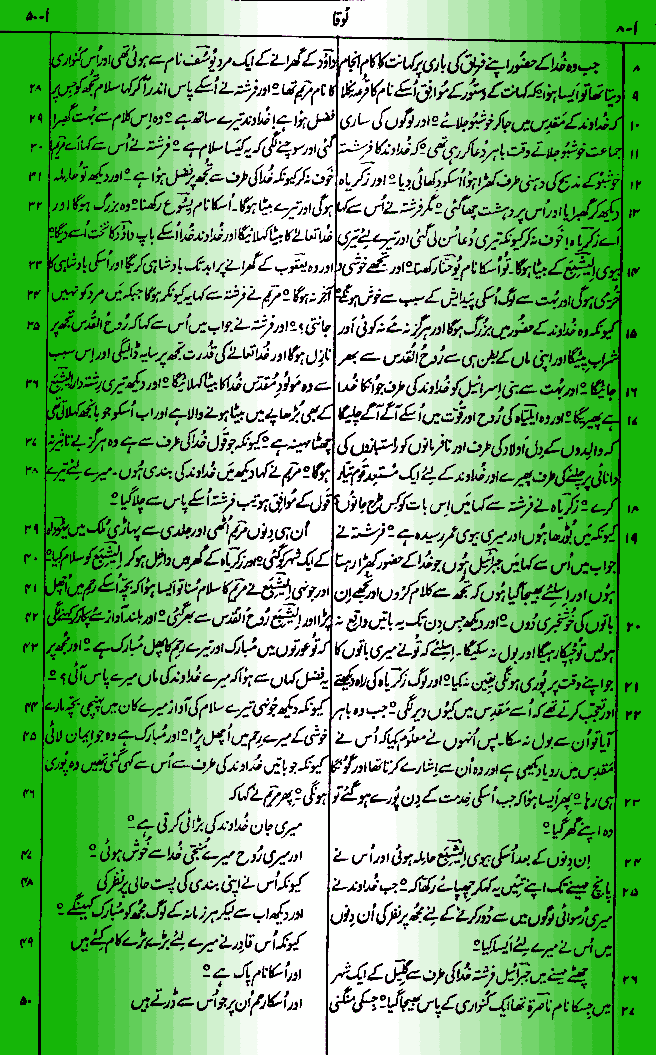
Verse-by-Verse Commentary (Luke 1:8–50)
Luke 1:8
-
Verse: And it came to pass that while he executed the priest’s office before God in the order of his course
-
English Explanation: This verse establishes the setting for the divine intervention. Zacharias, a faithful priest belonging to the division of Abijah, was diligently performing his appointed sacred duties in the Temple of God. It highlights that God often reveals His plans during the routine of faithful service.
-
Urdu Explanation: یہ آیت الہیٰ مداخلت کے پس منظر کو ظاہر کرتی ہے۔ زکریا جو ابیاہ کے گروہ سے ایک وفادار کاہن تھے خدا کی ہیکل میں اپنی مقررہ مقدس خدمات انجام دے رہے تھے۔ یہ اس بات کو واضح کرتا ہے کہ خدا اکثر وفادارانہ خدمت کے دوران ہی اپنے منصوبوں کو ظاہر کرتا ہے۔
Luke 1:9
-
Verse: According to the custom of the priest’s office his lot was to burn incense when he went into the temple of the Lord
-
English Explanation: Burning incense in the Holy Place was a rare, once-in-a-lifetime privilege determined by casting lots. Zacharias was chosen for this highly sacred task, positioning him in the exact place where God intended to speak to him.
-
Urdu Explanation: مقدس مقام پر بخور جلانا ایک نایاب اور زندگی میں ایک بار ملنے والا اعزاز تھا جس کا فیصلہ قرعہ اندازی کے ذریعے ہوتا تھا۔ زکریا کو اس انتہائی مقدس کام کے لیے چنا گیا تھا جس نے انہیں اسی جگہ پہنچا دیا جہاں خدا ان سے کلام کرنا چاہتا تھا۔
Luke 1:10
-
Verse: And the whole multitude of the people were praying without at the time of incense
-
English Explanation: While the priest offered incense inside, a large crowd of worshippers gathered outside, praying. The rising smoke of the incense symbolized the collective prayers of God’s people ascending to heaven.
-
Urdu Explanation: جب کاہن اندر بخور جلا رہا تھا تو باہر عبادت گزاروں کا ایک بڑا ہجوم جمع ہو کر دعا کر رہا تھا۔ بخور کا اٹھتا ہوا دھواں خدا کے لوگوں کی اجتماعی دعاؤں کی علامت تھا جو آسمان کی طرف جا رہی تھیں۔
Luke 1:11
-
Verse: And there appeared unto him an angel of the Lord standing on the right side of the altar of incense
-
English Explanation: The atmosphere shifts from ordinary ritual to supernatural reality. The angel Gabriel appears on the right side of the altar—a position traditionally associated with favor, authority, and good tidings.
-
Urdu Explanation: یہاں ماحول عام مذہبی رسم سے مافوق الفطرت حقیقت میں بدل جاتا ہے۔ فرشتہ جبرائیل قربان گاہ کے دائیں طرف ظاہر ہوا—یہ ایک ایسی پوزیشن ہے جو روایتی طور پر فضل، اختیار اور خوشخبری سے وابستہ ہے۔
Luke 1:12
-
Verse: And when Zacharias saw him he was troubled and fear fell upon him
-
English Explanation: Encountering the divine or supernatural naturally evokes human frailty. Zacharias was gripped with sudden anxiety and profound awe, overwhelmed by the majestic presence of the heavenly messenger.
-
Urdu Explanation: الہیٰ یا مافوق الفطرت طاقت کا سامنا کرنا قدرتی طور پر انسانی کمزوری کو ظاہر کرتا ہے۔ زکریا اچانک خوف اور گہری ہیبت کی گرفت میں آ گئے جو آسمانی فرشتے کی پروقار موجودگی کی وجہ سے پیدا ہوا تھا۔
Luke 1:13
-
Verse: But the angel said unto him Fear not Zacharias for thy prayer is heard and thy wife Elisabeth shall bear thee a son and thou shalt call his name John
-
English Explanation: The angel comforts Zacharias, reassuring him that God answers long-standing prayers. Despite their old age, Elisabeth would give birth to a son, whose name was specified by God as “John” (meaning “Yahweh is gracious”).
-
Urdu Explanation: فرشتے نے زکریا کو تسلی دی اور یقین دلایا کہ خدا طویل عرصے سے کی جانے والی دعاؤں کا جواب دیتا ہے۔ ان کے بڑھاپے کے باوجود الیصابات ایک بیٹے کو جنم دے گی جس کا نام خدا نے خود “یوحنا” مقرر کیا (جس کا مطلب ہے “خدا مہربان ہے”)۔
Luke 1:14
-
Verse: And thou shalt have joy and gladness and many shall rejoice at his birth
-
English Explanation: This birth would not only bring immense personal joy to the elderly parents but would also be a source of community-wide celebration because of the child’s vital role in salvation history.
-
Urdu Explanation: یہ پیدائش نہ صرف ان بوڑھے والدین کے لیے بے پناہ ذاتی خوشی کا باعث بنے گی بلکہ نجات کی تاریخ میں بچے کے اہم کردار کی وجہ سے پوری قوم کے لیے جشن کا باعث ہوگی۔
Luke 1:15
-
Verse: For he shall be great in the sight of the Lord and shall drink neither wine nor strong drink and he shall be filled with the Holy Ghost even from his mother’s womb
-
English Explanation: John’s greatness is defined by spiritual standards, not worldly power. Set apart under a lifelong Nazirite-like vow of abstinence, he would be uniquely empowered by the Holy Spirit from before his birth.
-
Urdu Explanation: یوحنا کی عظمت کا تعین دنیاوی طاقت سے نہیں بلکہ روحانی معیارات سے ہوتا ہے۔ پرہیزگاری کے تاحیات نذیر جیسے عہد کے تحت الگ کیے جانے کے باعث وہ اپنی پیدائش سے پہلے ہی سے روح القدس سے معمور ہوں گے۔
Luke 1:16
-
Verse: And many of the children of Israel shall he turn to the Lord their God
-
English Explanation: John’s primary mission was spiritual reformation. Through powerful preaching and a call to repentance, he would successfully lead many Israelites back into a true covenant relationship with God.
-
Urdu Explanation: یوحنا کا بنیادی مشن روحانی اصلاح تھا۔ اپنی پرکشش منادی اور توبہ کی پکار کے ذریعے وہ بہت سے اسرائیلیوں کو خدا کے ساتھ سچے عہد کے رشتے میں واپس لانے میں کامیاب ہوں گے۔
Luke 1:17
-
Verse: And he shall go before him in the spirit and power of Elias to turn the hearts of the fathers to the children and the disobedient to the wisdom of the just to make ready a people prepared for the Lord
-
English Explanation: Fulfilling Malachi’s prophecy, John would mirror the prophetic intensity and boldness of Elijah. His ministry focused on restoring broken family relationships and transforming rebellious hearts to spiritual wisdom, preparing society for the Messiah.
-
Urdu Explanation: ملاکی کی نبوت کو پورا کرتے ہوئے یوحنا ایلیاہ نبی کی روحانی شدت اور دلیری کی عکاسی کریں گے۔ ان کی وزارت کا مرکز ٹوٹے ہوئے خاندانی رشتوں کو بحال کرنا اور سرکش دلوں کو راستبازوں کی حکمت کی طرف موڑنا تھا تاکہ قوم کو مسیحا کے لیے تیار کیا جا سکے۔
Luke 1:18
-
Verse: And Zacharias said unto the angel Whereby shall I know this for I am an old man and my wife well stricken in years
-
English Explanation: Zacharias reacts with skepticism, looking at human biological limitations rather than divine omnipotence. He asks for a sign, failing to remember how God previously provided children to Abraham and Sarah in their old age.
-
Urdu Explanation: زکریا شک و شبہ کا اظہار کرتے ہیں اور الہیٰ قادرِ مطلق طاقت کے بجائے انسانی حیاتیاتی حدود کو دیکھتے ہیں۔ وہ ایک نشان مانگتے ہیں اور یہ بھول جاتے ہیں کہ خدا نے ماضی میں کس طرح ابراہیم اور سارہ کو ان کے بڑھاپے میں اولاد عطا کی تھی۔
Luke 1:19
-
Verse: And the angel answering said unto him I am Gabriel that stand in the presence of God and am sent to speak unto thee and to shew thee these glad tidings
-
English Explanation: The angel asserts his authority, revealing his identity as Gabriel, a high-ranking messenger who stands in God’s immediate presence. He emphasizes that his message is an official, joyful directive straight from heaven.
-
Urdu Explanation: فرشتہ اپنے اختیار کا اظہار کرتا ہے اور اپنی شناخت جبرائیل کے طور پر کرواتا ہے جو خدا کے حضور کھڑا رہنے والا ایک اعلیٰ درجہ کا پیغام رساں ہے۔ وہ اس بات پر زور دیتا ہے کہ اس کا پیغام براہِ راست آسمان سے ایک سرکاری اور خوشی کا فرمان ہے۔
Luke 1:20
-
Verse: And behold thou shalt be dumb and not able to speak until the day that these things shall be performed because thou believest not my words which shall be fulfilled in their season
-
English Explanation: Zacharias receives both a sign and a temporary disciplinary punishment. His inability to speak serves as a physical reflection of his lack of faith, showing that God’s promises will manifest strictly on His timeline regardless of human doubt.
-
Urdu Explanation: زکریا کو ایک نشان اور ایک عارضی تادیبی سزا دونوں ملتی ہیں۔ ان کا بولنے سے قاصر ہونا ان کی بے ایمانی کا ایک جسمانی عکس ہے جو یہ ظاہر کرتا ہے کہ خدا کے وعدے انسانی شک کے باوجود سختی سے اپنے وقت پر پورے ہوں گے۔
Luke 1:21
-
Verse: And the people waited for Zacharias and marvelled that he tarried so long in the temple
-
English Explanation: The standard incense offering was a brief ritual. The waiting crowd outside grew concerned and curious about the unusual delay, sensing that something extraordinary was occurring within the Holy Place.
-
Urdu Explanation: بخور جلانے کی عام رسم مختصر ہوتی تھی۔ باہر انتظار کرنے والا ہجوم اس غیر معمولی تاخیر پر فکر مند اور متجسس ہو گیا جس سے انہیں یہ احساس ہوا کہ مقدس مقام کے اندر کچھ غیر معمولی رونما ہو رہا ہے۔
Luke 1:22
-
Verse: And when he came out he could not speak unto them and they perceived that he had seen a vision in the temple for he beckoned unto them and remained speechless
-
English Explanation: Upon exiting, Zacharias was unable to pronounce the traditional priestly blessing over the congregation. Through his hand gestures and muteness, the crowd correctly deduced that he had encountered a profound heavenly vision.
-
Urdu Explanation: باہر نکلنے پر زکریا جماعت کو روایتی کاہن برکت دینے سے قاصر رہے۔ ان کے ہاتھ کے اشاروں اور خاموشی کے ذریعے ہجوم نے درست اندازہ لگایا کہ انہوں نے ہیکل میں ایک گہرا آسمانی رویا دیکھا ہے۔
Luke 1:23
-
Verse: And it came to pass that as soon as the days of his ministration were accomplished he departed to his own house
-
English Explanation: Despite his sudden inability to speak, Zacharias responsibly completed his remaining days of temple service. Once his division’s weekly duty concluded, he returned home to his family.
-
Urdu Explanation: اچانک بولنے کی طاقت کھو دینے کے باوجود زکریا نے ذمہ داری کے ساتھ ہیکل کی خدمت کے اپنے باقی دن پورے کیے۔ جب ان کے گروہ کی ہفتہ وار ڈیوٹی ختم ہو گئی تو وہ اپنے گھر واپس چلے گئے۔
Luke 1:24
-
Verse: And after those days his wife Elisabeth conceived and hid herself five months saying
-
English Explanation: God fulfilled His promise, and Elisabeth became pregnant in her old age. She chose seclusion for five months, likely for quiet reflection, safety, and to process this miraculous change in her life away from public scrutiny.
-
Urdu Explanation: خدا نے اپنا وعدہ پورا کیا اور الیصابات اپنے بڑھاپے میں حاملہ ہو گئیں۔ انہوں نے پانچ ماہ تک تنہائی اختیار کی جس کا مقصد شاید پرسکون غور و فکر، حفاظت اور عوامی نظروں سے دور اپنی زندگی میں اس معجزاتی تبدیلی کو سمجھنا تھا۔
Luke 1:25
-
Verse: Thus hath the Lord dealt with me in the days wherein he looked on me to take away my reproach among men
-
English Explanation: In ancient Jewish culture, childlessness was often viewed with societal stigma and shame. Elisabeth expresses deep personal gratitude to God for vindicating her and removing her social humiliation.
-
Urdu Explanation: قدیم یہودی ثقافت میں بے اولادی کو اکثر سماجی بدنامی اور شرمندگی کی نظر سے دیکھا جاتا تھا۔ الیصابات خدا کا گہرا شکریہ ادا کرتی ہیں کہ اس نے ان کی لاج رکھی اور ان کی سماجی ذلت کو دور کیا۔
Luke 1:26
-
Verse: And in the sixth month the angel Gabriel was sent from God unto a city of Galilee named Nazareth
-
English Explanation: The narrative shifts from the temple in Jerusalem to Nazareth, a humble and obscure town in Galilee. Gabriel is sent by God once again, linking the forerunner’s story to the birth of the Messiah.
-
Urdu Explanation: بیانیہ یروشلم کے ہیکل سے گلیل کے ایک عاجز اور غیر معروف قصبے ناصرت کی طرف منتقل ہوتا ہے۔ جبرائیل کو خدا کی طرف سے ایک بار پھر بھیجا گیا ہے جو یوحنا کی کہانی کو مسیحا کی پیدائش سے جوڑتا ہے۔
Luke 1:27
-
Verse: To a virgin espoused to a man whose name was Joseph of the house of David and the virgin’s name was Mary
-
English Explanation: Gabriel is sent to Mary, a young virgin legally betrothed to Joseph. Joseph’s lineage from King David is explicitly mentioned to emphasize the legal and prophetic fulfillment of the Messianic throne.
-
Urdu Explanation: جبرائیل کو مریم کے پاس بھیجا گیا جو ایک کنواری لڑکی تھیں اور یوسف نامی شخص سے منسوب تھیں۔ یوسف کا بادشاہ داؤد کے خاندان سے ہونا واضح طور پر بیان کیا گیا ہے تاکہ مسیحائی تخت کی قانونی اور نبوتی تکمیل پر زور دیا جا سکے۔
Luke 1:28
-
Verse: And the angel came in unto her and said Hail thou that art highly favoured the Lord is with thee blessed art thou among women
-
English Explanation: Gabriel greets Mary with immense honor, identifying her as one who has received abundant, unmerited divine grace. The presence and favor of God set her apart uniquely among all women.
-
Urdu Explanation: جبرائیل مریم کو بڑے احترام کے ساتھ سلام کرتا ہے اور ان کی شناخت ایک ایسی خاتون کے طور پر کرتا ہے جس نے وافر اور غیر مستحق الہیٰ فضل حاصل کیا ہے۔ خدا کی موجودگی اور فضل نے انہیں تمام عورتوں میں منفرد بنا دیا۔
Luke 1:29
-
Verse: And when she saw him she was troubled at his saying and cast in her mind what manner of salutation this should be
-
Explanation: Mary is deeply perplexed and introspective. Unlike Zacharias, who doubted the possibility of the message, Mary is humble and reflective, trying to understand the deeper spiritual significance of such an exalted greeting.
-
Urdu Explanation: مریم گہری الجھن اور سوچ میں پڑ گئیں۔ زکریا کے برعکس جنہوں نے پیغام کے امکان پر شک کیا تھا مریم عاجز اور فکر مند ہیں اور اس طرح کے عظیم الشان سلام کی گہری روحانی اہمیت کو سمجھنے کی کوشش کر رہی ہیں۔
Luke 1:30
-
Verse: And the angel said unto her Fear not Mary for thou hast found favour with God
-
English Explanation: Seeing her internal struggle, Gabriel immediately reassures her. He addresses her by name to offer personal comfort, confirming that she is safe and deeply cherished in the eyes of God.
-
Urdu Explanation: ان کی اندرونی کشمکش کو دیکھ کر جبرائیل نے فوراً انہیں تسلی دی۔ اس نے ذاتی سکون فراہم کرنے کے لیے انہیں نام لے کر پکارا اور اس بات کی تصدیق کی کہ وہ خدا کی نظر میں محفوظ اور انتہائی عزیز ہیں۔
Luke 1:31
-
Verse: And behold thou shalt conceive in thy womb and bring forth a son and shalt call his name JESUS
-
English Explanation: Gabriel delivers the core prophecy: Mary will miraculously conceive and bear a son. She is instructed to name Him “Jesus” (Yeshua, meaning “Yahweh saves”), defining His ultimate mission as the Savior of humanity.
-
Urdu Explanation: جبرائیل بنیادی نبوت پیش کرتا ہے کہ مریم معجزاتی طور پر حاملہ ہوں گی اور ایک بیٹے کو جنم دیں گی۔ انہیں حکم دیا گیا ہے کہ وہ ان کا نام “یسوع” رکھیں (جس کا مطلب ہے “خدا نجات دیتا ہے”) جو انسانیت کے نجات دہندہ کے طور پر ان کے حتمی مشن کا تعین کرتا ہے۔
Luke 1:32
-
Verse: He shall be great and shall be called the Son of the Highest and the Lord God shall give unto him the throne of his father David
-
English Explanation: This verse highlights Christ’s supreme identity and kingly heritage. He will not merely be a great prophet but the unique Son of God, inheriting the eternal Davidic covenant and establishing a divine monarchy.
-
Urdu Explanation: یہ آیت مسیح کی اعلیٰ ترین شناخت اور بادشاہانہ ورثے کو نمایاں کرتی ہے۔ وہ نہ صرف ایک عظیم نبی ہوں گے بلکہ خدا کے واحد بیٹے ہوں گے جو داؤد کے ابدی عہد کے وارث بنیں گے اور ایک الہیٰ سلطنت قائم کریں گے۔
Luke 1:33
-
Verse: And he shall reign over the house of Jacob for ever and of his kingdom there shall be no end
-
English Explanation: Jesus’ kingdom transcends worldly, temporary empires. His spiritual and ultimate physical reign over Israel (the house of Jacob) and the entire world is declared to be absolutely eternal and infinite.
-
Urdu Explanation: یسوع کی بادشاہی دنیاوی اور عارضی سلطنتوں سے بالاتر ہے۔ اسرائیل (یعقوب کے گھرانے) اور پوری دنیا پر ان کی روحانی اور حتمی جسمانی حکمرانی کو بالکل ابدی اور لامتناہی قرار دیا گیا ہے۔
Luke 1:34
-
Verse: Then said Mary unto the angel How shall this be seeing I know not a man
-
English Explanation: Mary’s question is based on biological facts, not lack of faith. Since she is an unmarried virgin, she asks about the mechanics of how this prophecy will unfold, displaying an honest desire for understanding.
-
Urdu Explanation: مریم کا سوال حیاتیاتی حقائق پر مبنی ہے نہ کہ ایمان کی کمی پر۔ چونکہ وہ ایک غیر شادی شدہ کنواری ہیں اس لیے وہ اس بات کے طریقہ کار کے بارے میں پوچھتی ہیں کہ یہ نبوت کیسے پوری ہوگی جو کہ سمجھنے کی سچی خواہش کو ظاہر کرتا ہے۔
Luke 1:35
-
Verse: And the angel answered and said unto her The Holy Ghost shall come upon thee and the power of the Highest shall overshadow thee therefore also that holy thing which shall be born of thee shall be called the Son of God
-
English Explanation: Gabriel explains the miracle of the Virgin Birth. It will not occur through human agency but through the creative, overshadowing power of the Holy Spirit. Because of this divine conception, the child is inherently holy and is the true Son of God.
-
Urdu Explanation: جبرائیل کنواری سے پیدائش کے معجزے کی وضاحت کرتا ہے۔ یہ انسانی عمل کے ذریعے نہیں بلکہ روح القدس کی تخلیقی اور سایہ فگن طاقت کے ذریعے ہوگا۔ اس الہیٰ حمل کی وجہ سے بچہ فطرتی طور پر پاک ہوگا اور خدا کا سچا بیٹا کہلائے گا۔
Luke 1:36
-
Verse: And behold thy cousin Elisabeth she hath also conceived a son in her old age and this is the sixth month with her who was called barren
-
English Explanation: To encourage Mary’s faith, Gabriel shares a secret sign: her relative Elisabeth is already six months pregnant despite her previous barrenness and advanced age. This serves as a tangible confirmation of God’s moving power.
-
Urdu Explanation: مریم کے ایمان کو بڑھانے کے لیے جبرائیل نے ایک خفیہ نشان شیئر کیا کہ ان کی رشتہ دار الیصابات اپنی سابقہ بانجھ پن اور زیادہ عمر کے باوجود پہلے ہی چھ ماہ کی حاملہ ہیں۔ یہ خدا کی قدرت کا ایک واضح ثبوت ہے۔
Luke 1:37
-
Verse: For with God nothing shall be impossible
-
English Explanation: This is the foundational truth underlying both miraculous births. God’s power is absolute; He is completely unrestricted by nature, human biology, or physical limitations.
-
Urdu Explanation: یہ دونوں معجزاتی پیدائشوں کے پیچھے بنیادی سچائی ہے۔ خدا کی قدرت مطلق ہے؛ وہ قدرت، انسانی حیاتیات، یا جسمانی حدود سے بالکل آزاد ہے۔
Luke 1:38
-
Verse: And Mary said Behold the handmaid of the Lord be it unto me according to thy word And the angel departed from her
-
English Explanation: Mary responds with complete, submissive faith and obedience. Defining herself as the Lord’s servant, she willingly accepts the social risks and cosmic responsibilities of the prophecy before Gabriel departs.
-
Urdu Explanation: مریم نے مکمل، فرمانبردارانہ ایمان اور اطاعت کے ساتھ جواب دیا۔ اپنے آپ کو خداوند کی خادمہ قرار دیتے ہوئے وہ جبرائیل کے جانے سے پہلے اس نبوت کے سماجی خطرات اور کائناتی ذمہ داریوں کو خوشی سے قبول کرتی ہیں۔
Luke 1:39
-
Verse: And Mary arose in those days and went into the hill country with haste into a city of Juda
-
English Explanation: Driven by excitement and the confirmation given by Gabriel, Mary immediately journeys southward to the rugged hill country of Judea to visit Elisabeth, seeking mutual comfort and fellowship.
-
Urdu Explanation: جوش و خروش اور جبرائیل کے دیے گئے ثبوت سے متاثر ہو کر مریم نے باہمی تسلی اور شراکت کی تلاش میں الیصابات سے ملنے کے لیے فوری طور پر یہودیہ کے پہاڑی علاقے کا سفر کیا۔
Luke 1:40
-
Verse: And entered into the house of Zacharias and saluted Elisabeth
-
English Explanation: Mary arrives at Zacharias’ home and greets Elisabeth. This simple, joyful meeting of two expecting mothers sets the stage for a dramatic, spirit-led confirmation of God’s grand plan.
-
Urdu Explanation: مریم نے زکریا کے گھر پہنچ کر الیصابات کو سلام کیا۔ دو امید سے ماؤں کی یہ سادہ اور خوشگوار ملاقات خدا کے عظیم منصوبے کی روح کے وسیلے سے تصدیق کا باعث بنتی ہے۔
Luke 1:41
-
Verse: And it came to pass that when Elisabeth heard the salutation of Mary the babe leaped in her womb and Elisabeth was filled with the Holy Ghost
-
English Explanation: As Mary greets Elisabeth, the unborn John the Baptist leaps for joy inside his mother’s womb, recognizing the presence of the Messiah inside Mary. Simultaneously, Elisabeth is filled with the Holy Spirit to prophesy.
-
Urdu Explanation: جیسے ہی مریم نے الیصابات کو سلام کیا، غیر مولود یوحنا بپتسمہ دینے والے نے مریم کے اندر مسیحا کی موجودگی کو پہچانتے ہوئے اپنی ماں کے رحم میں خوشی سے اچھل پڑا۔ اسی وقت الیصابات نبوت کرنے کے لیے روح القدس سے معمور ہو گئیں۔
Luke 1:42
-
Verse: And she spake out with a loud voice and said Blessed art thou among women and blessed is the fruit of thy womb
-
English Explanation: Inspired by the Holy Spirit, Elisabeth speaks with loud, passionate exclamation. She confirms Gabriel’s earlier words, pronouncing Mary as uniquely blessed among women due to the holy child she carries.
-
Urdu Explanation: روح القدس سے متاثر ہو کر الیصابات بلند آواز میں کلام کرتی ہیں۔ وہ جبرائیل کے پچھلے الفاظ کی تصدیق کرتی ہیں اور مریم کو ان کے پیٹ کے مقدس پھل کی وجہ سے عورتوں میں سب سے زیادہ مبارک قرار دیتی ہیں۔
Luke 1:43
-
Verse: And whence is this to me that the mother of my Lord should come to me
-
English Explanation: Elisabeth displays remarkable humility. Recognizing the immense superiority of Mary’s unborn child over her own, she feels deeply unworthy that the mother of her “Lord” (the Messiah) would visit her humble home.
-
Urdu Explanation: الیصابات قابلِ ذکر عاجزی کا مظاہرہ کرتی ہیں۔ اپنے بچے کے مقابلے میں مریم کے غیر مولود بچے کی بے پناہ برتری کو پہچانتے ہوئے وہ خود کو اس بات کے بالکل نااہل سمجھتی ہیں کہ ان کے “خداوند” (مسیحا) کی ماں ان کے عاجزانہ گھر آئیں۔
Luke 1:44
-
Verse: For lo as soon as the voice of thy salutation sounded in mine ears the babe leaped in my womb for joy
-
English Explanation: Elisabeth explains her exclamation by validating the supernatural response of her unborn child. The movement within her womb was not a normal kick, but a distinct, joyful, spiritual leap of recognition.
-
Urdu Explanation: الیصابات اپنے غیر مولود بچے کے مافوق الفطرت ردِعمل کی تصدیق کر کے اپنے اس بیان کی وضاحت کرتی ہیں۔ ان کے رحم کے اندر یہ حرکت ایک عام حرکت نہیں تھی بلکہ پہچان کی ایک واضح، خوش کن اور روحانی چھلانگ تھی۔
Luke 1:45
-
Verse: And blessed is she that believed for there shall be a performance of those things which were told her from the Lord
-
English Explanation: Elisabeth praises Mary’s faith, subtly contrasting it with her husband Zacharias’ initial doubt. She affirms that complete trust in God ensures the absolute fulfillment of His promises.
-
Urdu Explanation: الیصابات مریم کے ایمان کی تعریف کرتی ہیں اور لطیف انداز میں اس کا موازنہ اپنے شوہر زکریا کے ابتدائی شک سے کرتی ہیں۔ وہ اس بات کی تصدیق کرتی ہیں کہ خدا پر مکمل بھروسہ اس کے وعدوں کی یقینی تکمیل کا ضامن ہے۔
Luke 1:46
-
Verse: And Mary said My soul doth magnify the Lord
-
English Explanation: Mary begins her famous song of praise, known historically as the Magnificat. She declares that the deepest core of her being—her very soul—exalts and enlarges the honor and glory of God.
-
Urdu Explanation: مریم نے اپنی حمد کا مشہور گیت شروع کیا جسے تاریخ میں “میگنیفیکاٹ” کہا جاتا ہے۔ وہ اعلان کرتی ہیں کہ ان کے وجود کا سب سے گہرا حصہ—ان کی روح—خدا کے جلال اور عزت کی بڑائی کرتی ہے۔
Luke 1:47
-
Verse: And my spirit hath rejoiced in God my Saviour
-
English Explanation: Mary rejoices spiritually, explicitly recognizing God not just as King, but personally as her Savior. This reveals her profound understanding of her own need for God’s saving grace and redemption.
-
Urdu Explanation: مریم روحانی طور پر خوشی مناتی ہیں اور واضح طور پر خدا کو نہ صرف بادشاہ بلکہ ذاتی طور پر اپنے نجات دہندہ کے طور پر تسلیم کرتی ہیں۔ یہ خدا کے نجات بخش فضل اور مخلصی کی اپنی ضرورت کے بارے میں ان کے گہرے فہم کو ظاہر کرتا ہے۔
Luke 1:48
-
Verse: For he hath regarded the low estate of his handmaiden for behold from henceforth all generations shall call me blessed
-
English Explanation: Mary marvels at God’s choice to notice someone of humble, insignificant social status like herself. She recognizes that this divine selection will cause future generations to remember her as uniquely blessed.
-
Urdu Explanation: مریم خدا کے اس فیصلے پر حیران ہیں کہ اس نے اپنے جیسے عاجز اور غیر اہم سماجی حیثیت کے حامل شخص پر نظر کی۔ وہ تسلیم کرتی ہیں کہ یہ الہیٰ انتخاب آنے والی نسلوں کو انہیں منفرد طور پر مبارک کہنے کا سبب بنے گا۔
Luke 1:49
-
Verse: For he that is mighty hath done to me great things and holy is his name
-
English Explanation: Mary attributes the miracle entirely to God’s sovereign strength and grace, not her own merit. She declares that the Almighty has performed wonders in her life, concluding with praise for His pure, holy name.
-
Urdu Explanation: مریم اس معجزے کی پوری وجہ خدا کی حاکمانہ طاقت اور فضل کو قرار دیتی ہیں نہ کہ اپنی خوبیوں کو۔ وہ اعلان کرتی ہیں کہ قادرِ مطلق نے ان کی زندگی میں عجائب دکھائے ہیں اور اس کے پاک نام کی حمد کے ساتھ بات ختم کرتی ہیں۔
Luke 1:50
-
Verse: And his mercy is on them that fear him from generation to generation
-
English Explanation: Mary expands her scope from her personal story to a timeless spiritual principle. She proclaims that God’s covenant mercy is not temporary but continuously extends to all people who respect and reverently fear Him throughout human history.
-
Urdu Explanation: مریم اپنے دائرہ کار کو اپنی ذاتی کہانی سے بڑھا کر ایک لازوال روحانی اصول تک لے جاتی ہیں۔ وہ اعلان کرتی ہیں کہ خدا کی رحمدلی عارضی نہیں ہے بلکہ پوری انسانی تاریخ میں ان تمام لوگوں تک مسلسل پھیلتی رہتی ہے جو اس کا احترام اور خوف رکھتے ہیں۔