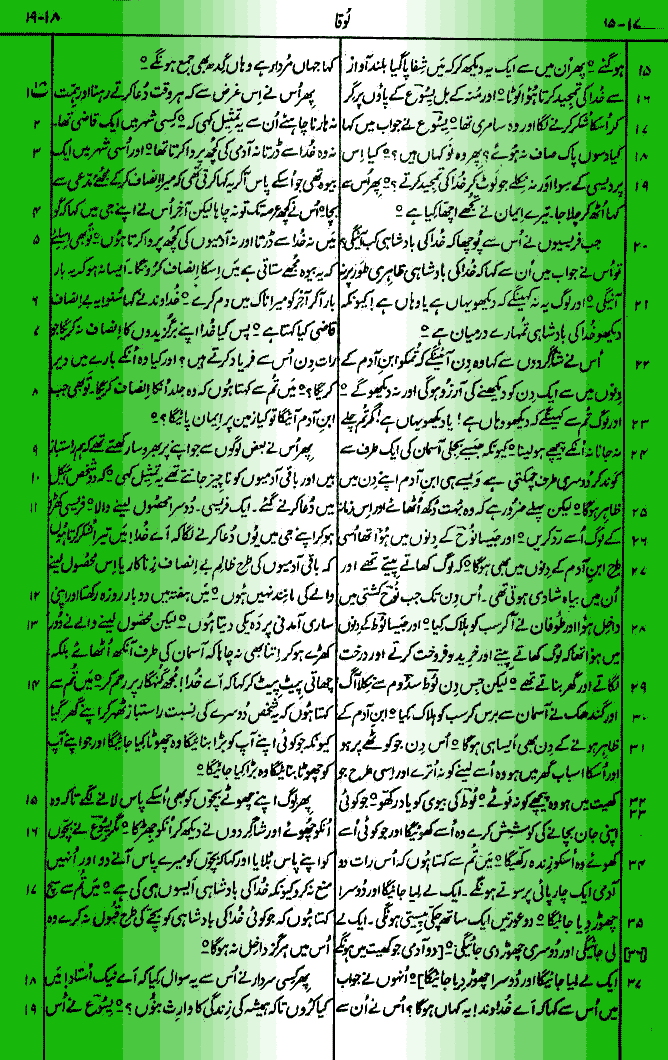
Luke Chapter 17 (Verses 15-37)
Luke 17:15
Verse (Punctuation Omitted): And one of them when he saw that he was healed turned back and with a loud voice glorified God
English Explanation: This verse highlights the immediate response of one of the ten cleansed lepers. Upon realizing his physical transformation, he did not rush off to resume his normal life. Instead, his heart was overwhelmed with profound gratitude, prompting him to return instantly to the source of his healing and praise God openly and loudly.
Urdu Explanation (اُردو تشریح): اس آیت میں ان دس کوڑھیوں میں سے ایک کے فوری ردعمل کو دکھایا گیا ہے۔ جب اس نے دیکھا کہ وہ بالکل ٹھیک ہو چکا ہے، تو وہ اپنی دنیاوی زندگی میں واپس بھاگنے کے بجائے فوراً پلٹا۔ اس کا دل شکرگزاری سے بھرا ہوا تھا اور اس نے اونچی آواز میں خدا کی تمجید اور تعریف کرنا شروع کر دی۔
Luke 17:16
Verse (Punctuation Omitted): And fell down on his face at his feet giving him thanks and he was a Samaritan
English Explanation: The man demonstrated supreme humility by throwing himself at the feet of Jesus. Luke intentionally includes a vital cultural detail: the man was a Samaritan. Samaritans were despised outcasts to the Jews, yet this marginalized individual displayed greater faith and appreciation than the others.
Urdu Explanation (اُردو تشریح): وہ شخص عاجزی کی انتہا کرتے ہوئے یسوع کے قدموں میں منہ کے بل گر پڑا اور ان کا شکر ادا کیا۔ لوقا یہاں ایک اہم سماجی نقطہ بیان کرتا ہے کہ وہ شخص سامری تھا۔ یہودی لوگ سامریوں کو حقیر سمجھتے تھے، لیکن اس غیر قوم کے شخص نے باقی نو کے مقابلے میں زیادہ ایمان اور شکرگزاری کا مظاہرہ کیا۔
Luke 17:17
Verse (Punctuation Omitted): And Jesus answering said Were there not ten cleansed but where are the nine
English Explanation: Jesus asks a rhetorical question that carries a tone of sorrowful disappointment. Ten men experienced a life-changing miracle, but ninety percent of them took the blessing and walked away without acknowledging the Giver. It serves as a warning against spiritual complacency and entitlement.
Urdu Explanation (اُردو تشریح): یسوع نے ایک ایسا سوال پوچھا جس میں ایک گہرا دکھ اور مایوسی چھپی تھی۔ دس آدمی اس بڑی بیماری سے پاک ہوئے تھے، لیکن ان میں سے نو برکت پانے کے بعد برکت دینے والے کو بھول گئے۔ یہ آیت ہمیں سکھاتی ہے کہ ہمیں خدا کی برکتوں کو معمولی نہیں سمجھنا چاہیے۔
Luke 17:18
Verse (Punctuation Omitted): There are not found that returned to give glory to God save this stranger
English Explanation: Jesus points out the irony that the only person who returned to honor God was a “stranger” (a foreigner or Samaritan). Those who were expected to know God and exhibit gratitude (the Jewish lepers) failed to do so, whereas an outsider recognized God’s hand at work.
Urdu Explanation (اُردو تشریح): یسوع نے اس بات کی طرف اشارہ کیا کہ خدا کا شکر ادا کرنے کے لیے صرف یہ ایک “پردیسی” (سامری) ہی واپس آیا۔ جن لوگوں سے یہ امید تھی کہ وہ خدا کی قدرت کو پہچانیں گے (یعنی یہودی کوڑھی)، وہ غائب تھے، جبکہ ایک غیر قوم کے شخص نے خدا کے جلال کو پہچانا۔
Luke 17:19
Verse (Punctuation Omitted): And he said unto him Arise go thy way thy faith hath made thee whole
English Explanation: While the other nine lepers received physical cleansing, this grateful Samaritan received something deeper. Jesus tells him that his faith has made him “whole”—implying spiritual salvation and restoration of the soul alongside physical healing.
Urdu Explanation (اُردو تشریح): جبکہ باقی نو کوڑھی صرف جسمانی طور پر پاک ہوئے تھے، اس شکرگزار سامری نے ایک گہری برکت پائی۔ یسوع نے اس سے کہا کہ تیرے ایمان نے تجھے شفا دی ہے (یا تجھے بچایا ہے)۔ اس کا مطلب یہ ہے کہ جسمانی شفا کے ساتھ ساتھ اسے روحانی نجات بھی مل گئی۔
Luke 17:20
Verse (Punctuation Omitted): And when he was demanded of the Pharisees when the kingdom of God should come he answered them and said The kingdom of God cometh not with observation
English Explanation: The Pharisees were looking for a visible, political kingdom that would overthrow Roman rule. Jesus corrects their misunderstanding by stating that the coming of God’s kingdom cannot be calculated by outward signs or political movements.
Urdu Explanation (اُردو تشریح): فریسی ایک ایسے ظاہری اور سیاسی ملکوت (بادشاہت) کے منتظر تھے جو انہیں رومی حکومت سے آزادی دلائے۔ یسوع نے ان کی اس غلط فہمی کو دور کرتے ہوئے فرمایا کہ خدا کی بادشاہت ظاہری علامات یا سیاسی تحریکوں کو دیکھ کر نہیں آتی۔
Luke 17:21
Verse (Punctuation Omitted): Neither shall they say Lo here or lo there for behold the kingdom of God is within you
English Explanation: Jesus explains that the kingdom of God is not a geographic location or a physical throne to point at. It is spiritual, active, and present “within” or “in the midst of” people through the presence of Christ and the operation of the Holy Spirit in human hearts.
Urdu Explanation (اُردو تشریح): یسوع نے وضاحت کی کہ خدا کی بادشاہت کوئی جغرافیائی جگہ یا ظاہری تخت نہیں ہے کہ لوگ کہیں کہ ‘دیکھو یہاں ہے’ یا ‘وہاں ہے’۔ خدا کی بادشاہت روحانی ہے اور وہ مسیح کی موجودگی اور انسانی دلوں میں روح القدس کے کام کے ذریعے “تمہارے درمیان” یا “تمہارے اندر” ہے۔
Luke 17:22
Verse (Punctuation Omitted): And he said unto the disciples The days will come when ye shall desire to see one of the days of the Son of man and ye shall not see it
English Explanation: Turning to His disciples, Jesus prepares them for times of future hardship. After He ascends, there will be seasons of intense persecution where believers will longingly wish for just one day of physical comfort and fellowship with Jesus, but they must endure without His physical presence.
Urdu Explanation (اُردو تشریح): اپنے شاگردوں کی طرف متوجہ ہو کر، یسوع انہیں مستقبل کی مشکلات کے لیے تیار کرتے ہیں۔ انہوں نے فرمایا کہ ایسے دن آئیں گے جب تم ظلم و ستم کے دور میں ابنِ آدم کے دنوں میں سے ایک دن دیکھنے کی تمنا کرو گے (یعنی یسوع کی ظاہری موجودگی کی خواہش کرو گے) مگر نہ دیکھو گے۔
Luke 17:23
Verse (Punctuation Omitted): And they shall say to you See here or see there go not after them nor follow them
English Explanation: Jesus warns against deception regarding His second coming. During difficult times, false prophets and false Christs will emerge, claiming that the Messiah has returned in secret locations. Jesus commands His followers not to be misled or run after them.
Urdu Explanation (اُردو تشریح): یسوع اپنے دوبارہ آنے کے حوالے سے دھوکے سے بچنے کی تاکید کرتے ہیں۔ انہوں نے فرمایا کہ لوگ تمہیں گمراہ کرنے کی کوشش کریں گے کہ ‘دیکھو وہ یہاں ہے’ یا ‘وہاں ہے’، لیکن تم ان کے پیچھے مت چلنا اور نہ ہی ان کی باتوں میں آنا۔
Luke 17:24
Verse (Punctuation Omitted): For as the lightning that lighteneth out of the one part under heaven shineth unto the other part under heaven so shall also the Son of man be in his day
English Explanation: The Second Coming of Christ will not be a secret event hidden in a room. It will be sudden, unmistakable, and visible to the entire world simultaneously, just like a flash of lightning that illuminates the whole sky from one end to the other.
Urdu Explanation (اُردو تشریح): مسیح کی دوسری آمد کوئی چھپا ہوا واقعہ نہیں ہوگی۔ یہ اچانک، بالکل واضح اور بیک وقت پوری دنیا کے سامنے ہوگی، جیسے بجلی چمکتی ہے تو آسمان کے ایک سرے سے دوسرے سرے تک سب کو نظر آتی ہے۔ ابنِ آدم کی آمد بھی ایسی ہی ہوگی۔
Luke 17:25
Verse (Punctuation Omitted): But first must he suffer many things and be rejected of this generation
English Explanation: Before Christ can enter into His final glory and establish His visible kingdom, His immediate mission involves suffering. He must endure the cross, bear the sins of humanity, and face total rejection by the people of His earthly era.
Urdu Explanation (اُردو تشریح): اس سے پہلے کہ مسیح اپنے پورے جلال کے ساتھ ظاہر ہوں اور اپنی بادشاہت قائم کریں، ان کا پہلا مقصد دکھ اٹھانا تھا۔ انہیں مصلوب ہونا تھا اور اس زمانے کے لوگوں کی طرف سے رد کیا جانا ضروری تھا تاکہ نجات کا منصوبہ پورا ہو سکے۔
Luke 17:26
Verse (Punctuation Omitted): And as it was in the days of Noe so shall it be also in the days of the Son of man
English Explanation: Jesus draws a parallel between the period leading up to His second coming and the days of Noah. The primary characteristic of that society was not just overt wickedness, but total spiritual blindness and apathy toward God’s warnings.
Urdu Explanation (اُردو تشریح): یسوع اپنی دوسری آمد کے دور کا موازنہ نوح کے دنوں سے کرتے ہیں۔ اس دور کی سب سے بڑی خرابی یہ تھی کہ لوگ روحانی طور پر بالکل اندھے ہو چکے تھے اور خدا کی طرف سے ملنے والی انتباہات سے بالکل بے پروا تھے۔
Luke 17:27
Verse (Punctuation Omitted): They did eat they drank they married wives they were given in marriage until the day that Noe entered into the ark and the flood came and destroyed them all
English Explanation: There is nothing inherently sinful about eating, drinking, or getting married. However, the tragedy of Noah’s generation was that they became so completely absorbed in the routine activities of daily life that they ignored God and the coming judgment until it was too late.
Urdu Explanation (اُردو تشریح): کھانا، پینا اور شادی بیاہ کرنا بذاتِ خود گناہ نہیں ہے۔ لیکن نوح کے زمانے کے لوگوں کا المیہ یہ تھا کہ وہ زندگی کے ان روزمرہ کے کاموں میں اتنے غرق ہو گئے کہ انہوں نے خدا کو بالکل فراموش کر دیا، یہاں تک کہ سیلاب آیا اور ان سب کو ہلاک کر دیا۔
Luke 17:28
Verse (Punctuation Omitted): Likewise also as it was in the days of Lot they did eat they drank they bought they sold they planted they builded
English Explanation: Jesus provides another historical example: the days of Lot in Sodom. The people were highly occupied with commerce, agriculture, and construction. They lived with a false sense of permanence and security, entirely detached from moral accountability.
Urdu Explanation (اُردو تشریح): یسوع نے ایک اور تاریخی مثال دی، یعنی سدوم میں لوط کے دن۔ لوگ تجارت، زراعت اور عمارات بنانے میں مصروف تھے۔ وہ ایک جھوٹی سیکیورٹی اور بے فکری کی زندگی گزار رہے تھے اور اپنی اخلاقی ذمہ داریوں سے بالکل غافل تھے۔
Luke 17:29
Verse (Punctuation Omitted): But the same day that Lot went out of Sodom it rained fire and brimstone from heaven and destroyed them all
English Explanation: The judgment upon Sodom was sudden and complete. As soon as Lot—the righteous remnant—was safely removed from the city, divine retribution fell instantly. This highlights that God’s judgment, though delayed by grace, is absolute when it arrives.
Urdu Explanation (اُردو تشریح): سدوم پر خدا کی عدالت اچانک اور حتمی تھی۔ جیسے ہی لوط اس شہر سے باہر نکلے، آسمان سے آگ اور گندھک برسی اور سب کو تباہ کر دیا۔ یہ ظاہر کرتا ہے کہ خدا کا انصاف اگرچہ فضل کی وجہ سے تاخیر کا شکار ہوتا ہے، لیکن جب آتا ہے تو ناگزیر ہوتا ہے۔
Luke 17:30
Verse (Punctuation Omitted): Even thus shall it be in the day when the Son of man is revealed
English Explanation: Jesus links these historical snapshots directly to the end times. When Christ returns, the unbelieving world will be caught completely off guard, deeply entrenched in their secular routines, unaware of the imminent divine reality unfolding around them.
Urdu Explanation (اُردو تشریح): یسوع ان تاریخی واقعات کو آخری ایام سے جوڑتے ہیں۔ جب ابنِ آدم ظاہر ہوگا، تو بے ایمان دنیا اسی طرح اپنے دنیاوی کاموں میں مگن ہوگی اور اچانک خدا کی عدالت کا سامنا کرے گی۔
Luke 17:31
Verse (Punctuation Omitted): In that day he which shall be upon the housetop and his stuff in the house let him not come down to take it away and he that is in the field let him likewise not return back
English Explanation: When the final hour arrives, earthly possessions will become entirely worthless. Jesus warns that there will be absolutely no time for material attachments. Trying to save possessions or turning back out of worldly concern will lead to ruin.
Urdu Explanation (اُردو تشریح): جب آخری وقت آئے گا، تو دنیاوی مال و اسباب کی کوئی قیمت نہیں رہے گی۔ یسوع خبردار کرتے ہیں کہ اس وقت مادی چیزوں سے دل لگانے کا وقت نہیں ہوگا۔ جو چھت پر ہو وہ سامان لینے نیچے نہ آئے، اور جو کھیت میں ہو وہ واپس نہ مڑے۔
Luke 17:32
Verse (Punctuation Omitted): Remember Lots wife
English Explanation: This short but piercing command serves as a stark warning. Lot’s wife was delivered from Sodom, but her heart remained attached to the city, causing her to look back in longing, which resulted in her immediate judgment. Believers must not harbor secret longings for a sinful world.
Urdu Explanation (اُردو تشریح): یہ مختصر لیکن انتہائی طاقتور آیت ایک عبرت ناک انتباہ ہے۔ لوط کی بیوی کو سدوم سے نجات تو مل رہی تھی، لیکن اس کا دل اسی شہر میں اٹکا ہوا تھا، جس کی وجہ سے اس نے پیچھے مڑ کر دیکھا اور نمک کا ستون بن گئی۔ ہمیں دنیاوی چیزوں سے دل نہیں لگانا چاہیے۔
Luke 17:33
Verse (Punctuation Omitted): Whosoever shall seek to save his life shall lose it and whosoever shall lose his life shall preserve it
English Explanation: Jesus presents a spiritual paradox. Those who obsess over protecting their earthly comfort, status, and survival at the cost of righteousness will ultimately lose eternal life. Conversely, those willing to surrender their lives completely for Christ will preserve it forever.
Urdu Explanation (اُردو تشریح): یسوع ایک روحانی اصول بیان کرتے ہیں کہ جو کوئی اپنی جان کو (دنیاوی آسائشوں اور سمجھوتوں کے ذریعے) بچانے کی کوشش کرے گا، وہ اسے کھو دے گا۔ لیکن جو کوئی مسیح کی خاطر اپنی جان کھوئے گا (قربانی دے گا)، وہ اسے ہمیشہ کے لیے محفوظ کر لے گا۔
Luke 17:34
Verse (Punctuation Omitted): I tell you in that night there shall be two men in one bed the one shall be taken and the other shall be left
English Explanation: This verse stresses the ultimate separation that will take place upon Christ’s return. Even those in the closest human relationships, sharing the exact same environment at night, will be separated based on their individual spiritual standing with God.
Urdu Explanation (اُردو تشریح): یہ آیت اس قطعی جدائی کو ظاہر کرتی ہے جو مسیح کی آمد پر ہوگی۔ یہاں تک کہ وہ لوگ جو قریبی ترین رشتوں میں ہوں گے اور ایک ہی بستر پر ہوں گے، ان میں سے ایک کو (نجات کے لیے) لے لیا جائے گا اور دوسرے کو چھوڑ دیا جائے گا۔
Luke 17:35
Verse (Punctuation Omitted): Two women shall be grinding together the one shall be taken and the other left
English Explanation: Continuing the theme of sudden separation, Jesus gives a daytime workplace example. Two women working side-by-side at a daily chore will experience entirely different destinies. Outward compliance or shared work does not guarantee personal salvation.
Urdu Explanation (اُردو تشریح): اچانک ہونے والی جدائی کی مثال کو جاری رکھتے ہوئے، یسوع دن کے وقت کام کرنے والی عورتوں کی مثال دیتے ہیں۔ دو عورتیں ایک ساتھ چکی پیس رہی ہوں گی، ایک لے لی جائے گی اور دوسری چھوڑ دی جائے گی۔ ظاہری طور پر ایک ساتھ کام کرنا نجات کی ضمانت نہیں ہے۔
Luke 17:36
Verse (Punctuation Omitted): Two men shall be in the field the one shall be taken and the other left
English Explanation: (Note: This verse is not found in some early manuscripts of Luke but is parallel to Matthew 24:40). It reinforces that while engaged in outdoor labor, individuals will be divided instantly based on their heart’s readiness for the Lord.
Urdu Explanation (اُردو تشریح): (نوٹ: یہ آیت بعض قدیم نسخوں میں موجود نہیں ہے لیکن متی 24:40 کے متوازی ہے)۔ یہ آیت اسی بات پر زور دیتی ہے کہ کھیت میں کام کرتے ہوئے بھی، انسانوں کے دلوں کی حالت کے مطابق انہیں فوراً ایک دوسرے سے الگ کر دیا جائے گا۔
Luke 17:37
Verse (Punctuation Omitted): And they answered and said unto him Where Lord And he said unto them Wheresoever the body is thither will the eagles be gathered together
English Explanation: When the disciples ask where this dramatic separation and judgment will occur, Jesus answers with a proverb. Just as eagles or vultures naturally and inevitably gather wherever a corpse is located, so will divine judgment automatically and visibly fall wherever spiritual death and sin are present.
Urdu Explanation (اُردو تشریح): جب شاگردوں نے پوچھا کہ ‘اے خداوند یہ کہاں ہوگا؟’ تو یسوع نے ایک تمثیلی جواب دیا کہ جہاں لاش ہوگی، وہیں عقاب (یا گدھ) جمع ہو جائیں گے۔ اس کا مطلب یہ ہے کہ جہاں کہیں روحانی موت اور گناہ موجود ہوگا، وہاں خدا کی عدالت کا ہونا ناگزیر اور ظاہر ہے۔
Luke Chapter 18 (Verses 1-19)
Luke 18:1
Verse (Punctuation Omitted): And he spake a parable unto them to this end that men ought always to pray and not to faint
English Explanation: Luke explicitly states the exact purpose of this parable: to teach the necessity of unceasing prayer. Believers must remain persistent in their communication with God and not lose heart, grow discouraged, or give up when answers seem delayed.
Urdu Explanation (اُردو تشریح): لوقا یہاں اس تمثیل کا اصل مقصد خود بیان کرتا ہے کہ انسان کو ہمیشہ دعا کرنی چاہیے اور ہمت نہیں ہارنی چاہیے۔ مومنین کو چاہیے کہ وہ خدا سے مانگنے میں مستقل مزاج رہیں اور جواب میں تاخیر دیکھ کر مایوس نہ ہوں۔
Luke 18:2
Verse (Punctuation Omitted): Saying There was in a city a judge which feared not God neither regarded man
English Explanation: Jesus introduces the antagonist of the parable: an unjust judge. This man lacks both spiritual accountability (he does not fear God) and social conscience (he does not care about public opinion or human suffering). He represents the absolute worst character for someone in authority.
Urdu Explanation (اُردو تشریح): یسوع تمثیل کے ایک کردار کو متعارف کراتے ہیں جو ایک غیر منصف قاضی (جج) ہے۔ اس شخص کے دل میں نہ تو خدا کا خوف ہے اور نہ ہی انسان کی پرواہ۔ وہ ایک ایسے سخت دل حاکم کی عکاسی کرتا ہے جس سے انصاف کی کوئی امید نہیں کی جا سکتی۔
Luke 18:3
Verse (Punctuation Omitted): And there was a widow in that city and she came unto him saying Avenge me of mine adversary
English Explanation: A widow in ancient times was a symbol of total vulnerability, lacking financial status or male legal protection. Facing an opponent who was taking advantage of her, her only recourse was to appeal to this indifferent judge for legal protection and justice.
Urdu Explanation (اُردو تشریح): قدیم زمانے میں بیوہ عورت انتہائی بے بس سمجھی جاتی تھی جس کا کوئی مالی یا قانونی سہارا نہیں ہوتا تھا۔ اس کا ایک مخالف اسے تنگ کر رہا تھا، اور انصاف پانے کے لیے اس کا واحد سہارا یہی بے پرواہ قاضی تھا جس کے پاس وہ اپنا حق مانگنے آئی۔
Luke 18:4
Verse (Punctuation Omitted): And he would not for a while but afterward he said within himself Though I fear not God nor regard man
English Explanation: Initially, the judge completely ignores her plight because he simply does not care. However, after prolonged pestering, he has an internal dialogue, proudly reaffirming his total lack of fear of God or respect for humanity.
Urdu Explanation (اُردو تشریح): شروع میں تو قاضی نے اس کی طرف کوئی توجہ نہ دی کیونکہ اسے کسی کی پرواہ نہیں تھی۔ لیکن جب وہ بار بار آتی رہی، تو اس نے اپنے دل میں سوچا اور اعتراف کیا کہ اگرچہ مجھے نہ تو خدا کا خوف ہے اور نہ انسان کا لحاظ۔
Luke 18:5
Verse (Punctuation Omitted): Yet because this widow troubleth me I will avenge her lest by her continual coming she weary me
English Explanation: The judge finally decides to grant her justice, not out of compassion or a desire for righteousness, but purely out of selfishness. He wants to stop her constant visits before she completely exhausts his patience and wears him down.
Urdu Explanation (اُردو تشریح): قاضی نے آخر کار اس بیوہ کو انصاف دینے کا فیصلہ کیا، لیکن رحم دلی کی وجہ سے نہیں بلکہ اپنے ذاتی سکون کے لیے۔ وہ اس کی روز روز کی آمد سے تنگ آ چکا تھا اور چاہتا تھا کہ کسی طرح اس سے جان چھوٹ جائے۔
Luke 18:6
Verse (Punctuation Omitted): And the Lord said Hear what the unjust judge saith
English Explanation: Jesus directs His listeners to pay close attention to the reasoning of this corrupt judge. This forms the baseline for an argument from the lesser to the greater: if an evil judge can be moved by persistence, how much more will a holy God respond?
Urdu Explanation (اُردو تشریح): یسوع نے اپنے سننے والوں سے فرمایا کہ غور کرو کہ اس غیر منصف قاضی نے کیا کہا۔ یہ مثال ہمیں چھوٹے سے بڑے اصول کی طرف لے جاتی ہے کہ اگر ایک برا انسان بار بار مانگنے پر سن سکتا ہے، تو پاک خدا کیوں نہ سنے گا؟
Luke 18:7
Verse (Punctuation Omitted): And shall not God avenge his own elect which cry day and night unto him though he bear long with them
English Explanation: Jesus contrasts the wicked judge with God. God is loving and perfectly just, and believers are His chosen, beloved children, not annoying strangers. If they cry out to Him continuously in their suffering, He will absolutely vindicate them, even if He appears to delay.
Urdu Explanation (اُردو تشریح): یسوع خدا کا موازنہ اس ظالم قاضی سے کرتے ہیں۔ خدا تو محبت کرنے والا اور عادل ہے، اور اس کے لوگ اس کے چنے ہوئے فرزند ہیں۔ جب وہ دن رات اس سے فریاد کرتے ہیں، تو خدا یقیناً ان کا انصاف کرے گا، خواہ وہ بظاہر کچھ دیر ہی کیوں نہ کرے۔
Luke 18:8
Verse (Punctuation Omitted): I tell you that he will avenge them speedily Nevertheless when the Son of man cometh shall he find faith on the earth
English Explanation: Jesus promises that God’s justice will arrive suddenly and swiftly when the time comes. However, He ends with a sobering rhetorical question: when He returns, will He find people who still possess this kind of persistent, enduring faith on earth?
Urdu Explanation (اُردو تشریح): یسوع وعدہ کرتے ہیں کہ خدا اپنے لوگوں کا انصاف جلد کرے گا۔ لیکن آخر میں انہوں نے ایک چونکا دینے والا سوال پوچھا کہ جب ابنِ آدم آئے گا، تو کیا وہ زمین پر ایسا مستقل مزاج اور زندہ ایمان پائے گا؟
Luke 18:9
Verse (Punctuation Omitted): And he spake this parable unto certain which trusted in themselves that they were righteous and despised others
English Explanation: Luke sets up the context for the next parable. It is aimed directly at those plagued with spiritual pride and self-righteousness—individuals who believed they were perfectly righteous by their own merits while looking down on everyone else with contempt.
Urdu Explanation (اُردو تشریح): لوقا اگلی تمثیل کا پس منظر بتاتا ہے۔ یہ تمثیل ان لوگوں کے لیے تھی جو اپنی ذات پر بھروسہ رکھتے تھے کہ وہ بہت راستباز ہیں، اور دوسرے انسانوں کو حقیر اور گنہگار سمجھتے تھے۔
Luke 18:10
Verse (Punctuation Omitted): Two men went up into the temple to pray the one a Pharisee and the other a publican
English Explanation: Jesus sets the scene in the temple with two contrasting figures: a Pharisee, who represented the peak of religious respectability and law-keeping, and a publican (tax collector), who was viewed as a traitor and a notorious sinner by society.
Urdu Explanation (اُردو تشریح): یسوع دو مختلف کرداروں کو ہیکل میں دعا کے لیے جاتے ہوئے دکھاتے ہیں۔ ایک فریسی تھا، جو مذہبی رسومات اور شریعت پر عمل کرنے میں سب سے آگے مانا جاتا تھا، اور دوسرا محصول لینے والا (ٹیکس وصول کرنے والا) تھا، جسے معاشرہ غدار اور گنہگار سمجھتا تھا۔
Luke 18:11
Verse (Punctuation Omitted): The Pharisee stood and prayed thus with himself God I thank thee that I am not as other men are extortioners unjust adulterers or even as this publican
English Explanation: The Pharisee’s prayer is not focused on God, but on his own ego. He stands confidently, thanking God not for His grace, but because he views himself as superior to common sinners, explicitly using the nearby tax collector as a benchmark for his own excellence.
Urdu Explanation (اُردو تشریح): فریسی کی دعا خدا کی تعریف میں نہیں بلکہ اپنی تعریف میں تھی۔ وہ کھڑا ہو کر اپنے دل میں کہنے لگا کہ ‘اے خدا میں تیرا شکر کرتا ہوں کہ میں باقی لوگوں کی طرح ظالم، بے انصاف اور زانی نہیں ہوں، اور نہ ہی اس محصول لینے والے کی طرح ہوں’۔
Luke 18:12
Verse (Punctuation Omitted): I fast twice in the week I give tithes of all that I possess
English Explanation: The Pharisee boasts about his religious credentials, going well beyond what the law strictly required (fasting twice a week instead of once a year, and tithing everything). He believes his outward performance obligates God to approve of him.
Urdu Explanation (اُردو تشریح): وہ فریسی اپنے مذہبی اعمال پر فخر کا اظہار کرتا ہے کہ وہ ہفتے میں دو بار روزہ رکھتا ہے اور اپنی پوری کمائی کا دسواں حصہ (دہ یکی) دیتا ہے۔ وہ سمجھتا تھا کہ اس کے یہ اعمال اسے خدا کی نظر میں مقبول بناتے ہیں۔
Luke 18:13
Verse (Punctuation Omitted): And the publican standing afar off would not lift up so much as his eyes unto heaven but smote upon his breast saying God be merciful to me a sinner
English Explanation: In stark contrast, the tax collector displays genuine repentance. He stands at a distance, feeling unworthy to even look up toward heaven. Beating his chest in deep sorrow, he offers a raw, honest plea for mercy based entirely on God’s character, acknowledging his status as a sinner.
Urdu Explanation (اُردو تشریح): اس کے برعکس، محصول لینے والے نے سچی توبہ کا مظاہرہ کیا۔ وہ دور کھڑا رہا اور شرمندگی کے مارے آسمان کی طرف آنکھ اٹھانا بھی گوارا نہ کیا۔ اس نے چھاتی پیٹ پیٹ کر کہا ‘اے خدا! مجھ گنہگار پر رحم کر’۔ اس نے اپنی راستبازی کا نہیں بلکہ اپنے گناہ کا اعتراف کیا۔
Luke 18:14
Verse (Punctuation Omitted): I tell you this man went down to his house justified rather than the other for every one that exalteth himself shall be abased and he that humbleth himself shall be exalted
English Explanation: Jesus delivers a shocking verdict to His audience: the despised sinner was justified (declared righteous) before God, while the religious elite was not. He establishes a foundational kingdom law: pride leads to humiliation, but genuine humility leads to divine exaltation.
Urdu Explanation (اُردو تشریح): یسوع نے اپنے سننے والوں کو حیران کن سچائی بتائی کہ وہ گنہگار شخص (محصول لینے والا) فریسی کے مقابلے میں راستباز ٹھہر کر اپنے گھر گیا۔ کیونکہ جو کوئی اپنے آپ کو بڑا بنائے گا وہ چھوٹا کیا جائے گا، اور جو اپنے آپ کو عاجز بنائے گا وہ بڑا کیا جائے گا۔
Luke 18:15
Verse (Punctuation Omitted): And they brought unto him also infants that he would touch them but when his disciples saw it they rebuked them
English Explanation: Parents brought their infants to Jesus for a blessing. The disciples viewed this as an interruption to Jesus’ valuable teaching time and scolded the parents, reflecting the cultural mindset that children held little societal importance or spiritual capacity.
Urdu Explanation (اُردو تشریح): لوگ اپنے چھوٹے بچوں کو یسوع کے پاس لائے تاکہ وہ ان پر ہاتھ رکھ کر برکت دیں۔ لیکن شاگردوں نے اسے یسوع کے قیمتی وقت کا ضیاع سمجھا اور لانے والوں کو ڈانٹا، کیونکہ اس دور میں بچوں کو سماجی طور پر زیادہ اہمیت نہیں دی جاتی تھی۔
Luke 18:16
Verse (Punctuation Omitted): But Jesus called them unto him and said Suffer little children to come unto me and forbid them not for of such is the kingdom of God
English Explanation: Jesus immediately steps in to correct His disciples. He commands them to let the children come to Him freely. He declares that the kingdom of God belongs to those who possess the essential qualities of these children: dependence, humility, and trust.
Urdu Explanation (اُردو تشریح): یسوع نے فوراً شاگردوں کو روکا اور بچوں کو اپنے پاس بلا کر فرمایا کہ ‘بچوں کو میرے پاس آنے دو اور انہیں مت روکو کیونکہ خدا کی بادشاہت ایسوں ہی کی ہے’۔ انہوں نے بتایا کہ خدا کی بادشاہت پانے کے لیے بچوں جیسی معصومیت اور عاجزی درکار ہے۔
Luke 18:17
Verse (Punctuation Omitted): Verily I say unto you Whosoever shall not receive the kingdom of God as a little child shall in no wise enter therein
English Explanation: Jesus clarifies that entering God’s kingdom requires an attitude adjustment. A person cannot enter through intellectual pride, achievements, or merit. One must receive God’s grace with the absolute helplessness, open-ended trust, and simplicity of a toddler.
Urdu Explanation (اُردو تشریح): یسوع نے واضح کیا کہ خدا کی بادشاہت میں داخل ہونے کے لیے انسان کا رویہ کیسا ہونا چاہیے۔ انہوں نے فرمایا کہ جو کوئی خدا کی بادشاہت کو ایک چھوٹے بچے کی طرح قبول نہ کرے، وہ اس میں ہرگز داخل نہ ہوگا۔ یعنی خدا کے فضل پر مکمل بھروسہ اور عاجزی لازمی ہے۔
Luke 18:18
Verse (Punctuation Omitted): And a certain ruler asked him saying Good Master what shall I do to inherit eternal life
English Explanation: A wealthy, young influential ruler approaches Jesus with the ultimate question about inheriting eternal life. However, his phrasing (“what shall I do“) reveals his underlying theological assumption that eternal life is a reward earned through human efforts and performance.
Urdu Explanation (اُردو تشریح): ایک نوجوان اور دولت مند حاکم نے یسوع کے پاس آ کر سب سے بڑا سوال پوچھا کہ ‘اے نیک استاد! میں کیا کروں کہ ہمیشہ کی زندگی کا وارث بنوں؟’ اس کے سوال سے ظاہر ہوتا ہے کہ وہ سمجھتا تھا کہ ہمیشہ کی زندگی اچھے اعمال کے ذریعے کما کر حاصل کی جاتی ہے۔
Luke 18:19
Verse (Punctuation Omitted): And Jesus said unto him Why callest thou me good none is good save one that is God
English Explanation: Jesus does not deny His own divinity; rather, He challenges the ruler’s casual use of the word “good.” Jesus wants him to realize the weight of his statement: if only God is truly good, and Jesus is truly good, then the ruler must recognize Jesus as God incarnate, not just a human teacher.
Urdu Explanation (اُردو تشریح): یسوع نے اپنی الہیت کا انکار نہیں کیا، بلکہ اس حاکم کے لفظ “نیک” کے استعمال پر اسے چیلنج کیا۔ یسوع اسے یہ سمجھانا چاہتے تھے کہ اگر صرف خدا ہی حقیقی طور پر نیک ہے، اور یسوع بھی نیک ہیں، تو اس حاکم کو یسوع کو صرف ایک عام استاد نہیں بلکہ خدا کا روپ ماننا پڑے گا۔