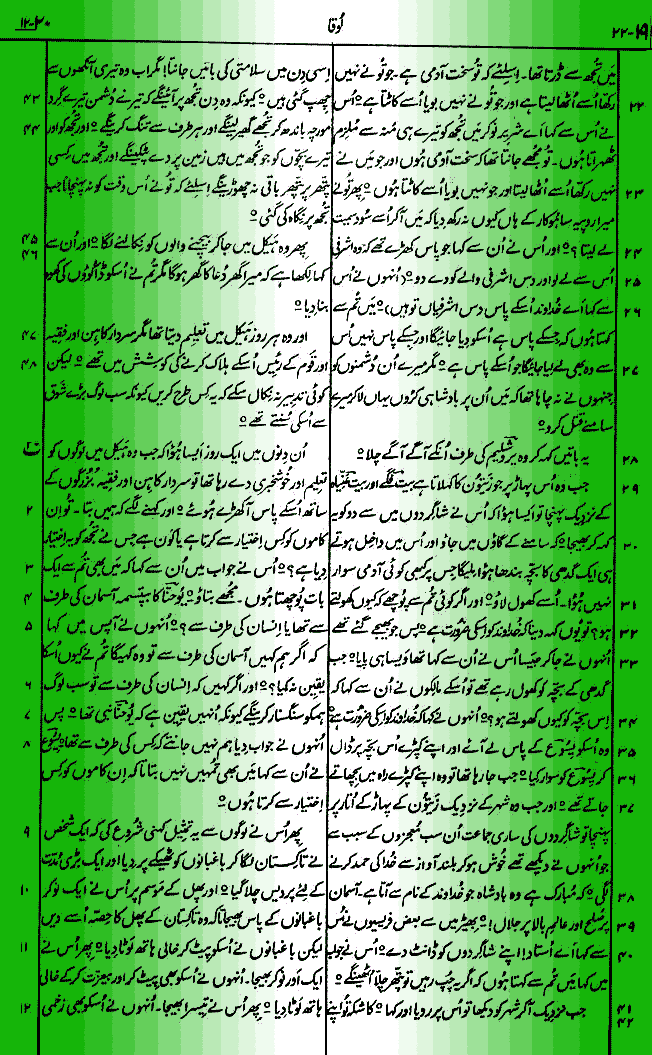
Verse-by-Verse Commentary (Luke 19:22 – Luke 20:12)
Luke 19:22
Verse Text:
And he saith unto him Out of thine own mouth will I judge thee thou wicked servant. Thou knewest that I was an austere man taking up that I laid not down and reaping that I did not sow
English Explanation:
The master uses the wicked servant’s own words and logic to condemn him. If the servant truly believed the master was harsh and demanding, accountability should have driven him to be even more diligent, or at least cautious, rather than completely idle. This verse highlights that under grace or judgment, humanity will stand self-condemned because our excuses reveal our conscious awareness of accountability.
Urdu Explanation (اُردو تشریح):
مالک اس شریر نوکر کو اُسی کے الفاظ اور منطق کے ذریعے قصوروار ٹھہراتا ہے۔ اگر نوکر واقعی سمجھتا تھا کہ اس کا مالک سخت گیر اور مطالبہ کرنے والا ہے، تو اسے خوف اور ذمہ داری کے احساس کے تحت مزید محنت کرنی چاہیے تھی نہ کہ وہ بالکل سست بیٹھ جاتا۔ یہ آیت واضح کرتی ہے کہ خدا کی عدالت میں انسان کے اپنے بہانے ہی اس کے خلاف گواہی بن جائیں گے۔
Luke 19:23
Verse Text:
Wherefore then gavest not thou my money into the bank that at my coming I might have required mine own with usury?
English Explanation:
The master points out the minimum effort the servant could have made: putting the money in a bank to earn interest. In spiritual terms, if a person lacks the courage or vision for major leadership or ministry, they should at least connect their resources with established efforts to yield a return for God’s kingdom. Doing absolutely nothing with divine gifts is unacceptable.
Urdu Explanation (اُردو تشریح):
مالک اس کم از کم کوشش کی نشاندہی کرتا ہے جو وہ نوکر کر سکتا تھا یعنی رقم کو بینک میں جمع کرانا تاکہ کچھ سود یا منافع مل سکے۔ روحانی طور پر، اگر کسی انسان میں بڑی خدمت کرنے کی ہمت یا بصیرت نہیں ہے، تو اسے کم از کم اپنے وسائل کو قائم شدہ ایماندارانہ کاموں کے ساتھ جوڑ دینا چاہیے تاکہ خدا کی بادشاہی کے لیے کچھ فائدہ ہو۔ خدا کی نعمتوں کو بالکل ضائع کر دینا ناقابلِ قبول ہے۔
Luke 19:24
Verse Text:
And he said unto them that stood by Take from him the pound and give it to him that hath ten pounds.
English Explanation:
The unused gift is officially stripped away and transferred to the one who proved most faithful. God’s economy rewards fruitfulness and punishes spiritual negligence. Capacity and blessings are redirected from those who hoard or waste them to those who multiply them for the glory of the King.
Urdu Explanation (اُردو تشریح):
نہ استعمال کی گئی نعمت اس سست نوکر سے واپس لے کر اس نوکر کو دے دی جاتی ہے جو سب سے زیادہ وفادار ثابت ہوا۔ خدا کا نظام پھل لانے والوں کو نوازتا ہے اور روحانی غفلت کی سزا دیتا ہے۔ جو لوگ خدا کی نعمتوں کو چھپا کر رکھتے ہیں، ان سے برکات لے کر ان لوگوں کو دے دی جاتی ہیں جو انہیں خدا کے جلال کے لیے بڑھاتے ہیں۔
Luke 19:25
Verse Text:
(And they said unto him Lord he hath ten pounds.)
English Explanation:
The bystanders object based on human concepts of equity and fairness, pointing out that the productive servant already has plenty. This reflects human nature’s tendency to mistake equal distribution for true justice, failing to recognize that spiritual rewards are tied to stewardship and faithfulness, not initial equality.
Urdu Explanation (اُردو تشریح):
پاس کھڑے لوگ انسانی برابری اور انصاف کے تصور کے تحت اعتراض کرتے ہیں کہ اس نوکر کے پاس تو پہلے ہی دس پاؤنڈ موجود ہیں۔ یہ انسانی فطرت کی عکاسی کرتا ہے جو ظاہری مساوات کو سچا انصاف سمجھتی ہے، اور یہ نہیں دیکھ پاتی کہ روحانی انعامات کا تعلق وفاداری اور محنت سے ہے نہ کہ محض برابر تقسیم سے۔
Luke 19:26
Verse Text:
For I say unto you That unto every one which hath shall be given and from him that hath not even that he hath shall be taken away from him.
English Explanation:
This is a fundamental spiritual law of Christ’s kingdom. Those who actively utilize the grace, truth, and gifts they receive will be trusted with even more. Conversely, those who ignore or fail to cultivate what they have been given will eventually lose even their initial potential and privileges.
Urdu Explanation (اُردو تشریح):
یہ مسیح کی بادشاہی کا ایک بنیادی روحانی قانون ہے۔ جو لوگ حاصل کردہ فضل، سچائی اور نعمتوں کا بھرپور استعمال کرتے ہیں، انہیں مزید نوازا جاتا ہے۔ اس کے برعکس، جو لوگ اپنی نعمتوں کو نظرانداز کرتے ہیں یا انہیں نہیں بڑھاتے، وہ وقت کے ساتھ اپنی ابتدائی صلاحیتیں اور مراعات بھی کھو دیتے ہیں۔
Luke 19:27
Verse Text:
But those mine enemies which would not that I should reign over them bring hither and slay them before me.
English Explanation:
The parable shifts focus from unfaithful servants to outright rebels—those who flatly rejected the nobleman’s sovereignty. This prophetic declaration speaks of the severe judgment awaiting those who consciously reject Jesus as King, emphasizing that defiance against God’s appointed Ruler carries tragic eternal consequences.
Urdu Explanation (اُردو تشریح):
یہ تمثیل اب سست نوکروں سے ہٹ کر کھلم کھلا بغاوت کرنے والوں کی طرف مڑتی ہے جنہوں نے مالک کی بادشاہی کو تسلیم کرنے سے انکار کر دیا تھا۔ یہ پیشگوئی ان لوگوں پر آنے والی سخت عدالت کو ظاہر کرتی ہے جو دانستہ طور پر یسوع کو اپنا بادشاہ ماننے سے انکار کرتے ہیں۔ خدا کے مقرر کردہ بادشاہ کی مخالفت کا انجام ابدی تباہی ہے۔
Luke 19:28
Verse Text:
And when he had thus spoken he went before ascending up to Jerusalem.
English Explanation:
Having delivered this sobering warning about stewardship and judgment, Jesus resolutely leads the way toward Jerusalem. He does not shrink from the suffering, betrayal, and crucifixion waiting for Him there; He marches forward as the ultimate, self-sacrificing King.
Urdu Explanation (اُردو تشریح):
امانتداری اور عدالت کے بارے میں یہ سنجیدہ انتباہ دینے کے بعد، یسوع پختہ ارادے کے ساتھ یروشلم کی طرف روانہ ہوتے ہیں۔ وہ وہاں آنے والے دکھوں، غداری اور مصلوبیت سے پیچھے نہیں ہٹتے، بلکہ ایک قربان ہونے والے بادشاہ کی حیثیت سے آگے بڑھتے ہیں۔
Luke 19:29
Verse Text:
And it came to pass when he was come nigh to Bethphage and Bethany at the mount called the mount of Olives he sent two of his disciples
English Explanation:
As Jesus approaches the geographic setting of His final week—the Mount of Olives, near Bethphage and Bethany—He begins intentional preparations for His formal presentation to the nation. Sending two disciples shows His divine administration and foresight.
Urdu Explanation (اُردو تشریح):
جب یسوع اپنے آخری ہفتے کے جغرافیائی مقام یعنی زیتون کے پہاڑ، بیت فگے اور بیت عنیاہ کے قریب پہنچتے ہیں، تو وہ قوم کے سامنے اپنی رسمی پیشی کی تیاریاں شروع کرتے ہیں۔ دو شاگردوں کو بھیجنا ان کے الٰہی انتظام اور پیشگی علم کو ظاہر کرتا ہے۔
Luke 19:30
Verse Text:
Saying Go ye into the village over against you in the which at your entering ye shall find a colt tied whereon yet never man sat loose him and bring him hither.
English Explanation:
Jesus gives precise prophetic instructions. The detail about a colt “whereon yet never man sat” is significant, as animals unused for ordinary work were set apart for sacred, royal, and ceremonial purposes, fulfilling Zechariah 9:9.
Urdu Explanation (اُردو تشریح):
یسوع اپنے شاگردوں کو قطعی اور نبوتی ہدایات دیتے ہیں۔ گدھے کے بچے کا یہ وصف کہ “جس پر کبھی کوئی نہیں بیٹھا” بہت اہم ہے، کیونکہ جو جانور عام کاموں کے لیے استعمال نہیں ہوتے تھے، انہیں پاک، شاہی اور مذہبی مقاصد کے لیے مخصوص سمجھا جاتا تھا، جو کہ زکریا 9:9 کی پیشگوئی کو پورا کرتا ہے۔
Luke 19:31
Verse Text:
And if any man ask you Why do ye loose him? thus shall ye say unto him Because the Lord hath need of him.
English Explanation:
Jesus demonstrates His sovereign authority and cosmic ownership. The phrase “The Lord hath need of him” shows that even the creator of the universe chooses to utilize earthly things to fulfill His divine redemptive plans, and His authority supersedes human ownership.
Urdu Explanation (اُردو تشریح):
یسوع اپنے خودمختار اختیار اور کائنات کے مالک ہونے کا ثبوت دیتے ہیں۔ یہ جملہ کہ “خداوند کو اس کی ضرورت ہے” ظاہر کرتا ہے کہ کائنات کا خالق بھی اپنے نجات کے منصوبے کو پورا کرنے کے لیے زمینی چیزوں کا استعمال کرتا ہے، اور اس کا اختیار انسانی ملکیت سے بالاتر ہے۔
Luke 19:32
Verse Text:
And they that were sent went their way and found even as he had said unto them.
English Explanation:
The exact fulfillment of Jesus’ words confirms His omniscience to the disciples. Walking in obedience always leads to the confirmation of Christ’s promises, building the disciples’ faith for the momentous events ahead.
Urdu Explanation (اُردو تشریح):
یسوع کی باتوں کا بعینہ پورا ہونا شاگردوں پر ان کے غیب کے علم کو ثابت کرتا ہے۔ فرمانبرداری کی راہ پر چلنا ہمیشہ مسیح کے وعدوں کی تصدیق کا باعث بنتا ہے، جس سے آنے والے عظیم واقعات کے لیے شاگردوں کا ایمان مضبوط ہوا۔
Luke 19:33
Verse Text:
And as they were loosing the colt the owners thereof said unto them Why loose ye the colt?
English Explanation:
This verse presents a realistic human interaction. The owners ask a natural question, protecting their property. It serves as a real-world test of the disciples’ willingness to rely strictly on the words Jesus gave them.
Urdu Explanation (اُردو تشریح):
یہ آیت ایک حقیقی انسانی منظر پیش کرتی ہے۔ مالک اپنی جائیداد کی حفاظت کرتے ہوئے ایک فطری سوال پوچھتے ہیں۔ یہ شاگردوں کے لیے ایک امتحان تھا کہ وہ یسوع کے دیے گئے الفاظ پر کس حد تک بھروسہ کرتے ہیں۔
Luke 19:34
Verse Text:
And they said The Lord hath need of him.
Explanation:
The disciples respond exactly as commanded, without adding excuses or negotiation. The power in Christ’s name and words proves sufficient, as the owners willingly release the colt without further resistance.
Urdu Explanation (اُردو تشریح):
شاگردوں نے بالکل اسی طرح جواب دیا جیسے انہیں حکم ملا تھا، بغیر کسی عذر یا بحث کے۔ مسیح کے نام اور الفاظ کی طاقت کافی ثابت ہوئی، اور مالکان نے بغیر کسی مزید مزاحمت کے گدھے کے بچے کو لے جانے دیا۔
Luke 19:35
Verse Text:
And they brought him to Jesus and they cast their garments upon the colt and they set Jesus thereon.
English Explanation:
By placing their garments on the colt, the disciples show a deep gesture of honor, submission, and royal recognition. Jesus rides into the city not on a warhorse as a conquering political tyrant, but on a colt, symbolizing a King who brings spiritual peace.
Urdu Explanation (اُردو تشریح):
گدھے کے بچے پر اپنے کپڑے ڈال کر، شاگردوں نے انتہائی عزت، تابعداری اور شاہی تسلیم کا اظہار کیا۔ یسوع ایک فاتح سیاسی جابر کی طرح جنگی گھوڑے پر نہیں، بلکہ گدھے کے بچے پر سوار ہو کر شہر میں داخل ہوتے ہیں، جو روحانی امن لانے والے بادشاہ کی علامت ہے۔
Luke 19:36
Verse Text:
And as he went they spread their clothes in the way.
English Explanation:
Spreading garments on the road was an ancient Near Eastern custom reserved for welcoming royalty (see 2 Kings 9:13). The crowd publicly declares their allegiance to Jesus, rolling out a makeshift royal carpet for Him.
Urdu Explanation (اُردو تشریح):
راستے میں کپڑے بچھانا قدیم مشرقِ قریب کا ایک رواج تھا جو صرف بادشاہوں کے استقبال کے لیے مخصوص تھا (دیکھیں 2 سلاطین 9:13)۔ ہجوم نے عوامی طور پر یسوع کی بادشاہی کا اعتراف کرتے ہوئے ان کے لیے ایک عارضی شاہی قالین بچھایا۔
Luke 19:37
Verse Text:
And when he was come nigh even now at the descent of the mount of Olives the whole multitude of the disciples began to rejoice and praise God with a loud voice for all the mighty works that they had seen
English Explanation:
As the procession moves down the Mount of Olives, the excitement peaks. The crowd is not praising Him blindly; their worship is fueled by personal testimonies and the undeniable miracles (such as the raising of Lazarus) they had witnessed throughout His ministry.
Urdu Explanation (اُردو تشریح):
جب یہ قافلہ زیتون کے پہاڑ سے نیچے اترتا ہے، تو جوش و خروش عروج پر پہنچ جاتا ہے۔ ہجوم اندھی عقیدت میں تعریف نہیں کر رہا تھا، بلکہ ان کی پرستش ان معجزات (جیسے لعزر کو زندہ کرنا) کی گواہی پر مبنی تھی جو انہوں نے یسوع کی وزارت کے دوران دیکھے تھے۔
Luke 19:38
Verse Text:
Saying Blessed be the King that cometh in the name of the Lord peace in heaven and glory in the highest.
English Explanation:
The multitude quotes Psalm 118:26, explicitly recognizing Jesus as the long-awaited Messiah and King. Their praise echoes the angels’ song at Christ’s birth (Luke 2:14), emphasizing that reconciliation between God and humanity is being realized through Him.
Urdu Explanation (اُردو تشریح):
ہجوم زبور 118:26 کا حوالہ دیتے ہوئے واضح طور پر یسوع کو اس موعودہ مسیحا اور بادشاہ کے طور پر تسلیم کرتا ہے۔ ان کی یہ حمد مسیح کی پیدائش پر فرشتوں کے گیت (لوقا 2:14) سے مماثلت رکھتی ہے، جو ظاہر کرتی ہے کہ خدا اور انسان کے درمیان ملاپ اب حقیقت بن رہا ہے۔
Luke 19:39
Verse Text:
And some of the Pharisees from among the multitude said unto him Master rebuke thy disciples.
English Explanation:
The Pharisees recognize the profound Messianic claims inherent in the crowd’s praises. Offended and fearful of political fallout from Rome, they ask Jesus to silence His followers, revealing their spiritual blindness and rejection of His identity.
Urdu Explanation (اُردو تشریح):
فریسی ہجوم کی حمد و ثنا میں چھپے ہوئے مسیحائی دعووں کو سمجھ جاتے ہیں۔ وہ ناراض ہوتے ہیں اور روم کی طرف سے سیاسی ردعمل کے خوف سے یسوع سے کہتے ہیں کہ وہ اپنے پیروکاروں کو خاموش کریں، جو ان کے روحانی اندھے پن اور یسوع کی پہچان سے انکار کو ظاہر کرتا ہے۔
Luke 19:40
Verse Text:
And he answered and said unto them I tell you that if these should hold their peace the stones would immediately cry out.
English Explanation:
Jesus rejects the Pharisees’ request. The arrival of the King is an event of such cosmic magnitude that creation itself cannot remain silent. If humanity refuses to offer praise, inanimate nature will break its silence to glorify the Creator.
Urdu Explanation (اُردو تشریح):
یسوع فریسیوں کی درخواست کو مسترد کر دیتے ہیں۔ بادشاہ کی آمد کائنات کا اتنا بڑا واقعہ ہے کہ خود تخلیق خاموش نہیں رہ سکتی۔ اگر انسان تعریف کرنے سے انکار کرے گا، تو بے جان پتھر بھی اپنے خالق کی تمجید کے لیے پکار اٹھیں گے۔
Luke 19:41
Verse Text:
And when he was come near he beheld the city and wept over it
English Explanation:
Amidst loud praise and celebration, Jesus breaks down in tears over Jerusalem. His heart is filled with deep compassion and grief because He foresees the impending doom of the city due to its spiritual blindness, illustrating a Savior who takes no pleasure in the destruction of the wicked.
Urdu Explanation (اُردو تشریح):
بلند آواز میں ہونے والی حمد و ثنا کے درمیان، یسوع یروشلم کو دیکھ کر رو پڑتے ہیں۔ ان کا دل گہرے رحم اور غم سے بھر جاتا ہے کیونکہ وہ شہر کے روحانی اندھے پن کی وجہ سے اس کی آنے والی بربادی کو دیکھ رہے ہیں، جو ایک ایسے نجات دہندہ کو ظاہر کرتا ہے جو شریروں کی ہلاکت سے خوش نہیں ہوتا۔
Luke 19:42
Verse Text:
Saying If thou hadst known even thou at least in this thy day the things which belong unto thy peace! but now they are hid from thine eyes.
English Explanation:
Jesus laments that Jerusalem missed its defining moment of visitation. True peace was standing right before them in the person of Christ, but because they looked for a political conqueror rather than spiritual redemption, spiritual blindness fell upon them.
Urdu Explanation (اُردو تشریح):
یسوع افسوس کرتے ہیں کہ یروشلم نے اپنی ملاقات کے اس خاص دن کو کھو دیا۔ سچی سلامتی مسیح کی صورت میں ان کے سامنے کھڑی تھی، لیکن چونکہ وہ روحانی نجات کے بجائے ایک سیاسی فاتح کے منتظر تھے، اس لیے ان کی آنکھوں پر روحانی اندھیرا چھا گیا۔
Luke 19:43
Verse Text:
For the days shall come upon thee that thine enemies shall cast a trench about thee and compass thee round and keep thee in on every side
English Explanation:
Jesus delivers a precise historical prophecy concerning the Roman siege of Jerusalem, which occurred in AD 70 under General Titus. The Roman army literally built a wall of circumvallation around the city, trapping the inhabitants exactly as Jesus predicted.
Urdu Explanation (اُردو تشریح):
یسوع یروشلم کے رومی محاصرے کے بارے میں ایک درست تاریخی پیشگوئی کرتے ہیں، جو 70 عیسوی میں جنرل ٹائٹس کے ہاتھوں پورا ہوا۔ رومی فوج نے شہر کے گرد ایک دیوار بنا کر باشندوں کو ہر طرف سے گھیر لیا، بالکل ویسے ہی جیسے یسوع نے فرمایا تھا۔
Luke 19:44
Verse Text:
And shall lay thee even with the ground and thy children within thee and they shall not leave in thee one stone upon another because thou knewest not the time of thy visitation.
English Explanation:
The destruction would be absolute, resulting in the total leveling of the temple and city, alongside massive loss of life. The root cause of this physical tragedy was spiritual: they failed to recognize and receive God’s Messiah when He visited them in person.
Urdu Explanation (اُردو تشریح):
یہ تباہی اتنی ہولناک ہوگی کہ ہیکل اور شہر کو زمین بوس کر دیا جائے گا اور بے شمار جانیں ضائع ہوں گی۔ اس جسمانی تباہی کی اصل وجہ روحانی تھی: انہوں نے خدا کے مسیحا کو اس وقت نہ پہچانا اور نہ قبول کیا جب وہ خود ان کے پاس آیا تھا۔
Luke 19:45
Verse Text:
And he went into the temple and began to cast out them that sold therein and them that bought
English Explanation:
Upon entering Jerusalem, Jesus immediately targets the religious center. By driving out the merchants and buyers from the outer courts, He exercises His divine authority to cleanse His Father’s house from distractions that blocked people—especially Gentiles—from worshiping.
Urdu Explanation (اُردو تشریح):
یروشلم میں داخل ہوتے ہی، یسوع سیدھے مذہبی مرکز (ہیکل) کا رخ کرتے ہیں۔ بیرونی صحن سے خریداروں اور بیچنے والوں کو نکال کر، وہ اپنے باپ کے گھر کو ان رکاوٹوں سے پاک کرنے کے لیے اپنے الٰہی اختیار کا استعمال کرتے ہیں جو لوگوں (خصوصاً غیر قوموں) کو عبادت سے روکتی تھیں۔
Luke 19:46
Verse Text:
Saying unto them It is written My house is the house of prayer but ye have made it a den of thieves.
English Explanation:
Jesus quotes Isaiah 56:7 and Jeremiah 7:11 to justify His actions. The temple was meant to be a sacred space for all nations to seek God, but religious leaders had turned it into a marketplace driven by extortion and greed, exploiting worshipers.
Urdu Explanation (اُردو تشریح):
یسوع اپنے عمل کی تائید کے لیے یسعیاہ 56:7 اور یرمیاہ 7:11 کا حوالہ دیتے ہیں۔ ہیکل کو تمام قوموں کے لیے خدا کی تلاش کا پاک مقام ہونا چاہیے تھا، لیکن مذہبی رہنماؤں نے اسے لوٹ کھسوٹ اور لالچ کی منڈی بنا دیا تھا جہاں زائرین کا استحصال کیا جاتا تھا۔
Luke 19:47
Verse Text:
And he taught daily in the temple. But the chief priests and the scribes and the chief of the people sought to destroy him
English Explanation:
Despite the opposition, Jesus courageously reclaims the temple as a place of true instruction, teaching there daily. This public demonstration of authority and popularity provokes the corrupt religious establishment to actively plot His assassination.
Urdu Explanation (اُردو تشریح):
مخالفت کے باوجود، یسوع دلیری کے ساتھ ہیکل کو سچی تعلیم کی جگہ کے طور پر بحال کرتے ہیں اور وہاں روزانہ تعلیم دیتے ہیں۔ ان کے اس عوامی اختیار اور مقبولیت نے بدعنوان مذہبی رہنماؤں کو مشتعل کر دیا اور وہ انہیں ہلاک کرنے کی سازشیں کرنے لگے۔
Luke 19:48
Verse Text:
And could not find what they might do for all the people were very attentive to hear him.
English Explanation:
The religious elites are temporarily paralyzed by Jesus’ immense popularity. The common people hang on His every word, captivated by the authority and clarity of His teaching, creating a human shield that delays the leaders’ murderous plans.
Urdu Explanation (اُردو تشریح):
مذہبی اشرافیہ یسوع کی بے پناہ مقبولیت کی وجہ سے عارضی طور پر کچھ کرنے سے قاصر تھی۔ عام لوگ ان کی تعلیم کے اختیار اور واضع سچائی سے مسحور ہو کر ان کی باتیں غور سے سنتے تھے، جس کی وجہ سے رہنماؤں کو اپنے بھیانک منصوبوں پر عمل کرنے کا موقع نہیں مل رہا تھا۔
Luke 20:1
Verse Text:
And it came to pass that on one of those days as he taught the people in the temple and preached the gospel the chief priests and the scribes came upon him with the elders
English Explanation:
As chapter 20 opens, a formal coalition of the highest religious authorities—chief priests, scribes, and elders—confronts Jesus. They attempt to interrupt His gospel preaching and assert their institutional dominance over the temple grounds.
Urdu Explanation (اُردو تشریح):
باب 20 کے آغاز میں، اعلیٰ مذہبی حکام—سردار کاہن، فقیہ اور بزرگ—ایک باقاعدہ گروہ کی صورت میں یسوع کے سامنے آتے ہیں۔ وہ ان کی انجیل کی منادی میں خلل ڈالنے اور ہیکل پر اپنے ادارہ جاتی غلبے کو جتانے کی کوشش کرتے ہیں۔
Luke 20:2
Verse Text:
And spake unto him saying Tell us by what authority doest thou these things? or who is he that gave thee this authority?
English Explanation:
The leaders demand to know Jesus’ credentials. Since they had not granted Him ordination or permission to cleanse the temple and teach, they try to trap Him into either claiming divine authority (which they could call blasphemy) or political authority (which they could report to Rome).
Urdu Explanation (اُردو تشریح):
رہنما یسوع سے ان کے اختیار کی سند مانگتے ہیں۔ چونکہ انہوں نے یسوع کو ہیکل پاک کرنے یا تعلیم دینے کی اجازت نہیں دی تھی، اس لیے وہ انہیں پھنسانے کی کوشش کرتے ہیں کہ یا تو وہ الٰہی اختیار کا دعویٰ کریں (جسے وہ کفر کہہ سکیں) یا سیاسی اختیار کا (جس کی شکایت وہ روم سے کر سکیں)۔
Luke 20:3
Verse Text:
And he answered and said unto them I will also ask you one thing and answer me
English Explanation:
Jesus masterfully uses a standard rabbinic debating technique by answering their trap with a counter-question. This is not evasive; it is designed to expose the insincerity of His accusers and force them to reveal their own stance on divine authority.
Urdu Explanation (اُردو تشریح):
یسوع ایک بہترین ربیبانہ بحث کی تکنیک کا استعمال کرتے ہوئے ان کے جال کے جواب میں ایک الٹ سوال کرتے ہیں۔ یہ بات کو ٹالنا نہیں ہے، بلکہ اس کا مقصد اپنے مخالفین کی منافقت کو بے نقاب کرنا اور انہیں خدا کے اختیار پر اپنا موقف ظاہر کرنے پر مجبور کرنا ہے۔
Luke 20:4
Verse Text:
The baptism of John was it from heaven or of men?
English Explanation:
Jesus links His own authority directly to John the Baptist. John had publicly identified Jesus as the Messiah. If the leaders acknowledged John’s ministry as divine (“from heaven”), they would have to accept Jesus; if they rejected John, they would face the crowd’s anger.
Urdu Explanation (اُردو تشریح):
یسوع اپنے اختیار کو براہِ راست یوحنا بپتسمہ دینے والے کی وزارت سے جوڑتے ہیں۔ یوحنا نے عوامی طور پر یسوع کی نشان دہی مسیحا کے طور پر کی تھی۔ اگر رہنما یوحنا کی خدمت کو الٰہی (“آسمان سے”) تسلیم کرتے، تو انہیں یسوع کو بھی ماننا پڑتا؛ اور اگر وہ رد کرتے، تو انہیں عوام کے غصے کا سامنا کرنا پڑتا۔
Luke 20:5
Verse Text:
And they reasoned with themselves saying If we shall say From heaven he will say Why then believed ye him not?
English Explanation:
The religious leaders huddle to calculate the political cost of their answer, completely ignoring the pursuit of truth. Their internal dialogue reveals that they are politicians, not shepherds; they care about self-preservation and protecting their reputation rather than divine truth.
Urdu Explanation (اُردو تشریح):
مذہبی رہنما سچائی کی تلاش کو بالکل نظرانداز کرتے ہوئے اپنے جواب کے سیاسی نفع و نقصان کا حساب لگانے کے لیے مشاورت کرتے ہیں۔ ان کی آپسی گفتگو ظاہر کرتی ہے کہ وہ چرواہے نہیں بلکہ سیاست دان تھے جنہیں سچائی سے زیادہ اپنے بچاؤ اور اپنی ساکھ کی فکر تھی۔
Luke 20:6
Verse Text:
But and if we say Of men all the people will stone us for they be persuaded that John was a prophet.
English Explanation:
The leaders admit their fear of the people, who firmly believed John was a prophet sent by God. Their fear of being stoned reveals that their authority is fragile and built entirely on public opinion rather than spiritual truth or integrity.
Urdu Explanation (اُردو تشریح):
رہنما عوام سے اپنے خوف کا اعتراف کرتے ہیں، جو پختہ یقین رکھتے تھے کہ یوحنا خدا کا بھیجا ہوا نبی تھا۔ پتھراؤ کیے جانے کا یہ خوف ظاہر کرتا ہے کہ ان کا اختیار کتنا کمزور تھا اور روحانی سچائی کے بجائے صرف عوامی رائے پر ٹکا ہوا تھا۔
Luke 20:7
Verse Text:
And they answered that they could not tell whence it was.
English Explanation:
By claiming ignorance (“we do not know”), the religious leaders abdicate their responsibility as spiritual judges of Israel. Their forced agnosticism proves that they are morally and spiritually bankrupt, disqualified from evaluating Jesus’ authority.
Urdu Explanation (اُردو تشریح):
لاعملی کا دعویٰ کر کے (“ہم نہیں جانتے”)، مذہبی رہنماؤں نے اسرائیل کے روحانی منصف ہونے کی اپنی ذمہ داری سے ہاتھ دھو لیے۔ ان کی یہ مجبوری ثابت کرتی ہے کہ وہ اخلاقی اور روحانی طور پر دیوالیہ ہو چکے تھے اور یسوع کے اختیار کو جانچنے کے اہل نہیں تھے۔
Luke 20:8
Verse Text:
And Jesus said unto them Neither tell I you by what authority I do these things.
English Explanation:
Since the leaders refused to answer honestly about John, Jesus rightfully refuses to answer them. He will not cast pearls before swine or debate His divine credentials with dishonest judges who care only about keeping their power.
Urdu Explanation (اُردو تشریح):
چونکہ رہنماؤں نے یوحنا کے بارے میں ایمانداری سے جواب دینے سے انکار کیا، اس لیے یسوع نے بھی انہیں جواب دینے سے انکار کر دیا۔ وہ اپنے اختیارات پر ان منافق رہنماؤں سے بحث نہیں کرنا چاہتے تھے جنہیں سچائی سے زیادہ اپنے اقتدار کی فکر تھی۔
Luke 20:9
Verse Text:
Then began he to speak to the people this parable A certain man planted a vineyard and let it forth to husbandmen and went into a far country for a long time.
English Explanation:
Jesus addresses the people with a prophetic parable based on Isaiah 5. The vineyard represents Israel, the owner is God, and the husbandmen (tenants) are the religious leaders trusted to care for God’s people and bring forth spiritual fruit. The owner’s departure represents God’s patience over generations.
Urdu Explanation (اُردو تشریح):
یسوع یسعیاہ 5 کی بنیاد پر لوگوں کو ایک نبوتی تمثیل سناتے ہیں۔ انگور کا باغ اسرائیل کی نمائندگی کرتا ہے، مالک خدا ہے، اور کسان (باغبان) وہ مذہبی رہنما ہیں جنہیں خدا کے لوگوں کی دیکھ بھال اور روحانی پھل لانے کی ذمہ داری دی گئی تھی۔ مالک کا دور چلے جانا نسلوں پر محیط خدا کے صبر کو ظاہر کرتا ہے۔
Luke 20:10
Verse Text:
And at the season he sent a servant to the husbandmen that they should give him of the fruit of the vineyard but the husbandmen beat him and sent him away empty.
English Explanation:
When harvest time arrives, the owner expects his rightful share. The servants sent represent the Old Testament prophets God sent to call Israel and its leaders back to righteousness. Instead of repenting, the leaders mistreat God’s messengers and reject His claims.
Urdu Explanation (اُردو تشریح):
جب فصل کا وقت آتا ہے، تو مالک اپنے حق کا تقاضا کرتا ہے۔ بھیجے گئے نوکر پرانے عہد نامے کے ان انبیاء کی نمائندگی کرتے ہیں جنہیں خدا نے اسرائیل اور اس کے رہنماؤں کو راستبازی کی طرف بلانے کے لیے بھیجا تھا۔ توبہ کرنے کے بجائے، رہنماؤں نے خدا کے پیغام لانے والوں کے ساتھ برا سلوک کیا اور خالی ہاتھ لوٹا دیا۔
Luke 20:11
Verse Text:
And again he sent another servant and they beat him also and entreated him shamefully and sent him away empty.
English Explanation:
The owner shows incredible patience by sending another servant, but the tenants’ hostility escalates. This historically mirrors Israel’s repeated rejection, physical abuse, and public humiliation of God’s prophets throughout their history (such as Jeremiah and Elijah).
Urdu Explanation (اُردو تشریح):
مالک ایک اور نوکر بھیج کر ناقابلِ یقین صبر کا مظاہرہ کرتا ہے، لیکن کسانوں کی دشمنی مزید بڑھ جاتی ہے۔ یہ تاریخی طور پر اسرائیل کی تاریخ میں خدا کے نبیوں (جیسے یرمیاہ اور ایلیاہ) کی بار بار کی جانے والی مخالفت، جسمانی تشدد اور عوامی ذلت کی عکاسی کرتا ہے۔
Luke 20:12
Verse Text:
And again he sent a third and they wounded him also and cast him out.
English Explanation:
The cycle of violence continues with a third servant, who is physically wounded and thrown out. This progression illustrates the deep-rooted, systemic rebellion of the religious establishment against God’s authority, setting the stage for the ultimate rejection of the Owner’s Son.
Urdu Explanation (اُردو تشریح):
تشدد کا یہ سلسلہ تیسرے نوکر کے ساتھ بھی جاری رہتا ہے، جسے زخمی کر کے باہر پھینک دیا جاتا ہے۔ یہ ترتیب خدا کے اختیار کے خلاف مذہبی اشرافیہ کی گہری اور منظم بغاوت کو واضح کرتی ہے، جو مالک کے بیٹے کو رد کیے جانے کے حتمی واقعے کے لیے پس منظر تیار کرتی ہے۔