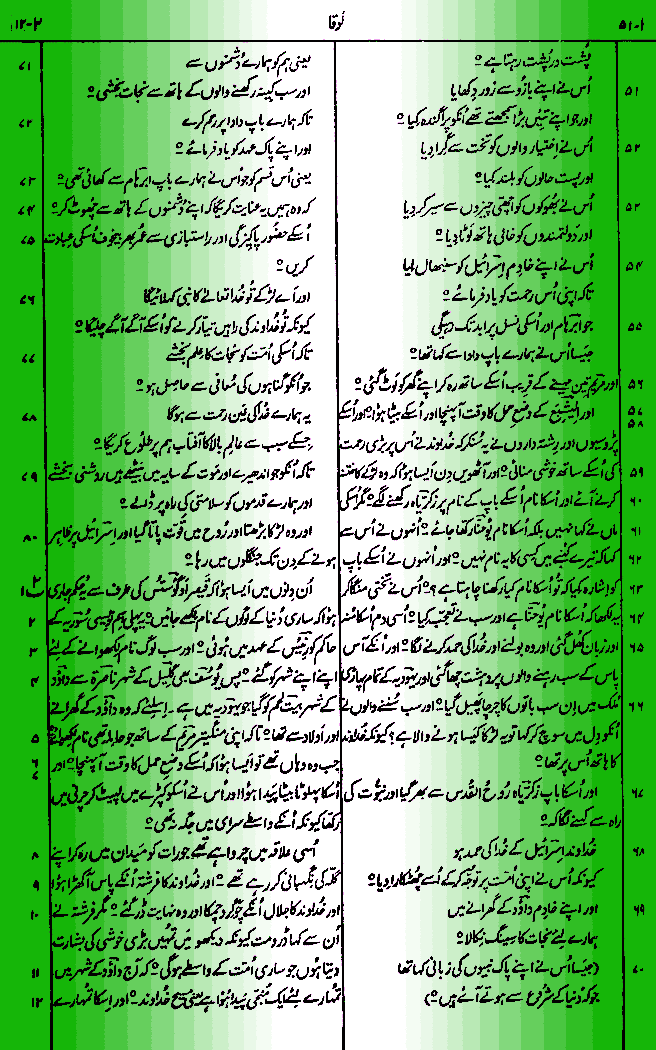
Luke Chapter 1 (Verses 51-80) & Chapter 2 (Verses 1-12) — Commentary and Explanation
Luke 1:51
-
Verse: He hath shewed strength with his arm he hath scattered the proud in the imagination of their hearts
-
English Explanation: This verse is part of Mary’s song (the Magnificat). Mary praises God’s sovereignty and power. The “arm” of God symbolizes His active, intervening power in human history. God opposes the proud—those who rely on their own status, wisdom, or wealth—and dismantles their arrogant plans, proving that human pride is meaningless before Him.
-
Urdu Explanation: یہ آیت مریم کے گیت (میگنیفیکیٹ) کا حصہ ہے۔ مریم خدا کی حاکمیت اور قدرت کی ستائش کرتی ہے۔ خدا کا “بازو” انسانی تاریخ میں اس کی فعال اور مداخلت کرنے والی طاقت کی علامت ہے۔ خدا مغروروں—جو اپنی حیثیت، حکمت یا دولت پر بھروسہ کرتے ہیں—کی مخالفت کرتا ہے اور ان کے متکبرانہ منصوبوں کو خاک میں ملا دیتا ہے۔
Luke 1:52
-
Verse: He hath put down the mighty from their seats and exalted them of low degree
-
English Explanation: God’s kingdom operates on a spiritual reversal. He dethrones earthly rulers and self-sufficient authorities who misuse their power, while lifting up the humble, the oppressed, and the marginalized who depend entirely on Him for deliverance.
-
Urdu Explanation: خدا کی بادشاہی دنیاوی نظام کے برعکس کام کرتی ہے۔ وہ ان دنیاوی حکمرانوں اور خود سر طاقتوں کو ان کے تخت سے گرا دیتا ہے جو اپنے اختیار کا غلط استعمال کرتے ہیں، جبکہ وہ حلیم، مظلوم اور عاجز لوگوں کو سرفراز کرتا ہے جو مخلصی کے لیے مکمل طور پر اس پر انحصار کرتے ہیں۔
Luke 1:53
-
Verse: He hath filled the hungry with good things and the rich he hath sent empty away
-
English Explanation: This speaks to both physical and spiritual hunger. Those who realize their spiritual poverty and long for righteousness are filled with God’s blessings. Conversely, those who are self-satisfied and content with earthly riches are left spiritually bankrupt.
-
Urdu Explanation: یہ جسمانی اور روحانی دونوں طرح کی بھوک کی طرف اشارہ کرتا ہے۔ جو لوگ اپنی روحانی محتاجی کو محسوس کرتے ہیں اور راستبازی کے بھوکے ہیں، خدا انہیں برکات سے سیر کرتا ہے۔ اس کے برعکس، جو اپنی دنیاوی دولت پر ناز کرتے ہیں اور خود کو کامل سمجھتے ہیں، وہ روحانی طور پر خالی ہاتھ رہ جاتے ہیں۔
Luke 1:54
-
Verse: He hath holpen his servant Israel in remembrance of his mercy
-
English Explanation: Mary recognizes that the upcoming births of John and Jesus are the ultimate proof of God helping His people. God has not forgotten the covenant of mercy He made with Israel; He is actively stepping in to fulfill it.
-
Urdu Explanation: مریم اس بات کو تسلیم کرتی ہے کہ یوحنا اور یسوع کی پیدائش خدا کی طرف سے اپنے لوگوں کی مدد کا حتمی ثبوت ہے۔ خدا اسرائیل کے ساتھ کیے گئے اپنے رحم کے عہد کو نہیں بھولا، بلکہ وہ اسے پورا کرنے کے لیے خود قدم اٹھا رہا ہے۔
Luke 1:55
-
Verse: As he spake to our fathers to Abraham and to his seed for ever
-
English Explanation: God’s actions are rooted in history and absolute faithfulness. The salvation arriving through Christ is the direct fulfillment of the ancient promises made to Abraham centuries earlier, ensuring blessings for all generations.
-
Urdu Explanation: خدا کے کام تاریخ اور کامل وفاداری پر مبنی ہیں۔ مسیح کے ذریعے آنے والی نجات صدیوں پہلے ابراہام سے کیے گئے قدیم وعدوں کی براہ راست تکمیل ہے، جو آنے والی تمام نسلوں کے لیے برکت کا باعث ہے۔
Luke 1:56
-
Verse: And Mary abode with her about three months and returned to her own house
-
English Explanation: Mary stayed with her relative Elisabeth until Elisabeth was ready to give birth. This extended stay provided mutual comfort, confirmation, and support for both women carrying miraculous promises.
-
Urdu Explanation: مریم اپنی رشتہ دار الیصابات کے ساتھ اس وقت تک رہیں جب تک کہ الیصابات کے وضع حمل کا وقت قریب نہ آگیا۔ اس طویل قیام نے دونوں خواتین کو ایک دوسرے کے لیے تسلی، تائید اور مدد فراہم کی جو معجزانہ وعدوں سے حاملہ تھیں۔
Luke 1:57
-
Verse: Now Elisabeth’s full time came that she should be delivered and she brought forth a son
-
English Explanation: God’s promise to the elderly, barren Elisabeth is perfectly fulfilled. The birth of John the Baptist marks the arrival of the forerunner who would prepare the way for the Messiah.
-
Urdu Explanation: عمر رسیدہ اور بانجھ الیصابات سے خدا کا وعدہ بالکل پورا ہوا۔ یوحنا بپتسمہ دینے والے کی پیدائش اس پیشرو کی آمد کی علامت ہے جس نے مسیح کی راہ تیار کرنی تھی۔
Luke 1:58
-
Verse: And her neighbours and her cousins heard how the Lord had shewed great mercy upon her and they rejoiced with her
-
English Explanation: A community celebration of God’s goodness. The removal of the stigma of barrenness from Elisabeth was recognized by everyone around her as an undeniable act of divine mercy.
-
Urdu Explanation: خدا کی بھلائی پر برادری کی خوشی کا اظہار۔ الیصابات کے بانجھ پن کا داغ دور ہونے کو اس کے آس پاس کے تمام لوگوں نے الٰہی رحم کا ایک ناقابل تردید عمل تسلیم کیا اور اس کی خوشی میں شریک ہوئے۔
Luke 1:59
-
Verse: And it came to pass that on the eighth day they came to circumcise the child and they called him Zacharias after the name of his father
-
English Explanation: Obedience to the Law of Moses required circumcising the boy on the eighth day. The cultural tradition was to name the firstborn son after his father, reflecting the community’s expectations.
-
Urdu Explanation: موسوی شریعت کی اطاعت کے تحت لڑکے کا آٹھویں دن ختنہ کرنا لازمی تھا۔ ثقافتی روایت کے مطابق پہلے بیٹے کا نام اس کے باپ کے نام پر رکھنا طے تھا، جو کہ معاشرے کی توقعات کا عکاس تھا۔
Luke 1:60
-
Verse: And his mother answered and said Not so but he shall be called John
-
English Explanation: Elisabeth steps in courageously to obey the specific command given by the angel Gabriel to Zechariah. She prioritizes divine instruction over cultural and familial traditions.
-
Urdu Explanation: الیصابات نے دلیری کے ساتھ مداخلت کی تاکہ اس مخصوص حکم کی تعمیل کی جا سکے جو فرشتہ جبرائیل نے زکریا کو دیا تھا۔ اس نے ثقافتی اور خاندانی روایات پر الٰہی ہدایت کو ترجیح دی۔
Luke 1:61
-
Verse: And they said unto her There is none of thy kindred that is called by this name
-
English Explanation: The family objects because breaking lineage traditions was highly unusual. This highlights how God’s new work often disrupts human patterns and expectations.
-
Urdu Explanation: خاندان نے اعتراض کیا کیونکہ خاندانی روایات کو توڑنا انتہائی غیر معمولی بات تھی۔ یہ اس بات کو ظاہر کرتا ہے کہ خدا کا نیا کام اکثر انسانی طریقوں اور توقعات کے برعکس ہوتا ہے۔
Luke 1:62
-
Verse: And they made signs to his father how he would have him called
-
English Explanation: Because Zechariah had been struck mute (and likely deaf) for his initial disbelief, the relatives use signs to get his final verdict on the baby’s name.
-
Urdu Explanation: چونکہ زکریا اپنے ابتدائی بے اعتباری کی وجہ سے گونگا (اور غالباً بہرا بھی) ہو چکا تھا، اس لیے رشتہ داروں نے اشاروں کے ذریعے بچے کے نام کے بارے میں اس کا حتمی فیصلہ جاننا چاہا۔
Luke 1:63
-
Verse: And he asked for a writing table and wrote saying His name is John And they marvelled all
-
English Explanation: Zechariah shows absolute obedience by writing “His name is John,” not “he shall be called.” This declaration of settled faith amazes everyone present.
-
Urdu Explanation: زکریا نے یہ لکھ کر کامل فرمانبرداری کا مظاہرہ کیا کہ “اس کا نام یوحنا ہے”۔ ایمان کا یہ پختہ اظہار وہاں موجود تمام لوگوں کے لیے حیرت کا باعث بنا۔
Luke 1:64
-
Verse: And his mouth was opened immediately and his tongue loosed and he spake and praised God
-
English Explanation: The moment Zechariah aligned his will with God’s word, his discipline ended. His physical restriction was removed, and his very first words were focused on praising God, showing true spiritual restoration.
-
Urdu Explanation: جیسے ہی زکریا نے اپنی مرضی کو خدا کے کلام کے تابع کیا، اس کی سزا ختم ہو گئی۔ اس کی زبان کھل گئی اور اس کے سب سے پہلے الفاظ خدا کی حمد و ثنا پر مبنی تھے، جو سچی روحانی بحالی کو ظاہر کرتے ہیں۔
Luke 1:65
-
Verse: And fear came on all that dwelt round about them and all these sayings were noised abroad throughout all the hill country of Judaea
-
Explanation: A holy awe and reverence swept through the community. The supernatural events surrounding John’s birth became the central topic of discussion across the region, creating anticipation for God’s next move.
-
Urdu Explanation: پوری برادری پر ایک پاک خوف اور ہیبت چھا گئی۔ یوحنا کی پیدائش کے گرد گھومنے والے غیر معمولی واقعات پورے علاقے میں گفتگو کا بنیادی موضوع بن گئے، جس سے خدا کے اگلے قدم کے لیے لوگوں میں انتظار کا جذبہ پیدا ہوا۔
Luke 1:66
-
Verse: And all they that heard them laid them up in their hearts saying What manner of child shall this be! And the hand of the Lord was with him
-
English Explanation: Witnesses pondered these events seriously, recognizing that this child was set apart for an extraordinary purpose. God’s visible blessing, power, and protection rested upon John from his infancy.
-
Urdu Explanation: گواہوں نے ان واقعات پر سنجیدگی سے غور کیا اور یہ جان لیا کہ یہ بچہ کسی غیر معمولی مقصد کے لیے چنا گیا ہے۔ خدا کی واضح برکت، قدرت اور حفاظت بچپن ہی سے یوحنا کے ساتھ تھی۔
Luke 1:67
-
Verse: And his father Zacharias was filled with the Holy Ghost and prophesied saying
-
English Explanation: Filled with the Holy Spirit, Zechariah functions as a prophet. His speech (the Benedictus) shifts from personal joy to a prophetic declaration of God’s redemptive plan for humanity.
-
Urdu Explanation: روح القدس سے معمور ہو کر، زکریا ایک نبی کے طور پر کلام کرتا ہے۔ اس کا کلام (برکت کا گیت) ذاتی خوشی سے ہٹ کر بنی نوع انسان کے لیے خدا کے نجات کے منصوبے کے ایک نبوتی اعلان میں بدل جاتا ہے۔
Luke 1:68
-
Verse: Blessed be the Lord God of Israel for he hath visited and redeemed his people
-
English Explanation: Zechariah praises God for breaking centuries of prophetic silence. God has “visited” His people, not in judgment, but to purchase their freedom and offer them redemption.
-
Urdu Explanation: زکریا صدیوں کی نبوتی خاموشی کو توڑنے پر خدا کی حمد کرتا ہے۔ خدا نے اپنے لوگوں کی “خبر لی” ہے، سزا کے لیے نہیں، بلکہ ان کی آزادی خریدنے اور انہیں مخلصی دینے کے لیے۔
Luke 1:69
-
Verse: And hath raised up an horn of salvation for us in the house of his servant David
-
English Explanation: A “horn” is an Old Testament symbol of military power, strength, and victory. Zechariah is prophesying about Jesus, the mighty Savior coming from the royal lineage of King David.
-
Urdu Explanation: پرانے عہد نامے میں “سینگ” فوجی طاقت، قوت اور فتح کی علامت ہے۔ زکریا یسوع کے بارے میں نبوت کر رہا ہے، جو داؤد بادشاہ کی شاہی نسل سے آنے والا قادر نجات دہندہ ہے۔
Luke 1:70
-
Verse: As he spake by the mouth of his holy prophets which have been since the world began
-
English Explanation: The salvation through the Messiah is not an afterthought. It is the fulfillment of continuous prophecies given by God through His chosen messengers throughout human history.
-
Urdu Explanation: مسیح کے ذریعے ملنے والی نجات کوئی عارضی منصوبہ نہیں ہے۔ یہ انسانی تاریخ کے آغاز ہی سے خدا کے چنے ہوئے نبیوں کے ذریعے دی گئی مسلسل نبوتوں کی تکمیل ہے۔
Luke 1:71
-
Verse: That we should be saved from our enemies and from the hand of all that hate us
-
English Explanation: While Israel looked for physical liberation from Roman oppression, this prophetic promise has a deeper spiritual fulfillment: deliverance from the ultimate spiritual enemies—sin, Satan, and death.
-
Urdu Explanation: اگرچہ اسرائیل رومی تسلط سے جسمانی آزادی کا منتظر تھا، لیکن اس نبوتی وعدے کی ایک گہری روحانی تکمیل ہے: ہمارے اصل روحانی دشمنوں—گناہ، شیطان اور موت—سے نجات۔
Luke 1:72
-
Verse: To perform the mercy promised to our fathers and to remember his holy covenant
-
English Explanation: Christ’s coming is the concrete expression of God’s mercy and absolute commitment to His holy covenant. God proves Himself entirely reliable across generations.
-
Urdu Explanation: مسیح کی آمد خدا کے رحم اور اپنے پاک عہد کے ساتھ اس کی کامل وابستگی کا ٹھوس اظہار ہے۔ خدا نسل در نسل خود کو مکمل طور پر قابل بھروسہ ثابت کرتا ہے۔
Luke 1:73
-
Verse: The oath which he sware to our father Abraham
-
English Explanation: This refers back to Genesis, where God bound Himself by a solemn oath to bless Abraham and his descendants. The arrival of Christ is the ultimate fulfillment of that unbreakable oath.
-
Urdu Explanation: یہ پیدائش کی کتاب کی طرف اشارہ ہے، جہاں خدا نے ابراہام اور اس کی نسل کو برکت دینے کا ایک پختہ عہد کیا تھا۔ مسیح کی آمد اسی اٹل قسم کی حتمی تعبیر ہے۔
Luke 1:74
-
Verse: That he would grant unto us that we being delivered out of the hand of our enemies might serve him without fear
-
English Explanation: True freedom is given for a specific purpose. God delivers His people from fear and external oppression so they can worship and serve Him wholeheartedly and securely.
-
Urdu Explanation: سچی آزادی ایک خاص مقصد کے لیے دی جاتی ہے۔ خدا اپنے لوگوں کو خوف اور بیرونی ظلم سے نجات دلاتا ہے تاکہ وہ پورے دل اور امن کے ساتھ اس کی عبادت اور خدمت کر سکیں۔
Luke 1:75
-
Verse: In holiness and righteousness before him all the days of our life
-
English Explanation: The Christian life of freedom is meant to be lived out in daily holiness (purity toward God) and righteousness (just behavior toward others) for our entire lifetime, not just on special occasions.
-
Urdu Explanation: آزادی کی مسیحی زندگی روزمرہ کی پاکیزگی (خدا کی طرف پاک دلی) اور راستبازی (دوسروں کے ساتھ منصفانہ رویہ) میں گزارنے کے لیے ہے، جو ہماری زندگی کے تمام دنوں پر محیط ہو، نہ کہ صرف خاص مواقع پر۔
Luke 1:76
-
Verse: And thou child shalt be called the prophet of the Highest for thou shalt go before the face of the Lord to prepare his ways
-
English Explanation: Zechariah addresses his newborn son, John. He outlines John’s unique destiny: to be the herald of the Most High, walking right before the Messiah to ready human hearts for His arrival.
-
Urdu Explanation: زکریا اپنے نوپید بچے، یوحنا سے مخاطب ہے۔ وہ یوحنا کی منفرد تقدیر کا خاکہ پیش کرتا ہے: خدا تعالیٰ کا منادی کرنے والا بننا، جو مسیح کے آگے آگے چلے گا تاکہ لوگوں کے دلوں کو اس کی آمد کے لیے تیار کر سکے۔
Luke 1:77
-
Verse: To give knowledge of salvation unto his people by the remission of their sins
-
English Explanation: John’s mission was to teach the people that true salvation does not come through political revolution, but through spiritual restoration—specifically, the forgiveness of sins.
-
Urdu Explanation: یوحنا کا مشن لوگوں کو یہ سکھانا تھا کہ سچی نجات کسی سیاسی انقلاب کے ذریعے نہیں، بلکہ روحانی بحالی—خاص طور پر گناہوں کی معافی—کے ذریعے حاصل ہوتی ہے۔
Luke 1:78
-
Verse: Through the tender mercy of our God whereby the dayspring from on high hath visited us
-
English Explanation: The “dayspring” or dawn refers to the Messiah bringing light into a dark world. This supernatural visitation is driven entirely by the deep, compassionate, and tender mercy of God.
-
Urdu Explanation: “صبح کا ستارہ” یا پو پھٹنے کا اشارہ مسیح کی طرف ہے جو تاریک دنیا میں روشنی لاتا ہے۔ یہ معجزانہ آمد مکمل طور پر خدا کے گہرے، شفیق اور نرم رحم کی وجہ سے ممکن ہوئی ہے۔
Luke 1:79
-
Verse: To give light to them that sit in darkness and in the shadow of death to guide our feet into the way of peace
-
English Explanation: Christ’s mission is to illuminate human lives blinded by sin and terrified of death. He rescues us from hopelessness and directs our lives toward spiritual reconciliation and inner peace.
-
Urdu Explanation: مسیح کا مشن ان انسانی زندگیوں کو روشن کرنا ہے جو گناہ کی وجہ سے اندھیرے میں ہیں اور موت کے خوف میں مبتلا ہیں۔ وہ ہمیں مایوسی سے نکالتا ہے اور ہماری زندگیوں کو روحانی صلح اور باطنی اطمینان کی راہ پر گامزن کرتا ہے۔
Luke 1:80
-
Verse: And the child grew and waxed strong in spirit and was in the deserts till the day of his shewing unto Israel
-
English Explanation: John developed balanced physical and spiritual strength. He lived a secluded, disciplined life in the wilderness, preparing in solitude until God’s perfect timing for his public ministry arrived.
-
Urdu Explanation: یوحنا نے متوازن جسمانی اور روحانی قوت پائی۔ اس نے بیابان میں ایک الگ تھلگ اور باضابطہ زندگی گزاری، اور تنہائی میں اس وقت تک تیاری کی جب تک کہ اسرائیل کے سامنے اس کی عوامی خدمت کا خدا کا مقررہ وقت نہیں آگیا۔
Horizontal Rule
Luke Chapter 2 (Verses 1-12)
Luke 2:1
-
Verse: And it came to pass in those days that there went out a decree from Caesar Augustus that all the world should be taxed
-
English Explanation: God uses secular rulers and geopolitical history to fulfill His divine prophecy. Roman Emperor Caesar Augustus orders a census (tax enrollment), setting the stage for the Messiah to be born exactly where predicted.
-
Urdu Explanation: خدا اپنے الٰہی وعدوں کو پورا کرنے کے لیے دنیاوی حکمرانوں اور جغرافیائی تاریخ کا استعمال کرتا ہے۔ رومی شہنشاہ قیصر اغسطس نے مردم شماری (ٹیکس کے اندراج) کا حکم دیا، جس سے مسیح کی پیدائش کے لیے وہی جگہ متعین ہوئی جس کی پیشگوئی کی گئی تھی۔
Luke 2:2
-
Verse: (And this taxing was first made when Cyrenius was governor of Syria)
-
English Explanation: Luke provides precise historical context. This detail connects the biblical narrative directly with historical reality, establishing that the gospel accounts are grounded in real-world history.
-
Urdu Explanation: لوقا واضح تاریخی پس منظر فراہم کرتا ہے۔ یہ تفصیل بائبل کے بیانات کو براہ راست حقیقی دنیا کی تاریخ سے جوڑتی ہے، جس سے یہ ثابت ہوتا ہے کہ اناجیل کے واقعات حقیقی تاریخ پر مبنی ہیں۔
Luke 2:3
-
Verse: And all went to be taxed every one into his own city
-
Explanation: The Roman decree forced widespread movement, requiring Jewish citizens to travel back to their ancestral hometowns to register for the census.
-
Urdu Explanation: رومی حکم نامے نے لوگوں کو سفر کرنے پر مجبور کیا، جس کے تحت یہودی شہریوں کے لیے ضروری تھا کہ وہ مردم شماری میں اپنا نام درج کرانے کے لیے اپنے آبائی شہروں کا رخ کریں۔
Luke 2:4
-
Verse: And Joseph also went up from Galilee out of the city of Nazareth into Judaea unto the city of David which is called Bethlehem (because he was of the house and lineage of David)
-
English Explanation: Joseph travels from Nazareth to Bethlehem because of his royal ancestry. This journey fulfills Micah 5:2, which foretold that the Messiah must be born in Bethlehem, the city of King David.
-
Urdu Explanation: یوسف اپنے شاہی نسب کی وجہ سے ناصرت سے بیت اللحم کا سفر کرتا ہے۔ یہ سفر میکاہ 5:2 کی پیشگوئی کو پورا کرتا ہے، جس میں کہا گیا تھا کہ مسیح کو بیت اللحم میں پیدا ہونا چاہیے، جو داؤد بادشاہ کا شہر ہے۔
Luke 2:5
-
Verse: To be taxed with Mary his espoused wife being great with child
-
English Explanation: Joseph takes Mary with him despite her advanced pregnancy. Even though they are legally betrothed and facing social scrutiny, they faithfully move together under God’s guidance.
-
Urdu Explanation: یوسف مریم کو ان کے حمل کے آخری ایام کے باوجود اپنے ساتھ لے جاتا ہے۔ اگرچہ ان کی منگنی ہوئی تھی اور وہ سماجی دباؤ کا سامنا کر رہے تھے، پھر بھی وہ خدا کی رہنمائی میں وفاداری کے ساتھ اکٹھے سفر کرتے ہیں۔
Luke 2:6
-
Verse: And so it was that while they were there the days were accomplished that she should be delivered
-
English Explanation: While staying in Bethlehem, Mary’s pregnancy reaches full term. God’s timing is immaculate, ensuring Jesus is born precisely in the prophesied city.
-
Urdu Explanation: بیت اللحم میں قیام کے دوران مریم کے وضع حمل کا وقت پورا ہو گیا۔ خدا کا وقت کامل ہے، جس نے یہ یقینی بنایا کہ ییسوع عین اسی شہر میں پیدا ہوں جس کی پیشگوئی کی گئی تھی۔
Luke 2:7
-
Verse: And she brought forth her firstborn son and wrapped him in swaddling clothes and laid him in a manger because there was no room for them in the inn
-
English Explanation: The King of kings is born in extreme humility. Lacking space in typical accommodations due to the census crowds, Jesus is wrapped in simple clothes and placed in an animal feeding trough (manger).
-
Urdu Explanation: بادشاہوں کا بادشاہ انتہائی سادگی اور عاجزی میں پیدا ہوا۔ مردم شماری کے ہجوم کی وجہ سے مسافر خانے میں جگہ نہ ہونے کے باعث، یسوع کو کپڑے میں لپیٹ کر جانوروں کے چرنی (کھرلی) میں لٹایا گیا۔
Luke 2:8
-
Verse: And there were in the same country shepherds abiding in the field keeping watch over their flock by night
-
English Explanation: God does not reveal the Savior’s birth to elite rulers first, but to lowly shepherds working the night shift. This emphasizes that Christ came for ordinary, humble people.
-
Urdu Explanation: خدا نے نجات دہندہ کی پیدائش کا انکشاف سب سے پہلے کسی اعلیٰ حکمران پر نہیں، بلکہ رات کے وقت اپنے گلے کی نگہبانی کرنے والے معمولی چرواہوں پر کیا۔ یہ اس بات پر زور دیتا ہے کہ مسیح عام اور عاجز لوگوں کے لیے آیا ہے۔
Luke 2:9
-
Verse: And lo the angel of the Lord came upon them and the glory of the Lord shone round about them and they were sore afraid
-
English Explanation: The dark Judean night is suddenly pierced by a brilliant celestial light—the Shekinah glory of God. Faced with this terrifying, awesome divine presence, the shepherds are struck with intense fear.
-
Urdu Explanation: یہودیہ کی اندھیری رات اچانک ایک شاندار آسمانی روشنی—خدا کے جلال—سے روشن ہو گئی۔ اس ہیبت ناک اور عظیم الٰہی موجودگی کا سامنا کرتے ہوئے، چرواہے شدید خوفزدہ ہو گئے۔
Luke 2:10
-
Verse: And the angel said unto them Fear not for behold I bring you good tidings of great joy which shall be to all people
-
English Explanation: The angel immediately comforts them. The message of the Gospel is not meant to bring terror, but immense joy, and it is universally available to all humankind regardless of status.
-
Urdu Explanation: فرشتے نے فوراً انہیں تسلی دی۔ انجیل کا پیغام خوف پھیلانے کے لیے نہیں، بلکہ بے پناہ خوشی لانے کے لیے ہے، اور یہ کسی بھی تفریق کے بغیر تمام بنی نوع انسان کے لیے یکساں دستیاب ہے۔
Luke 2:11
-
Verse: For unto you is born this day in the city of David a Saviour which is Christ the Lord
-
English Explanation: This is the core announcement of the Gospel: the long-awaited Messiah has arrived. He is defined by three ultimate titles: Savior (Deliverer), Christ (the Anointed One), and Lord (God incarnate).
-
Urdu Explanation: یہ انجیل کا بنیادی اعلان ہے: طویل عرصے سے منتظر مسیح تشریف لے آئے ہیں۔ انہیں تین حتمی خطابات سے واضح کیا گیا ہے: نجات دہندہ (مخلصی دینے والا)، مسیح (مسح کیا ہوا)، اور خداوند (مجسم خدا)۔
Luke 2:12
-
Verse: And this shall be a sign unto you Ye shall find the babe wrapped in swaddling clothes lying in a manger
-
English Explanation: The sign given to the shepherds is unexpected: they won’t find the royal baby in a palace, but wrapped in basic cloth and sleeping where animals eat. This paradox confirms the authenticity of the angelic message.
-
Urdu Explanation: چرواہوں کو دیا گیا نشان غیر متوقع تھا: وہ اس شاہی بچے کو کسی محل میں نہیں، بلکہ کپڑے میں لپٹا ہوا اور جانوروں کے چرنی میں سوتا ہوا پائیں گے۔ یہ تضاد فرشتوں کے پیغام کی سچائی کی تصدیق کرتا ہے۔