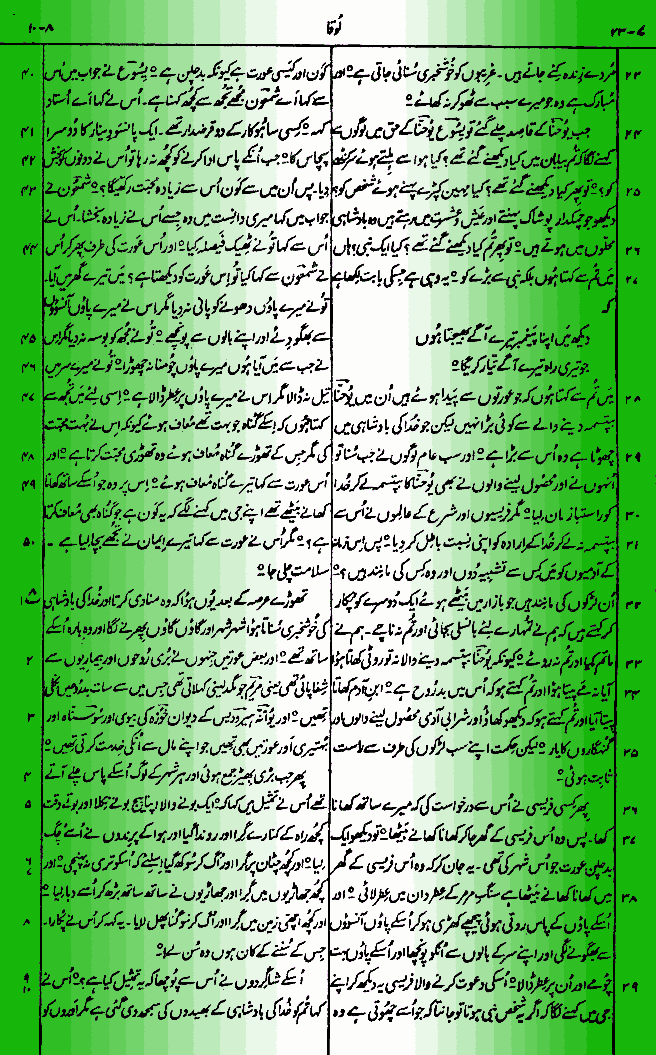
Luke 7:23
Verse: And blessed is he whosoever shall not be offended in me
English Explanation: Jesus addresses the doubts that had arisen even in the mind of John the Baptist. To be “offended” in Jesus means to stumble or fall away because He did not fit the traditional worldly expectation of a political, conquering Messiah. Jesus declares a profound blessing on anyone who accepts Him on His terms, recognizing His spiritual kingdom rather than rejecting Him based on human expectations.
Urdu Explanation (تفصیلی وضاحت): عیسیٰ علیہ السلام ان شکوک و شبہات کا جواب دے رہے ہیں جو یوحنا اصطباغی (John the Baptist) کے ذہن میں بھی پیدا ہوئے تھے۔ عیسیٰؑ پر “ٹھوکر نہ کھانے” یا “ناراض نہ ہونے” کا مطلب یہ ہے کہ کوئی شخص آپؑ کو اس لیے رد نہ کرے کہ آپؑ دنیاوی بادشاہوں کی طرح جنگجو نہیں تھے۔ عیسیٰؑ نے واضح کیا کہ مبارک ہے وہ انسان جو مجھے ویسا ہی قبول کرے جیسا میں ہوں اور اپنی دنیاوی خواہشات کی وجہ سے ایمان سے محروم نہ ہو۔
Luke 7:24
Verse: And when the messengers of John were departed he began to speak unto the people concerning John What went ye out into the wilderness for to see? A reed shaken with the wind?
English Explanation: After John’s disciples left, Jesus defended John’s character to the crowd so they wouldn’t think less of him due to his doubts. He asks if they went to the desert to see a “reed shaken with the wind”—a metaphor for a weak, fickle person who changes his mind with public opinion. John was the absolute opposite; he was a man of rock-solid conviction.
Urdu Explanation (تفصیلی وضاحت): جب یوحنا کے قاصد چلے گئے، تو عیسیٰؑ نے لوگوں کے سامنے یوحنا کی تعریف کی تاکہ لوگ ان کے شکوک کی وجہ سے ان کی عزت کم نہ کریں۔ آپؑ نے پوچھا کہ تم بیابان میں کیا دیکھنے گئے تھے؟ کیا ہوا سے ہلتے ہوئے سرکنڈے کو؟ یعنی کیا یوحنا کوئی ایسا کمزور انسان تھا جو لوگوں کی رائے کے ساتھ بدل جاتا؟ ہرگز نہیں، وہ ایک مضبوط ایمان والے انسان تھے۔
Luke 7:25
Verse: But what went ye out for to see? A man clothed in soft raiment? Behold they which are gorgeously apparelled and live delicately are in kings’ courts
English Explanation: Jesus continues to contrast John with worldly standards. John was not a soft, luxury-loving courtier who spoke pleasing words to please kings. He wore camel’s hair and spoke hard truths. Luxury and soft clothes belong to palaces, but God’s prophetic voice often speaks from places of hardship and simplicity.
Urdu Explanation (تفصیلی وضاحت): عیسیٰؑ فرماتے ہیں کہ تم کیا دیکھنے گئے تھے؟ کیا قیمتی اور نرم لباس پہنے ہوئے کسی شخص کو؟ یاد رکھو، جو لوگ شاندار لباس پہنتے ہیں اور عیاشی کی زندگی گزارتے ہیں، وہ بادشاہوں کے محلوں میں ہوتے ہیں۔ یوحنا کوئی دنیا دار یا عیاش انسان نہیں تھا، بلکہ وہ سادگی اور سختی کی زندگی گزارنے والا خدا کا سچا بندہ تھا۔
Luke 7:26
Verse: But what went ye out for to see? A prophet? Yea I say unto you and much more than a prophet
English Explanation: Jesus confirms that John was indeed a prophet, but then elevates his status even further: he was “much more than a prophet.” While regular prophets spoke of a distant Messiah, John had the unique, historic privilege of seeing, pointing to, and introducing the Messiah in person.
Urdu Explanation (تفصیلی وضاحت): عیسیٰؑ نے پوچھا کہ پھر تم کیا دیکھنے گئے تھے؟ کیا ایک نبی کو؟ ہاں، میں تم سے کہتا ہوں کہ وہ ایک نبی سے بھی بڑھ کر تھا۔ عام انبیاء نے آنے والے مسیح کی دور سے پیشگوئی کی تھی، لیکن یوحنا کو یہ منفرد مقام حاصل تھا کہ انہوں نے خود مسیح کو اپنی آنکھوں سے دیکھا اور لوگوں کے سامنے ان کی گواہی دی۔
Luke 7:27
Verse: This is he of whom it is written Behold I send my messenger before thy face which shall prepare thy way before thee
English Explanation: Jesus quotes the Old Testament prophecy from Malachi 3:1. He identifies John as the ultimate prophetic messenger chosen by God to run ahead of the King (Jesus) and prepare the hearts of the people for His arrival. This statement also explicitly affirms Jesus’ own identity as the divine King.
Urdu Explanation (تفصیلی وضاحت): عیسیٰؑ یہاں ملاکی نبی کی کتاب کا حوالہ دیتے ہیں: “دیکھ، میں اپنے رسول کو تیرے آگے بھیجتا ہوں جو تیرے آگے تیری راہ تیار کرے گا۔” آپؑ نے ثابت کیا کہ یوحنا ہی وہ خاص پیامبر ہیں جن کا کام لوگوں کے دلوں کو مسیح کی آمد کے لیے تیار کرنا تھا۔ اس سے عیسیٰؑ نے اپنی الٰہی پہچان کا بھی اعلان کیا۔
Luke 7:28
Verse: For I say unto you Among those that are born of women there is not a greater prophet than John the Baptist but he that is least in the kingdom of God is greater than he
English Explanation: Jesus pays John the ultimate compliment, stating that no human born before him was greater in spiritual position. However, Jesus adds a paradox: the “least” in the Kingdom of God is greater than John. This is because John belonged to the Old Covenant era of expectation, whereas believers today live in the New Covenant era of completed salvation through Jesus’ cross and resurrection.
Urdu Explanation (تفصیلی وضاحت): عیسیٰؑ فرماتے ہیں کہ عورتوں سے پیدا ہونے والوں میں یوحنا اصطباغی سے بڑا کوئی نبی نہیں، لیکن جو خدا کی بادشاہی میں چھوٹے سے چھوٹا ہے، وہ اس سے بڑا ہے۔ اس کا مطلب یہ ہے کہ یوحنا پرانے عہد کے آخری نبی تھے جنہوں نے صرف امید دیکھی، جبکہ خدا کی بادشاہی کے نئے دور میں شامل ہونے والا ادنیٰ ترین ایماندار بھی مسیح کی قربانی اور نجات کے مکمل فضل سے واقف ہے۔
Luke 7:29
Verse: And all the people that heard him and the publicans justified God being baptized with the baptism of John
English Explanation: When the common people and the despised tax collectors (publicans) heard Jesus’ words, they acknowledged God’s justice. They had previously repented and been baptized by John, which showed that their hearts were open to God’s plan and ready to accept Jesus.
Urdu Explanation (تفصیلی وضاحت): جب عام لوگوں اور ٹیکس وصول کرنے والوں (محصول لینے والوں) نے عیسیٰؑ کی باتیں سنیں، تو انہوں نے خدا کی عدالت اور سچائی کو تسلیم کیا۔ یہ وہ لوگ تھے جنہوں نے پہلے ہی یوحنا سے توبہ کا بپتسمہ لیا تھا، جس سے ثابت ہوتا ہے کہ ان کے دل خدا کی مرضی کو قبول کرنے کے لیے تیار تھے۔
Luke 7:30
Verse: But the Pharisees and lawyers rejected the counsel of God against themselves being not baptized of him
English Explanation: In stark contrast to the sinners, the religious elite (Pharisees and experts in religious law) rejected God’s purpose for their lives. Because they were prideful and refused John’s baptism of repentance, they blinded themselves to the identity and grace of Jesus.
Urdu Explanation (تفصیلی وضاحت): لیکن اس کے برعکس، فریسیوں اور شریعت کے عالموں نے اپنے ہی خلاف خدا کی مصلحت اور مرضی کو رد کر دیا۔ چونکہ وہ مغرور تھے اور انہوں نے یوحنا سے توبہ کا بپتسمہ نہیں لیا تھا، اس لیے انہوں نے خدا کی نجات کے منصوبے کو اپنے لیے بیکار کر دیا۔
Luke 7:31
Verse: And the Lord said Whereunto then shall I liken the men of this generation? and to what are they like?
English Explanation: Jesus speaks about the stubborn and fickle nature of the religious leaders of His day. He uses a rhetorical question to introduce a vivid parable about their childish, hypocritical behavior.
Urdu Explanation (تفصیلی وضاحت): اور خداوند نے فرمایا کہ میں اس زمانے کے لوگوں کو کس سے تشبیہ دوں؟ اور وہ کس کی مانند ہیں؟ عیسیٰؑ یہاں کے مڈل کلاس اور مذہبی رہنماؤں کی ضد اور منافقت کو ظاہر کرنے کے لیے ایک مثال دینے جا رہے ہیں۔
Luke 7:32
Verse: They are like unto children sitting in the marketplace and calling one to another and saying We have piped unto you and ye have not danced; we have mourned to you and ye have not wept
English Explanation: Jesus compares that generation to spoiled, moody children playing games in the market. When one group plays cheerful music (like a wedding), the others refuse to dance. When they play sad music (like a funeral), the others refuse to mourn. No matter what is offered, they refuse to participate or be satisfied.
Urdu Explanation (تفصیلی وضاحت): وہ ان بچوں کی مانند ہیں جو بازار میں بیٹھے ہوں اور ایک دوسرے کو پکار کر کہیں کہ ہم نے تمہارے لیے بانسری بجائی اور تم نہ ناچے، ہم نے ماتم کیا اور تم نہ روئے۔ یعنی وہ ایسے ضدی بچوں کی طرح ہیں جنہیں کسی حال میں خوش نہیں کیا جا سکتا، خواہ خوشی کا موقع ہو یا غم کا۔
Luke 7:33
Verse: For John the Baptist came neither eating bread nor drinking wine; and ye say He hath a devil
English Explanation: Jesus applies the parable. John the Baptist lived an austere, fasting lifestyle (like a funeral song), and the critics rejected him, falsely claiming he was demon-possessed because of his intense, solitary behavior.
Urdu Explanation (تفصیلی وضاحت): عیسیٰؑ اس مثال کو لاگو کرتے ہوئے فرماتے ہیں کہ یوحنا اصطباغی نہ روٹی کھاتا ہوا آیا اور نہ مے پیتا ہوا (یعنی اس کی زندگی انتہائی زاہدانہ اور سخت تھی)، تو تم نے کہہ دیا کہ اس میں بدروح ہے۔ انہوں نے یوحنا کی سادگی کو شیطانی قرار دے کر رد کر دیا۔
Luke 7:34
Verse: The Son of man is come eating and drinking; and ye say Behold a gluttonous man and a winebibber a friend of publicans and sinners!
English Explanation: Jesus, the Son of Man, came socializing, eating, and celebrating with people (like a wedding song). Yet, the same critics condemned Him too, calling Him a glutton, a drunkard, and a friend of outcasts. This proves that their rejection wasn’t about the lifestyle of the prophets, but about their own hard hearts.
Urdu Explanation (تفصیلی وضاحت): اور ابنِ آدم (عیسیٰؑ) کھاتا پیتا آیا (یعنی وہ عام لوگوں میں اٹھتا بیٹھتا اور خوشیوں میں شریک ہوتا ہے)، تو تم کہتے ہو کہ دیکھو، یہ تو پیٹو اور شرابی ہے، اور محصول لینے والوں اور گناہگاروں کا یار ہے! اس سے ثابت ہوتا ہے کہ ان کا مسئلہ عیسیٰؑ یا یوحنا کا طریقہ کار نہیں تھا، بلکہ ان کے اپنے دل سخت تھے۔
Luke 7:35
Verse: But wisdom is justified of all her children
English Explanation: Despite the criticism, Jesus states that true divine wisdom is vindicated and proven right by its results (“her children”). Those who genuinely followed both John and Jesus showed transformed, holy lives, proving that both ministries were part of God’s perfect, wise plan.
Urdu Explanation (تفصیلی وضاحت): لیکن حکمت اپنے تمام فرزندوں سے سچی ثابت ہوئی۔ اس کا مطلب یہ ہے کہ خدا کی حکمت پر خواہ کتنے ہی اعتراضات کیوں نہ کیے جائیں، اس کا درست ہونا ان لوگوں کی زندگیوں سے ظاہر ہو جاتا ہے جو اس پر عمل کرتے ہیں اور گناہوں سے نجات پاتے ہیں۔
Luke 7:36
Verse: And one of the Pharisees desired him that he would eat with him And he went into the Pharisee’s house and sat down to meat
English Explanation: A Pharisee named Simon invites Jesus to dinner. Jesus graciously accepts, showing that He does not exclude the religious elite from His ministry, even though many of them opposed Him. He dines with anyone who invites Him.
Urdu Explanation (تفصیلی وضاحت): فریسیوں میں سے ایک شخص (جس کا نام شمعون تھا) نے عیسیٰؑ سے درخواست کی کہ وہ اس کے ساتھ کھانا کھائیں۔ عیسیٰؑ اس کے گھر گئے اور کھانے بیٹھ گئے۔ اس سے معلوم ہوتا ہے کہ عیسیٰؑ ہر ایک کے پاس جانے کے لیے تیار تھے، تاکہ سب کو سچائی کا پیغام مل سکے۔
Luke 7:37
Verse: And behold a woman in the city which was a sinner when she knew that Jesus sat at meat in the Pharisee’s house brought an alabaster box of ointment
English Explanation: A woman known publicly in the city as a “sinner” (likely a prostitute) learns where Jesus is. Driven by immense gratitude and repentance, she brings an expensive alabaster jar of perfume, risking public humiliation to see Jesus.
Urdu Explanation (تفصیلی وضاحت): اور دیکھو، شہر کی ایک گناہگار عورت کو جب معلوم ہوا کہ عیسیٰؑ اس فریسی کے گھر کھانا کھا رہے ہیں، تو وہ سنگِ مرمر (alabaster) کے برتن میں عطر لے کر آئی۔ وہ عورت معاشرے میں بدنام تھی، لیکن عیسیٰؑ کی محبت اسے کھینچ لائی۔
Luke 7:38
Verse: And stood at his feet behind him weeping and began to wash his feet with tears and did wipe them with the hairs of her head and kissed his feet and anointed them with the ointment
English Explanation: People reclined on low couches during feasts, so their feet stretched out behind them. The woman wept openly, her tears soaking Jesus’ feet. In an act of deepest humility, love, and devotion, she wiped His feet with her hair, kissed them repeatedly, and poured the precious perfume on them.
Urdu Explanation (تفصیلی وضاحت): وہ روتی ہوئی عیسیٰؑ کے پیچھے ان کے قدموں کے پاس کھڑی ہو گئی اور اپنے آنسوؤں سے ان کے پاؤں بھگونے لگی۔ پھر اس نے اپنے سر کے بالوں سے انہیں پونچھا، ان کے پاؤں چومے اور ان پر عطر ملا۔ یہ اس کی عاجزی، توبہ اور شدید محبت کا اظہار تھا۔
Luke 7:39
Verse: Now when the Pharisee which had bidden him saw it he spake within himself saying This man if he were a prophet would have known who and what manner of woman this is that toucheth him for she is a sinner
English Explanation: Simon the Pharisee watches this and judges Jesus in his mind. He reasons that if Jesus were truly a prophet from God, He would have supernatural discernment to know that this woman is unclean, and He would have rejected her touch according to Pharisaic law.
Urdu Explanation (تفصیلی وضاحت): جب اس فریسی نے یہ دیکھا تو اپنے دل میں کہنے لگا کہ اگر یہ شخص نبی ہوتا، تو ضرور جان لیتا کہ یہ جو اسے چھو رہی ہے کون ہے اور کیسی عورت ہے؛ کیونکہ یہ تو گناہگار ہے۔ شمعون نے اپنے گھمنڈ میں عیسیٰؑ کی نبوت پر شک کیا۔
Luke 7:40
Verse: And Jesus answering said unto him Simon I have somewhat to say unto thee And he saith Master say on
English Explanation: Jesus proves He is a prophet by reading Simon’s unspoken thoughts. He addresses him directly, politely asking to share a short parable. Simon replies respectfully, calling Him “Master” or “Teacher.”
Urdu Explanation (تفصیلی وضاحت): عیسیٰؑ نے شمعون کے دل کے خیالات کو جان کر اس سے فرمایا: “شمعون! مجھے تجھ سے کچھ کہنا ہے۔” اس نے کہا: “اے استاد، فرمائیے۔” عیسیٰؑ نے ظاہر کر دیا کہ وہ انسان کے پوشیدہ خیالات سے بھی واقف ہیں۔
Luke 7:41
Verse: There was a certain creditor which had two debtors the one owed five hundred pence and the other fifty
English Explanation: Jesus tells a simple story of a moneylender who had two debtors. One owed a massive amount (five hundred denarii, about a year and a half of wages), and the other owed a much smaller amount (fifty denarii).
Urdu Explanation (تفصیلی وضاحت): عیسیٰؑ نے ایک مثال سنائی: “کسی قرض خواہ کے دو قرضدار تھے۔ ایک پانچ سو دینار کا دھار تھا اور دوسرا پچاس کا۔” دونوں پر قرض کی رقم میں بہت بڑا فرق تھا۔
Luke 7:42
Verse: And when they had nothing to pay he frankly forgave them both Tell me therefore which of them will love him most?
English Explanation: Neither debtor could afford to pay back what they owed. Amazingly, the creditor canceled the debts of both out of sheer generosity. Jesus then poses a penetrating question: which of the two forgiven debtors will love the lender more?
Urdu Explanation (تفصیلی وضاحت): “جب ان کے پاس ادا کرنے کو کچھ نہ رہا، تو اس نے دونوں کا قرض معاف کر دیا۔ پس مجھے بتاؤ کہ ان میں سے کون اس سے زیادہ محبت رکھے گا؟” عیسیٰؑ نے شمعون کو سوچنے پر مجبور کیا۔
Luke 7:43
Verse: Simon answered and said I suppose that he to whom he forgave most And he said unto him Thou hast rightly judged
English Explanation: Simon gives the obvious, logical answer: the one who had the larger debt canceled would feel the greater gratitude and love. Jesus commends him for judging correctly, setting up the direct application to Simon and the woman.
Urdu Explanation (تفصیلی وضاحت): شمعون نے جواب دیا: “میرا خیال ہے کہ وہ جس کا زیادہ معاف ہوا۔” عیسیٰؑ نے اس سے فرمایا: “تو نے ٹھیک فیصلہ کیا۔” یہ شمعون کا اپنا اعتراف تھا جو اب اسی پر لاگو ہونے والا تھا۔
Luke 7:44
Verse: And he turned to the woman and said unto Simon Seest thou this woman? I entered into thine house thou gavest me no water for my feet but she hath washed my feet with tears and wiped them with the hairs of her head
English Explanation: Jesus turns to face the woman while speaking to Simon, contrasting her overwhelming devotion with Simon’s lack of basic hospitality. In ancient times, providing water to wash a guest’s dusty feet was a standard courtesy. Simon neglected this, but the woman used her own tears and hair.
Urdu Explanation (تفصیلی وضاحت): پھر عیسیٰؑ عورت کی طرف متوجہ ہوئے اور شمعون سے کہا: “کیا تو اس عورت کو دیکھتا ہے؟ میں تیرے گھر میں آیا، تو نے میرے پاؤں دھونے کے لیے پانی نہ دیا؛ لیکن اس نے اپنے آنسوؤں سے میرے پاؤں بھگوئے اور اپنے بالوں سے پونچھے۔”
Luke 7:45
Verse: Thou gavest me no kiss but this woman since the time I came in hath not ceased to kiss my feet
English Explanation: Jesus continues the contrast. A kiss on the cheek was a common sign of friendly welcome. Simon did not offer even this basic greeting, whereas the heartbroken, grateful woman had not stopped kissing Jesus’ feet since she arrived.
Urdu Explanation (تفصیلی وضاحت): “تو نے مجھے چوما بھی نہیں؛ لیکن اس عورت نے میرے آنے کے وقت سے میرے پاؤں چومنا بند نہیں کیا۔” عیسیٰؑ نے شمعون کے سرد رویے اور عورت کی گرمجوشی کا موازنہ کیا۔
Luke 7:46
Verse: My head with oil thou didst not anoint but this woman hath anointed my feet with ointment
English Explanation: Anointing a guest’s head with cheap olive oil was a normal mark of honor. Simon withheld even this basic courtesy. In contrast, the woman poured highly expensive, aromatic ointment not just on His head, but on His feet.
Urdu Explanation (تفصیلی وضاحت): “تو نے میرے سر پر زیتون کا تیل بھی نہیں ملا؛ لیکن اس نے میرے پاؤں پر عطر ملا۔” عیسیٰؑ نے واضح کیا کہ شمعون نے انہیں ایک عام مہمان بھی نہیں سمجھا، جبکہ اس عورت نے انہیں خدا کا خاص بندہ جانا۔
Luke 7:47
Verse: Wherefore I say unto thee Her sins which are many are forgiven; for she loved much but to whom little is forgiven the same loveth little
English Explanation: Jesus states that her deep love is the evidence (not the cause) of her great forgiveness. Because she recognized the magnitude of her sins and received God’s mercy, her love overflowed. Simon, thinking he had very little to be forgiven for, showed almost no love.
Urdu Explanation (تفصیلی وضاحت): “اس لیے میں تجھ سے کہتا ہوں کہ اس کے گناہ جو بہت تھے، معاف ہوئے؛ کیونکہ اس نے بہت محبت کی۔ لیکن جس کا تھوڑا معاف ہوتا ہے، وہ تھوڑی محبت کرتا ہے۔” عیسیٰؑ نے واضح کیا کہ عورت کی محبت اس بات کا ثبوت تھی کہ اسے گناہوں سے معافی مل چکی ہے۔
Luke 7:48
Verse: And he said unto her Thy sins are forgiven
English Explanation: Jesus speaks directly to the woman, offering her absolute divine assurance. He speaks with the authority of God Himself, declaring her sins completely erased, freeing her from guilt and shame.
Urdu Explanation (تفصیلی وضاحت): اور عیسیٰؑ نے اس عورت سے کہا: “تیرے گناہ معاف ہوئے۔” یہ جملہ اس عورت کے لیے زندگی بدل دینے والا تھا، جس نے اسے تمام پچھلے گناہوں کے بوجھ اور احساسِ جرم سے آزاد کر دیا۔
Luke 7:49
Verse: And they that sat at meat with him began to say within themselves Who is this that forgiveth sins also?
English Explanation: The other dinner guests are shocked. Under Jewish law, only God can forgive sins. By forgiving the woman, Jesus was making a claim to deity, which caused the guests to question His true identity in their minds.
Urdu Explanation (تفصیلی وضاحت): تب ساتھ کھانے بیٹھنے والے اپنے دلوں میں کہنے لگے کہ یہ کون ہے جو گناہ بھی معاف کرتا ہے؟ یہودی عقیدے کے مطابق گناہ معاف کرنا صرف خدا کا کام ہے، اس لیے وہ عیسیٰؑ کے اس اختیار کو دیکھ کر حیران رہ گئے۔
Luke 7:50
Verse: And he said to the woman Thy faith hath saved thee; go in peace
English Explanation: Jesus ignores the critics and gives the final word to the woman. It was her faith in Jesus that brought her salvation, not her works or the perfume. He dismisses her with a blessing of deep, lasting spiritual peace.
Urdu Explanation (تفصیلی وضاحت): اور عیسیٰؑ نے عورت سے فرمایا: “تیرے ایمان نے تجھے بچا لیا؛ سلامتی کے ساتھ چلی جا۔” عیسیٰؑ نے واضح کیا کہ نجات عطر دینے سے نہیں بلکہ عیسیٰؑ پر سچے ایمان لانے سے ملی ہے، اور اب وہ ذہنی اور روحانی سکون کے ساتھ رہ سکتی ہے۔
Luke 8:1
Verse: And it came to pass afterward that he went throughout every city and village preaching and shewing the glad tidings of the kingdom of God and the twelve were with him
English Explanation: This verse marks a transition. Jesus continues His itinerant ministry, traveling tirelessly through cities and villages. His message is the “glad tidings” (the Gospel) of the Kingdom of God. Accompanied by His twelve chosen apostles, He actively models evangelism.
Urdu Explanation (تفصیلی وضاحت): اس کے بعد ایسا ہوا کہ عیسیٰؑ شہر شہر اور گاؤں گاؤں تبلیغ کرتے اور خدا کی بادشاہی کی خوشخبری سناتے پھرتے تھے، اور وہ بارہ (شاگرد) ان کے ساتھ تھے۔ یہ ظاہر کرتا ہے کہ عیسیٰؑ نے اپنی دعوت کو ایک جگہ تک محدود نہیں رکھا بلکہ ہر علاقے تک پہنچایا۔
Luke 8:2
Verse: And certain women which had been healed of evil spirits and infirmities Mary called Magdalene out of whom went seven devils
English Explanation: Luke uniquely notes that a dedicated group of women traveled with and supported Jesus. These women were eyewitnesses who had been personally transformed and healed by Him. Among them was Mary Magdalene, who had been delivered from extreme demonic oppression (seven devils).
Urdu Explanation (تفصیلی وضاحت): اور چند عورتیں بھی ان کے ساتھ تھیں جو بدروحوں اور بیماریوں سے شفا پا چکی تھیں؛ یعنی مریم جو مگدلینی کہلاتی تھی، جس میں سے سات بدروحیں نکلی تھیں۔ یہ عورتیں عیسیٰؑ کی معجزاتی شفا کی زندہ گواہ تھیں اور وفاداری سے ان کی خدمت کرتی تھیں۔
Luke 8:3
Verse: And Joanna the wife of Chuza Herod’s steward and Susanna and many others which ministered unto him of their substance
English Explanation: The text lists more prominent women, including Joanna, who belonged to high society as the wife of King Herod’s household manager. These women used their private financial resources (“substance”) to supply food, clothing, and shelter for Jesus and His disciples, showcasing the vital role of women in early ministry.
Urdu Explanation (تفصیلی وضاحت): “اور یوآناہ جو ہیرودیس کے کارپرداز خوزہ کی بیوی تھی، اور سوسناہ اور بہت سی دوسری عورتیں اپنے مال سے ان کی خدمت کرتی تھیں۔” یہ ظاہر کرتا ہے کہ عیسیٰؑ کی وزارت میں خواتین کا کردار کتنا اہم تھا، جنہوں نے اپنے مالی وسائل سے عیسیٰؑ اور ان کے شاگردوں کی مادی ضروریات پوری کیں۔
Luke 8:4
Verse: And when much people were gathered together and were come to him out of every city he spake by a parable
English Explanation: As Jesus’ popularity grows, enormous crowds from various cities gather around Him. To teach them deep spiritual truths in a memorable way, He begins to use a famous pedagogical tool: parables (earthly stories with heavenly meanings).
Urdu Explanation (تفصیلی وضاحت): جب ایک بڑی بھیڑ جمع ہو گئی اور ہر شہر سے لوگ ان کے پاس آئے، تو انہوں نے ایک تمثیل (مثال) میں فرمایا۔ عیسیٰؑ نے گہرے روحانی حقائق کو سمجھانے کے لیے روزمرہ کی زندگی سے کہانیاں یعنی تمثیلیں استعمال کرنا شروع کیں۔
Luke 8:5
Verse: A sower went out to sow his seed and as he sowed some fell by the way side; and it was trodden down and the fowls of the air devoured it
English Explanation: Jesus begins the Parable of the Sower. A farmer scatters seeds across a field. The first environment is the hard, compacted footpath (“way side”). The seed cannot penetrate the ground; it gets trampled by travelers, and the birds quickly eat it up.
Urdu Explanation (تفصیلی وضاحت): “ایک کسان بیج بونے نکلا؛ اور بوتے وقت کچھ بیج راہ کے کنارے گرا اور پامال ہوا، اور آکاش کے پرندے اسے چگ گئے۔” یہ اس دل کی مثال ہے جو اتنا سخت ہوتا ہے کہ خدا کا کلام اس کے اندر داخل ہی نہیں ہو پاتا اور شیطان اسے فوراً چھین لیتا ہے۔
Luke 8:6
Verse: And some fell upon a rock; and as soon as it was sprung up it withered away because it lacked moisture
English Explanation: The second environment is rocky ground covered by a very thin layer of soil. The seed germinates rapidly because the rock holds heat, but because there is no deep earth, the roots cannot find water. As soon as the sun gets hot, the plant withers and dies.
Urdu Explanation (تفصیلی وضاحت): “اور کچھ چٹان پر گرا؛ اور اگتے ہی سوکھ گیا، کیونکہ اسے تری نہ ملی۔” یہ اس انسان کی مانند ہے جو جذبات میں آکر کلام تو قبول کرتا ہے، لیکن اس کی جڑیں گہری نہیں ہوتیں اور آزمائش آنے پر وہ ایمان چھوڑ دیتا ہے۔
Luke 8:7
Verse: And some fell among thorns; and the thorns sprang up with it and choked it
English Explanation: The third environment is soil filled with hidden thorn roots. The seed grows, but the aggressive, fast-growing thorns compete for sunlight, water, and nutrients. Eventually, the thorns completely choke the young plant, preventing it from producing fruit.
Urdu Explanation (تفصیلی وضاحت): “اور کچھ جھاڑیوں میں گرا؛ اور جھاڑیوں نے ساتھ اگ کر اسے دبا دیا۔” یہ اس دل کی حالت ہے جہاں دنیا کی فکریں، دولت کا لالچ اور عیاشیاں خدا کے کلام کے اثر کو دبا دیتی ہیں اور زندگی بے پھل رہتی ہے۔
Luke 8:8
Verse: And other fell on good ground and sprang up and bare fruit an hundredfold And when he had said these things he cried He that hath ears to hear let him hear
English Explanation: The final environment is soft, rich, cultivated soil. The seed penetrates, develops deep roots, and produces an incredible harvest—a hundred times what was sown. Jesus concludes with a solemn warning to listen with spiritual attention, not just physical ears.
Urdu Explanation (تفصیلی وضاحت): “اور کچھ اچھی زمین پر گرا اور اگ کر سو گنا پھل لایا۔ یہ کہہ کر انہوں نے پکارا کہ جس کے سننے کے کان ہوں، وہ سن لے۔” اچھی زمین وہ دل ہے جو کلام کو سنتا، سمجھتا اور اس پر عمل کر کے کثیر روحانی پھل لاتا ہے۔
Luke 8:9
Verse: And his disciples asked him saying What might this parable be?
English Explanation: Even Jesus’ closest followers do not immediately grasp the deeper spiritual meaning behind the farming story. They approach Him privately to ask for a direct interpretation, demonstrating their desire to learn.
Urdu Explanation (تفصیلی وضاحت): اور ان کے شاگردوں نے ان سے پوچھا کہ اس تمثیل کا کیا مطلب ہے؟ شاگرد بھی اس کہانی کے پیچھے چھپے گہرے روحانی راز کو فوری طور پر سمجھ نہیں پائے تھے، اس لیے انہوں نے عیسیٰؑ سے وضاحت طلب کی۔
Luke 8:10
Verse: And he said Unto you it is given to know the mysteries of the kingdom of God but to others in parables; that seeing they might not see and hearing they might not understand
English Explanation: Jesus explains the purpose of parables. To true disciples with open hearts, God reveals the hidden secrets (“mysteries”) of His Kingdom. However, to those who are stubborn and proud, parables act as a judgment: the truth is hidden in plain sight, fulfilling Isaiah’s prophecy that they look but don’t perceive, and hear but don’t comprehend.
Urdu Explanation (تفصیلی وضاحت): عیسیٰؑ نے فرمایا: “تمہیں تو خدا کی بادشاہی کے بھیدوں کی پہچان دی گئی ہے، لیکن دوسروں کو تمثیلوں میں؛ تاکہ وہ دیکھتے ہوئے بھی نہ دیکھیں اور سنتے ہوئے بھی نہ سمجھیں۔” یعنی جو لوگ سچے دل سے سچائی کے طالب ہیں، ان پر راز کھولے جاتے ہیں، لیکن جو ضدی ہیں، ان کے لیے یہ کلام پوشیدہ رہتا ہے۔