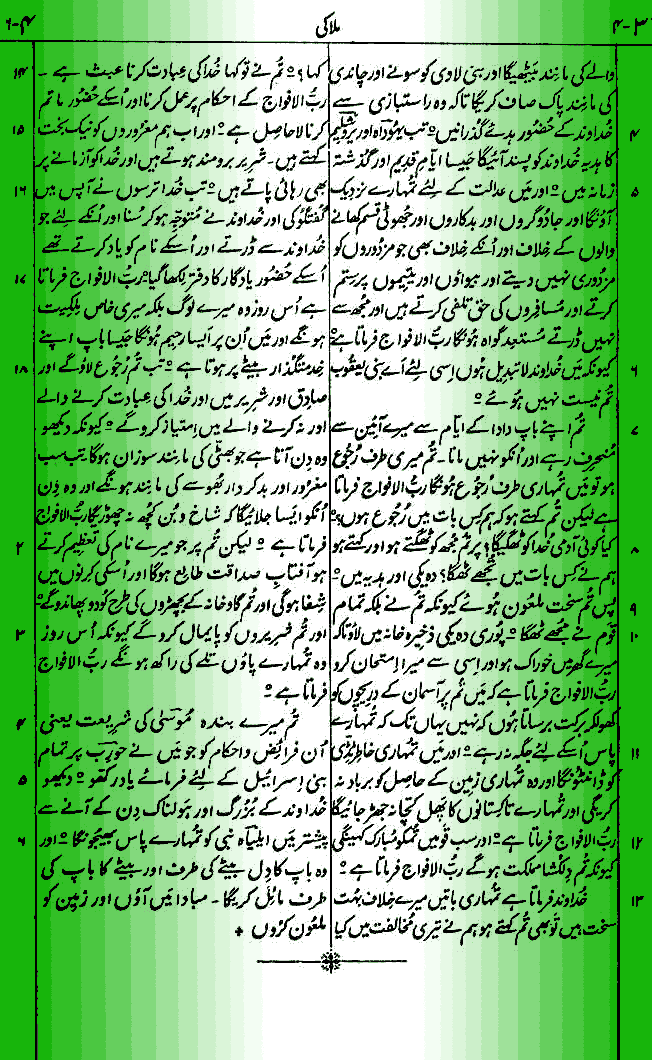
Verse-by-Verse Commentary (Malachi 3:4 to Malachi 4:6)
Malachi 3:4
Verse: Then shall the offering of Judah and Jerusalem be pleasant unto the LORD as in the days of old and as in former years
-
English Explanation: This verse points toward a time of spiritual restoration. After the refining and purifying process mentioned in the preceding verses, the worship and sacrifices offered by God’s people will once again be acceptable and pleasing to Him. It draws a parallel to the “days of old”—historical times when Israel walked in genuine obedience and sincere devotion, free from hypocrisy.
-
Urdu Explanation (تفصیلی وضاحت): اس آیت میں روحانی بحالی اور پاکیزگی کے دور کی طرف اشارہ کیا گیا ہے۔ جب خدا اپنے لوگوں کو پاک اور صاف کر دے گا تو یہوداہ اور یروشلیم کی قربانیاں اور نذرانے ایک بار پھر خداوند کے حضور مقبول اور پسندیدہ ہوں گے۔ یہ ماضی کے ان دنوں کی یاد دلاتا ہے جب بنی اسرائیل سچے دل اور خلوص کے ساتھ خدا کی عبادت کرتے تھے اور ان کی عبادت میں کوئی منافقت نہیں ہوتی تھی۔
Malachi 3:5
Verse: And I will come near to you to judgment and I will be a swift witness against the sorcerers and against the adulterers and against false swearers and against those that oppress the hireling in his wages the widow and the fatherless and that turn aside the stranger from his right and fear not me saith the LORD of hosts
-
English Explanation: God responds to the people’s cynical questions about His justice. He promises to act as both judge and prosecutor against societal and spiritual sins. He explicitly condemns sorcery, infidelity, perjury, and economic injustice—such as exploiting day laborers, widows, orphans, and immigrants. The root cause of all these societal evils is identified as a complete lack of fear and reverence for the Lord.
-
Urdu Explanation (تفصیلی وضاحت): یہاں خدا ان لوگوں کو جواب دے رہا ہے جو اس کے انصاف پر سوال اٹھاتے تھے۔ اللہ فرماتا ہے کہ وہ خود عدالت قائم کرے گا اور جادوگروں، زناکاروں، جھوٹی قسمیں کھانے والوں اور غریب مزدوروں کا حق مارنے والوں کے خلاف گواہ بنے گا۔ وہ ان لوگوں کو بھی سزا دے گا جو بیواؤں، یتیموں اور مسافروں پر ظلم کرتے ہیں۔ ان تمام گناہوں کی بنیادی وجہ یہ ہے کہ ان لوگوں کے دلوں میں خدا کا خوف اور احترام نہیں ہے۔
Malachi 3:6
Verse: For I am the LORD I change not therefore ye sons of Jacob are not consumed
-
English Explanation: This is a powerful declaration of God’s immutability—His unchanging nature, character, and covenants. The only reason the descendants of Jacob (Israel) have not been completely wiped out despite their repeated rebellions is because God remains faithful to the eternal promises He made to their ancestors. His mercy endures because He does not change.
-
Urdu Explanation (تفصیلی وضاحت): یہ آیت خدا کی غیر متبدل اور مستقل جاہ و جلال کو ظاہر کرتی ہے۔ خدا فرماتا ہے کہ “میں خداوند ہوں، میں بدلتا نہیں”۔ یعقوب کی اولاد (بنی اسرائیل) اپنی مسلسل نافرمانیوں کے باوجود اگر اب تک مٹ نہیں گئی، تو اس کی واحد وجہ یہ ہے کہ خدا اپنے عہد اور وعدوں کا سچا ہے۔ اس کا رحم اس لیے قائم ہے کیونکہ وہ اپنے ارادوں میں تبدیل نہیں ہوتا۔
Malachi 3:7
Verse: Even from the days of your fathers ye are gone away from mine ordinances and have not kept them Return unto me and I will return unto you saith the LORD of hosts But ye said Wherein shall we return
-
English Explanation: God points out a generational pattern of rebellion; Israel has historically strayed from divine decrees. Despite this, God extends an open, gracious invitation: “Return to me, and I will return to you.” However, the people respond with defensive blindness, arrogantly asking how or in what way they need to repent, showing they are oblivious to their own spiritual decline.
-
Urdu Explanation (تفصیلی وضاحت): خدا بنی اسرائیل کو ان کی نسل در نسل چلی آ رہی نافرمانی کی تاریخ یاد دلاتا ہے کہ انہوں نے ہمیشہ خدا کے احکامات کو توڑا۔ اس کے باوجود، خدا انہیں ایک خوبصورت دعوت دیتا ہے: “میری طرف رجوع کرو تو میں تمہاری طرف رجوع کروں گا”۔ لیکن لوگ اپنی روحانی اندھیت کا ثبوت دیتے ہوئے الٹا سوال کرتے ہیں کہ “ہم کس بات میں رجوع کریں؟” یعنی وہ اپنے گناہوں کو ماننے کے لیے تیار ہی نہیں ہیں۔
Malachi 3:8
Verse: Will a man rob God Yet ye have robbed me But ye say Wherein have we robbed thee In tithes and offerings
-
English Explanation: God levels a shocking accusation against the nation: they are guilty of robbing Him. When the people defensively ask for proof, God points directly to their finances and worship practices—specifically, their failure to bring in their mandated tithes (ten percent) and voluntary offerings. By keeping what belonged to God, they were committing spiritual theft.
-
Urdu Explanation (تفصیلی وضاحت): خدا اپنے لوگوں پر ایک سنگین الزام لگاتا ہے کہ کیا کوئی انسان خدا کو لوٹ سکتا ہے؟ لیکن تم نے مجھے لوٹا ہے۔ جب لوگ حیرت سے پوچھتے ہیں کہ ہم نے تجھے کہاں لوٹا؟ تو خدا صاف الفاظ میں جواب دیتا ہے: “دہ یکیوں اور نذرانوں میں”۔ یعنی جو مال خدا کی عبادت اور لاویوں کے لیے مخصوص تھا، اسے اپنے پاس رکھ کر انہوں نے خدا کے مال پر ڈاکہ ڈالا۔
Malachi 3:9
Verse: Ye are cursed with a curse for ye have robbed me even this whole nation
-
English Explanation: Because the entire nation participated in withholding what belonged to God, the entire community was experiencing a divine curse, likely manifested through agricultural failure, famine, and economic hardship. National disobedience had led to national consequence; they could not thrive while actively defrauding their Creator.
-
Urdu Explanation (تفصیلی وضاحت): چونکہ پوری قوم اس گناہ میں شریک تھی اور خدا کا حق دبا کر بیٹھی تھی، اس لیے پوری قوم پر خدا کی طرف سے لعنت (یا برکت کی محرومی) نازل ہوئی۔ اس کا نتیجہ قحط، فصلوں کی بربادی اور معاشی بدحالی کی صورت میں نکل رہا تھا۔ جب پوری قوم نافرمانی کرے تو سزا بھی پوری قوم پر اثر انداز ہوتی ہے۔
Malachi 3:10
Verse: Bring ye all the tithes into the storehouse that there may be meat in mine house and prove me now herewith saith the LORD of hosts if I will not open you the windows of heaven and pour you out a blessing that there shall not be room enough to receive it
-
English Explanation: This is one of the most famous promises in Scripture regarding stewardship. God challenges the people to test His faithfulness. He commands them to bring the full tithe into the temple storehouse. If they obey, He promises to open the “windows of heaven” and pour out an overwhelming abundance of physical and spiritual blessings that will exceed their capacity to store.
-
Urdu Explanation (تفصیلی وضاحت): یہ پاک کلام کے سب سے مشہور اور برکت سے بھرپور وعدوں میں سے ایک ہے۔ خدا لوگوں کو اپنی وفاداری آزمانے کا چیلنج دیتا ہے۔ وہ فرماتا ہے کہ تمام دہ یکیاں (دسواں حصہ) میرے خزانے میں لاؤ تاکہ میرے گھر میں خوراک موجود رہے۔ پھر مجھے آزما کر دیکھو کہ میں تمہارے لیے آسمان کے جھروکے کھول کر اتنی برکت برساتا ہوں یا نہیں جس کے رکھنے کے لیے تمہارے پاس جگہ کم پڑ جائے۔
Malachi 3:11
Verse: And I will rebuke the devourer for your sakes and he shall not destroy the fruits of your ground neither shall your vine cast her fruit before the time in the field saith the LORD of hosts
-
English Explanation: Along with providing abundance, God promises divine protection. He vows to “rebuke the devourer”—which, in an agricultural context, meant pests, locusts, and diseases that ruin crops. God guarantees that their labor will be fruitful and that their vines will not drop their fruit prematurely, ensuring economic stability and security.
-
Urdu Explanation (تفصیلی وضاحت): کثرت سے برکت دینے کے ساتھ ساتھ، خدا اب حفاظت کا وعدہ بھی کرتا ہے۔ وہ فرماتا ہے کہ میں “کھا جانے والے” (یعنی کیڑے مکوڑوں، ٹڈی دل اور فصلوں کی بیماریوں) کو تمہاری خاطر ڈانٹوں گا تاکہ وہ تمہاری زمین کے پھل برباد نہ کریں۔ تمہارے انگور کے باغات وقت سے پہلے اپنے پھل نہیں گرائیں گے، جس سے معاشی استحکام حاصل ہوگا۔
Malachi 3:12
Verse: And all nations shall call you blessed for ye shall be a delightsome land saith the LORD of hosts
-
English Explanation: The restoration and prosperity of Israel will be so undeniable that surrounding Gentile nations will take notice. They will look at Israel and recognize God’s clear favor upon them. The land itself will transform from a desolate wasteland under a curse into a beautiful, desirable, and joyful place to live.
-
Urdu Explanation (تفصیلی وضاحت): بنی اسرائیل کی یہ خوشحالی اور بحالی اس قدر واضح ہوگی کہ آس پاس کی دیگر غیر قومیں بھی دیکھ کر دنگ رہ جائیں گی اور انہیں “مبارک” کہیں گی۔ ان کی سرزمین جو پہلے لعنت کے باعث ویران تھی، اب ایک خوشگوار، سرسبز اور دلکش ملک بن جائے گی جس پر خدا کا خاص فضل جھلکے گا۔
Malachi 3:13
Verse: Your words have been stout against me saith the LORD Yet ye say What have we spoken so much against thee
-
English Explanation: God confronts the people regarding their arrogant, harsh, and disrespectful language toward Him. Just like in previous verses, the people display a lack of self-awareness or outright denial, defensively demanding examples of how they have spoken against their Creator.
-
Urdu Explanation (تفصیلی وضاحت): خداوند ان لوگوں کو ٹوکتا ہے جو اس کے خلاف سخت، گستاخانہ اور مغرور الفاظ استعمال کر رہے تھے۔ لیکن لوگ اپنی عادت کے مطابق اپنی غلطی ماننے کے بجائے الٹا سوال کرتے ہیں کہ “ہم نے تیرے خلاف ایسی کیا بات کہی ہے؟” وہ اپنی ہی گستاخی اور روحانی پستی سے بالکل بے خبر ہیں۔
Malachi 3:14
Verse: Ye have said It is vain to serve God and what profit is it that we have kept his ordinance and that we have walked mournfully before the LORD of hosts
-
English Explanation: God exposes their inner thoughts and conversations. The people had fallen into deep spiritual cynicism, concluding that serving God is pointless (“vain”). They evaluated their relationship with God strictly through a transactional lens, complaining that obeying His laws and showing outward signs of repentance (“walking mournfully”) had brought them no material profit or advantage.
-
Urdu Explanation (تفصیلی وضاحت): خدا ان کے دلوں کے بھید اور آپس کی گفتگو کو ظاہر کرتا ہے۔ لوگ انتہائی مایوسی اور بے دینی کا شکار ہو چکے تھے اور کہتے تھے کہ “خدا کی بندگی کرنا فضول ہے”۔ وہ خدا کے ساتھ اپنے رشتے کو صرف دنیاوی فائدے کے ترازو میں تول رہے تھے کہ اس کے احکام پر چلنے یا اس کے حضور توبہ و ماتم کرنے سے ہمیں کیا مالی فائدہ حاصل ہوا؟
Malachi 3:15
Verse: And now we call the proud happy yea they that work wickedness are set up yea they that tempt God are even delivered
-
English Explanation: This verse continues the people’s complaint. Looking around at society, they observed that arrogant people seemed happy, and evildoers seemed to prosper and build empires (“set up”). They even noted that those who blatantly test God’s patience escape punishment (“are delivered”). They used this moral inversion to justify their own lack of faith.
-
Urdu Explanation (تفصیلی وضاحت): لوگوں کا گلہ جاری ہے کہ اجداد کی طرح وہ دیکھ رہے ہیں کہ مغرور لوگ خوشحال ہیں، بدکاری کرنے والے ترقی کر رہے ہیں اور سلطنتیں قائم کر رہے ہیں، اور جو خدا کو آزماتے ہیں (اس کا مذاق اڑاتے ہیں) وہ بھی سزا سے بچ نکلتے ہیں۔ اس الٹے نظام کو دیکھ کر وہ اپنی بے ایمانی اور نافرمانی کو جائز قرار دے رہے تھے۔
Malachi 3:16
Verse: Then they that feared the LORD spake often one to another and the LORD hearkened and heard it and a book of remembrance was written before him for them that feared the LORD and that thought upon his name
-
English Explanation: In contrast to the cynical scoffers, a faithful remnant remains. Those who truly fear and revere God gather together to encourage one another. God takes notice of their faithfulness—He listens intently. A symbolic “book of remembrance” is written in His presence, ensuring that those who respect Him and meditate on His name will never be forgotten.
-
Urdu Explanation (تفصیلی وضاحت): کفر بکنے والے ہجوم کے برعکس، معاشرے میں ایک چھوٹا سا وفادار گروہ بھی موجود تھا۔ وہ لوگ جو خدا کا خوف مانتے تھے، آپس میں ایک دوسرے کو تسلی اور حوصلہ دیتے تھے۔ خدا نے ان کی گفتگو پر کان لگایا اور اسے سنا۔ اس کے حضور ایک “یادگار کی کتاب” لکھی گئی تاکہ خدا کا خوف رکھنے والوں اور اس کے نام کا پاس کرنے والوں کا اجر ہمیشہ محفوظ رہے۔
Malachi 3:17
Verse: And they shall be mine saith the LORD of hosts in that day when I make up my jewels and I will spare them as a man spareth his own son that serveth him
-
English Explanation: God declares ownership over this faithful remnant. On the ultimate day of judgment and vindication, He will claim them as His precious possession—His personal “jewels” or treasures. Furthermore, He promises to show them grace and mercy, sparing them from ultimate destruction just as a loving father spares a devoted, serving son.
-
Urdu Explanation (تفصیلی وضاحت): خدا اس وفادار گروہ کے بارے میں فرماتا ہے کہ وہ میرے اپنے ہوں گے۔ عدالت کے اس عظیم دن جب میں اپنے خاص پوشیدہ خزانوں (جواہرات) کو جمع کروں گا، تو میں ان پر رحم کروں گا۔ خدا ان کے ساتھ ویسا ہی نرم اور رحیمانہ سلوک کرے گا جیسے ایک باپ اپنے فرماں بردار اور خدمت گزار بیٹے کے ساتھ کرتا ہے۔
Malachi 3:18
Verse: Then shall ye return and discern between the righteous and the wicked between him that serveth God and him that serveth him not
-
English Explanation: The lingering doubts of the people will finally be answered. In the end, God’s justice will shine clearly. Everyone will clearly see the stark difference between the destiny of the righteous and the destiny of the wicked—between those who genuinely dedicated their lives to serving God and those who lived solely for themselves.
-
Urdu Explanation (تفصیلی وضاحت): لوگوں کے تمام شکوک و شبہات کا حتمی خاتمہ ہو جائے گا۔ انجام کار خدا کا انصاف اس طرح ظاہر ہوگا کہ سب لوگ سچے اور جھوٹے، راستباز اور بدکار، اور خدا کی بندگی کرنے والے اور بندگی نہ کرنے والے کے درمیان واضح فرق اور ان کے انجام کو اپنی آنکھوں سے دیکھ لیں گے۔
Chapter 4
Malachi 4:1
Verse: For behold the day cometh that shall burn as an oven and all the proud yea and all that do wickedly shall be stubble and the day that cometh shall burn them up saith the LORD of hosts that it shall leave them neither root nor branch
-
English Explanation: The final chapter begins with a vivid depiction of the Day of the Lord as a blazing, consuming furnace. For the arrogant and evildoers, this day brings total destruction. They are compared to dry stubble that burns up instantly, leaving absolutely nothing behind—neither root nor branch—signifying complete and irreversible judgment.
-
Urdu Explanation (تفصیلی وضاحت): آخری باب کا آغاز خداوند کے اس دن کی ہولناکی سے ہوتا ہے جو تندور کی طرح دہکے گا۔ تمام مغرور اور بدکار لوگ اس آگ میں بھوسے کی مانند جل کر راکھ ہو جائیں گے۔ وہ دن انہیں اس طرح مٹا دے گا کہ ان کی نہ جڑ بچے گی اور نہ ٹہنی، جو کہ مکمل اور حتمی عدالت کی علامت ہے۔
Malachi 4:2
Verse: But unto you that fear my name shall the Sun of righteousness arise with healing in his wings and ye shall go forth and grow up as calves of the stall
-
English Explanation: While the Day of the Lord brings consuming fire to the wicked, it brings glorious salvation to those who fear God’s name. For them, the “Sun of righteousness” will rise, bringing spiritual, emotional, and physical healing. Liberated from oppression and sin, they will experience joy, freedom, and vibrant growth, leaping like calves safely let out of a stall.
-
Urdu Explanation (تفصیلی وضاحت): جہاں بدکاروں کے لیے وہ دن آگ لائے گا، وہیں خدا کا خوف رکھنے والوں کے لیے یہ دن نجات اور خوشی کا پیغام ہوگا۔ ان کے لیے “راستبازی کا سورج” طلوع ہوگا جس کی کرنوں (پروں) میں شفا ہوگی۔ وہ گناہ اور ظلم کی قید سے چھوٹ کر ایسے کودتے پھاندتے باہر نکلیں گے جیسے تھان سے چھوٹا ہوا بچھڑا خوشی مناتا ہے۔
Malachi 4:3
Verse: And ye shall tread down the wicked for they shall be ashes under the soles of your feet in the day that I shall do this saith the LORD of hosts
-
English Explanation: This verse describes the ultimate triumph of the righteous over evil. After God’s consuming judgment, the wicked will be reduced to powerless ashes. The righteous will walk over them in victory, representing the complete subjection of wickedness and the final vindication of God’s faithful people.
-
Urdu Explanation (تفصیلی وضاحت): یہ آیت بدی پر نیکی کی حتمی فتح کو بیان کرتی ہے۔ جب خدا کی عدالت بدکاروں کو خاک میں ملا دے گی، تو وہ راستبازوں کے پاؤں تلے راکھ کی مانند ہوں گے۔ خدا کے وفادار بندے فتح کے ساتھ ان پر غالب آئیں گے اور زمین سے ظلم کا نام و نشان مٹ جائے گا۔
Malachi 4:4
Verse: Remember ye the law of Moses my servant which I commanded unto him in Horeb for all Israel with the statutes and judgments
-
English Explanation: As the Old Testament canon draws to a close, God leaves His people with a crucial instruction: remember and obey the Law given to Moses at Mount Horeb (Sinai). In preparation for the future days of judgment and blessing, staying grounded in God’s written word, commandments, and statutes is their absolute safeguard.
-
Urdu Explanation (تفصیلی وضاحت): عہدِ عتیق (پرانے عہد نامے) کی کتابیں ختم ہونے کے قریب ہیں، اور خدا اپنے لوگوں کو ایک اہم نصیحت یاد دلاتا ہے: موسیٰ کی شریعت کو یاد رکھو جو کوہِ حورب پر پورے اسرائیل کے لیے دی گئی تھی۔ آنے والے دنوں کی آزمائشوں اور عدالت سے بچنے کے لیے خدا کے کلام اور احکامات پر قائم رہنا ہی ان کی سب سے بڑی حفاظت ہے۔
Malachi 4:5
Verse: Behold I will send you Elijah the prophet before the coming of the great and dreadful day of the LORD
-
English Explanation: God gives a profound prophecy regarding a forerunner. Before the arrival of the ultimate “great and dreadful day of the Lord,” God promises to send a prophetic figure operating in the spirit and power of Elijah. In the New Testament, Jesus explicitly identifies John the Baptist as the fulfillment of this herald who prepared the way for Christ.
-
Urdu Explanation (تفصیلی وضاحت): خداوند ایک عظیم پیشگوئی فرماتا ہے کہ خداوند کے اس بڑے اور ہولناک دن کے آنے سے پہلے، وہ ایلیاہ نبی (یا اس کی روح اور قوت کے حامل ایک قاصد) کو بھیجے گا۔ نئے عہد نامے میں یسوع مسیح نے واضح کیا کہ یوحنا بپتسمہ دینے والا ہی وہ شخصیت تھا جس نے مسیح کی آمد کے لیے راستہ تیار کر کے اس پیشگوئی کو پورا کیا۔
Malachi 4:6
Verse: And he shall turn the heart of the fathers to the children and the heart of the children to their fathers lest I come and smite the earth with a curse
-
English Explanation: The mission of this Elijah-like forerunner is reconciliation. He will preach a message of repentance that restores broken family relationships, starting with spiritual reconciliation that heals generational divides. This revival of love and righteousness is necessary; otherwise, the holy God would have to strike the land with utter destruction and a permanent curse.
-
Urdu Explanation (تفصیلی وضاحت): اس آنے والے قاصد کا اصل مقصد ملاپ اور توبہ کی منادی ہوگا۔ وہ باپ دادا کے دلوں کو بچوں کی طرف اور بچوں کے دلوں کو باپ کی طرف پھیرے گا، یعنی خاندانی اور معاشرتی رشتوں کو روحانی طور پر بحال کرے گا۔ یہ توبہ اور محبت کی تحریک اس لیے ضروری ہے تاکہ جب خدا زمین پر آئے تو اسے گناہوں کی وجہ سے لعنت سے ہلاک نہ کرنا پڑے۔