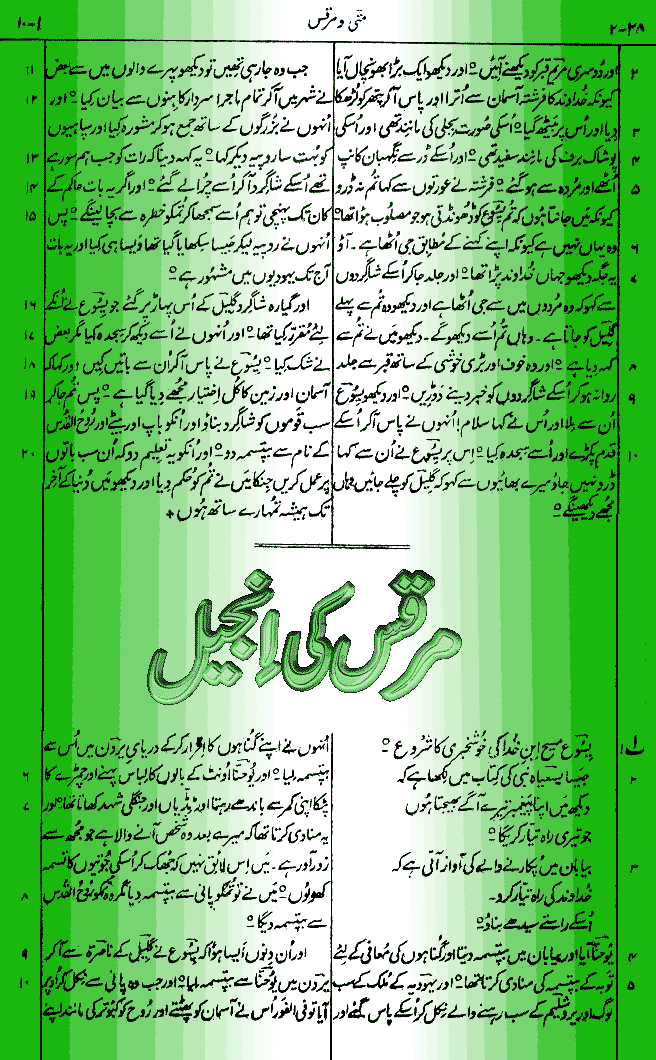
Part 1: The Gospel According to Matthew (Chapter 28)
Matthew 28:1
Verse: In the end of the sabbath as it began to dawn toward the first day of the week came Mary Magdalene and the other Mary to see the sepulcher
-
English Explanation: This verse marks the monumental transition from the Jewish Sabbath (Saturday) to the first day of the week (Sunday), which would become the Christian “Lord’s Day.” Mary Magdalene and “the other Mary” (mother of James and Joses) visit the tomb not expecting a resurrection, but to mourn and care for the body, demonstrating deep love and loyalty despite their grief.
-
Urdu Explanation: یہ آیت یہودی سبت (ہفتہ) سے ہفتے کے پہلے دن (اتوار) کی طرف منتقلی کو ظاہر کرتی ہے۔ مریم مگدلینی اور دوسری مریم یسوع مسیح کے جی اٹھنے کی امید سے نہیں، بلکہ گہرے دکھ اور عقیدت کے ساتھ قبر کو دیکھنے آئیں، جو ان کی وفاداری کو ظاہر کرتا ہے۔
Matthew 28:2
Verse: And behold there was a great earthquake for the angel of the Lord descended from heaven and came and rolled back the stone from the door and sat upon it
-
English Explanation: The earthquake symbolizes divine intervention and the breaking of cosmic orders. The angel rolls away the massive stone not to let Jesus out (He had already risen), but to let the witnesses in to see the empty tomb. The angel sitting on the stone signifies absolute triumph over death and Roman authority.
-
Urdu Explanation: یہ زلزلہ خدا کی قدرت اور آسمانی مداخلت کی علامت ہے۔ فرشتے نے پتھر کو اس لیے نہیں ہٹایا کہ یسوع باہر آسکیں (وہ پہلے ہی جی اٹھے تھے)، بلکہ اس لیے تاکہ گواہ اندر جا کر خالی قبر دیکھ سکیں۔ پتھر پر فرشتے کا بیٹھنا موت اور رومی طاقت پر فتح کا نشان ہے۔
Matthew 28:3
Verse: His countenance was like lightning and his raiment white as snow
-
English Explanation: The description of the angel’s appearance reflects the holy, unfallen glory of heaven. Lightning represents divine power and speed, while snow-white clothing represents absolute purity and righteousness, contrasting sharply with the dark, somber reality of the gravesite.
-
Urdu Explanation: فرشتے کی ظاہری شکل آسمانی جلال اور پاکیزگی کو ظاہر کرتی ہے۔ بجلی کی مانند چہرہ خدا کی قدرت کو اور برف کی مانند سفید پوشاک گناہ سے پاک، آسمانی راستبازی کو نمایاں کرتی ہے۔
Matthew 28:4
Verse: And for fear of him the keepers did shake and became as dead men
-
English Explanation: The “keepers” were trained, battle-hardened Roman soldiers tasked with securing the tomb under penalty of death. Yet, the supernatural presence of a single angel completely paralyzes them with terror, ironically turning the living guards into “dead men” while the dead Christ is made alive.
-
Urdu Explanation: قبر پر پہرہ دینے والے رومی سپاہی جو کہ تربیت یافتہ اور نڈر تھے، فرشتے کے خوف سے کانپ اٹھے اور مردہ مردوں کی مانند بے حس و حرکت ہو گئے۔ یہ ایک تضاد ہے کہ زندہ سپاہی مردہ بن گئے جبکہ مردہ مسیح زندہ ہو گئے۔
Matthew 28:5
Verse: And the angel answered and said unto the women Fear not ye for I know that ye seek Jesus which was crucified
-
English Explanation: The angel speaks comfort to the women, contrasting their status with that of the terrified guards. While the enemies of Christ have reason to fear divine presence, those who sincerely seek Jesus—even in His crucifixion—are met with grace, reassurance, and peace.
-
Urdu Explanation: فرشتے نے عورتوں کو تسلی دی اور ان کے خوف کو دور کیا۔ یہ ظاہر کرتا ہے کہ جو لوگ سچے دل سے یسوع کی تلاش کرتے ہیں، خواہ وہ مایوسی کی حالت میں ہوں، خدا انہیں خوف کے بجائے امن اور اطمینان عطا کرتا ہے۔
Matthew 28:6
Verse: He is not here for he is risen as he said Come see the place where the Lord lay
-
English Explanation: This is the core declaration of the Christian faith: “He is risen!” The angel reminds them of Jesus’ own predictions, proving His absolute truthfulness. The invitation to “come, see” underscores that the Christian faith is grounded in verifiable historical realities, not myths.
-
Urdu Explanation: یہ مسیحی ایمان کا مرکزی پیغام ہے: “وہ یہاں نہیں ہے بلکہ جی اٹھا ہے”۔ فرشتے نے انہیں یسوع کی پیشگوئی یاد دلائی۔ “آؤ اور جگہ دیکھو” کا دعوت نامہ ظاہر کرتا ہے کہ مسیحیت خیالی کہانیوں پر نہیں بلکہ تاریخی حقائق پر مبنی ہے۔
Matthew 28:7
Verse: And go quickly and tell his disciples that he is risen from the dead and behold he goeth before you into Galilee there shall ye see him lo I have told you
-
English Explanation: The women are commissioned to be the first evangelists of the Resurrection, a revolutionary concept in a society where a woman’s testimony was not legally valid. Galilee, a place of humble beginnings, is chosen as the reunion ground, emphasizing grace and restoration for the disciples who had fled.
-
Urdu Explanation: عورتوں کو جی اٹھنے کی پہلی گواہ اور مناد بننے کا اعزاز ملا۔ گلیل، جہاں سے ان کی وزارت شروع ہوئی تھی، دوبارہ ملاپ کی جگہ مقرر کی گئی، جو شاگردوں کی بحالی اور خدا کے فضل کو ظاہر کرتی ہے۔
Matthew 28:8
Verse: And they departed quickly from the sepulchre with fear and great joy and did run to bring his disciples word
-
English Explanation: The emotions of the women are mixed: “fear” due to the overwhelming, holy supernatural event, and “great joy” because of the incredible good news. Obedience drives them to run instantly, holding nothing back, to share the message with the grieving disciples.
-
Urdu Explanation: عورتوں کے جذبات میں خوف (خدا کے جلال کی وجہ سے) اور بڑی خوشی (خوشخبری کی وجہ سے) دونوں شامل تھے۔ وہ ایک سیکنڈ بھی ضائع کیے بغیر شاگردوں کو پیغام دینے کے لیے دوڑ پڑیں، جو کہ فوری فرمانبرداری کی مثال ہے۔
Matthew 28:9
Verse: And as they went to tell his disciples behold Jesus met them saying All hail And they came and held him by the feet and worshipped him
-
English Explanation: As they walk in obedience, they encounter the resurrected Christ Himself. His greeting, “All hail” (or “Rejoice”), shifts their sorrow to triumph. By holding His feet, they confirm He is not a ghost but possesses a physical body, and their worship affirms His full divinity.
-
Urdu Explanation: جب وہ فرمانبرداری میں جا رہی تھیں، تو خود جی اٹھے ہوئے یسوع نے ان کا استقبال کیا۔ ان کے پاؤں پکڑنا اس بات کا ثبوت تھا کہ وہ کوئی روح یا بھوت نہیں بلکہ جسمانی طور پر زندہ تھے، اور ان کا سجدہ کرنا یسوع کی الہٰیت کا اعتراف تھا۔
Matthew 28:10
Verse: Then said Jesus unto them Be not afraid go tell my brethren that they go into Galilee and there shall they see me
-
English Explanation: Jesus echoes the angel’s words to banish their fear. Remarkably, He refers to His disciples—who had abandoned and denied Him—as “my brethren” (my brothers). This emphasizes that the Resurrection establishes a new covenant family rooted in absolute forgiveness.
-
Urdu Explanation: یسوع نے ان کا خوف دور کیا اور اپنے ان شاگردوں کو جنہوں نے انہیں چھوڑ دیا تھا، “میرے بھائی” کہہ کر پکارا۔ یہ ظاہر کرتا ہے کہ جی اٹھنے کے بعد پہلا پیغام معافی، محبت اور خاندانی رشتے کی بحالی کا تھا۔
Matthew 28:11
Verse: Now when they were going behold some of the watch came into the city and shewed unto the chief priests all the things that were done
-
English Explanation: A sharp contrast is drawn here. While the women run to spread the truth of life, the Roman guards go to the religious authorities to report their failure. The chief priests receive clear evidence of a supernatural event but choose spiritual blindness over repentance.
-
Urdu Explanation: یہاں ایک واضح تضاد ہے۔ جہاں عورتیں زندگی کی خوشخبری پھیلا رہی تھیں، وہاں سپاہی سردار کاہنوں کے پاس اپنی ناکامی کی رپورٹ لے کر گئے۔ کاہنوں کو معجزے کا واضح ثبوت ملا، لیکن انہوں نے توبہ کرنے کے بجائے سچائی کو چھپانے کا فیصلہ کیا۔
Matthew 28:12
Verse: And when they were assembled with the elders and had taken counsel they gave large money unto the soldiers
-
English Explanation: Instead of bowing to the clear signs of the Messiah, the Sanhedrin conspires to suppress the truth. They resort to bribery (“large money”), showing how political survival and religious pride can drive people to actively fund and construct lies.
-
Urdu Explanation: مسیح کو قبول کرنے کے بجائے، مذہبی رہنماؤں نے سچائی کو دبانے کے لیے سازش کی۔ انہوں نے سپاہیوں کو بڑی رقم رشوت کے طور پر دی، جو ظاہر کرتا ہے کہ دنیاوی ساکھ بچانے کے لیے لوگ کس حد تک جھوٹ کا سہارا لے سکتے ہیں۔
Matthew 28:13
Verse: Saying Say ye His disciples came by night and stole him away while we slept
-
English Explanation: The religious leaders invent a highly illogical cover story. If the soldiers were truly asleep, they could not possibly know who stole the body. Furthermore, under Roman law, sleeping on watch carried the death penalty, making this a desperate, manufactured narrative.
-
Urdu Explanation: انہوں نے ایک غیر منطقی جھوٹ گھڑا کہ “جب ہم سو رہے تھے تو شاگرد لاش چرا لے گئے”۔ اگر وہ سو رہے تھے تو انہیں کیسے معلوم ہوا کہ چور کون تھا؟ رومی قانون کے مطابق پہرے پر سونا موت کی سزا کا باعث تھا، جس سے ثابت ہوتا ہے کہ یہ کہانی بالکل جھوٹی تھی۔
Matthew 28:14
Verse: And if this come to the governor’s ears we will persuade him and secure you
-
Explanation: The chief priests promise to use their political influence and financial leverage to protect the guards from Pontius Pilate’s wrath. This exposes the deep corruption and collusion between the corrupt religious establishment and Roman political authorities.
-
Urdu Explanation: سردار کاہنوں نے سپاہیوں کو یقین دلایا کہ وہ گورنر (پیلاطوس) کو منا لیں گے تاکہ ان کی جان بچ سکے۔ یہ مذہبی رہنماؤں اور سیاسی طاقت کے درمیان کرپشن اور گٹھ جوڑ کو بے نقاب کرتا ہے۔
Matthew 28:15
Verse: So they took the money and did as they were taught and this saying is commonly reported among the Jews until this day
-
English Explanation: Human greed triumphs over supernatural witness; the soldiers take the bribe. Matthew notes that this fabricated rumor persisted for decades among non-believing Jews, illustrating how easily people accept comfortable falsehoods over challenging truths.
-
Urdu Explanation: انسانی لالچ سچائی پر غالب آ گیا اور سپاہیوں نے رشوت لے لی۔ متی بیان کرتا ہے کہ یہ جھوٹی افواہ یہودیوں میں برسوں تک گردش کرتی رہی، جس سے معلوم ہوتا ہے کہ لوگ سچ کو ماننے کے بجائے من گھڑت کہانیوں پر کتنی جلدی یقین کر لیتے ہیں۔
Matthew 28:16
Verse: Then the eleven disciples went away into Galilee into a mountain where Jesus had appointed them
-
English Explanation: The remaining eleven disciples (minus Judas Iscariot) obey the command and travel to Galilee. Mountains in Scripture are traditionally locations of profound divine revelation and covenant-making; here, it becomes the stage for the Great Commission.
-
Urdu Explanation: باقی گیارہ شاگرد (یہوداہ اسکریوتی کے بغیر) فرمانبرداری کرتے ہوئے گلیل کے اس پہاڑ پر پہنچے جہاں یسوع نے فرمایا تھا۔ بائبل میں پہاڑ ہمیشہ خدا کے مکاشفے اور اہم احکامات کی جگہ رہے ہیں۔
Matthew 28:17
Verse: And when they saw him they worshipped him but some doubted
-
English Explanation: Matthew honestly records that even in the presence of the risen Christ, some experienced internal struggle or hesitation (“doubted”). This detail enhances the historical credibility of the Gospel, showing the disciples were not gullible fanatics but real people wrestling with an unprecedented miracle.
-
Urdu Explanation: متی بڑی ایمانداری سے ریکارڈ کرتا ہے کہ کچھ شاگردوں کے دل میں شک یا ہچکچاہٹ آئی۔ یہ بات اناجیل کی سچائی کو ثابت کرتی ہے کہ شاگرد کوئی اندھے اندھیہ پرست نہیں تھے، بلکہ وہ اس انوکھے معجزے کو سمجھنے کی کوشش کر رہے تھے۔
Matthew 28:18
Verse: And Jesus came and spake unto them saying All power is given unto me in heaven and in earth
-
English Explanation: Jesus steps forward to bridge the gap of their doubt. He claims supreme cosmic authority—not just spiritual, but physical; not just partial, but “all power.” His upcoming command to the church is backed by the sovereign authority of the universe.
-
Urdu Explanation: یسوع نے ان کے قریب آ کر اپنے مطلق اختیار کا اعلان کیا کہ زمین اور آسمان کا سارا اختیار مجھے دیا گیا ہے۔ کلیسیا کو دیا جانے والا اگلا حکم اسی کائنات کے حاکم اعلیٰ کے اختیار پر مبنی ہے۔
Matthew 28:19
Verse: Go ye therefore and teach all nations baptizing them in the name of the Father and of the Son and of the Holy Ghost
-
English Explanation: This is the Great Commission. The mandate is global (“all nations”), breaking national boundaries. “Teach” means to make active disciples. The singular “name” followed by the three distinct Persons explicitly establishes the foundational Christian doctrine of the Holy Trinity.
-
Urdu Explanation: یہ “عظیم حکم” (Great Commission) ہے۔ اب پیغام صرف ایک قوم کے لیے نہیں بلکہ “سب قوموں” کے لیے ہے۔ باپ، بیٹے اور روح القدس کے “نام” (واحد لفظ) سے بپتسمہ دینا تثلیث پاک (Trinity) کے بنیادی عقیدے کو واضع کرتا ہے۔
Matthew 28:20
Verse: Teaching them to observe all things whatsoever I have commanded you and lo I am with you alway even unto the end of the world Amen
-
English Explanation: True discipleship involves lifestyle obedience, not just mental agreement. Jesus concludes His Gospel with an emotional, rock-solid promise: His spiritual presence will actively accompany His followers through every age until the culmination of history.
-
Urdu Explanation: شاگردی کا مطلب صرف علم حاصل کرنا نہیں بلکہ یسوع کے احکام پر عمل کرنا ہے۔ یسوع اس انجیل کا اختتام ایک شاندار وعدے کے ساتھ کرتے ہیں کہ وہ دنیا کے آخر تک ہمیشہ اپنے لوگوں کے ساتھ موجود رہیں گے۔ آمین۔
Part 2: The Gospel According to Mark (Chapter 1)
Mark 1:1
Verse: The beginning of the gospel of Jesus Christ the Son of God
-
English Explanation: Mark wastes no time with genealogies or birth narratives. He jumps straight into action, declaring his thesis: this account is the “Good News” (Gospel) centered on Jesus, who is both the promised Messiah (Christ) and divine (“Son of God”).
-
Urdu Explanation: مرقس کسی شجرہ نسب یا پیدائش کے واقعے کے بغیر سیدھا اپنے مرکزی نکتے پر آتا ہے کہ یہ یسوع مسیح، خدا کے بیٹے کی “خوشخبری” (انجیل) کا آغاز ہے۔ وہ شروع ہی میں یسوع کی الہٰیت کا اعلان کرتا ہے۔
Mark 1:2
Verse: As it is written in the prophets Behold I send my messenger before thy face which shall prepare thy way before thee
-
English Explanation: Mark links the arrival of Jesus directly to Old Testament prophecy (blending Malachi 3:1 and Isaiah 40:3). This demonstrates that the Gospel is not a sudden improvisation, but the precise fulfillment of God’s ancient, sovereign plan.
-
Urdu Explanation: مرقس یسوع کی آمد کو پرانے عہد نامے کی پیشگوئیوں (ملاکی اور یسعیاہ) سے جوڑتا ہے۔ یہ ثابت کرتا ہے کہ انجیل کوئی اچانک منصوبہ نہیں تھا، بلکہ خدا کے ازلی اور ابدی منصوبے کی تکمیل ہے۔
Mark 1:3
Verse: The voice of one crying in the wilderness Prepare ye the way of the Lord make his paths straight
-
English Explanation: The “wilderness” symbolizes Israel’s spiritual barrenness and isolation. The herald’s job is spiritual construction: clearing away the obstacles of sin, hypocrisy, and pride so that the hearts of the people are ready for the arrival of King Jesus.
-
Urdu Explanation: “بیابان” اسرائیل کی روحانی بنجر حالت کو ظاہر کرتا ہے۔ پکارنے والے (یوحنا) کا کام دلوں کے راستوں کو سیدھا کرنا تھا تاکہ لوگ اپنے گناہوں اور غرور کو چھوڑ کر اپنے بادشاہ یسوع کے استقبال کے لیے تیار ہو سکیں۔
Mark 1:4
Verse: John did baptize in the wilderness and preach the baptism of repentance for the remission of sins
-
English Explanation: John the Baptist materializes in the desert as the fulfillment of the herald prophecy. His baptism was an outward, public symbol of an inward reality: true repentance (turning away from sin) leading to God’s forgiveness (remission).
-
Urdu Explanation: یوحنا بپتسمہ دینے والا اس پیشگوئی کی تکمیل کے طور پر سامنے آیا۔ اس کا بپتسمہ گناہوں کی معافی کے لیے “توبہ کے بپتسمہ” کی منادی تھا، جو کہ دل کی اندرونی تبدیلی کا ظاہری نشان تھا۔
Mark 1:5
Verse: And there went out unto him all the land of Judaea and they of Jerusalem and were all baptized of him in the river of Jordan confessing their sins
-
English Explanation: John’s message resonates deeply, creating a massive spiritual awakening. People from all social strata journey to the Jordan River. The crucial element here is “confessing their sins,” showing that spiritual renewal requires an honest acknowledgment of guilt.
-
Urdu Explanation: یوحنا کے پیغام نے ایک بہت بڑی بیداری پیدا کی اور یروشلیم اور یہودیہ کے لوگ دریائے یردن پر آئے۔ بپتسمہ کے ساتھ “اپنے گناہوں کا اقرار” کرنا اس بات پر زور دیتا ہے کہ روحانی بحالی سچی توبہ کے بغیر ممکن نہیں ۔
Mark 1:6
Verse: And John was clothed with camel’s hair and with a girdle of a skin about his loins and he did eat locusts and wild honey
-
English Explanation: John’s clothing and diet directly mirror the ancient prophet Elijah (2 Kings 1:8). This intentional ascetic lifestyle signaled to Israel that the prophetic silence of 400 years was officially broken, and a radical movement had begun.
-
Urdu Explanation: یوحنا کا لباس اور خوراک پرانے وقتوں کے ایلیاہ نبی سے مشابہت رکھتی تھی۔ اس زاہدانہ طرزِ زندگی نے اسرائیل کو پیغام دیا کہ 400 سال کا نبوتی سکوت اب ٹوٹ چکا ہے اور خدا کا کلام دوبارہ نازل ہو رہا ہے۔
Mark 1:7
Verse: And preached saying There cometh one mightier than I after me the latchet of whose shoes I am not worthy to stoop down and unloose
-
English Explanation: Despite his immense popularity, John remains profoundly humble. Unloosing a master’s sandal was a task considered too menial even for Hebrew slaves. John declares that compared to the coming Messiah, he is lower than the lowest servant.
-
Urdu Explanation: اتنی بڑی مقبولیت کے باوجود یوحنا حد درجہ فروتن تھا۔ کسی کے جوتوں کے تسمے کھولنا اس دور میں غلاموں کا سب سے حقیر کام سمجھا جاتا تھا۔ یوحنا کہتا ہے کہ آنے والے مسیح کے سامنے وہ ایک ادنیٰ غلام بننے کے بھی لائق نہیں۔
Mark 1:8
Verse: I indeed have baptized you with water but he shall baptize you with the Holy Ghost
-
English Explanation: John draws a line between the limit of his ministry and the power of Jesus. Water baptism cleanses the outside as a sign, but Jesus’ baptism with the Holy Spirit acts internally, transforming human nature, imparting divine life, and empowering believers.
-
Urdu Explanation: یوحنا اپنے اور یسوع کے کام کے فرق کو واضح کرتا ہے۔ پانی کا بپتسمہ صرف ایک ظاہری نشان ہے، لیکن یسوع کا “روح القدس سے بپتسمہ” انسان کے باطن کو بدلنے، نئی زندگی دینے اور الٰہی طاقت عطا کرنے کا سبب ہے۔
Mark 1:9
Verse: And it came to pass in those days that Jesus came from Nazareth of Galilee and was baptized of John in Jordan
-
English Explanation: Jesus leaves His obscure hometown of Nazareth to begin His public ministry. Though sinless and requiring no repentance, He submits to John’s baptism to fully identify with sinful humanity and to fulfill all righteousness as Israel’s representative.
-
Urdu Explanation: یسوع گلیل کے ناصرت سے نکل کر دریائے یردن پر آئے۔ گناہ سے پاک ہونے کے باوجود انہوں نے یوحنا سے بپتسمہ لیا تاکہ وہ خود کو گناہگار انسانوں کے برابر لائیں اور خدا کی راستبازی کی شرائط کو پورا کریں۔
Mark 1:10
Verse: And straightway coming up out of the water he saw the heavens opened and the Spirit like a dove descending upon him
-
English Explanation: The word “straightway” (immediately) is Mark’s signature fast-paced transition. As Jesus emerges from the water, the parting heavens and the gentle, dove-like descent of the Holy Spirit visibly anoint Him for His messianic kingly mission, initiating the public manifestation of God’s saving grace.
-
Urdu Explanation: جیسے ہی یسوع پانی سے باہر آئے، آسمان کو پھٹتے اور روح القدس کو کبوتر کی مانند اپنے اوپر اترتے دیکھا۔ یہ واقعہ یسوع کی وزارت کی الٰہی تصدیق اور انہیں گناہ سے نجات کے مشن کے لیے مسح کیے جانے کو ظاہر کرتا ہے۔