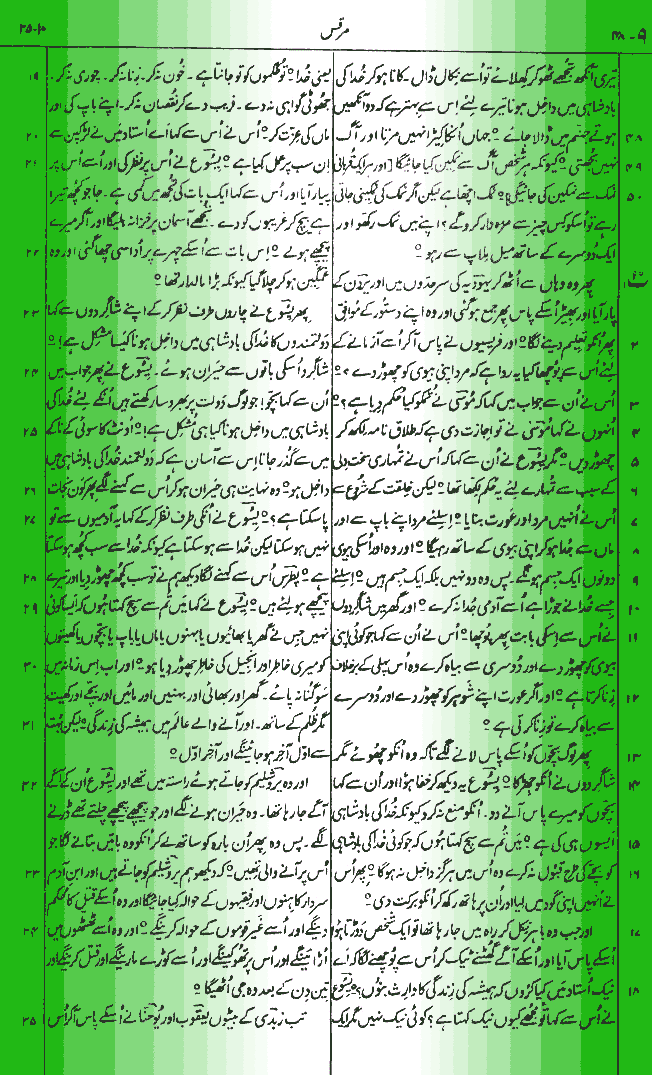
Verse-by-Verse Commentary and Explanation (Mark 10:1-35)
Mark 10:1
Verse: And he arose from thence and cometh into the coasts of Judaea by the farther side of Jordan and the people resort unto him again and as he was wont he taught them again
English Explanation: Jesus transitions His ministry from Galilee to Judea and the region of Perea (the farther side of Jordan). This verse highlights Jesus’ consistency and dedication as a teacher. Despite shifting locations and the escalating tensions with religious leaders, large crowds continue to seek Him out, and He faithfully addresses their spiritual needs as was His custom.
Urdu Explanation (تفصیل): يسوع گلیل سے نکل کر یہودیہ اور یردن کے پار (پیریا) کے علاقوں میں آئے۔ یہ آیت يسوع کی مستقل مزاجی اور تعلیم دینے کی عادت کو ظاہر کرتی ہے۔ جگہ بدلنے کے باوجود لوگ دوبارہ اُن کے پاس جمع ہو گئے اور يسوع نے اپنے معمول کے مطابق انھیں خدا کے کلام کی تعلیم دینا شروع کر دی۔
Mark 10:2
Verse: And the Pharisees came to him and asked him Is it lawful for a man to put away his wife tempting him
English Explanation: The Pharisees approach Jesus with a controversial question regarding divorce. During this period, Jewish schools of thought were deeply divided over the grounds for divorce. The Pharisees are not seeking truth; their intent is to trap Jesus (“tempting him”) so they can discredit Him either with the public or with Herod Antipas, who had previously executed John the Baptist over marriage-related rebukes.
Urdu Explanation (تفصیل): فریسی یسوع کو اپنے جال میں پھنسانے کی نیت سے آئے اور طلاق کے بارے میں ایک متنازع سوال پوچھا۔ اُس دور میں یہودیوں کے درمیان طلاق کے قوانین پر گہرے اختلافات تھے۔ فریسیوں کا مقصد سچائی جاننا نہیں تھا بلکہ وہ يسوع کو آزمائش میں ڈالنا چاہتے تھے تاکہ اُنہیں لوگوں یا بادشاہ کے سامنے قصوروار ٹھہرا سکیں۔
Mark 10:3
Verse: And he answered and said unto them What did Moses command you
English Explanation: Instead of taking the bait and aligning with a specific human opinion, Jesus redirects the focus to divine authority. He answers their question with another question, pointing them directly to the Scriptures and the foundational law given through Moses.
Urdu Explanation (تفصیل): يسوع نے فریسیوں کے جال میں پھنسنے کی بجائے بات کا رخ الٰہی اختیار کی طرف موڑ دیا۔ انہوں نے انسداداً ایک سوال پوچھا کہ موسیٰ نے تم کو کیا حکم دیا ہے؟ اس طرح انہوں نے انسانوں کی بنائی ہوئی آراء کی بجائے کلامِ مقدس کی بنیاد پر جواب دینے کی راہ ہموار کی۔
Mark 10:4
Verse: And they said Moses suffered to write a bill of divorcement and to put her away
English Explanation: The Pharisees reply by quoting Deuteronomy 24:1-4. They view Moses’ instruction as a permissive command or entitlement to divorce, framing it as a straightforward legal right for a husband to dismiss his wife as long as he provides formal, legal paperwork (a bill of divorcement).
Urdu Explanation (تفصیل): فریسیوں نے تورات (استثنا 24:1-4) کا حوالہ دیتے ہوئے جواب دیا کہ موسیٰ نے طلاق نامہ لکھنے اور بیوی کو چھوڑ دینے کی اجازت دی ہے۔ انہوں نے موسیٰ کے اس قانون کو ایک باقاعدہ حق کے طور پر پیش کیا کہ شوہر قانونی دستاویز لکھ کر بیوی کو الگ کر سکتا ہے۔
Mark 10:5
Verse: And Jesus answered and said unto them For the hardness of your heart he wrote you this precept
English Explanation: Jesus clarifies the true intent behind the Mosaic law. Moses did not institute divorce as God’s ideal; rather, it was a concession written because of human sinfulness and the “hardness of your heart.” The law was meant to limit damage and protect abandoned women from total destitution in an ancient society, not to validate or encourage divorce.
Urdu Explanation (تفصیل): يسوع نے وضاحت کی کہ موسیٰ نے طلاق کی اجازت خدا کی مرضی کے طور پر نہیں دی تھی، بلکہ یہ انسانی گناہ اور “دل کی سختی” کی وجہ سے ایک رعایت تھی۔ یہ قانون عورتوں کے تحفظ اور معاشرتی بگاڑ کو روکنے کے لیے تھا، نہ کہ طلاق کو فروغ دینے کے لیے۔
Mark 10:6
Verse: But from the beginning of the creation God made them male and female
English Explanation: Jesus bypasses Deuteronomy and goes further back to Genesis (the very creation account) to establish God’s original, perfect design for humanity. God created complementary genders—male and female—with the ultimate intention of permanent, holy partnership.
Urdu Explanation (تفصیل): يسوع نے فریسیوں کو پیدائش کی کتاب (تخلیقِ کائنات) کی طرف واپس لے جا کر یاد دلایا کہ خدا کا اصل اور کامل منصوبہ کیا تھا۔ پیدائش کے آغاز ہی سے خدا نے انسان کو مرد اور عورت بنایا تاکہ وہ ایک دوسرے کے مددگار اور پاکیزہ بندھن میں بندھیں۔
Mark 10:7
Verse: For this cause shall a man leave his father and mother and cleave to his wife
English Explanation: Quoting Genesis 2:24, Jesus affirms that marriage requires a fundamental shifting of priorities. A man must leave his primary allegiance to his parents to form a new, permanent bond (“cleave”) with his wife, establishing marriage as the highest horizontal human relationship.
Urdu Explanation (تفصیل): پیدائش کا حوالہ دیتے ہوئے يسوع فرماتے ہیں کہ اسی وجہ سے مرد اپنے ماں باپ کو چھوڑے گا اور اپنی بیوی کے ساتھ ملا رہے گا۔ یہ آیت واضح کرتی ہے کہ شادی انسانی رشتوں میں ایک نئی اور مضبوط ترجیح قائم کرتی ہے جہاں والدین سے بڑھ کر بیوی کے ساتھ وفاداری اہم ہو جاتی ہے۔
Mark 10:8
Verse: And they twain shall be one flesh so then they are no more twain but one flesh
English Explanation: The physical, spiritual, and emotional union of marriage is so profound that God views the couple not as two separate entities, but as “one flesh.” Jesus emphasizes that this unity reshapes their entire existence; separation is a tearing apart of what has uniquely become one.
Urdu Explanation (تفصیل): شادی کا یہ جسمانی، روحانی اور جذباتی بندھن اتنا گہرا ہے کہ خدا کی نظر میں وہ دو نہیں بلکہ “ایک تن” ہو جاتے ہیں۔ يسوع زور دیتے ہیں کہ اس اتحاد کے بعد ان کا وجود ایک ہو جاتا ہے، اس لیے طلاق دراصل اس ایک وجود کو چیرنے کے برابر ہے۔
Mark 10:9
Verse: What therefore God hath joined together let not man put asunder
English Explanation: This is Jesus’ definitive ruling on marriage. Because God is the author and sealer of the marital bond, no human authority, courts, or personal desires have the moral right to dissolve or tear apart what God has uniquely unified.
Urdu Explanation (تفصیل): یہ شادی کے بارے میں يسوع کا حتمی فیصلہ ہے کہ جسے خدا نے جوڑا ہے اسے انسان الگ نہ کرے۔ چونکہ شادی کا رشتہ خدا قائم کرتا ہے، اس لیے کسی انسان یا زمینی عدالت کو یہ حق حاصل نہیں کہ وہ اس پاک بندھن کو توڑے یا جدا کرے۔
Mark 10:10
Verse: And in the house his disciples asked him again of the same matter
English Explanation: Away from the adversarial crowd of Pharisees, the disciples seek further clarification in private. Jesus’ strict standard on marriage surprised even His closest followers, prompting them to ask for deeper insight behind closed doors.
Urdu Explanation (تفصیل): فریسیوں کے مجمع سے دور جب وہ گھر میں اکیلے تھے، تو شاگردوں نے اس معاملے پر مزید وضاحت مانگی۔ شادی اور طلاق کے بارے میں يسوع کا یہ سخت معیار سن کر شاگرد بھی حیران تھے، اس لیے انہوں نے خلوت میں اس پر دوبارہ سوال کیا۔
Mark 10:11
Verse: And he saith unto them Whosoever shall put away his wife and marry another committeth adultery against her
English Explanation: Jesus delivers a counter-cultural truth: arbitrarily divorcing a spouse and marrying someone else is defined by God as committing adultery. In first-century Jewish culture, a husband was rarely spoken of as committing adultery against his wife; Jesus elevates the status and rights of women by holding men to strict accountability.
Urdu Explanation (تفصیل): يسوع نے ایک انقلابی حقیقت بیان کی کہ جو کوئی اپنی بیوی کو چھوڑ کر دوسری سے شادی کرے وہ اپنی پہلی بیوی کے خلاف زنا کرتا ہے۔ اُس دور کے معاشرے میں مردوں کو کھلی چھوٹ تھی، لیکن يسوع نے عورت کے حقوق اور مرتبے کو بلند کرتے ہوئے مرد کو بھی برابر کا جوابدہ ٹھہرایا۔
Mark 10:12
Verse: And if a woman shall put away her husband and be married to another she committeth adultery
English Explanation: Jesus applies the exact same moral standard to women. Under Roman law (and expanding Jewish contexts), if a woman divorced her husband to marry another, she was equally guilty of adultery. God’s moral law is absolute and applies universally to both spouses.
Urdu Explanation (تفصیل): يسوع نے یہی اخلاقی معیار عورت پر بھی لاگو کیا۔ اگر کوئی عورت اپنے شوہر کو چھوڑ کر دوسرے سے شادی کر لے تو وہ بھی زنا کی مرتکب ہوتی ہے۔ خدا کا اخلاقی قانون دونوں کے لیے برابر ہے اور اس میں کسی صنف کو ترجیح حاصل نہیں ہے۔
Mark 10:13
Verse: And they brought young children to him that he should touch them and his disciples rebuked those that brought them
English Explanation: Parents bring their infants and young children to Jesus for a physical blessing. However, the disciples see this as an interruption, viewing children as low-status individuals who are wasting the Master’s precious time and energy, prompting them to rebuke the parents.
Urdu Explanation (تفصیل): لوگ اپنے چھوٹے بچوں کو يسوع کے پاس لا رہے تھے تاکہ وہ ان پر ہاتھ رکھ کر برکت دیں۔ لیکن شاگردوں نے اسے وقت کا ضیاع اور يسوع کے کام میں خلل سمجھا، کیونکہ اس دور میں بچوں کو کم مرتبہ خیال کیا جاتا تھا، اس لیے انہوں نے لانے والوں کو ڈانٹا۔
Mark 10:14
Verse: But when Jesus saw it he was much displeased and said unto them Suffer the little children to come unto me and forbid them not for of such is the kingdom of God
English Explanation: Jesus is deeply indignant (“much displeased”) by His disciples’ exclusionary behavior. He corrects them, commanding them to let the children approach. He declares that the Kingdom of God belongs to those who embody the humble, dependent traits of these little children.
Urdu Explanation (تفصیل): جب يسوع نے یہ دیکھا تو وہ شاگردوں کے اس رویے پر سخت ناخوش ہوئے۔ انہوں نے شاگردوں کو جھڑکا اور فرمایا کہ بچوں کو میرے پاس آنے دو اور انہیں نہ روکو کیونکہ خدا کی بادشاہی ایسے ہی لوگوں کی ہے۔
Mark 10:15
Verse: Verily I say unto you Whosoever shall not receive the kingdom of God as a little child he shall not enter therein
English Explanation: Jesus states a core truth of salvation: entering the Kingdom of God requires total humility. One must receive God’s grace not through self-reliance, status, or merit, but with the absolute trust, vulnerability, and dependence characteristic of a child receiving a gift from a parent.
Urdu Explanation (تفصیل): يسوع نجات کی ایک بنیادی سچائی بیان کرتے ہیں کہ جو کوئی خدا کی بادشاہی کو ایک چھوٹے بچے کی طرح قبول نہ کرے وہ اس میں ہرگز داخل نہ ہوگا۔ یعنی خدا کی بادشاہی میں داخلے کے لیے انسانی غرور اور خود اعتمادی کو چھوڑ کر ایک بچے جیسی معصومیت اور کامل بھروسے کی ضرورت ہے۔
Mark 10:16
Verse: And he took them up in his arms put his hands upon them and blessed them
English Explanation: Demonstrating His immense tenderness and love, Jesus welcomes the children warmly. He embraces them, places His hands on them, and pronounces holy blessings over them, modeling how God values the vulnerable and insignificant.
Urdu Explanation (تفصیل): اپنی گہری محبت اور شفقت کا اظہار کرتے ہوئے يسوع نے بچوں کو گود میں لیا، ان پر ہاتھ رکھے اور انہیں برکت دی۔ یہ منظر ظاہر کرتا ہے کہ خدا کے نزدیک ان لوگوں کی کتنی قدر ہے جنہیں دنیا کمزور یا غیر اہم سمجھتی ہے۔
Mark 10:17
Verse: And when he was gone forth into the way there came one running and kneeled to him and asked him Good Master what shall I do that I may inherit eternal life
English Explanation: A wealthy young ruler approaches Jesus with urgency (running) and reverence (kneeling). He asks a vital question about inheriting eternal life. However, his query reveals a flawed spiritual premise: he believes that eternal life is something earned through human effort (“what shall I do?”).
Urdu Explanation (تفصیل): ایک امیر نوجوان سردار بڑی بے تابی سے دوڑتا ہوا آیا اور يسوع کے آگے گھٹنے ٹیک کر پوچھا کہ “اے نیک استاد! میں کیا کروں کہ ہمیشہ کی زندگی کا وارث بنوں؟” اس کے سوال سے ظاہر ہوتا ہے کہ وہ سمجھتا تھا کہ ہمیشہ کی زندگی انسانی اعمال یا کوششوں سے حاصل کی جا سکتی ہے۔
Mark 10:18
Verse: And Jesus said unto him Why callest thou me good there is none good but one that is God
English Explanation: Jesus doesn’t deny His own divinity; rather, He challenges the young man’s superficial use of the word “good.” Jesus wants him to realize the ultimate weight of that title. If only God is truly good, then calling Jesus “good” means acknowledging Him not just as a human teacher, but as Almighty God.
Urdu Explanation (تفصیل): يسوع اپنی الٰہیت کا انکار نہیں کر رہے، بلکہ وہ اس نوجوان کی طرف سے لفظ “نیک” کے سطحی استعمال پر اسے چیلنج کر رہے ہیں۔ يسوع اسے یہ سمجھانا چاہتے ہیں کہ اگر صرف خدا ہی حقیقی طور پر نیک ہے، تو يسوع کو نیک کہنے کا مطلب یہ ہے کہ وہ انہیں صرف ایک استاد نہیں بلکہ خدا تسلیم کرے۔
Mark 10:19
Verse: Thou knowest the commandments Do not commit adultery Do not kill Do not steal Do not bear false witness Defraud not Honour thy father and mother
English Explanation: Jesus directs the man to the second table of the Ten Commandments, which governs human relationships. He includes the command “defraud not” to directly speak to the temptations commonly faced by the wealthy when dealing with the poor.
Urdu Explanation (تفصیل): يسوع نے اس نوجوان کو دس احکام میں سے انسانی رشتوں سے متعلق احکام یاد دلائے؛ جیسے زنا نہ کرنا، قتل نہ کرنا، چوری نہ کرنا، جھوٹی گواہی نہ دینا، دغا نہ کرنا اور ماں باپ کی عزت کرنا۔ “دغا نہ کرنا” کا حکم خاص طور پر امیر لوگوں کے لالچ کو بے نقاب کرنے کے لیے شامل کیا گیا۔
Mark 10:20
Verse: And he answered and said unto him Master all these have I observed from my youth
English Explanation: The young man answers confidently, believing he has perfectly kept these laws since childhood. This reveals his external compliance and deep spiritual blindness; he does not understand the internal, heart-level requirements of God’s holy standards.
Urdu Explanation (تفصیل): اس نوجوان نے بڑے اعتماد سے جواب دیا کہ “اے استاد! یہ سب تو میں نے لڑکپن ہی سے مانا ہے۔” اس سے اس کی ظاہری دینداری اور اندرونی روحانی اندھے پن کا پتہ چلتا ہے، کیونکہ وہ احکام کی روح اور دل کی پاکیزگی کے گہرے تقاضوں سے ناواقف تھا۔
Mark 10:21
Verse: Then Jesus beholding him loved him and said unto him One thing thou lackest go thy way sell whatsoever thou hast and give to the poor and thou shalt have treasure in heaven and come take up the cross and follow me
English Explanation: Looking at him with deep love and compassion, Jesus exposes the young man’s ultimate idol: his wealth. By asking him to sell everything, give to the poor, and carry his cross, Jesus challenges him to break his first commandment violation (worshiping riches above God) and choose true discipleship.
Urdu Explanation (تفصیل): يسوع نے اس کی طرف محبت بھری نظر سے دیکھا اور اس کے دل کے بت (دولت) کو بے نقاب کیا۔ يسوع نے فرمایا کہ تجھ میں ایک بات کی کمی ہے؛ جا اپنا سب کچھ بیچ کر غریبوں کو دے اور آسمان پر خزانہ پائے گا، پھر اپنی صلیب اٹھا کر میرے پیچھے ہولے۔ یہ اس کے ایمان اور سچے شاگرد بننے کا امتحان تھا۔
Mark 10:22
Verse: And he was sad at that saying and went away grieved for he had great possessions
English Explanation: The cost of discipleship proves too high for the young man. Grief-stricken and broken-hearted, he walks away from Jesus. His ultimate security lay in his massive material wealth, proving that his possessions actually possessed him.
Urdu Explanation (تفصیل): يسوع کی یہ بات سن کر اس نوجوان کا چہرہ اتر گیا اور وہ غمگین ہو کر چلا گیا کیونکہ وہ بڑا مالدار تھا۔ شاگردی کی یہ قیمت اس کے لیے بہت زیادہ تھی، جس سے ثابت ہوا کہ وہ مال کا مالک نہیں بلکہ مال اس کا مالک بن چکا تھا۔
Mark 10:23
Verse: And Jesus looked round about and saith unto his disciples How hardly shall they that have riches enter into the kingdom of God
English Explanation: Jesus looks around and uses this sad moment to teach a difficult spiritual truth. He warns His disciples about the seductive nature of wealth, explaining that material abundance creates a false sense of independence, making it incredibly difficult for the rich to enter God’s Kingdom.
Urdu Explanation (تفصیل): يسوع نے اپنے چاروں طرف دیکھا اور شاگردوں کو ایک اہم نصیحت کی کہ دولتمندوں کا خدا کی بادشاہی میں داخل ہونا کتنا مشکل ہے! انہوں نے واضح کیا کہ مادی آسائشیں انسان میں جھوٹی خود اعتمادی پیدا کرتی ہیں جو اسے خدا کا محتاج بننے سے روکتی ہے۔
Mark 10:24
Verse: And the disciples were astonished at his words But Jesus answereth again and saith unto them Children how hard is it for them that trust in riches to enter into the kingdom of God
English Explanation: The disciples are absolutely shocked because cultural consensus assumed wealth was a sign of divine favor. Jesus clarifies His warning: the core danger is not the money itself, but the tendency to place one’s confidence, security, and trust in those riches instead of God.
Urdu Explanation (تفصیل): شاگرد يسوع کی باتیں سن کر دنگ رہ گئے، کیونکہ اس دور میں دولت مندی کو خدا کی برکت کی علامت سمجھا جاتا تھا۔ يسوع نے دوبارہ پیار سے سمجھایا کہ اصل خطرہ دولت کا ہونا نہیں، بلکہ دولت پر بھروسہ کرنا ہے، جو انسان کو خدا سے دور کر دیتا ہے۔
Mark 10:25
Verse: It is easier for a camel to go through the eye of a needle than for a rich man to enter into the kingdom of God
English Explanation: Jesus uses a striking hyperbole to drive home His point. Comparing the largest animal in Palestine (a camel) trying to pass through the smallest opening imaginable (the eye of a sewing needle), He emphasizes that saving oneself through personal riches or status is humanly impossible.
Urdu Explanation (تفصیل): يسوع نے بات کو واضح کرنے کے لیے ایک مبالغہ آمیز مثال استعمال کی کہ اونٹ کا سوئی کے ناکے سے نکلنا اس سے آسان ہے کہ دولتمند خدا کی بادشاہی میں داخل ہو۔ اس سے ظاہر ہوتا ہے کہ دنیاوی مال و دولت کے بل بوتے پر نجات پانا انسانی طور پر بالکل ناممکن ہے۔
Mark 10:26
Verse: And they were astonished out of measure saying among themselves Who then can be saved
English Explanation: The disciples are completely overwhelmed by this statement. If the wealthy—who have the time, money, and resources to give alms and follow rituals—cannot be saved, then salvation feels entirely unattainable for ordinary human beings.
Urdu Explanation (تفصیل): شاگرد اس حد تک حیران ہوئے کہ آپس میں کہنے لگے کہ “پھر کون نجات پا سکتا ہے؟” ان کی سوچ یہ تھی کہ اگر وہ امیر لوگ جن کے پاس نیک کام کرنے اور قربانیاں دینے کے تمام وسائل ہیں نجات نہیں پا سکتے، تو عام انسان کیسے بچ سکتا ہے؟
Mark 10:27
Verse: And Jesus looking upon them saith With men it is impossible but not with God for with God all things are possible
English Explanation: Jesus gives them the gospel core: Salvation is not a human achievement; it is a miracle of divine grace. While human effort can never break the chains of sin or greed, God’s power can change even the hardest heart and bring anyone into salvation.
Urdu Explanation (تفصیل): يسوع نے ان کی طرف دیکھ کر فرمایا کہ انسانوں سے تو یہ ناممکن ہے لیکن خدا سے نہیں، کیونکہ خدا سے سب کچھ ہو سکتا ہے۔ یہ آیت واضح کرتی ہے کہ نجات انسانی کوششوں کا نتیجہ نہیں بلکہ یہ خدا کے فضل اور اس کی قدرت کا ایک معجزہ ہے۔
Mark 10:28
Verse: Then Peter began to say unto him Lo we have left all and have followed thee
English Explanation: Reflecting on the rich young ruler’s failure, Peter highlights the contrast of the disciples’ own sacrifice. He reminds Jesus that they actually did what the rich man refused to do: they abandoned their careers, families, and safety to follow Him.
Urdu Explanation (تفصیل): امیر نوجوان کے جانے کے بعد پطرس نے اپنے اور دوسرے شاگردوں کے ایثار کا ذکر کیا کہ “دیکھ ہم تو سب کچھ چھوڑ کر تیرے پیچھے ہو لیے ہیں۔” انہوں نے اس قربانی کا احساس دلایا جو انہوں نے اپنے گھر بار اور روزگار چھوڑ کر دی تھی۔
Mark 10:29
Verse: And Jesus answered and said Verily I say unto you There is no man that hath left house or brethren or sisters or father or mother or wife or children or lands for my sake and the gospel’s
English Explanation: Jesus validates Peter’s observation with a solemn promise. He acknowledges the deep, painful sacrifices believers make—giving up property, status, and family relationships—explicitly for His sake and for the advancement of the Gospel message.
Urdu Explanation (تفصیل): يسوع نے پطرس کی بات کی تصدیق کی اور وعدہ کیا کہ کوئی ایسا نہیں جس نے میرے اور انجیل کی خاطر اپنے گھر، بھائیوں، بہنوں، ماں، باپ، بیوی، بچوں یا زمینوں کو چھوڑا ہو۔ وہ ان تمام قربانیوں کو جانتے ہیں جو ایمان والے دیتے ہیں۔
Mark 10:30
Verse: But he shall receive an hundredfold now in this time houses and brethren and sisters and mothers and children and lands with persecutions and in the world to come eternal life
Explanation: Jesus promises incredible returns. In this present life, believers gain a massive spiritual family (the Church) and resources that outweigh what they lost, though accompanied by persecutions. Ultimately, in the age to come, they receive the supreme gift of eternal life.
Urdu Explanation (تفصیل): يسوع نے ابدی جزا کا وعدہ کیا کہ وہ اس جہان میں سو گنا پائے گا یعنی کلیسیا کی صورت میں نیا خاندان اور زمینیں، اگرچہ ظلم و ستم کے ساتھ، اور آنے والے جہان میں ہمیشہ کی زندگی پائے گا۔ خدا اپنے لوگوں کی قربانی کبھی ادھوری نہیں چھوڑتا۔
Mark 10:31
Verse: But many that are first shall be last and the last first
English Explanation: Jesus presents an upside-down kingdom principle. Those who are highly esteemed, wealthy, and powerful in the eyes of the world (like the rich ruler) will end up last, while those who are marginalized and sacrificial (like the disciples) will be first in eternal value.
Urdu Explanation (تفصیل): يسوع نے آسمانی بادشاہی کا ایک الٹا اصول بیان کیا کہ بہت سے اول آخر ہو جائیں گے اور آخر اول۔ یعنی دنیا کی نظر میں جو لوگ امیر، معزز اور بڑے ہیں وہ خدا کی نظر میں آخری ہو سکتے ہیں، اور جو دنیا میں حقیر اور آخری ہیں وہ اول ٹھہریں گے۔
Mark 10:32
Verse: And they were in the way going up to Jerusalem and Jesus went before them and they were amazed and as they followed they were afraid And he took again the twelve and began to tell them what things should happen unto him
English Explanation: As they travel toward Jerusalem, Jesus walks ahead with deliberate, courageous determination. The disciples are struck with amazement and gripped by fear, sensing the impending danger. Gathering the twelve privately, Jesus explicitly prepares them for the specific suffering that awaits Him.
Urdu Explanation (تفصیل): یروشلم کے راستے پر سفر کے دوران يسوع سب سے آگے بڑی دلیری سے چل رہے تھے۔ شاگرد ان کے اس عزم کو دیکھ کر حیران بھی تھے اور آنے والے خطرے کی وجہ سے خوفزدہ بھی۔ يسوع نے بارہ شاگردوں کو الگ لے جا کر واضح طور پر بتانا شروع کیا کہ ان کے ساتھ کیا پیش آنے والا ہے۔
Mark 10:33
Verse: Saying Behold we go up to Jerusalem and the Son of man shall be delivered unto the chief priests and unto the scribes and they shall condemn him to death and shall deliver him to the Gentiles
English Explanation: Jesus delivers a precise, prophetic summary of His passion. He reveals that He will be betrayed and handed over to the Jewish religious authorities (chief priests and scribes), sentenced to death by them, and then turned over to the Roman Gentile authorities for execution.
Urdu Explanation (تفصیل): يسوع نے اپنے دکھوں کی تفصیلی پیشگوئی کرتے ہوئے کہا کہ دیکھو ہم یروشلم کو جاتے ہیں اور ابنِ آدم (يسوع) سردار کاہنوں اور فقیہوں کے حوالے کیا جائے گا۔ وہ اسے قتل کا حکم دیں گے اور غیر قوموں (رومیوں) کے ہاتھ میں سونپیں گے۔
Mark 10:34
Verse: And they shall mock him and shall scourge him and shall spit upon him and shall kill him and the third day he shall rise again
English Explanation: Jesus details the profound humiliation and physical torture He will endure: mocking, whipping (scourging), and being spit upon, culminating in His death. Crucially, He ends with the victorious promise of the gospel: that on the third day, He will rise again from the dead.
Urdu Explanation (تفصیل): يسوع نے اپنی تذلیل اور جسمانی تشدد کی تفصیل بتائی کہ وہ اس پر ٹھٹھا کریں گے، کوڑے ماریں گے، اس پر تھوکیں گے اور اسے قتل کریں گے، لیکن وہ تیسرے دن مردوں میں سے جی اٹھے گا۔ یہ دکھوں کے بعد فتح کا اعلان تھا۔
Mark 10:35
Verse: And James and John the sons of Zebedee come unto him saying Master we would that thou shouldest do for us whatsoever we shall desire
English Explanation: Immediately after Jesus predicts His brutal death, James and John approach Him with a self-centered request. Blinded by ambitions of earthly political glory, they ask Jesus for a blank check to grant whatever favor they desire, showing how poorly they understood the sacrificial nature of His kingdom.
Urdu Explanation (تفصیل): يسوع کی موت کی پیشگوئی کے فوراً بعد، زبدی کے بیٹے یعقوب اور یوُحنا نے دنیاوی لالچ اور مرتبے کی خاطر ایک خود غرضانہ درخواست کی۔ انہوں نے کہا کہ “اے استاد! ہم چاہتے ہیں کہ جو کچھ ہم تجھ سے مانگیں تو ہمارے لیے کرے۔” یہ ظاہر کرتا ہے کہ وہ اب بھی يسوع کی روحانی بادشاہی کی حقیقت سے ناواقف تھے۔