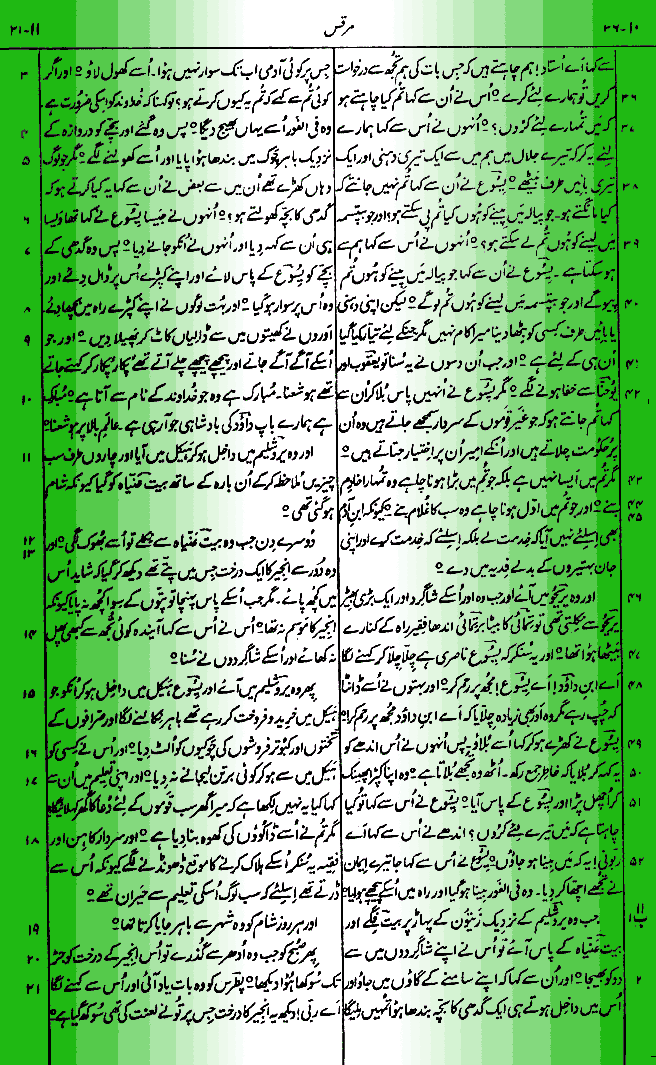
Mark Chapter 10 (Verses 36–52)
Mark 10:36
Verse: And he said unto them What would ye that I should do for you?
-
English Explanation: Jesus asks James and John a direct question to make them articulate their desires. Even though He knows their hearts, He forces them to voice their ambitions so that a vital spiritual lesson can be taught.
-
Urdu Explanation: یسوع نے یعقوب اور یوُحنا سے ایک سیدھا سوال پوچھا تاکہ وہ اپنی دلی خواہش کا اظہار کریں۔ اگرچہ وہ ان کے دلوں کے بھید جانتا تھا لیکن اس نے انہیں اپنی امنگوں کو زبان دینے کا موقع دیا تاکہ وہ انہیں ایک اہم روحانی سبق سکھا سکے۔
Mark 10:37
Verse: They said unto him Grant unto us that we may sit one on thy right hand and the other on thy left hand in thy glory
-
English Explanation: The disciples are seeking positions of worldly power, prestige, and political dominance in what they assume will be an earthly kingdom. They want the highest seats of honor next to Jesus.
-
Urdu Explanation: شاگرد یسوع کی بادشاہت میں دنیاوی طاقت، عزت اور سیاسی غلبے کے خواہشمند ہیں جسے وہ ایک زمینی سلطنت سمجھ رہے تھے۔ وہ یسوع کے ساتھ سب سے اعلیٰ اور معزز نشستیں حاصل کرنا چاہتے تھے۔
Mark 10:38
Verse: But Jesus said unto them Ye know not what ye ask can ye drink of the cup that I drink of? and be baptized with the baptism that I am baptized with?
-
English Explanation: Jesus corrects their misunderstanding by pointing out that true glory in God’s kingdom is preceded by suffering. The “cup” and “baptism” He refers to represent His impending suffering, persecution, and death.
-
Urdu Explanation: یسوع نے ان کی غلط فہمی کو دور کرتے ہوئے واضح کیا کہ خدا کی بادشاہی میں سچے جلال سے پہلے دُکھ اٹھانا پڑتا ہے۔ جس “پیالے” اور “بپتسمہ” کا ذکر وہ کر رہا ہے وہ اس کی آنے والی تکالیف، اذیت اور موت کی علامت ہیں۔
Mark 10:39
Verse: And they said unto him We can And Jesus said unto them Ye shall indeed drink of the cup that I drink of and with the baptism that I am baptized withal shall ye be baptized
-
English Explanation: Without fully understanding the cost, the disciples confidently claim they can endure it. Jesus prophesies that they will indeed share in His sufferings (James became the first martyred apostle, and John faced severe exile).
-
Urdu Explanation: نقصان اور قیمت کا اندازہ لگائے بغیر شاگردوں نے دعویٰ کیا کہ وہ یہ کر سکتے ہیں۔ یسوع نے پیشگوئی کی کہ وہ واقعی اس کے دکھوں میں شریک ہوں گے (چنانچہ یعقوب پہلا شہید رسول بنا اور یوُحنا کو سخت جلاوطنی کا سامنا کرنا پڑا)۔
Mark 10:40
Verse: But to sit on my right hand and on my left hand is not mine to give but it shall be given to them for whom it is prepared
-
English Explanation: Jesus emphasizes divine order and humility. Spiritual rewards and positions in the heavenly kingdom are designated by God the Father according to His sovereign will, not distributed through personal favoritism.
-
Urdu Explanation: یسوع الٰہی نظام اور عاجزی پر زور دیتا ہے۔ آسمانی بادشاہی میں روحانی انعامات اور مراتب خدا باپ کی حاکمیت اور مرضی کے مطابق طے ہوتے ہیں نہ کہ کسی ذاتی طرفداری یا سفارش کی بنیاد پر۔
Mark 10:41
Verse: And when the ten heard it they began to be much displeased with James and John
-
English Explanation: The remaining ten disciples become angry and indignant. This reaction reveals that they too harbored the same prideful desires for supremacy and were jealous that James and John tried to bypass them.
-
Urdu Explanation: باقی دس شاگرد یہ سن کر غصے اور ناراضگی کا اظہار کرنے لگے۔ اس ردعمل سے ظاہر ہوتا ہے کہ ان کے دلوں میں بھی بڑائی حاصل کرنے کی وہی مغرورانہ خواہشات تھیں اور وہ اس بات پر حسد کر رہے تھے کہ یعقوب اور یوُحنا نے ان سے آگے نکلنے کی کوشش کی۔
Mark 10:42
Verse: But Jesus called them to him and saith unto them Ye know that they which are accounted to rule over the Gentiles exercise lordship over them and their great ones exercise authority upon them
-
English Explanation: Jesus highlights how the secular world operates. Secular and pagan rulers use tyranny, control, and top-down authority to dominate others, establishing greatness through power.
-
Urdu Explanation: یسوع دنیاوی نظام کی کارکردگی کو واضح کرتا ہے۔ غیر قوموں کے حکمران دوسروں پر غلبہ پانے کے لیے ظلم، کنٹرول اور سخت طاقت کا استعمال کرتے ہیں اور دنیا میں طاقت کے بل بوتے پر بڑائی قائم کرتے ہیں۔
Mark 10:43
Verse: But so shall it not be among you but whosoever will be great among you shall be your minister
-
English Explanation: Jesus completely flips the world’s standard of leadership. In His kingdom, true greatness is measured by service (being a minister or servant) rather than status or commanding others.
-
Urdu Explanation: یسوع دنیا کے مقرر کردہ قیادت کے معیار کو مکمل طور پر الٹ دیتا ہے۔ اس کی بادشاہی میں سچی بڑائی کا اندازہ رتبے یا دوسروں پر حکم چلانے سے نہیں بلکہ خدمت گزاری (خادم بننے) سے لگایا جاتا ہے۔
Mark 10:44
Verse: And whosoever of you will be the chiefest shall be servant of all
-
English Explanation: Taking the principle further, Jesus states that to be the ultimate leader (“chiefest”), one must assume the lowest position—a bondservant to everyone else. Absolute humility is required.
-
Urdu Explanation: اس اصول کو مزید آگے بڑھاتے ہوئے یسوع فرماتا ہے کہ جو کوئی سب سے بڑا بننا چاہتا ہے اسے سب سے نچلا درجہ یعنی سب کا غلام بننا پڑے گا۔ اس کے لیے مکمل انکساری اور عاجزی کی ضرورت ہے۔
Mark 10:45
Verse: For even the Son of man came not to be ministered unto but to minister and to give his life a ransom for many
-
English Explanation: This is the ultimate model of servant leadership. Jesus defines His entire earthly mission not as demanding service from humanity, but as serving them by willingly sacrificing His life to redeem mankind from sin.
-
Urdu Explanation: یہ خادم قیادت کا سب سے بہترین نمونہ ہے۔ یسوع نے اپنے زمین پر آنے کے مقصد کو انسانوں سے خدمت لینے کے طور پر نہیں بلکہ ان کی خدمت کرنے اور انسانوں کو گناہ سے چھڑانے کے لیے اپنی جان بطور فدیہ قربان کرنے کے طور پر بیان کیا۔
Mark 10:46
Verse: And they came to Jericho and as he went out of Jericho with his disciples and a great number of people blind Bartimaeus the son of Timaeus sat by the highway side begging
-
English Explanation: As Jesus journeys toward Jerusalem, He passes through Jericho. Bartimaeus, a blind beggar marginalised by society, sits by the roadside, representing the spiritually and physically helpless who need Christ.
-
Urdu Explanation: یروشلم کے سفر کے دوران یسوع یریحو سے گزرتا ہے۔ برتیماؤس ایک نابینا بھکاری ہے جسے معاشرے نے نظر انداز کر دیا ہے۔ وہ سڑک کے کنارے بیٹھا ہے جو کہ ان لوگوں کی علامت ہے جو روحانی اور جسمانی طور پر بے بس ہیں اور انہیں مسیح کی ضرورت ہے۔
Mark 10:47
Verse: And when he heard that it was Jesus of Nazareth he began to cry out and say Jesus thou Son of David have mercy on me
-
English Explanation: Hearing that Jesus is passing by, Bartimaeus cries out using the prophetic, messianic title “Son of David.” This demonstrates his deep faith and recognition of Jesus as the promised Messiah.
-
Urdu Explanation: جب اس نے سنا کہ یسوع ناصری گزر رہا ہے تو وہ مسیحائی اور پیشگوئی پر مبنی لقب “ابنِ داؤد” پکارنے لگا۔ یہ اس کے گہرے ایمان کو ظاہر کرتا ہے کہ وہ یسوع کو ہی موعودہ مسیحا مانتا ہے۔
Mark 10:48
Verse: And many charged him that he should hold his peace but he cried the more a great deal Thou Son of David have mercy on me
-
English Explanation: The crowd views the beggar as a nuisance and tries to silence him. However, his desperation and intense faith drive him to shout even louder, refusing to let social pressure keep him from Christ.
-
Urdu Explanation: ہجوم نے اس بھکاری کو ایک مصیبت سمجھا اور اسے خاموش کرانے کی کوشش کی۔ لیکن اس کی بے بسی اور گہرے ایمان نے اسے مزید اونچی آواز میں پکارنے پر مجبور کیا اور اس نے سماجی دباؤ کی وجہ سے مسیح سے دور رہنے سے انکار کر دیا۔
Mark 10:49
Verse: And Jesus stood still and commanded him to be called And they call the blind man saying unto him Be of good comfort rise he calleth thee
-
English Explanation: Despite the noise of the crowd, the cry of faith stops Jesus in His tracks. He shows compassion by halting His journey to call the man forward, turning the crowd’s discouragement into encouragement.
-
Urdu Explanation: ہجوم کے شور کے باوجود ایمان کی اس پکار نے یسوع کے قدم روک لیے۔ اس نے اپنے سفر کو روک کر اس شخص کو اپنے پاس بلانے کا حکم دیا اور شفقت کا مظاہرہ کرتے ہوئے لوگوں کی مایوسی کو حوصلہ افزائی میں بدل دیا۔
Mark 10:50
Verse: And he casting away his garment rose and came to Jesus
-
English Explanation: Bartimaeus throws away his outer cloak, which was highly valuable to a beggar for warmth and collecting coins. This symbolic act shows his absolute faith that he will be healed and will no longer need to live as a beggar.
-
Urdu Explanation: برتیماؤس نے اپنا چغہ پھینک دیا جو ایک بھکاری کے لیے سردی سے بچنے اور سکے جمع کرنے کے لیے بہت قیمتی ہوتا تھا۔ یہ علامتی عمل اس کے کامل ایمان کو ظاہر کرتا ہے کہ وہ شفا پا جائے گا اور اسے اب بھکاری کی زندگی گزارنے کی ضرورت نہیں رہے گی۔
Mark 10:51
Verse: And Jesus answered and said unto him What wilt thou that I should do unto thee? The blind man said unto him Lord that I might receive my sight
-
English Explanation: Jesus asks him the exact same question He asked James and John in verse 36. Unlike the disciples who asked for prideful status, the blind man asks for a genuine, humble need: the restoration of his physical sight.
-
Urdu Explanation: یسوع نے اس سے بالکل وہی سوال پوچھا جو اس نے آیت 36 میں یعقوب اور یوُحنا سے پوچھا تھا۔ ان شاگردوں کے برعکس جنہوں نے غرور پر مبنی رتبہ مانگا تھا اس نابینا نے ایک سچی اور عاجزانہ ضرورت یعنی اپنی بینائی کی بحالی کی درخواست کی۔
Mark 10:52
Verse: And Jesus said unto him Go thy way thy faith hath made thee whole And immediately he received his sight and followed Jesus in the way
-
English Explanation: Jesus attributes the healing directly to the man’s persistent faith. Upon receiving his sight, Bartimaeus does not simply go home; he immediately becomes a disciple and follows Jesus on the difficult road to Jerusalem.
-
Urdu Explanation: یسوع نے اس شفا کا سہرا اس شخص کے مستقل اور پختہ ایمان کے سر باندھا۔ بینائی پاتے ہی برتیماؤس صرف اپنے گھر نہیں چلا گیا بلکہ وہ فوراً ہی شاگرد بن گیا اور یروشلم کے مشکل راستے پر یسوع کے پیچھے چل پڑا۔
Mark Chapter 11 (Verses 1–21)
Mark 11:1
Verse: And when they came nigh to Jerusalem unto Bethphage and Bethany at the mount of Olives he sendeth forth two of his disciples
-
English Explanation: As Jesus approaches Jerusalem for His passion week, He arrives near the Mount of Olives. He initiates the preparation for His prophetic entry into the holy city by sending two disciples on a specific assignment.
-
Urdu Explanation: جب یسوع اپنے دکھوں کے ہفتے کے لیے یروشلم کے قریب پہنچتا ہے تو وہ زیتون کے پہاڑ کے پاس آتا ہے۔ وہ اپنے دو شاگردوں کو ایک خاص کام پر بھیج کر مقدس شہر میں اپنی پیشگوئی کے مطابق داخلے کی تیاری شروع کرتا ہے۔
Mark 11:2
Verse: And saith unto them Go your way into the village over against you and as soon as ye be entered into it ye shall find a colt tied whereon never man sat loose him and bring him
-
English Explanation: Jesus gives precise instructions to find an unbroken young donkey. An animal that had never been ridden before was historically reserved for sacred, royal, and religious purposes, highlighting His kingship.
-
Urdu Explanation: یسوع نے ایک ایسے گدھے کے بچے کو تلاش کرنے کی واضح ہدایات دیں جس پر کبھی کوئی نہ بیٹھا ہو۔ تاریخ کے مطابق جس جانور پر پہلے کبھی سواری نہ کی گئی ہو اسے پاک، شاہی اور مذہبی مقصد کے لیے مخصوص کیا جاتا تھا جو اس کی بادشاہت کو ظاہر کرتا ہے۔
Mark 11:3
Verse: And if any man say unto you Why do ye this? say ye that the Lord hath need of him and straightway he will send him hither
-
English Explanation: Jesus demonstrates His divine omniscience and sovereign authority. He instructs them to use the phrase “the Lord hath need of him,” reassuring them that the owners will willingly cooperate without conflict.
-
Urdu Explanation: یسوع اپنے الٰہی علمِ غیب اور خود مختار اختیار کا مظاہرہ کرتا ہے۔ وہ انہیں ہدایت کرتا ہے کہ وہ کہیں “خداوند کو اس کی ضرورت ہے” اور یقین دلاتا ہے کہ مالک بغیر کسی جھگڑے کے خوشی سے جانور لے جانے دیں گے۔
Mark 11:4
Verse: And they went their way and found the colt tied by the door without in a place where two ways met and they loose him
-
Explanation: The disciples obey and find everything exactly as Jesus predicted. Finding the colt at a crossroads and untying it marks the literal fulfillment of Christ’s prophetic words.
-
Urdu Explanation: شاگردوں نے حکم مانا اور سب کچھ بالکل ویسا ہی پایا جیسا یسوع نے کہا تھا۔ راستوں کے موڑ پر گدھے کے بچے کو پانا اور اسے کھولنا مسیح کے پیشگوئی پر مبنی الفاظ کی لفظی تکمیل کو ظاہر کرتا ہے۔
Mark 11:5
Verse: And certain of them that stood there said unto them What do ye loosing the colt?
-
English Explanation: Just as Jesus anticipated, bystanders and owners question the actions of the disciples, challenging their right to take the animal.
-
Urdu Explanation: بالکل ویسا ہی ہوا جیسا یسوع نے سوچا تھا وہاں کھڑے لوگوں اور مالکوں نے شاگردوں کے اس عمل پر سوال اٹھایا اور جانور لے جانے کے ان کے حق کو چیلنج کیا۔
Mark 11:6
Verse: And they said unto them even as Jesus had commanded and they let them go
-
English Explanation: The disciples reply using the exact words given to them by Jesus. Hearing this, the owners immediately consent, showing God’s unseen hand working behind the scenes to orchestrate these holy events.
-
Urdu Explanation: شاگردوں نے وہی الفاظ دہرائے جو یسوع نے انہیں سکھائے تھے۔ یہ سن کر مالکوں نے فوراً اجازت دے دی جو اس بات کو ظاہر کرتا ہے کہ ان مقدس واقعات کو پورا کرنے کے لیے خدا کا پوشیدہ ہاتھ کام کر رہا تھا۔
Mark 11:7
Verse: And they brought the colt to Jesus and cast their garments on him and he sat upon him
-
English Explanation: The disciples bring the animal to Jesus and drape their cloaks over it as a makeshift saddle. Jesus sits on it, fulfilling Zechariah 9:9, showcasing Himself as a peaceful, humble Messianic King riding a donkey rather than a warhorse.
-
Urdu Explanation: شاگرد اس جانور کو یسوع کے پاس لائے اور زین کے طور پر اپنے چغے اس پر ڈال دئیے۔ یسوع اس پر سوار ہوا جس سے زکریا 9:9 کی پیشگوئی پوری ہوئی کہ وہ جنگی گھوڑے کے بجائے گدھے پر سوار ہو کر ایک پرامن اور حلیم مسیحائی بادشاہ کے طور پر ظاہر ہوا۔
Mark 11:8
Verse: And many spread their garments in the way and others cut down branches off the trees and strawed them in the way
-
English Explanation: The crowd acts out of ancient cultural reverence, spreading their clothes and leafy branches on the road. This was a traditional gesture reserved for welcoming victorious kings and conquerors into a city.
-
Urdu Explanation: ہجوم نے قدیم ثقافتی احترام کے تحت سڑک پر اپنے کپڑے اور درختوں کی ڈالیاں بچھائیں۔ یہ ایک روایتی طریقہ تھا جو فاتح بادشاہوں اور فاتحین کا شہر میں استقبال کرنے کے لیے مخصوص تھا۔
Mark 11:9
Verse: And they that went before and they that followed cried saying Hosanna Blessed is he that cometh in the name of the Lord
-
English Explanation: The people chant “Hosanna” (meaning “Save us now”). They quote Psalm 118, recognizing Jesus as the sent One of God who arrives with divine authority to bring salvation.
-
Urdu Explanation: لوگوں نے “ہوشعنا” (جس کا مطلب ہے “اب بچا لے”) کے نعرے لگائے۔ انہوں نے زبور 118 کا حوالہ دیتے ہوئے یسوع کو خدا کا بھیجا ہوا مانا جو نجات لانے کے لیے الٰہی اختیار کے ساتھ آیا ہے۔
Mark 11:10
Verse: Blessed be the kingdom of our father David that cometh in the name of the Lord Hosanna in the highest
-
English Explanation: The crowd celebrates the restoration of King David’s lineage through Jesus. They praise God for the arrival of the promised Messianic kingdom, expecting immediate national and spiritual liberation.
-
Urdu Explanation: ہجوم نے یسوع کے ذریعے داؤد بادشاہ کی نسل کی بحالی کا جشن منایا۔ انہوں نے موعودہ مسیحائی بادشاہت کی آمد پر خدا کی تمجید کی کیونکہ وہ فوری قومی اور روحانی آزادی کی امید کر رہے تھے۔
Mark 11:11
Verse: And Jesus entered into Jerusalem and into the temple and when he had looked round about upon all things and now the eventide was come he went out unto Bethany with the twelve
-
English Explanation: Upon arriving, Jesus inspects the temple courts. Instead of staging a political coup, He quietly assesses the spiritual state of God’s house. Because it is late, He withdraws to Bethany with His disciples to prepare for the next day.
-
Urdu Explanation: آمد کے بعد یسوع نے ہیکل کے صحن کا معائنہ کیا۔ کوئی سیاسی انقلاب لانے کے بجائے اس نے خاموشی سے خدا کے گھر کی روحانی حالت کا جائزہ لیا۔ چونکہ شام ہو چکی تھی اس لیے وہ اگلے دن کی تیاری کے لیے اپنے شاگردوں کے ساتھ بیت عنیاہ واپس چلا گیا۔
Mark 11:12
Verse: And on the morrow when they were come from Bethany he was hungry
-
English Explanation: The next morning, as they walk back toward Jerusalem, Jesus feels physical hunger. This highlights His true humanity alongside His divine nature.
-
Urdu Explanation: اگلی صبح جب وہ یروشلم واپس جا رہے تھے تو یسوع کو بھوک لگی۔ یہ اس کی الٰہی فطرت کے ساتھ ساتھ اس کی سچی انسانیت اور بشریت کو ظاہر کرتا ہے۔
Mark 11:13
Verse: And seeing a fig tree afar off having leaves he came if haply he might find any thing thereon and when he came to it he found nothing but leaves for the time of figs was not yet
-
English Explanation: In fig trees, leaves usually appear alongside or after the early fruit. A tree full of leaves advertised that it had fruit, but it was deceptive and barren. This acts as a living parable for the nation of Israel, which had the “leaves” of religious rituals but no spiritual fruit.
-
Urdu Explanation: انجیر کے درختوں میں پتے عام طور پر ابتدائی پھل کے ساتھ یا اس کے بعد نکلتے ہیں۔ پتوں سے بھرا درخت یہ ظاہر کرتا تھا کہ اس پر پھل موجود ہے لیکن یہ دھوکہ دہی اور بانجھ پن تھا۔ یہ اسرائیل کی قوم کے لیے ایک زندہ تمثیل کا کام کرتا ہے جس کے پاس مذہبی رسومات کے “پتے” تو تھے لیکن کوئی روحانی پھل نہیں تھا۔
Mark 11:14
Verse: And Jesus answered and said unto it No man eat fruit of thee hereafter for ever And his disciples heard it
-
English Explanation: Jesus pronounces a judgment curse on the barren fig tree. This prophetic sign represents God’s judgment on hypocritical faith and the spiritual barrenness of the religious leadership in Jerusalem.
-
Urdu Explanation: یسوع نے اس بانجھ انجیر کے درخت پر لعنت بھیج کر سزا کا حکم دیا۔ یہ پیشگوئی پر مبنی نشانی منافقانہ ایمان اور یروشلم کی مذہبی قیادت کے روحانی بانجھ پن پر خدا کی عدالت اور سزا کو ظاہر کرتی ہے۔
Mark 11:15
Verse: And they come to Jerusalem and Jesus went into the temple and began to cast out them that sold and bought in the temple and overthrow the tables of the moneychangers and the seats of them that sold doves
-
English Explanation: Arriving at the temple, Jesus drives out the merchants who were exploiting worshippers and turning sacred space into a corrupt marketplace. He disrupts the commercial operations that corrupted pure worship.
-
Urdu Explanation: ہیکل میں پہنچ کر یسوع نے ان تاجروں کو باہر نکال دیا جو عبادت گزاروں کا استحصال کر رہے تھے اور مقدس جگہ کو ایک کرپٹ بازار میں تبدیل کر رہے تھے۔ اس نے ان کاروباری سرگرمیوں کو درہم برہم کر دیا جنہوں نے خالص عبادت کو ناپاک کر دیا تھا۔
Mark 11:16
Verse: And would not suffer that any man should carry any vessel through the temple
-
English Explanation: Jesus blocks people from using the sacred temple courts as a secular shortcut or thoroughfare for carrying worldly goods, restoring holiness and respect to the sanctuary.
-
Urdu Explanation: یسوع نے لوگوں کو ہیکل کے مقدس صحن کو دنیاوی سامان لانے لے جانے کے لیے ایک شارٹ کٹ یا راستے کے طور پر استعمال کرنے سے روکا تاکہ عبادت گاہ کی پاکیزگی اور احترام کو بحال کیا جا سکے۔
Mark 11:17
Verse: And he taught saying unto them Is it not written My house shall be called of all nations the house of prayer? but ye have made it a den of thieves
-
English Explanation: Quoting Isaiah 56:7 and Jeremiah 7:11, Jesus explains that the temple was meant to be a place of prayer for all nations, including Gentiles. Instead, the religious elite turned it into a safe haven for extortionists and thieves.
-
Urdu Explanation: یسعیاہ 56:7 اور یرمیاہ 7:11 کا حوالہ دیتے ہوئے یسوع نے وضاحت کی کہ ہیکل تمام قوموں (بشمول غیر قوموں) کے لیے دعا کا گھر ہونا تھا لیکن مذہبی رہنماؤں نے اسے لٹیروں اور چوروں کی پناہ گاہ بنا دیا ہے۔
Mark 11:18
Verse: And the scribes and chief priests heard it and sought how they might destroy him for they feared him because all the people was astonished at his doctrine
-
English Explanation: The religious leaders feel threatened by Jesus’ actions and authority. They actively plot His execution, driven by fear of losing their control, since the crowds are captivated by Jesus’ radical and powerful teachings.
-
Urdu Explanation: مذہبی رہنما یسوع کے اقدامات اور اختیار سے خطرہ محسوس کرنے لگے۔ انہوں نے اس کو قتل کرنے کی سازشیں شروع کر دیں کیونکہ وہ اپنا اختیار کھونے سے ڈرتے تھے کیونکہ ہجوم یسوع کی انقلابی اور بااثر تعلیمات سے دنگ تھا۔
Mark 11:19
Verse: And when even was come he went out of the city
-
English Explanation: As night falls, Jesus leaves Jerusalem to stay outside the city gates, ensuring His safety and preventing a premature arrest before His appointed time on the cross.
-
Urdu Explanation: شام ہوتے ہی یسوع شہر کے دروازوں سے باہر رات گزارنے کے لیے چلے گئے تاکہ وہ محفوظ رہ سکیں اور صلیب پر اپنے مقررہ وقت سے پہلے قبل از وقت گرفتاری سے بچ سکیں۔
Mark 11:20
Verse: And in the morning as they passed by they saw the fig tree dried up from the roots
-
English Explanation: The next morning, the disciples notice that the cursed fig tree has withered completely from its very roots. This rapid decay demonstrates the absolute authority of Jesus’ words and underscores the reality of imminent judgment on unfaithfulness.
-
Urdu Explanation: اگلی صبح شاگردوں نے دیکھا کہ وہ انجیر کا درخت جڑ سے مکمل طور پر سوکھ چکا ہے۔ اتنی جلدی سوکھ جانا یسوع کے الفاظ کے کامل اختیار کو ثابت کرتا ہے اور بے ایمانی پر آنے والی فوری عدالت اور سزا کی حقیقت کو نمایاں کرتا ہے۔
Mark 11:21
Verse: And Peter calling to remembrance saith unto him Master behold the fig tree which thou cursedst is withered away
-
English Explanation: Peter remembers Jesus’ words from the previous day and points out the withered tree in amazement. This serves as an opening for Jesus to teach a profound lesson on faith, prayer, and divine power.
-
Urdu Explanation: پطرس کو پچھلے دن کی یسوع کی بات یاد آئی اور اس نے حیرت سے سوکھے ہوئے درخت کی طرف اشارہ کیا۔ یہ معجزہ یسوع کے لیے شاگردوں کو ایمان، دعا اور الٰہی طاقت کے بارے میں ایک گہرا سبق سکھانے کا ذریعہ بنا۔