Matthew Chapter 11
Matthew 11:1
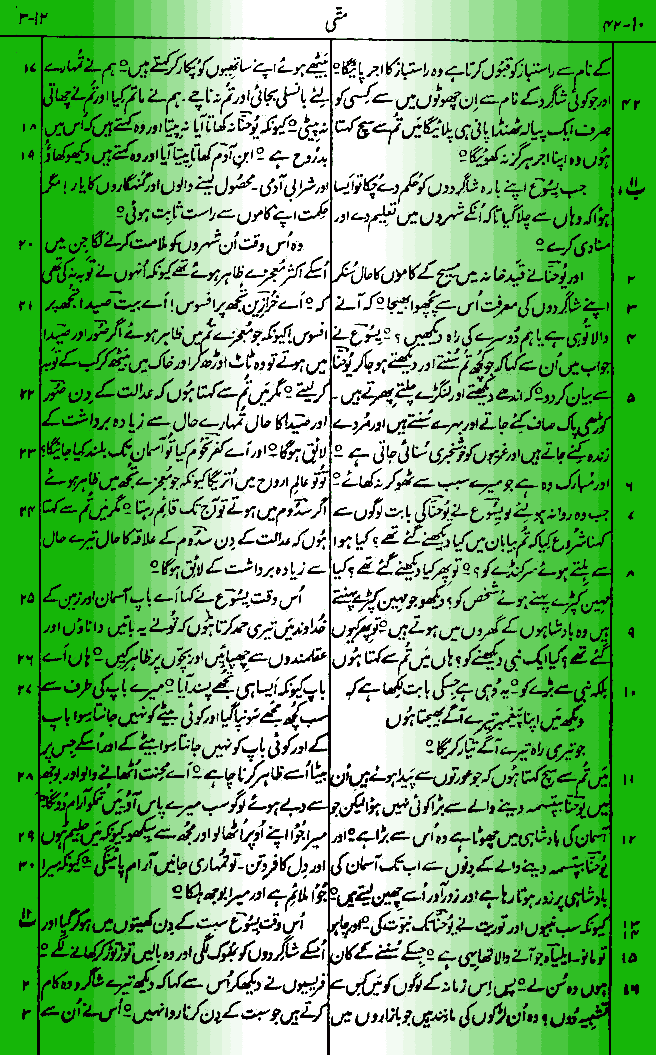
Verse: And it came to pass when Jesus had made an end of commanding his twelve disciples he departed thence to teach and to preach in their cities
English Explanation
This verse marks a transition in the Gospel narrative. After giving strict instructions and commissions to His twelve disciples in Chapter 10, Jesus does not simply sit back; He leads by example. He continues His own active ministry of teaching and preaching in the surrounding cities of Galilee, demonstrating that true spiritual leadership involves active service and obedience to God’s calling.
Urdu Explanation
یہ آیت انجیل کے بیان میں ایک تبدیلی کو ظاہر کرتی ہے۔ باب 10 میں اپنے بارہ شاگردوں کو سخت ہدایات اور ذمہ داریاں سونپنے کے بعد، یسوع خود خاموش نہیں بیٹھ گئے بلکہ انہوں نے عملی نمونہ پیش کیا۔ وہ گلیل کے آس پاس کے شہروں میں تعلیم دینے اور منادی کرنے کے لیے آگے بڑھے، جس سے یہ ظاہر ہوتا ہے کہ حقیقی روحانی قیادت عملی خدمت اور خدا کی مرضی پر چلنے کا نام ہے۔
Matthew 11:2
Verse: Now when John had heard in the prison the works of Christ he sent two of his disciples
English Explanation
John the Baptist had been imprisoned by Herod Antipas for speaking out against Herod’s unlawful marriage. Even behind bars, news of Jesus’ miraculous works reached John. Seeking confirmation and clarity for himself and his followers, John takes a proactive step by sending two of his own trusted disciples to question Jesus directly.
Urdu Explanation
یوحنا بپتسمہ دینے والے کو ہیرودیس انتپاس نے اس کی غیر قانونی شادی کے خلاف آواز اٹھانے کی وجہ سے جیل میں ڈال دیا تھا۔ قید خانے میں ہونے کے باوجود، یسوع کے معجزاتی کاموں کی خبریں یوحنا تک پہنچ رہی تھیں۔ اپنے اور اپنے شاگردوں کے اطمینان اور وضاحت کے لیے، یوحنا نے ایک عملی قدم اٹھایا اور اپنے دو معتبر شاگردوں کو یسوع سے براہِ راست سوال کرنے کے لیے بھیجا۔
Matthew 11:3
Verse: And said unto him Art thou he that should come or do we look for another
English Explanation
John’s question reflects a moment of human vulnerability or perhaps a strategic move to help his disciples encounter Jesus. He asks if Jesus is truly the promised Messiah (“he that should come”) or if they should wait for someone else. John may have expected the Messiah to bring immediate political judgment, and Jesus’ peaceful ministry of healing prompted this deeper inquiry.
Urdu Explanation
یوحنا کا یہ سوال انسانی کمزوری یا شاید اپنے شاگردوں کو یسوع کے پاس بھیجنے کی ایک حکمتِ عملی کو ظاہر کرتا ہے۔ وہ پوچھتا ہے کہ کیا یسوع ہی وہ موعودہ مسیحا (“وہ جو آنے والا تھا”) ہیں یا وہ کسی اور کا انتظار کریں۔ ہو سکتا ہے کہ یوحنا یہ امید کر رہے تھے کہ مسیحا فوری طور پر سیاسی اور عدالتی انصاف قائم کریں گے، اور یسوع کی شفا دینے والی پُرامن وزارت نے انہیں یہ سوال کرنے پر مائل کیا۔
Matthew 11:4
Verse: Jesus answered and said unto them Go and shew John again those things which ye do hear and see
English Explanation
Instead of giving a simple “yes” or “no” answer, Jesus points John’s disciples to the tangible evidence of His ministry. He instructs them to report exactly what they witness: the manifestations of divine power and grace. This response affirms that true faith is anchored in the reality of God’s actions and fulfilled prophecies.
Urdu Explanation
سیدھا “ہاں” یا “ناں” میں جواب دینے کے بجائے، یسوع نے یوحنا کے شاگردوں کو اپنی وزارت کے ٹھوس ثبوتوں کی طرف متوجہ کیا۔ انہوں نے انہیں حکم دیا کہ وہ جا کر یوحنا کو وہی باتیں بتائیں جو وہ خود دیکھ اور سن رہے ہیں؛ یعنی الٰہی قدرت اور فضل کا ظہور۔ یہ جواب ظاہر کرتا ہے کہ سچا ایمان خدا کے کاموں اور پیشگوئیوں کے پورا ہونے پر قائم ہوتا ہے۔
Matthew 11:5
Verse: The blind receive their sight and the lame walk the lepers are cleansed and the deaf hear the dead are raised up and the poor have the gospel preached to them
English Explanation
Jesus specifically quotes indicators from the prophecies of Isaiah (Isaiah 35:5-6, 61:1) regarding the Messianic age. By restoring sight, healing the lame, cleansing lepers, granting hearing, raising the dead, and preaching to the poor, Jesus proves He is doing exactly what the Messiah was predicted to do, proving His divine identity through acts of mercy.
Urdu Explanation
یسوع نے یہاں خاص طور پر یسعیاہ نبی کی پیشگوئیوں (یسعیاہ 35:5-6، 61:1) کا حوالہ دیا ہے جو مسیحا کے دور سے متعلق تھیں۔ اندھوں کو بینائی دینا، لنگڑوں کو چلانا، کوڑھیوں کو پاک صاف کرنا، بہروں کو سنانا، مُردوں کو زندہ کرنا اور غریبوں کو خوشخبری سنانا—ان سب کاموں سے یسوع نے ثابت کیا کہ وہ وہی کر رہے ہیں جو مسیحا کے بارے میں لکھا گیا تھا، اور اپنے رحم کے کاموں سے اپنی الٰہی پہچان ظاہر کی۔
Matthew 11:6
Verse: And blessed is he whosoever shall not be offended in me
English Explanation
Jesus offers a gentle warning and a blessing. The word “offended” here means to stumble or fall away because expectations were not met. Jesus is encouraging John and all future believers to trust His methods, timing, and character, even when His path looks different from worldly expectations of power and glory.
Urdu Explanation
یسوع یہاں ایک نرم سی تنبیہ اور برکت پیش کرتے ہیں۔ یہاں “ٹھوکر نہ کھانے” (offended) سے مراد یہ ہے کہ توقعات پوری نہ ہونے کی وجہ سے ایمان میں کمزور نہ پڑنا۔ یسوع یوحنا اور آنے والے تمام ایمانداروں کی حوصلہ افزائی کر رہے ہیں کہ وہ ان کے طریقوں، وقت اور حکمت پر بھروسہ رکھیں، خواہ ان کا راستہ دنیاوی طاقت اور جاہ و جلال کے معیار سے کتنا ہی مختلف کیوں نہ ہو۔
Matthew 11:7
Verse: And as they departed Jesus began to say unto the multitudes concerning John What went ye out into the wilderness to see A reed shaken with the wind
English Explanation
As John’s disciples leave, Jesus speaks highly of John to the crowds to prevent anyone from thinking poorly of him due to his question. He asks the crowd if they went into the desert to see a “reed shaken with the wind”—a metaphor for a fickle, unstable person who changes his mind under pressure. John was the absolute opposite: firm, unwavering, and bold.
Urdu Explanation
جیسے ہی یوحنا کے شاگرد روانہ ہوئے، یسوع نے ہجوم کے سامنے یوحنا کی تعریف کی تاکہ کوئی ان کے سوال کی وجہ سے ان کے بارے میں غلط رائے نہ بنائے۔ انہوں نے لوگوں سے پوچھا کہ وہ بیابان میں کیا دیکھنے گئے تھے؟ کیا “ہوا سے ہلتا ہوا سرکنڈا”؟ یہ ایک ایسے غیر مستقل مزاج اور کمزور شخص کا استعارہ ہے جو دباؤ میں اپنا موقف بدل لیتا ہے۔ یوحنا اس کے بالکل برعکس تھے: مضبوط، غیر متزلزل اور نڈر۔
Matthew 11:8
Verse: But what went ye out for to see A man clothed in soft raiment behold they that wear soft clothing are in kings’ houses
English Explanation
Jesus continues His rhetorical questioning, asking if they expected to see a luxury-loving elite. John wore camel’s hair and lived in the harsh desert, completely detached from worldly comforts. Jesus highlights that John’s value did not come from materialistic wealth or royal status, but from his rugged, uncompromising dedication to his divine calling.
Urdu Explanation
یسوع اپنے سوالات کا سلسلہ جاری رکھتے ہوئے پوچھتے ہیں کہ کیا وہ کسی ایسے شخص کو دیکھنے گئے تھے جو شاہانہ اور نرم لباس پہنتا ہو؟ یوحنا اونٹ کے بالوں کا لباس پہنتے تھے اور سخت بیابان میں رہتے تھے، جو دنیاوی آسائشوں سے بالکل دور تھے۔ یسوع واضح کرتے ہیں کہ یوحنا کی اہمیت مادی دولت یا شاہی رتبے سے نہیں بلکہ ان کی اپنے الٰہی مقصد کے لیے غیر سمجھوتہ کارانہ لگن سے تھی۔
Matthew 11:9
Verse: But what went ye out for to see A prophet yea I say unto you and more than a prophet
English Explanation
Jesus answers His own question, validating John as a true prophet. However, He elevates John even further, calling him “more than a prophet.” While other prophets pointed to a distant future Messiah, John had the unique privilege of physically preparing the way for, seeing, and introducing the Messiah to the world.
Urdu Explanation
یسوع خود اپنے سوال کا جواب دیتے ہوئے یوحنا کی بطور ایک سچے نبی کی تصدیق کرتے ہیں۔ تاہم، وہ یوحنا کا مرتبہ اور بڑھا دیتے ہیں اور انہیں “نبی سے بھی بڑا” قرار دیتے ہیں۔ جہاں دوسرے انبیاء نے مستقبل بعید میں آنے والے مسیحا کی طرف اشارہ کیا، وہیں یوحنا کو یہ منفرد اعزاز حاصل تھا کہ انہوں نے مسیحا کی راہ تیار کی، انہیں خود دیکھا، اور دنیا سے ان کا تعارف کروایا۔
Matthew 11:10
Verse: For this is he of whom it is written Behold I send my messenger before thy face which shall prepare thy way before thee
English Explanation
Jesus explicitly quotes Malachi 3:1 to reveal John’s identity. John was the prophesied messenger sent ahead of the Messiah to clear the spiritual path and prepare people’s hearts. By affirming John as the messenger, Jesus also clearly asserts His own identity as the Lord and Messiah whose way was being prepared.
Urdu Explanation
یسوع یوحنا کی پہچان ظاہر کرنے کے لیے واضح طور پر ملاکی 3:1 کا حوالہ دیتے ہیں۔ یوحنا وہی پیشگوئی کردہ قاصد تھے جنہیں مسیحا سے پہلے لوگوں کے دلوں کو تیار کرنے اور روحانی راستہ ہموار کرنے کے لیے بھیجا گیا تھا۔ یوحنا کو وہ قاصد تسلیم کر کے، یسوع نے واضح طور پر اپنی پہچان بھی اس خداوند اور مسیحا کے طور پر پیش کی جس کی راہ تیار کی جا رہی تھی۔
Matthew 11:11
Verse: Verily I say unto you Among them that are born of women there hath not risen a greater than John the Baptist notwithstanding he that is least in the kingdom of heaven is greater than he
English Explanation
Jesus praises John as the greatest figure of the Old Covenant era. Yet, He introduces a radical truth: the “least” in the Kingdom of Heaven is greater than John. This does not mean personal moral superiority, but rather a superiority of privilege. Believers post-resurrection enjoy the full revelation of Christ’s finished work and the indwelling of the Holy Spirit, which John did not live to fully see.
Urdu Explanation
یسوع یوحنا کی تعریف پرانے عہد کے دور کی عظیم ترین شخصیت کے طور پر کرتے ہیں۔ پھر بھی، وہ ایک حیران کن سچائی بیان کرتے ہیں: کہ آسمان کی بادشاہی میں جو “چھوٹے سے چھوٹا” ہے وہ یوحنا سے بڑا ہے۔ اس کا مطلب کوئی ذاتی یا اخلاقی برتری نہیں، بلکہ مراعات اور فضل کی برتری ہے۔ یسوع کی جی اٹھنے کے بعد کے ایماندار ان کے مکمل کردہ نجات کے کام اور روح القدس کی سکونت کی نعمت سے واقف ہیں، جسے یوحنا اپنی زندگی میں مکمل طور پر نہ دیکھ سکے۔
Matthew 11:12
Verse: And from the days of John the Baptist until now the kingdom of heaven suffereth violence and the violent take it by force
English Explanation
This is a complex verse historically interpreted in two ways: either the Kingdom is advancing with spiritual force and intensity, requiring zealous, wholehearted devotion to enter it; or it is experiencing opposition and violent persecution from religious and political authorities since the start of John’s ministry. Both point to the serious, urgent nature of the gospel.
Urdu Explanation
یہ ایک گہری آیت ہے جس کی تاریخ میں دو طرح سے تشریح کی گئی ہے: یا تو خدا کی بادشاہی بڑی روحانی قوت اور جوش کے ساتھ آگے بڑھ رہی ہے جس میں داخل ہونے کے لیے پورے دل سے کوشش کی ضرورت ہے؛ یا پھر یوحنا کی وزارت کے وقت سے ہی اسے مذہبی اور سیاسی حلقوں کی طرف سے شدید مخالفت اور ظلم کا سامنا ہے۔ دونوں صورتیں انجیل کی اہمیت اور اس کی فوری ضرورت کو ظاہر کرتی ہیں۔
Matthew 11:13
Verse: For all the prophets and the law prophesied until John
English Explanation
Jesus explains that the era of the Law and the Prophets reached its climax and fulfillment in John the Baptist. John stands as the bridge between the Old Testament expectations and the New Testament fulfillment. With his arrival, the dawn of the Kingdom of God had arrived, shifting the spiritual landscape forever.
Urdu Explanation
یسوع وضاحت کرتے ہیں کہ شریعت اور انبیاء کا دور یوحنا بپتسمہ دینے والے پر آ کر اپنے عروج اور تکمیل کو پہنچا۔ یوحنا پرانے عہد نامے کی امیدوں اور نئے عہد نامے کی تکمیل کے درمیان ایک پُل کی مانند ہیں۔ ان کی آمد کے ساتھ ہی خدا کی بادشاہی کا آغاز ہوا، جس نے روحانی منظرنامے کو ہمیشہ کے لیے بدل دیا۔
Matthew 11:14
Verse: And if ye will receive it this is Elias which was for to come
English Explanation
Malachi 4:5 predicted that Elijah (Elias) would return before the great day of the Lord. Jesus reveals that if the people have ears of faith to accept it, John fulfilled this prophetic role. He came in the spirit and power of Elijah to call people to repentance, though he was not a literal reincarnation of the ancient prophet.
Urdu Explanation
ملاکی 4:5 میں پیشگوئی کی گئی تھی کہ خداوند کے عظیم دن سے پہلے ایلیاہ نبی واپس آئیں گے۔ یسوع فرماتے ہیں کہ اگر لوگ ایمان کے ساتھ اسے قبول کرنے کے لیے تیار ہوں، تو یوحنا نے ہی اس نبوتی کردار کو پورا کیا ہے۔ وہ ایلیاہ کی روح اور قدرت میں لوگوں کو توبہ کی طرف بلانے آئے تھے، اگرچہ وہ لفظی طور پر پرانے نبی کا جنم نہیں تھے۔
Matthew 11:15
Verse: He that hath ears to hear let him hear
English Explanation
This is a powerful, recurring idiom used by Jesus to emphasize the critical importance of what has just been said. It is a call for spiritual discernment, urging the listeners not just to hear the spoken words with their physical ears, but to deeply understand, absorb, and act upon the truth revealed.
Urdu Explanation
یہ ایک پُرعزم اور بار بار استعمال ہونے والا محاورہ ہے جسے یسوع نے اپنی کہی ہوئی بات کی اہمیت پر زور دینے کے لیے استعمال کیا۔ یہ روحانی سمجھ بوجھ کی ایک پکار ہے، جو سننے والوں پر زور دیتی ہے کہ وہ صرف کانوں سے الفاظ نہ سنیں، بلکہ ظاہر کردہ سچائی کو گہرائی سے سمجھیں، جذب کریں اور اس پر عمل کریں۔
Matthew 11:16
Verse: But whereunto shall I liken this generation It is like unto children sitting in the markets and calling unto their fellows
English Explanation
Jesus compares the stubborn, unresponsive religious leaders and crowds of His generation to fickle children playing games in the marketplace. He exposes their spiritual immaturity and their refusal to be pleased or cooperative with God’s distinct messengers, regardless of the approach used.
Urdu Explanation
یسوع اپنے دور کے ضدی اور غیر ذمہ دار مذہبی رہنماؤں اور لوگوں کو بازار میں کھیل کود کرتے ہوئے چنچل بچوں سے تشبیہ دیتے ہیں۔ وہ ان کی روحانی نادانی اور خدا کے مختلف قاصدوں کے ساتھ تعاون کرنے سے ان کے انکار کو بے نقاب کرتے ہیں، چاہے ان کے ساتھ کوئی بھی طریقہ کار اپنایا گیا ہو۔
Matthew 11:17
Verse: And saying We have piped unto you and ye have not danced we have mourned unto you and ye have not lamented
English Explanation
Continuing the analogy of children’s games, Jesus explains that the people refused to play along with either a happy tune (wedding game) or a sad tune (funeral game). They rejected both the joyful message of Jesus and the solemn, repentant message of John, proving they simply wanted their own desires met rather than God’s truth.
Urdu Explanation
بچوں کے کھیلوں کی تشبیہ کو جاری رکھتے ہوئے، یسوع بتاتے ہیں کہ لوگوں نے نہ تو خوشی کے گیت (شادی کے کھیل) پر رقص کیا اور نہ ہی ماتمی گیت (جنازے کے کھیل) پر افسوس کیا۔ انہوں نے یسوع کے خوشی کے پیغام اور یوحنا کے سنجیدہ و توبہ کے پیغام دونوں کو مسترد کر دیا، جس سے یہ ثابت ہوا کہ وہ خدا کی سچائی کے بجائے صرف اپنی خواہشات پوری کرنا چاہتے تھے۔
Matthew 11:18
Verse: For John came neither eating nor drinking and they say He hath a devil
English Explanation
Jesus provides the specifics of their hypocrisy. John lived an ascetic, fasting lifestyle in the wilderness, abstaining from normal socialization. Instead of respecting his devotion, the critics dismissed him as extreme and claimed he was possessed by a demon. This shows how critics create excuses to avoid conviction.
Urdu Explanation
یسوع ان کی منافقت کی تفصیل بیان کرتے ہیں۔ یوحنا بیابان میں روزہ داری اور زاہدانہ زندگی گزارتے تھے اور عام سماجی میل جول سے دور رہتے تھے۔ ان کی اس عقیدت کا احترام کرنے کے بجائے، تنقید کرنے والوں نے انہیں انتہا پسند کہہ کر رد کر دیا اور دعویٰ کیا کہ ان میں بدروح ہے۔ یہ ظاہر کرتا ہے کہ تنقید کرنے والے کس طرح حق سے بچنے کے لیے بہانے تراشتے ہیں۔
Matthew 11:19
Verse: The Son of man came eating and drinking and they say Behold a man gluttonous and a winebibber a friend of publicans and sinners But wisdom is justified of her children
English Explanation
In contrast to John, Jesus engaged with society, eating and drinking with everyday people. The religious elite hypocritically flipped their criticism, calling Him a glutton and a drunkard, and shaming Him for associating with tax collectors and sinners. Jesus concludes that “wisdom is justified of her children”—meaning the righteous results and transformed lives of both ministries ultimately prove the wisdom of God’s diverse approaches.
Urdu Explanation
یوحنا کے برعکس، یسوع معاشرے میں گھل مل گئے اور عام لوگوں کے ساتھ کھایا پیا۔ مذہبی اشرافیہ نے منافقانہ طور پر اپنی تنقید کا رخ بدلا اور انہیں پیٹو، شرابی، اور محصول لینے والوں اور گنہگاروں کا دوست کہہ کر بدنام کرنے کی کوشش کی۔ یسوع نے نتیجہ نکالا کہ “حکمت اپنے کاموں (یا اولاد) سے سچی ثابت ہوتی ہے”—یعنی دونوں وزارتوں کے نیک نتائج اور بدلی ہوئی زندگیاں آخر کار خدا کی حکمت کو سچا ثابت کرتی ہیں۔
Matthew 11:20
Verse: Then began he to upbraid the cities wherein most of his mighty works were done because they repented not
English Explanation
Jesus shifts to a tone of solemn judgment. He openly reproaches and rebukes the Galilean cities where He spent most of His time performing spectacular miracles. His grievance is not that they failed to be amazed, but that despite seeing divine power, they refused to change their hearts and repent of their sins.
Urdu Explanation
یسوع یہاں سنجیدہ عدالت اور تنبیہ کا لہجہ اختیار کرتے ہیں۔ وہ گلیل کے ان شہروں کی علانیہ ملامت کرتے ہیں جہاں انہوں نے اپنے زیادہ تر عظیم معجزات دکھائے تھے۔ ان کا گلہ یہ نہیں تھا کہ لوگ حیران نہیں ہوئے، بلکہ یہ تھا کہ الٰہی قدرت دیکھنے کے باوجود انہوں نے اپنے دلوں کو نہیں بدلا اور گناہوں سے توبہ نہیں کی۔
Matthew 11:21
Verse: Woe unto thee Chorazin woe unto thee Bethsaida for if the mighty works which were done in you had been done in Tyre and Sidon they would have repented long ago in sackcloth and ashes
English Explanation
Jesus pronounces a prophetic “woe” over Chorazin and Bethsaida. He asserts that if the notorious, pagan Gentile cities of Tyre and Sidon had witnessed the same miracles, they would have shown profound humility and repented immediately using ancient symbols of mourning (sackcloth and ashes). Greater privilege brings greater spiritual responsibility.
Urdu Explanation
یسوع نے خرازین اور بیت صیدا پر افسوس کا اظہار کیا۔ انہوں نے فرمایا کہ اگر صور اور صیدا جیسے مشہور غیر قوموں کے شہروں نے وہ معجزات دیکھے ہوتے، تو وہ بہت پہلے ٹاٹ اوڑھ کر اور خاک میں بیٹھ کر شدید ندامت اور توبہ کا اظہار کر چکے ہوتے۔ زیادہ مواقع اور فضل ملنے سے روحانی ذمہ داری بھی بڑھ جاتی ہے۔
Matthew 11:22
Verse: But I say unto you It shall be more tolerable for Tyre and Sidon at the day of judgment than for you
English Explanation
Jesus reveals an important truth about eternal judgment: there are degrees of accountability. On judgment day, those who rejected Christ despite firsthand witnessing His divine power and message will face a stricter judgment than ancient pagan cities who sinned with far less revelation.
Urdu Explanation
یسوع عدالت کے دن کے بارے میں ایک اہم حقیقت ظاہر کرتے ہیں کہ جوابدہی کے مختلف درجات ہیں۔ عدالت کے دن، ان لوگوں کے لیے زیادہ سخت سزا ہوگی جنہوں نے مسیح کی الٰہی قدرت اور پیغام کو خود دیکھنے کے باوجود مسترد کر دیا، بنسبت ان پرانے شہروں کے جنہیں اتنی بڑی ہدایت اور روشنی نہیں ملی تھی۔
Matthew 11:23
Verse: And thou Capernaum which art exalted unto heaven shalt be brought down to hell for if the mighty works which have been done in thee had been done in Sodom it would have remained until this day
Explanation
Capernaum was Jesus’ ministry headquarters, making it highly privileged (“exalted unto heaven”). Yet due to its spiritual apathy, Jesus declares it will be brought low. He states that even wicked Sodom, which was destroyed by fire, would have repented and survived to that day if it had seen the miracles Capernaum witnessed.
Urdu Explanation
کفرناحوم یسوع کی وزارت کا مرکز تھا، جس کی وجہ سے اسے بہت بڑا اعزاز (“آسمان تک بلند”) حاصل تھا۔ لیکن اس کی روحانی بے حسی کی وجہ سے، یسوع فرماتے ہیں کہ یہ پاتال میں گرایا جائے گا۔ انہوں نے فرمایا کہ اگر سدوم جیسے بدکار شہر میں بھی وہ معجزات دکھائے جاتے جو کفرناحوم میں ہوئے، تو وہ توبہ کر لیتا اور آج کے دن تک قائم رہتا۔
Matthew 11:24
Verse: But I say unto you That it shall be more tolerable for the land of Sodom in the day of judgment than for thee
English Explanation
Jesus reiterates the warning of localized and specific judgment. The rejection of the living Messiah by Capernaum is presented as a graver spiritual sin than the moral degradation of Sodom, because Capernaum sinned against the direct, manifest presence and grace of God.
Urdu Explanation
یسوع یہاں مخصوص اور سخت عدالت کی وارننگ دہراتے ہیں۔ کفرناحوم کی طرف سے زندہ مسیحا کا انکار، سدوم کی اخلاقی گراوٹ سے بھی بڑا روحانی گناہ قرار دیا گیا ہے، کیونکہ کفرناحوم نے خدا کی براہِ راست، ظاہر کردہ موجودگی اور فضل کے خلاف گناہ کیا تھا۔
Matthew 11:25
Verse: At that time Jesus answered and said I thank thee O Father Lord of heaven and earth because thou hast hid these things from the wise and prudent and hast revealed them unto babes
English Explanation
Jesus breaks into a prayer of praise, addressing God as Father and Sovereign Ruler. He thanks the Father that spiritual truths are hidden from the self-righteously intellectual (“wise and prudent”) who approach Him with pride, but are revealed to the humble, open-minded, and dependent (“babes”). Spiritual understanding requires humility, not worldly credentials.
Urdu Explanation
یسوع یہاں حمد و ثنا کی دعا شروع کرتے ہیں، اور خدا کو باپ اور زمین و آسمان کے مالک کے طور پر مخاطب کرتے ہیں۔ وہ باپ کا شکر ادا کرتے ہیں کہ روحانی سچائیاں ان مغرور دانشوروں (“عقلمندوں اور دانشمندوں”) سے چھپائی گئیں جو تکبر کے ساتھ آتے ہیں، لیکن وہ چھوٹے بچوں جیسے حلیم، سادہ دل اور خدا پر منحصر رہنے والوں پر ظاہر کی گئی ہیں۔ روحانی سمجھ کے لیے دنیاوی ڈگریوں کی نہیں بلکہ انکساری کی ضرورت ہوتی ہے۔
Matthew 11:26
Verse: Even so Father for so it seemed good in thy sight
English Explanation
Jesus expresses perfect agreement with God’s sovereign design. He rests in the absolute goodness of the Father’s will. It pleases God to exalt the humble and bring down the proud, and Jesus models complete submission and satisfaction in this divine economy.
Urdu Explanation
یسوع خدا کے خود مختار اور اعلیٰ منصوبے سے کامل اتفاق کا اظہار کرتے ہیں۔ وہ باپ کی مرضی کے اچھے ہونے پر پورا بھروسہ رکھتے ہیں۔ خدا کو یہی پسند ہے کہ وہ فروتنوں کو سرفراز کرے اور مغروروں کو نیچا دکھائے، اور یسوع اس الٰہی نظام میں کامل فرمانبرداری اور اطمینان کا نمونہ پیش کرتے ہیں۔
Matthew 11:27
Verse: All things are delivered unto me of my Father and no man knoweth the Son but the Father neither knoweth any man the Father save the Son and he to whomsoever the Son will reveal him
English Explanation
This verse highlights the unique, exclusive, and divine relationship between Jesus and God the Father. Jesus claims complete authority given by the Father. He asserts that true, intimate knowledge of God is impossible without the Son, as Jesus is the ultimate and necessary revealer of the Father to humanity.
Urdu Explanation
یہ آیت یسوع اور خدا باپ کے درمیان منفرد، خصوصی اور الٰہی تعلق کو نمایاں کرتی ہے۔ یسوع دعویٰ کرتے ہیں کہ باپ کی طرف سے تمام اختیارات انہیں سونپے گئے ہیں۔ وہ واضح کرتے ہیں کہ خدا کی سچی اور قریبی پہچان بیٹے کے بغیر ناممکن ہے، کیونکہ یسوع ہی انسانوں پر باپ کو ظاہر کرنے کا واحد اور حتمی ذریعہ ہیں۔
Matthew 11:28
Verse: Come unto me all ye that labour and are heavy laden and I will give you rest
English Explanation
One of the most comforting invitations in scripture, Jesus speaks to those exhausted by the heavy burdens of life and the legalistic demands of religious rules. He offers Himself as the source of true spiritual rest, peace, and restoration for weary souls.
Urdu Explanation
پاک کلام کی سب سے زیادہ تسلی بخش دعوتوں میں سے ایک، جس میں یسوع ان لوگوں سے مخاطب ہیں جو زندگی کے بھاری بوجھ اور مذہبی رسومات کے بوجھ تلے تھک چکے ہیں۔ وہ تھکے ہارے لوگوں کو حقیقی روحانی آرام، اطمینان اور زندگی کی پیشکش کرتے ہیں۔
Matthew 11:29
Verse: Take my yoke upon you and learn of me for I am meek and lowly in heart and ye shall find rest unto your souls
English Explanation
A “yoke” was a wooden harness used for oxen, symbolizing submission and discipleship. Jesus asks believers to pair themselves with Him and learn from Him. Unlike harsh religious leaders, Jesus describes His character as gentle (“meek”) and humble (“lowly”), promising that learning from Him brings deep soul-level rest.
Urdu Explanation
ایک “جوا” (yoke) لکڑی کا وہ ڈھانچہ ہوتا تھا جو بیلوں کی گردن پر رکھا جاتا تھا، جو فرمانبرداری اور شاگردی کی علامت ہے۔ یسوع ایمانداروں سے کہتے ہیں کہ وہ ان کے جوئے میں شامل ہوں اور ان سے سیکھیں۔ سخت مذہبی رہنماؤں کے برعکس، یسوع اپنی شخصیت کو حلیم اور دل کا فروتن بیان کرتے ہیں، اور وعدہ کرتے ہیں کہ ان سے سیکھنے سے روح کو گہرا آرام ملے گا۔
Matthew 11:30
Verse: For my yoke is easy and my burden is light
English Explanation
Jesus concludes by clarifying that walking with Him does not add crushing weight to life. His requirements are rooted in love, grace, and empowerment by the Holy Spirit. Compared to the impossible standards of self-righteous legalism, Jesus’ way is refreshing, liberating, and easy to bear.
Urdu Explanation
یسوع یہ واضح کرتے ہوئے بات ختم کرتے ہیں کہ ان کے ساتھ چلنا زندگی پر کوئی کچل دینے والا بوجھ نہیں ڈالتا۔ ان کے تقاضے محبت، فضل اور روح القدس کی قدرت پر مبنی ہیں۔ اپنے طور پر راستباز بننے کی کوششوں اور سخت قوانین کے مقابلے میں، یسوع کا راستہ تازگی بخش، آزاد کرنے والا اور اٹھانے میں ہلکا ہے۔
Matthew Chapter 12
Matthew 12:1
Verse: At that time Jesus went on the sabbath day through the corn and his disciples were an hungred and began to pluck the ears of corn and to eat
English Explanation
As Jesus travels on the Sabbath, His disciples become hungry and pluck grain to eat as permitted for the poor by Old Testament law (Deuteronomy 23:25). This action sets up a major theological confrontation with the religious authorities, highlighting the tension between human physical needs and legalistic interpretations of religious observance.
Urdu Explanation
سبت کے دن سفر کے دوران، یسوع کے شاگردوں کو بھوک لگی اور انہوں نے اناج کی بالیں توڑ کر کھانا شروع کر دیں، جس کی اجازت پرانے عہد نامے کی شریعت میں غریبوں کے لیے موجود تھی (استثنا 23:25)۔ یہ عمل مذہبی رہنماؤں کے ساتھ ایک بڑے نظریاتی تصادم کا باعث بنتا ہے، اور انسانی ضرورت اور مذہبی قوانین کی سخت تشریحات کے درمیان تناؤ کو ظاہر کرتا ہے۔
Matthew 12:2
Verse: But when the Pharisees saw it they said unto him Behold thy disciples do that which is not lawful to do upon the sabbath day
English Explanation
The Pharisees, legalistic religious leaders, monitor Jesus’ actions closely. They object to the disciples plucking grain, viewing it as “reaping” or “harvesting”—which they classified as forbidden work on the Sabbath day according to their strict oral traditions. They present this accusation to Jesus to question His righteousness and authority.
Urdu Explanation
فریسی، جو کہ قانون پرست مذہبی رہنما تھے، یسوع کے کاموں پر گہری نظر رکھے ہوئے تھے۔ انہوں نے شاگردوں کے بالیں توڑنے پر اعتراض کیا، اور اسے “فصل کاٹنے” کے برابر سمجھا—جسے انہوں نے اپنی سخت انسانی روایات کے مطابق سبت کے دن ممنوعہ کاموں میں شامل کر رکھا تھا۔ انہوں نے یسوع کی راستبازی اور اختیار پر سوال اٹھانے کے لیے یہ الزام ان کے سامنے پیش کیا۔