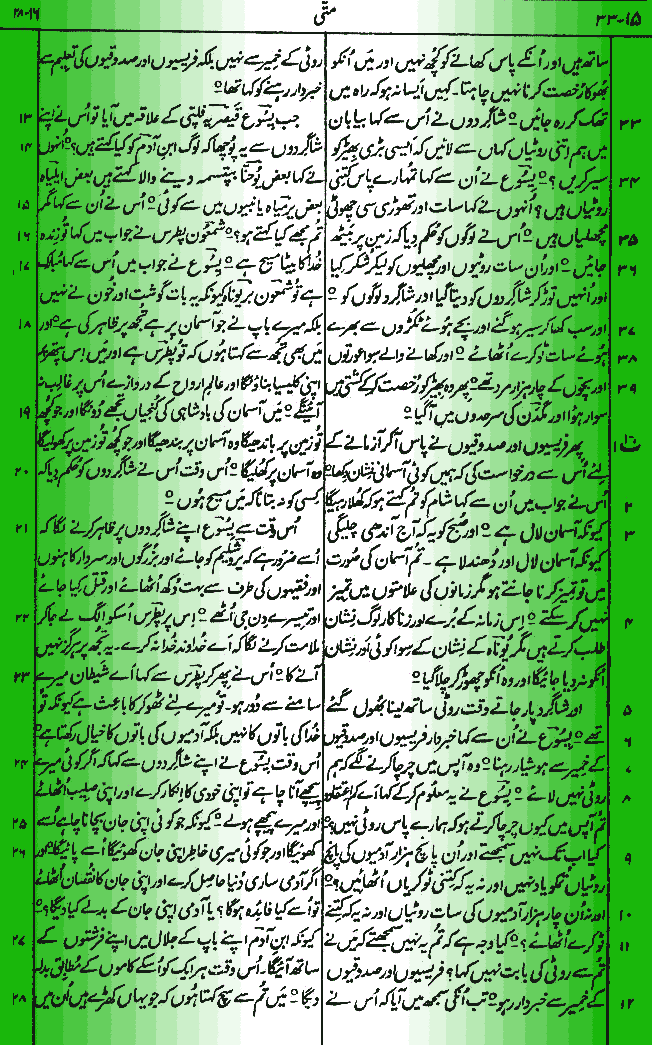
Matthew 15:33
-
Verse: And his disciples say unto him Whence should we have so much bread in the wilderness as to fill so great a multitude
-
English Explanation: Despite having witnessed the feeding of the five thousand earlier, the disciples focus on their physical limitations and the barrenness of the desert. This verse highlights human frailty, short memory of past miracles, and the tendency to look at problems through worldly eyes rather than divine potential.
-
Urdu Explanation: اِس آیت میں شاگردوں کی بشری کمزوری اور ماضی کے معجزات کو بھول جانے کی عادت ظاہر ہوتی ہے۔ پانچ ہزار لوگوں کو کھانا کھلانے کا معجزہ دیکھنے کے باوجود، وہ دوبارہ بیابان کی کمی اور محدود وسائل کو دیکھ کر پریشان ہو رہے ہیں کہ اتنے بڑے ہجوم کا پیٹ کیسے بھرا جائے۔
Matthew 15:34
-
Verse: And Jesus saith unto them How many loaves have ye And they said Seven and a few little fishes
-
English Explanation: Jesus asks for an inventory of what they have, not because He needs it, but to involve them in the process. He takes their meager resources—seven loaves and a few small fish—to show that God’s multiplication begins with what we willingly offer to Him.
-
Urdu Explanation: یسوع مسیح شاگردوں سے ان کے موجودہ وسائل کے بارے میں پوچھتے ہیں۔ ان کا مقصد یہ سکھانا ہے کہ خدا ہماری چھوٹی اور معمولی چیزوں کو بھی اپنی برکت سے بہت بڑا بنا سکتا ہے۔ شاگردوں کے پاس صرف سات روٹیاں اور چند چھوٹی مچھلیاں تھیں۔
Matthew 15:35
-
Verse: And he commanded the multitude to sit down on the ground
-
English Explanation: Order and obedience precede the miracle. By instructing the crowd to sit, Jesus establishes organization, prepares them to receive the blessing peacefully, and demonstrates His absolute control over the situation.
-
Urdu Explanation: معجزہ ظاہر ہونے سے پہلے یسوع مسیح ہجوم کو ترتیب سے زمین پر بیٹھنے کا حکم دیتے ہیں۔ یہ ظاہر کرتا ہے کہ خدا کے کاموں میں نظم و ضبط اور فرمانبرداری کتنی اہم ہے تاکہ برکت کو سکون اور شکرگزاری کے ساتھ حاصل کیا جا سکے۔
Matthew 15:36
-
Verse: And he took the seven loaves and the fishes and gave thanks and brake them and gave to his disciples and the disciples to the multitude
-
English Explanation: Jesus models the principle of gratitude by giving thanks before the provision is multiplied. He breaks the food and uses the disciples as channels of distribution, emphasizing the role of believers as servants who pass divine blessings to the world.
-
Urdu Explanation: یسوع روٹیوں اور مچھلیوں کو ہاتھ میں لے کر شکرگزاری کرتے ہیں۔ یہ سکھاتا ہے کہ کمی میں بھی خدا کا شکر ادا کرنا برکت کا دروازہ کھولتا ہے۔ وہ روٹی توڑ کر شاگردوں کو دیتے ہیں اور شاگرد لوگوں میں تقسیم کرتے ہیں، جو خادموں کے کردار کو واضح کرتا ہے۔
Matthew 15:37
-
Verse: And they did all eat and were filled and they took up of the broken meat that was left seven baskets full
-
English Explanation: God’s provision is never barely enough; it is always abundant. Everyone ate until they were completely satisfied, and the seven remaining baskets signify fullness and spiritual completion, proving that God satisfies both physical and spiritual hunger.
-
Urdu Explanation: خدا کی برکت ہمیشہ ضرورت سے زیادہ ہوتی ہے۔ سب لوگوں نے پیٹ بھر کر کھایا اور اس کے بعد بھی سات ٹوکرے بھر کر ٹکڑے بچ گئے۔ یہ ظاہر کرتا ہے کہ مسیح کی برکتوں میں کبھی کمی نہیں ہوتی اور وہ سب کو سیر کرتا ہے۔
Matthew 15:38
-
Verse: And they that did eat were four thousand men beside women and children
-
Explanation: The total number of people fed was significantly higher than four thousand when counting the families. This underscores the massive scale of the miracle and Jesus’ profound compassion for the entire community without exclusion.
-
Urdu Explanation: کھانے والوں کی تعداد صرف مردوں کو ملا کر چار ہزار تھی جبکہ عورتیں اور بچے اس کے علاوہ تھے۔ یہ معجزہ کی وسعت اور یسوع مسیح کی عام لوگوں، خاندانوں اور بچوں کے لیے گہری ہمدردی کو ظاہر کرتا ہے۔
Matthew 15:39
-
Verse: And he sent away the multitude and took ship and came into the coasts of Magdala
-
English Explanation: After fulfilling their needs, Jesus avoids seeking earthly fame or political power. He dismisses the crowd and quietly departs by boat to Magdala, continuing His strategic ministry across different regions.
-
Urdu Explanation: لوگوں کی جسمانی اور روحانی ضرورت پوری کرنے کے بعد، یسوع دنیاوی شہرت حاصل کرنے کے بجائے وہاں سے رخصت ہو جاتے ہیں۔ وہ کشتی پر سوار ہو کر مگدلا کے علاقوں کی طرف چلے گئے تاکہ اپنے مشن کو جاری رکھ سکیں۔
Matthew 16:1
-
Verse: The Pharisees also with the Sadducees came and tempting desired him that he would shew them a sign from heaven
-
English Explanation: Traditional theological enemies—the Pharisees and Sadducees—unite in their opposition to Jesus. They ask for a spectacular “sign from heaven” to test Him, exposing their inner blindness, as they willfully ignore the countless miracles He has already performed.
-
Urdu Explanation: فریسی اور سدوقی، جو عام طور پر ایک دوسرے کے مخالف تھے، یسوع کی مخالفت میں ایک ہو گئے۔ انہوں نے یسوع کو آزمانے کے لیے آسمان سے ایک نشان مانگا، جو ان کی اندرونی اندھیت اور ایمان لانے کی نیت نہ ہونے کو ظاہر کرتا ہے۔
Matthew 16:2
-
Verse: He answered and said unto them When it is evening ye say It will be fair weather for the sky is red
-
English Explanation: Jesus uses a common weather observation to critique their hypocrisy. They can interpret natural phenomena and physical signs easily because they study them closely, yet they choose to ignore spiritual realities.
-
Urdu Explanation: یسوع ان کی منافقت کو بے نقاب کرنے کے لیے موسم کی مثال دیتے ہیں۔ وہ کہتے ہیں کہ تم لوگ شام کو ہلال یا سرخ بادل دیکھ کر موسم کی پیشگوئی تو کر لیتے ہو کیونکہ تم دنیاوی چیزوں پر گہری نظر رکھتے ہو۔
Matthew 16:3
-
Verse: And in the morning It will be foul weather to day for the sky is red and lowring O ye hypocrites ye can discern the face of the sky but can ye not discern the signs of the times
-
English Explanation: Jesus calls them hypocrites because they possess intellectual skill for worldly signs but deliberately suppress the obvious spiritual signs of the Messiah’s arrival happening right before their eyes through His miracles and teachings.
-
Urdu Explanation: یسوع انہیں منافق کہتے ہیں کیونکہ وہ آسمان کے رنگ دیکھ کر موسم کا اندازہ تو لگا سکتے ہیں، لیکن ان کے سامنے جو مسیحا کی آمد کے واضح روحانی نشانات (معجزات اور تعلیمات) موجود ہیں، وہ انہیں پہچاننے سے قاصر ہیں۔
Matthew 16:4
-
Verse: A wicked and adulterous generation seeketh after a sign and there shall no sign be given unto it but the sign of the prophet Jonas And he left them and departed
-
English Explanation: A generation that demands signs instead of practicing faith is labeled spiritually unfaithful (“adulterous”). The only sign they will receive is the “sign of Jonah”—a prophetic parallel to Jesus’ own death, three days in the tomb, and resurrection.
-
Urdu Explanation: ایمان لانے کے بجائے معجزات کا مطالبہ کرنے والی نسل کو یسوع نے بدکار اور زناکار کہا۔ انہوں نے فرمایا کہ یونس نبی کے نشان (تین دن مچھلی کے پیٹ میں رہنے اور زندہ نکلنے) کے علاوہ کوئی نشان نہ دیا جائے گا، جو مسیح کی موت اور جی اٹھنے کی پیشگوئی ہے۔
Matthew 16:5
-
Verse: And when his disciples were come to the other side they had forgotten to take bread
-
English Explanation: Moving to the next destination, the disciples realize they forgot to pack food. Their immediate focus shifts to physical anxiety, proving how quickly human beings forget God’s supernatural provision.
-
Urdu Explanation: دوسرے کنارے پہنچ کر شاگردوں کو احساس ہوا کہ وہ روٹی لانا بھول گئے ہیں۔ ان کی توجہ فوراً دنیاوی پریشانی کی طرف چلی گئی، جو ظاہر کرتی ہے کہ انسان کتنی جلدی خدا کی قدرت کو بھول جاتا ہے۔
Matthew 16:6
-
Verse: Then Jesus said unto them Take heed and beware of the leaven of the Pharisees and of the Sadducees
-
English Explanation: Jesus speaks metaphorically, warning them against the “leaven” (corruption, false doctrine, and hypocrisy) of the religious leaders. Like yeast in dough, false teachings start small but can corrupt an entire community.
-
Urdu Explanation: یسوع یہاں ایک تمثیل استعمال کرتے ہوئے شاگردوں کو فریسیوں اور سدوقیوں کے “خمیر” (ان کی جھوٹی تعلیمات اور منافقت) سے خبردار کرتے ہیں۔ جیسے خمیر پورے گوندھے ہوئے آٹے کو بدل دیتا ہے، ویسے ہی جھوٹی تعلیم پورے معاشرے کو خراب کر دیتی ہے۔
Matthew 16:7
-
Verse: And they reasoned among themselves saying It is because we have taken no bread
-
English Explanation: Misunderstanding His spiritual analogy, the disciples think Jesus is scolding them for literally forgetting physical bread. Their thinking remains frustratingly literal and earthbound.
-
Urdu Explanation: شاگرد یسوع کے روحانی اشارے کو سمجھ نہ سکے اور آپس میں بحث کرنے لگے کہ شاید یسوع ہمیں اس لیے ٹوک رہے ہیں کیونکہ ہم سچی مچ کی روٹی لانا بھول گئے ہیں۔
Matthew 16:8
-
Verse: Which when Jesus perceived he said unto them O ye of little faith why reason ye among yourselves because ye have brought no bread
-
English Explanation: Jesus addresses their lack of faith. He corrects their anxiety over physical food, emphasizing that worrying about survival after seeing His miracles reveals a deep lack of trust in His divine nature.
-
Urdu Explanation: یسوع ان کے دلوں کے خیالات کو جان کر انہیں “کم اعتقاد” کہتے ہیں۔ وہ فرماتے ہیں کہ روٹی نہ ہونے کی وجہ سے آپس میں کیوں بحث کرتے ہو؟ کیا تمہیں اب بھی مجھ پر بھروسہ نہیں؟
Matthew 16:9
-
Verse: Do ye not yet understand neither remember the five loaves of the five thousand and how many baskets ye took up
-
English Explanation: Jesus admonishes them to use both their intellect and memory. He reminds them of the feeding of the five thousand, where five loaves left twelve baskets of leftovers, proving that physical scarcity is never an issue when He is present.
-
Urdu Explanation: یسوع انہیں یاد دلاتے ہیں کہ کیا تم پانچ ہزار لوگوں اور پانچ روٹیوں کے معجزے کو بھول گئے جب تم نے بارہ ٹوکرے بھر کر اٹھائے تھے؟ یادداشت کی یہ کمی ایمان کو کمزور کرتی ہے۔
Matthew 16:10
-
Verse: Neither the seven loaves of the four thousand and how many baskets ye took up
-
English Explanation: He references the second miracle they just witnessed—the feeding of the four thousand from seven loaves. By citing both events, He illustrates that His power over material resources is consistent and absolute.
-
Urdu Explanation: وہ انہیں دوسرا معجزہ بھی یاد دلاتے ہیں جہاں چار ہزار لوگوں نے سات روٹیوں سے کھانا کھایا اور سات ٹوکرے بچے تھے۔ یسوع یہ ثابت کر رہے ہیں کہ ان کی قدرت ہر حال میں یکساں ہے۔
Matthew 16:11
-
Verse: How is it that ye do not understand that I spake it not to you concerning bread that ye should beware of the leaven of the Pharisees and of the Sadducees
-
English Explanation: Jesus expresses holy frustration at their slow spiritual comprehension. He clarifies explicitly that He was never talking about physical bakery products, but rather warned them about the corrupting nature of legalistic and skeptical religious doctrines.
-
Urdu Explanation: یسوع تعجب کا اظہار کرتے ہیں کہ تم اب بھی کیوں نہیں سمجھے کہ میری مراد عام کھانے والی روٹی سے نہیں تھی؟ میرا مقصد تمہیں مذہبی رہنماؤں کی گمراہ کن باتوں سے دور رکھنا تھا۔
Matthew 16:12
-
Verse: Then understood they how that he bade them not beware of the leaven of bread but of the doctrine of the Pharisees and of the Sadducees
-
English Explanation: The light finally dawns on the disciples. They realize “leaven” refers to the toxic doctrines, legalism, and hypocrisy of the Pharisees and Sadducees, which can quietly ruin sincere faith.
-
Urdu Explanation: تب شاگردوں کی سمجھ میں آیا کہ یسوع کا مطلب روٹی کے خمیر سے نہیں بلکہ فریسیوں اور سدوقیوں کی باطل اور ریاکارانہ تعلیمات سے بچنا تھا۔
Matthew 16:13
-
Verse: When Jesus came into the coasts of Caesarea Philippi he asked his disciples saying Whom do men say that I the Son of man am
-
English Explanation: In a region filled with pagan idols, Jesus prompts a crucial evaluation of His identity. He asks what the public opinion is regarding Him, setting the stage for a personal profession of faith from His inner circle.
-
Urdu Explanation: قیصریہ فلپی کے علاقے میں، جو بت پرستی کے لیے مشہور تھا، یسوع اپنے شاگردوں سے ایک اہم سوال کرتے ہیں کہ عام لوگ ابنِ آدم (مسیح) کو کیا کہتے ہیں؟ یہ سوال وہ ان کے عقیدے کو پرکھنے کے لیے کرتے ہیں۔
Matthew 16:14
-
Verse: And they said Some say that thou art John the Baptist some Elias and others Jeremias or one of the prophets
-
English Explanation: The public identifies Jesus with great historical prophets due to His powerful preaching and miracles. However, viewing Jesus merely as a resurrected prophet or an inspirational teacher falls short of recognizing His unique, supreme identity.
-
Urdu Explanation: شاگرد جواب دیتے ہیں کہ لوگ آپ کو یوحنا بپتسمہ دینے والا، ایلیاہ، یرمیاہ یا نبیوں میں سے کوئی سمجھتے ہیں۔ لوگ آپ کی عزت تو کرتے تھے لیکن وہ آپ کی اصل شناخت سے ناواقف تھے۔
Matthew 16:15
-
Verse: He saith unto them But whom say ye that I am
-
English Explanation: Jesus shifts the question from collective public opinion to direct personal conviction. It is not enough to know what others say about Jesus; every individual must decide for themselves who Jesus is to them.
-
Urdu Explanation: اب یسوع سوال کا رخ براہِ راست اپنے شاگردوں کی طرف موڑتے ہیں “لیکن تم مجھے کیا کہتے ہو؟” یہ ظاہر کرتا ہے کہ دوسروں کا ایمان کافی نہیں، ہر انسان کو خود مسیح کی سچی شناخت کا اقرار کرنا ہوگا۔
Matthew 16:16
-
Verse: And Simon Peter answered and said Thou art the Christ the Son of the living God
-
English Explanation: Speaking for the group, Peter makes the foundational declaration of the Christian faith. He acknowledges Jesus as the Messiah (“the Christ”—Anointed One) and affirms His divine nature as the Son of the living God.
-
Urdu Explanation: شمعون پطرس نے تاریخی جواب دیا “تو زندہ خدا کا بیٹا مسیح ہے۔” یہ اقرار مسیحی ایمان کی بنیاد ہے جہاں یسوع کو نہ صرف نجات دہندہ بلکہ براہ راست خدا کا بیٹا تسلیم کیا گیا ہے۔
Matthew 16:17
-
Verse: And Jesus answered and said unto him Blessed art thou Simon Barjona for flesh and blood hath not revealed it unto thee but my Father which is in heaven
-
English Explanation: Jesus pronounces a blessing upon Peter, clarifying that true recognition of Christ’s divinity cannot be achieved through human intellect or logic (“flesh and blood”). It requires sovereign, divine revelation from God the Father.
-
Urdu Explanation: یسوع پطرس کو مبارکباد دیتے ہیں اور فرماتے ہیں کہ یہ سچائی کسی انسان یا عقل (گوشت اور خون) نے تجھ پر ظاہر نہیں کی، بلکہ یہ میرے آسمانی باپ کی طرف سے ایک الہام اور بخشش ہے۔
Matthew 16:18
-
Verse: And I say also unto thee That thou art Peter and upon this rock I will build my church and the gates of hell shall not prevail against it
-
English Explanation: Jesus plays on Peter’s name (Petros, meaning small stone) and states that upon this “rock” (petra, meaning massive bedrock—referring either to Peter as the foundational apostle or to Peter’s confession of Christ’s divinity), He will build His Church. This Church is guaranteed ultimate victory over death and satanic powers.
-
Urdu Explanation: یسوع فرماتے ہیں کہ تو پطرس (پتھر) ہے اور میں اس چٹان (پطرس کے ایمان کے اقرار یا خود مسیح پر) اپنی کلیسیا بناؤں گا۔ عالمِ ارواح یا موت کے دروازے بھی اس پر غالب نہ آ سکیں گے، جو کلیسیا کی ابدی فتح کی ضمانت ہے۔
Matthew 16:19
-
Verse: And I will give unto thee the keys of the kingdom of heaven and whatsoever thou shalt bind on earth shall be bound in heaven and whatsoever thou shalt loose on earth shall be loosed in heaven
-
English Explanation: Keys symbolize administrative stewardship and spiritual authority. The power to “bind” and “loose” refers to declaring what is forbidden or permitted according to God’s law. The earthly leadership of the Church acts in alignment with heaven’s pre-established will.
-
Urdu Explanation: یسوع پطرس اور کلیسیا کو آسمان کی بادشاہی کی کنجیاں (روحانی اختیار) دیتے ہیں۔ جو کچھ زمین پر باندھا یا کھولا جائے گا وہ آسمان پر بندھے گا یا کھلے گا، یعنی کلیسیا کو خدا کی مرضی کے مطابق انتظام چلانے کا اختیار دیا گیا۔
Matthew 16:20
-
Verse: Then charged he his disciples that they should tell no man that he was Jesus the Christ
-
English Explanation: Jesus commands temporary secrecy regarding His Messianic identity. The contemporary Jewish public expected a political, military liberator; Jesus needed to complete His mission of suffering and resurrection before His true identity could be properly understood and proclaimed globally.
-
Urdu Explanation: یسوع نے شاگردوں کو تاکید کی کہ ابھی کسی کو نہ بتائیں کہ وہی مسیح ہے۔ اس کی وجہ یہ تھی کہ لوگ ایک سیاسی نجات دہندہ کی تلاش میں تھے، جبکہ مسیح کا اصل مقصد صلیب پر جان دے کر گناہوں سے نجات دلانا تھا۔
Matthew 16:21
-
Verse: From that time forth began Jesus to shew unto his disciples how that he must go unto Jerusalem and suffer many things of the elders and chief priests and scribes and be killed and be raised again the third day
-
English Explanation: Once His identity is firmly established among the disciples, Jesus begins unfolding the brutal reality of His divine mission. The Messiah must suffer, be rejected by the religious establishment, die, and conquer death on the third day.
-
Urdu Explanation: اس وقت سے یسوع نے اپنی موت اور جی اٹھنے کی پہلی واضح پیشگوئی کی۔ انہوں نے بتایا کہ ان کا یروشلم جانا، دکھ اٹھانا، مصلوب ہونا اور تیسرے دن زندہ ہونا خدا کے نجات کے منصوبے کا لازمی حصہ ہے۔
Matthew 16:22
-
Verse: Then Peter took him and began to rebuke him saying Be it far from thee Lord this shall not be unto thee
-
English Explanation: Moving from divine inspiration to human emotion, Peter pulls Jesus aside to correct Him. Peter’s love for Jesus is real, but his refusal to accept a suffering Messiah shows that his mindset is still trapped in worldly expectations of comfort and victory without sacrifice.
-
Urdu Explanation: پطرس انسانی جذبات میں آ کر یسوع کو الگ لے جا کر ٹوکنے لگا کہ “خداوند ایسا ہرگز نہ ہو!” پطرس مسیح سے محبت تو کرتا تھا لیکن وہ قربانی اور دکھ کے بغیر کامیابی کا خواہشمند تھا، جو خدا کی مرضی کے خلاف تھا۔
Matthew 16:23
-
Verse: But he turned and said unto Peter Get thee behind me Satan thou art an offence unto me for thou savourest not the things that be of God but those that be of men
-
English Explanation: Jesus delivers a shocking rebuke. He addresses the source behind Peter’s words—Satan—who uses well-meaning friends to tempt Jesus away from the cross. Seeking an easy path instead of God’s redemptive suffering is a worldly temptation that opposes God’s design.
-
Urdu Explanation: یسوع نے مڑ کر پطرس کو سخت الفاظ کہے “اے شیطان میرے سامنے سے دور ہو!” یسوع پطرس کے اندر چھپی اس شیطانی سوچ کو جھڑک رہے تھے جو انہیں صلیب کی قربانی سے روکنے کی کوشش کر رہی تھی۔ انسانی سوچ اکثر خدا کے منصوبوں میں رکاوٹ بنتی ہے۔
Matthew 16:24
-
Verse: Then said Jesus unto his disciples If any man will come after me let him deny himself and take up his cross and follow me
-
English Explanation: True discipleship requires absolute surrender. Denying oneself means giving up the right to self-governance; taking up the cross means a daily willingness to endure suffering, shame, and even death for the sake of following Christ.
-
Urdu Explanation: یسوع سچی شاگردی کا معیار بیان کرتے ہیں: جو میرے پیچھے آنا چاہے وہ اپنی خودی کا انکار کرے (اپنی مرضی چھوڑ دے)، اپنی صلیب اٹھائے (دکھ اور مشکلات برداشت کرنے کو تیار رہے) اور میری پیروی کرے۔
Matthew 16:25
-
Verse: For whosoever will save his life shall lose it and whosoever will lose his life for my sake shall find it
-
English Explanation: A profound spiritual paradox: those who cling tightly to their earthly comfort, safety, and selfish desires will ultimately lose their eternal reward. Conversely, those who willingly lay down their lives and ambitions for Christ will secure true, everlasting life.
-
Urdu Explanation: یہ ایک روحانی تضاد ہے: جو شخص دنیاوی فائدے کے لیے اپنی زندگی کو بچانا چاہتا ہے وہ ابدی زندگی کھو دے گا، لیکن جو مسیح کی خاطر اپنی جان اور دنیاوی خواہشات قربان کرتا ہے وہ حقیقی ابدی زندگی پا لے گا۔
Matthew 16:26
-
Verse: For what is a man profited if he shall gain the whole world and lose his own soul or what shall a man give in exchange for his soul
-
English Explanation: Jesus presents a cosmic ledger. Material wealth, political power, and worldwide fame are completely worthless if the cost is the damnation of one’s immortal soul. The soul is of infinite value, and nothing on earth can buy it back once lost.
-
Urdu Explanation: یسوع ایک بہت بڑا سوال چھوڑتے ہیں کہ اگر انسان پوری دنیا تو جیت لے لیکن اپنی جان (روح) کھو دے، تو اسے کیا فائدہ؟ دنیا کی کوئی بھی دولت یا طاقت انسانی روح کا نعم البدل نہیں ہو سکتی۔
Matthew 16:27
-
Verse: For the Son of man shall come in the glory of his Father with his angels and then he shall reward every man according to his works
-
English Explanation: The ultimate motivation for sacrificial discipleship is the reality of final judgment. Christ will return in majestic divine glory, flanked by heavenly hosts, to evaluate every person’s life. Earthly sacrifices made for His sake will be met with eternal rewards.
-
Urdu Explanation: آخری آیت میں یسوع اپنے دوبارہ آنے اور انصاف قائم کرنے کا وعدہ کرتے ہیں۔ ابنِ آدم اپنے باپ کے جلال میں فرشتوں کے ساتھ آئے گا اور ہر انسان کو اس کے اعمال اور وفاداری کے مطابق بدلہ دے گا۔ یہ ایمان داروں کے لیے امید اور جزا کا پیغام ہے۔