Verse-by-Verse Commentary and Explanation
Matthew 21:13
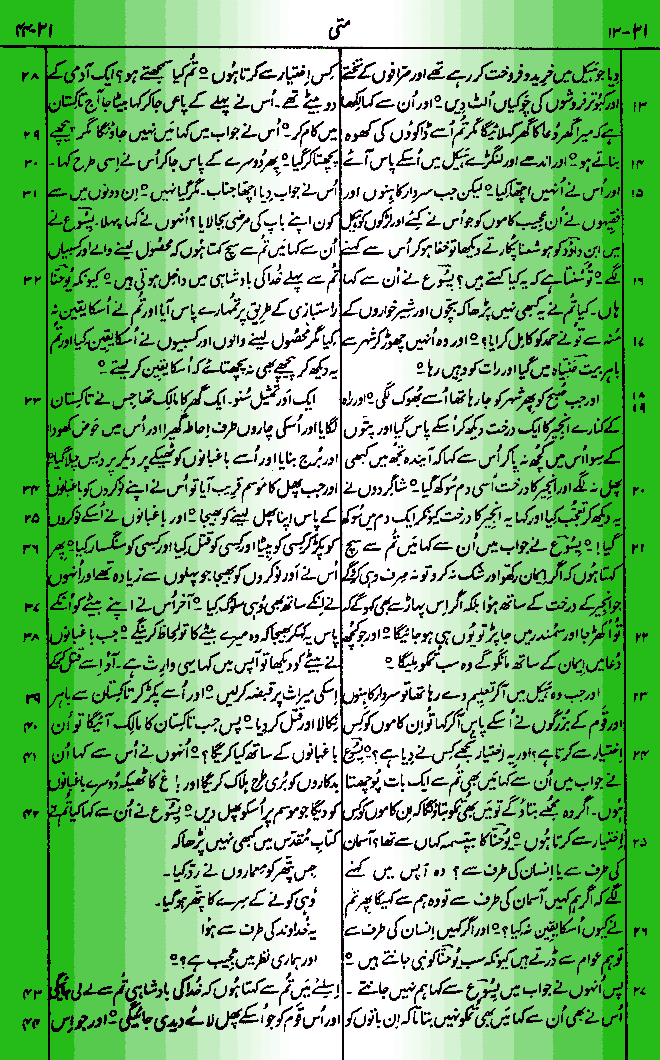
Verse: And said unto them It is written My house shall be called the house of prayer but ye have made it a den of thieves
-
English Explanation: Jesus quotes Isaiah 56:7 and Jeremiah 7:11. The temple courtyard had become a marketplace where money changers and merchants exploited worshippers. Instead of facilitating a holy encounter with God through prayer, the religious leadership allowed greed to corrupt the sacred space. Jesus re-establishes the true purpose of God’s dwelling place.
-
Urdu Explanation: عیسیٰ علیہ السلام نے یسعیاہ 56:7 اور یرمیاہ 7:11 کا حوالہ دیا۔ ہیکل کا صحن ایک تجارتی منڈی بن چکا تھا جہاں لوگوں کو لوٹا جا رہا تھا۔ خدا کی عبادت اور دعا گاہ بنانے کی بجائے مروجہ مذہبی رہنماؤں نے اسے لالچ کا گڑھ بنا دیا تھا۔ ییسیٰ نے ہیکل کے اصل مقصد کو بحال کیا۔
Matthew 21:14
Verse: And the blind and the lame came to him in the temple and he healed them
-
English Explanation: Immediately after clearing out the corruption, Jesus transforms the temple back into a place of grace, mercy, and restoration. The blind and lame, who were often excluded from certain temple rituals or looked down upon, find healing and acceptance in His presence.
-
Urdu Explanation: ہیکل کی صفائی کے فوراً بعد عیسیٰ نے اسے فضل اور شفا کی جگہ میں بدل دیا۔ اندھے اور لنگڑے جنہیں ہیکل کی مخصوص رسومات سے دور رکھا جاتا تھا عیسیٰ کے پاس آئے اور شفا پائی۔ یہ ظاہر کرتا ہے کہ خدا کا گھر بے سہاروں کے لیے ہے۔
Matthew 21:15
Verse: And when the chief priests and scribes saw the wonderful things that he did and the children crying in the temple and saying Hosanna to the Son of David they were sore displeased
-
English Explanation: The religious elite react with anger rather than joy. The miracles and the spontaneous praises of innocent children acknowledging Jesus as the “Son of David” (a Messianic title) threatened their authority, revealing their spiritual blindness and hardened hearts.
-
Urdu Explanation: مذہبی پیشواؤں نے معجزات اور بچوں کی زبانی عیسیٰ کو “ابنِ داؤد” (مسیحا کا لقب) پکارتے سن کر خوش ہونے کی بجائے غصے کا اظہار کیا۔ ان کا یہ رویہ ان کی روحانی اندھیالی اور سخت دلی کو ظاہر کرتا ہے۔
Matthew 21:16
Verse: And said unto him Hearest thou what these say And Jesus saith unto them Yea have ye never read Out of the mouth of babes and sucklings thou hast perfected praise
-
English Explanation: Jesus defends the children by quoting Psalm 8:2. He validates their praise as divinely inspired. While the highly educated religious leaders rejected Him, the simple, pure hearts of children recognized the presence of God walking among them.
-
Urdu Explanation: عیسیٰ نے زبور 8:2 کا حوالہ دے کر بچوں کا دفاع کیا۔ انہوں نے واضح کیا کہ معصوم بچوں کی ستائش خدا کی طرف سے ہے۔ جہاں بڑے بڑے عالم عیسیٰ کو رد کر رہے تھے وہاں بچوں کے پاک دلوں نے خدا کے نور کو پہچان لیا۔
Matthew 21:17
Verse: And he left them and went out of the city into Bethany and he lodged there
-
English Explanation: Turning His back on the hostile environment of Jerusalem for the night, Jesus withdraws to Bethany, a village on the eastern slope of the Mount of Olives. This was a safe haven where His close friends Martha, Mary, and Lazarus lived.
-
Urdu Explanation: یروشلم کے مخالفت سے بھرے ماحول کو چھوڑ کر عیسیٰ رات گزارنے کے لیے بیت عنیاہ چلے گئے۔ یہ زیتون کے پہاڑ کے قریب ایک گاؤں تھا جہاں ان کے قریبی دوست مارتھا، مریم اور لعزر رہتے تھے۔
Matthew 21:18
Verse: Now in the morning as he returned into the city he hungered
-
English Explanation: This verse highlights the true humanity of Jesus. Despite being the Son of God, He experienced physical limitations and human vulnerabilities, such as hunger, during His earthly ministry.
-
Urdu Explanation: یہ آیت عیسیٰ کی انسانی فطرت کو ظاہر کرتی ہے۔ خدا کے بیٹے ہونے کے باوجود انہوں نے زمین پر انسانی کمزوریوں اور بھوک کا تجربہ کیا جب وہ صبح سویرے شہر واپس آ رہے تھے۔
Matthew 21:19
Verse: And when he saw a fig tree in the way he came to it and found nothing thereon but leaves only and said unto it Let no fruit grow on thee henceforward for ever And presently the fig tree withered away
-
English Explanation: The fig tree is a symbolic representation of the nation of Israel and its religious establishment. It had the outward appearance of life (leaves) but lacked spiritual substance (fruit). The immediate withering of the tree serves as an acted parable of the upcoming judgment on fruitless hypocrisy.
-
Urdu Explanation: انجیر کا درخت بنی اسرائیل اور ان کے مذہبی نظام کی علامت تھا۔ اس پر پتے تو تھے (ظاہری دینداری) مگر پھل نہیں تھا (روحانیت)۔ اس درخت کا فوراً سوکھ جانا منافقت پر آنے والی الٰہی عدالت کی ایک زندہ مثال تھا۔
Matthew 21:20
Verse: And when the disciples saw it they marvelled saying How soon is the fig tree withered away
-
English Explanation: The disciples are astonished by the sheer speed and power of Jesus’ word. They focus on the physical miracle of the tree drying up instantly, showcasing that they are still learning the depth of Jesus’ divine authority.
-
Urdu Explanation: شاگرد عیسیٰ کے کلام کی فوری طاقت کو دیکھ کر حیران رہ گئے۔ انہوں نے دیکھا کہ کیسے ایک ہرا بھرا درخت پل بھر میں سوکھ گیا جو کہ عیسیٰ کے غیر معمولی اختیار کا ثبوت تھا۔
Matthew 21:21
Verse: Jesus answered and said unto them Verily I say unto you If ye have faith and doubt not ye shall not only do this which is done to the fig tree but also if ye shall say unto this mountain Be thou removed and be thou cast into the sea it shall be done
-
English Explanation: Jesus uses hyperbole to teach the unlimited power of undivided faith. Moving a “mountain” was a common Jewish metaphor for overcoming seemingly impossible obstacles. He shifts their focus from the cursed tree to the potential of their own spiritual authority through unwavering belief.
-
Urdu Explanation: عیسیٰ نے کامل ایمان کی طاقت کو سمجھانے کے لیے مبالغے کا استعمال کیا۔ پہاڑ کا ہٹنا یہودی ثقافت میں ناممکن مشکلات پر قابو پانے کا محاورہ تھا۔ انہوں نے سکھایا کہ بغیر شک کے ایمان رکھنے سے بڑی سے بڑی رکاوٹ دور ہو سکتی ہے۔
Matthew 21:22
Verse: And all things whatsoever ye shall ask in prayer believing ye shall receive
-
English Explanation: This promise links effective prayer directly to faith. It is not a blank check for selfish desires, but an assurance that when believers pray in alignment with God’s will, full of trust in His power, God responds dynamically.
-
Urdu Explanation: یہ وعدہ دعا اور ایمان کے گہرے تعلق کو ظاہر کرتا ہے۔ اس کا مطلب خود غرضانہ خواہشات کی تکمیل نہیں بلکہ یہ یقین دلانا ہے کہ جب ایمان کے ساتھ خدا کی مرضی کے مطابق دعا کی جائے تو وہ قبول ہوتی ہے۔
Matthew 21:23
Verse: And when he was come into the temple the chief priests and the elders of the people came unto him as he was teaching and said By what authority doest thou these things and who gave thee this authority
-
English Explanation: Back in the temple, the authorities formally challenge Jesus. They want to know who gave Him the right to clear the temple, heal the sick, and teach with such independence, hoping to trap Him into a charge of blasphemy or treason.
-
Urdu Explanation: جب عیسیٰ دوبارہ ہیکل میں تعلیم دے رہے تھے تو سردار کاہنوں نے ان کے اختیار پر سوال اٹھایا۔ وہ جاننا چاہتے تھے کہ عیسیٰ کو ہیکل کی صفائی اور لوگوں کو شفا دینے کا حق کس نے دیا تاکہ وہ ان پر کوئی الزام لگا سکیں۔
Matthew 21:24
Verse: And Jesus answered and said unto them I also will ask you one thing which if ye tell me I in like wise will tell you by what authority I do these things
-
English Explanation: Jesus brilliantly uses a standard rabbinic counter-question technique. By linking His authority to John the Baptist’s ministry, He exposes the motives of His accusers and forces them into a corner where they must reveal their own dishonesty.
-
Urdu Explanation: عیسیٰ نے کمال حکمت کے ساتھ ان سے ایک جوابی سوال کیا۔ انہوں نے اپنے اختیار کو یوحنا بپتسمہ دینے والے کی وزارت سے جوڑ دیا تاکہ ان کے مخالفین کی بدنیتی اور منافقت خود ان کے سامنے آ جائے۔
Matthew 21:25
Verse: The baptism of John whence was it from heaven or of men And they reasoned with themselves saying If we shall say From heaven he will say unto us Why did ye not then believe him
-
Explanation: The leaders are trapped in a political dilemma. Acknowledging John’s ministry as divine (“from heaven”) would convict them for rejecting his message, which pointed directly to Jesus as the Messiah.
-
Urdu Explanation: مروجہ رہنما ایک سیاسی اور مذہبی مخمصے میں پھنس گئے۔ اگر وہ کہتے کہ یوحنا کا بپتسمہ آسمان کی طرف سے تھا تو عیسیٰ ان سے پوچھتے کہ پھر تم نے یوحنا کی بات (جو عیسیٰ کی گواہی تھی) کیوں نہ مانی۔
Matthew 21:26
Verse: But if we shall say Of men we fear the people for all hold John as a prophet
-
English Explanation: The alternative option is equally dangerous for them. If they claim John’s ministry was merely human invention, they risk inciting a riot because the general public widely revered John as a true prophet of God.
-
Urdu Explanation: دوسرا راستہ بھی ان کے لیے خطرناک تھا۔ اگر وہ کہتے کہ یہ انسانوں کی طرف سے تھا تو انہیں عوام کے غصے کا ڈر تھا کیونکہ عام لوگ یوحنا کو خدا کا سچا نبی مانتے تھے۔
Matthew 21:27
Verse: And they answered Jesus and said We cannot tell And he said unto them Neither tell I you by what authority I do these things
-
English Explanation: By choosing to say “We cannot tell,” the religious leaders forfeit their claim to be true spiritual guides. Since they refuse to acknowledge obvious truth, Jesus rightly refuses to answer their insincere question.
-
Urdu Explanation: “ہم نہیں جانتے” کہہ کر ان رہنماؤں نے ثابت کر دیا کہ وہ سچے رہنما نہیں ہیں۔ چونکہ وہ سچ کا سامنا کرنے سے ڈرتے تھے اس لیے عیسیٰ نے بھی ان کے غیر مخلصانہ سوال کا جواب دینے سے انکار کر دیا۔
Matthew 21:28
Verse: But what think ye A certain man had two sons and he came to the first and said Son go work to day in my vineyard
-
English Explanation: Jesus initiates the Parable of the Two Sons to expose the hypocrisy of the leaders. The vineyard represents the work of God’s kingdom, and the father represents God calling His children to obedience.
-
Urdu Explanation: عیسیٰ نے ان کے سامنے دو بیٹوں کی تمثیل پیش کی۔ انگور کا باغ خدا کی بادشاہی کے کام کو ظاہر کرتا ہے اور باپ خدا کی ذات ہے جو اپنے بیٹوں کو فرمانبرداری کی دعوت دیتا ہے۔
Matthew 21:29
Verse: He answered and said I will not but afterward he repented and went
-
English Explanation: The first son represents open sinners, outcasts, and tax collectors. Though they initially lived in rebellion against God’s laws, their hearts softened at the preaching of repentance, and they changed their actions to obey God.
-
Urdu Explanation: پہلا بیٹا ان گناہگاروں اور محصول لینے والوں کی علامت ہے جنہوں نے پہلے تو خدا کے احکام کی نافرمانی کی لیکن بعد میں توبہ کر کے اپنے گناہوں سے باز آ گئے اور خدا کی راہ پر چل پڑے۔
Matthew 21:30
Verse: And he came to the second and said likewise And he answered and said I go sir and went not
-
English Explanation: The second son represents the religious leaders. They say all the right words, possess outward piety, and pledge formal obedience, but their hearts remain completely disobedient to the actual will of God.
-
Urdu Explanation: دوسرا بیٹا ان مذہبی رہنماؤں کی مانند ہے جو زبان سے تو بہت ہامی بھرتے ہیں اور ظاہری نیکوکاری دکھاتے ہیں لیکن عملاً خدا کے ارادے اور اس کی محبت سے بالکل دور رہتے ہیں۔
Matthew 21:31
Verse: Whether of them twain did the will of his father They say unto him The first Jesus saith unto them Verily I say unto you That the publicans and the harlots go into the kingdom of God before you
-
English Explanation: The leaders correctly identify that the first son did the father’s will. Jesus delivers a stinging application: despised sinners are entering the kingdom of God ahead of the self-righteous elite because the sinners genuinely repented.
-
Urdu Explanation: رہنماؤں نے درست جواب دیا کہ پہلے بیٹے نے باپ کی مرضی پوری کی۔ عیسیٰ نے اس کا اطلاق ان پر کرتے ہوئے فرمایا کہ گناہگار اور بدکار لوگ تم سے پہلے خدا کی بادشاہی میں داخل ہو رہے ہیں کیونکہ انہوں نے سچی توبہ کی ہے۔
Matthew 21:32
Verse: For John came unto you in the way of righteousness and ye believed him not but the publicans and the harlots believed him and ye when ye had seen it repented not afterward that ye might believe him
-
English Explanation: John the Baptist modeled and preached righteousness, yet the elite ignored him. Even after seeing notorious sinners transform their lives under John’s ministry, the religious leaders remained stubborn and refused to repent.
-
Urdu Explanation: یوحنا راستی کی راہ لے کر آیا لیکن تم نے اس پر یقین نہ کیا۔ اس کے برعکس گناہگاروں نے بدل کر دکھایا۔ تم نے یہ سب دیکھ کر بھی اپنے دلوں کو نرم نہ کیا اور نہ ہی توبہ کی۔
Matthew 21:33
Verse: Hear another parable There was a certain householder which planted a vineyard and hedged it round about and digged a winepress in it and built a tower and let it out to husbandmen and went into a far country
-
English Explanation: Jesus introduces the Parable of the Wicked Tenants. The householder is God, the vineyard is Israel (recalling Isaiah 5), the hedge, winepress, and tower show God’s perfect provision, and the husbandmen are the religious leaders entrusted with caretaking.
-
Urdu Explanation: عیسیٰ نے ایک اور تمثیل سنائی۔ گھر کا مالک خدا ہے، انگور کا باغ اسرائیل کی قوم ہے، اور باڑھ، حوض اور برج خدا کی کامل حفاظت کو ظاہر کرتے ہیں۔ مالی (باغبان) وہ مذہبی رہنما ہیں جنہیں اس قوم کی دیکھ بھال سونپی گئی تھی۔
Matthew 21:34
Verse: And when the time of the fruit drew near he sent his servants to the husbandmen that they might receive the fruits of it
-
English Explanation: The harvest time arrives, and the owner expects a spiritual return. The “servants” sent by God represent the Old Testament prophets sent throughout history to call Israel back to righteousness and spiritual fruitfulness.
-
Urdu Explanation: جب پھل کا وقت آیا تو مالک نے اپنے خادموں کو بھیجا۔ یہ خادم پرانے عہد نامے کے انبیاء ہیں جنہیں خدا نے تاریخ کے مختلف ادوار میں بھیجا تاکہ وہ قوم کو خدا کی طرف واپس لائیں۔
Matthew 21:35
Verse: And the husbandmen took his servants and beat one and killed another and stoned another
-
English Explanation: Instead of honoring the owner, the wicked tenants mistreat the servants. This mirrors Israel’s historical rejection, persecution, and execution of God’s true prophets (such as Jeremiah, Zechariah, and others).
-
Urdu Explanation: باغبانوں نے خادموں کے ساتھ برا سلوک کیا؛ کسی کو پیٹا اور کسی کو سنگسار کیا۔ یہ اسرائیل کی اس تاریخ کو ظاہر کرتا ہے جہاں انہوں نے خدا کے بھیجے ہوئے سچے نبیوں کو ستایا اور قتل کیا۔
Matthew 21:36
Verse: Again he sent other servants more than the first and they did unto them likewise
-
English Explanation: Highlighting God’s incredible patience, He sends even more prophets. However, the corrupt leadership treats them with the exact same hostility and violence, showing a patterns of continuous rebellion.
-
Urdu Explanation: خدا کے بے پناہ صبر کو ظاہر کرتے ہوئے مالک نے اور خادم بھیجے۔ لیکن ان ظالم باغبانوں نے ان کے ساتھ بھی وہی پرانی سرکشی اور ظلم کا مظاہرہ کیا۔
Matthew 21:37
Verse: But last of all he sent unto them his son saying They will reverence my son
-
English Explanation: The climax of the owner’s grace is sending his own son. In history, this is Jesus Christ being sent into the world. The father expects that the supreme authority of the son will finally demand respect.
-
Urdu Explanation: مالک کے فضل کی انتہا یہ ہے کہ اس نے اپنے اکلوتے بیٹے کو بھیجا۔ تاریخ میں یہ عیسیٰ مسیح کی آمد ہے۔ باپ کو امید تھی کہ وہ اس کے بیٹے کا احترام کریں گے۔
Matthew 21:38
Verse: But when the husbandmen saw the son they said among themselves This is the heir come let us kill him and let us seize on his inheritance
-
English Explanation: The tenants recognize the son but plot his murder out of pure greed. They foolishly think that by eliminating the legal heir, they can claim permanent ownership of the vineyard. This predicts the crucifixion plotted by the Sanhedrin.
-
Urdu Explanation: باغبانوں نے بیٹے کو پہچان لیا لیکن لالچ میں آ کر اسے مارنے کا منصوبہ بنایا تاکہ وہ زمین کے مالک بن سکیں۔ یہ پیشگوئی ہے اس سازش کی جو مذہبی رہنما عیسیٰ کو مصلوب کرنے کے لیے کر رہے تھے۔
Matthew 21:39
Verse: And they caught him and cast him out of the vineyard and slew him
-
English Explanation: This is a literal prophecy of Jesus’ upcoming crucifixion. He was arrested, dragged outside the city walls of Jerusalem (outside the vineyard), and put to death by the religious elite.
-
Urdu Explanation: یہ عیسیٰ کی موت کی قطعی پیشگوئی ہے۔ انہیں گرفتار کیا گیا، یروشلم کے شہر کی دیواروں سے باہر (باغ سے باہر) لے جایا گیا اور قتل کر دیا گیا۔
Matthew 21:40
Verse: When the lord therefore of the vineyard cometh what will he do unto those husbandmen
-
English Explanation: Jesus poses a question to His listeners, forcing the religious leaders to judge the actions of the wicked tenants in the story, unaware that they are condemning themselves.
-
Urdu Explanation: عیسیٰ نے سننے والوں سے سوال کیا کہ جب باغ کا مالک آئے گا تو ان باغبانوں کے ساتھ کیا کرے گا؟ انہوں نے رہنماؤں کو خود ہی اپنے انجام کا فیصلہ کرنے پر مجبور کیا۔
Matthew 21:41
Verse: They say unto him He will miserably destroy those wicked men and will let out his vineyard unto other husbandmen which shall render him the fruits in their seasons
-
English Explanation: The leaders respond with the logical conclusion of justice: the wicked men must be destroyed and the vineyard given to responsible caretakers. In doing so, they inadvertently pronounce judgment on their own dynamic destiny.
-
Urdu Explanation: رہنماؤں نے جواب دیا کہ وہ ان شریروں کو ہلاک کرے گا اور باغ دوسروں کو دے گا۔ ایسا کہہ کر انہوں نے نادانستگی میں اپنے ہی خلاف فیصلہ سنا دیا کہ خدا ان سے اختیار چھین لے گا۔
Matthew 21:42
Verse: Jesus saith unto them Did ye never read in the scriptures The stone which the builders rejected the same is become the head of the corner this is the Lord’s doing and it is marvellous in our eyes
-
English Explanation: Jesus quotes Psalm 118:22–23. He is the “stone” rejected by the “builders” (the Jewish leadership). Despite their rejection, God exalts Jesus to become the cornerstone—the foundational and most critical stone of the new spiritual temple.
-
Urdu Explanation: عیسیٰ نے زبور 118:22-23 کا حوالہ دیا۔ وہ خود وہ “پتھر” ہیں جسے معماروں (مذہبی رہنماؤں) نے رد کیا۔ لیکن خدا نے اسی پتھر کو کونے کا سرے کا پتھر بنا دیا جو کہ نئے روحانی گھر کی بنیاد بنا۔
Matthew 21:43
Verse: Therefore say I unto you The kingdom of God shall be taken from you and given to a nation bringing forth the fruits thereof
-
English Explanation: This is the explicit fulfillment of the parable. God’s unique kingdom stewardship is taken away from the corrupt religious establishment of Israel and given to a new multi-ethnic community—the Church—composed of both Jews and Gentiles who produce real spiritual fruit.
-
Urdu Explanation: یہ تمثیل کا اصل نتیجہ ہے۔ خدا کی بادشاہی کا اختیار ان بے ثمر رہنماؤں سے لے کر ایک ایسی امت (کلیسیا) کو دے دیا جائے گا جس میں تمام قوموں کے ایماندار شامل ہوں گے اور جو پھل لائیں گے۔
Matthew 21:44
Verse: And whosoever shall fall on this stone shall be broken but on whomsoever it shall fall it will grind him to powder
-
English Explanation: Jesus presents Himself as a stone of destiny. To oppose Him now results in being broken (spiritual ruin), but to face Him later in final judgment when the stone falls means absolute, irreversible destruction. Neutrality toward Jesus is impossible.
-
Urdu Explanation: عیسیٰ اپنے آپ کو ایک ایسے پتھر کے طور پر پیش کرتے ہیں جس سے ٹکرانے والا ٹوٹ جائے گا اور جس پر یہ پتھر گرے گا اسے سرمہ بنا دے گا۔ عیسیٰ کو رد کرنے کا انجام ابدی تباہی اور سخت ترین عدالت ہے۔