Verse-by-Verse Commentary (English & Urdu)
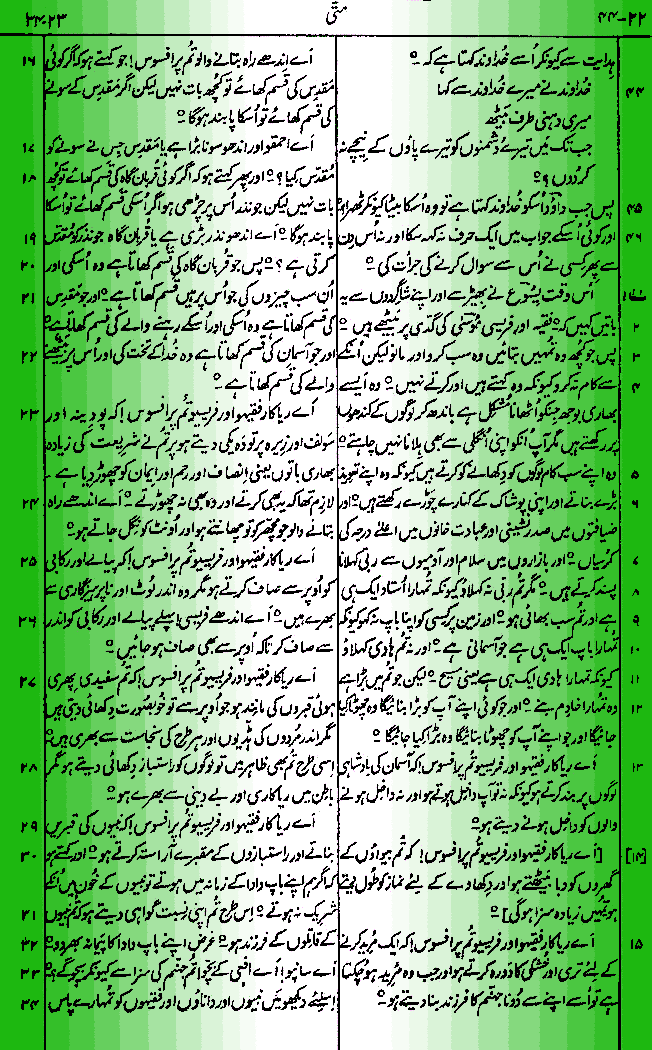
Matthew 22:43
-
Verse: He saith unto them How then doth David in spirit call him Lord saying
-
English Explanation: Jesus challenges the Pharisees regarding the identity of the Messiah. By quoting Psalm 110, Jesus points out that David was speaking under the divine inspiration of the Holy Spirit (“in spirit”) when he referred to the future Messiah as his “Lord.” This indicates that the Messiah is not merely a human descendant of David but someone far greater.
-
Urdu Explanation: یسوع فرسیوں کو مسیح کی پہچان کے بارے میں چیلنج کرتے ہیں۔ زبور 110 کا حوالہ دیتے ہوئے یسوع واضح کرتے ہیں کہ داؤد نے پاک روح کی ہدایت سے (“روح میں”) مستقبل کے مسیح کو اپنا “خداوند” کہا تھا۔ یہ اس بات کی نشاندہی کرتا ہے کہ مسیح صرف داؤد کی انسانی نسل سے نہیں بلکہ رتبے میں اس سے کہیں اعلیٰ اور الٰہی ہیں۔
Matthew 22:44
-
Verse: The LORD said unto my Lord Sit thou on my right hand till I make thine enemies thy footstool
-
English Explanation: This is a direct quote from Psalm 110:1. The first “LORD” (Yahweh) speaks to the second “Lord” (Adonai/The Messiah), inviting Him to sit at the position of ultimate authority and power (the right hand) until all His enemies are completely defeated. It asserts the deity and eternal victory of Jesus Christ.
-
Urdu Explanation: یہ زبور 110:1 کا اقتباس ہے۔ پہلا “خداوند” (یہوواہ) دوسرے “خداوند” (مسیح) سے مخاطب ہے اور انہیں اپنے دائیں ہاتھ یعنی اعلیٰ ترین اختیار اور قدرت کی جگہ بیٹھنے کی دعوت دیتا ہے جب تک کہ ان کے تمام دشمن مکمل طور پر مغلوب نہ ہو جائیں۔ یہ آیت یسوع مسیح کی الٰہیات اور ابدی فتح کو ظاہر کرتی ہے۔
Matthew 22:45
-
Verse: If David then call him Lord how is he his son
-
English Explanation: Jesus poses a logical riddle to expose the incomplete theology of the Pharisees. In Jewish culture, a father never calls his son “Lord”; ancestors always hold higher status than descendants. If the Messiah is merely David’s biological son, David would not call Him Lord. Therefore, the Messiah must possess a divine nature that transcends human lineage.
-
Urdu Explanation: یسوع فرسیوں کے ادھورے مذہبی نظریات کو بے نقاب کرنے کے لیے ایک منطقی سوال پوچھتے ہیں۔ یہودی ثقافت میں باپ کبھی اپنے بیٹے کو “خداوند” نہیں کہتا۔ اگر مسیح صرف داؤد کا ایک انسانی بیٹا تھا تو داؤد اسے اپنا خداوند کیوں کہتا؟ اس کا مطلب ہے کہ مسیح انسانی نسل سے بڑھ کر ایک الٰہی فطرت کے مالک ہیں۔
Matthew 22:46
-
Verse: And no man was able to answer him a word neither durst any man from that day forth ask him any more questions
-
English Explanation: Christ’s divine wisdom completely silences His critics. The religious leaders realized they could not trap or outsmart Him in theological debates. From this moment onward, they stopped trying to publicly question Him and shifted their focus toward plotting His execution.
-
Urdu Explanation: مسیح کی الٰہی حکمت نے ان کے مخالفین کو مکمل طور پر خاموش کر دیا۔ مذہبی رہنما سمجھ گئے کہ وہ مذہبی مباحثوں میں یسوع کو پھنسا نہیں سکتے۔ اس دن کے بعد انہوں نے سرِعام سوالات کرنا بند کر دیے اور ان کے قتل کی سازشوں پر توجہ مرکوز کر دی۔
Matthew 23:1
-
Verse: Then spake Jesus to the multitude and to his disciples
-
English Explanation: Turning away from the hostile debates with religious leaders, Jesus shifts His attention to the general public and His close followers. He begins a public discourse intended to warn them against the toxic behavior of their spiritual authorities.
-
Urdu Explanation: مذہبی رہنماؤں کے ساتھ تلخ مباحثوں کے بعد یسوع اب اپنا رخ عام لوگوں اور اپنے شاگردوں کی طرف کرتے ہیں۔ وہ ایک عوامی خطاب کا آغاز کرتے ہیں تاکہ لوگوں کو ان کے مذہبی رہنماؤں کے زہریلے رویے سے ہوشیار کر سکیں۔
Matthew 23:2
-
Verse: Saying The scribes and the Pharisees sit in Moses’ seat
-
English Explanation: “Moses’ seat” was a physical chair in synagogues, symbolizing official teaching authority. Jesus acknowledges that the scribes and Pharisees have been entrusted with the legitimate role of interpreting and teaching the Law of God given through Moses.
-
Urdu Explanation: “موسیٰ کی گدی” عبادت خانوں میں ایک مخصوص کرسی ہوتی تھی جو سرکاری طور پر تعلیم دینے کے اختیار کی علامت تھی۔ یسوع اعتراف کرتے ہیں کہ فقیہوں اور فرسیوں کے پاس موسیٰ کی شریعت کی تشریح اور تعلیم دینے کا جائز قانونی اختیار موجود ہے۔
Matthew 23:3
-
Verse: All therefore whatsoever they bid you observe that observe and do but do not ye after their works for they say and do not
-
English Explanation: Jesus instructs the people to respect the biblical laws taught by these leaders, but explicitly warns against imitating their behavior. The core issue is hypocrisy: they preach righteousness but do not practice it in their personal lives.
-
Urdu Explanation: یسوع لوگوں کو ہدایت دیتے ہیں کہ وہ ان رہنماؤں کی بتائی ہوئی کتابِ مقدس کی باتوں پر عمل کریں لیکن ان کے نقشِ قدم پر نہ چلیں۔ اصل مسئلہ ان کی منافقت ہے؛ وہ وعظ تو نیکی کا کرتے ہیں لیکن اپنی عملی زندگی میں اس پر عمل نہیں کرتے۔
Matthew 23:4
-
Verse: For they bind heavy burdens and grievous to be borne and lay them on men’s shoulders but they themselves will not move them with one of their fingers
-
English Explanation: The religious leaders added hundreds of strict, man-made traditions to God’s commandments, making spiritual life exhausting for ordinary people. Yet, they offered no mercy, help, or personal effort to accommodate or alleviate these crushing religious demands.
-
Urdu Explanation: مذہبی رہنماؤں نے خدا کے احکامات کے ساتھ سینکڑوں سخت انسانی روایات جوڑ دیں جس سے عام لوگوں کی روحانی زندگی بوجھل ہو گئی۔ لیکن خود وہ ان بھاری مذہبی مطالبات کو پورا کرنے کے لیے ذرہ برابر بھی رعایت یا مدد دینے کو تیار نہیں تھے۔
Matthew 23:5
-
Verse: But all their works they do for to be seen of men they make broad their phylacteries and enlarge the borders of their garments
-
English Explanation: Their external devotion is driven purely by pride and a desire for human applause. “Phylacteries” were small leather boxes containing scripture worn on the forehead and arm; the “borders” were ritual tassels. The Pharisees enlarged these items physically just to appear exceptionally holy to onlookers.
-
Urdu Explanation: ان کی ظاہری عبادت کا مقصد صرف غرور اور انسانوں سے تعریف حاصل کرنا ہے۔ “حمائل” چمڑے کے چھوٹے ڈبے تھے جن میں صحائف لکھے ہوتے تھے اور انہیں ماتھے یا بازو پر باندھا جاتا تھا۔ فرسی ان چیزوں کو جان بوجھ کر بڑا بناتے تھے تاکہ لوگوں کی نظروں میں زیادہ متقی نظر آئیں۔
Matthew 23:6
-
Verse: And love the uppermost rooms at feasts and the chief seats in the synagogues
-
Explanation (English): Instead of seeking to serve God, they crave high social status and privilege. They desire the seats of honor at social gatherings (feasts) and the prominent positions in places of worship (synagogues) to feed their vanity.
-
Explanation (Urdu): خدا کی خدمت کرنے کے بجائے وہ معاشرے میں اعلیٰ مقام اور مراعات کے بھوکے ہیں۔ وہ سماجی تقریبات میں عزت کی جگہوں اور عبادت گاہوں میں نمایاں نشستوں کے خواہش مند رہتے ہیں تاکہ اپنی انا کو تسکین دے سکیں۔
Matthew 23:7
-
Verse: And greetings in the markets and to be called of men Rabbi Rabbi
-
English Explanation: They take pride in public recognition and titles of honor. Being called “Rabbi” (meaning Great One or Master) inflated their ego and reinforced their sense of spiritual superiority over the common people.
-
Urdu Explanation: وہ عوامی جگہوں پر سلام لینے اور اعزازی القابات پانے پر فخر محسوس کرتے ہیں۔ لوگوں کی طرف سے “ربی” (یعنی استاد یا بزرگ) کہلائے جانا ان کے غرور کو بڑھاتا تھا اور عام لوگوں پر ان کی روحانی برتری کو ظاہر کرتا تھا۔
Matthew 23:8
-
Verse: But be not ye called Rabbi for one is your Master even Christ and all ye are brethren
-
English Explanation: Jesus commands His disciples to reject hierarchical titles that elevate one believer over another. In the Kingdom of God, Christ is the only true Master and Teacher. All believers share equal standing as brothers and sisters.
-
Urdu Explanation: یسوع اپنے شاگردوں کو ایسے القابات سے منع کرتے ہیں جو ایک مومن کو دوسرے سے برتر بنائیں۔ خدا کی بادشاہی میں صرف مسیح ہی سچے استاد اور مالک ہیں۔ تمام ایماندار آپس میں بھائی بھائی ہیں اور برابر کا درجہ رکھتے ہیں۔
Matthew 23:9
-
Verse: And call no man your father upon the earth for one is your Father which is in heaven
-
English Explanation: This forbids giving any human leader the absolute spiritual authority or supreme reverence that belongs solely to God. God alone is our ultimate Source, Creator, and spiritual Father.
-
Urdu Explanation: یہ آیت کسی بھی انسان کو وہ مطلق روحانی اختیار یا اعلیٰ تعظیم دینے سے منع کرتی ہے جو صرف خدا کا حق ہے۔ صرف خدا ہی ہمارا اصل خالق، مالک اور آسمانی باپ ہے۔
Matthew 23:10
-
Verse: Neither be ye called masters for one is your Master even Christ
-
English Explanation: Jesus repeats this warning for emphasis. Human beings must not position themselves as the ultimate guides or lords over the faith of others. Christ alone holds the supreme leadership position.
-
Urdu Explanation: یسوع تاکید کے لیے اس بات کو دہراتے ہیں۔ انسانوں کو کبھی بھی دوسروں کے ایمان پر حاکم یا رہنما بن کر نہیں بیٹھنا چاہیے۔ حاکمیت اور رہنمائی کا اعلیٰ ترین مقام صرف مسیح کے لیے مخصوص ہے۔
Matthew 23:11
-
Verse: But he that is greatest among you shall be your servant
-
English Explanation: Jesus completely flips the worldly definition of greatness. In His kingdom, status is not measured by how many people serve you, but by how selflessly and humbly you serve others.
-
Urdu Explanation: یسوع دنیاوی عظمت کے معیار کو بالکل الٹ دیتے ہیں۔ ان کی بادشاہی میں رتبہ اس بات سے نہیں ناپا جاتا کہ کتنے لوگ آپ کی خدمت کرتے ہیں، بلکہ اس بات سے ناپا جاتا ہے کہ آپ کتنی عاجزی سے دوسروں کی خدمت کرتے ہیں۔
Matthew 23:12
-
Verse: And whosoever shall exalt himself shall be abased and he that shall humble himself shall be exalted
-
English Explanation: This outlines a universal spiritual law: God opposes the proud but lifts up the lowly. Those who practice self-exaltation will eventually face divine humiliation, while those who willingly choose humility will be honored by God.
-
Urdu Explanation: یہ ایک آفاقی روحانی قانون کو ظاہر کرتا ہے کہ خدا مغروروں کا مقابلہ کرتا ہے اور عاجزوں کو سرفراز کرتا ہے۔ جو خود کو بڑا بنائے گا وہ ذلیل کیا جائے گا، اور جو عاجزی اختیار کرے گا اسے خدا کی طرف سے عزت ملے گی۔
Matthew 23:13
-
Verse: But woe unto you scribes and Pharisees hypocrites for ye shut up the kingdom of heaven against men for ye neither go in yourselves neither suffer ye them that are entering to go in
-
English Explanation: Jesus pronounces “woe” (judgment and sorrow) upon the leaders. Their false legalistic teachings block the path to salvation. They refuse to accept Jesus themselves, and through their bad influence and intimidation, they prevent seeking souls from entering God’s kingdom.
-
Urdu Explanation: یسوع مذہبی رہنماؤں پر “افسوس” (عدالت اور سزا کا حکم) بھیجتے ہیں۔ ان کی جھوٹی اور سخت قانونی تعلیمات نجات کا راستہ بند کرتی ہیں۔ وہ خود تو یسوع پر ایمان نہیں لاتے، اور اپنے برے اثر اور رعب سے ان لوگوں کو بھی روکتے ہیں جو خدا کی بادشاہی میں داخل ہونا چاہتے ہیں۔
Matthew 23:14
-
Verse: Woe unto you scribes and Pharisees hypocrites for ye devour widows’ houses and for a pretence make long prayer therefore ye shall receive the greater damnation
-
English Explanation: This condemns their financial greed and exploitation of vulnerable people. They took advantage of defenseless widows under the guise of religious administration, using long, dramatic prayers to project a holy image. Because of this cruel manipulation, their judgment will be severe.
-
Urdu Explanation: یہ آیت ان کے مالی لالچ اور غریبوں کے استحصال کی مذمت کرتی ہے۔ وہ مذہب کا لبادہ اوڑھ کر بے سہارا بیواؤں کے گھروں پر قبضہ کر لیتے تھے اور اپنی پارسائی دکھانے کے لیے لمبی لمبی دعائیں کرتے تھے۔ اس بے رحمانہ رویے کی وجہ سے ان کی سزا شدید تر ہوگی۔
Matthew 23:15
-
Verse: Woe unto you scribes and Pharisees hypocrites for ye compass sea and land to make one proselyte and when he is made ye make him twofold more the child of hell than yourselves
-
English Explanation: The leaders show incredible missionary zeal to convert outsiders to Judaism (“proselyte”). However, instead of leading converts to God, they infect them with their own legalism and hypocrisy, making the new converts twice as corrupt and legalistic as their teachers.
-
Urdu Explanation: یہ رہنما غیر قوموں کو اپنے مذہب میں شامل کرنے کے لیے بڑے بحری اور بری سفر کرتے ہیں۔ لیکن مرید بنانے کے بعد وہ انہیں خدا کے قریب لانے کی بجائے اپنی منافقت اور سخت گیری کا رنگ چڑھا دیتے ہیں، جس سے وہ نئے مرید اپنے استادوں سے بھی دوگنا جہنم کے مستحق بن جاتے ہیں۔
Matthew 23:16
-
Verse: Woe unto you ye blind guides which say Whosoever shall swear by the temple it is nothing but whosoever shall swear by the gold of the temple he is a debtor
-
English Explanation: Jesus calls them “blind guides” due to their distorted, corrupt theological reasoning. They taught that oaths made by God’s temple were not binding, but oaths made by the gold inside the temple were legally binding. This exposed their materialism—they valued wealth over the sacredness of God’s house.
-
Urdu Explanation: یسوع ان کی عقل کے اندھے پن اور کرپٹ سوچ کی وجہ سے انہیں “اندھے رہنما” کہتے ہیں۔ وہ سکھاتے تھے کہ اگر کوئی ہیکل کی قسم کھائے تو اس کی کوئی اہمیت نہیں، لیکن اگر ہیکل کے سونے کی قسم کھائے تو اسے پورا کرنا فرض ہے۔ یہ ان کے مادہ پرستانہ ذہن کو ظاہر کرتا ہے جو خدا کے گھر کی تقدیس پر دولت کو ترجیح دیتے تھے۔
Matthew 23:17
-
Verse: Ye fools and blind for whether is greater the gold or the temple that sanctifieth the gold
-
English Explanation: Jesus exposes the absolute foolishness of their priorities. Gold is just a regular metal; it only becomes holy because it rests inside the temple dedicated to God. The temple holds greater spiritual significance than the wealth contained within it.
-
Urdu Explanation: یسوع ان کی ترجیحات کی حماقت کو بے نقاب کرتے ہیں۔ سونا تو ایک عام دھات ہے؛ یہ صرف اس لیے مقدس بنتا ہے کیونکہ یہ خدا کے نام پر بنے ہیکل کے اندر موجود ہے۔ ہیکل کی روحانی اہمیت اس کے اندر موجود دولت سے کہیں زیادہ ہے۔
Matthew 23:18
-
Verse: And Whosoever shall swear by the altar it is nothing but whosoever sweareth by the gift that is upon it he is guilty
-
English Explanation: Jesus shares another example of their twisted logic. The religious leaders claimed that swearing by the sacrificial altar meant nothing, but swearing by the offering (gift) placed upon the altar created a binding obligation.
-
Urdu Explanation: یسوع ان کی ٹیڑھی منطق کی ایک اور مثال دیتے ہیں۔ مذہبی رہنما کہتے تھے کہ قربان گاہ کی قسم کھانے کی کوئی اہمیت نہیں، لیکن قربان گاہ پر چڑھائے گئے ہدیئے (تحفے) کی قسم کھانا انسان کو پابند کر دیتا ہے۔
Matthew 23:19
-
Verse: Ye fools and blind for whether is greater the gift or the altar that sanctifieth the gift
-
Explanation (English): Jesus corrects them again. The gift itself has no inherent spiritual power; it is consecrated and made acceptable to God only because it is placed on His holy altar. The altar is greater than the gift.
-
Explanation (Urdu): یسوع دوبارہ ان کی تصحیح کرتے ہیں۔ تحفے یا ہدیئے کی اپنی کوئی ذاتی روحانی طاقت نہیں ہوتی؛ وہ صرف اس لیے مقدس اور مقبول ٹھہرتا ہے کیونکہ اسے خدا کی پاک قربان گاہ پر رکھا جاتا ہے۔ لہذا قربان گاہ ہدیئے سے بڑی ہے۔
Matthew 23:20
-
Verse: Whoso therefore shall swear by the altar sweareth by it and by all things thereon
-
English Explanation: Jesus clarifies the true nature of oaths. You cannot separate an altar from the offerings on it. Swearing by the altar automatically includes everything placed upon it, making all such legalistic loopholes completely invalid.
-
Urdu Explanation: یسوع قسموں کی اصل حقیقت واضح کرتے ہیں۔ آپ قربان گاہ کو اس پر موجود نذرانوں سے الگ نہیں کر سکتے۔ قربان گاہ کی قسم کھانے میں وہ سب کچھ خود بخود شامل ہو جاتا ہے جو اس کے اوپر ہے، جس سے ان کے بنائے گئے تمام بہانے باطل ہو جاتے ہیں۔
Matthew 23:21
-
Verse: And whoso shall swear by the temple sweareth by it and by him that dwelleth therein
-
English Explanation: A temple is not just a building made of stone and gold; it is holy because it is the dwelling place of the Almighty God. Therefore, an oath sworn by the temple is ultimately an oath before God Himself.
-
Urdu Explanation: ہیکل صرف پتھروں اور سونے کی بنی عمارت نہیں ہے؛ یہ اس لیے مقدس ہے کیونکہ یہ قادرِ مطلق خدا کی سکونت گاہ ہے۔ اس لیے ہیکل کی قسم کھانا دراصل خود خدا کے حضور قسم کھانے کے برابر ہے۔
Matthew 23:22
-
Verse: And he that shall swear by heaven sweareth by the throne of God and by him that sitteth thereon
-
English Explanation: Jesus concludes this section by reminding them that heaven cannot be used as a casual oath to escape accountability. Heaven is God’s throne, and swearing by heaven directly invokes the supreme presence, judgment, and authority of God who sits upon it.
-
Urdu Explanation: یسوع اس حصے کا اختتام یہ یاد دلا کر کرتے ہیں کہ اپنی ذمہ داری سے بچنے کے لیے آسمان کی جھوٹی قسم نہیں کھائی جا سکتی۔ آسمان خدا کا تخت ہے، اور آسمان کی قسم کھانا براہِ راست اس خدا کی موجودگی، عدالت اور اختیار کو پکارنا ہے جو اس تخت پر براجمان ہے۔