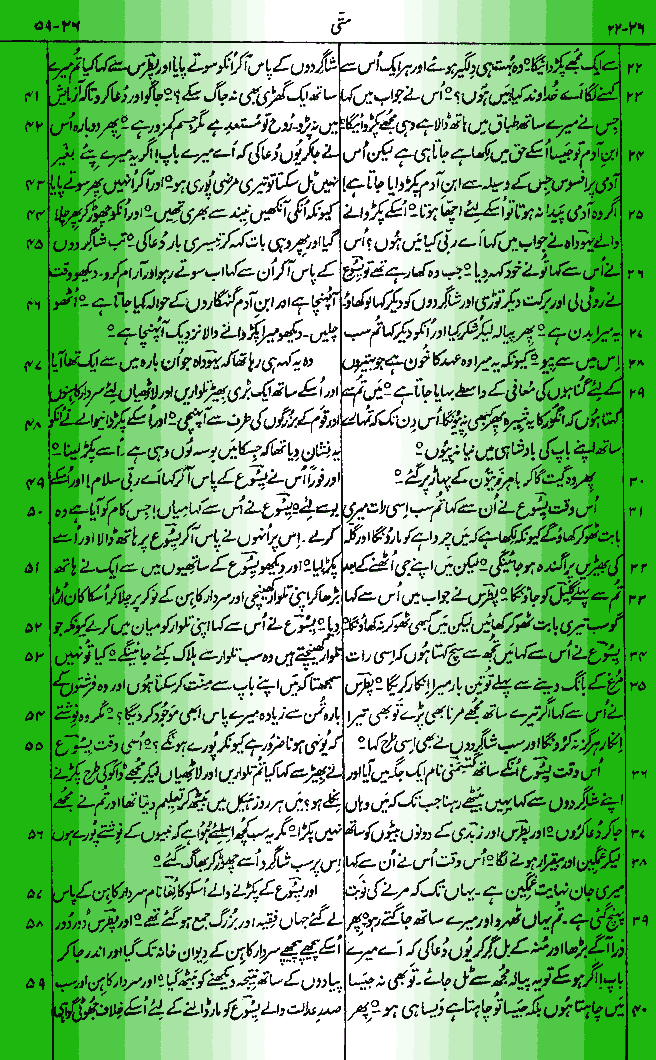
Verse-by-Verse Commentary and Explanation (Matthew 26:21–59)
Matthew 26:21
Verse: And as they did eat he said Verily I say unto you that one of you shall betray me
-
English Explanation: During the Passover meal (the Last Supper), Jesus drops a bombshell revelation. He states with absolute certainty (“Verily” or “Truly”) that someone from His inner circle—one of the chosen twelve apostles—is going to betray Him. This highlights Jesus’ divine omniscience; He is not a helpless victim caught off guard, but fully aware of the dark plots surrounding Him.
-
Urdu Explanation (اردو تشریح): جب وہ کھانا کھا رہے تھے تو یسوع نے ایک سنسنی خیز انکشاف کیا کہ ان کے بارہ رسولوں میں سے ہی کوئی ایک ان کے ساتھ غداری کرے گا۔ لفظ “سچ” یا “فی الحقیقت” یہ ظاہر کرتا ہے کہ یہ بات سو فیصد طے ہے۔ یہ آیت یسوع کے غیب اور مستقبل کے علم کو ظاہر کرتی ہے کہ وہ اپنے خلاف ہونے والی ہر سازش سے پہلے ہی واقف تھے۔
Matthew 26:22
Verse: And they were exceeding sorrowful and began every one of them to say unto him Lord is it I
-
English Explanation: The disciples are struck with deep grief and confusion. Instead of point-fingering or blaming others, their immediate reaction is one of self-examination. Filled with sorrow and fear of their own potential weaknesses, each disciple anxiously asks, “Lord, is it I?”
-
Urdu Explanation (اردو تشریح): یہ سن کر شاگرد سخت غمگین ہو گئے اور ایک دوسرے پر شک کرنے کے بجائے وہ خود اپنے کردار کا جائزہ لینے لگے۔ ہر ایک نے گہرے دکھ اور خوف کے ساتھ یسوع سے پوچھا “اے خداوند! کیا وہ میں ہوں؟” یہ ان کی معصومیت اور کمزوری کے احساس کو ظاہر کرتا ہے۔
Matthew 26:23
Verse: And he answered and said He that dippeth his hand with me in the dish the same shall betray me
-
English Explanation: Jesus narrows down the identifier, referring to a cultural custom. Sharing food from the same bowl or dish was a sign of close friendship, intimacy, and mutual loyalty. To betray someone after sharing a dish with them was considered an act of ultimate treachery.
-
Urdu Explanation (اردو تشریح): یسوع نے جواب دیا کہ جو میرے ساتھ ایک ہی برتن میں ہاتھ ڈالتا ہے وہی مجھے پکڑوائے گا۔ اس دور کے کلچر میں ایک ہی برتن سے کھانا گہری دوستی اور وفاداری کی علامت تھا۔ اس دوستی کے دعوے کے بعد غداری کرنا سب سے بڑی بے وفائی اور منافقت تھی۔
Matthew 26:24
Verse: The Son of man goeth as it is written of him but woe unto that man by whom the Son of man is betrayed it had been good for that man if he had not been born
-
English Explanation: Jesus balances divine sovereignty with human responsibility. While His death is pre-ordained by prophecy and God’s sovereign plan, the human agent of betrayal (Judas) is still fully accountable for his wicked choices. The phrasing “good for that man if he had not been born” reflects the severity of the eternal judgment awaiting the betrayer.
-
Urdu Explanation (اردو تشریح): یسوع فرماتے ہیں کہ ابنِ آدم (مسیح) کا جانا تو خدا کے کلام اور پیشگوئیوں کے مطابق طے ہے لیکن جس شخص کے ذریعے یہ غداری ہو رہی ہے اس پر افسوس ہے۔ اس کے لیے بہتر ہوتا کہ وہ پیدا ہی نہ ہوتا۔ یہ ظاہر کرتا ہے کہ اگرچہ یہ خدا کے منصوبے کا حصہ تھا مگر غدار اپنے گناہ اور اس کی سزا کا خود ذمہ دار ہے۔
Matthew 26:25
Verse: Then Judas which betrayed him answered and said Master is it I He said unto him Thou hast said
-
English Explanation: To maintain his cover, Judas asks the same question as the others. Notice that while others called Him “Lord,” Judas addresses Him as “Master” (Rabbi). Jesus answers directly but subtly: “Thou hast said” (an idiom meaning “Yes, you said it yourself”). This was a final, private opportunity for Judas to repent, which he ignored.
-
Urdu Explanation (اردو تشریح): اپنی منافقت کو چھپانے کے لیے یہوداہ نے بھی باقی شاگردوں کی طرح پوچھا “اے استاد! کیا وہ میں ہوں؟” غور کریں کہ باقیوں نے “خداوند” کہا جبکہ یہوداہ نے صرف “استاد” کہا۔ یسوع نے جواب دیا “تو نے خود ہی کہہ دیا۔” یہ یسوع کی طرف سے یہوداہ کو توبہ کا آخری موقع تھا جسے اس نے ضائع کر دیا۔
Matthew 26:26
Verse: And as they were eating Jesus took bread and blessed it and brake it and gave it to the disciples and said Take eat this is my body
-
English Explanation: This marks the institution of the Holy Communion (Eucharist). Breaking the bread represents His body, which is about to be broken on the cross for humanity. By telling them to eat it, He invites believers to spiritually partake in His life, sacrifice, and the salvation He offers.
-
Urdu Explanation (اردو تشریح): یہاں سے پاک عشائے ربانی کی ابتدا ہوتی ہے۔ یسوع نے روٹی لی برکت دی اور توڑ کر شاگردوں کو دی اور کہا “لو کھاؤ یہ میرا بدن ہے۔” روٹی کا ٹوٹنا اس بات کی علامت تھا کہ ان کا بدن صلیب پر انسانیت کے گناہوں کے لیے توڑا جانے والا تھا اور اس میں شریک ہونا مسیح کی قربانی کو قبول کرنا ہے۔
Matthew 26:27
Verse: And he took the cup and gave thanks and gave it to them saying Drink ye all of it
-
English Explanation: Jesus extends the invitation to all present to drink from the cup. The act of giving thanks (Eucharisteo) even in the shadow of impending agonizing death shows His complete submission and gratitude to God’s plan of redemption.
-
Urdu Explanation (اردو تشریح): پھر انہوں نے پیالہ لیا اور شکرگزاری کر کے شاگردوں کو دیا کہ “تم سب اس میں سے پیو۔” اپنی موت کے سائے میں بھی خدا کا شکر ادا کرنا یہ ظاہر کرتا ہے کہ یسوع انسانیت کی نجات کے اس الٰہی منصوبے پر کتنے خوش اور فرمانبردار تھے۔
Matthew 26:28
Verse: For this is my blood of the new testament which is shed for many for the remission of sins
-
English Explanation: Jesus defines the meaning of the wine: it represents His blood, establishing the New Covenant (Testament). Unlike the Old Covenant which relied on the blood of animals, Jesus’ blood is shed once and for all as the ultimate sacrifice to grant forgiveness (remission) of sins to all who believe.
-
Urdu Explanation (اردو تشریح): یسوع نے وضاحت کی کہ یہ پیالہ ان کے خون کو ظاہر کرتا ہے جو نئے عہد (عہدِ جدید) کا خون ہے۔ پرانے عہد نامے میں جانوروں کا خون بہایا جاتا تھا مگر یسوع کا خون ہمیشہ کے لیے بہایا جا رہا ہے تاکہ بنی نوع انسان کو گناہوں کی معافی مل سکے۔
Matthew 26:29
Verse: But I say unto you I will not drink henceforth of this fruit of the vine until that day when I drink it new with you in my Father’s kingdom
-
English Explanation: This is a statement of hope and eschatological promise. Jesus looks past His impending death and points toward His resurrection and the ultimate heavenly banquet. It reassures the disciples that death is not the end; they will reunite in the Father’s Kingdom.
-
Urdu Explanation (اردو تشریح): یسوع اپنی موت سے آگے دیکھ رہے ہیں اور امید کا پیغام دیتے ہیں کہ وہ اب انگور کا عرق تب تک نہیں پیئیں گے جب تک اپنے باپ کی بادشاہی میں شاگردوں کے ساتھ نیا نہ پیئیں۔ یہ ان کی جی اٹھنے اور آسمانی بادشاہی میں دوبارہ اکٹھے ہونے کا وعدہ ہے۔
Matthew 26:30
Verse: And when they had sung an hymn they went out into the mount of Olives
-
English Explanation: It was customary to end the Passover meal by singing the Hallel Psalms (Psalms 115–118). Singing praises to God right before heading to the place of His betrayal and arrest demonstrates Jesus’ steadfast focus and spiritual strength.
-
Urdu Explanation (اردو تشریح): فسح کا کھانا ختم کرنے کے بعد انہوں نے زبور کے گیت گائے اور زیتون کے پہاڑ کی طرف چل دئیے۔ اپنی گرفتاری اور دکھوں سے چند لمحے پہلے خدا کی حمد و ثنا کرنا یسوع کی غیر متزلزل ایمانداری اور روحانی طاقت کا ثبوت ہے۔
Matthew 26:31
Verse: Then saith Jesus unto them All ye shall be offended because of me this night for it is written I will smite the shepherd and the sheep of the flock shall be scattered abroad
-
English Explanation: Jesus quotes Zechariah 13:7 to predict that every single disciple will stumble (“be offended”) and desert Him out of fear when He is arrested. He frames this painful abandonment not as an accidental failure, but as something foretold in Scripture.
-
Urdu Explanation (اردو تشریح): یسوع نے زکریا نبی کی پیشگوئی کا حوالہ دیتے ہوئے کہا کہ آج رات تم سب میرے سبب سے ٹھوکر کھاؤ گے کیونکہ لکھا ہے کہ “میں چرواہے کو ماروں گا اور بھیڑیں پراگندہ ہو جائیں گی۔” یعنی یسوع کی گرفتاری پر خوف کی وجہ سے سب شاگرد انہیں اکیلا چھوڑ دیں گے۔
Matthew 26:32
Verse: But after I am risen again I will go before you into Galilee
-
English Explanation: Even while predicting their failure and His own death, Jesus immediately offers comfort and restoration. He guarantees His resurrection and promises to meet them back in Galilee, showing that His grace is greater than their temporary abandonment.
-
Urdu Explanation (اردو تشریح): شاگردوں کی کمزوری کی پیشگوئی کرنے کے ساتھ ہی یسوع انہیں تسلی بھی دیتے ہیں کہ “میرے جی اٹھنے کے بعد میں تم سے پہلے گلیل کو جاؤں گا۔” یہ ظاہر کرتا ہے کہ ان کا فضل شاگردوں کی عارضی بے وفائی سے کہیں بڑھ کر ہے۔
Matthew 26:33
Verse: Peter answered and said unto him Though all men shall be offended because of thee yet will I never be offended
-
English Explanation: Peter displays misplaced self-confidence and spiritual pride. By saying “though all men… yet will I never,” he sets himself above the other disciples, believing his love and loyalty are infallible, ignoring Jesus’ explicit warning.
-
Urdu Explanation (اردو تشریح): پطرس نے اپنے اوپر حد سے زیادہ بھروسہ کرتے ہوئے کہا کہ اگرچہ سب ٹھوکر کھائیں مگر میں کبھی ٹھوکر نہیں کھاؤں گا۔ پطرس نے خود کو دوسرے شاگردوں سے افضل سمجھا اور یہ اس کے روحانی غرور کو ظاہر کرتا ہے جہاں وہ یسوع کی تنبیہ کو نظر انداز کر رہا ہے۔
Matthew 26:34
Verse: Jesus said unto him Verily I say unto thee That this night before the cock crow thou shalt deny me thrice
-
English Explanation: Jesus counters Peter’s bold claim with a very specific, chilling prophecy: not only will Peter stumble, but he will deliberately deny knowing Jesus three times before the dawn arrives (signaled by the rooster crowing).
-
Urdu Explanation (اردو تشریح): یسوع نے پطرس کے دعوے کا جواب ایک مخصوص اور حیرت انگیز پیشگوئی سے دیا کہ “آج ہی رات مرغ کے بانگ دینے سے پہلے تو تین بار میرا انکار کرے گا۔” یہ پطرس کی آنے والی کمزوری کی بالکل درست تصویر کشی تھی۔
Matthew 26:35
Verse: Peter said unto him Though I should die with thee yet will I not deny thee Likewise also said all the disciples
-
English Explanation: Instead of humbling himself, Peter doubles down on his pride, claiming he would choose execution over denial. Swept up in the emotion, all the other disciples make the same idealistic promise. This highlights human blindness to one’s own limitations under pressure.
-
Urdu Explanation (اردو تشریح): پطرس نے عاجزی اختیار کرنے کے بجائے مزید دعویٰ کیا کہ “اگر مجھے تیرے ساتھ مرنا بھی پڑے تو بھی تیرا انکار نہ کروں گا۔” اور باقی شاگردوں نے بھی یہی کہا۔ یہ اس بات کی عکاسی ہے کہ انسان آزمائش کے وقت اپنی اصل کمزوری سے کتنا غافل ہوتا ہے۔
Matthew 26:36
Verse: Then cometh Jesus with them unto a place called Gethsemane and saith unto the disciples Sit ye here while I go and pray yonder
-
English Explanation: They arrive at Gethsemane (meaning “oil press”), a garden at the foot of the Mount of Olives. Jesus prepares for the ultimate spiritual battle not through physical defense, but through solitary prayer, asking the majority of His disciples to wait behind.
-
Urdu Explanation (اردو تشریح): وہ گتسمنی (جس کا مطلب ہے تیل نکالنے کا کوہلو) نامی باغ میں پہنچے۔ یسوع اپنے سب سے بڑے روحانی معرکے کی تیاری کسی مادی ہتھیار سے نہیں بلکہ دعا سے کرنا چاہتے ہیں اس لیے انہوں نے باقی شاگردوں کو یہیں بیٹھنے کا کہا۔
Matthew 26:37
Verse: And he took with him Peter and the two sons of Zebedee and began to be sorrowful and very heavy
-
English Explanation: Jesus takes His closest inner circle—Peter, James, and John (the sons of Zebedee)—deeper into the garden. Here, His full humanity is visible as He experiences overwhelming sorrow, distress, and agony regarding the spiritual weight of the sins He is about to carry.
-
Urdu Explanation (اردو تشریح): وہ اپنے قریبی تین شاگردوں پطرس، یعقوب اور یوحنا (زبدی کے بیٹوں) کو اپنے ساتھ آگے لے گئے۔ یہاں یسوع کی انسانی طبیعت پر گہرا غم اور اداسی چھا گئی کیونکہ وہ کائنات کے گناہوں کا بوجھ اپنے اوپر اٹھانے کے تصور سے تڑپ رہے تھے۔
Matthew 26:38
Verse: Then saith he unto them My soul is exceeding sorrowful even unto death tarry ye here and watch with me
-
English Explanation: Jesus openly confesses His intense emotional and spiritual anguish to His friends. He asks them for basic human solidarity and spiritual alertness (“watch with me”) to support Him in His hour of deepest vulnerability.
-
Urdu Explanation (اردو تشریح): یسوع نے ان سے اپنی اندرونی کیفیت کا اظہار کرتے ہوئے کہا “میری جان سخت غمگین ہے یہاں تک کہ مرنے کی نوبت پہنچ گئی ہے۔ تم یہیں رہو اور میرے ساتھ جاگتے رہو۔” انہوں نے اپنے دوستوں سے اس مشکل گھڑی میں روحانی ساتھ مانگا۔
Matthew 26:39
Verse: And he went a little further and fell on his face and prayed saying O my Father if it be possible let this cup pass from me nevertheless not as I will but as thou wilt
-
English Explanation: Falling flat on His face shows absolute humility and agonizing distress. The “cup” represents the terrifying reality of bearing God’s wrath against sin and temporary separation from the Father. Yet, His divine submission shines through: His human desire to avoid agony is completely surrendered to the Father’s sovereign will.
-
Urdu Explanation (اردو تشریح): منہ کے بل گرنا انتہائی عاجزی اور درد کو ظاہر کرتا ہے۔ “پیالہ” سے مراد گناہ کی وجہ سے خدا کا غضب اور جدائی کی تکلیف تھی۔ لیکن یسوع نے اپنی مرضی کو باپ کی مرضی کے تابع کر دیا کہ “جیسا میں چاہتا ہوں ویسا نہیں بلکہ جیسا تو چاہتا ہے ویسا ہی ہو۔”
Matthew 26:40
Verse: And he cometh unto the disciples and findeth them asleep and saith unto Peter What could ye not watch with me one hour
-
English Explanation: Returning to His inner circle, Jesus finds them sleeping instead of praying. He addresses Peter specifically, pointing out the stark contrast between Peter’s earlier boast of dying for Him and his inability to even stay awake for a single hour to support Him.
-
Urdu Explanation (اردو تشریح): جب یسوع واپس آئے تو انہوں نے شاگردوں کو سوتے ہوئے پایا۔ انہوں نے خاص طور پر پطرس سے کہا کہ “کیا تم میرے ساتھ ایک گھڑی بھی نہ جاگ سکے؟” یہ پطرس کے اس بڑے دعوے پر چوٹ تھی کہ وہ یسوع کے لیے جان بھی دے سکتا ہے مگر ایک گھنٹہ جاگ نہ سکا۔
Matthew 26:41
Verse: Watch and pray that ye enter not into temptation the spirit indeed is willing but the flesh is weak
-
English Explanation: Jesus provides a universal spiritual principle. “Watching” (staying alert) and “praying” are the twin defenses against falling into sin when tested. He compassionately acknowledges that while our spiritual intentions (“spirit”) may be noble, our human nature (“flesh”) is incredibly fragile without divine help.
-
Urdu Explanation (اردو تشریح): یسوع نے ایک آفاقی روحانی اصول سکھایا کہ “جاگو اور دعا کرو تاکہ آزمائش میں نہ پڑو۔ روح تو مستعد ہے مگر جسم کمزور ہے۔” انسانی ارادے اچھے ہو سکتے ہیں لیکن خدا کی مدد کے بغیر انسانی کمزوریاں ہمیں گرا دیتی ہیں۔
Matthew 26:42
Verse: He went away again the second time and prayed saying O my Father if this cup may not pass away from me except I drink it thy will be done
-
English Explanation: In His second prayer, there is a subtle shift in tone. Rather than asking if the cup can pass, Jesus expresses total acceptance: if there is no other way to save humanity except to drink this cup of suffering, He prays “thy will be done.”
-
Urdu Explanation (اردو تشریح): دوسری بار دعا میں یسوع کا لہجہ مزید پختہ ہو جاتا ہے۔ اب وہ پیالے کے ٹلنے کی بات نہیں کر رہے بلکہ مکمل تسلیم و رضا کا اظہار کر رہے ہیں کہ اگر انسانیت کی نجات کے لیے اس پیالے کو پینا ہی لازم ہے تو “تیری ہی مرضی پوری ہو۔”
Matthew 26:43
Verse: And he came and found them asleep again for their eyes were heavy
-
English Explanation: Despite His warning, the disciples fail Him again. Their physical exhaustion and emotional grief (“eyes were heavy”) overwhelmed their spiritual duty. It underscores the isolation of Jesus; He must face this battle completely alone.
-
Urdu Explanation (اردو تشریح): یسوع نے دوبارہ آ کر انہیں سوتے پایا کیونکہ ان کی آنکھیں نیند سے بھری ہوئی تھیں۔ یہ ظاہر کرتا ہے کہ یسوع اس عظیم اور دردناک لڑائی میں بالکل تنہا تھے اور انسان ان کا ساتھ دینے میں ناکام رہا۔
Matthew 26:44
Verse: And he left them and went away again and prayed the third time saying the same words
-
English Explanation: Jesus prays for a third time, repeating the same surrender to God’s will. This repetition emphasizes the intensity of His spiritual labor and demonstrates that persistence in prayer is vital during times of deep crisis.
-
Urdu Explanation (اردو تشریح): یسوع نے انہیں چھوڑ کر تیسری بار وہی الفاظ دہرا کر دعا کی۔ بار بار ایک ہی دعا کرنا ان کی دلی تڑپ اور شدید روحانی کشمکش کو ظاہر کرتا ہے کہ بحران کے وقت دعا میں ثابت قدم رہنا کتنا ضروری ہے۔
Matthew 26:45
Verse: Then cometh he to his disciples and saith unto them Sleep on now and take your rest behold the hour is at hand and the Son of man is betrayed into the hands of sinners
-
English Explanation: The time for prayerful preparation is over. “Sleep on now” can be understood as a statement signaling that the opportunity to watch with Him has officially passed. The moment of destiny (“the hour”) has arrived, and the betrayal is actively taking place.
-
Urdu Explanation (اردو تشریح): اب دعا کا وقت ختم ہو چکا تھا۔ یسوع نے شاگردوں سے کہا کہ “اب سوتے رہو اور آرام کرو” یعنی اب جاگنے کا جو موقع تھا وہ ہاتھ سے نکل گیا۔ اب وہ گھڑی آ پہنچی ہے کہ ابنِ آدم گنہگاروں کے ہاتھ پکڑوایا جاتا ہے۔
Matthew 26:46
Verse: Rise let us be going behold he is at hand that doth betray me
-
English Explanation: Jesus does not tell them to run away, but rather to rise and confront the situation. He intentionally steps forward to meet His betrayer and the mob, showing supreme courage and willingness to fulfill His sacrificial mission.
-
Urdu Explanation (اردو تشریح): یسوع بھاگنے کے بجائے بہادری سے کہتے ہیں “اٹھو چلیں! دیکھو میرا پکڑوانے والا نزدیک آ پہنچا ہے۔” وہ خود آگے بڑھ کر حالات کا سامنا کرتے ہیں جو ان کی عظیم قربانی اور دلیری کا ثبوت ہے۔
Matthew 26:47
Verse: And while he yet spake lo Judas one of the twelve came and with him a great multitude with swords and staves from the chief priests and elders of the people
-
English Explanation: The betrayal unfolds. Judas arrives leading an armed mob sent by the religious authorities. The text specifically reminds us that Judas was “one of the twelve,” emphasizing the painful irony and deep sting of close betrayal.
-
Urdu Explanation (اردو تشریح): ابھی وہ بول ہی رہے تھے کہ یہوداہ جو بارہ شاگردوں میں سے تھا ایک بڑے ہجوم کے ساتھ وہاں پہنچ گیا جن کے ہاتھوں میں تلواریں اور لاٹھیاں تھیں جنہیں سردار کاہنوں اور بزرگوں نے بھیجا تھا۔ متن کا یہ لکھنا کہ وہ “بارہ میں سے تھا” اس غداری کے گہرے دکھ کو واضح کرتا ہے۔
Matthew 26:48
Verse: Now he that betrayed him gave them a sign saying Whomsoever I shall kiss that same is he hold him fast
-
English Explanation: Judas invents a calculated pre-arranged sign. Because it was dark in the garden and many might not recognize Jesus, Judas uses a kiss—traditionally a sign of deep affection, respect, and greeting—as a tool of identification and execution.
-
Urdu Explanation (اردو تشریح): غدار یہوداہ نے ہجوم کو ایک نشان دیا تھا کہ “جس کا میں بوسہ لوں وہی ہے اسے پکڑ لینا۔” چونکہ رات کا وقت تھا اس لیے پہچان کے لیے یہوداہ نے محبت اور احترام کی علامت “بوسے” کو غداری اور گرفتاری کا ہتھیار بنایا۔
Matthew 26:49
Verse: And forthwith he came to Jesus and said Hail master and kissed him
-
English Explanation: Judas acts out his treacherous plan without hesitation. He greets Jesus with respectful words (“Hail, master”) and kisses Him fervently. This is the ultimate depiction of hypocrisy—using the ultimate symbol of love to deliver someone to death.
-
Urdu Explanation (اردو تشریح): یہوداہ نے فوراً یسوع کے پاس آ کر کہا “اے استاد سلام!” اور اس کا بوسہ لیا۔ یہ منافقت کی بدترین مثال ہے جہاں محبت کے سب سے خوبصورت اظہار کو کسی کی موت کا سبب بننے کے لیے استعمال کیا گیا۔
Matthew 26:50
Verse: And Jesus said unto him Friend wherefore art thou come Then came they and laid hands on Jesus and took him
-
English Explanation: Even at this moment, Jesus responds with incredible grace, addressing Judas as “Friend”—a term meant to highlight the tragic breach of friendship. He challenges Judas’ conscience before allowing the armed mob to finally lay hands on Him and arrest Him.
-
Urdu Explanation (اردو تشریح): اس موقع پر بھی یسوع نے بڑے صبر اور تحمل سے کام لیتے ہوئے یہوداہ کو “دوست” کہہ کر پکارا تاکہ اسے اس کے غلط عمل کا احساس دلائیں۔ اس کے بعد ہجوم نے آگے بڑھ کر یسوع کو پکڑ لیا اور گرفتار کر لیا۔
Matthew 26:51
Verse: And behold one of them which were with Jesus stretched out his hand and drew his sword and struck a servant of the high priest’s and smote off his ear
-
English Explanation: John’s Gospel tells us this disciple was Peter, and the servant was Malchus. Acting out of fleshly impulse and anger, Peter tries to fight a physical battle, cutting off the servant’s ear in a misguided attempt to defend the Messiah.
-
Urdu Explanation (اردو تشریح): یوحنا کی انجیل کے مطابق یہ شاگرد پطرس تھا جس نے جذبات میں آ کر تلوار نکالی اور سردار کاہن کے نوکر (ملخس) پر وار کر کے اس کا کان اڑا دیا۔ پطرس نے ایک بار پھر جسمانی طاقت سے روحانی جنگ لڑنے کی کوشش کی۔
Matthew 26:52
Verse: Then said Jesus unto him Put up again thy sword into his place for all they that take the sword shall perish with the sword
-
English Explanation: Jesus immediately denounces physical violence. The kingdom of God is not established or defended by worldly weapons. He sets forth a universal principle: responding to violence with violence only breeds further destruction and death.
-
Urdu Explanation (اردو تشریح): یسوع نے پطرس کو فوراً روکا اور کہا “اپنی تلوار کو میان میں رکھ کیونکہ جو تلوار چلاتے ہیں وہ تلوار ہی سے ہلاک ہوں گے۔” خدا کی بادشاہی دنیاوی ہتھیاروں سے نہیں پھیلتی اور تشدد کا جواب تشدد سے دینا صرف تباہی لاتا ہے۔
Matthew 26:53
Verse: Thinkest thou that I cannot now pray to my Father and he shall presently give me more than twelve legions of angels
-
English Explanation: Jesus reveals His absolute power. He does not need Peter’s small sword; if He wanted rescue, He could instantly summon twelve legions of angels (amounting to over 72,000 powerful angelic beings). His surrender is entirely voluntary.
-
Urdu Explanation (اردو تشریح): یسوع اپنی لامحدود طاقت کا ذکر کرتے ہوئے کہتے ہیں کہ اگر میں چاہوں تو اپنے باپ سے کہہ کر فرشتوں کی بارہ پلتنوں (72 ہزار سے زیادہ فرشتے) سے زیادہ اپنی حفاظت کے لیے بلا سکتا ہوں۔ یعنی ان کی گرفتاری زبردستی نہیں بلکہ ان کی اپنی مرضی سے تھی۔
Matthew 26:54
Verse: But how then shall the scriptures be fulfilled that thus it must be
-
English Explanation: This is the core reason for Jesus’ submission. If He rescues Himself through supernatural angelic forces, the Old Testament prophecies regarding the suffering Servant and the salvation of mankind would fail. Obedience to God’s Word outweighs self-preservation.
-
Urdu Explanation (اردو تشریح): یسوع فرماتے ہیں کہ اگر میں خود کو بچا لوں تو پاک کلام کی وہ پیشگوئیاں کیسے پوری ہوں گی جن میں لکھا ہے کہ ایسا ہونا ہی لازم ہے؟ خدا کے کلام کی سچائی اور فرمانبرداری ان کے لیے اپنی جان بچانے سے زیادہ اہم تھی۔
Matthew 26:55
Verse: In that same hour said Jesus to the multitudes Are ye come out as against a thief with swords and staves for to take me I sat daily with you teaching in the temple and ye laid no hold on me
-
English Explanation: Jesus exposes the cowardice and underhanded nature of the religious leaders. He notes that He taught openly and peacefully in public every day, yet they chose the darkness of night and heavily armed forces to arrest Him, treating Him like a dangerous criminal.
-
Urdu Explanation (اردو تشریح): یسوع نے اس ہجوم اور مذہبی رہنماؤں کی بزدلی کو بے نقاب کیا کہ “کیا تم مجھے کسی ڈاکو کی طرح تلواریں اور لاٹھیاں لے کر پکڑنے آئے ہو؟ میں تو روز ہیکل میں بیٹھ کر تعلیم دیتا تھا تب تم نے مجھے نہ پکڑا۔” انہوں نے اندھیرے میں کارروائی کر کے اپنی بدنیتی خود ثابت کر دی۔
Matthew 26:56
Verse: But all this was done that the scriptures of the prophets might be fulfilled Then all the disciples forsook him and fled
-
English Explanation: Matthew emphasizes that everything happening—even the dark plots—is unfolding exactly to fulfill prophetic scripture. At this terrifying moment, just as Jesus predicted in verse 31, panic strikes the disciples, and they all abandon Him and flee.
-
Urdu Explanation (اردو تشریح): متی رسول واضح کرتے ہیں کہ یہ سب کچھ اس لیے ہوا تاکہ نبیوں کے صحیفے پورے ہوں۔ اور اسی خوفناک موڑ پر جیسا کہ یسوع نے پہلے پیشگوئی کی تھی سب شاگرد خوف کے مارے انہیں چھوڑ کر بھاگ گئے۔
Matthew 26:57
Verse: And they that had laid hold on Jesus led him away to Caiaphas the high priest where the scribes and the elders were assembled
-
English Explanation: Jesus is brought under arrest to the palace of Caiaphas, the High Priest. The religious court (the Sanhedrin), consisting of scribes and elders, had already gathered in an illegal, late-night assembly, showcasing their desperation to condemn Him.
-
Urdu Explanation (اردو تشریح): یسوع کو گرفتار کرنے والے انہیں کائفا نامی سردار کاہن کے پاس لے گئے جہاں فقیہ اور بزرگ پہلے سے جمع تھے۔ یہ رات کے وقت لگائی گئی ایک غیر قانونی عدالت تھی جو یہ ظاہر کرتی ہے کہ وہ ہر قیمت پر یسوع کو سزا دینا چاہتے تھے۔
Matthew 26:58
Verse: But Peter followed him afar off unto the high priest’s palace and went in and sat with the servants to see the end
-
English Explanation: Peter exhibits a mix of lingering love and crippling fear. He does not completely run away, but follows at a safe distance (“afar off”). By blending into the crowd of servants to watch what happens, he places himself in a highly compromised position.
-
Urdu Explanation (اردو تشریح): پطرس محبت اور خوف کے امتزاج کے ساتھ یسوع کے پیچھے پیچھے دور سے سردار کاہن کے محل تک پہنچ گیا اور اندر جا کر نوکروں کے ساتھ بیٹھ گیا تاکہ انجام دیکھ سکے۔ فاصلے پر رہنا اس کے گرتے ہوئے ایمان اور کمزوری کی نشانی تھی۔
Matthew 26:59
Verse: Now the chief priests and elders and all the council sought false witness against Jesus to put him to death
-
English Explanation: This verse highlights the total corruption of the trial. The Sanhedrin was supposed to be a beacon of divine justice, yet they are actively seeking out “false witness” and fabricated charges with a predetermined verdict: executing Jesus.
-
Urdu Explanation (اردو تشریح): یہ آیت اس مقدمے کی مکمل ناانصافی اور کرپشن کو ظاہر کرتی ہے۔ مذہبی عدالت (سنہیڈرن) جس کا کام انصاف کرنا تھا وہ خود یسوع کے خلاف جھوٹی گواہی تلاش کر رہی تھی تاکہ انہیں کسی نہ کسی طرح قتل کرنے کا بہانہ مل سکے۔