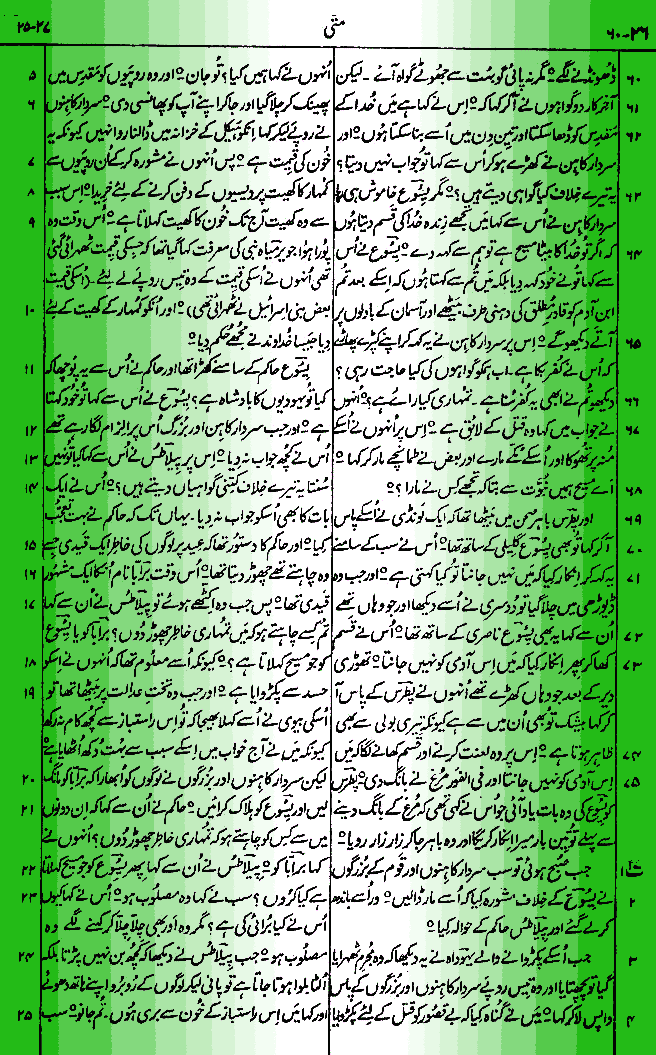
Matthew Chapter 26 (Verses 60-75)
Matthew 26:60
Verse: But found none yea though many false witnesses came yet found they none At the last came two false witnesses
English Explanation: The religious leaders desperately sought any legal justification to condemn Jesus to death. Although numerous individuals stepped forward to present fabricated accusations, their testimonies were riddled with contradictions, making them legally invalid according to Jewish law. Finally, two witnesses emerged who managed to present a somewhat coordinated, yet twisted accusation.
Urdu Explanation: مذہبی رہنما یسوع مسیح کو موت کی سزا دینے کے لیے کوئی بھی قانونی جواز تلاش کرنے کی سرتوڑ کوشش کر رہے تھے۔ اگرچہ بہت سے جھوٹے گواہ من گھڑت الزامات لے کر سامنے آئے، لیکن ان کے بیانات تضادات سے بھرپور تھے اور یہودی قانون کے مطابق نااہل تھے۔ آخر کار، دو ایسے گواہ سامنے آئے جنہوں نے ایک توڑ مروڑ کر پیش کیا گیا الزام لگایا۔
Matthew 26:61
Verse: And said This fellow said I am able to destroy the temple of God and to build it in three days
English Explanation: The false witnesses distorted a prophetic statement previously made by Jesus regarding His own body (John 2:19). He had spoken metaphorically about His upcoming death and resurrection, but they weaponized it by presenting it as a literal, physical threat to destroy the revered Temple of Jerusalem, which was considered an act of treason and sacrilege.
Urdu Explanation: ان جھوٹے گواہوں نے یسوع مسیح کے اس تمثیلی بیان کو بگاڑ کر پیش کیا جو انہوں نے اپنے بدن کی قربانی کے بارے میں دیا تھا (یوحنا 2:19)۔ مسیح نے اپنی موت اور جی اٹھنے کا ذکر کیا تھا، لیکن انہوں نے اسے ہیکلِ یروشلم کو جسمانی طور پر تباہ کرنے کی دھمکی کے طور پر پیش کیا، جو کہ ایک سنگین مذہبی اور قانونی جرم تھا۔
Matthew 26:62
Verse: And the high priest arose and said unto him Answerest thou nothing? what is it which these witness against thee?
English Explanation: Seeing that Jesus remained silent and undisturbed by these fraudulent claims, the High Priest, Caiaphas, lost his patience. He stood up directly to confront Jesus, demanding a defensive reply to provoke Him into making a statement that could be easily twisted or used as a confession.
Urdu Explanation: یہ دیکھ کر کہ یسوع مسیح ان جھوٹے الزامات پر بالکل خاموش اور پرسکون رہے، سردار کاہن (کائفہ) اپنا صبر کھو بیٹھا۔ وہ کھڑا ہوا اور یسوع پر دباؤ ڈالا کہ وہ صفائی میں کچھ کہیں، تاکہ ان کے کسی لفظ کو پکڑ کر ان کے خلاف استعمال کیا جا سکے۔
Matthew 26:63
Verse: But Jesus held his peace And the high priest answered and said unto him I adjure thee by the living God that thou tell us whether thou be the Christ the Son of God
English Explanation: Jesus remained completely silent, fulfilling the Old Testament prophecy of the suffering servant in Isaiah 53:7. Frustrated by the silence, Caiaphas placed Jesus under a sacred and binding legal oath—”by the living God”—forcing Him to state clearly under oath whether He claimed to be the promised Messiah and the Son of God.
Urdu Explanation: یسوع خاموش رہے، جس سے یسعیاہ 53:7 میں درج دکھ اٹھانے والے خادم کی نبوت پوری ہوئی۔ اس خاموشی سے تنگ آکر، سردار کاہن نے یسوع کو زندہ خدا کی قسم دی، جو کہ ایک قانونی اور مذہبی طور پر پابند کرنے والی قسم تھی، تاکہ وہ واضح اقرار کریں کہ آیا وہ مسیح اور خدا کے بیٹے ہیں یا نہیں۔
Matthew 26:64
Verse: Jesus saith unto him Thou hast said nevertheless I say unto you Hereafter shall ye see the Son of man sitting on the right hand of power and coming in the clouds of heaven
English Explanation: In response to the formal oath, Jesus spoke clearly, confirming His divine identity: “Thou hast said” (meaning, It is as you say). He then shifted the focus to the future, referencing Psalm 110:1 and Daniel 7:13. He declared that though He stood before them as a prisoner, they would one day see Him ruling in absolute divine authority and returning in heavenly glory.
Urdu Explanation: اس رسمی قسم کے جواب میں یسوع نے واضح طور پر اپنی الٰہی پہچان کی تصدیق کی: “تو نے خود ہی کہہ دیا”۔ پھر انہوں نے زبور 110:1 اور دانی ایل 7:13 کا حوالہ دیتے ہوئے مستقبل کی طرف اشارہ کیا کہ اگرچہ وہ اس وقت ایک قیدی کی حیثیت سے کھڑے ہیں، لیکن ایک دن وہ سب ابنِ آدم کو خدا کی داہنی طرف بیٹھے اور آسمان کے بادلوں پر آتے دیکھیں گے۔
Matthew 26:65
Verse: Then the high priest rent his clothes saying He hath spoken blasphemy what further need have we of witnesses? behold now ye have heard his blasphemy
English Explanation: Tearing one’s clothes was a dramatic, prescribed reaction to hearing extreme blasphemy. Caiaphas used this theatrical gesture to signal that Jesus’ claims to divine status were an outright insult to God. He immediately declared that no further evidence or witnesses were needed, bypassing a proper trial to claim absolute proof of guilt.
Urdu Explanation: اپنے کپڑے پھاڑنا شدید کفر سننے پر ایک ڈرامائی اور شرعی ردعمل تھا۔ سردار کاہن نے یہ ظاہر کرنے کے لیے اپنے کپڑے پھاڑے کہ یسوع کا خدا کا بیٹا ہونے کا دعویٰ صریحاً کفر ہے۔ اس نے فوراً اعلان کیا کہ اب کسی گواہی کی ضرورت نہیں رہی کیونکہ سب نے خود کفر سن لیا ہے۔
Matthew 26:66
Verse: What think ye? They answered and said He is guilty of death
English Explanation: Caiaphas demanded an immediate verdict from the assembled religious council (the Sanhedrin). Operating under deep prejudice and malicious intent, the council unanimously agreed, declaring that His claimed identity warranted the ultimate penalty under their law: death.
Urdu Explanation: سردار کاہن نے وہاں موجود مذہبی عدالت (سنہدرن) سے فوری فیصلے کا مطالبہ کیا۔ تعصب اور حسد سے مغلوب ہو کر، پوری کونسل نے متفقہ طور پر فیصلہ دیا کہ وہ موت کا سزا وار ہے۔
Matthew 26:67
Verse: Then did they spit in his face and buffeted him and others smote him with the palms of their hands
English Explanation: Once the death verdict was passed, the structural decorum of the council collapsed into absolute brutality. The religious elites and guards began to physically assault Jesus, spitting on Him—an act of extreme contempt and dishonor—punching Him, and slapping Him across the face.
Urdu Explanation: جیسے ہی موت کا فیصلہ سنایا گیا، عدالت کا وقار ختم ہو گیا اور وہ ظلم پر اتر آئے۔ مذہبی رہنماؤں اور محافظوں نے یسوع کے چہرے پر تھوکا (جو کہ انتہائی ذلت کی علامت تھا)، انہیں گھونسے مارے اور تھپڑ رسید کیے۔
Matthew 26:68
Verse: Saying Prophesy unto us thou Christ Who is he that smote thee?
English Explanation: They mocked His claims of being the Messiah. Other Gospel accounts mention that they blindfolded Him before hitting Him, taunting Him to use His supernatural prophetic insight to name exactly who had delivered each blow.
Urdu Explanation: انہوں نے مسیح ہونے کے ان کے دعوے کا مذاق اڑایا۔ دوسرے اناجیل کے مطابق انہوں نے یسوع کی آنکھوں پر پٹی باندھ دی تھی اور طنز کرتے ہوئے کہہ رہے تھے کہ اگر تو نبی ہے تو غیب سے بتا کہ تجھے کس نے مارا ہے۔
Matthew 26:69
Verse: Now Peter sat without in the palace and a damsel came unto him saying Thou also wast with Jesus of Galilee
English Explanation: While Jesus faced severe abuse inside the high priest’s palace, Peter remained outside in the courtyard, trying to stay close enough to watch but far enough to avoid arrest. A young servant girl recognized him and publicly called him out for being an associate of Jesus.
Urdu Explanation: جب اندر یسوع پر ظلم ہو رہا تھا، پطرس باہر صحن میں بیٹھا ہوا تھا تاکہ دیکھ سکے کہ کیا ہوتا ہے۔ وہاں ایک نوکرانی نے اسے پہچان لیا اور سب کے سامنے کہا کہ تو بھی اس گلیلی یسوع کے ساتھ تھا۔
Matthew 26:70
Verse: But he denied before them all saying I know not what thou sayest
English Explanation: Overwhelmed by sudden fear for his own safety and survival, Peter immediately folded under pressure. He denied the girl’s claim in front of everyone present, pretending to have absolutely no understanding of what she was talking about.
Urdu Explanation: اپنی جان کے خوف سے مغلوب ہو کر پطرس نے سب کے سامنے صاف انکار کر دیا اور کہا کہ میں نہیں جانتا کہ تو کیا کہہ رہی ہے۔ یہ پطرس کا پہلا انکار تھا۔
Matthew 26:71
Verse: And when he was gone out into the porch another maid saw him and said unto them that were there This fellow was also with Jesus of Nazareth
English Explanation: Seeking to retreat from the spotlight and escape further scrutiny, Peter moved away from the main fire toward the entrance gateway. However, another servant girl spotted him and announced to the bystanders that he was definitely a follower of Jesus of Nazareth.
Urdu Explanation: پطرس نے وہاں سے بچ نکلنے کے لیے ڈیوڑھی کی طرف رخ کیا، لیکن وہاں ایک اور لڑکی نے اسے دیکھ لیا اور آس پاس کھڑے لوگوں سے کہا کہ یہ شخص بھی یسوع ناصری کے ساتھ تھا۔
Matthew 26:72
Verse: And again he denied with an oath I do not know the man
English Explanation: To make his second denial sound completely convincing to the suspicious crowd, Peter escalated his rhetoric. He invoked a formal oath, calling God as a witness to a lie, adamantly stating that he did not even know Jesus.
Urdu Explanation: اپنے انکار کو سچا ثابت کرنے کے لیے پطرس نے اس بار قسم کھائی اور کہا کہ میں اس شخص کو جانتا تک نہیں۔ یہ اس کا دوسرا اور زیادہ سنگین انکار تھا۔
Matthew 26:73
Verse: And after a while came unto him they that stood by and said to Peter Surely thou also art one of them for thy speech bewrayeth thee
English Explanation: A little later, a larger group of bystanders confronted Peter directly. They pointed out that his distinct Galilean accent gave away his regional identity, proving he was from the same northern region as Jesus and His disciples.
Urdu Explanation: تھوڑی دیر بعد وہاں کھڑے لوگوں نے پطرس کے پاس آ کر کہا کہ یقیناً تو ان میں سے ایک ہے کیونکہ تیری بولی (لہجہ) بتا رہی ہے کہ تو گلیل کا رہنے والا ہے۔
Matthew 26:74
Verse: Then began he to curse and to swear saying I know not the man And immediately the cock crew
English Explanation: Terrified of imminent exposure, Peter completely broke down. He began to invoke curses upon himself if he were lying and swore vehemently that he did not know Jesus. The moment these words left his mouth, a rooster crowed, marking the precise fulfillment of Jesus’ prediction.
Urdu Explanation: مکمل طور پر پھنس جانے کے خوف سے پطرس نے خود پر لعنت بھیجنا اور قسمیں کھانا شروع کر دیں کہ میں اس شخص کو نہیں جانتا۔ جیسے ہی یہ الفاظ اس کے منہ سے نکلے، فوراً مرغ نے بانگ دی۔
Matthew 26:75
Verse: And Peter remembered the word of Jesus which said unto him Before the cock crow thou shalt deny me thrice And he went out and wept bitterly
English Explanation: Hearing the rooster crow triggered an immediate wave of realization. Peter instantly remembered Jesus’ warning from earlier that night: “Before the cock crow, thou shalt deny me thrice.” Shattered by his own cowardice, failure, and broken loyalty, he rushed away into the night and wept with deep, agonizing sorrow.
Urdu Explanation: مرغ کی بانگ سنتے ہی پطرس کو یسوع کی وہ بات یاد آ گئی جو انہوں نے چند گھنٹے پہلے کہی تھی کہ “مرغ کے بانگ دینے سے پہلے تو تین بار میرا انکار کرے گا”۔ پطرس اپنی کمزوری اور بے وفائی پر ٹوٹ گیا اور باہر جا کر زار زار رویا۔
Matthew Chapter 27 (Verses 1-24)
Matthew 27:1
Verse: When the morning was come all the chief priests and elders of the people took counsel against Jesus to put him to death
English Explanation: Since the trial held during the night was illegal under Jewish law, the religious leaders convened a formal session at daybreak to legitimize their verdict. They finalized their strategy on how to present Jesus to the Roman authorities as a dangerous criminal who deserved execution.
Urdu Explanation: چونکہ رات کے وقت عدالت لگانا یہودی قانون کے مطابق غیر قانونی تھا، اس لیے صبح ہوتے ہی تمام سردار کاہنوں اور بزرگوں نے مشورہ کیا تاکہ رات کے فیصلے کو قانونی شکل دے کر یسوع کو قتل کرنے کی حتمی حکمتِ عملی تیار کریں۔
Matthew 27:2
Verse: And when they had bound him they led him away and delivered him to Pontius Pilate the governor
English Explanation: The Sanhedrin did not possess the legal authority under Roman occupation to carry out a capital sentence. Therefore, they securely bound Jesus like a dangerous criminal and marched Him to the headquarters of Pontius Pilate, the Roman Governor of Judea, who held the power of life and death.
Urdu Explanation: رومی حکومت کے تحت یہودی عدالت کو کسی کو موت کی سزا دینے کا اختیار نہیں تھا۔ اس لیے انہوں نے یسوع کو باندھا اور لے جا کر پونطیوس پیلاطوس گورنر کے حوالے کر دیا، جس کے پاس سزا دینے کا حتمی اختیار تھا۔
Matthew 27:3
Verse: Then Judas which had betrayed him when he saw that he was condemned repented himself and brought again the thirty pieces of silver to the chief priests and elders
English Explanation: When Judas realized that his actions had directly led to a definitive death sentence for Jesus, he was seized with intense remorse. His motivation may not have anticipated this exact outcome. Driven by overwhelming guilt, he tried to return the thirty silver coins to the religious leaders to reverse the transaction.
Urdu Explanation: جب یہوداہ اسکریوتی نے دیکھا کہ یسوع کو موت کی سزا مل چکی ہے، تو وہ پچھتاوے اور شدید ندامت کا شکار ہو گیا۔ وہ اپنے کیے پر سخت شرمندہ ہوا اور چاندی کے تیس سکے لے کر سردار کاہنوں اور بزرگوں کے پاس واپس آیا۔
Matthew 27:4
Verse: Saying I have sinned in that I have betrayed the innocent blood And they said What is that to us? see thou to that
English Explanation: Judas openly confessed his guilt, explicitly stating that he had betrayed an entirely innocent man. However, the religious leaders showed absolute indifference. Cold and calculated, they dismissed his remorse, stating that his guilt was his own problem and of no concern to them now that they had achieved their goal.
Urdu Explanation: یہوداہ نے اعتراف کیا کہ “میں نے گناہ کیا کہ بے گناہ کو پکڑوایا”۔ لیکن مذہبی رہنماؤں نے انتہائی بے حسی کا مظاہرہ کرتے ہوئے کہا کہ “ہمیں اس سے کیا؟ تو جان”۔ انہوں نے یہوداہ کے پچھتاوے کو یکسر مسترد کر دیا۔
Matthew 27:5
Verse: And he cast down the pieces of silver in the temple and departed and went and hanged himself
English Explanation: Finding no comfort or resolution, Judas threw the blood-money onto the floor of the inner sanctuary of the Temple. Unable to bear the crushing weight of his ultimate betrayal, he left in deep despair and took his own life by hanging himself.
Urdu Explanation: کوئی راستہ نہ پا کر، یہوداہ نے چاندی کے سکے ہیکل کے اندر پھینک دیے اور وہاں سے چلا گیا۔ وہ اپنے ضمیر کے بوجھ اور شدید مایوسی کو برداشت نہ کر سکا اور جا کر خودکشی کر لی (پھانسی لگا لی)۔
Matthew 27:6
Verse: And the chief priests took the silver pieces and said It is not lawful for to put them into the treasury because it is the price of blood
English Explanation: The chief priests picked up the discarded money but faced a ritual dilemma. They recognized that according to Deuteronomy 23:18, money paid to secure a murder or betrayal was “blood money” and therefore defiled, making it illegal to put it into the sacred temple treasury.
Urdu Explanation: سردار کاہنوں نے وہ سکے اٹھائے لیکن ان کے سامنے ایک مذہبی مسئلہ تھا؛ وہ جانتے تھے کہ یہ “خون کی قیمت” ہے اور شریعت کے مطابق اسے ہیکل کے خزانے میں ڈالنا جائز نہیں تھا۔ یہ ان کی منافقت کو ظاہر کرتا ہے کہ وہ قتل کی سازش تو کر سکتے تھے لیکن پیسے رکھنے میں شرعی صفائی دیکھ رہے تھے۔
Matthew 27:7
Verse: And they took counsel and bought with them the potter’s field to bury strangers in
English Explanation: After consulting on how to use the tainted money without defiling the treasury, they decided to purchase a plot of land known as the “potter’s field.” This exhausted plot, depleted of useful clay, was designated as a graveyard for poor foreigners who died while visiting Jerusalem.
Urdu Explanation: انہوں نے آپس میں صلاح مشورہ کیا اور اس ناپاک رقم سے “کمہار کا کھیت” خریدا، تاکہ اسے ان غریب مسافروں اور پردیسیوں کی تدفین کے لیے استعمال کیا جا سکے جن کا یروشلم میں انتقال ہو جائے۔
Matthew 27:8
Verse: Wherefore that field was called The field of blood unto this day
English Explanation: Because the land had been bought directly with money paid for the betrayal of innocent life, the plot became known historically as “Aceldama” or “The Field of Blood,” a name that persisted right up to the time Matthew wrote his Gospel.
Urdu Explanation: چونکہ وہ زمین بے گناہ کے خون کی قیمت سے خریدی گئی تھی، اس لیے اس کھیت کا نام ہمیشہ کے لیے “خون کا کھیت” پڑ گیا، اور متی کے انجیل لکھنے کے وقت تک اسے اسی نام سے پکارا جاتا تھا۔
Matthew 27:9
Verse: Then was fulfilled that which was spoken by Jeremy the prophet saying And they took the thirty pieces of silver the price of him that was valued whom they of the children of Israel did value
English Explanation: Matthew notes that this event fulfilled Old Testament prophecy. While he mentions Jeremiah—likely because Jeremiah’s scrolls headed the prophetic books or due to his thematic imagery of the potter (Jeremiah 18-19)—the text explicitly quotes Zechariah 11:12-13, highlighting the exact price set on Jesus’ life by Israel’s leaders.
Urdu Explanation: یہاں متی یہ واضح کرتے ہیں کہ اس واقعے سے پرانے عہد نامے کی نبوت پوری ہوئی۔ متی نے یرمیاہ نبی کا نام لیا (ممکنہ طور پر کمہار کے استعارے کی وجہ سے)، لیکن یہ اقتباس زکریا 11:12-13 سے ملتا ہے، جہاں واضح طور پر چاندی کے تیس سکوں کا ذکر ہے جو اسرائیل کے بیٹوں نے مسیح کی قیمت لگائی تھی۔
Matthew 27:10
Verse: And gave them for the potter’s field as the Lord appointed me
English Explanation: The prophecy detailed that the money valued for the shepherd would ultimately end up being thrown to the potter, precisely matching how the chief priests used Judas’s returned coins to buy the potter’s field.
Urdu Explanation: نبوت کے مطابق وہ رقم جو چرواہے کی قیمت کے طور پر دی گئی تھی، آخر کار کمہار کے کھیت کے لیے استعمال ہوئی، بالکل اسی طرح جیسے سردار کاہنوں نے ان سکوں سے وہ زمین خریدی۔
Matthew 27:11
Verse: And Jesus stood before the governor and the governor asked him saying Art thou the King of the Jews? And Jesus said unto him Thou sayest
English Explanation: Jesus was brought to stand trial directly before Pontius Pilate. The religious leaders had reframed their religious charge of blasphemy into a political one: treason against Rome. Pilate asked Him directly if He claimed to be the King of the Jews. Jesus responded with, “Thou sayest,” affirming the title but implying His kingdom was not of this world.
Urdu Explanation: یسوع کو گورنر پیلاطوس کے سامنے پیش کیا گیا۔ یہودی رہنماؤں نے کفر کے الزام کو سیاسی بغاوت کا رنگ دے دیا تھا۔ پیلاطوس نے سیدھا سوال کیا: “کیا تو یہودیوں کا بادشاہ ہے؟” یسوع نے جواب دیا: “تو خود ہی کہہ رہا ہے”۔
Matthew 27:12
Verse: And when he was accused of the chief priests and elders he answered nothing
English Explanation: As the chief priests and elders unleashed a barrage of malicious and fabricated political accusations against Him, Jesus remained entirely silent. He refused to engage in self-defense against dishonest and corrupt accusers.
Urdu Explanation: جب سردار کاہن اور بزرگ یسوع پر طرح طرح کے جھوٹے الزامات لگا رہے تھے، تو انہوں نے کوئی جواب نہ دیا اور مکمل خاموشی اختیار کی، کیونکہ وہ جانتے تھے کہ یہ سب جھوٹ پر مبنی ہے۔
Matthew 27:13
Verse: Then said Pilate unto him Hearest thou not how many things they witness against thee?
English Explanation: Pilate was perplexed by this lack of defense. Standard prisoners usually begged for mercy or argued vehemently. He asked Jesus if He heard the sheer volume and severity of the charges being leveled against Him.
Urdu Explanation: پیلاطوس یسوع کی اس خاموشی پر حیران ہوا کیونکہ عام قیدی اپنی جان بچانے کے لیے فریاد کرتے ہیں۔ اس نے یسوع سے کہا: “کیا تو نہیں سنتا کہ یہ تیرے خلاف کتنی گواہیاں دے رہے ہیں؟”
Matthew 27:14
Verse: And he answered him to never a word insomuch that the governor marvelled greatly
English Explanation: Jesus maintained His absolute silence, refusing to answer a single charge. This profound composure, dignity, and lack of fear in the face of death caused the hardened Roman governor to marvel greatly at His character.
Urdu Explanation: یسوع نے اسے ایک بات کا بھی جواب نہ دیا، یہاں تک کہ گورنر پیلاطوس ان کے اس سکون، وقار اور بے خوفی کو دیکھ کر دنگ رہ گیا اور بہت حیران ہوا۔
Matthew 27:15
Verse: Now at that feast the governor was wont to release unto the people a prisoner whom they would
English Explanation: It was a political custom established by the Roman administration during the annual Passover feast to release one prisoner chosen by the Jewish populace as a gesture of goodwill to ease political tension.
Urdu Explanation: عیدِ فسح کے موقع پر رومی حکومت کا یہ رواج تھا کہ وہ عوامی ہمدردی اور امن قائم رکھنے کے لیے کسی ایک ایسے قیدی کو رہا کر دیتے تھے جسے عوام چاہتے۔
Matthew 27:16
Verse: And they had then a notable prisoner called Barabbas
English Explanation: At that particular time, the Romans held a notorious, highly violent prisoner named Barabbas. He was well-known to the public as an insurrectionist, a thief, and a murderer who had actively rebelled against Roman rule.
Urdu Explanation: اس وقت ان کی قید میں برابا نام کا ایک مشہور اور خطرناک قیدی تھا، جو رومی حکومت کے خلاف بغاوت، چوری اور قتل کے جرم میں بند تھا۔
Matthew 27:17
Verse: Therefore when they were gathered together Pilate said unto them Whom will ye that I release unto you? Barabbas or Jesus which is called Christ?
English Explanation: Seeking a way to release Jesus without angering the Jewish leaders directly, Pilate presented a stark choice to the gathered crowd. He offered them a choice between a dangerous, violent convict (Barabbas) and a peaceful teacher (Jesus, called Christ), thinking the crowd would logically choose Jesus.
Urdu Explanation: پیلاطوس یسوع کو رہا کرنا چاہتا تھا، اس لیے اس نے مجمع کے سامنے ایک واضح انتخاب رکھا: “تم کسے چاہتے ہو کہ میں تمہارے لیے رہا کروں؟ برابا کو یا یسوع کو جو مسیح کہلاتا ہے؟” اسے امید تھی کہ لوگ ایک قاتل کے مقابلے میں ایک بے گناہ کو چنیں گے۔
Matthew 27:18
Verse: For he knew that for envy they had delivered him
Explanation: Pilate was an experienced politician; he clearly recognized that the religious authorities had no genuine concern for Roman law or justice. They had arrested and delivered Jesus purely out of jealousy and envy over His massive spiritual influence and popularity among the common people.
Urdu Explanation: پیلاطوس ایک تجربہ کار حاکم تھا اور وہ بھانپ گیا تھا کہ سردار کاہنوں نے یسوع کو کسی جرم کی وجہ سے نہیں بلکہ صرف حسد اور جلن کی وجہ سے اس کے حوالے کیا ہے، کیونکہ لوگ یسوع کے پیچھے ہو چلے تھے۔
Matthew 27:19
Verse: When he was set down on the judgment seat his wife sent unto him saying Have thou nothing to do with that just man for I have suffered many things this day in a dream because of him
English Explanation: While Pilate presided over the trial, his wife sent an urgent message. She warned him to stay completely away from condemning Jesus, explicitly calling Him a “just man.” She revealed she had been deeply troubled by an intense, divine nightmare concerning Jesus that very morning.
Urdu Explanation: جب پیلاطوس عدالت کی کرسی پر بیٹھا تھا، تو اس کی بیوی نے اسے ایک ہنگامی پیغام بھیجا کہ “تو اس راستباز شخص سے کچھ کام نہ رکھ، کیونکہ میں نے آج خواب میں اس کے سبب سے بہت دکھ اٹھایا ہے”۔ یہ ایک الٰہی انتباہ تھا کہ یسوع بے گناہ ہیں۔
Matthew 27:20
Verse: But the chief priests and elders persuaded the multitude that they should ask Barabbas and destroy Jesus
English Explanation: Rather than letting the crowd make up their own minds, the chief priests and elders actively moved through the crowd, using their religious authority to manipulate and inflame the emotions of the multitude, convincing them to demand freedom for Barabbas and execution for Jesus.
Urdu Explanation: لیکن سردار کاہنوں اور بزرگوں نے مجمع کو بھڑکایا اور اکسایا کہ وہ برابا کی رہائی مانگیں اور یسوع کو قتل کروائیں۔ انہوں نے اپنے مذہبی اثر و رسوخ کا استعمال کر کے عوام کے فیصلے کو بدل دیا۔
Matthew 27:21
Verse: The governor answered and said unto them Whether of the twain will ye that I release unto you? They said Barabbas
English Explanation: Pilate put the official question to the crowd once more, expecting a rational response. However, the manipulated and agitated crowd shouted back in unison, demanding the release of Barabbas, choosing a literal murderer over the author of life.
Urdu Explanation: گورنر نے دوبارہ مجمع سے پوچھا کہ “تم ان دونوں میں سے کس کی رہائی چاہتے ہو؟” لوگوں نے یک زبان ہو کر چلایا: “برابا کی!” یہ عوام کی اخلاقی گراوٹ کا ثبوت تھا کہ انہوں نے ایک قاتل کو چنا۔
Matthew 27:22
Verse: Pilate saith unto them What shall I do then with Jesus which is called Christ? They all say unto him Let him be crucified
English Explanation: Confused and frustrated by their choice, Pilate asked what he should do with Jesus. The crowd, swept up in a mob mentality engineered by their leaders, shouted back the most brutal and shameful Roman death sentence possible: “Let him be crucified!”
Urdu Explanation: پیلاطوس نے حیران ہو کر پوچھا: “پھر میں یسوع کا کیا کروں جو مسیح کہلاتا ہے؟” سب نے بیک آواز جواب دیا: “اسے مصلوب کیا جائے!” یعنی انہوں نے رومیوں کی سب سے عبرتناک سزا کا مطالبہ کیا۔
Matthew 27:23
Verse: And the governor said Why what evil hath he done? But they cried out the more saying Let him be crucified
English Explanation: Pilate challenged them on a legal basis, asking what actual crime or evil Jesus had committed, as no evidence had been produced. Instead of providing facts, the crowd abandoned all reason, shouting louder and harder in a blind frenzy: “Let him be crucified!”
Urdu Explanation: گورنر نے حیرت سے پوچھا: “کیوں، اس نے کیا برائی کی ہے؟” لیکن مجمع کے پاس کوئی دلیل نہیں تھی، اس لیے وہ اور بھی زیادہ جوش سے چلانے لگے کہ “اسے مصلوب کیا جائے!”
Matthew 27:24
Verse: When Pilate saw that he could prevail nothing but that rather a tumult was made he took water and washed his hands before the multitude saying I am innocent of the blood of this just person see ye to it
English Explanation: Realizing that he was completely losing control of the situation and that an angry riot was brewing, Pilate chose political self-preservation over moral justice. He performed a symbolic Jewish ritual of washing his hands in front of the crowd, falsely declaring himself innocent of Jesus’ blood and shifting the moral responsibility entirely onto the crowd.
Urdu Explanation: جب پیلاطوس نے دیکھا کہ اس کی کوئی پیش رفت نہیں ہو رہی بلکہ فساد برپا ہونے کا خطرہ ہے، تو اس نے انصاف کے بجائے اپنی کرسی بچانے کو ترجیح دی۔ اس نے پانی لے کر مجمع کے سامنے اپنے ہاتھ دھوئے اور علامتی طور پر کہا کہ “میں اس راستباز کے خون سے بری ہوں، تم جانو”۔ اس طرح اس نے اپنی ذمہ داری عوام پر ڈال دی۔