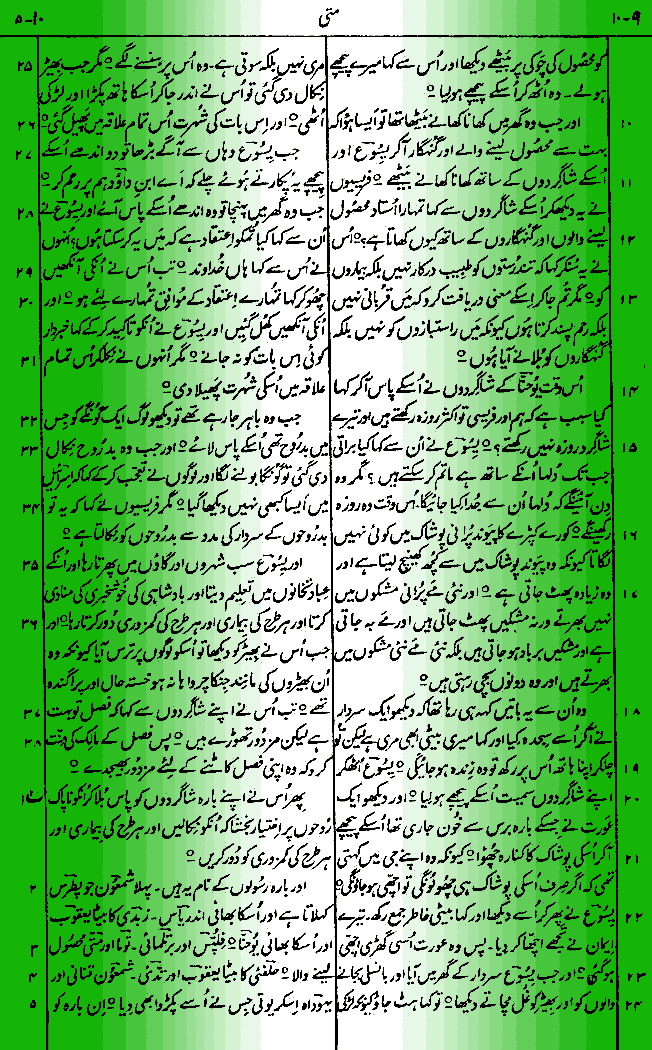
Verse-by-Verse Commentary (Matthew 9:10 – 10:4)
Matthew 9:10
Verse (Cleaned): And it came to pass as Jesus sat at meat in the house behold many publicans and sinners came and sat down with him and his disciples
English Explanation: This verse highlights the radical inclusivity of Jesus’ ministry. Sitting “at meat” (dining) in Jewish culture implied deep fellowship and acceptance. Publicans (tax collectors) were viewed as political traitors and corrupt outcasts, while “sinners” referred to those who willfully violated moral or ceremonial laws. By sharing a meal with them, Jesus demonstrated that His message of grace is accessible to the marginalized, challenging the cultural boundaries of religious purity.
Urdu Explanation (اردو تشریح): یہ آیت یسوع کی وزارت کی بے مثال قبولیت اور محبت کو ظاہر کرتی ہے۔ یہودی ثقافت میں کسی کے ساتھ کھانا کھانے کا مطلب گہرا تعلق اور قبولیت ہوتا تھا۔ محصول لینے والے (ٹیکس جمع کرنے والے) غدار اور بدعنوان سمجھے جاتے تھے اور “گنہگاروں” سے مراد وہ لوگ تھے جو مذہبی قوانین کی خلاف ورزی کرتے تھے۔ یسوع نے ان کے ساتھ کھانا کھا کر یہ دکھایا کہ خدا کا فضل معاشرے کے ٹھکرائے ہوئے لوگوں کے لیے بھی دستیاب ہے، جس نے اس وقت کی روایتی مذہبی سوچ کو ہلا کر رکھ دیا۔
Matthew 9:11
Verse (Cleaned): And when the Pharisees saw it they said unto his disciples Why eateth your Master with publicans and sinners
English Explanation: The Pharisees, a strict Jewish sect focused on legalistic purity, questioned Jesus’ behavior through His disciples. To them, associating with ritualistically unclean people defiled a religious teacher. Their question reveals a heart of self-righteousness, where preserving personal piety outweighed the spiritual rescue of lost souls.
Urdu Explanation (اردو تشریح): فریسی جو کہ اپنے سخت مذہبی اور ظاہری پاکیزگی کے قوانین کے لیے جانے جاتے تھے، انہوں نے یسوع کے شاگردوں سے اعتراضاً سوال کیا۔ ان کے نزدیک کسی مذہبی استاد کا گنہگاروں اور ناپاک لوگوں کے ساتھ بیٹھنا خود کو ناپاک کرنے کے برابر تھا۔ ان کا یہ سوال ان کی خود پسندی اور ظاہری دینداری کو ظاہر کرتا ہے، جہاں ان کے نزدیک اپنی پاکیزگی بچانا گمشده روحوں کی نجات سے زیادہ اہم تھا۔
Matthew 9:12
Verse (Cleaned): But when Jesus heard that he said unto them They that be whole need not a physician but they that are sick
English Explanation: Jesus responded with a powerful, common-sense analogy. A doctor does not spend time with healthy people, but with the sick. By this, Jesus identified Himself as the spiritual Physician. The Pharisees considered themselves “whole” (spiritually healthy) and thus closed themselves off to Jesus’ healing, whereas the outcasts recognized their spiritual sickness and welcomed the remedy.
Urdu Explanation (اردو تشریح): یسوع نے ایک بہترین اور عام فہم مثال کے ساتھ جواب دیا۔ ایک طبیب (ڈاکٹر) تندرستوں کے پاس نہیں بلکہ بیماروں کے پاس وقت گزارتا ہے۔ اس مثال سے یسوع نے خود کو روحوں کا طبیب ظاہر کیا۔ فریسی خود کو “تندرست” (روحانی طور پر کامل) سمجھتے تھے اس لیے وہ یسوع کی شفا سے محروم رہے، جبکہ گنہگاروں نے اپنی روحانی بیماری کو تسلیم کیا اور نجات دہندہ کا استقبال کیا۔
Matthew 9:13
Verse (Cleaned): But go ye and learn what that meaneth I will have mercy and not sacrifice for I am not come to call the righteous but sinners to repentance
English Explanation: Jesus quoted Hosea 6:6 to rebuke the Pharisees’ shallow theology. “Mercy and not sacrifice” means God desires a heart of compassion and love over empty, ritualistic religious duties. Jesus stated His core mission: He did not come to affirm those who think they are already righteous, but to call flawed, broken sinners to a life of repentance and transformation.
Urdu Explanation (اردو تشریح): یسوع نے ہوسیع 6:6 کا حوالہ دے کر فریسیوں کی سطحی دینداری کی سرزنش کی۔ “میں رحم پسند کرتا ہوں نہ کہ قربانی” کا مطلب ہے کہ خدا خالی مذہبی رسومات کے بجائے دل کی ہمدردی اور محبت کو پسند کرتا ہے۔ یسوع نے اپنی آمد کا اصل مقصد واضح کیا کہ وہ ان لوگوں کے لیے نہیں آئے جو خود کو راستباز سمجھتے ہیں، بلکہ وہ گنہگاروں کو توبہ اور تبدیلیِ زندگی کی طرف بلانے آئے ہیں۔
Matthew 9:14
Verse (Cleaned): Then came to him the disciples of John saying Why do we and the Pharisees fast oft but thy disciples fast not
English Explanation: The disciples of John the Baptist practiced frequent fasting as an expression of mourning and preparation for the Messiah. Confused by the joyful, celebratory nature of Jesus’ ministry, they asked why Jesus’ disciples did not follow this rigorous aesthetic tradition. It highlights the transition from the old era of expectation to the new era of fulfillment.
Urdu Explanation (اردو تشریح): یوحنا بپتسمہ دینے والے کے شاگرد مسیح کی آمد کی تیاری اور غم کے اظہار کے طور پر اکثر روزہ رکھتے تھے۔ یسوع کی وزارت کے خوشگوار اور جشن کے ماحول کو دیکھ کر وہ الجھن کا شکار ہو گئے اور سوال کیا کہ یسوع کے شاگرد اس روایتی روزے کی پیروی کیوں نہیں کرتے۔ یہ آیت پرانے عہد (انتظار کے دور) سے نئے عہد (تکمیل کے دور) کی طرف منتقلی کو ظاہر کرتی ہے۔
Matthew 9:15
Verse (Cleaned): And Jesus said unto them Can the children of the bridechamber mourn as long as the bridegroom is with them but the days will come when the bridegroom shall be taken from them and then shall they fast
English Explanation: Jesus used wedding imagery, identifying Himself as the “Bridegroom.” A wedding is a time of ultimate joy, making fasting or mourning completely inappropriate while the groom is present. However, Jesus prophetically pointed to His future crucifixion (“when the bridegroom shall be taken from them”), indicating that fasting would become appropriate for His followers after His departure.
Urdu Explanation (اردو تشریح): یسوع نے شادی کی تمثیل استعمال کرتے ہوئے خود کو “دولہا” قرار دیا۔ شادی کا وقت انتہائی خوشی کا ہوتا ہے، اور جب تک دولہا ساتھ ہو، روزہ رکھنا یا ماتم کرنا مناسب نہیں ہوتا۔ تاہم، یسوع نے نبوتی انداز میں اپنی مستقبل کی مصلوبیت کی طرف اشارہ کیا (“جب دولہا ان سے جدا کیا جائے گا”)، اور بتایا کہ ان کے جانے کے بعد ان کے متبعین کے لیے روزہ رکھنا مناسب ہوگا۔
Matthew 9:16
Verse (Cleaned): No man putteth a piece of new cloth unto an old garment for that which is put in to fill it up taketh from the garment and the rent is made worse
English Explanation: Using a practical household illustration, Jesus explained that unshrunk, new cloth sewn onto an old, brittle garment will shrink when washed, tearing away from the old fabric and making the hole worse. The teaching is clear: the gospel of grace cannot merely be patched onto the old, rigid system of legalistic Judaism.
Urdu Explanation (اردو تشریح): گھریلو زندگی کی ایک عملی مثال دیتے ہوئے، یسوع نے سمجھایا کہ اگر نئے اور ان-سکڑے کپڑے کا پیوند کسی پرانے اور بوسیدہ لباس پر لگایا جائے، تو دھونے پر نیا کپڑا سکڑ جائے گا اور پرانے کپڑے کو پھاڑ دے گا، جس سے شگاف مزید بڑا ہو جائے گا۔ اس کا روحانی مطلب یہ ہے کہ فضل کے نئے پیغام کو پرانی اور سخت قانونی یہودیت کے نظام کے ساتھ پیوند نہیں لگایا جا سکتا۔
Matthew 9:17
Verse (Cleaned): Neither do men put new wine into old bottles else the bottles break and the wine runneth out and the bottles perish but they put new wine into new bottles and both are preserved
English Explanation: “Bottles” refers to wineskins made of animal hides. New wine ferments and expands. New, flexible wineskins can stretch, but old, brittle wineskins will burst under the pressure, destroying both the wine and the container. Jesus declared that His new covenant requires new hearts and flexible containers, rather than the outdated, rigid religious structures of the Pharisees.
Urdu Explanation (اردو تشریح): یہاں “مشکوں” سے مراد چمڑے کی تھیلیاں ہیں جن میں مے رکھی جاتی تھی۔ نئی مے خمیر اٹھنے پر پھیلتی ہے۔ نئی اور لچکدار مشکیں اس دباؤ کو برداشت کر لیتی ہیں، لیکن پرانی اور خشک مشکیں پھٹ جاتی ہیں، جس سے مے اور مشک دونوں ضائع ہو جاتے ہیں۔ یسوع نے واضح کیا کہ ان کا نیا عہد نئے دلوں اور لچکدار نظام کا تقاضا کرتا ہے، نہ کہ فریسیوں کے پرانے اور بے لچک مذہبی ڈھانچوں کا۔
Matthew 9:18
Verse (Cleaned): While he spake these things unto them behold there came a certain ruler and worshipped him saying My daughter is even now dead but come and lay thy hand upon her and she shall live
English Explanation: A synagogue ruler (identified elsewhere as Jairus) approached Jesus with immense reverence (“worshipped him”) and desperate faith. Despite his high social and religious standing, and despite the tragic fact that his daughter had just died, his faith was so absolute that he believed a physical touch from Jesus could reverse death itself.
Urdu Explanation (اردو تشریح): عبادت گاہ کے ایک سردار (جس کا نام دیگر اناجیل میں یائیر بتایا گیا ہے) نے انتہائی احترام اور گہرے ایمان کے ساتھ یسوع کے پاس آ کر سجدہ کیا۔ اپنے اعلیٰ سماجی اور مذہبی مرتبے کے باوجود، اور اس تلخ حقیقت کے باوجود کہ اس کی بیٹی ابھی مری تھی، اس کا ایمان اتنا پختہ تھا کہ اسے یقین تھا کہ یسوع کے ہاتھ چھونے سے موت بھی زندگی میں بدل جائے گی۔
Matthew 9:19
Verse (Cleaned): And Jesus arose and followed him and so did his disciples
English Explanation: Jesus immediately responded to the ruler’s plea. His readiness to get up and follow the grieving father demonstrates His profound compassion and accessibility. He did not let theological debates about fasting delay Him from ministering to a family in absolute crisis.
Urdu Explanation (اردو تشریح): یسوع نے فوراً اس سردار کی فریاد کا جواب دیا۔ ان کا اٹھنا اور اس غمزدہ باپ کے پیچھے چل پڑنا ان کی گہری ہمدردی اور ضرورت مندوں کے لیے ان کی دستیابی کو ظاہر کرتا ہے۔ انہوں نے روزے کے بارے میں جاری بحث کو ایک شدید بحران کا شکار خاندان کی مدد کرنے میں رکاوٹ نہیں بننے دیا۔
Matthew 9:20
Verse (Cleaned): And behold a woman which was diseased with an issue of blood twelve years came behind him and touched the hem of his garment
English Explanation: While on the way, a divine interruption occurred. A woman suffering from a chronic hemorrhage for twelve years—which made her ceremonially unclean and socially isolated under Jewish law—approached Jesus secretly from behind. Her action of touching the hem (fringe) of His garment represents desperate, yet reverent faith.
Urdu Explanation (اردو تشریح): راستے میں ایک معجزانہ مداخلت ہوئی۔ ایک عورت جو بارہ برس سے خون جاری رہنے کی بیماری میں مبتلا تھی—جس کی وجہ سے وہ یہودی قانون کے تحت مذہبی طور پر ناپاک اور معاشرتی طور پر تنہا ہو چکی تھی—خاموشی سے یسوع کے پیچھے آئی۔ ان کے پوشاک کے دامن کو چھونا اس کے شدید، لیکن باادب ایمان کو ظاہر کرتا ہے۔
Matthew 9:21
Verse (Cleaned): For she said within herself If I may but touch his garment I shall be whole
English Explanation: This verse reveals the internal monologue of the woman’s faith. She did not feel the need to demand Jesus’ attention or engage in a grand public demonstration; she possessed a deep conviction that the sheer spiritual power flowing through Jesus was enough to heal her through the slightest physical contact.
Urdu Explanation (اردو تشریح): یہ آیت اس عورت کے دل کے ایمان اور اندرونی سوچ کو ظاہر کرتی ہے۔ اس نے یسوع کی توجہ حاصل کرنے یا کوئی بڑا عوامی مظاہرہ کرنے کی ضرورت محسوس نہیں کی؛ اسے پختہ یقین تھا کہ یسوع سے جاری ہونے والی روحانی قوت اتنی شدید ہے کہ محض ان کے کپڑے کو چھو لینے سے ہی وہ مکمل شفا پا جائے گی۔
Matthew 9:22
Verse (Cleaned): But Jesus turned him about and when he saw her he said Daughter be of good comfort thy faith hath made thee whole And the woman was made whole from that hour
English Explanation: Jesus refused to let her healing remain a secret, anonymous act. He turned to assure her, calling her “Daughter”—an endearing term of restoration and spiritual adoption. He clarified that it wasn’t a magical quality of His clothes, but her faith operating in His power that healed her, instantly restoring her health and community status.
Urdu Explanation (اردو تشریح): یسوع نے اس شفا کو ایک پوشیدہ یا گمنام عمل نہیں رہنے دیا۔ انہوں نے مڑ کر اسے تسلی دی اور اسے “بیٹی” کہہ کر پکارا—جو کہ بحالی اور روحانی اپنائیت کا رشتہ ظاہر کرتا ہے۔ انہوں نے واضح کیا کہ یہ ان کے کپڑوں کی کوئی جادوئی طاقت نہیں تھی، بلکہ اس عورت کا ایمان تھا جس نے اس قوت کو متحرک کیا، اور وہ اسی گھڑی مکمل طور پر تندرست ہو گئی۔
Matthew 9:23
Verse (Cleaned): And when Jesus came into the ruler’s house and saw the minstrels and the people making a noise
English Explanation: Upon arriving at Jairus’ home, Jesus encountered professional flute players (“minstrels”) and loud wailing crowds. In ancient Near Eastern culture, these mock-mourners and musicians were hired immediately upon a death to lead public expressions of grief, confirming that the child was undeniably dead in the eyes of the community.
Urdu Explanation (اردو تشریح): جب یسوع عبادت گاہ کے سردار کے گھر پہنچے، تو انہوں نے وہاں بانسری بجانے والوں اور روتے پیٹتے ہوئے لوگوں کا ہجوم پایا۔ قدیم مشرقی ثقافت میں، کسی کی موت پر باقاعدہ بین کرنے والوں اور موسیقاروں کو بلایا جاتا تھا تاکہ وہ ماتم کی قیادت کریں، جو اس بات کا پختہ ثبوت تھا کہ بچی واقعی مر چکی تھی۔
Matthew 9:24
Verse (Cleaned): He said unto them Give place for the maid is not dead but sleepeth And they laughed him to scorn
English Explanation: Jesus commanded the crowd to leave, stating that the girl was only “sleeping.” From a divine perspective, death is temporary and easily reversed, much like sleep. The professional mourners, knowing the physical reality of death, ridiculed Him. Their laughter highlights the sharp contrast between human cynicism and divine power.
Urdu Explanation (اردو تشریح): یسوع نے ہجوم کو باہر جانے کا حکم دیا اور کہا کہ لڑکی مری نہیں بلکہ “سوتی ہے”۔ خدا کے نقطہ نظر سے، موت عارضی ہے اور اسے بدلنا اتنا ہی آسان ہے جتنا کسی کو نیند سے جگانا۔ پیشہ ور ماتم کرنے والوں نے، جو موت کی مادی حقیقت کو جانتے تھے، ان کا مذاق اڑایا۔ ان کا ہنسنا انسانی بے اعتباری اور الہی قدرت کے درمیان واضح فرق کو ظاہر کرتا ہے۔
Matthew 9:25
Verse (Cleaned): But when the people were put forth he went in and took her by the hand and the maid arose
English Explanation: After removing the mocking crowd, Jesus entered the room in privacy. He performed the miracle not through elaborate ritual, but with ultimate authority and intimacy—by simply taking the dead girl’s hand. Immediately, life returned to her body, and she stood up, demonstrating His supreme authority over physical death.
Urdu Explanation (اردو تشریح): تمسخر اڑانے والے ہجوم کو باہر نکالنے کے بعد، یسوع تنہائی میں کمرے کے اندر گئے۔ انہوں نے یہ معجزہ کسی طویل رسم کے بغیر، بلکہ مکمل اختیار اور اپنائیت کے ساتھ—صرف مردہ لڑکی کا ہاتھ پکڑ کر کیا۔ اسی وقت زندگی اس کے جسم میں لوٹ آئی اور وہ کھڑی ہو گئی، جو کہ جسمانی موت پر ان کے حتمی اختیار کا ثبوت ہے۔
Matthew 9:26
Verse (Cleaned): And the fame hereof went abroad into all that land
English Explanation: Raising someone from the dead is an undeniable manifestation of messianic power. Despite any efforts to keep things quiet, news of this staggering miracle spread rapidly across the entire region, cementing Jesus’ reputation as a prophet and worker of divine wonders.
Urdu Explanation (اردو تشریح): کسی کو مردوں میں سے زندہ کرنا مسیحائی قدرت کا ایک ناقابل تردید ثبوت ہے۔ اس خبر کو پوشیدہ رکھنے کی تمام کوششوں کے باوجود، اس عظیم معجزے کی شہرت تیزی سے اس پورے علاقے میں پھیل گئی، جس نے یسوع کی شہرت کو ایک عظیم نبی اور الہی معجزات کرنے والے کے طور پر مضبوط کیا۔
Matthew 9:27
Verse (Cleaned): And when Jesus departed thence two blind men followed him crying and saying Thou Son of David have mercy on us
English Explanation: As Jesus left, two blind men followed Him, shouting a vital titles: “Son of David.” This was an explicit messianic title, showing that despite their physical blindness, they possessed spiritual sight. They recognized Jesus as the promised King from David’s lineage and begged for unmerited mercy, not compensation.
Urdu Explanation (اردو تشریح): جب یسوع وہاں سے روانہ ہوئے، تو دو اندھے ان کے پیچھے ہولئے اور پکار کر کہنے لگے: “اے ابنِ داؤد، ہم پر رحم کر!”۔ “ابنِ داؤد” ایک واضح مسیحائی لقب تھا، جو ظاہر کرتا ہے کہ اپنی جسمانی بینائی سے محروم ہونے کے باوجود وہ روحانی بصیرت رکھتے تھے۔ انہوں نے یسوع کو داؤد کی نسل سے موعودہ بادشاہ تسلیم کیا اور اپنے کسی استحقاق کے بغیر محض رحم کی بھیک مانگی۔
Matthew 9:28
Verse (Cleaned): And when he was come into the house the blind men came to him and Jesus saith unto them Believe ye that I am able to do this They said unto him Yea Lord
English Explanation: Jesus tested their persistence and faith by allowing them to follow Him all the way inside a house before speaking to them. He directly questioned their faith in His capability. Their immediate, definitive answer—”Yea, Lord”—demonstrated their absolute confidence in His divine authority.
Urdu Explanation (اردو تشریح): یسوع نے ان کے ایمان اور استقلال کا امتحان لینے کے لیے انہیں گھر کے اندر تک اپنے پیچھے آنے دیا۔ وہاں انہوں نے براہِ راست ان سے ان کے ایمان کے بارے میں سوال کیا کہ کیا انہیں یقین ہے کہ وہ یہ کر سکتے ہیں۔ ان کا فوری اور پختہ جواب—”ہاں خداوند”—ان کے اس کامل یقین کو ظاہر کرتا ہے جو انہیں مسیح کے الہی اختیار پر تھا۔
Matthew 9:29
Verse (Cleaned): Then touched he their eyes saying According to your faith be it unto you
English Explanation: Jesus touched their eyes, linking the release of His healing power directly to the measure and sincerity of their faith. Faith is the channel through which God’s grace and power operate. It was their unyielding trust in Jesus that opened the door to their healing.
Urdu Explanation (اردو تشریح): تب یسوع نے ان کی آنکھوں کو چھوا اور فرمایا کہ “تمہارے ایمان کے موافق تمہارے لیے ہو”۔ ایمان وہ وسیلہ ہے جس کے ذریعے خدا کا فضل اور قدرت کام کرتی ہے۔ یسوع پر ان کا غیر متزلزل بھروسہ ہی ان کی شفا کا سبب بنا۔
Matthew 9:30
Verse (Cleaned): And their eyes were opened and Jesus straitly charged them saying See that no man know it
English Explanation: Their sight was instantly restored. Jesus then gave them a strict, stern command (“straitly charged”) to keep the miracle quiet. He did this likely to manage the timing of His ministry, prevent superficial political uprisings, and avoid being viewed merely as a political ruler or wonder-worker rather than the suffering Savior.
Urdu Explanation (اردو تشریح): ان کی آنکھیں فوراً کھل گئیں۔ اس کے بعد یسوع نے انہیں سخت تاکید کی کہ اس بات کا ذکر کسی سے نہ کریں۔ انہوں نے ایسا شاید اس لیے کیا تاکہ اپنی وزارت کے وقت کو قابو میں رکھ سکیں، لوگوں میں کوئی غلط سیاسی ہیجان پیدا نہ ہو، اور لوگ انہیں محض ایک جادوگر یا سیاسی رہنما سمجھنے کے بجائے حقیقی نجات دہندہ کے طور پر جانیں۔
Matthew 9:31
Verse (Cleaned): But they when they were departed spread abroad his fame in all that country
English Explanation: Overwhelmed by gratitude and joy, the healed men disobeyed Jesus’ injunction and shared their testimony everywhere. While their disobedience was wrong, their uncontainable excitement is humanly understandable given the life-altering miracle they had just experienced.
Urdu Explanation (اردو تشریح): شکرگزاری اور خوشی سے مغلوب ہو کر، ان شفا پانے والے مردوں نے یسوع کے حکم کے برعکس اس معجزے کی گواہی ہر طرف پھیلا دی۔ اگرچہ ان کی نافرمانی غلط تھی، لیکن اس زندگی بدل دینے والے معجزے کے بعد ان کا جوش و خروش انسانی سطح پر سمجھ میں آنے والا ہے۔
Matthew 9:32
Verse (Cleaned): As they went out behold they brought to him a dumb man possessed with a devil
English Explanation: As the previous men departed, a new case was presented. A man who was mute (“dumb”) due to demonic oppression was brought to Jesus. This highlights the comprehensive nature of Jesus’ battle against evil, addressing both physical ailments and spiritual captivity.
Urdu Explanation (اردو تشریح): جیسے ہی وہ لوگ باہر گئے، ایک نیا معاملہ سامنے لایا گیا۔ ایک شخص جو بدروح کی گرفت کی وجہ سے گونگا تھا، یسوع کے پاس لایا گیا۔ یہ منظر بدی کے خلاف یسوع کی ہمہ گیر جنگ کو ظاہر کرتا ہے، جہاں وہ نہ صرف جسمانی بیماریوں بلکہ روحانی غلامی کا بھی علاج کرتے ہیں۔
Matthew 9:33
Verse (Cleaned): And when the devil was cast out the dumb spake and the multitudes marvelled saying It was never so seen in Israel
English Explanation: Once Jesus cast out the demon, the man’s physical capacity to speak was immediately restored. The crowds were astonished, recognizing that the sheer volume, speed, and authority of Jesus’ miracles surpassed anything ever witnessed in the history of Israel, even under great prophets like Moses or Elijah.
Urdu Explanation (اردو تشریح): جب یسوع نے بدروح کو نکال دیا، تو اس شخص کے بولنے کی صلاحیت فوراً بحال ہو گئی۔ ہجوم حیران رہ گیا اور انہوں نے تسلیم کیا کہ یسوع کے معجزات کی کثرت، رفتار اور اختیار اسرائیل کی پوری تاریخ میں بے مثال تھا، یہاں تک کہ موسیٰ اور ایلیاہ جیسے عظیم مصلحین کے دور میں بھی ایسا کبھی نہیں دیکھا گیا تھا۔
Matthew 9:34
Verse (Cleaned): But the Pharisees said He casteth out devils through the prince of the devils
English Explanation: Unable to deny the reality of the miracle, the Pharisees attempted to ruin Jesus’ reputation by attributing His divine power to Satan (“the prince of the devils”). This malicious accusation reveals their extreme spiritual blindness and hardness of heart, as they willfully called good evil.
Urdu Explanation (اردو تشریح): معجزے کی حقیقت سے انکار نہ کر پانے کی وجہ سے، فریسیوں نے یسوع کے الہی اختیار کو شیطان (“بدروحوں کے سردار”) سے منسوب کر کے ان کی ساکھ کو خراب کرنے کی کوشش کی۔ یہ بدنیتی پر مبنی الزام ان کی شدید روحانی اندھے پن اور سخت دلی کو ظاہر کرتا ہے، جہاں انہوں نے جان بوجھ کر اچھائی کو برائی کا نام دیا۔
Matthew 9:35
Verse (Cleaned): And Jesus went about all the cities and villages teaching in their synagogues and preaching the gospel of the kingdom and healing every sickness and every disease among the people
English Explanation: This verse serves as a summary of Jesus’ earthly mission, emphasizing three pillars: teaching God’s word, preaching the good news of the Kingdom, and healing all human suffering. He did not limit His ministry to major cities but extended His care to small, forgotten villages as well.
Urdu Explanation (اردو تشریح): یہ آیت زمین پر یسوع کی وزارت کا ایک جامع خلاصہ پیش کرتی ہے، جس میں تین اہم ستونوں پر زور دیا گیا ہے: خدا کے کلام کی تعلیم دینا، بادشاہی کی خوشخبری کی منادی کرنا، اور لوگوں کی ہر طرح کی بیماری اور کمزوری کو شفا دینا۔ انہوں نے اپنی خدمات کو صرف بڑے شہروں تک محدود نہیں رکھا بلکہ چھوٹے اور پسماندہ دیہاتوں تک بھی پہنچے۔
Matthew 9:36
Verse (Cleaned): But when he saw the multitudes he was moved with compassion on them because they fainted and were scattered abroad as sheep having no shepherd
English Explanation: Looking at the vast crowds, Jesus felt deep, gut-wrenching compassion. He saw them not as a nuisance, but as spiritually exhausted, helpless, and directionless (“sheep having no shepherd”). The religious leaders of the day had failed to guide and protect them, leaving the people vulnerable and desperate.
Urdu Explanation (اردو تشریح): جب یسوع نے بڑے ہجوم کو دیکھا، تو ان کا دل گہری ہمدردی اور ترس سے بھر گیا۔ انہوں نے لوگوں کو بوجھ نہیں سمجھا، بلکہ انہیں روحانی طور پر تھکے ہوئے، مجبور اور بے مقصد پایا جیسے “وہ بھیڑیں جن کا کوئی چرواہا نہ ہو”۔ اس دور کے مذہبی رہنما لوگوں کی رہنمائی اور حفاظت کرنے میں ناکام ہو چکے تھے، جس سے عوام بے بس ہو گئے تھے۔
Matthew 9:37
Verse (Cleaned): Then saith he unto his disciples The harvest truly is plenteous but the labourers are few
English Explanation: Jesus shifted metaphors from a neglected flock to a ripe agricultural harvest. He indicated that there are multitudes of people ready and waiting to receive the message of God’s Kingdom, but there is a severe shortage of dedicated ministers and servants (“labourers”) to gather them.
Urdu Explanation (اردو تشریح): یسوع نے اپنی تمثیل کو بے چرواہی بھیڑوں سے بدل کر پکی ہوئی فصل کی طرف موڑا۔ انہوں نے اشارہ کیا کہ ایسے لاتعداد لوگ موجود ہیں جو خدا کی بادشاہی کے پیغام کو قبول کرنے کے لیے تیار بیٹھے ہیں، لیکن ان کو اکٹھا کرنے کے لیے وقف شدہ خادموں اور کام کرنے والوں (“مزدوروں”) کی شدید کمی ہے۔
Matthew 9:38
Verse (Cleaned): Pray ye therefore the Lord of the harvest that he will send forth labourers into his harvest
English Explanation: Jesus commanded His disciples to pray earnestly to God (“the Lord of the harvest”) to send out workers. This reveals that missionary work must always begin with prayer. God is the owner of the mission, and He is the one who equips and dispatches servants into the spiritual harvest field.
Urdu Explanation (اردو تشریح): یسوع نے اپنے شاگردوں کو حکم دیا کہ وہ فصل کے مالک (خدا) سے منت کریں کہ وہ اپنی فصل کاٹنے کے لیے مزدور بھیجے۔ یہ آیت واضح کرتی ہے کہ خادمائی اور مشنری کام کا آغاز ہمیشہ دعا سے ہونا چاہیے۔ خدا ہی اس مشن کا مالک ہے، اور وہی روحانی فصل کے کھیت میں خادموں کو تیار کر کے بھیجتا ہے۔
Chapter 10
Matthew 10:1
Verse (Cleaned): And when he had called unto him his twelve disciples he gave them power against unclean spirits to cast them out and to heal all manner of sickness and all manner of disease
English Explanation: In immediate answer to the prayer for workers, Jesus delegated His own divine authority to His twelve disciples. He equipped them with supernatural power to cast out demons and heal diseases. This marks their transition from mere students (disciples) to authorized representatives carrying out His exact mission.
Urdu Explanation (اردو تشریح): مزدوروں کے لیے کی جانے والی دعا کے جواب میں، یسوع نے اپنے بارہ شاگردوں کو اپنا الہی اختیار سونپا۔ انہوں نے انہیں بدروحوں کو نکالنے اور بیماریوں کو شفا دینے کی غیر معمولی قوت عطا کی۔ یہ مرحلہ شاگردوں کی محض طالب علم ہونے کی حیثیت سے بدل کر ان کے بااختیار نمائندے بننے کی نشان دہی کرتا ہے۔
Matthew 10:2
Verse (Cleaned): Now the names of the twelve apostles are these The first Simon who is called Peter and Andrew his brother James the son of Zebedee and John his brother
English Explanation: Matthew shifts the terminology from “disciples” (learners) to “apostles” (sent-out ones). The list begins with Simon Peter, recognized for his prominent leadership role, and his brother Andrew. Next are the sons of Zebedee, James and John, who formed part of Jesus’ inner circle.
Urdu Explanation (اردو تشریح): متی یہاں لفظ “شاگرد” (سیکھنے والے) سے بدل کر “رسول” (بھیجے گئے لوگ) استعمال کرتے ہیں۔ اس فہرست کا آغاز شمعون پطرس سے ہوتا ہے، جو اپنی قائدانہ صلاحیتوں کے لیے جانے جاتے تھے، اور ان کے بھائی اندرياس سے۔ اس کے بعد زبدی کے بیٹے یعقوب اور یوحنا ہیں، جو یسوع کے قریبی رفقاء میں شامل تھے۔
Matthew 10:3
Verse (Cleaned): Philip and Bartholomew Thomas and Matthew the publican James the son of Alphaeus and Lebbaeus whose surname was Thaddaeus
English Explanation: The list continues with Philip and Bartholomew (often identified as Nathanael), followed by Thomas and Matthew. Strikingly, Matthew explicitly labels himself “the publican” (tax collector), reminding readers of his sinful past transformed by grace. It also lists James the son of Alphaeus and Thaddaeus.
Urdu Explanation (اردو تشریح): اس فہرست میں آگے فلپس اور برتلمائی (جنہیں نتانیال بھی کہا جاتا ہے)، اور پھر توما اور متی شامل ہیں۔ قابلِ غور بات یہ ہے کہ متی نے یہاں خود کو “محصول لینے والا” لکھا ہے، جو پڑھنے والوں کو ان کے ماضی اور خدا کے فضل سے تبدیل شدہ زندگی کی یاد دلاتا ہے۔ اس کے بعد حلفئی کا بیٹا یعقوب اور تدی ہیں۔
Matthew 10:4
Verse (Cleaned): Simon the Canaanite and Judas Iscariot who also betrayed him
English Explanation: The final pair includes Simon the Canaanite (also known as the Zealot, belonging to a radical anti-Roman political sect) and Judas Iscariot. Matthew tragically notes from the outset that Judas is the one “who also betrayed him,” highlighting that Jesus knowingly chose a diverse group, including the one who would ultimately turn against Him to fulfill scripture.
Urdu Explanation (اردو تشریح): آخری جوڑے میں شمعون کنعانی (جسے قوم پرست یا زیلوٹ بھی کہا جاتا ہے، جو روم مخالف سیاسی گروہ سے تھا) اور یہوداہ اسکریوتی شامل ہیں۔ متی نے یہاں پہلے ہی سے یہ افسوسناک نوٹ درج کر دیا کہ یہوداہ وہی تھا “جس نے اسے پکڑوایا”، جو یہ ظاہر کرتا ہے کہ یسوع نے اپنی مرضی اور نبوتوں کی تکمیل کے لیے ایک متنوع گروپ کا انتخاب کیا تھا، جس میں وہ شخص بھی شامل تھا جو آگے چل کر ان سے غداری کرنے والا تھا۔