The Scripture
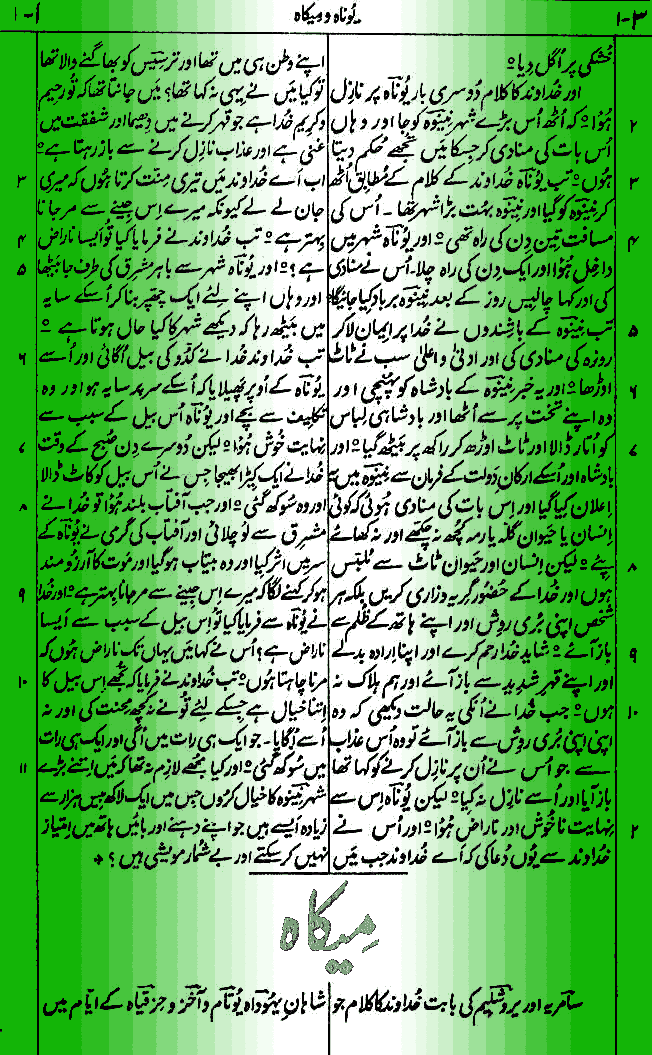
Micah 1:1
King James Version (KJV) “The word of the LORD that came to Micah the Morasthite in the days of Jotham Ahaz and Hezekiah kings of Judah which he saw concerning Samaria and Jerusalem”
Detailed Explanation (English)
1. The Divine Authority (“The word of the LORD that came to Micah…”)
The verse begins by establishing the ultimate source of the prophecy. It is not Micah’s personal opinion, political analysis, or emotional reaction to societal decay. It is the literal “word of the LORD” (Yahweh). The phrase signifies divine inspiration and absolute authority, validating Micah as a true messenger of God.
2. The Prophet’s Identity (“…the Morasthite…”)
Micah is identified as a “Morasthite,” meaning he was from Moresheth-Gath, a small agricultural town in the fertile foothills of southwestern Judah, near the border of Philistia. Being a provincial outsider, Micah’s background gave him a unique perspective. Unlike the court prophets in the capital, he witnessed firsthand how the corrupt policies, heavy taxes, and greed of the ruling elite in the big cities devastated the poor, rural farming communities.
3. The Historical Timeline (“…in the days of Jotham Ahaz and Hezekiah kings of Judah…”)
The timeline places Micah’s ministry approximately between 750 BC and 686 BC. This was a period of severe geopolitical turmoil, characterized by the aggressive expansion of the Neo-Assyrian Empire.
-
Jotham: A relatively good king, but the people continued in corrupt religious practices.
-
Ahaz: One of Judah’s worst kings, who introduced widespread idolatry, pagan sacrifices, and even allied with Assyria instead of trusting God.
-
Hezekiah: A righteous reformer who sought to undo his father Ahaz’s damage, leading a massive spiritual revival.
Micah’s ministry overlapped with the prophets Isaiah and Hosea, meaning God was sending multiple warnings to His people during this critical hour.
4. The Subject of the Vision (“…which he saw concerning Samaria and Jerusalem.”)
The prophecy is directed at two distinct targets:
-
Samaria: The capital of the Northern Kingdom of Israel.
-
Jerusalem: The capital of the Southern Kingdom of Judah.
By addressing both capitals, the prophecy targets the centers of power, wealth, and religious leadership. The “vision” (what he saw) implies that the upcoming judgment was revealed to Micah with vivid, undeniable clarity. Samaria would eventually fall to the Assyrians in 722 BC during this timeline, serves as a grim warning to Jerusalem of what happens when a nation completely abandons God.
تفصیلی وضاحت (Urdu)
1۔ الٰہی اختیار (“خداوند کا کلام جو میکاہ کے پاس آیا۔۔۔”)
اس آیت کا آغاز نبوت کے اصل سرچشمے کو ظاہر کرنے سے ہوتا ہے۔ یہ میکاہ کی اپنی ذاتی رائے، سیاسی تجزیہ، یا معاشرتی بگاڑ پر ان کا ذاتی ردعمل نہیں تھا۔ بلکہ یہ لفظ بہ لفظ “خداوند کا کلام” تھا۔ یہ جملہ اس بات کی علامت ہے کہ یہ کلام پاک خدا کی طرف سے نازل ہوا تھا، جو میکاہ کو خدا کا سچا اور مستند نبی ثابت کرتا ہے۔
2۔ نبی کی پہچان (“۔۔۔مورشتی۔۔۔”)
میکاہ کو “مورشتی” کہا گیا ہے، جس کا مطلب ہے کہ ان کا تعلق مورشت جات سے تھا۔ یہ یہوداہ کے جنوب مغربی علاقے میں ایک چھوٹا سا زرعی قصبہ تھا۔ ایک چھوٹے سے گاؤں سے تعلق رکھنے کی وجہ سے میکاہ کا نقطہ نظر منفرد تھا۔ بڑے شہروں کے درباری انبیاء کے برعکس، انہوں نے خود اپنی آنکھوں سے دیکھا تھا کہ کس طرح بڑے شہروں کے امیروں اور حکمرانوں کے ظلم، ناجائز ٹیکسوں اور لالچ نے غریب دیہاتی کسانوں کو تباہ کر دیا تھا۔
3۔ تاریخی دور (“۔۔۔یہوداہ کے بادشاہوں یوتام آخز اور حزقیاہ کے دنوں میں۔۔۔”)
یہ دور تقریباً 750 قبل مسیح سے 686 قبل مسیح کا ہے۔ یہ تاریخ مشرقِ وسطیٰ میں شدید سیاسی ہلچل کا وقت تھا، کیونکہ اس وقت اسور (Assyria) کی سلطنت تیزی سے پھیل رہی تھی اور دوسرے ملکوں پر قبضہ کر رہی تھی۔
-
یوتام: ایک حد تک اچھا بادشاہ تھا، لیکن اس کے دور میں بھی عوام نے بت پرستی اور غلط مذہبی رسومات کو نہ چھوڑا۔
-
آخز: یہوداہ کے بدترین بادشاہوں میں سے ایک تھا، جس نے ملک میں بت پرستی کو فروغ دیا، یہاں تک کہ اپنے بچوں کی قربانی دی اور خدا پر بھروسہ کرنے کے بجائے اسور کے بادشاہ سے سیاسی اتحاد کیا۔
-
حزقیاہ: ایک نیک اور خدا ترس بادشاہ تھا جس نے اپنے باپ آخز کی برائیوں کو ختم کرنے کی کوشش کی اور ملک میں عظیم مذہبی اور روحانی اصلاحات نافذ کیں۔
میکاہ، یسعیاہ اور ہوسیع نبی کے ہم عصر تھے، جس کا مطلب ہے کہ خدا اس نازک وقت میں اپنے لوگوں کو بار بار خبردار کر رہا تھا۔
4۔ نبوت کا نشانہ (“۔۔۔جو اس نے سامریہ اور یروشلم کے حق میں دیکھا۔”)
یہ نبوت دو اہم شہروں کے بارے میں ہے:
-
سامریہ: اسرائیل کی شمالی سلطنت کا دارالحکومت۔
-
یروشلم: یہوداہ کی جنوبی سلطنت کا دارالحکومت۔
ان دونوں دارالحکومتوں کا ذکر کر کے خدا اصل میں ان شہروں کے حکمران، امیر طبقے اور مذہبی رہنماؤں کو مخاطب کر رہا تھا جو گناہ اور ظلم کا مرکز بن چکے تھے۔ میکاہ نے جو کچھ “دیکھا” (رویا)، وہ اتنی واضح تھی کہ اس میں کوئی شک نہیں تھا۔ چنانچہ میکاہ کی زندگی ہی میں 722 قبل مسیح میں سامریہ اسور کے ہاتھوں تباہ ہو گیا، جو یروشلم کے لیے ایک کھلی وارننگ تھی کہ اگر انہوں نے توبہ نہ کی تو ان کا انجام بھی ایسا ہی ہوگا۔