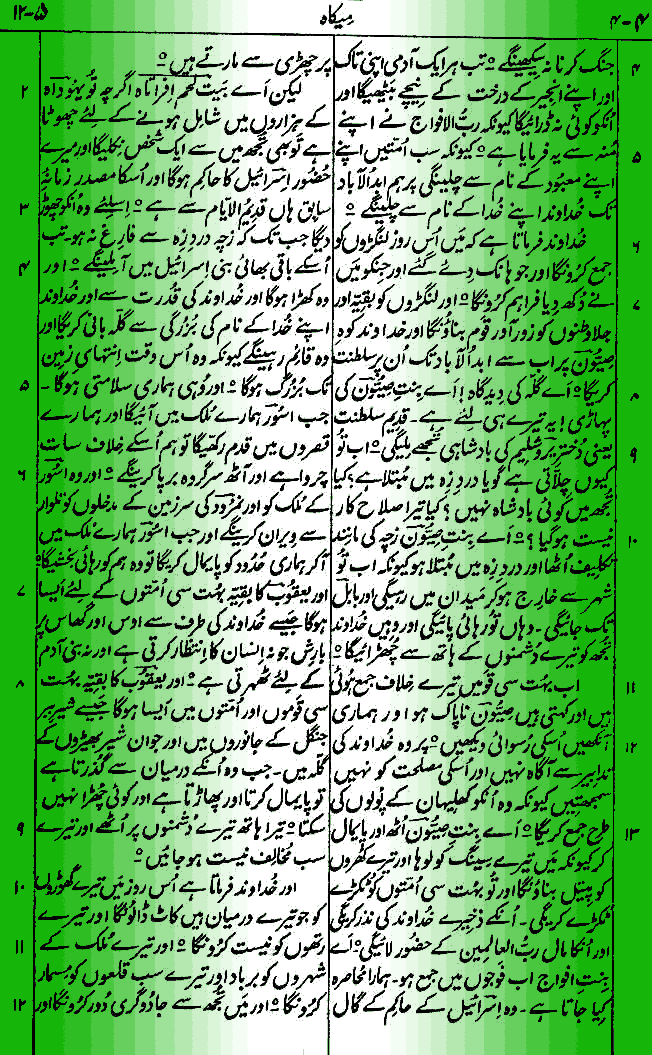
Micah Chapter 4
Micah 4:4
Verse: But they shall sit every man under his vine and under his fig tree and none shall make them afraid for the mouth of the LORD of hosts hath spoken it
English Explanation: This verse paints a beautiful, vivid picture of absolute peace, security, and prosperity. Sitting under one’s own vine and fig tree is an ancient Middle Eastern idiom for peace, financial independence, and personal safety. In the Messianic kingdom, fear will be completely eradicated because God’s divine authority guarantees this peace. It emphasizes that human structures cannot provide this true rest, but the mouth of the Lord of hosts has decreed it.
Urdu Explanation:
یہ آیت کامل امن، سلامتی اور خوشحالی کی ایک خوبصورت تصویر پیش کرتی ہے۔ اپنی انگور کی بیل اور انجیر کے درخت کے نیچے بیٹھنا قدیم مشرقِ وسطیٰ میں امن، معاشی خودمختاری اور ذاتی تحفظ کی علامت سمجھا جاتا تھا۔ مسیحی بادشاہت میں خوف کا مکمل خاتمہ ہو جائے گا کیونکہ خدا کی الٰہی طاقت اس امن کی ضامن ہے۔ یہ اس بات پر زور دیتا ہے کہ انسانی نظام ایسا حقیقی سکون فراہم نہیں کر سکتے، بلکہ یہ لشکروں کے رب کے منہ کا فرمان ہے۔
Micah 4:5
Verse: For all people will walk every one in the name of his god and we will walk in the name of the LORD our God for ever and ever
English Explanation: Micah contrasts the surrounding pagan nations with the faithful remnant of Israel. While the world may follow false idols and changing cultural trends, God’s true people make a lifelong, eternal commitment to walk in the name and character of Yahweh. It highlights unconditional loyalty and devotion to the one true God, regardless of what society choices to worship.
Urdu Explanation:
میکاہ نبی ارد گرد کی بت پرست قوموں کا موازنہ اسرائیل کے وفادار بچے ہوئے لوگوں (باقیماندہ) سے کرتے ہیں۔ جہاں دنیا جھوٹے معبودوں اور بدلتے ہوئے ثقافتی رجحانات کے پیچھے چل سکتی ہے، وہاں خدا کے سچے لوگ یہوواہ کے نام اور اس کے کردار پر ابد تک چلنے کا ابدی عہد کرتے ہیں۔ یہ اس بات کو اجاگر کرتا ہے کہ معاشرہ چاہے کسی کی بھی عبادت کرے، سچے خدا کے ساتھ وفاداری غیر مشروط ہونی چاہیے۔
Micah 4:6
Verse: In that day saith the LORD will I assemble her that halteth and I will gather her that is driven out and her that I have afflicted
English Explanation: “In that day” refers to the future era of restoration. God promises to act as a loving shepherd to those who are broken, limping (“halteth”), and scattered. Even though God allowed them to be afflicted as a discipline for their sins, His ultimate plan is not destruction, but compassionate gathering and restoration of the broken-hearted.
Urdu Explanation:
“اس دن” سے مراد بحالی کا آنے والا دور ہے۔ خدا ان لوگوں کے لیے ایک محبت کرنے والے چرواہے کے طور پر کام کرنے کا وعدہ کرتا ہے جو ٹوٹے ہوئے، لنگڑاتے ہوئے اور بکھرے ہوئے ہیں۔ اگرچہ خدا نے ان کے گناہوں کی تنبیہ کے طور پر ان پر مصیبت آنے دی، لیکن اس کا حتمی منصوبہ تباہی نہیں، بلکہ شکستہ دلوں کو شفقت کے ساتھ جمع کرنا اور بحال کرنا ہے۔
Micah 4:7
Verse: And I will make her that halted a remnant and her that was cast far off a strong nation and the LORD shall reign over them in mount Zion from henceforth even for ever
English Explanation: God promises to transform the weak and marginalized survivors into a powerful, enduring nation. The verse transitions from earthly suffering to spiritual victory, declaring that the Lord Himself will rule over them directly from Mount Zion. This kingdom will not be temporary like human empires, but will stand forever.
Urdu Explanation:
خدا کمزور اور پسماندہ بچ جانے والوں کو ایک طاقتور اور پائیدار قوم میں تبدیل کرنے کا وعدہ کرتا ہے۔ یہ آیت زمینی مصائب سے روحانی فتح کی طرف منتقل ہوتی ہے، اور اعلان کرتی ہے کہ خداوند خود کوہِ صیون سے ان پر براہِ راست حکومت کرے گا۔ یہ بادشاہی انسانی سلطنتوں کی طرح عارضی نہیں ہوگی بلکہ ہمیشہ قائم رہے گی۔
Micah 4:8
Verse: And thou O tower of the flock the strong hold of the daughter of Zion unto thee shall it come even the first dominion the kingdom shall come to the daughter of Jerusalem
English Explanation: The “tower of the flock” (Migdal Eder) historically refers to a place near Bethlehem where shepherds watched over sacrificial lambs, symbolizing spiritual watchfulness. God promises that dominion, sovereignty, and royal dignity will return to Jerusalem (the daughter of Zion). The glory that was lost during captivity will be restored in greater measure.
Urdu Explanation:
“گلے کا برج” (مگدل عیدر) تاریخی طور پر بیت لحم کے قریب ایک ایسی جگہ کا حوالہ ہے جہاں چرواہے قربانی کے برّوں کی نگہبانی کرتے تھے، جو روحانی بیداری کی علامت ہے۔ خدا وعدہ کرتا ہے کہ سلطنت، خودمختاری اور شاہی وقار یروشلم (دخترِ صیون) کے پاس واپس آئے گا۔ اسارت اور غلامی کے دوران جو جلال کھو گیا تھا، اسے وسیع پیمانے پر بحال کیا جائے گا۔
Micah 4:9
Verse: Now why dost thou cry out aloud is there no king in thee is thy counseller perished for pangs have taken thee as a woman in travail
English Explanation: The prophet addresses the immediate, painful reality of the Babylonian captivity. Jerusalem is crying out in agony like a woman in labor. Micah asks rhetorically if they have forgotten God, their ultimate King and Counselor, reminding them that their current suffering is painful but temporary and purposeful.
Urdu Explanation:
نبی بابل کی اسارت کی فوری اور دردناک حقیقت کو مخاطب کرتے ہیں۔ یروشلم دردِ زہ میں مبتلا عورت کی طرح شدتِ درد سے چلا رہا ہے۔ میکاہ استعاراتی طور پر پوچھتے ہیں کہ کیا وہ خدا کو بھول گئے ہیں جو ان کا حتمی بادشاہ اور مشیر ہے؟ وہ انہیں یاد دلاتے ہیں کہ ان کی موجودہ تکلیف دردناک ضرور ہے لیکن عارضی اور بامقصد ہے۔
Micah 4:10
Verse: Be in pain and labour to bring forth O daughter of Zion like a woman in travail for now shalt thou go forth out of the city and thou shalt dwell in the field and thou shalt go even to Babylon there shalt thou be delivered there the LORD shall redeem thee from the hand of thine enemies
English Explanation: This is a stunningly accurate prophecy given long before the Babylonian exile occurred. Micah tells the people they must endure the pain of leaving their city and being exiled to Babylon. However, Babylon is not their graveyard; it is the very place where God will deliver, rescue, and redeem them from their captors.
Urdu Explanation:
یہ بابل کی جلاوطنی سے بہت پہلے دی گئی ایک حیرت انگیز اور درست پیشگوئی ہے۔ میکاہ لوگوں کو بتاتے ہیں کہ انہیں اپنا شہر چھوڑنے اور بابل میں جلاوطن ہونے کے درد کو برداشت کرنا ہوگا۔ تاہم، بابل ان کا قبرستان نہیں ہے؛ یہ وہی جگہ ہے جہاں خدا انہیں نجات دے گا، بچائے گا اور ان کے دشمنوں کے ہاتھ سے رہا کرے گا۔
Micah 4:11
Verse: Now also many nations are gathered against thee that say Let her be defiled and let our eye look upon Zion
English Explanation: This shifts focus to the hostile pagan nations surrounding Israel. They gather eagerly, malicious in their intent, hoping to see Zion utterly desecrated, humiliated, and destroyed. They look upon God’s city with malicious joy, thinking Israel has been abandoned by her Creator.
Urdu Explanation:
یہاں توجہ اسرائیل کے ارد گرد موجود معاندانہ بت پرست قوموں کی طرف مبذول کرائی گئی ہے۔ وہ بدنیتی کے ارادے کے ساتھ بے صبری سے جمع ہوتے ہیں، اس امید پر کہ صیون کو مکمل طور پر ناپاک، ذلیل اور تباہ ہوتے دیکھیں۔ وہ خدا کے شہر کو حسد اور بدخواہی کی نظر سے دیکھتے ہیں، یہ سوچ کر کہ اسرائیل کو اس کے خالق نے چھوڑ دیا ہے۔
Micah 4:12
Verse: But they know not the thoughts of the LORD neither understand they his counsel for he shall gather them as the sheaves into the floor
English Explanation: The enemies of God are completely blind to His divine master plan. They think they are gathering to destroy Israel, but in reality, God is gathering them for judgment. They are compared to cut stalks of grain gathered onto a threshing floor, waiting to be crushed.
Urdu Explanation:
خدا کے دشمن اس کے الٰہی اور عظیم منصوبے سے مکمل طور پر اندھے ہیں۔ وہ سمجھتے ہیں کہ وہ اسرائیل کو تباہ کرنے کے لیے جمع ہو رہے ہیں، لیکن حقیقت میں، خدا انہیں عدالت کے لیے جمع کر رہا ہے۔ ان کا موازنہ کھلیان میں جمع کیے گئے اناج کے پولوں سے کیا گیا ہے جو کچلے جانے کا انتظار کر رہے ہیں۔
Micah 4:13
Verse: Arise and thresh O daughter of Zion for I will make thine horn iron and I will make thy hoofs brass and thou shalt beat in pieces many people and I will consecrate their gain unto the LORD and their substance unto the Lord of the whole earth
English Explanation: God commands His restored people to rise up and execute judgment on their oppressors. Giving them “horns of iron” and “hoofs of brass” symbolizes unstoppable supernatural strength. Israel will overcome its enemies, and the wealth of these predatory nations will be consecrated and dedicated to the Lord of the entire earth.
Urdu Explanation:
خدا اپنے بحال شدہ لوگوں کو اٹھنے اور اپنے ظالموں پر عدالت نافذ کرنے کا حکم دیتا ہے۔ انہیں “لوہے کے سینگ” اور “پیتل کے کھر” دینا نہ رکنے والی مافوق الفطرت طاقت کی علامت ہے۔ اسرائیل اپنے دشمنوں پر غالب آئے گا، اور ان جابر قوموں کی دولت کو پوری زمین کے مالک خداوند کے لیے وقف کر دیا جائے گا۔
Micah Chapter 5
Micah 5:1
Verse: Now gather thyself in troops O daughter of troops he hath laid siege against us they shall smite the judge of Israel with a rod upon the cheek
English Explanation: Before the ultimate victory, Israel must face humiliation. The enemy will siege Jerusalem and deeply insult its leader (“smite the judge of Israel upon the cheek”), which represents total vulnerability and temporary defeat at the hands of pagan empires.
Urdu Explanation:
حتمی فتح سے پہلے، اسرائیل کو ذلت کا سامنا کرنا پڑے گا۔ دشمن یروشلم کا محاصرہ کرے گا اور اس کے رہنما کی سخت توہین کرے گا (“اسرائیل کے قاضی کے گال پر لاٹھی ماریں گے”)، جو بت پرست سلطنتوں کے ہاتھوں مکمل بے بسی اور عارضی شکست کی نمائندگی کرتا ہے۔
Micah 5:2
Verse: But thou Bethlehem Ephratah though thou be little among the thousands of Judah yet out of thee shall he come forth unto me that is to be ruler in Israel whose goings forth have been from of old from everlasting
English Explanation: This is one of the most famous Messianic prophecies in the Old Testament. Though Bethlehem was a small, insignificant village in Judah, it was chosen to be the birthplace of the eternal Ruler—Jesus Christ. The phrase “whose goings forth have been from of old, from everlasting” explicitly proclaims the pre-existence and divine nature of the Messiah.
Urdu Explanation:
یہ پرانے عہد نامے میں مسیحا کے بارے میں سب سے مشہور پیشگوئیوں میں سے ایک ہے۔ اگرچہ بیت لحم یہوداہ کے ہزاروں شہروں میں ایک چھوٹا اور معمولی گاؤں تھا، لیکن اسے ابدی حاکم—یسوع مسیح—کی جائے پیدائش کے طور پر چنا گیا۔ یہ جملہ کہ “اس کا نکلنا قدیم الایام سے یعنی ابد سے ہے” واضح طور پر مسیحا کے پہلے سے موجود ہونے اور ان کی الٰہی فطرت کا اعلان کرتا ہے۔
Micah 5:3
Verse: Therefore will he give them up until the time that she which travaileth hath brought forth then the remnant of his brethren shall return unto the children of Israel
English Explanation: God will temporarily leave Israel to experience the consequences of their choices until the appointed prophetic time. “She which travaileth” refers both to the literal birth of the Messiah through Mary and the spiritual birth pangs of Israel bringing forth a faithful remnant that will return to God.
Urdu Explanation:
خدا مقررہ نبوتی وقت تک اسرائیل کو عارضی طور پر ان کے اپنے فیصلوں کے نتائج بھگتنے کے لیے چھوڑ دے گا۔ “وہ جو دردِ زہ میں ہے” سے مراد مریم کے بطن سے مسیحا کی لفظی پیدائش اور اسرائیل کی وہ روحانی تکلیفیں دونوں ہیں جن کے نتیجے میں ایک وفادار باقیماندہ گروہ خدا کی طرف لوٹ آئے گا۔
Micah 5:4
Verse: And he shall stand and feed in the strength of the LORD in the majesty of the name of the LORD his God and they shall abide for now shall he be great unto the ends of the earth
English Explanation: The Messiah will not be a weak ruler. He will shepherd His flock with the absolute power and majesty of Yahweh. Under His caring protection, His people will dwell safely (“abide”), and His glory, authority, and fame will extend globally to the very ends of the earth.
Urdu Explanation:
مسیحا کوئی کمزور حکمران نہیں ہوگا۔ وہ یہوواہ کی مطلق طاقت اور جلال کے ساتھ اپنے گلے کی چرواہی کرے گا۔ اس کی شفقت آمیز حفاظت میں، اس کے لوگ سلامتی سے سکونت پذیر رہیں گے، اور اس کا جلال، اختیار اور نام پوری دنیا میں زمین کی انتہا تک پھیل جائے گا۔
Micah 5:5
Verse: And this man shall be the peace when the Assyrian shall come into our land and when he shall tread in our palaces then shall we raise against him seven shepherds and eight principal men
English Explanation: The Messiah Himself is defined as our “peace.” The “Assyrian” represents the ultimate, terrifying enemy forces invading God’s land. When the enemy attacks, God’s people will not be left defenseless; He will raise up more than enough leaders (“seven shepherds and eight principal men,” an idiom for completion and abundance) to protect them.
Urdu Explanation:
مسیحا خود ہمارا “امن” کہلائے گا۔ “اسور” خدا کی سرزمین پر حملہ کرنے والی حتمی اور بھیانک دشمن قوتوں کی نمائندگی کرتا ہے۔ جب دشمن حملہ کرے گا تو خدا کے لوگوں کو بے یار و مددگار نہیں چھوڑا جائے گا؛ وہ ان کی حفاظت کے لیے ضرورت سے زیادہ رہنما (“سات چرواہے اور آٹھ امیر”، جو کہ کثرت اور کمال کی علامت ہے) کھڑے کرے گا۔
Micah 5:6
Verse: And they shall waste the land of Assyria with the sword and the land of Nimrod in the entrances thereof thus shall he deliver us from the Assyrian when he cometh into our land and when he treadeth within our borders
English Explanation: The leaders appointed by God will push back the enemy, conquering the lands of oppression (Assyria and Nimrod/Babylon). The Messiah will secure absolute deliverance for His people, ensuring that no invading enemy can permanently violate or occupy their borders.
Urdu Explanation:
خدا کے مقرر کردہ رہنما دشمن کو پیچھے دھکیل دیں گے اور ظلم و ستم کی سرزمینوں (اسور اور نمرود یعنی بابل کے علاقوں) کو مغلوب کر دیں گے۔ مسیحا اپنے لوگوں کے لیے مکمل نجات کو یقینی بنائے گا، اس بات کی ضمانت دیتے ہوئے کہ کوئی بھی حملہ آور دشمن ان کی سرحدوں پر مستقل قبضہ یا جارحیت نہیں کر سکے گا۔
Micah 5:7
Verse: And the remnant of Jacob shall be in the midst of many people as a dew from the LORD as the showers upon the grass that tarrieth not for man nor waiteth for the sons of men
English Explanation: The faithful remnant of Israel will be scattered among the nations, acting as a source of divine blessing, refreshment, and life—just like dew and showers that sustain grass. This blessing comes directly from God; it does not rely on human efforts, schedules, or permission.
Urdu Explanation:
اسرائیل کا وفادار باقیماندہ گروہ قوموں کے درمیان بکھر جائے گا، جو الٰہی برکت، تازگی اور زندگی کا باعث بنے گا—بالکل اسی طرح جیسے شبنم اور بارش کی بوچھاریں گھاس کو زندگی بخشتی ہیں۔ یہ برکت براہِ راست خدا کی طرف سے آتی ہے؛ یہ انسانی کوششوں، شیڈول یا اجازت پر منحصر نہیں ہے۔
Micah 5:8
Verse: And the remnant of Jacob shall be among the Gentiles in the midst of many people as a lion among the beasts of the forest as a young lion among the flocks of sheep who if he go through both treadeth down and teareth in pieces and none can deliver
English Explanation: While the remnant is a refreshing dew to those who accept God, they are simultaneously a symbol of fierce judgment to the rebellious nations. Like a lion among sheep, they will possess spiritual authority and dominance over evil, and no opposing human power will be able to rescue God’s enemies from this judgment.
Urdu Explanation:
جہاں یہ باقیماندہ گروہ خدا کو قبول کرنے والوں کے لیے تروتازہ شبنم کی مانند ہے، وہاں یہ سرکش قوموں کے لیے شدید عدالت کی علامت بھی ہے۔ جنگل کے جانوروں میں شیر کی طرح، وہ برائی پر روحانی اختیار اور غلبہ رکھیں گے، اور کوئی بھی مخالف انسانی طاقت خدا کے دشمنوں کو اس عدالت سے بچا نہیں سکے گی۔
Micah 5:9
Verse: Thine hand shall be lifted up upon thine adversaries and all thine enemies shall be cut off
English Explanation: This is a declaration of ultimate, total victory. God promises that His people’s hands will be raised in triumph over their adversaries, and every opposing, corrupt force that sought to destroy them will be decisively removed and eliminated.
Urdu Explanation:
یہ حتمی اور مکمل فتح کا اعلان ہے۔ خدا وعدہ کرتا ہے کہ اس کے لوگوں کا ہاتھ ان کے مخالفوں پر فتح مندی کے ساتھ اٹھے گا، اور ہر وہ مخالف اور بدعنوان قوت جو انہیں تباہ کرنے کی کوشش کرتی تھی، قطعی طور پر ختم اور نیست و نابود کر دی جائے گی۔
Micah 5:10
Verse: And it shall come to pass in that day saith the LORD that I will cut off thy horses out of the midst of thee and I will destroy thy chariots
English Explanation: God explains that in the day of true restoration, Israel must not rely on military might (horses and chariots) for their security. By destroying these physical instruments of war, God forces His people to put their absolute, pure trust in His divine protection rather than human armaments.
Urdu Explanation:
خدا وضاحت کرتا ہے کہ سچی بحالی کے دن، اسرائیل کو اپنی سلامتی کے لیے فوجی طاقت (گھوڑوں اور رتھوں) پر بھروسہ نہیں کرنا چاہیے۔ جنگ کے ان مادی ہتھیاروں کو تباہ کر کے، خدا اپنے لوگوں کو مجبور کرتا ہے کہ وہ انسانی ہتھیاروں کے بجائے اس کی الٰہی حفاظت پر اپنا مکمل اور خالص توکل رکھیں۔
Micah 5:11
Verse: And I will cut off the cities of thy land and throw down all thy strong holds
English Explanation: Similar to the previous verse, God promises to dismantle their physical fortifications and strongholds. In the Messianic kingdom, walls and military bases will be obsolete because God Himself is their shield and fortress. True peace eliminates the need for defensive fortifications.
Urdu Explanation:
پچھلی آیت کی طرح، خدا ان کی مادی قلعہ بندیوں اور پناہ گاہوں کو ختم کرنے کا وعدہ کرتا ہے۔ مسیحی بادشاہت میں، دیواروں اور فوجی اڈوں کی کوئی ضرورت نہیں رہے گی کیونکہ خدا خود ان کی سپر اور مضبوط گڑھ ہے۔ سچا امن دفاعی قلعوں کی ضرورت کو ختم کر دیتا ہے۔
Micah 5:12
Verse: And I will cut off witchcrafts out of thine hand and thou shalt have no more soothsayers
English Explanation: God promises to thoroughly cleanse His people from spiritual corruption, including witchcraft, sorcery, and false fortunetelling. Instead of seeking guidance from dark, occult sources, the people will look only to the living God for truth, direction, and spiritual clarity.
Urdu Explanation:
خدا اپنے لوگوں کو روحانی فساد، بشمول جادو ٹونا، سحر کاری اور جھوٹے غیب دانوں (نجومیوں) سے مکمل طور پر پاک کرنے کا وعدہ کرتا ہے۔ تاریک اور باطل مخفی ذرائع سے رہنمائی حاصل کرنے کے بجائے، لوگ سچائی، ہدایت اور روحانی پاکیزگی کے لیے صرف زندہ خدا کی طرف دیکھیں گے۔