Micah Chapter 5
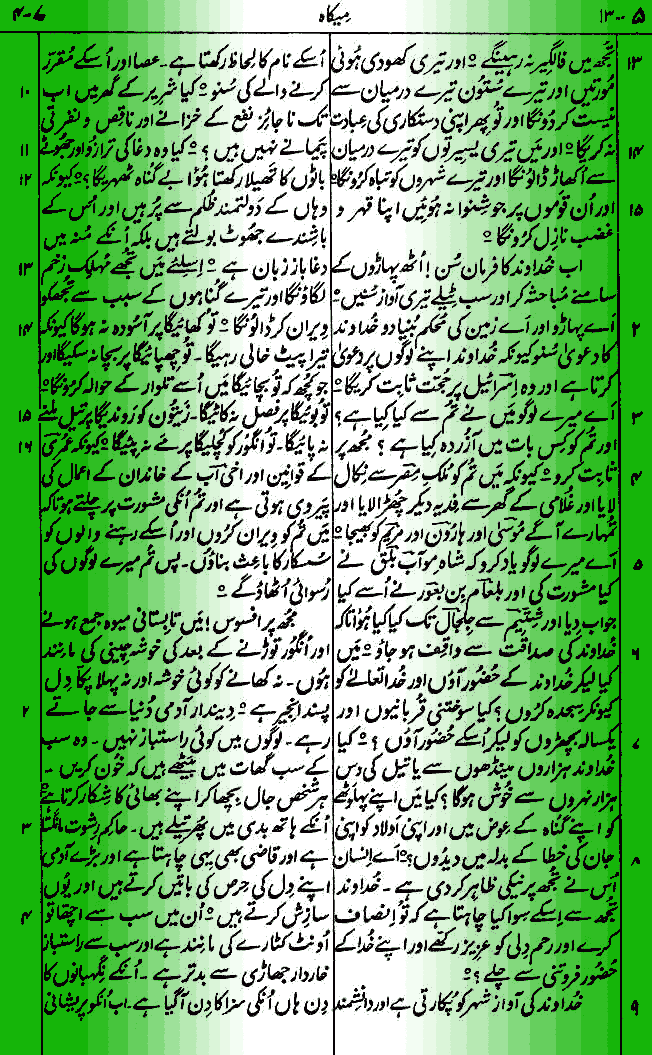
Micah 5:13
Verse:
Thy graven images also will I cut off and thy standing images out of the midst of thee and thou shalt no more worship the work of thine hands
English Explanation:
God declares a radical purification of His people by eliminating the root causes of their spiritual infidelity. “Graven images” and “standing images” (sacred pillars often dedicated to pagan deities like Baal) represent false security and idolatry. By destroying these physical idols, God forces Israel to realize the futility of worshipping things created by human hands, steering them back to the creator.
Urdu Explanation (اُردو تشریح):
خدا اپنے لوگوں کو روحانی گمراہی سے پاک کرنے کا اعلان کر رہا ہے۔ “تراشے ہوئے بت” اور “مقدس ستون” جھوٹے خداؤں اور بت پرستی کی علامت ہیں۔ اللہ ان کے ہاتھوں کے بنائے ہوئے بتوں کو ختم کر دے گا تاکہ وہ جان لیں کہ انسان کے اپنے ہاتھ سے بنی ہوئی چیزیں عبادت کے لائق نہیں ہیں، اور وہ سچے خدا کی طرف لوٹ آئیں۔
Micah 5:14
Verse:
And I will pluck up thy groves out of the midst of thee so will I destroy thy cities
English Explanation:
“Groves” refers to the Asherah poles, places of pagan ritual and fertility worship set up in nature. God promises to tear these down and destroy the corrupted cities that harbored these practices. When a society builds its culture and infrastructure on wickedness, God’s judgment targets both their religious errors and their physical strongholds.
Urdu Explanation (اُردو تشریح):
“گرووز” (Groves) سے مراد یشیرہ کے وہ بت یا باغیچے ہیں جہاں جھوٹے دیوتاؤں کی پوجا ہوتی تھی۔ خدا فرماتا ہے کہ وہ ان تمام مشرکانہ مقامات کو جڑ سے اکھاڑ پھینکے گا اور ان شہروں کو تباہ کر دے گا جنہوں نے ان گناہوں کو پناہ دی۔ جب کوئی معاشرہ برائی پر پروان چڑھتا ہے، تو خدا کا انصاف ان کے گڑھ تباہ کر دیتا ہے۔
Micah 5:15
Verse:
And I will execute vengeance in anger and fury upon the heathen such as they have not heard
English Explanation:
This verse highlights God’s sovereignty over all nations, not just Israel. He warns the “heathen” (pagan nations) who rejected His law and oppressed His people that they will face unprecedented judgment. God’s fury is a righteous response to persistent injustice, pride, and lawlessness.
Urdu Explanation (اُردو تشریح):
یہ آیت ظاہر کرتی ہے کہ خدا صرف اسرائیل کا نہیں بلکہ تمام قوموں کا حاکم ہے۔ وہ ان غیر قوموں (بت پرستوں) کو تنبیہ کر رہا ہے جنہوں نے خدا کے قوانین کو رد کیا اور ظلم کیا۔ خدا کا غضب اور انصاف ان پر اس شدت سے نازل ہوگا جس کی مثال انہوں نے پہلے کبھی نہیں سنی ہوگی۔
Micah Chapter 6
Micah 6:1
Verse:
Hear ye now what the LORD saith Arise contend thou before the mountains and let the hills hear thy voice
English Explanation:
Chapter 6 opens like a divine courtroom drama. God calls upon the prophet Micah to present His case. The “mountains” and “hills” are summoned as ancient, unchanging witnesses to the covenant made between God and Israel. If nature itself is listening, Israel has no excuse to ignore the message.
Urdu Explanation (اُردو تشریح):
چھٹے باب کا آغاز ایک الٰہی عدالت کی طرح ہوتا ہے۔ خدا نبی میکاہ کو حکم دیتا ہے کہ وہ اپنا مقدمہ پیش کرے۔ “پہاڑوں” اور “ٹیلوں” کو گواہ کے طور پر بلایا گیا ہے کیونکہ وہ قدیم دور سے خدا اور اسرائیل کے عہد کے گواہ ہیں۔ جب کائنات کی عظیم نشانیاں سن رہی ہیں، تو اسرائیل کے پاس نہ سننے کا کوئی بہانہ نہیں ہے۔
Micah 6:2
Verse:
Hear ye O mountains the LORD’s controversy and ye strong foundations of the earth for the LORD hath a controversy with his people and he will plead with Israel
English Explanation:
The formal indictment begins here. The Lord has a “controversy” (a legal dispute) with His covenant people. God does not strike blindly; He reasons and lays out the evidence. The enduring foundations of the earth stand as jurors while the Creator brings charges against Israel’s unfaithfulness.
Urdu Explanation (اُردو تشریح):
یہاں سے باقاعدہ مقدمے کا آغاز ہوتا ہے۔ خداوند کا اپنے لوگوں (اسرائیل) کے ساتھ ایک قانونی تنازعہ ہے۔ خدا اندھا دھند سزا نہیں دیتا، بلکہ وہ دلیل اور ثبوت پیش کرتا ہے۔ زمین کی مضبوط بنیادیں ایک جیوری کی طرح کھڑی ہیں جبکہ خالق اسرائیل کی بے وفائی کا مقدمہ پیش کر رہا ہے۔
Micah 6:3
Verse:
O my people what have I done unto thee? and wherein have I wearied thee? testify against me
English Explanation:
In a deeply emotional and tender appeal, God asks His people how He has failed them. He asks if His commandments or His guidance have been a burden (“wearied thee”). He invites them to testify against Him if they have any legitimate grievance, highlighting that Israel’s rebellion is entirely groundless.
Urdu Explanation (اُردو تشریح):
ایک انتہائی جذباتی اور درد مندانہ انداز میں خدا اپنے لوگوں سے پوچھتا ہے کہ اس نے ان کے ساتھ کیا برا کیا ہے؟ کیا اس کے احکامات ان کے لیے بوجھ بن گئے تھے؟ خدا انہیں دعوت دیتا ہے کہ اگر ان کے پاس کوئی جائز شکایت ہے تو وہ اس کے خلاف گواہی دیں، جس سے یہ واضح ہوتا ہے کہ اسرائیل کی سرکشی سراسر بلا وجہ ہے۔
Micah 6:4
Verse:
For I brought thee up out of the land of Egypt and redeemed thee out of the house of servants and I sent before thee Moses Aaron and Miriam
English Explanation:
To prove His goodness, God reminds Israel of their salvation history. He liberated them from Egyptian slavery and provided spiritual, administrative, and prophetic leadership through Moses (the lawgiver), Aaron (the priest), and Miriam (the prophetess). God’s past faithfulness makes Israel’s current rebellion look incredibly ungrateful.
Urdu Explanation (اُردو تشریح):
اپنی بھلائی کو ثابت کرنے کے لیے، خدا اسرائیل کو ان کی نجات کی تاریخ یاد دلاتا ہے۔ اس نے انہیں مصر کی غلامی سے چھڑایا اور موسیٰ (شریعت دینے والے)، ہارون (کاہن)، اور مریم (نبیہ) جیسے عظیم رہنما عطا کیے۔ خدا کی ماضی کی وفاداری ظاہر کرتی ہے کہ اسرائیل کی موجودہ بغاوت کتنی بڑی احسان فراموشی ہے۔
Micah 6:5
Verse:
O my people remember now what Balak king of Moab consulted and what Balaam the son of Beor answered him from Shittim unto Gilgal that ye may know the righteousness of the LORD
English Explanation:
God references the historical event where King Balak hired the pagan prophet Balaam to curse Israel, but God turned the curse into a blessing (Numbers 22-24). The journey from “Shittim” (the last campsite before crossing the Jordan) to “Gilgal” (the first campsite in the Promised Land) symbolizes God’s protective guidance. Remembering this proves God’s absolute “righteousness” and loyalty.
Urdu Explanation (اُردو تشریح):
خدا اس تاریخی واقعے کا ذکر کرتا ہے جہاں موآب کے بادشاہ بالاق نے اسرائیل پر لعنت بھیجنے کے لیے جادوگر بلعام کو بلایا تھا، لیکن خدا نے اس لعنت کو برکت میں بدل دیا۔ “شطیم” (یردن پار کرنے سے پہلے کا آخری پڑاؤ) سے “جلجال” (مقدس سرزمین پر پہلا پڑاؤ) کا سفر خدا کی حفاظت کی علامت ہے۔ اسے یاد رکھنا خدا کی صداقت اور وفاداری کو ثابت کرتا ہے۔
Micah 6:6
Verse:
Wherewith shall I come before the LORD and bow myself before the high God? shall I come before him with burnt offerings with calves of a year old
English Explanation:
Speaking on behalf of the convicted people, the question shifts to how to appease God. The speaker asks if grand outward religious rituals, expensive burnt offerings, or perfectly aged calves can fix the broken relationship. It highlights the human tendency to offer material things instead of a changed heart.
Urdu Explanation (اُردو تشریح):
مجرم بنے ہوئے لوگوں کی طرف سے یہ سوال اٹھایا گیا ہے کہ خدا کو کیسے راضی کیا جائے؟ کیا ظاہری مذہبی رسومات، مہنگی سوختنی قربانیاں، یا ایک سال کے بچھڑے خدا کے ساتھ ٹوٹے ہوئے تعلق کو ٹھیک کر سکتے ہیں؟ یہ انسان کی اس عادت کو ظاہر کرتا ہے جہاں وہ دل بدلنے کے بجائے مادی چیزیں پیش کرنے کی کوشش کرتا ہے۔
Micah 6:7
Verse:
Will the LORD be pleased with thousands of rams or with ten thousands of rivers of oil? shall I give my firstborn for my transgression the fruit of my body for the sin of my soul
English Explanation:
The questions escalate to absurd, hyperbolic proportions. Would thousands of rams or impossible amounts of ritual oil please God? The speaker even suggests the ultimate pagan horror: child sacrifice (“my firstborn for my transgression”). This exposes a profound misunderstanding of God’s character, thinking He can be bribed with external sacrifices.
Urdu Explanation (اُردو تشریح):
سوالات مبالغہ آرائی کی حد تک بڑھ جاتے ہیں۔ کیا ہزاروں مینڈھے یا تیل کی لاکھوں ندیاں خدا کو خوش کر سکتی ہیں؟ یہاں تک کہ انسان اپنے گناہ کے بدلے اپنے پہلوٹھے بچے کی قربانی دینے کی بات کرتا ہے، جو کہ مشرکانہ سوچ ہے۔ یہ ظاہر کرتا ہے کہ وہ خدا کی ذات کو نہیں سمجھے اور سوچتے ہیں کہ خدا کو مادی قربانیوں سے رشوت دی جا سکتی ہے۔
Micah 6:8
Verse:
He hath shewed thee O man what is good and what doth the LORD require of thee but to do justly and to love mercy and to walk humbly with thy God
English Explanation:
This is one of the most famous verses in the Old Testament, summarizing true religion. God doesn’t want empty rituals; He wants moral substance. He requires three things:
-
To do justly: Act fairly and equitably toward others.
-
To love mercy: Show loyal, steadfast love and kindness ($hesed$).
-
To walk humbly with God: Live in deliberate submission and alignment with God’s will, free from pride.
Urdu Explanation (اُردو تشریح):
یہ پرانے عہد نامے کی سب سے مشہور آیات میں سے ایک ہے جو سچی بندگی کا نچوڑ پیش کرتی ہے۔ خدا خالی رسومات نہیں بلکہ اخلاقی تبدیلی چاہتا ہے۔ وہ تین چیزوں کا تقاضا کرتا ہے:
-
انصاف کرنا: دوسروں کے ساتھ عدل اور انصاف کا معاملہ کرنا۔
-
رحم دلی سے محبت رکھنا: وفاداری، محبت اور رحمدلی کا مظاہرہ کرنا۔
-
خدا کے ساتھ عاجزی سے چلنا: غرور کو چھوڑ کر خدا کی مرضی کے مطابق زندگی گزارنا۔
Micah 6:9
Verse:
The LORD’s voice crieth unto the city and the man of wisdom shall see thy name hear ye the rod and who hath appointed it
English Explanation:
God’s voice calls out to Jerusalem with urgency. Wise individuals will recognize His authority (“see thy name”) and understand that the coming judgment (“the rod”) is not random chance; it has been intentionally appointed by God as a direct consequence of their sins.
Urdu Explanation (اُردو تشریح):
خدا کی آواز یروشلم شہر کو پکار رہی ہے۔ عقلمند انسان وہی ہے جو خدا کے اختیار کو پہچانے اور یہ سمجھ جائے کہ آنے والی سزا (“لاٹھی” یا عذاب) کوئی اتفاق نہیں ہے، بلکہ یہ خدا کی طرف سے ان کے گناہوں کے نتیجے میں مقرر کی گئی ہے۔
Micah 6:10
Verse:
Are there yet the treasures of wickedness in the house of the wicked and the scant measure that is abominable
English Explanation:
God exposes the specific economic sins of the city. The wealthy are hoarding treasures gained through corruption. They use a “scant measure” (dishonest, altered commercial scales to cheat customers), an act that God finds completely detestable ($abominable$).
Urdu Explanation (اُردو تشریح):
خدا شہر کے معاشی گناہوں کو بے نقاب کر رہا ہے۔ شریر لوگوں کے گھروں میں ظلم اور بے ایمانی سے جمع کیا ہوا مال ہے۔ وہ “گھٹائے ہوئے پیمانے” (ناپ تول میں کمی) کا استعمال کرتے ہیں تاکہ گاہکوں کو دھوکہ دے سکیں، اور یہ عمل خدا کی نظر میں انتہائی مکروہ ہے۔
Micah 6:11
Verse:
Shall I count them pure with the wicked balances and with the bag of deceitful weights
English Explanation:
God asks a rhetorical question regarding divine justice: How can He look past systemic economic fraud? A society that tolerates “wicked balances” and “deceitful weights” in the marketplace cannot be declared morally pure or righteous in the eyes of Holy God.
Urdu Explanation (اُردو تشریح):
خدا الٰہی انصاف کے حوالے سے ایک سوال پوچھتا ہے کہ وہ اس معاشی دھوکہ دہی کو کیسے معاف کر سکتا ہے؟ جو معاشرہ کاروبار میں “غلط ترازو” اور “دھوکے کے باٹ” کا استعمال کرتا ہے، وہ پاک خدا کی نظر میں کبھی معصوم یا راستباز نہیں ٹھہر سکتا۔
Micah 6:12
Verse:
For the rich men thereof are full of violence and the inhabitants thereof have spoken lies and their tongue is deceitful in their mouth
English Explanation:
The social fabric is entirely decayed. The wealthy elite use power and physical or structural “violence” to exploit the poor. Furthermore, the general population has abandoned truth, choosing pervasive deception and falsehood in their daily dealings.
Urdu Explanation (اُردو تشریح):
معاشرتی نظام پوری طرح تباہ ہو چکا ہے۔ امیر لوگ غریبوں کا استحصال کرنے کے لیے طاقت اور “ظلم” کا استعمال کرتے ہیں۔ مزید برآں، عام لوگ بھی سچائی کو چھوڑ چکے ہیں اور ان کی زبانوں پر صرف جھوٹ اور فریب ہے۔
Micah 6:13
Verse:
Therefore also will I make thee sick in smiting thee in making thee desolate because of thy sins
English Explanation:
Because of persistent fraud, lies, and violence, God switches from warnings to sentencing. The punishment will match the crime: He will strike them with physical and national sickness, leaving their corrupt society empty, ruined, and “desolate.”
Urdu Explanation (اُردو تشریح):
مسلسل دھوکہ دہی، جھوٹ اور ظلم کی وجہ سے خدا اب سزا کا حکم سناتا ہے۔ سزا گناہ کے مطابق ہوگی: خدا انہیں ایسی مار مارے گا کہ وہ بیمار پڑ جائیں گے اور ان کا پورا معاشرہ ان کے گناہوں کی وجہ سے ویران اور تباہ ہو جائے گا۔
Micah 6:14
Verse:
Thou shalt eat but not be satisfied and thy casting down shall be in the midst of thee and thou shalt take hold but shalt not deliver and that which thou deliverest will I give up to the sword
English Explanation:
This details the curse of futility. Despite hoarding food, they will remain hungry (famine/sickness). Their internal instability will cause them to collapse (“casting down”) from within. Anything they try to save or hide from the invaders will ultimately be captured and destroyed by the enemy’s sword.
Urdu Explanation (اُردو تشریح):
یہاں ناکامی اور حسرت کی سزا کا ذکر ہے۔ مال جمع کرنے کے باوجود وہ کھانا کھائیں گے لیکن ان کا پیٹ نہیں بھرے گا (قحط یا بیماری کی وجہ سے)۔ ان کا زوال ان کے اپنے اندر سے شروع ہوگا۔ وہ جس چیز کو بھی بچانے کی کوشش کریں گے، وہ بچ نہیں پائے گی اور جو کچھ بچے گا وہ دشمن کی تلوار کی نذر ہو جائے گا۔
Micah 6:15
Verse:
Thou shalt sow but thou shalt not reap thou shalt tread the olives but thou shalt not anoint thee with oil and sweet wine but shalt not drink wine
English Explanation:
The agricultural labor of the people will yield no personal benefit. They will plant seeds but enemies will harvest them; they will press olives and grapes but will never enjoy the luxury of the oil or the joy of the wine. It emphasizes that economic success is entirely dependent on God’s blessing.
Urdu Explanation (اُردو تشریح):
لوگوں کی محنت کا انہیں کوئی پھل نہیں ملے گا۔ وہ بیج تو بوئیں گے لیکن فصل کاٹ نہیں پائیں گے (کیونکہ دشمن لے جائیں گے)۔ وہ زیتون اور انگور کو کچلیں گے تو سہی، لیکن نہ تو زیتون کا تیل استعمال کر سکیں گے اور نہ ہی انگور کی مے پی سکیں گے۔ یہ ظاہر کرتا ہے کہ دنیاوی کامیابی صرف خدا کی برکت سے ہی ممکن ہے۔
Micah 6:16
Verse:
For the statutes of Omri are kept and all the works of the house of Ahab and ye walk in their counsels that I should make thee a desolation and the inhabitants thereof an hissing therefore ye shall bear the reproach of my people
English Explanation:
Instead of following God’s laws, Israel followed the corrupt “statutes of Omri” and the wicked idolatry of King “Ahab” (who promoted Baal worship and structural injustice). Because they chose the counsel of evil kings, God will make them an object of mockery (“an hissing”) and they will bear the deep shame ($reproach$) of their fallen status.
Urdu Explanation (اُردو تشریح):
خدا کے قوانین پر عمل کرنے کے بجائے، اسرائیل کے لوگوں نے “عمری کے قوانین” اور “اخیاب کے گھرانے” کے شرمناک کاموں (بت پرستی اور ظلم) کی پیروی کی۔ چونکہ انہوں نے برے بادشاہوں کے مشوروں پر عمل کیا، اس لیے خدا انہیں دنیا کے لیے عبرت اور تمسخر کا نشان (“تالیاں بجانا/ہنسنا”) بنا دے گا اور وہ رسوائی کا بوجھ اٹھائیں گے۔
Micah Chapter 7
Micah 7:1
Verse:
Woe is me for I am as when they have gathered the summer fruits as the grapegleanings of the vintage there is no cluster to eat my soul desired the firstripe fruit
English Explanation:
Micah speaks in the first person, lamenting the moral state of his nation. He compares looking for a righteous person in Israel to searching for fruit after the harvest is completely over. There is nothing left but bare branches; the prophet’s soul longs for a “firstripe fruit” (a righteous soul), but finds absolutely none.
Urdu Explanation (اُردو تشریح):
نبی میکاہ اپنی قوم کی اخلاقی حالت پر افسوس کرتے ہوئے کہتا ہے کہ “مجھ پر افسوس!”۔ وہ اسرائیل میں کسی نیک انسان کی تلاش کو فصل کٹنے کے بعد باغ میں پھل ڈھونڈنے سے تشبیہ دیتا ہے۔ باغ میں کچھ نہیں بچا؛ نبی کا دل اچھے اور راستباز انسان کو دیکھنے کے لیے ترس رہا ہے، لیکن کوئی ایک بھی نظر نہیں آتا۔
Micah 7:2
Verse:
The good man is perished out of the earth and there is none upright among men they all lie in wait for blood they hunt every man his brother with a net
English Explanation:
The prophet explicitly states the problem: godly and upright individuals have vanished from society. Instead of community love, there is predatory behavior. People actively plot violence (“lie in wait for blood”) and treat their fellow citizens like prey, hunting one another with traps and nets.
Urdu Explanation (اُردو تشریح):
نبی واضح طور پر کہتا ہے کہ زمین پر سے نیک اور شریف لوگ ختم ہو چکے ہیں اور انسانوں میں کوئی بھی سیدھی راہ پر چلنے والا نہیں رہا۔ اب لوگ ایک دوسرے کی مدد کرنے کے بجائے خون بہانے کی طاق میں بیٹھے ہیں اور اپنے ہی بھائیوں کو جال لگا کر شکار کر رہے ہیں۔
Micah 7:3
Verse:
That they may do evil with both hands earnestly the prince asketh and the judge asketh for a reward and the great man he uttereth his mischievous desire so they wrap it up
English Explanation:
The corruption is systematic and highly efficient, done “with both hands earnestly.” The leadership is thoroughly bribed: princes and judges demand rewards (kickbacks) instead of dispensing justice. The influential elite openly voice their wicked desires, and together, they coordinate (“wrap it up”) to legalise and conceal their conspiracies.
Urdu Explanation (اُردو تشریح):
برائی اس معاشرے میں اتنی مہارت سے ہو رہی ہے جیسے کوئی “دونوں ہاتھوں سے دل لگا کر” کام کرتا ہے۔ نظام کے ستون بک چکے ہیں: حاکم اور قاضی (جج) انصاف کے بدلے رشوت مانگتے ہیں۔ بڑے لوگ اپنی بری خواہشات کا کھلم کھلا اظہار کرتے ہیں اور سب مل کر سازش کا تانا بانا بنتے ہیں (“اسے لپیٹ دیتے ہیں”)۔
Micah 7:4
Verse:
The best of them is as a brier the most upright is sharper than a thorn hedge the day of thy watchmen and thy visitation cometh now shall be their perplexity
English Explanation:
Even the individuals considered “the best” or “most upright” in this corrupt society are toxic and hurtful, compared to sharp “briers” and “thorn hedges” that pierce anyone who gets close. Therefore, the day predicted by the prophets (“thy watchmen”)—the day of divine inspection and punishment (“visitation”)—has arrived, leaving them in absolute panic and confusion ($perplexity$).
Urdu Explanation (اُردو تشریح):
اس بگڑے ہوئے معاشرے میں جو سب سے اچھا یا راستباز نظر آتا ہے، وہ بھی چبھرنے والی “جھاڑی” اور “کانٹوں کی باڑ” کی طرح نقصان دہ ہے۔ اس لیے اب نبیوں (“نگہبانوں”) کی پیشگوئی کے مطابق خدا کی عدالت اور سزا کا دن آ پہنچا ہے، جو انہیں سخت گھبراہٹ اور الجھن (“پریشانی”) میں مبتلا کر دے گا۔